Christmas stories encourage values such as love, compassion and generosity, influencing different cultures. Classics such as A Christmas Carol offer valuable lessons and reinforce the Christmas spirit, while new stories can introduce fresh perspectives and traditions.
Christmas stories have always been a magical way to share joy and hope during the festive season.
These enchanting stories appeal to children and touch adults' hearts, reminding us of the deeper meaning of Christmas.
In this article, we will explore the origins of Christmas stories, the classics that have resonated across generations, and how to create your own festive tales that connect with local culture and traditions.
The Origins of Christmas Stories

The origins of Christmas stories lie in old traditions celebrating the Christmas spirit. These stories were told at home and passed down through generations to share values of love, compassion and generosity.
Christmas stories can draw on folklore, religious traditions and imaginative fiction. One well-known literary example is A Christmas Carol by Charles Dickens, in which Scrooge is challenged to reconsider how he treats other people.
Over the decades, celebrated authors such as Charles Dickens have helped make these stories widely known, particularly through A Christmas Carol, which captures the essence of forgiveness and transformation.
Understanding the origins of Christmas stories helps us appreciate both the tales themselves and the messages they carry.
Classic Stories and Their Lessons

Classic Christmas stories play an important part in shaping traditions and passing on valuable lessons. Tales such as Charles Dickens's A Christmas Carol entertain while exploring the importance of generosity and redemption.
These stories convey messages of love, togetherness and hope, reflecting the values associated with Christmas. Another iconic story, The Nutcracker, captivates readers with its magic while exploring courage and the pursuit of dreams.
Revisiting these classic stories can inspire new generations to appreciate their lessons. Reading and telling them reinforces compassion and generosity, helping strengthen the Christmas spirit in our communities.
How to Create Your Own Christmas Stories

Creating your own Christmas stories can be a magical and rewarding experience. Start by thinking about tales that capture the essence of Christmas, such as kindness, friendship and helping others.
A useful tip is to use familiar characters who reflect people in your life or community. Once you have chosen your characters, select a setting that evokes Christmas, such as a room decorated with lights or a beautiful winter landscape.
As you develop the plot, introduce challenges the characters must overcome, showing how the Christmas spirit can bring solutions and people together.
Finally, when you finish your story, include a message or lesson that inspires readers to practise kindness and love, making your Christmas story truly meaningful.
The Cultural Impact of Christmas Stories

The cultural impact of Christmas stories is deep and wide-ranging. These tales entertain while also shaping values and beliefs in many societies.
From encouraging generosity to bringing families together, Christmas stories play an important role in many traditions. They help keep the magic of Christmas alive by sharing lessons of love, forgiveness and hope.
They also influence music, theatre and cinema, extending their reach still further. The Christmas spirit in each story can inspire community activities, bringing people together to share joy and mutual support.
Christmas stories are therefore much more than entertainment: they are a vital part of the cultural fabric, strengthening social bonds and celebrating our shared humanity.
Famous Christmas Stories Around the World
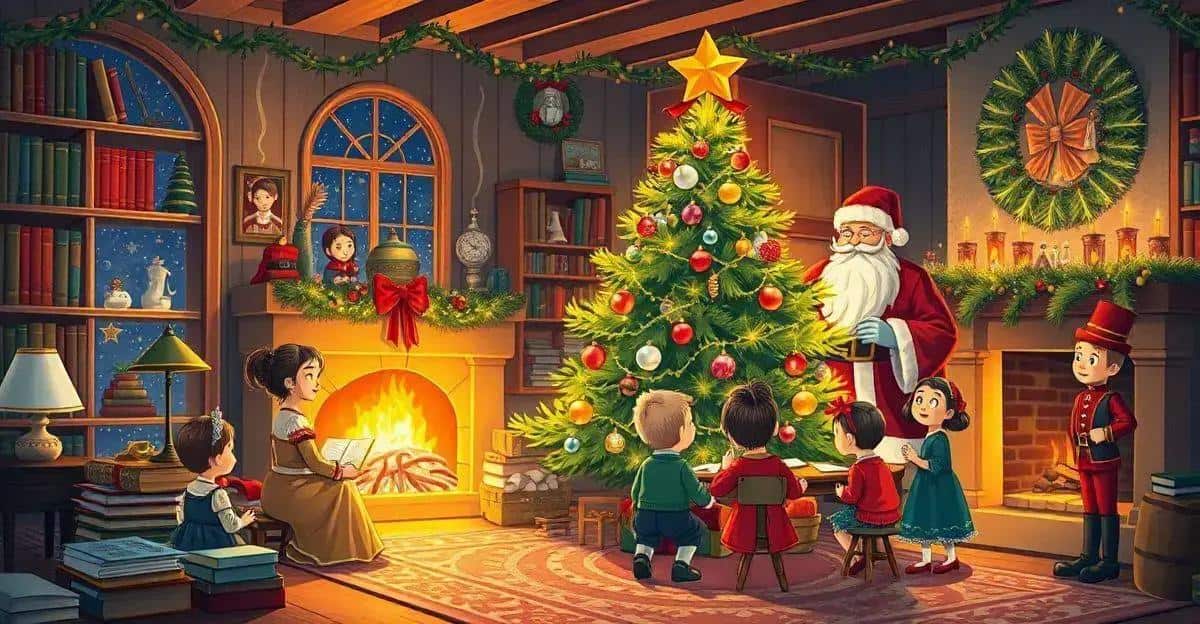
Famous Christmas stories around the world reflect different cultures and traditions, each bringing its own nuances and meanings.
For example, The Night Before Christmas, a poem attributed to Clement Clarke Moore, captures Christmas magic in American homes by describing the arrival of Father Christmas and his reindeer.
E. T. A. Hoffmann's The Nutcracker is another Christmas story, first written in German, in which a gift leads a child into a magical adventure.
Readers in Brazil and elsewhere can enjoy translated editions of these stories as well as tales shared within their own families. When sharing a family story, distinguish personal memories from fiction.
Each tale, whether told around a dinner table or performed on stage, symbolises the importance of sharing and love.
These Christmas stories entertain and teach values that can resonate with everyone, wherever they come from.
Final Thoughts
Christmas stories play an important part in shaping cultural identity and social values.
They connect us across time and place, sharing lessons of love, compassion and generosity.
Exploring their origins, classic tales and lessons, alongside the importance of creating new stories, makes us part of this cultural legacy.
Whether we listen to traditional stories or write our own versions, we are invited to celebrate the magic of Christmas and share it with others.
FAQ — Frequently Asked Questions About Christmas Stories
Where do Christmas stories come from?
Christmas stories have old roots, drawing on traditions that celebrate the Christmas spirit and share values of love and generosity.
What are some classic Christmas stories?
Classics include Charles Dickens's A Christmas Carol and The Nutcracker, which explore kindness and dreams.
How can I create my own Christmas stories?
Choose characters and a festive setting, then introduce challenges that show the Christmas spirit in action.
How do Christmas stories influence culture?
Christmas stories influence cultural values, encourage community action and help keep festive traditions alive.
What are some famous Christmas stories around the world?
Examples include Charles Dickens's A Christmas Carol, E. T. A. Hoffmann's The Nutcracker and the American poem A Visit from St. Nicholas, also known as The Night Before Christmas.