
When choosing Christmas gifts for children, consider their interests, the manufacturer’s age guidance and the family’s preferences. Creative activities, books and suitable personalised gifts offer different possibilities, and involving the child can help you understand what they would enjoy.
Choosing Christmas gifts for children can feel challenging when there are so many options. Start with what the child enjoys, what is suitable for their age and what fits your budget. A thoughtful present need not be large or expensive.
Why a considered choice matters
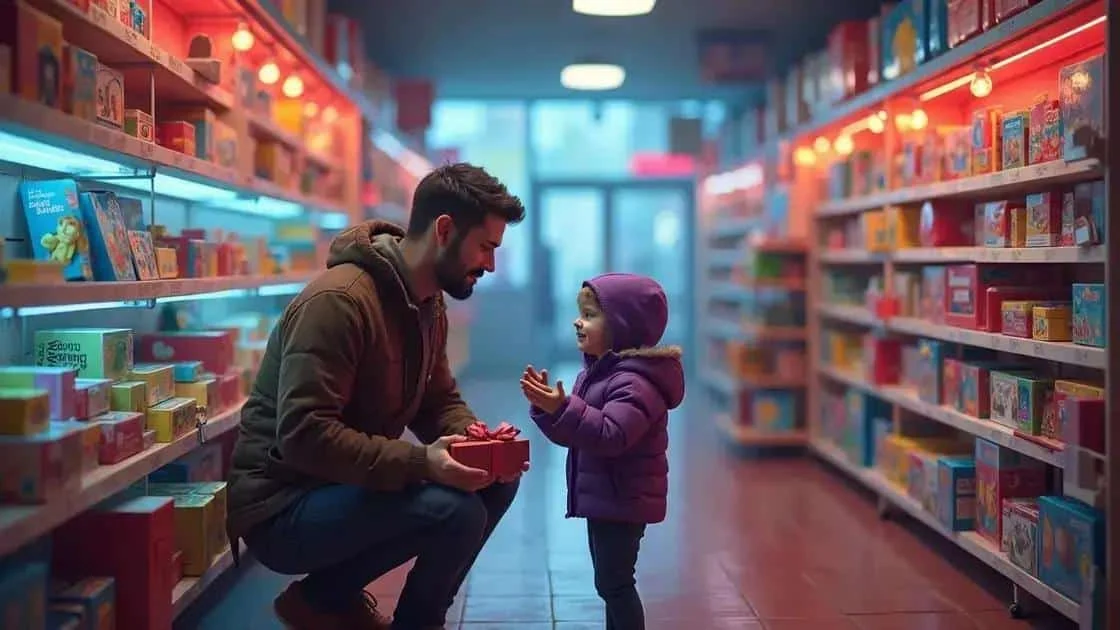
Thoughtfully chosen gifts can show care and offer enjoyable time together. A present is only one small part of a child’s life, however; it does not determine their happiness or development.
The personal meaning of a present
Choosing something connected to a child’s interests can show that you have listened. A shared activity may also provide an opportunity for connection, without needing an elaborate or costly gift.
Consider age and interests together
Think about the child’s age as well as their interests. Follow the manufacturer’s age restrictions and warnings; enthusiasm or ability does not remove risks from small parts or other unsuitable features.
Opportunities to learn through play
Board games, books and activity kits can offer opportunities to explore ideas and practise skills. Choose something the child would enjoy, with a suitable level of challenge, rather than expecting a gift to produce particular learning outcomes.
Adding a personal detail
A suitable personalised book or a handwritten dedication can make a gift feel individual. Consider privacy before displaying a child’s name or photograph, and check that the underlying product remains age-appropriate.
Choose something likely to be used
Look for a gift that suits the child’s current interests and has a practical place in their home. Durable construction and opportunities for repeated play may be more useful than a short-lived novelty, although preferences can change.
Understanding a child’s interests
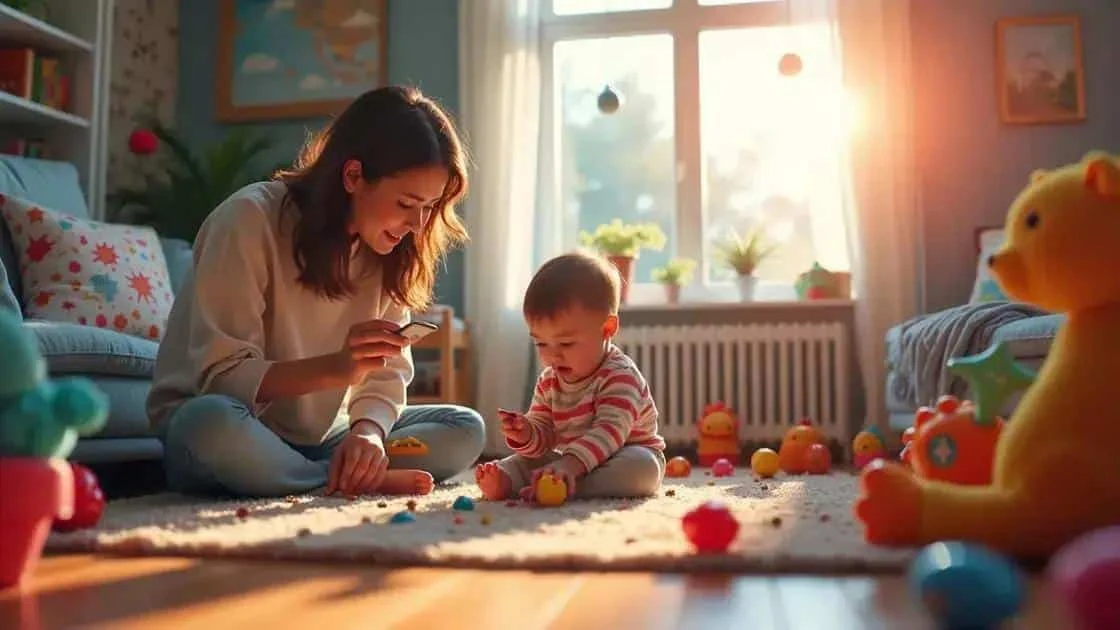
Watching and listening can give you useful clues. Notice the books, games and activities the child returns to, without assuming that every passing interest needs a new purchase.
Ask open questions
Try questions such as, ‘What do you most enjoy doing?’ or ‘Which game have you liked playing recently?’ Give the child room to explain their preferences rather than leading them towards a particular answer.
Make a few notes
Observe which activities hold the child’s interest and make a short note for later. Recording a favourite theme or a book they mentioned can help when you come to choose a present.
Spend time playing together
Join in a game, draw together or talk about a programme they enjoy. Shared time can help you understand their interests while being worthwhile in its own right, even if it does not lead to a gift idea.
Ask a parent or carer
Parents and carers can advise on preferences, existing toys, sensory needs, allergies and household rules. They may also know whether a suggested gift would create practical difficulties or duplicate something the child already owns.
Look at trends without following them automatically
Looking at
current toy and game trends can suggest possibilities, but popularity alone is not a reason to buy. Check that an item suits the individual child and avoid pressure to keep up with other families.
Creative gifts with opportunities for learning
Creative gifts can combine enjoyment with opportunities for learning. These ideas are starting points: suitability depends on the particular product, the child’s age and interests, and any supervision required.
Construction toys
Building blocks and construction sets can encourage children to experiment and solve problems through play. Choose an age-appropriate set and follow warnings about small parts and younger siblings.
Board games
Board games can offer practice in taking turns, planning and working together. Look for a suitable challenge, manageable playing time and rules the child can enjoy with others.
Interactive books
Books with flaps, textures or pop-up features may invite children to explore. Sharing them can support an interest in reading; choose sturdy, age-appropriate features and check for loose parts.
Science and activity kits
A suitable kit can introduce scientific questions through practical activities. Follow the stated age range, instructions and adult-supervision requirements rather than assuming all experiments are suitable for independent play.
Arts and crafts
Drawing, painting and making can offer space for creative expression. Choose materials intended for the child’s age, check washing and safety instructions, and supervise tools or small components where needed.
Choosing a personalised gift

Personalised gifts can reflect a child’s interests, but personalisation is optional. A well-chosen ordinary book or toy can be equally thoughtful.
Start with what the child likes
For a child who loves dinosaurs, a suitable personalised story might include their name as a character. Check the story, print quality and age suitability rather than choosing solely because it includes a name.
Ways to personalise
Consider a dedicated keepsake, such as a book with a handwritten message or an album chosen for the child. Avoid treating jewellery or small decorative objects as playthings for young children.
Handmade keepsakes
A photo album or personalised picture can be a thoughtful handmade option. Frames and decorations may be keepsakes for an adult to display rather than toys suitable for the child to handle.
An experience chosen for the child
A personalised experience might mean a suitable performance, an art activity or a day out. Check age guidance, accessibility, travel, supervision and any extra costs with a parent or carer first.
Keep wrapping simple
Colourful wrapping and a short message can add to the occasion. Keep plastic bags, cords, ribbons and other loose packaging away from babies and young children, and clear it away after unwrapping.
Ways to involve children in choosing
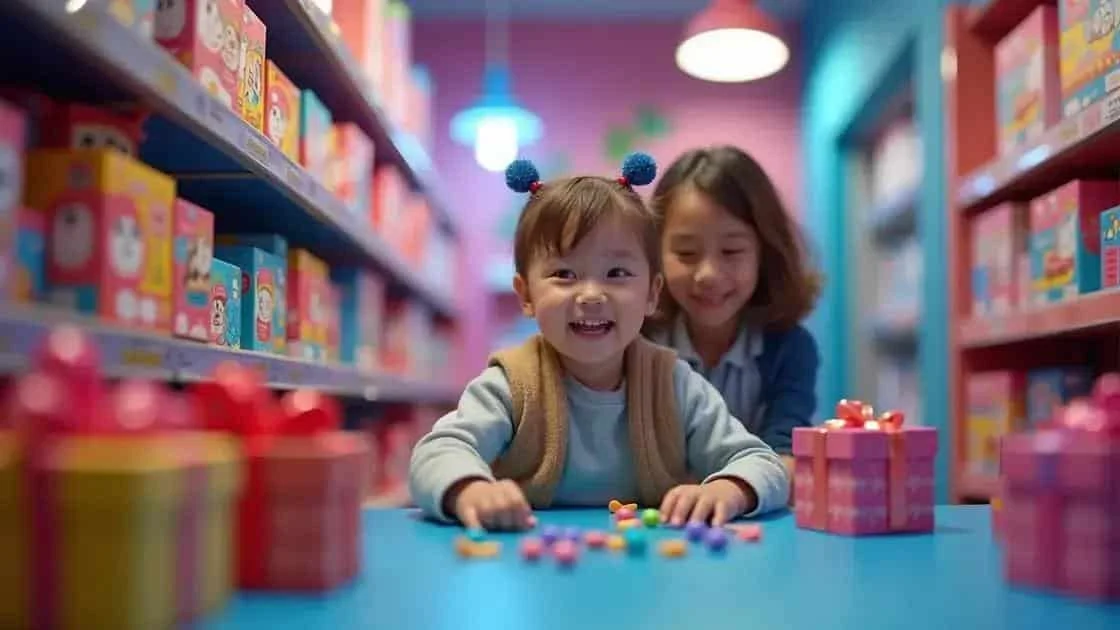
These practical tips can help children express their preferences while adults keep spending and suitability under control. Participation should feel relaxed rather than like a test.
Offer a small choice
Present two or three suitable options that fit your budget, then ask which the child prefers. Adults still need to check safety and practical details before buying.
Make a wish list
A wish list can show you the themes and activities a child enjoys. Explain that it provides ideas rather than a promise to buy everything on it.
Visit a shop if helpful
A short visit can let a child see possible gifts in person, but it is not necessary. Set expectations beforehand and avoid turning browsing into pressure to spend.
Talk about preferences
Ask about favourite characters, stories or activities and why they appeal. The conversation may reveal a broader interest that can be met with something simple you already have or an inexpensive present.
Make choosing playful
Invite the child to sort a few ideas into favourites or talk through what they would enjoy. Keep it friendly and avoid competitions between children or promises tied to choosing the ‘right’ item.
Affordable gifts and ways to reduce waste

When considering lower-waste gifts, think about likely use, durability, packaging and your budget. No gift is automatically environmentally beneficial simply because it is described as sustainable.
Handmade products
Local handmade items may offer individual designs and support a maker. Their environmental impact still depends on materials, production, delivery and use; local or handmade does not automatically mean a smaller footprint.
Consider packaging and end of life
Simple paper packaging may be easier to reuse or recycle than mixed decorative materials, depending on local collection rules. Packaging is not a toy, and glass or wooden materials alone do not make a gift safe for a child.
Experiences instead of more possessions
A shared activity can be useful when a child already has plenty of toys. It still has costs and environmental impacts, particularly where travel is involved, so choose something practical for the family.
Look beyond material labels
Toys made from natural materials are not automatically safer or better for the environment. Check the product’s age guidance, warnings, construction and suitability rather than relying on words such as natural or organic.
A charitable donation
If the child and family would welcome it, a small donation to a trustworthy charity can accompany a discussion about giving. Make it optional and do not assume it should replace an expected present without agreement.
Making a considered choice
Start with the child’s interests, the product’s age guidance and your budget. Books, games, creative materials and experiences offer different possibilities, but no particular gift guarantees happiness or development.
Involving children can help you understand their preferences. Reusing what you can and choosing items likely to be enjoyed repeatedly may also reduce unnecessary purchases.
A thoughtful choice and time together matter more than an impressive price tag. Keep the occasion manageable for the child and the family.
Frequently asked questions about Christmas gifts for children
How can I understand a child’s interests?
Watch what they enjoy doing and ask open questions. A parent or carer can help with practical needs, existing toys and any safety considerations.
What are some creative gift ideas?
Age-appropriate construction sets, board games, interactive books and craft materials can offer enjoyable activities. Check the individual product’s guidance and supervision needs.
Does a gift need to be personalised?
No. Personal details can be appealing to some children, but an ordinary item chosen around their interests can be just as thoughtful.
Why involve children in choosing?
It gives them a chance to express preferences and helps adults understand their interests. Offer realistic choices without promising a particular result or every item requested.
How can I choose an affordable gift with less waste?
Set a budget, consider what will be used and check condition, durability and packaging. Handmade, natural or recyclable labels do not by themselves guarantee a lower environmental impact.
What if I am unsure what the child would like?
Ask a parent or carer, talk with the child or use a short wish list as a guide. Check any suggested item for age suitability and practical requirements before buying.