
A more inclusive Christmas starts with asking guests what they need, checking access, adapting activities and respecting different beliefs and budgets. Clear information and flexible plans help people decide how they would like to take part.
From Brazil to Britain, Christmas traditions and shared stories can become treasured memories. A thoughtful gesture or a familiar meal may mean more than an elaborate party. How could your celebrations make room for the people and experiences that matter to you?
What Christmas means in different cultures

The meaning of Christmas differs between communities and households. Christians celebrate the birth of Jesus, while others enjoy the season as a time for family, friendship or a break from everyday routines. Some people do not celebrate it at all.
Christmas traditions around the world
In many households in Brazil, the main festive gathering takes place on Christmas Eve. A shared supper might include turkey, farofa and rabanada, accompanied by music and presents. Customs and menus vary between families and regions.
In Sweden, Lucia celebrations on 13 December include singing and processions associated with light. In the Philippines, decorative lanterns known as parol are a familiar part of Christmas displays. These are examples of particular traditions, rather than a description of every household.
Values and messages associated with Christmas
Peace, love and generosity feature in many Christmas celebrations. People may express these values through a welcome meal, a message or practical help. In South Africa, as elsewhere, charitable activities are one possible way to mark the season; they are not a universal national custom.
Stories passed between generations can carry these ideas into everyday life. They invite conversation about what kindness means in practice, both during the festivities and throughout the year.
Thinking about Christmas today
Christmas can also prompt reflection on spending, waste and the pressure to celebrate in a particular way. You might choose a smaller gathering, reuse decorations or agree on a modest present budget. Different people will have different priorities, and there is no single correct way to celebrate.
How family traditions shape Christmas memories
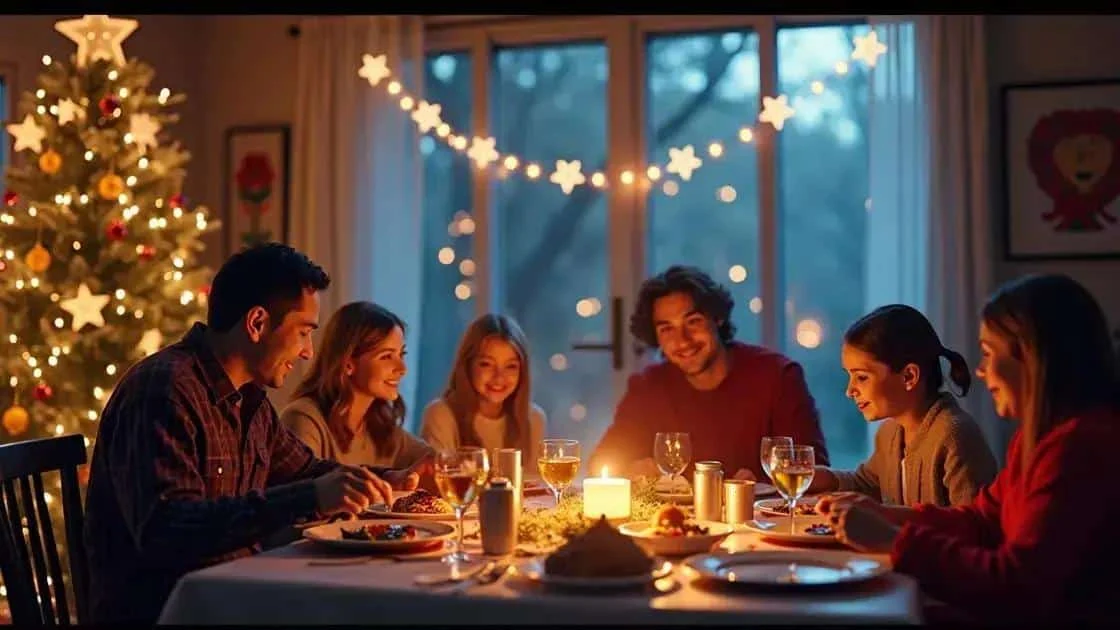
Family traditions can offer a sense of continuity and belonging. Each household has its own habits, and those habits can change as people grow older, move away or welcome new members.
Time together
A Christmas gathering may bring several generations together to share stories and catch up. For people who cannot travel, a phone call or a relaxed video conversation can be another way to keep in touch. Allow room for those who prefer a quiet celebration.
Favourite dishes and the memories they carry
A recipe handed down through the family can recall the person who first made it. In Brazil, dishes such as rabanada and roast turkey feature on some Christmas tables. In Britain, another household might associate the day with roast potatoes or Christmas pudding. Neither menu is compulsory.
Rituals and decorations
Putting up a tree or unpacking familiar ornaments can bring back childhood memories. Let people choose how much they want to help, and adapt tasks to their abilities. A small display can be just as meaningful as decorating every room.
Sharing stories and festive tales
Some families enjoy telling Christmas stories, reading a favourite book or inventing a tale together. Make clear which stories are personal memories and which are fiction, especially when discussing them with children.
Traditions can connect the past with the present without remaining fixed forever. Keep what feels meaningful, change what no longer works and make space for people whose family experiences are different from your own.
Small Christmas moments that can become meaningful memories

Special Christmas moments need not involve a grand gesture. The following examples are everyday possibilities, not reports of named people or independently verified events.
Acts of generosity
A household might prepare a welcome meal, donate suitable items requested by a local charity or help a neighbour with an agreed task. Ask what would actually be useful, and respect the privacy and dignity of anyone receiving support.
Reunions and thoughtful surprises
Seeing someone who lives far away can be a highlight of the season. Arrange visits with the host rather than assuming an unexpected arrival will be welcome. A planned reunion can still feel special without creating pressure or extra work.
Christmas messages and cards
A short, sincere message can express affection or gratitude. Mention a shared memory, thank someone for a specific kindness or simply let them know you are thinking of them. A call or digital message is an equally valid alternative to a card.
Room for reflection
Some people like to look back on the year and share what they have found difficult or encouraging. Others prefer not to discuss personal experiences at a gathering. Listen without expecting an uplifting story or treating festive cheer as a solution to serious difficulties.
These moments can make a celebration feel personal. They also remind us that Christmas may bring mixed emotions, and that companionship can mean listening quietly as well as joining in the festivities.
Sharing the Christmas spirit in practical ways
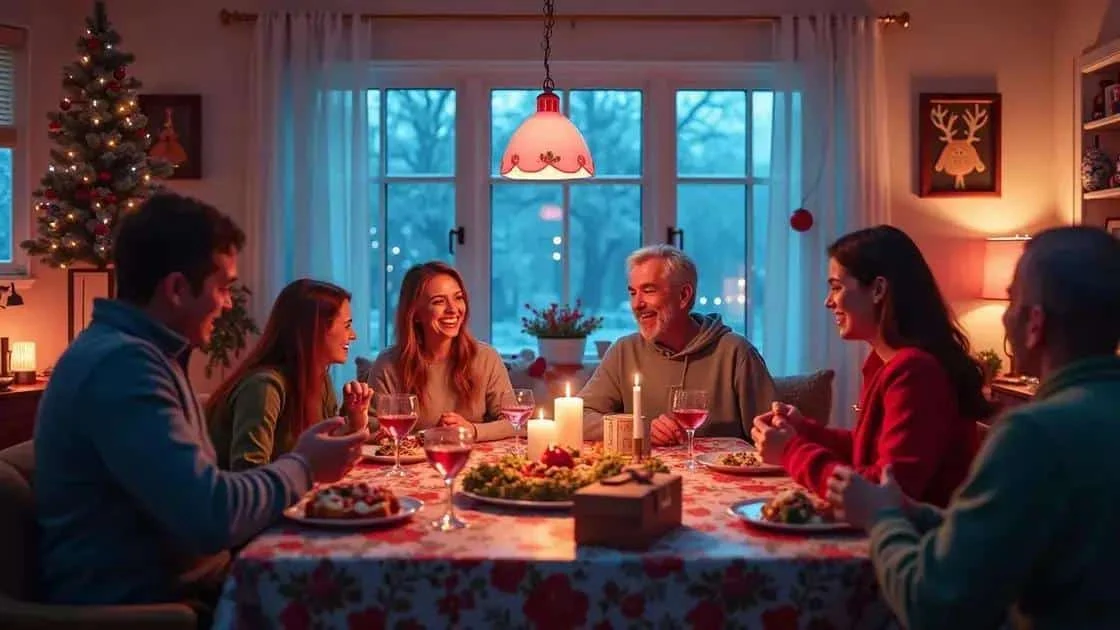
Sharing the Christmas spirit can mean putting values such as kindness and gratitude into practice. Choose gestures that suit your circumstances and the wishes of the people involved.
Making room for generosity
Generosity is not measured by the price of a present. Giving someone your attention, sharing a skill or offering practical help may be more useful than buying another item. There is no obligation to spend beyond your means.
Helping through the community
If you would like to support a collection or volunteer, check what an established local organisation currently needs. Follow its arrangements and safeguarding procedures, rather than organising an unannounced visit or distributing unsuitable donations.
Relaxed time together
A shared meal, a favourite film or a few songs can offer an easy opportunity to reconnect. Keep plans flexible and provide quieter options for anyone who finds a busy gathering tiring or overwhelming.
Talking with children about kindness
Children can explore sharing and consideration through small, age-appropriate activities. They might help choose a card, make a decoration or ask before borrowing a toy. Present kindness as an everyday habit, rather than a test of whether someone deserves a present.
The value of these activities lies in the people taking part. A modest celebration that respects everyone’s needs can be more enjoyable than a complicated plan that leaves guests or hosts under pressure.
Ideas for making new Christmas memories
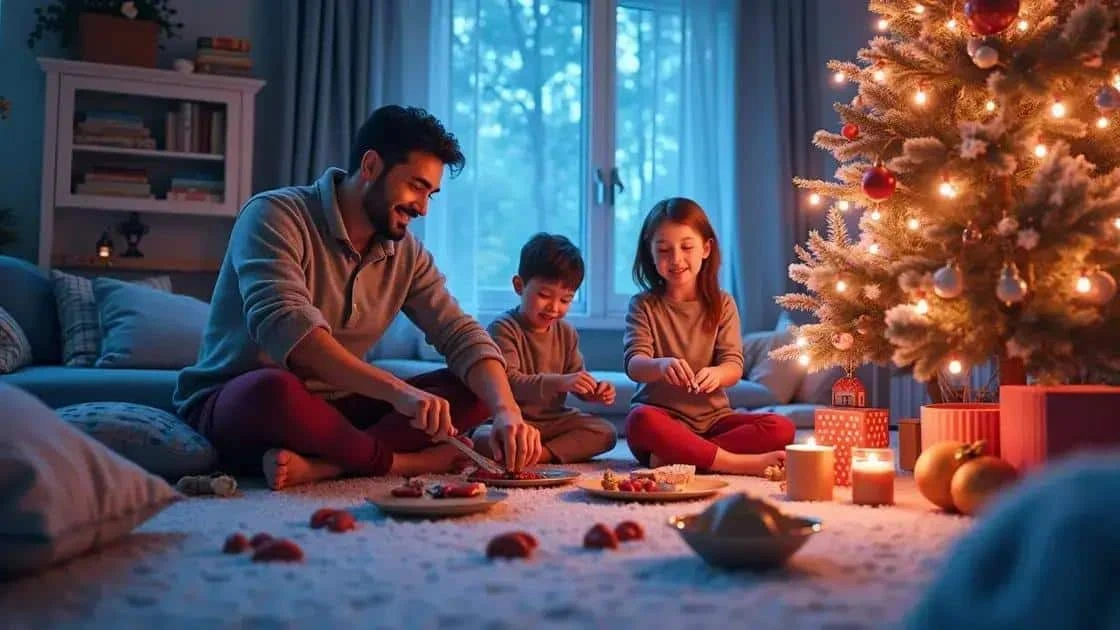
New Christmas memories often begin with a simple activity people want to repeat. Try one or two ideas, rather than adding a long list of obligations to the season.
1. Try a new tradition
New family traditions might include making an ornament, choosing a film together or taking a short walk to see local decorations. Adapt the activity to your budget, access needs and available time.
2. Invite people to help in ways that suit them
Cooking, decorating and crafting can be shared activities, but not everyone will want the same role. Offer choices, supervise children where needed and let someone contribute by selecting music or joining the conversation instead.
3. Make Secret Santa optional and affordable
A Secret Santa exchange can have a small agreed budget or a theme such as second-hand books. Handmade presents are another option if participants enjoy making them. Let people opt out without explanation, and avoid turning gift-giving into a competition.
4. Share stories together
Set aside a little time for memories of past Christmases or a made-up festive tale. Invite contributions without putting anyone on the spot, and explain when a story is imaginary rather than a real family event.
5. Keep a record, with permission
Photographs or a small album can help preserve favourite moments. Ask before taking or sharing pictures, respect anyone who declines and be particularly careful about posting identifiable images of children online.
Let new traditions develop naturally. An activity need not become an annual commitment, and a change of plan does not make the celebration any less worthwhile.
Planning a more inclusive and accessible Christmas

An inclusive Christmas starts with listening. Ask guests privately what would help them participate, give clear information in advance and avoid assuming that one arrangement will work for everyone.
1. Check the venue’s access
Look beyond a venue’s claim to be accessible. Check the entrance, any steps, toilets, seating, space to move and travel arrangements against guests’ actual requirements. Keep routes clear and explain any limitations before people commit to attending.
2. Adapt traditions without adding pressure
A shared activity can replace a present exchange if that suits the group. Remember that handmade gifts and bringing food also take time and money. Offer a way to attend without contributing anything, and keep participation voluntary.
3. Use welcoming, clear language
Use inclusive language that reflects the people you are inviting. Explain what the event involves, including any religious elements, and respect guests’ names, relationships, beliefs and choice not to celebrate.
4. Ask about dietary and other access needs
Discuss dietary requirements and food allergies in advance. Vegan and gluten-free do not mean allergen-free: check ingredients, keep packaging available and agree how to avoid cross-contact when preparing and serving food. If you cannot meet a requirement safely, say so clearly and arrange an alternative with the guest.
5. Offer different ways to take part
Provide a mix of activities, clear instructions and a quiet space or breaks where possible. A seated game is not automatically accessible to everyone, so ask about relevant hearing, vision, dexterity or communication needs and adapt the plan together.
Access is an ongoing conversation rather than a guarantee provided by a checklist. Being willing to listen, explain limitations and change plans helps create a more considerate celebration.
A Christmas celebration with room for different needs
An inclusive Christmas combines practical arrangements with respect for individual choices. Check the venue, share useful information and make traditions flexible rather than expecting every guest to celebrate in the same way.
Dietary planning, varied activities and opportunities to rest can all help. Ask people what works for them, and accept that someone may prefer to join briefly, take part remotely or decline the invitation.
Shared memories grow from feeling welcome and respected. Start with a manageable plan and keep the people attending at the centre of it.
FAQ: inclusive and accessible Christmas celebrations
How can I make my Christmas gathering more accessible?
Ask guests about their requirements, check entrances, toilets and seating, and explain any limitations in advance. Keep routes clear and adapt activities with the people who will use them.
How can I include people with different cultural traditions?
Invite people to share a tradition if they want to, explain any religious elements of your event and avoid assuming that everyone celebrates Christmas. Make participation optional.
How can I accommodate individual access and dietary needs?
Discuss requirements privately before the event. Agree suitable arrangements for food, seating, communication, breaks or activities, and be honest about anything you cannot provide.
Why does the wording of an invitation matter?
Clear, welcoming wording helps guests understand what to expect and ask questions. It also avoids assumptions about beliefs, family relationships or how someone should celebrate.
What activities can I offer?
Offer several choices, such as a conversation, a film, a craft activity or a game with adaptable rules. Check what participants need instead of assuming one activity is suitable for everyone.
How can children and adults take part together?
Provide age-appropriate roles in shared activities and let people choose how to contribute. Supervise tools and cooking where needed, allow breaks and respect anyone who prefers to watch.