Make Christmas decorations with suitable paper, fabric scraps and clean reused materials. Choose projects around the tools and materials available, supervise children and keep handmade decorations away from heat and open flames.
Wondering how to make Christmas decorations at home? A few paper shapes or fabric ornaments can add a personal touch without an extensive shopping list. Start with one manageable project, checking that the materials and tools suit the people taking part.
Simple materials for Christmas decorations
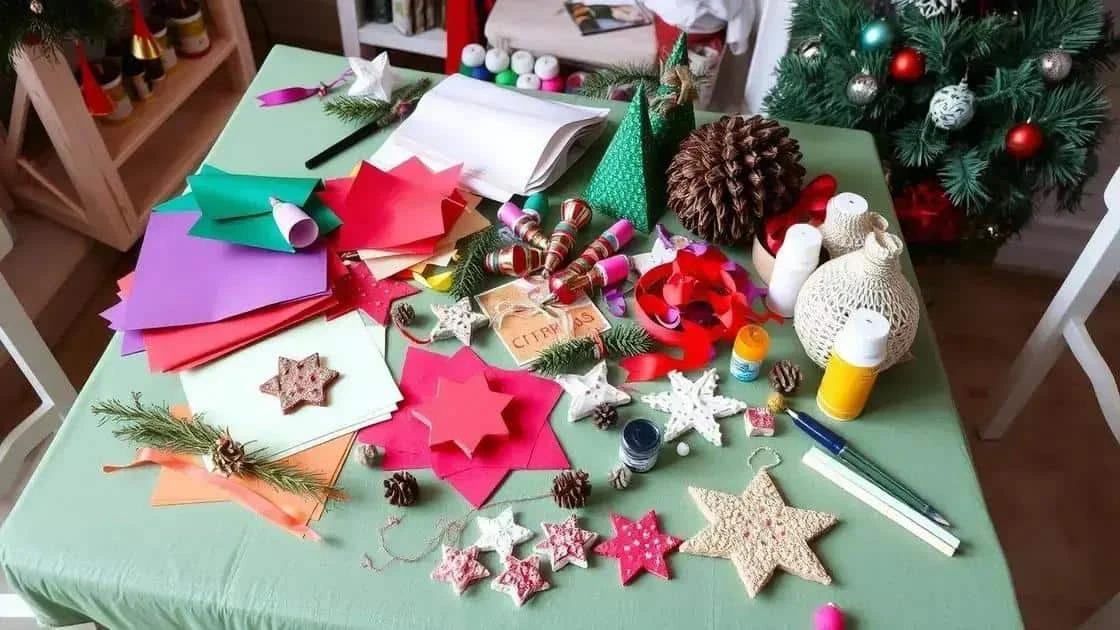
To make Christmas decorations, look first at materials you already own. Reusing suitable items may reduce purchases, though costs depend on the tools and supplies needed. Avoid damaged, sharp or contaminated materials.
Coloured paper
Paper can become stars, folded shapes or garlands. Sketch a simple template, cut and fold it, then attach pieces with suitable craft glue. Choose paper and glue appropriate to the project, and keep finished pieces away from flames and hot surfaces.
Ribbons and bows
Reuse clean ribbons to decorate or hang lightweight ornaments. Keep loops and long loose lengths out of young children’s reach, and check that ties are secure rather than allowing ornaments to fall easily.
Clean reused materials
Cardboard boxes can become decoration bases. Plastic bottles or tins need more care: cutting can create sharp edges and is an adult task, and some items are better left unused. Reuse does not automatically make a mixed-material decoration recyclable afterwards.
Natural materials
Suitable dry pinecones, leaves or small branches can create a rustic effect. Collect only where permitted, avoid unknown or hazardous plants and check materials for dirt or insects. Natural materials can still be flammable or unsuitable around children and pets.
Paint and brushes
Choose paint suitable for the surface and the users, following its label and ventilation instructions. Acrylic paint may work for some adult projects, while children’s activities need age-appropriate products. Protect the work surface and allow pieces to dry fully.
Step by step: a simple decorative wreath
This step-by-step wreath project is intended for a lightweight indoor decoration. Use materials and fixings appropriate to the finished weight, and let an adult manage sharp tools and any hot glue.
Materials
Gather a firm cardboard ring or a reusable craft ring, ribbon, suitable dry leaves or pinecones, lightweight baubles and appropriate adhesive. A foam ring is another possible base, but is not required. Use cool craft glue where it provides a suitable hold; hot glue, if necessary, is for an adult to handle.
Step 1: prepare the base
Draw and cut a cardboard ring or use a ready-made craft ring. An adult should cut thick card with suitable tools. Check that the base is firm enough for the chosen decorations before attaching them.
Step 2: attach natural materials
Arrange suitable leaves and pinecones on the ring, then attach them with an adhesive suitable for the surfaces. If an adult uses hot glue, keep children clear of the heated tool and fresh glue, and let each fixing cool before handling.
Step 3: add lightweight baubles
Place a few lightweight baubles around the ring and secure them with suitable fixings. Avoid fragile glass ornaments or small detachable parts in a project intended for young children, and check that the weight remains balanced.
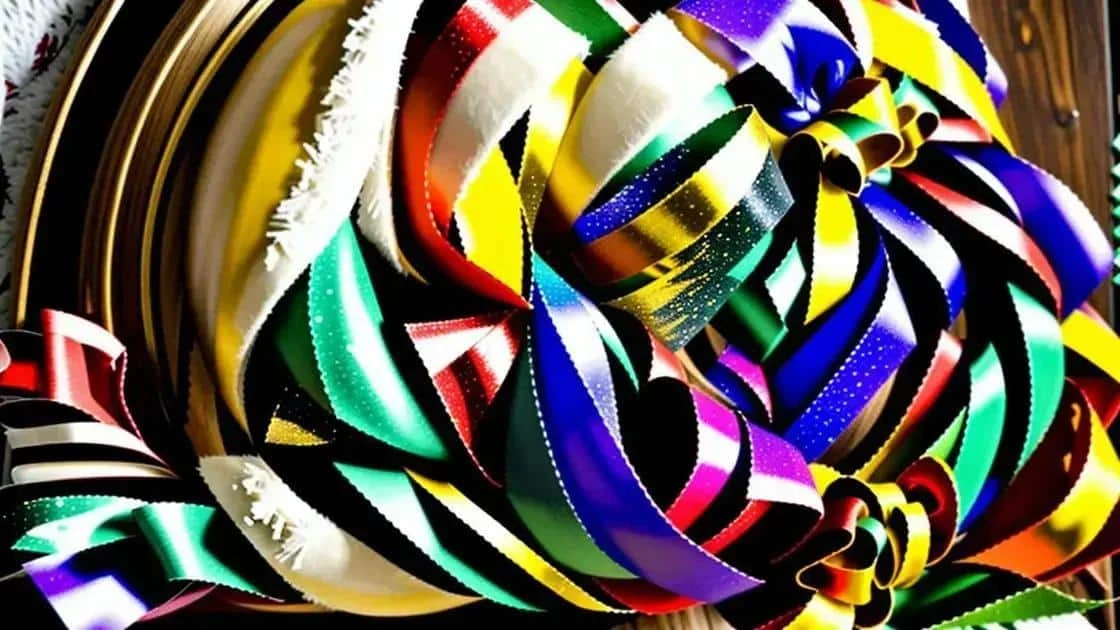
Step 4: finish with ribbon
Add ribbon and a bow without covering the hanging point. Use a secure fixing suited to the wreath’s weight and the surface where it will hang. Keep it away from heat, flames and places where it could obstruct a door or fall onto someone.
Finishing touches
Try contrasting colours or a reused fabric bow if you want more detail. Glitter sprays are optional and may require ventilation or add material that is difficult to recycle; follow the product instructions and choose an age-appropriate alternative for children.
Homemade Christmas tree ornament ideas
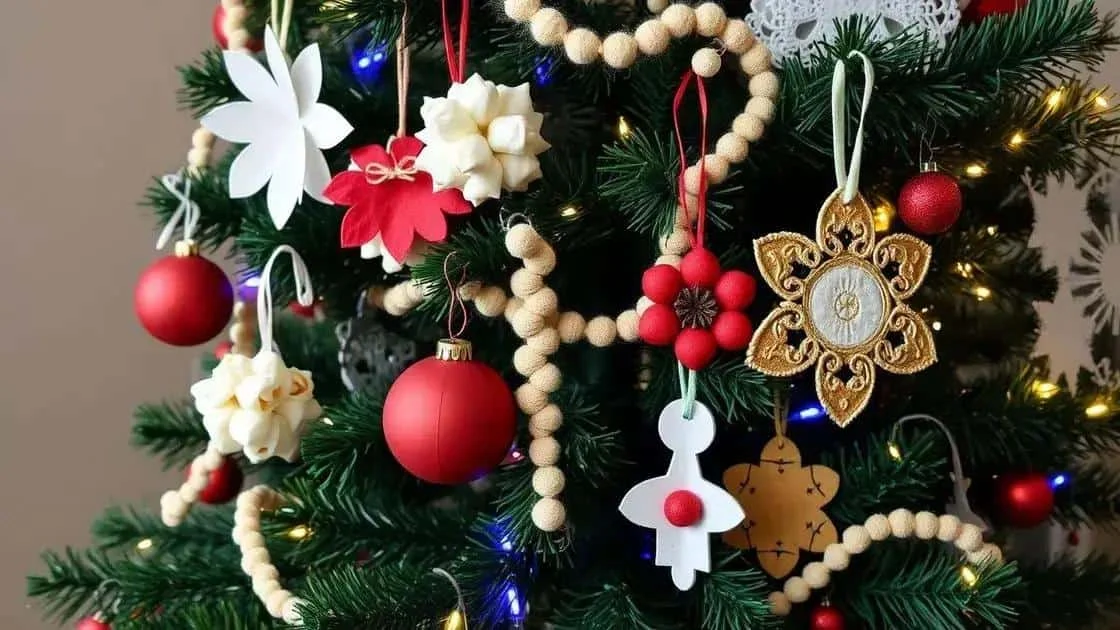
These ornament ideas can help you personalise a tree. Keep decorations light, securely attached and away from hot bulbs or open flames, with small parts and hanging cords out of young children’s reach.
Paper ornaments
Cut stars, hearts or snowmen from suitable paper, decorate with pens and attach a short hanging loop. Supervise scissors and keep cords away from young children. Paper ornaments are decorations, not toys.
Popcorn garlands
A popcorn garland can give a rustic effect, but threading requires care with needles and small pieces. An adult should manage this task or choose a paper-chain alternative for children. Keep food-based decorations away from pets, discard them if they deteriorate and do not eat them after they have been displayed.
Felt and fabric ornaments
Cut felt or fabric into stars, bells or tree shapes, then sew or attach pieces using a suitable method. Adults should manage needles and any hot glue. Embroidered or drawn details can replace loose beads when small parts would be unsuitable.
Dried fruit decorations
Properly dried orange or apple slices can be used as decorations with suitable instructions. An adult should handle slicing, heating and making hanging holes. Let pieces dry completely, check them for deterioration and keep them away from pets and heat. They are not for eating after display.
Using LED lights appropriately
Use suitable LED lights according to their instructions, without modifying wiring or trapping components inside handmade materials. Keep them away from moisture and flammable decorations as directed, secure battery compartments and switch lights off when leaving or going to bed.
Craft projects using materials you already have
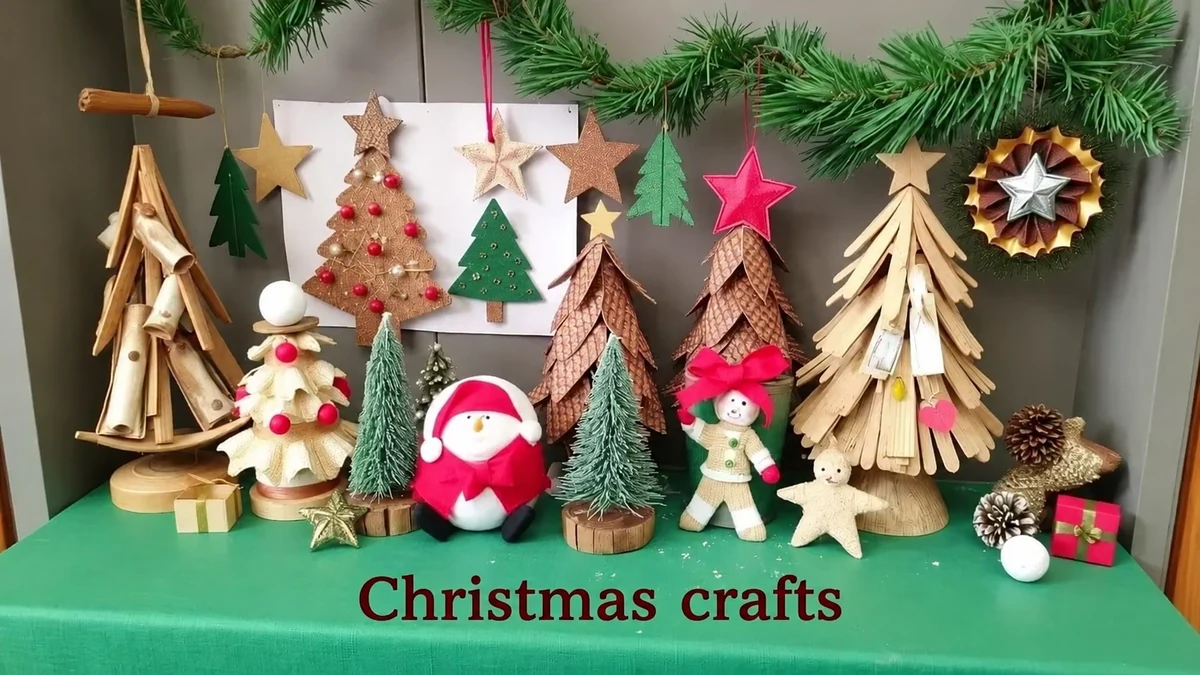
Craft projects using existing materials can give discarded items another use and reduce new purchases. Their overall impact depends on materials, adhesives and how long you keep them; reused or natural does not automatically mean fully recyclable or environmentally harmless.
Reusing clean packaging
Cardboard packaging can form wreath bases or flat ornaments. Plastic bottles may be usable for an adult project, but cutting can leave sharp edges. Choose a different material if safe edges and secure fixings cannot be achieved.
Using felt offcuts
Felt scraps can become stars, bells or simple figures. Reusing offcuts is different from buying felt labelled recycled: check the composition if that matters to you. Mixed fibres and glue can affect whether the finished item can be recycled.
Decorating with natural materials
Use suitable branches, leaves or pinecones collected where permitted. Avoid taking protected plants or disturbing habitats, and keep materials away from food, flames and pets. Check regularly for mould or deterioration rather than assuming natural decorations last indefinitely.
Reusing unwanted clothing
Clean fabric from clothing that is no longer useful can become ornaments or a small decorative runner. Avoid cutting up a usable item just to create a reuse project. Adults should handle cutting and sewing, and remove loose buttons where they could become hazards.
Trying plant-based colours
Beetroot or spinach can stain paper in an experimental project, but homemade mixtures may fade, spoil or stain surfaces and are not automatically safer than craft paint. Make only what you need, avoid storing perishable mixtures and choose labelled age-appropriate products when a predictable result is important.
Involving children in making decorations
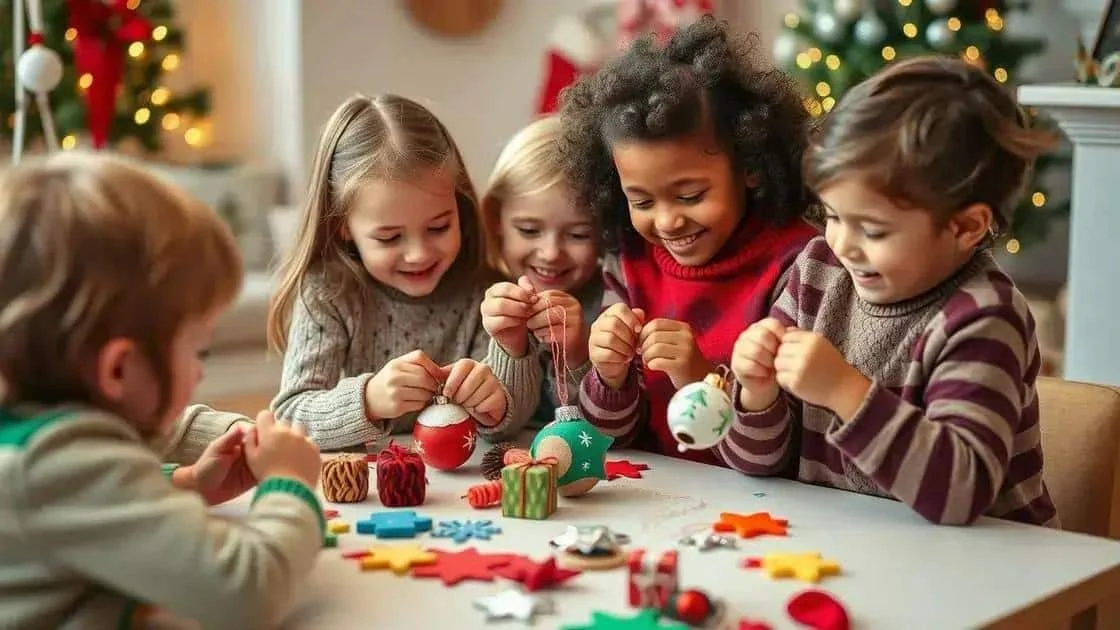
Making Christmas decorations with children can provide time together and room for imagination. Select tasks around age and ability, supervise throughout and accept that participation should be enjoyable rather than compulsory.
Choose appropriate materials
Use suitable paper, felt, age-appropriate glue and children’s scissors where appropriate. These reduce some hazards but do not remove the need for supervision. Adults should handle hot glue, craft knives, needles and sharp recycled edges; keep small parts and cords out of young children’s reach.
Offer manageable activities
Try drawing paper ornaments or decorating ready-prepared shapes with suitable pens. An adult can prepare the cutting in advance so children can focus on arranging and colouring without hot tools or sharp materials.
Talk about your family’s Christmas traditions
If you wish, talk about what Christmas means in your family, whether religious traditions, time together or sharing with others. Leave room for different beliefs and feelings rather than presenting one interpretation as compulsory.
A shared family project
Let each willing family member choose a simple decoration, then display the finished pieces together. An adult should manage the tree and hanging fixings. The results can be different without needing to match a perfect design.
Recording the activity
Take photographs only if participants are comfortable, and ask before sharing them. Protect children’s privacy and avoid posting identifying details. A private photograph or the finished ornament itself can be enough to remember the activity.
Enjoying homemade Christmas decorations
Making decorations can offer a creative way to prepare for Christmas. Choose projects that fit the time, materials and supervision available rather than feeling obliged to decorate everything by hand.
Simple paper or fabric pieces can be personal and reusable. Children’s involvement should be age-appropriate, with adults handling hazardous tools and final hanging arrangements.
Keep suitable decorations for another year and repair them where practical. Reusing materials can reduce purchases, but avoid broad environmental promises and dispose of mixed materials according to local arrangements.
FAQ — homemade Christmas decorations
Which materials can I use for Christmas decorations?
Paper, suitable felt or fabric scraps and clean cardboard are useful starting points. Natural materials or plastic packaging need extra checks for hazards, suitability and secure fixings.
How can children help make decorations?
Choose supervised tasks suited to their age, such as colouring prepared paper shapes. Adults should manage cutting thick materials, hot glue and needles, with small parts and cords kept away from young children.
Can I reuse decorations from previous years?
Yes, if they remain in good condition. Repair or refresh suitable ornaments and check fixings before use. Electrical lights need their own safety checks and should not be modified as a craft project.
Which ornaments are relatively simple to make?
Paper stars, paper chains and simple felt shapes can be manageable choices. Popcorn garlands involve small pieces and threading tools, so are not automatically a quick or suitable activity for young children.
How can I personalise my decorations?
Try suitable pens, paint or fabric details, following product instructions. Choose methods suited to the material and users, and keep non-food craft materials away from food and drink.
Does using reused material make a decoration sustainable?
It can reduce new purchases, but the result depends on materials, adhesives, durability and disposal. Keep and reuse finished pieces where practical rather than assuming every recycled or natural item is environmentally harmless.