
Christmas music through the decades includes familiar recordings such as “White Christmas” and “All I Want for Christmas Is You”, alongside older carols and newer interpretations. Explore selected examples, the stories behind them and ideas for a personal festive playlist.
Christmas music through the decades can bring back memories of journeys, gatherings and quiet evenings at home. A song may mean something different to each listener, which is part of the pleasure of sharing favourites across generations. Here are some of the recordings and styles behind that changing festive soundtrack.
The history of Christmas music

The history of Christmas music stretches much further back than the recording industry. Carols such as “Silent Night” belong to an older tradition, while familiar seasonal songs such as “Jingle Bells” sit alongside explicitly religious music. Twentieth-century records helped bring both established melodies and new compositions to wider audiences.
The growth of festive recordings
During the twentieth century, recordings and radio helped Christmas songs reach listeners beyond live performances. Singers including Bing Crosby and Nat King Cole became closely associated with particular festive recordings. Their work formed part of a developing repertoire rather than marking the beginning of Christmas music itself.
The cultural influence of Christmas songs
Christmas music can accompany family customs, public events and private reflection, although its importance varies between households and cultures. Orchestral arrangements, jazz performances and pop recordings offer different ways to hear familiar material. New interpretations can sit comfortably beside the version someone has loved for years.
Songs that endure across generations
Songs such as “White Christmas” and “Silent Night” have been recorded by many performers, each bringing a different voice or arrangement. Their continuing presence in festive listening does not mean everyone celebrates in the same way; it shows how a shared song can acquire many personal meanings.
Artists associated with different generations
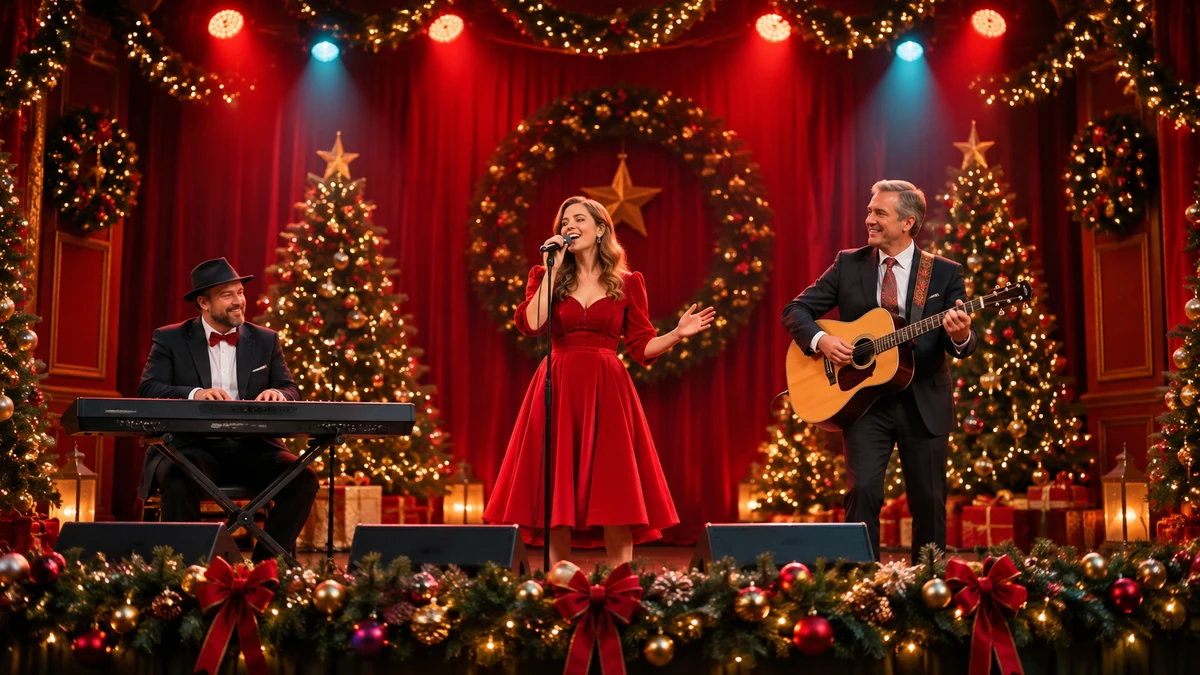
The artists associated with different generations of Christmas recordings include Bing Crosby, whose version of “White Christmas” became a celebrated standard, and Mariah Carey, whose “All I Want for Christmas Is You” brought a different pop sound to the festive repertoire.
Bing Crosby and the 1940s
Bing Crosby’s 1942 recording of “White Christmas”, written by Irving Berlin, is a landmark of recorded Christmas music. Its reflective mood offers a contrast to more exuberant festive songs. Listening to different versions also reveals how tempo, orchestration and vocal style change the character of the same composition.
Female voices in festive music
Performers such as Mariah Carey and Whitney Houston brought distinctive voices to Christmas recordings. Carey’s “All I Want for Christmas Is You” was released in 1994, while Houston’s performance of “Do You Hear What I Hear?” offers another approach to the seasonal repertoire. These recordings are useful examples of contrasting vocal interpretations, rather than a complete history of women in Christmas music.
Later performers and new audiences
Artists including Justin Bieber and Kelly Clarkson have also released Christmas albums, combining familiar material with their own songs and styles. Exploring performers from different generations can introduce listeners to recordings they would not otherwise discover, without requiring them to abandon older favourites.
Songs and personal memories

Songs and personal memories often become connected through repeated listening at meaningful times. A familiar melody may recall a school concert, someone who used to sing it or a particular family gathering. Those associations can be joyful, complicated or different from one year to the next.
Emotional connections with songs
A lively recording of “Jingle Bells” might remind one listener of a party, while “Silent Night” recalls a service or a quiet evening for someone else. Sharing those associations can help different generations understand one another’s choices. There is no need to expect the same emotional response from everyone.
How music becomes associated with memories
Hearing a song repeatedly in a particular setting can build an association with the people and experiences around it. Later listening may bring some of those memories back, although recollections vary and are not always detailed or accurate. A playlist can provide a starting point for conversation rather than proof of exactly how an event happened.
Choosing music for a Christmas gathering
Singing, dancing or simply listening together can be enjoyable parts of a Christmas gathering. Choose music and volume to suit the people present, and allow space for conversation or quiet. Music is an optional element of a celebration, not a requirement for a successful or memorable day.
How Christmas recordings have changed
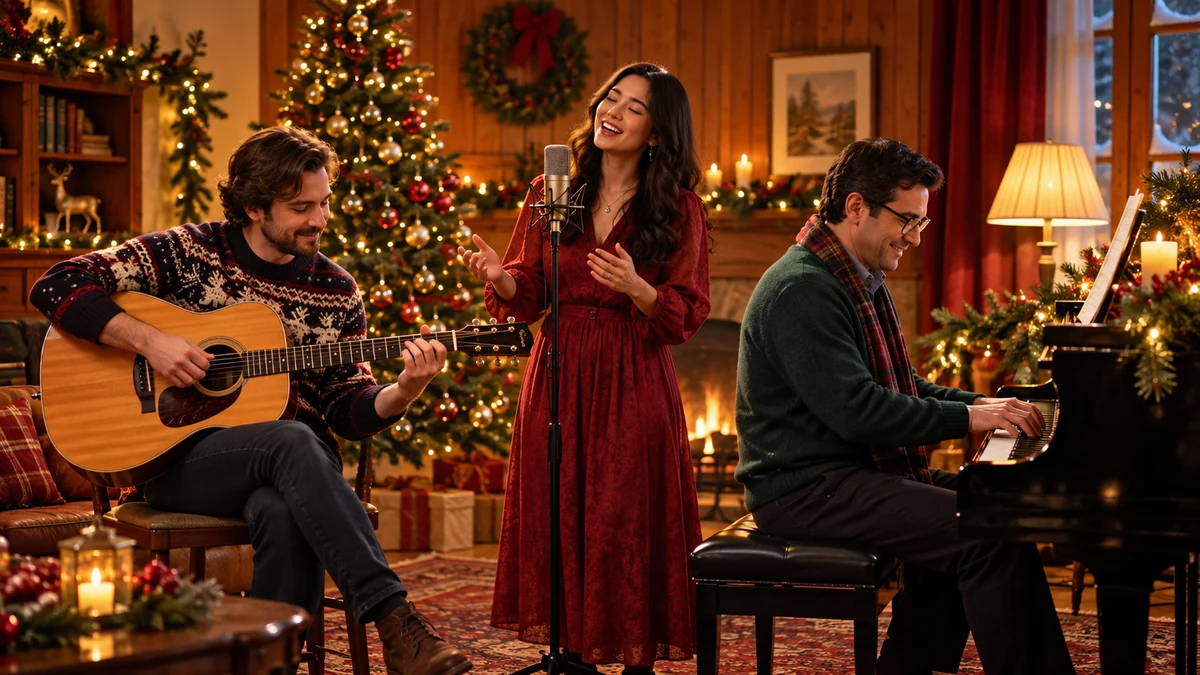
Christmas classics continue to gain new arrangements as performers draw on different musical traditions. A song can retain its recognisable melody while its accompaniment, rhythm or vocal delivery changes. Listening to contrasting recordings makes that development easier to hear.
Changing sounds across the decades
Rock ‘n’ roll added energy to some festive recordings in the 1950s, while synthesiser-led arrangements and pop production became prominent in parts of the 1980s repertoire. These are broad examples, not styles that every Christmas record followed. Older musical approaches continued alongside newer ones.
Recording technology and musical discovery
Changes in recording and distribution have affected how Christmas music is made and heard. Digital production offers different tools to performers, while streaming makes many old and new recordings easier to find. Neither a newer format nor a newer release automatically means a better performance; listening preferences remain personal.
A variety of styles and influences
Jazz, pop, folk, rock and choral music all offer ways to interpret festive songs. A playlist can explore several styles or stay with a consistent mood. Comparing arrangements is also a useful way to discover how different performers approach the same material.
Selected songs across the decades
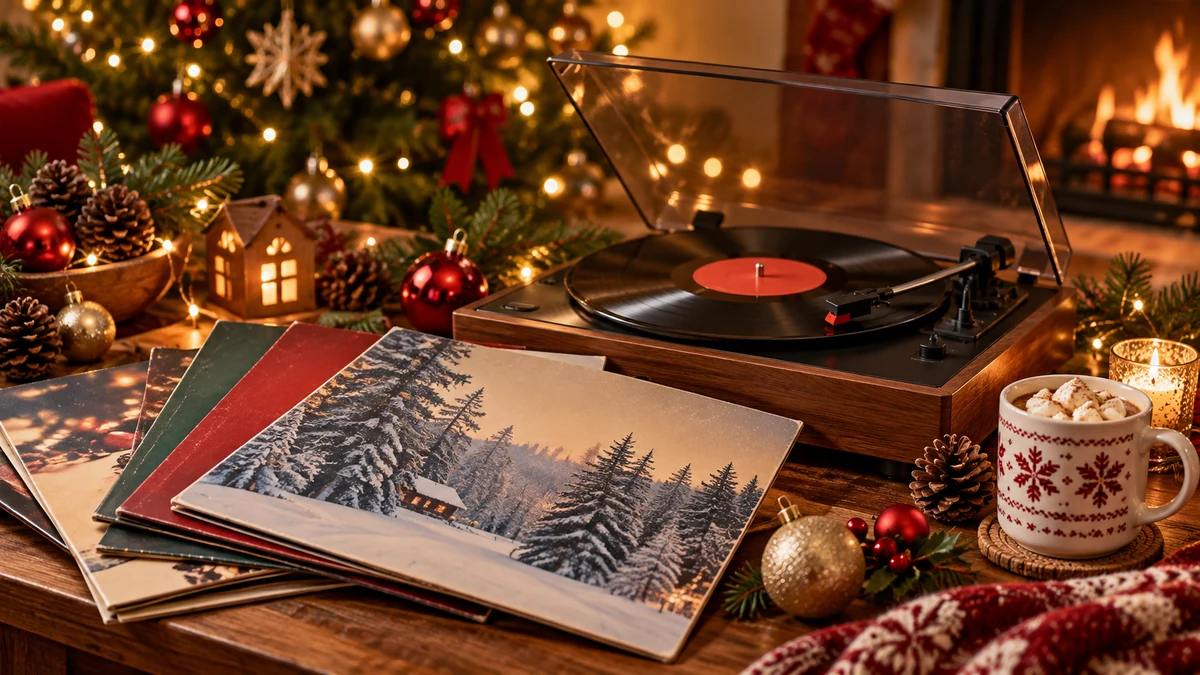
These selected songs across the decades illustrate different periods of recorded Christmas music. They are examples rather than a chart of the most-played songs: any such ranking would need a defined country, time period and measure, such as sales, streams or radio plays.
The 1940s: a recorded standard
“White Christmas”, recorded by Bing Crosby in 1942 and written by Irving Berlin, is an enduring example of a seasonal standard. Its place in Christmas listening grew through recordings, broadcasts and later performances, rather than Christmas music beginning with this one song.
The 1950s to the 1970s: contrasting festive voices
“Santa Baby”, recorded by Eartha Kitt in 1953, and “Feliz Navidad”, released by José Feliciano in 1970, belong to different decades and have very different sounds. Hearing them together demonstrates the breadth of seasonal popular music, from a playful solo performance to a bilingual festive greeting.
The 1980s: Christmas pop
Songs such as “Last Christmas” by Wham! and “Do They Know It’s Christmas?” by Band Aid became associated with the 1980s festive repertoire. Their different themes and musical approaches show that Christmas pop is not a single type of song. Choose the recordings that suit the context of your gathering.
The 1990s and later: listening across generations
“All I Want for Christmas Is You” by Mariah Carey dates from 1994. Its continuing presence in seasonal listening shows how a recording can reach audiences long after its release. Later Christmas songs join an existing repertoire, so a modern playlist can span several generations.
Christmas playlist ideas

Putting together Christmas playlist ideas is a chance to choose a mood and invite suggestions from others. Mix familiar tracks with a few discoveries, or make separate lists for cooking, a meal and a livelier gathering. A thoughtful selection leaves room for different tastes and for people who prefer quiet.
Traditional carols and familiar standards
Try recordings of “Silent Night”, “O Holy Night” and “Jingle Bells” for contrasting examples of familiar seasonal music. Some songs have a religious meaning and others are secular, so choose material appropriate to the setting and the listeners. Comparing choral and solo versions can add variety.
Festive pop favourites
For a pop selection, consider “All I Want for Christmas Is You” by Mariah Carey, “Last Christmas” by Wham! and “Santa Tell Me” by Ariana Grande. Grande’s 2014 release offers a later addition to the mix. Add or leave out tracks according to the audience, and invite others to contribute their favourites.
Instrumental music
Piano performances or orchestral arrangements can offer a different atmosphere from vocal recordings. Keep the volume low enough for comfortable conversation, and adjust it if anyone finds background sound distracting. Instrumental music is an option for quieter moments, not a guarantee that everyone will find a setting relaxing.
Songs in different languages
A multilingual selection can introduce listeners to songs and traditions beyond their usual repertoire. “Feliz Navidad” by José Feliciano is one familiar example. Invite people to suggest music meaningful to them, without treating a single recording as representative of an entire country or culture.
Finding your own Christmas soundtrack
Christmas music combines older traditions, memorable recordings and personal associations. Exploring the decades can help explain why particular songs sound familiar, while new interpretations offer another way to hear them. A playlist becomes more interesting when it reflects the listeners rather than an assumed universal list of favourites.
Choose songs that suit your gathering, keep the volume considerate and welcome requests for a change of music or a quiet break. Whether you prefer carols, pop or no background soundtrack at all, the aim is a celebration in which the people present feel comfortable.
Frequently asked questions about Christmas music
Which songs are familiar Christmas classics?
Examples include Bing Crosby’s recording of “White Christmas”, “Jingle Bells” and Mariah Carey’s “All I Want for Christmas Is You”. This is a selection rather than a ranking, and favourites vary between listeners and countries.
How has Christmas music changed over time?
New arrangements, recording methods and musical styles have joined older carols and standards. Different approaches continue side by side, so a contemporary playlist may include recordings from many decades.
What are some Christmas playlist ideas?
Try traditional carols, festive pop, instrumental arrangements or songs in different languages. You can also make separate playlists for a meal, conversation and dancing, adjusting the selection and volume to the listeners.
What role can music play in Christmas celebrations?
Music can support singing, dancing, conversation about memories or a particular atmosphere. It remains optional: some people prefer quiet, and a celebration does not need a soundtrack to be meaningful.
How do different cultures influence Christmas music?
Different languages, musical traditions and religious or secular customs shape seasonal songs and performances. Exploring those differences can broaden a playlist, provided individual recordings are not treated as representing everyone within a culture.
Why does the popularity of Christmas songs change?
Listening habits, new recordings, broadcasts and distribution methods can affect which songs gain attention. Claims about the most popular tracks need a specified market, period and measurement; sales, streams and radio plays do not necessarily produce the same ranking.
Sources and Further Reading
- White Christmas — Library of Congress
- Festive Favourites — Official Charts
- All I Want for Christmas Is You — Official Charts
- Santa Tell Me — Official Charts