Vegan Christmas turkey is a plant-based “turkey” made with chickpeas and lentils, flavoured with herbs and walnuts, then shaped, glazed and roasted for a firm, succulent texture. Ideal for festive meals, it offers gluten-free variations, different fillings and make-ahead options, and can be stored in the fridge or freezer.
Vegan Christmas turkey may sound unusual, but it promises to bring flavour and warmth to the table. Looking for a chickpea and lentil dish that is firm, succulent and easy to make? Here I will share the steps and cooking tips for a memorable festive dinner, without the fuss.
Ingredients for Vegan Christmas Turkey
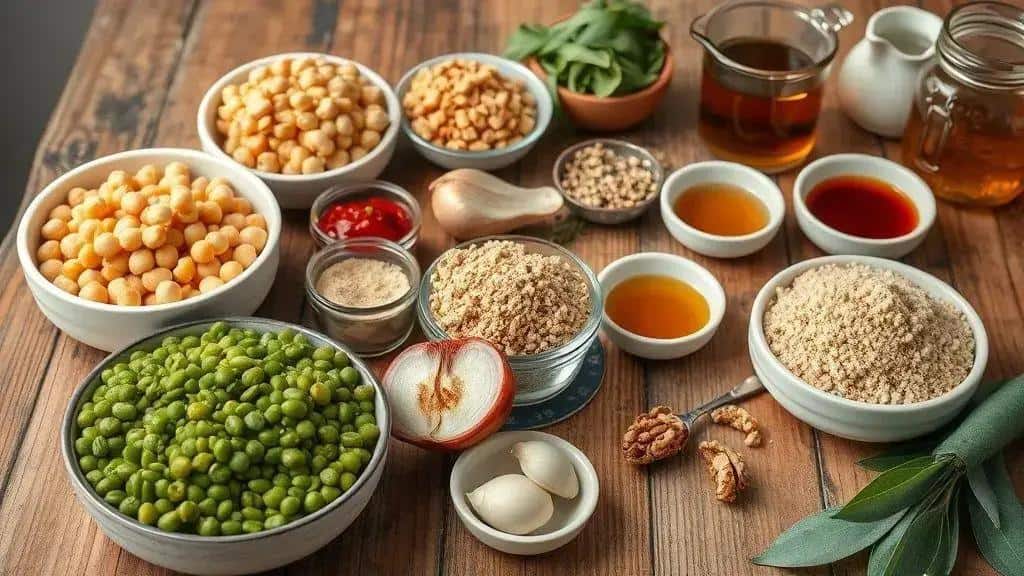
To make vegan Christmas turkey, gather the ingredients below. Each item includes quantities and useful substitution suggestions.
- 400 g cooked chickpeas (about 2 cups; drained tinned chickpeas work well)
- 200 g cooked lentils (1 cup; choose green or brown lentils for texture)
- 1 cup breadcrumbs (panko) — acts as a binder; for a gluten-free version, use labelled gluten-free breadcrumbs or oat flour and check the other ingredients too
- ½ cup wheat flour (or labelled gluten-free chickpea flour, alongside the other gluten-free substitutions)
- ¼ cup ground flaxseed + ¾ cup water (to make a “flax egg”; alternatively, use ½ cup aquafaba)
- 1 medium onion, finely chopped
- 3 garlic cloves, chopped
- ½ cup walnuts or other nuts, chopped (for texture; almonds or Brazil nuts also work)
- 2 tablespoons tomato purée — adds umami flavour
- 2 tablespoons soy sauce (choose a product explicitly labelled gluten-free if required; tamari is not automatically gluten-free)
- 1 tablespoon Dijon mustard (optional, to enhance the flavour)
- 1 teaspoon liquid smoke (optional, for a smoky flavour)
- 1 teaspoon salt and ½ teaspoon black pepper
- 1 teaspoon dried thyme and 1 teaspoon dried sage (or chopped fresh herbs)
- ½ cup vegetable stock (adjust as needed to bind the mixture)
- 2 tablespoons olive oil for frying
- ½ cup nutritional yeast (optional, for a cheesy flavour)
For the Glaze
- 3 tablespoons cane molasses or agave syrup (for a glossy finish)
- 1 tablespoon soy sauce (or tamari; check the gluten-free label if needed)
- 1 teaspoon mustard
- 1 teaspoon olive oil (for brushing)
Notes and Substitutions
For less added oil, reduce the olive oil and add stock gradually to bind the mixture. If omitting walnuts, adjust the breadcrumbs to obtain a shapeable mixture. Aquafaba is another possible binder, but changes to the ingredients may alter the texture. Check every ingredient and cross-contact risk for the individual person's allergies.
How to Make Vegan Christmas Turkey: Step by Step
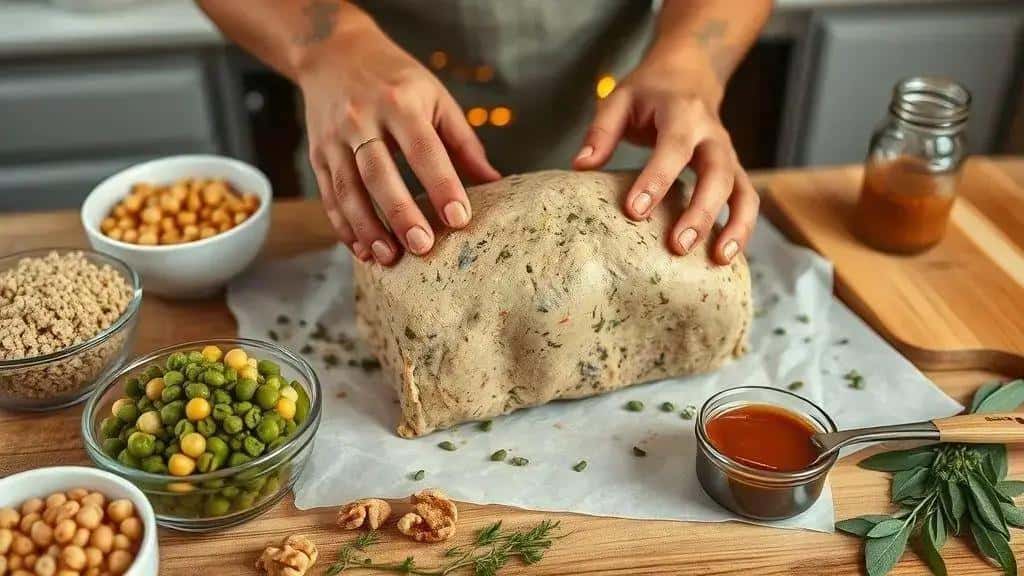
- Preheat the oven to 180°C and line a baking tray with baking parchment; alternatively, grease a large loaf tin.
- Make the flax egg: mix ¼ cup ground flaxseed with ¾ cup water and leave for 5–10 minutes until it forms a gel.
- Prepare the pulses: drain the tinned chickpeas or use cooked chickpeas; rinse the cooked lentils if necessary. Set aside small portions of whole pulses for texture.
- Process the dry ingredients: pulse the walnuts in a food processor until finely chopped. Add the chickpeas and lentils and process in short bursts; the mixture should stay coarse rather than becoming a paste.
- Fry the aromatics: heat 2 tablespoons olive oil in a frying pan and cook 1 chopped onion and 3 garlic cloves until translucent. Add 2 tablespoons tomato purée and 2 tablespoons soy sauce, cook for 1 minute, then stir into the processed mixture.
- Combine and adjust the binding: mix the processed pulses with 1 cup breadcrumbs, ½ cup flour, ½ cup nutritional yeast, the flax egg and ½ cup vegetable stock. Use the labelled gluten-free alternatives if needed. Add breadcrumbs if wet or stock gradually if dry, until shapeable.
- Season and taste: add 1 teaspoon salt, ½ teaspoon pepper, 1 teaspoon thyme and 1 teaspoon sage, plus the optional tablespoon of Dijon mustard and teaspoon of liquid smoke if using. Cook a test patty thoroughly before tasting; do not taste raw flour mixture or rely on one minute of frying.
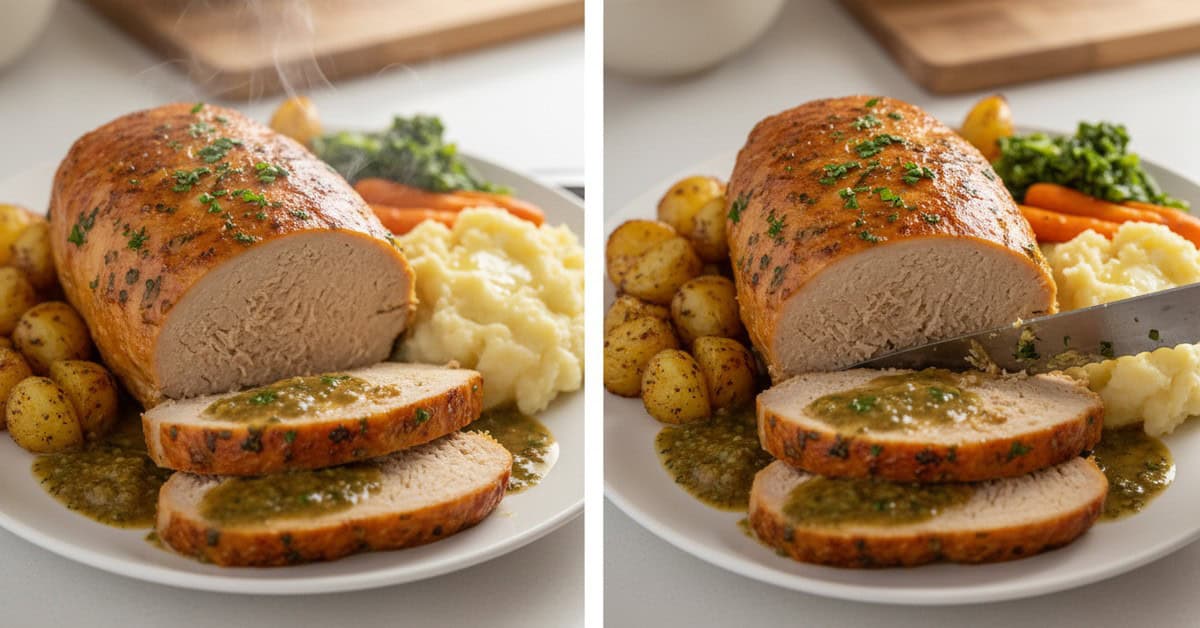
- Shape the “turkey”: on baking parchment, shape the mixture into an oval or a turkey-breast shape, pressing to compact it while leaving some visible texture. For a stuffed version, make a channel, add the filling and seal it inside.
- Wrap for roasting: cover with baking parchment and foil; allow approximately 45–60 minutes, uncovering for the final 15–20 minutes to brown. These times are guides: check the centre as described below and cook longer if needed.
- Make and apply the glaze: mix 3 tablespoons cane molasses or agave syrup with 1 tablespoon soy sauce and 1 teaspoon mustard. Use the listed teaspoon of olive oil for brushing, then brush on the glaze during the final 10–15 minutes, repeating for a glossy finish.
- Check doneness and rest: use a clean food thermometer to check that the centre reaches 70°C for 2 minutes, or 75°C for 30 seconds. Firmness alone is insufficient. Rest for 15–20 minutes to help the texture set before slicing.
- Storing and reheating: cool in smaller portions and refrigerate within two hours. Eat within 48 hours or freeze promptly. Reheat only once, until steaming hot throughout; do not rely on a short fixed microwave time.
- Quick tips for beginners: mash the chickpeas and finely chop the cooked lentils and walnuts if you lack a processor. Gluten-free substitutions must all be appropriately labelled. Taste only a thoroughly cooked test portion, never the raw flour mixture.
Vegan Christmas Turkey Variations
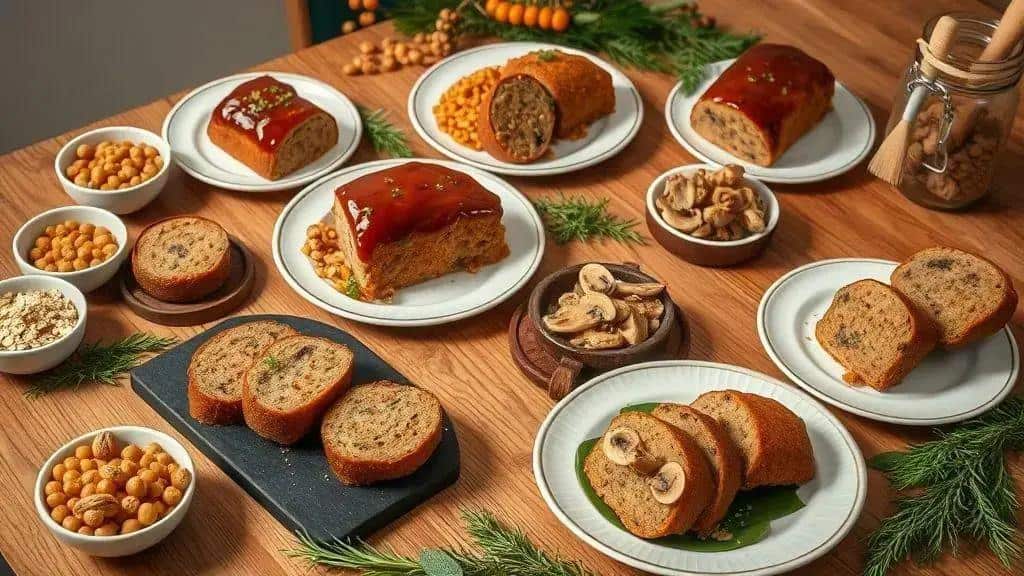
- Classic with nuts: chickpeas, lentils and chopped walnuts give a textured roast. If omitting walnuts for an allergy, check all ingredients and preparation surfaces; seeds are not a universally safe replacement for every person.
- Mushroom-stuffed: a sautéed mushroom, onion and herb filling for a rich umami flavour. Place the filling in the centre before shaping and roast as usual.
- Gluten-free: use labelled gluten-free flour and breadcrumbs. Oat products must be labelled gluten-free too. Check stock, nutritional yeast, sauces, glaze and accompaniments, and prevent cross-contact during preparation.
- Omitting nuts: leave out walnuts and adjust the binder to obtain a shapeable mixture. Add seeds only if suitable for the particular person; a substitution does not establish that the whole dish is allergen-free.
- Individual mini roasts: use muffin or mini loaf tins. Start checking after about 25–35 minutes, depending on size and appliance, and verify the centre is thoroughly cooked; the time alone is not a safety check.
- Smoky flavour: add 1 teaspoon liquid smoke or smoked paprika to the mixture for a barbecue aroma; this works well with a molasses-based glaze.
- Mediterranean: add chopped olives, sun-dried tomatoes and oregano; serve with olive oil and lemon for a light, fresh touch.
How to Adjust the Texture and Binding
For a firmer texture: increase the breadcrumbs or reduce the vegetable stock. For a softer texture: use aquafaba or a little more stock. If the mixture is too wet, chill for 20–30 minutes before shaping.
Roasting Tips for Each Variation
For a larger roast, start covered, then uncover towards the end to brown. Smaller portions will usually need less time. Check the centre with a clean food thermometer rather than relying on a skewer or surface colour, then rest before slicing.
Suggested Accompaniments
- Classic with nuts: sweet potato mash and sautéed collard greens.
- Mushroom-stuffed: herbed brown rice and a bitter leaf salad.
- Gluten-free: corn farofa and roasted vegetables.
- Mediterranean: quinoa tabbouleh and grilled vegetables.
Adjustments for First-Time Cooks
Start with a simple version with fewer herbs and no filling. Taste a small portion only after cooking it thoroughly, then adjust seasoning before shaping the remaining mixture. Smaller tins can make handling easier.
Tips for Fillings, Seasoning and Texture
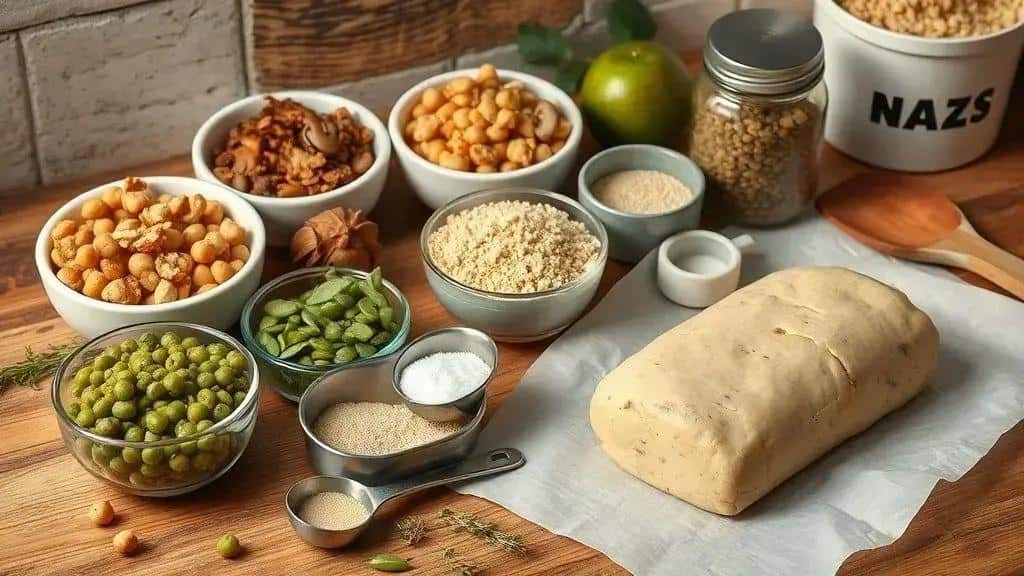
When preparing the filling and choosing the seasonings for your vegan Christmas turkey, think about contrast: a crisp texture, moist filling and bold flavour.
Recommended Fillings
- Nut and apple filling: 1 cup chopped walnuts, 1 green apple diced, 1/4 cup fried onion, 1 tablespoon chopped parsley, and salt and pepper to taste.
- Mushroom and herb filling: 300 g sliced mushrooms, 1 small onion, 2 garlic cloves, 1 tablespoon soy sauce, fresh thyme and sage.
- Mediterranean filling: 1/2 cup chopped sun-dried tomatoes, 1/3 cup chopped olives, lemon zest and a drizzle of olive oil.
Practical Tips for the Filling
Cook moist filling ingredients first, including onion, mushrooms and apple, to reduce excess moisture. Check seasoning after cooking. If loose, add 1–2 tablespoons breadcrumbs and ensure the complete filled roast is then cooked thoroughly.
How to Balance the Seasoning
Start with salt, pepper and an umami ingredient such as soy sauce, tomato purée or nutritional yeast. Acidity matters: add a little apple cider vinegar or lemon juice to bring out the flavours. Use herbs in moderation; thyme and sage go well with pulses.
Texture and Binding: Essential Tips
- For better binding: add panko or breadcrumbs 1/4 cup at a time until the mixture holds together when pressed.
- For a softer texture: replace some of the flax egg with 3 tablespoons aquafaba.
- For a coarse texture: reserve 1/2 cup whole chickpeas or lentils and fold them in at the end.
- If it is too wet: chill the mixture for 20 minutes; the cold helps it firm up before shaping.
Quick Preparation Techniques
Roughly chop nuts and seeds for crunch. Toast them lightly to bring out their flavour. Pulse in the food processor to retain some pieces and avoid turning the mixture into a paste.
Taste and Adjust
Cook a spoonful of mixture thoroughly before tasting to check its seasoning and texture. Adjust salt, acidity or herbs before shaping the roast; do not taste the uncooked mixture.
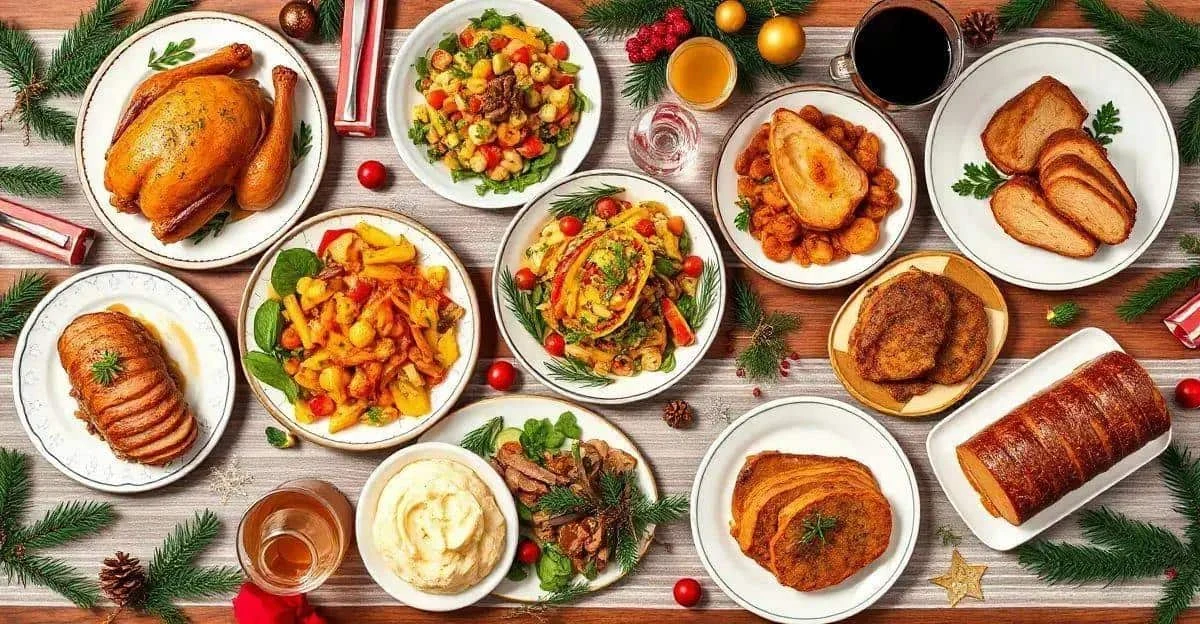
Ideal Accompaniments for a Vegan Christmas Dinner
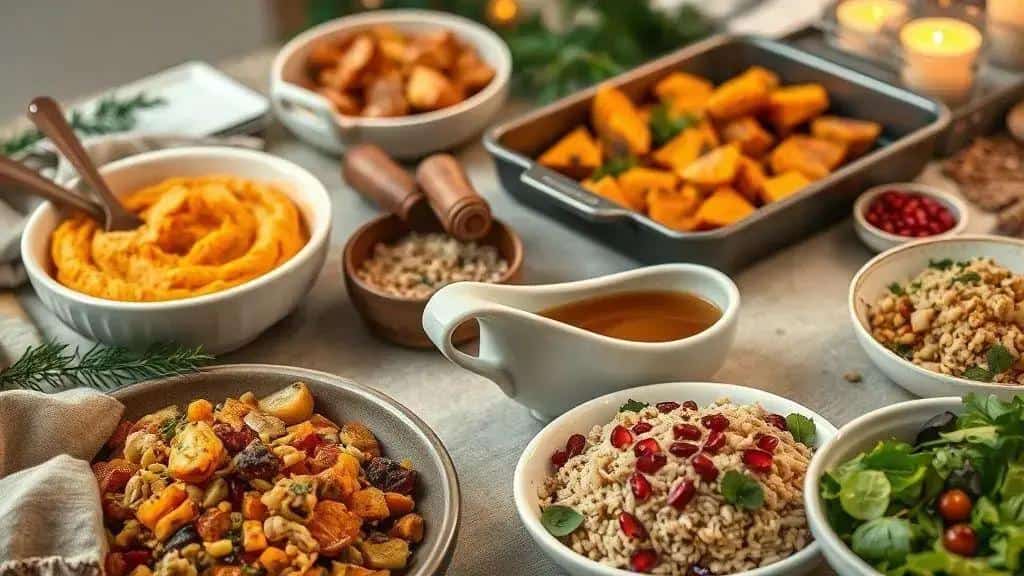
- Sweet potato mash: 1 kg sweet potatoes, peeled and chopped — cook for 20–25 minutes, then mash with 100 ml plant-based milk, 2 tablespoons olive oil, salt to taste and ¼ teaspoon nutmeg; serves 6.
- Herb-roasted vegetables: 600 g carrots, 400 g pumpkin and 300 g small potatoes — chop, season with 3 tablespoons olive oil, 1 teaspoon thyme, salt and pepper, then roast for 35–45 minutes at 200°C. Use seasonal root vegetables instead if you prefer.
- Vegan corn farofa: use 2 cups cornmeal, 1 chopped small onion, 2 tablespoons olive oil and ½ cup optional raisins. Fry the onion, add cornmeal and toast until golden, following the cornmeal's cooking instructions. If gluten-free is required, check every ingredient's label and avoid cross-contact.
- Vegan gravy: combine 2 cups vegetable stock, 2 tablespoons cornflour, 1 tablespoon soy sauce and 1 teaspoon mustard. Dissolve cornflour in cold stock, then heat until thickened and cooked. Add sautéed mushrooms if liked. Choose labelled gluten-free ingredients, including the sauce and stock, if required.
- Rice with nuts and herbs: combine 2 cups cooked brown rice, ½ cup chopped nuts and 2 tablespoons chopped parsley. Serve freshly cooked, or follow the rice-storage advice below before reheating once. Rice itself is naturally gluten-free; check additions and preparation, and omit nuts where necessary.
- Leaf salad with pomegranate and citrus vinaigrette: mixed leaves (200 g), 1/2 cup pomegranate seeds and 1/4 cup toasted walnuts. For the vinaigrette: 3 tablespoons olive oil, 1 tablespoon lemon juice, 1 teaspoon molasses or agave syrup, salt and pepper.
- Homemade cranberry compote: 300 g cranberries, 100 g sugar (or 80 ml agave syrup), 50 ml water and orange zest — cook for 10–12 minutes until syrupy; this provides a tart contrast to the main dish.
Tips for Pairing the Dishes
Balance the flavours: mash and rice add creaminess, roasted vegetables provide texture, and the compote brings acidity. Use the gravy to bring the elements together on the plate. For lighter versions, reduce the olive oil and choose simply roasted dishes.
Planning and Preparing Ahead
- Make mash and compote the day before if useful, cool promptly and refrigerate. Reheat portions until steaming hot throughout, stirring to avoid cold areas.
- For an easier schedule, chop vegetables ahead and refrigerate them, then roast fully before serving. Alternatively, cook them fully, cool promptly and refrigerate before reheating once until steaming hot throughout.
- For cooked rice, cool quickly, ideally within one hour, refrigerate and use within 24 hours. Reheat only once until steaming hot throughout. Keep it separate from accompaniments with different storage requirements.
- Gravy: cool promptly and refrigerate in a covered container, using within 48 hours. Reheat once until steaming hot throughout, stirring to prevent cold spots.
Portions and Adjustments for Guests
Allow per person: 120–150 g mash, 100–140 g roasted vegetables, 80–100 g rice, 40–60 g farofa and 30–40 g compote. For a menu with plenty of options, reduce each portion by 10–20%.
Presentation
Serve on warmed platters and add sprigs of fresh herbs for colour. Put sauces in gravy boats so everyone can dress their plate as they like. Keep contrasting textures in mind: crisp, creamy and succulent.
How to Prepare Ahead and Store
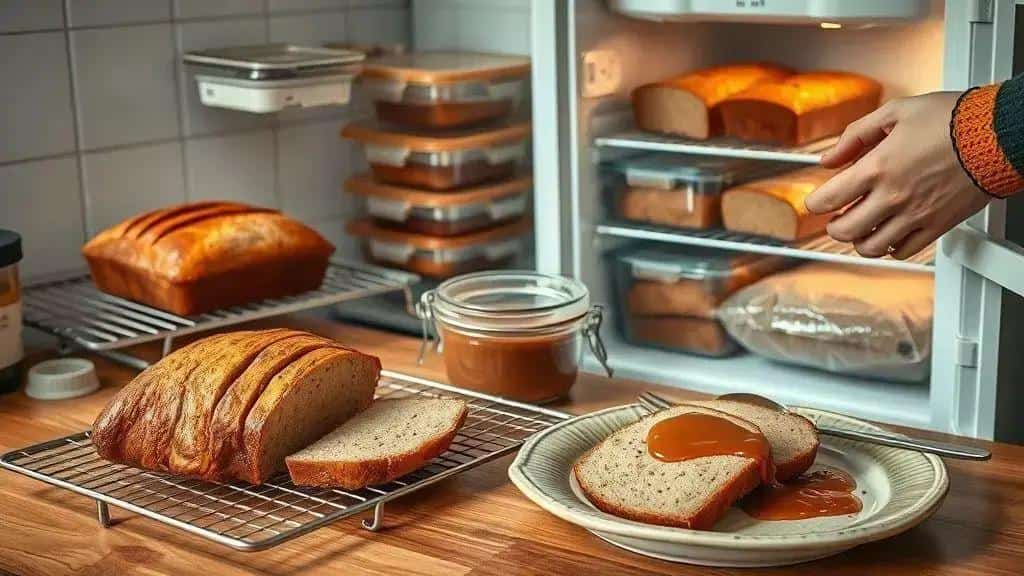
Planning ahead reduces stress at your festive dinner and helps achieve better flavour and texture. Use suitable containers and observe storage times to maintain food safety.
What You Can Prepare in Advance
- The roast mixture: prepare the day before if needed and refrigerate promptly in a covered container. Respect the shortest use-by or storage limit of its ingredients; combining them does not restart the storage time.
- Filling: cool cooked filling promptly, refrigerate covered and use within 48 hours of cooking, or freeze sooner. Follow any shorter ingredient instructions.
- Glaze: mix the sweet and savoury glaze and keep in a container in the fridge; warm slightly before applying.
- Accompaniments: cool cooked mash, compote and farofa promptly, refrigerate and use within 48 hours. Rice has the shorter 24-hour limit described above. Reheat only the portion needed.
How to Store in the Fridge
- Divide cooked food into smaller portions to cool promptly; refrigerate within one to two hours rather than leaving a whole roast out for hours to cool completely.
- Use airtight containers, or wrap well in cling film followed by foil.
- Keep the fridge between 0 and 5°C. Eat cooked leftovers within 48 hours or freeze promptly, observing any shorter ingredient instructions.
- Set aside portions that are already sliced if you want to make serving easier on the day.
How to Freeze It Properly
- Freeze whole portions or slices in freezer-safe packaging, removing as much air as possible.
- Use cling film and a freezer bag, or airtight containers; label with the date.
- Freeze promptly in labelled portions and follow ingredient storage instructions. Freezer storage changes texture over time; the suggested two-month planning period is a quality guide, not a guarantee for food that was mishandled before freezing.
- Freeze filling and glaze in small containers and defrost separately.
How to Defrost and Reheat
- Defrost in the fridge: allow enough time for the centre to thaw fully; the time depends on the portion's size. Use within 24 hours after fully defrosting.
- Reheat in the oven: a covered roasting tin at 160°C can help prevent drying. Heating time varies with size and starting temperature; reheat until steaming hot throughout rather than relying only on elapsed minutes.
- Use sauce or stock: spoon 2–3 tablespoons vegetable stock or sauce over the roast before heating to prevent it drying out.
- For slices: reheat in a pan or microwave following the appliance instructions. Turn or rearrange portions as needed and allow any specified standing time; make sure the centre is steaming hot, not just the edges.
- Check the centre: use a clean food thermometer and the temperature-and-time guidance above; do not use your fingers to judge whether the centre is hot enough. Reheat leftovers only once.
Storage Times and Warning Signs
- Fridge: use cooked leftovers within 48 hours. Freezer: freeze promptly, label and follow the defrosting instructions above.
- Discard food showing mould or an abnormal slimy texture. A normal smell or appearance does not prove that food is safe: storage history and use-by instructions still matter.
- Do not taste questionable food to decide whether it is safe. Discard it if you cannot establish that it was stored appropriately or if it has exceeded the relevant storage limit.
Practical Tips to Make the Day Easier
- Label containers with their contents and the date to keep serving organised.
- Set aside accompaniments that only need heating so everything is ready at the same time.
- If you are hosting guests, consider slicing half the “turkey” and leaving the rest whole until serving.
- Use a clean kitchen thermometer to check the centre, cleaning the probe after each use and following its instructions.
Chickpeas and Lentils: Interesting Facts and Substitutions
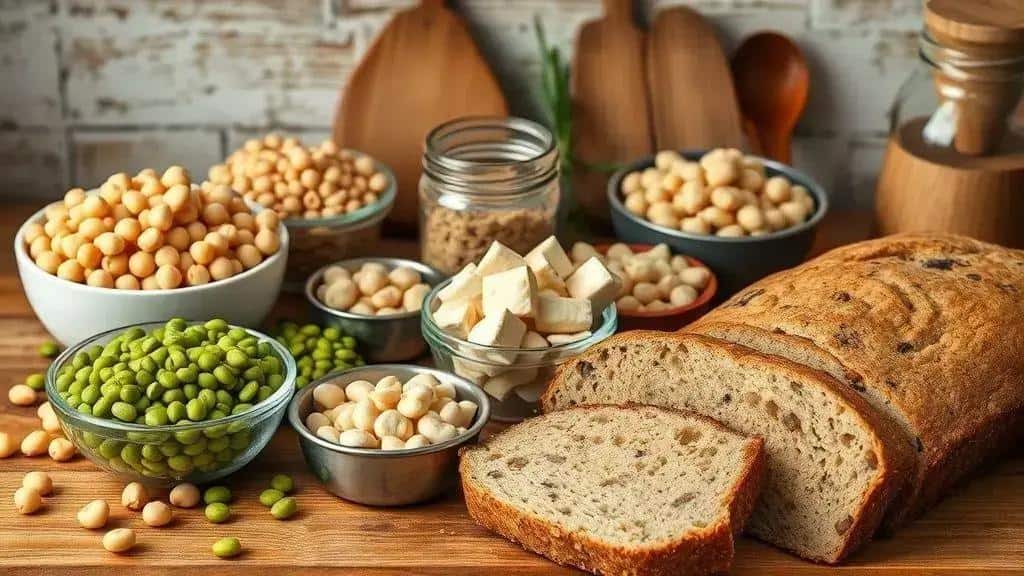
Chickpeas and lentils are versatile and feature in dishes around the world. Understanding their characteristics helps you choose substitutes and adjust recipes without losing flavour or texture.
Interesting Facts
- Ancient origins: lentils and chickpeas were cultivated in the Middle East thousands of years ago.
- Plant protein and fibre: both pulses contribute these nutrients. The amount in a serving depends on the complete recipe and portion size.
- Useful aquafaba: the liquid from tinned chickpeas, known as aquafaba, works as an egg substitute in vegan meringues and mousses.
- Lentil varieties: green and brown lentils hold their texture better; red lentils cook more quickly and break down into a purée.
How to Choose and Cook Them
- Tinned versus dried: tinned pulses are convenient and already cooked; dried pulses usually offer better value and texture when cooked properly.
- Cooking times: cook dried pulses according to their packet instructions until fully cooked before adding them to this recipe. Times vary by pulse and appliance; canned pulses are already cooked but still need the handling specified on the label.
- Soaking: follow the dried chickpeas' packet instructions for soaking and subsequent cooking. Soaking alone does not cook pulses, and different types require different preparation.
Practical Substitutions
- Chickpea substitutes (1 cup cooked): 1 cup cooked white beans; 1 cup cooked carioca beans (a softer texture); 1 cup cooked lentils (a different texture, so adjust the seasonings); or ¾ cup mashed firm tofu for purées and spreads.
- Lentil substitutes (1 cup cooked): try 1 cup cooked split peas, cooked butter beans or cooked chickpeas. Cook dried pulses fully according to their instructions first; changing the pulse may change the roast's texture.
- Changing the binder: white beans or sweet potato mash can be tried instead of processed chickpeas, with the texture adjusted as needed. This does not make the full recipe pulse-free: it still contains lentils, and beans are pulses too.
- For umami flavour: if replacing lentils with mushrooms, use 1 cup sautéed mushrooms for each cup of lentils in fillings and gravies.
Adjustment Tips When Making Substitutions
- If the substitute is wetter, reduce the stock or add 2–4 tablespoons breadcrumbs at a time until the mixture binds as desired.
- When using tofu as a substitute, season well and drain off excess liquid to avoid softening the mixture.
- To retain a coarse texture, reserve ¼–½ cup whole pulses and fold them in at the end.
Nutrition and Storage
Nutrition and storage: chickpeas and lentils both contribute plant protein and fibre; exact nutrition depends on the ingredients and portions. Follow packet instructions for dried pulses, and cool cooked pulses promptly, refrigerating and using within 48 hours or freezing sooner.
Quick Tips
- Use aquafaba to replace eggs in recipes with a light, airy texture.
- Roast lentils and chickpeas for crunchy snacks and extra flavour.
- When adjusting substitutes, taste only a thoroughly cooked portion. Balance acidity, salt and umami with small additions of lemon, soy sauce or nutritional yeast.
Final Thoughts
Vegan Christmas turkey with chickpeas and lentils is a practical, nutritious and flavourful option for your festive dinner. With these variations, fillings and storage tips, you can adapt the recipe to your taste and the time you have available.
Thank you for reading this far! If you try the recipe, let us know: follow us on social media, share photos and tag our profiles to inspire others.
For more recipes, ideas and updates, visit and follow our I Love Christmas blog. Happy Christmas, and enjoy your meal!
FAQ — Questions About Vegan Christmas Turkey
How long does it take to prepare and roast vegan Christmas turkey?
Allow approximately 1 hour 30 minutes to 2 hours, including 30–45 minutes to prepare and around 45–60 minutes to roast. These are guides, not tested timings for every variation: check doneness and allow extra time if needed.
Can I prepare the “turkey” ahead and freeze it?
You can prepare the mixture the day before and refrigerate it promptly, respecting the ingredients' existing storage limits. Freeze cooked portions promptly if keeping longer; thaw fully in the fridge and use within 24 hours. Reheat leftovers only once until steaming hot throughout.
How can I make the texture firmer without eggs?
Use a flax egg or aquafaba as a binder, and gradually increase the panko or breadcrumbs until the mixture holds its shape.
Which substitutions should I make for a gluten-free or nut-free version?
Use labelled gluten-free flour, breadcrumbs and, if used, oat products; check stock, sauces and all additions too. For nut allergies, omit nuts and check individual ingredients and cross-contact risks. Seeds are not automatically suitable for every person.
How can I achieve an umami flavour similar to traditional turkey?
Use soy sauce or tamari, tomato purée, nutritional yeast and, if you like, a little liquid smoke or sautéed mushrooms in the filling.
Is this recipe suitable for non-vegan guests at Christmas dinner?
Yes. With good seasoning, a pleasant texture and well-chosen accompaniments, it tends to appeal to everyone. Serve sliced with a tasty gravy.
Sources and Further Reading
- Food Standards Agency: cooking food and leftovers
- Food Standards Agency: chilling and defrosting
- Food Standards Agency: rice
- NHS: gluten-free food and oats