Christmas celebrations extend beyond 25 December through traditions such as St Stephen’s Day and Epiphany. Some churches also observe the Nativity on a different civil-calendar date. These occasions have distinct meanings, even when family gatherings connect them.
Christmas traditions beyond 25 December show that the season is more than one day. Religious calendars, local customs and family routines shape when people gather. Explore some of these differences, then discover simple ways to make your own celebrations thoughtful and welcoming.
Christmas traditions that continue beyond the 25th
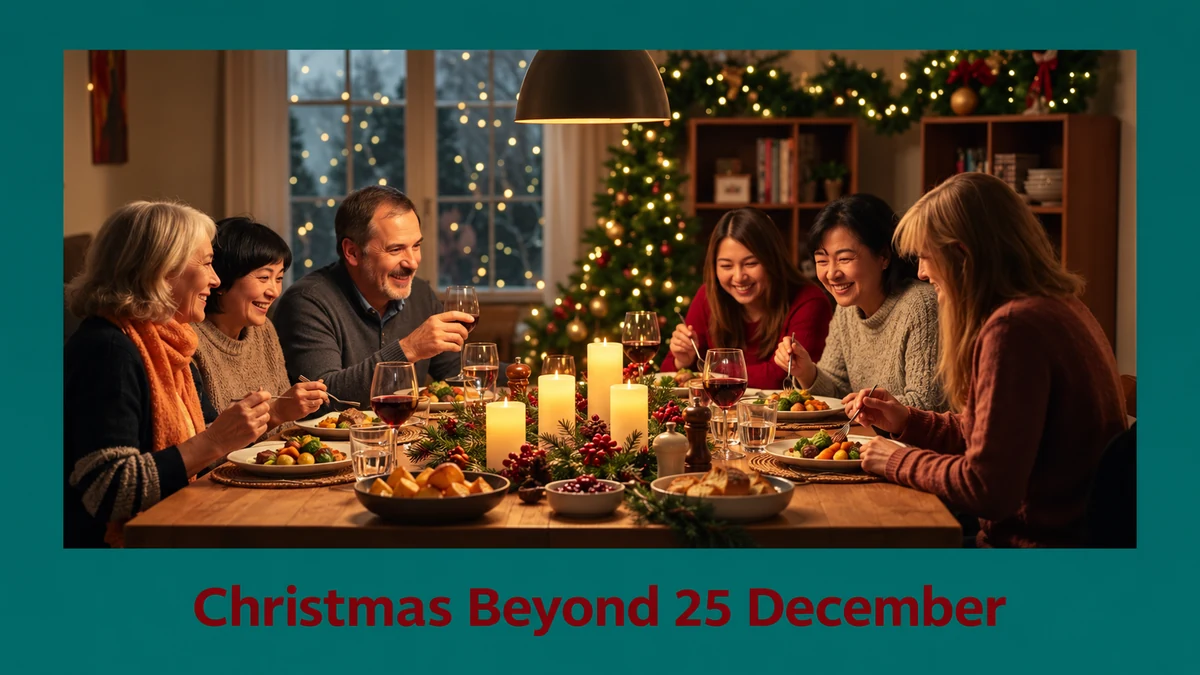
Christmas traditions that continue beyond the 25th include church feasts, visits and shared meals. Calendar differences matter too: churches using the Julian calendar currently observe 25 December on 7 January in the Gregorian civil calendar, while many other Orthodox churches celebrate on 25 December. The Armenian Apostolic Church generally celebrates the Nativity and Theophany together on 6 January. These practices should not be treated as one universal custom.
St Stephen’s Day
26 December is St Stephen’s Day in many Christian calendars. It is also Boxing Day in the UK, although the names and their histories are distinct. For some families, the day offers time for another meal or a relaxed visit. Share leftovers only when they have been cooled, stored and reheated safely; a second supper is a household choice, not a rule followed everywhere.
Epiphany and Three Kings’ Day
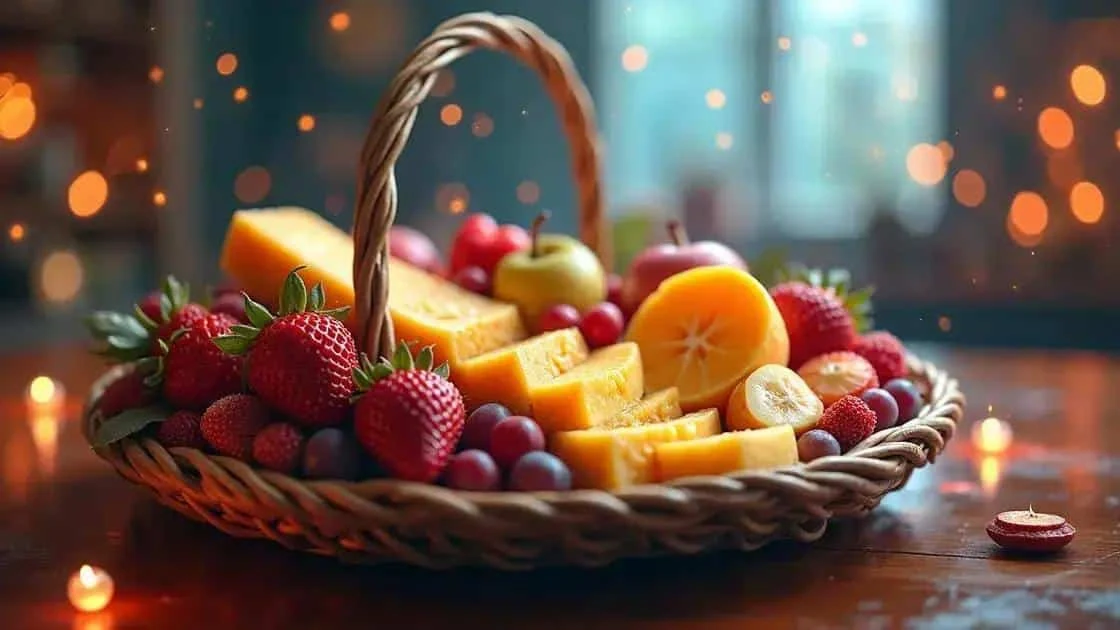
6 January marks Epiphany or Three Kings’ Day in many Christian communities, recalling the visit of the Magi. Customs vary: in Spain, for example, people may share a roscón de Reyes, a ring-shaped festive cake. Brazil also has regional Three Kings traditions. The foods and ceremonies should be understood in their local setting rather than assumed to be identical.
Light during the Christmas season
Lights and lanterns can symbolise hope in Christmas worship and decoration. Their timing and meaning depend on the community; there is no single worldwide Christmas observance called the Day of Light. When creating a display at home, use suitable lights or LED candles, especially near paper and foliage.
Continuing the music
Carols and seasonal concerts can continue after Christmas Day. Local programmes may include religious music, familiar songs or community performances. Check the actual event programme rather than assuming that the same traditions or dates apply everywhere.
These occasions give families and communities different ways to mark the season. Their shared gatherings can be meaningful, while the religious and cultural distinctions deserve to be kept clear.
Making a Christmas Eve supper your own
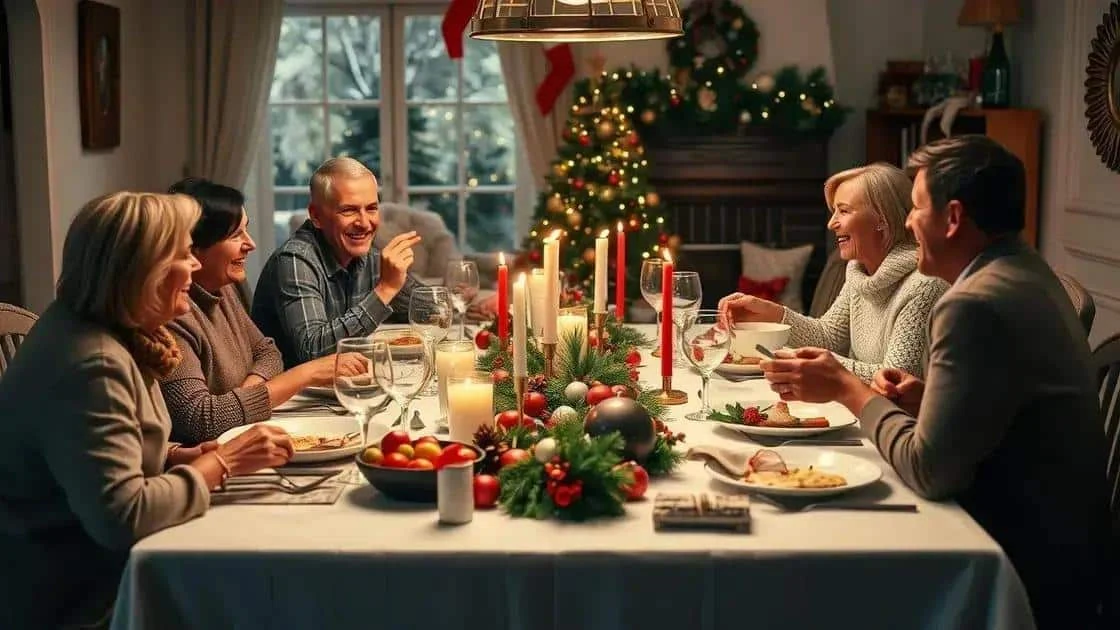
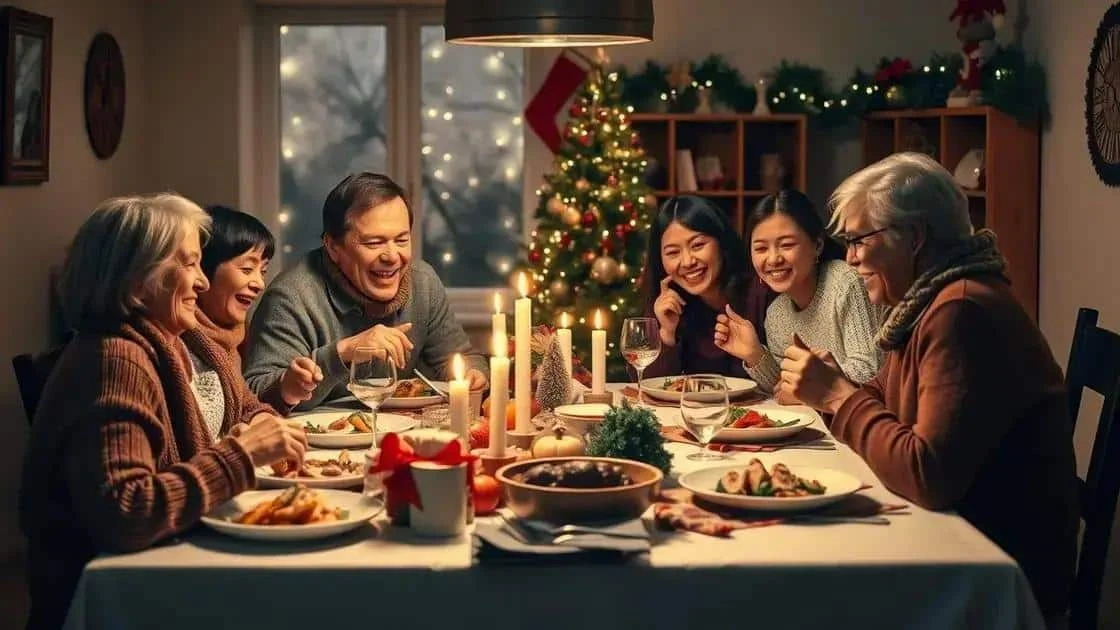
A Christmas Eve supper can connect generations through familiar recipes and stories. In many Brazilian households, a late meal on 24 December is an important gathering. In the UK, the main festive meal is often on Christmas Day, so choose a timetable that suits your guests rather than presenting one arrangement as universal.
Planning the meal
Plan the menu ahead. A Brazilian-inspired spread might include roast turkey, farofa, a toasted cassava-flour side and potato salad with mayonnaise. Desserts could include rabanada, a festive fried-bread sweet, or panettone. These are examples, not essential dishes; account for allergies, dietary preferences and refrigeration.
Setting the table
A festive tablecloth and a few ornaments can create a welcoming setting. Keep floral arrangements low enough for conversation and away from food. LED candles offer a glow without a naked flame beside fabric or paper.
Inviting the family
Invite guests early so they can plan. A group message can help coordinate travel, access needs and dietary requirements. If you suggest bringing a dish, agree what is needed and make it optional rather than placing an unexpected cost on guests.
Making time for shared memories
During the meal, leave space for family stories and memories. Some households read from the Bible or sing before eating; others prefer a simple toast. Choose an approach that welcomes people with different beliefs and lets everyone take part comfortably.
Careful planning makes a meal easier to enjoy. Familiar food, consideration for guests and time together can matter more than a crowded menu or elaborate decorations.
Christmas and other celebrations in Brazil: keeping the context clear
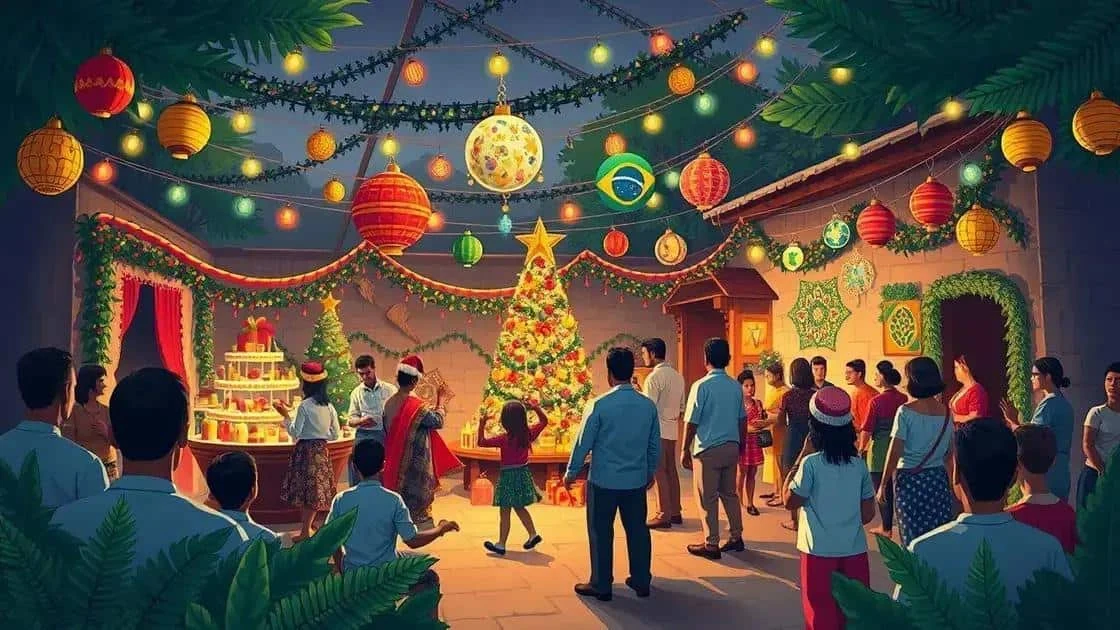
Brazil’s religious dates and cultural celebrations reflect many communities and histories. Some events belong to Christmas, while others take place at different times and have their own spiritual meaning. Acknowledging that distinction helps avoid reducing diverse traditions to a single festive calendar.
Natal Luz in Gramado
Natal Luz in Gramado is a Christmas-season event associated with illuminated displays and performances. Programmes and dates change, so visitors should consult the organiser’s current information. It is a public seasonal event, rather than a religious ritual shared by Brazil as a whole.
The celebration of Iemanjá
The celebration of Iemanjá in Salvador, Bahia, takes place on 2 February and belongs to a different religious and cultural context from Christmas. It should not be described as a Christmas observance simply because it occurs in the Brazilian summer. Visitors should respect the communities responsible for the celebration and local guidance.
Afro-Brazilian food and family celebrations
Afro-Brazilian culinary traditions influence food across Brazil, and individual families may include dishes such as caruru or axoxó on particular occasions. Some foods also have sacred roles in specific traditions. There is no single Afro-Brazilian Christmas supper, and those religious meanings should not be assumed to apply to every family meal.
Indigenous communities and Christmas
Indigenous peoples in Brazil have many different cultures and beliefs. Some communities or families observe Christmas, while others do not. Where celebrations take place, their form depends on the community and its history; there is no universal combination of ancestral ritual, dancing and gift-giving.
This diversity is best approached through specific places and communities rather than broad claims. A family celebration can welcome different backgrounds without treating their customs as interchangeable.
Putting care at the centre of Christmas
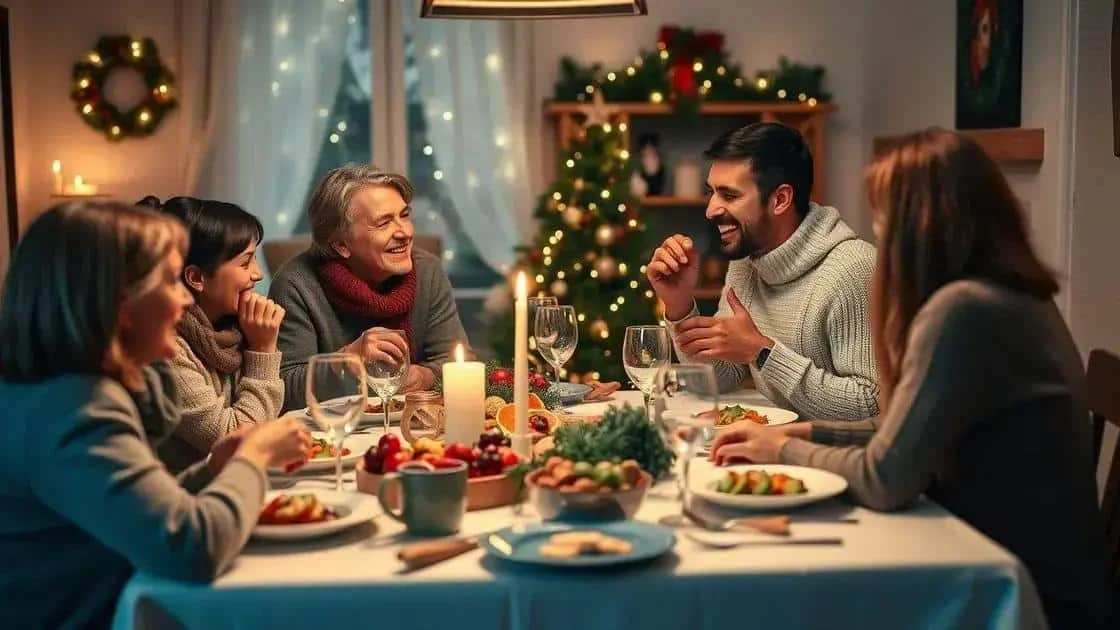
Putting care at the centre of Christmas shifts attention from buying presents to spending time with people. A small gathering, a thoughtful message or practical help can make the season meaningful without an elaborate celebration.
Family connections
Make room to talk and share stories. Ask guests about memories they would like to share, but leave participation optional. A quiet conversation can be just as valuable as a group activity.
Meaningful presents
Consider handmade keepsakes or something with a personal connection. A handwritten card or a small craft can express care without a large budget. Choose something the recipient would enjoy rather than assuming that handmade always suits everyone.
Doing things together
Sharing tasks such as preparing the meal or decorating can make the occasion more enjoyable. Match jobs to people’s abilities and preferences, and make sure the work does not fall on one person.
Time for reflection
Set aside a moment to express thanks if that suits the group. It might take the form of prayer, a toast or a quiet acknowledgement of someone’s help. Avoid pressuring guests to speak publicly or share personal feelings.
Simple gestures of generosity and consideration can shape the whole gathering. They do not require a particular religious practice or an expensive setting.
Christmas activities that bring families together
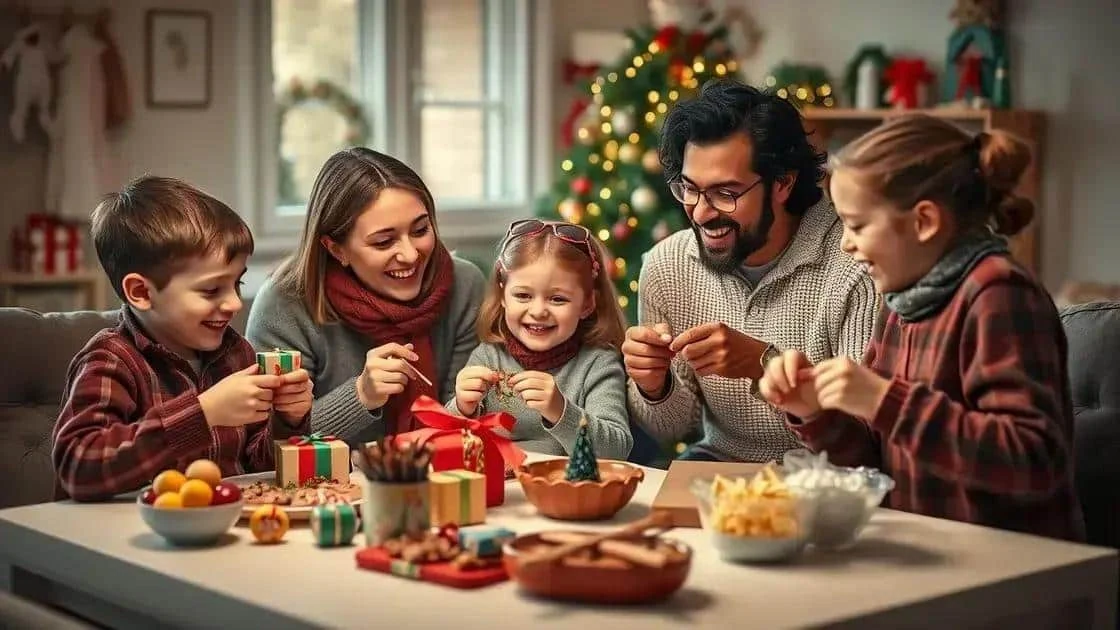
Christmas activities that bring families together work best when they suit the people attending. Adapt activities for age, mobility, sensory needs and available space, and offer a quieter alternative when needed.
Family games
Choose family games such as cards or board games with manageable rules and an appropriate playing time. Friendly teams can help mixed-age groups join in, but taking part should remain optional.
Festive craft sessions
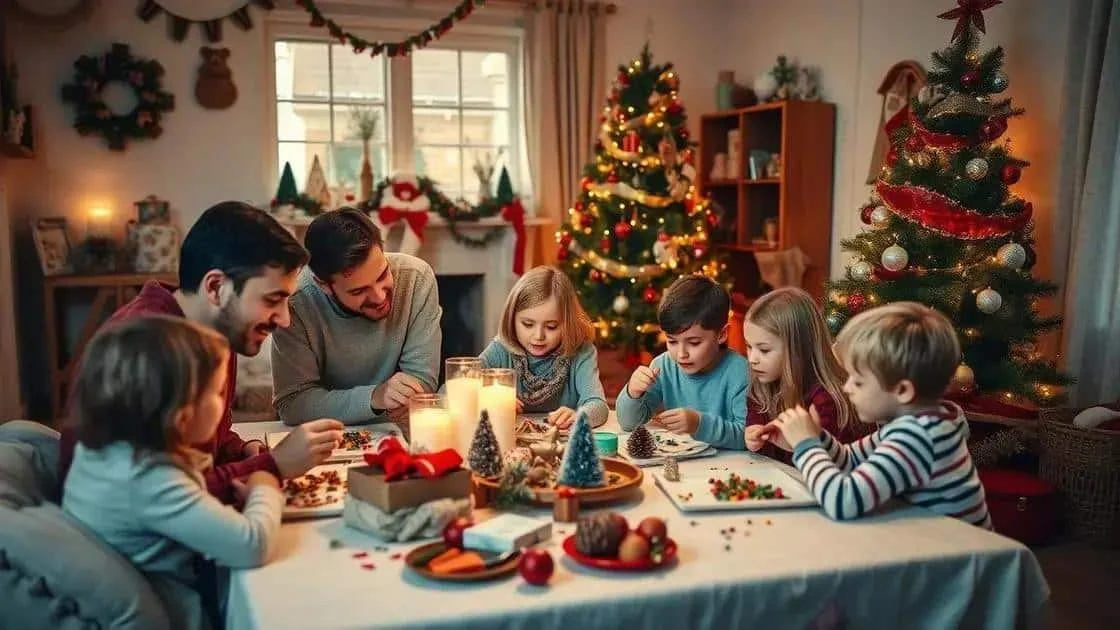
A short Christmas craft session could involve making tree decorations or cards. Prepare materials in advance, supervise tools and small parts, and use age-appropriate glue. The finished pieces can become keepsakes.
Cooking together
Prepare traditional Christmas recipes together, perhaps biscuits or Brazilian rabanadas. Give younger children suitable tasks, while adults manage hot oil, ovens and sharp tools. Follow complete recipes and check allergies before starting.
Stories and memories
Allow time for storytelling. Older and younger relatives can both share memories, photographs or experiences. Ask before recording a story or publishing family photographs.
These activities provide chances for conversation and enjoyment. Keep the programme flexible so that the gathering feels welcoming rather than like a list of tasks to complete.
Christmas gifts with a personal touch
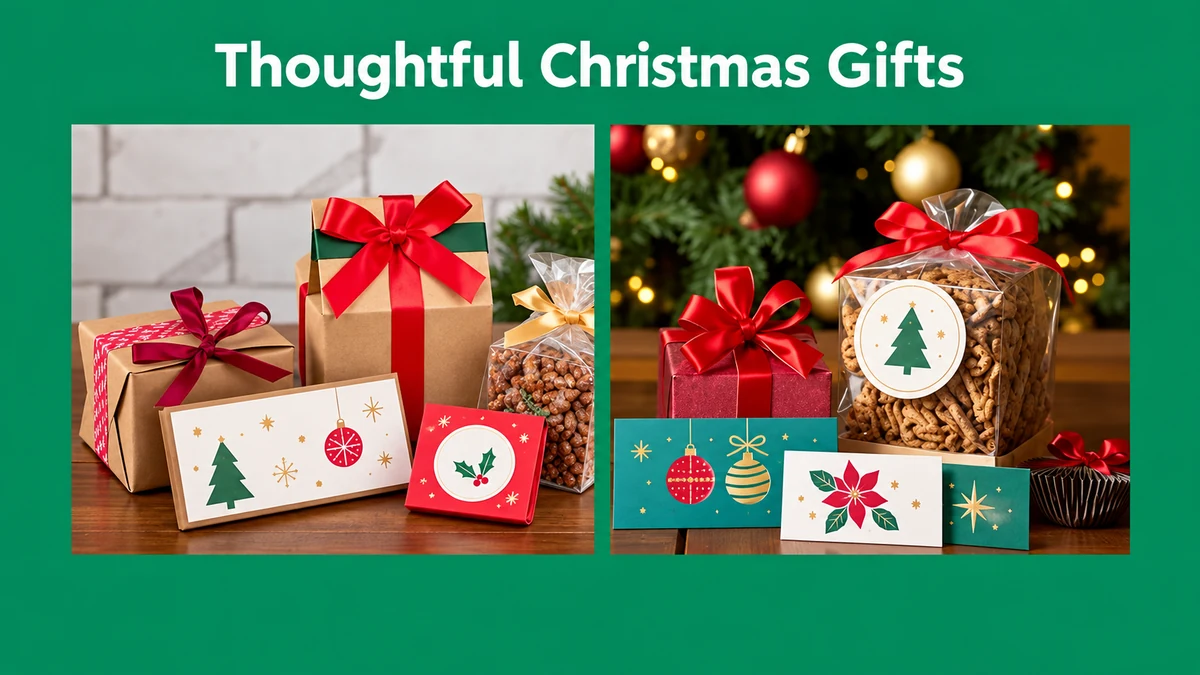
Christmas gifts with a personal touch show attention to the recipient. A familiar favourite can be as thoughtful as an unusual surprise, so begin with their interests and your budget.
Personal experiences
Personal experiences might include concert tickets, a day out or a cookery class. Check dates, travel costs, accessibility and booking conditions before buying. An experience is not automatically preferable to an object; it depends on the person.
Handmade presents
Handmade presents such as a photo collage or a knitted item can reflect time and care. If making soap or candles, use a suitable tested method and safe materials; decorative additions are not necessarily suitable for products that touch skin or will be burned.
A subscription
A subscription for books, coffee or another interest can extend a gift over time. Check the full cost, renewal terms and whether cancellation is straightforward. Alcohol-related gifts are only appropriate for adults who want them.
A donation in someone’s name
A donation in someone’s name can be meaningful when the cause matters to them. Choose a reputable organisation and consider asking first, especially if you would share their personal details.
The best personal gifts reflect the recipient rather than a rule about what everyone should value. A clear budget and a thoughtful choice can keep giving enjoyable.
Reflecting on Christmas traditions
Christmas offers many opportunities to connect, whether the main gathering takes place on 24 December, Christmas Day or another date in the season. Respecting different customs helps make those meetings more welcoming.
Shared meals, handmade presents and family activities can all become meaningful traditions. Choose what suits the people involved, keep costs comfortable and allow practices to change as the household changes.
A thoughtful celebration leaves room for joy, reflection and rest. It need not follow someone else’s timetable or expectations.
FAQ: Christmas celebrations and family traditions
Which Christmas activities can bring a family together?
Board games, crafts, cooking and sharing stories can work well. Choose activities that suit the group and make participation optional.
How can I choose a meaningful Christmas present?
Consider the recipient’s interests and your budget. Handmade items, experiences or a donation can suit some people, while a practical gift may suit others.
Why focus on care at Christmas?
It can reduce pressure to spend and make more room for conversation, practical help and time together.
How can I make a Christmas gathering more personal?
Choose a familiar recipe, share a memory or plan an activity the group enjoys. Personal does not have to mean expensive or elaborate.
How do family traditions influence Christmas celebrations?
They can connect generations and give people familiar moments to look forward to. Traditions can also change to reflect new family members, beliefs and needs.
How can I make Christmas feel special without overspending?
Agree a comfortable budget, reuse decorations, plan food quantities and prioritise time together. A small, welcoming gathering can be meaningful.
Sources and Further Reading
- Orthodox Church in America: calendars
- Armenian Church in the UK: our faith
- Spain Tourism: Three Kings Day
- Natal Luz de Gramado
- Salvador Tourism: Festa de Yemanja