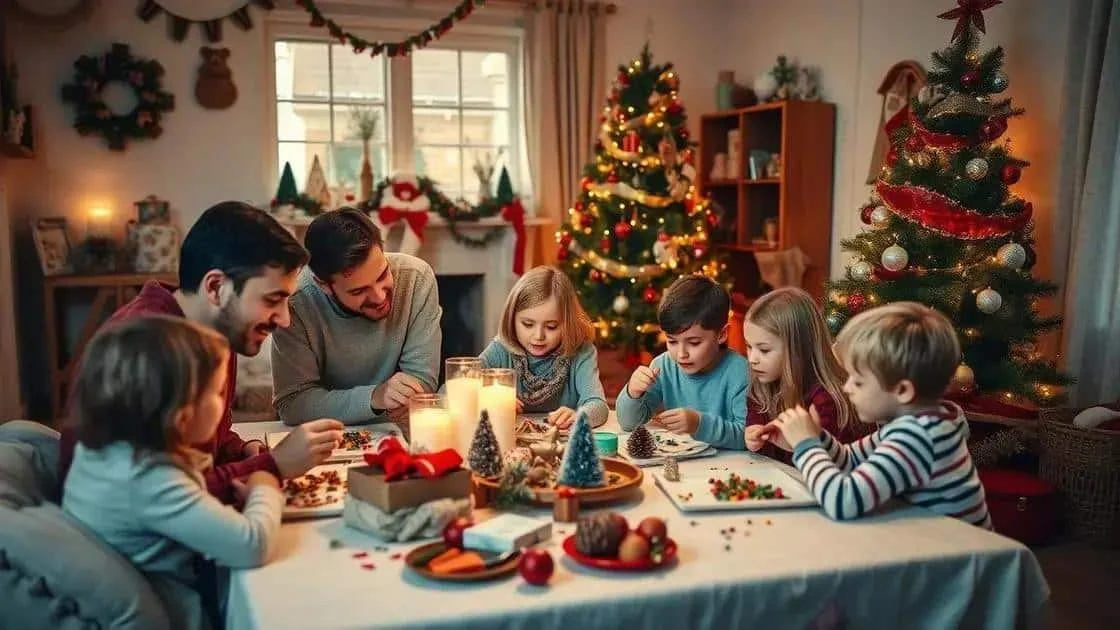
Creating family Christmas traditions can be as simple as decorating together, cooking a favourite recipe or sharing stories. Choose activities people enjoy, make room for different needs and let your traditions change as the family grows.
Small, familiar rituals can make Christmas feel personal. Perhaps your family makes the same pudding each year, hangs a treasured decoration or phones relatives after lunch. These ideas will help you build family Christmas traditions without turning the season into another list of obligations.
Why family Christmas traditions matter
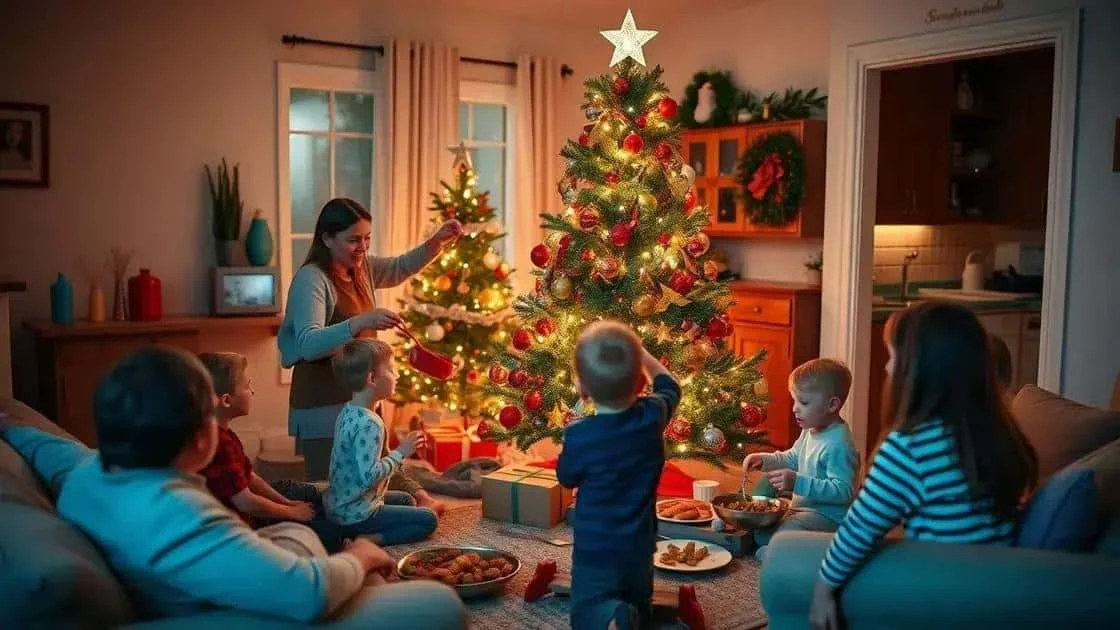
The value of family Christmas traditions often lies in shared attention rather than elaborate celebrations. Familiar activities can encourage a sense of belonging and give different generations something to enjoy together.
For example, preparing favourite Christmas dishes together gives everyone a role. A Brazilian family might make rabanada or roast pork, while another household prepares mince pies or a vegetarian centrepiece. Cooking becomes an opportunity to connect as well as a practical task.
Other traditions might include setting up a Nativity scene, decorating a tree or reading a seasonal story. Choose activities that reflect your household’s beliefs and interests, giving the celebration a personal meaning.
Passing traditions on thoughtfully helps children understand why they matter. Invite questions and suggestions: appreciating family culture and history does not require doing everything exactly as previous generations did.
In a busy December, a familiar ritual can offer a welcome pause. Keep it manageable, especially when work, caring responsibilities, bereavement or distance make the season complicated.
How to involve children in creating traditions
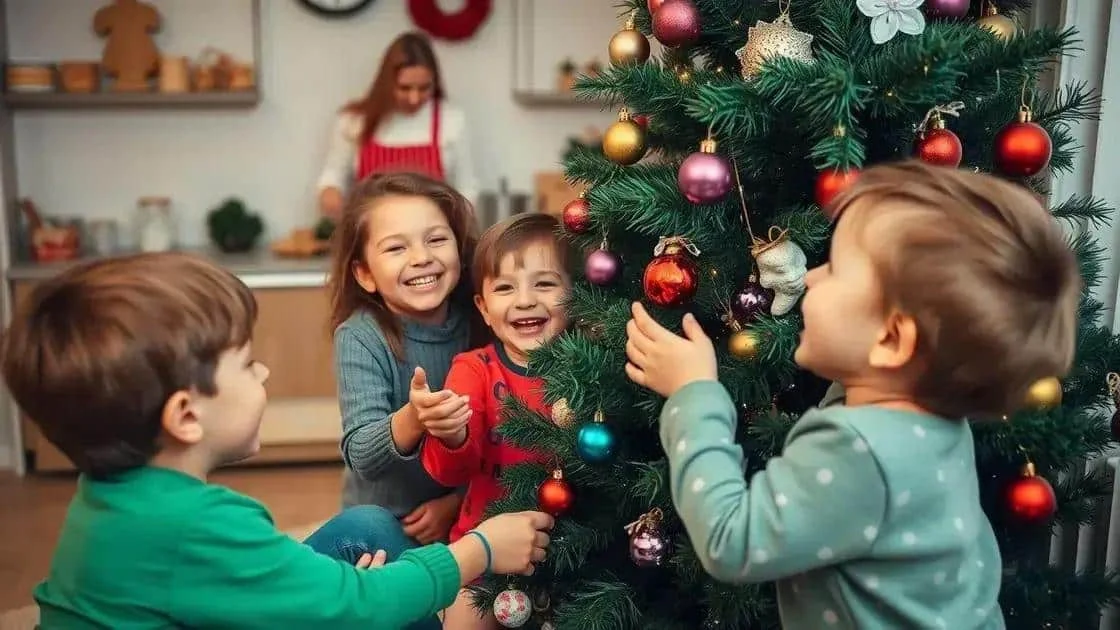
Involving children in creating traditions works best when their contributions are welcome rather than perfect. Begin with decorating activities: let them choose safe ornaments and help with the lower branches of the tree, while an adult handles electrical lights and anything fragile.
Invite children to help with Christmas baking. Measuring, mixing and decorating cooled biscuits can provide a hands-on experience. Supervise closely, check allergies and leave hot trays, knives and raw ingredients that must be cooked to an adult.
Sharing Christmas stories is easy to adapt. Read on the sofa or talk during a meal, choosing stories that suit the children’s ages. They might enjoy inventing a different ending or drawing their favourite character.
Simple crafts such as making Christmas cards offer another way to take part. Provide suitable materials and adult help with scissors; a drawing or a few dictated words can be just as meaningful as a carefully written message.
Revisiting earlier years’ traditions can start conversations about family memories. Ask which activities children would like to repeat and which they would prefer to change. Participation should feel welcoming, not compulsory.
Decorating ideas inspired by family traditions

Decorations inspired by family traditions need not follow a fashionable theme. Choose familiar festive colours such as red, green or gold, or a palette your household loves. Repeat them in ornaments and table linen for a coordinated look.
Make wreaths with suitable foliage, pine cones and securely attached decorations. A wreath on the door or a window can create a welcoming atmosphere. Keep potentially harmful plants and small parts away from young children and pets.
Christmas lights can make familiar rooms feel festive. Choose appropriate fairy lights for indoor or outdoor use, check them for damage and follow the manufacturer’s instructions. Switch them off before bed or when leaving home.
For a rustic touch, use wooden decorations such as smooth ornaments or a small display of branches. Choose flameless LED candles around wood and dried greenery rather than making improvised holders for real flames.
Bring family memories into the display with photographs, handmade ornaments or decorations collected over time. Ask before displaying personal photographs, and leave room for new memories alongside older ones.
Christmas recipes that carry family memories
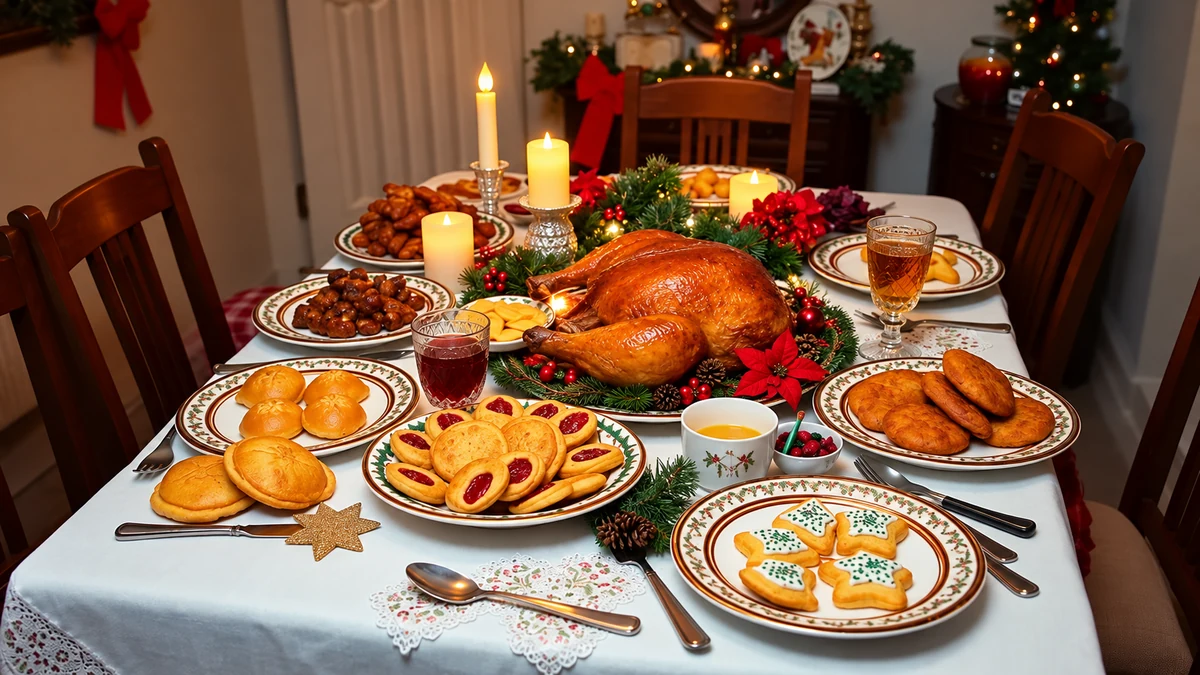
Christmas recipes linked to family memories can connect the meal with earlier celebrations. In many Brazilian households, rabanada, a sweet French-toast-style dish, is a seasonal favourite. Preparing a family recipe together gives you a chance to record the little details that rarely appear in a written method.
Packets of decorated biscuits can become another tradition. Children can decorate cooled biscuits with suitable toppings and help package them. Note the ingredients and allergens when giving food away.
A Brazilian Christmas meal might include roast pork and farofa, a toasted cassava-flour accompaniment. These are examples rather than a fixed menu: keep the dishes your family enjoys and adapt recipes for dietary needs.
Christmas desserts such as Brazilian pavê, a layered biscuit dessert, or a walnut tart may recall particular relatives or celebrations. A familiar British pudding or a dairy-free alternative can carry just as much meaning.
Warm drinks, including hot chocolate, can make a cosy winter ritual in the UK. Offer an alcohol-free option alongside mulled wine for anyone who wants one, and keep hot drinks safely away from small children.
Gifts that can become traditions
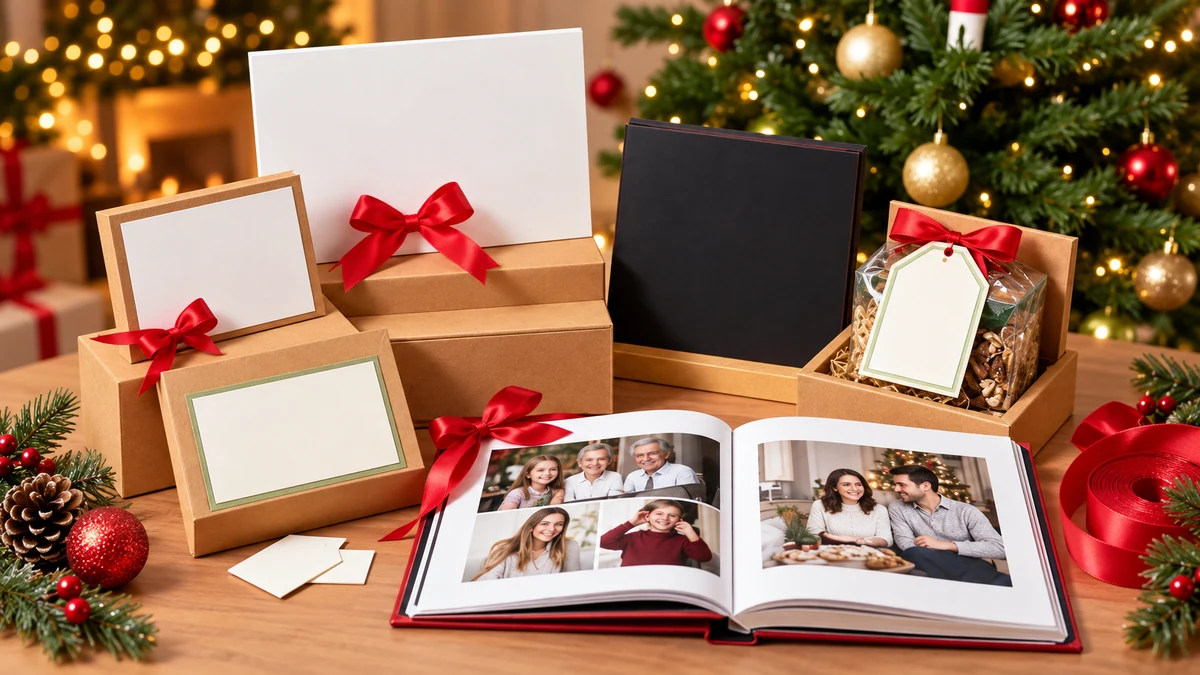
Gifts that become traditions are often valued for their meaning rather than their price. Personalised presents, such as a small engraved keepsake or a handwritten note, can mark a shared memory. Set a comfortable budget and remember that giving presents is optional.
Consider shared experiences as gifts: a family outing, a concert or a class someone would enjoy. Check preferences, accessibility, travel costs and dates before booking, so the present does not create an unwanted obligation.
Books can become part of a yearly reading ritual. A well-loved story, a library choice or a book passed between relatives can prompt conversation without requiring a new purchase every Christmas.
Other ideas include handmade memory boxes or vouchers for an outing chosen together. Check voucher expiry dates and terms, or make a simple personal promise for a manageable activity such as a picnic or an afternoon of baking.
A photo album can bring together memories of earlier Christmases. Add dates and brief captions while people still remember them, ask permission before sharing photographs and consider keeping a private digital backup.
Passing traditions between generations
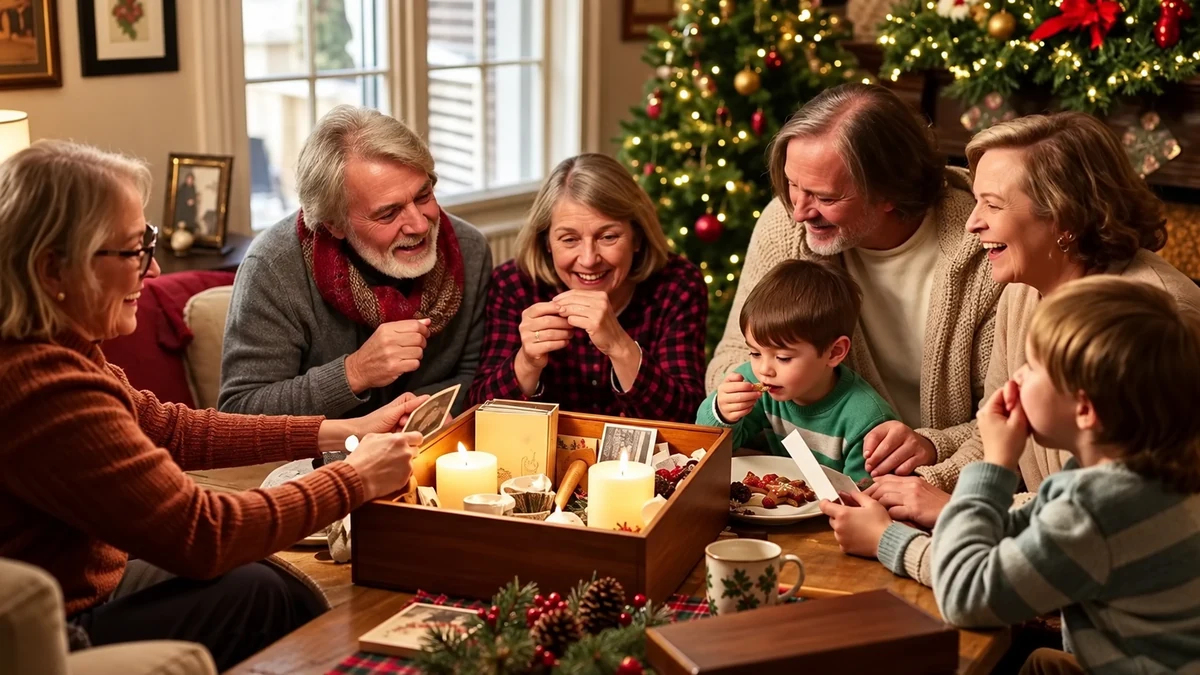
Passing traditions between generations starts with conversation. Through storytelling, relatives can explain how a favourite recipe or custom began. Respect anyone who would rather not revisit a difficult memory.
Give younger generations an active role. They might choose an ornament, help prepare lunch or suggest a new activity. Traditions are more likely to remain meaningful when people can help shape them.
Create a traditions box containing recipes, letters, photographs and small keepsakes. Open it together each year if everyone wants to, and label items so their stories are not lost.
You could try one new tradition each year, such as a board game or a different pudding. Keep what people enjoy and let the rest go; there is no need to add a permanent commitment every December.
A family book can collect recipes, personal stories and photographs. Include contributions in different formats, such as drawings or dictated memories, so writing ability is not a barrier to taking part.
Making Christmas traditions your own
Shared recipes, decorations and thoughtful gestures can give Christmas a familiar rhythm. Start with one manageable activity instead of trying to create a perfect celebration.
Invite children and other relatives to contribute, record the memories people want to preserve and allow room for changing circumstances. No tradition can guarantee closeness, but it can offer a useful opportunity to spend time together.
A meaningful family Christmas can honour the past while welcoming new ideas. Keep the activities that suit your household, your beliefs and your budget, and remember that a quiet celebration is equally valid.
Frequently asked questions about family Christmas traditions
Why do family Christmas traditions matter?
Familiar shared activities can encourage connection, preserve memories and give relatives a way to pass on stories and values. Their meaning depends on the people taking part.
How can I involve children in Christmas traditions?
Offer age-appropriate choices such as decorating safe ornaments, mixing ingredients or choosing a story. Supervise practical activities and welcome their ideas without expecting perfect results.
Which recipes can become Christmas traditions?
Any recipe your household enjoys can become a tradition. Brazilian examples include rabanada and roast pork; UK families might choose mince pies, a favourite pudding or a vegetarian dish.
How do we create a new family tradition?
Try one simple activity, such as a walk, a game or cooking together. Ask what everyone enjoyed and repeat it if it suits the family, rather than making it compulsory.
How can we record family traditions?
Use a family book, a photo album or a keepsake box with labelled recipes and stories. Ask permission before recording or sharing personal memories and photographs.
How can traditions help preserve family memories?
Repeating a meaningful activity can prompt stories about earlier years and connect new experiences with older ones. Leave room for mixed emotions and let each person decide how to participate.