
Christmas memories can pass between generations through stories, recipes, photographs and shared customs. Ask what relatives want to preserve, record details with permission and allow traditions to evolve rather than treating the past as a fixed script.
Christmas memories shared across generations can reveal the stories behind a familiar dish or decoration. These ideas will help you collect and enjoy family memories while making space for new experiences and different feelings about the season.
What Christmas traditions can mean
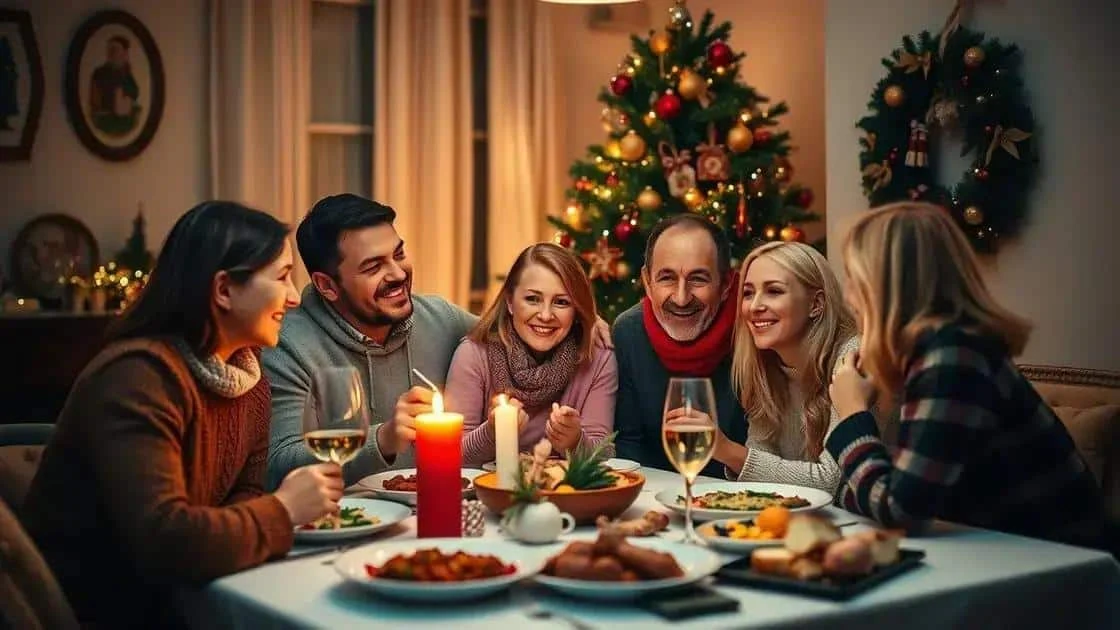
Christmas traditions may have a personal significance beyond the celebration itself. Decorating the Christmas tree, sharing a meal or exchanging optional gifts can connect with the culture and memories of a household.
The value of familiar customs
A particular recipe or a box of old ornaments can prompt stories about earlier years. Repeating a favourite activity also offers a chance to make new memories, rather than simply reproduce the past.
How traditions change
Family customs often change with new relationships, dietary needs, budgets or living arrangements. Handmade decorations and vegetarian recipes may become part of the celebration. The meaning of Christmas can develop alongside those changes.
Sharing the stories behind a custom
A story about an earlier Christmas can explain family values and experiences. Ask open questions, such as who usually cooked a dish or where an ornament came from, and accept that memories may differ.
Invite younger generations to ask questions and contribute ideas. Understanding a tradition does not mean being obliged to continue it unchanged.
Family stories that stay with us

Memorable family stories can connect a celebration with earlier lives and experiences. They may carry different emotions for different listeners, so choose a comfortable time and do not assume every memory is happy.
Choosing a story to share
A relative might recall a Christmas during wartime or a meal made with very little. These are possible conversation topics, not accounts of identified events. Let the person decide how much to share and avoid turning hardship into a sentimental lesson.
Keeping memories alive
Telling a story can help people remember relatives who have died. A familiar recipe or phrase may create a sense of connection with someone missed, but grief is personal and nobody should be pressured to take part.
Inviting children to listen
Use a short story, a photograph or an illustrated Christmas book to start a conversation. A drawing or a few questions may suit a child better than a long speech during dinner.
These conversations can introduce children to family culture while respecting their attention and interests. They are opportunities for connection, not tests of loyalty to a tradition.
Sharing Christmas memories with children
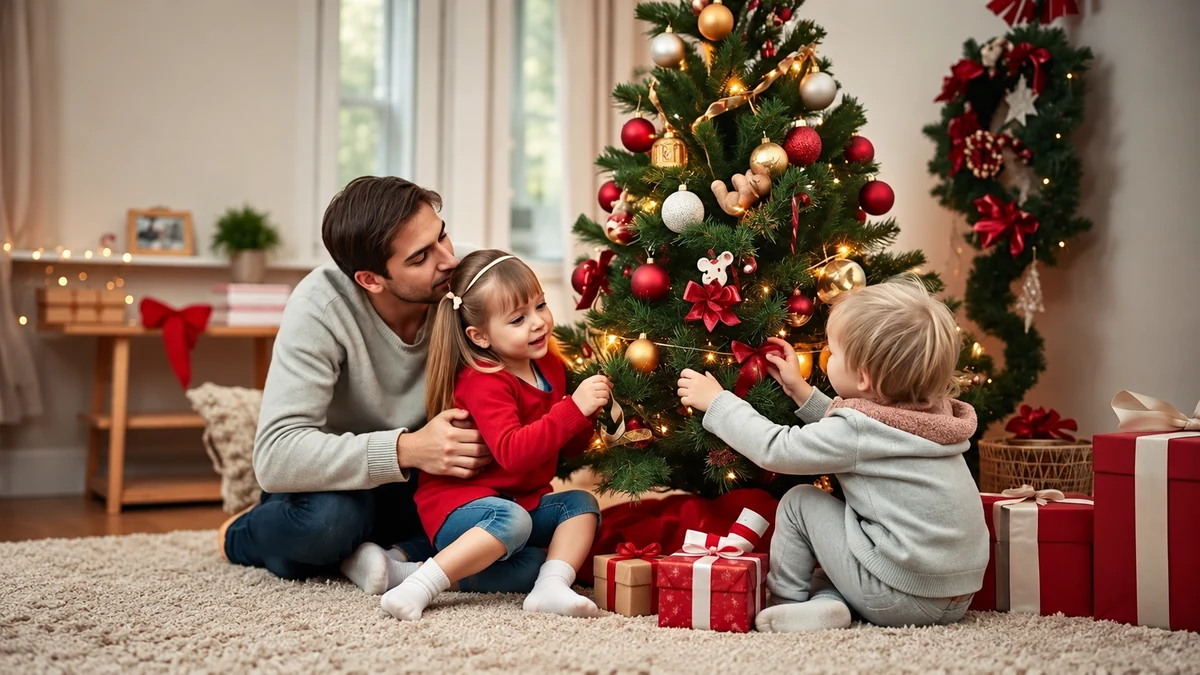
Passing on Christmas memories can begin with ordinary details: a favourite smell, a journey to visit relatives or a homemade ornament. Choose a few manageable ways to collect those details together.
Telling stories about earlier Christmases
Storytelling might begin with a memory of a game, a recipe or a funny mishap. Distinguish what you remember directly from what someone else told you, and label any invented story as fiction.
Letting children take part
Children can help decorate, make Christmas biscuits or choose music. Age-appropriate tasks and adult supervision around heat, knives and electrical lights make participation safer while leaving room for their own memories.
Recording meaningful moments
Photographs, short recordings and written captions can preserve details. Ask permission before recording or sharing, especially when children are involved, and keep private copies safely backed up.
Combining familiar customs with new ideas
Let children suggest a game, a dish or a different way to decorate. A useful balance between past and present gives everyone a chance to contribute, rather than asking younger relatives only to watch.
Keep the process relaxed. You do not need to record every moment or create a permanent tradition out of every activity.
Christmas celebrations and family memories in Brazil
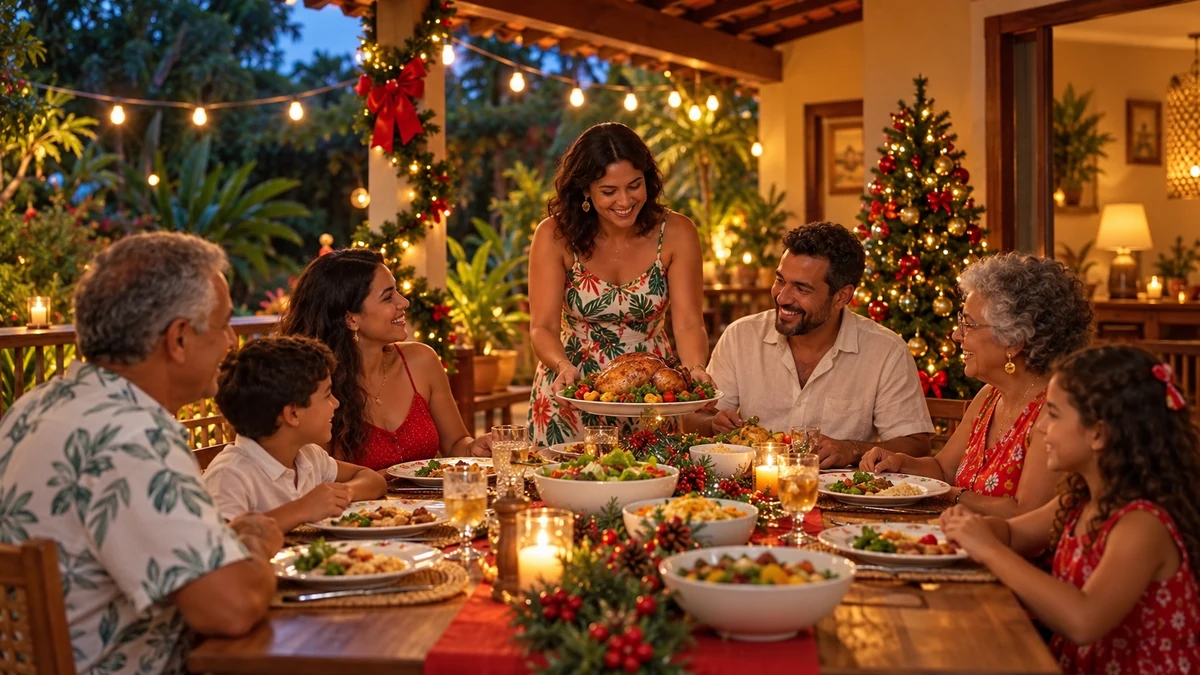
The history of Christmas celebrations in Brazil includes religious observance, migration, regional customs and changing family life. Brazil celebrates in summer, so a British winter setting should not be assumed when describing Brazilian memories.
Different cultural contexts
Christian traditions introduced during colonisation developed within Brazil’s diverse society. Households and communities differ in their beliefs and customs; it would be misleading to attribute one uniform Christmas ritual to all Indigenous, African-descended or European-descended Brazilians.
Regional and household variation
Catholic Missa do Galo, or Midnight Mass, is not exclusive to one Brazilian region. Foods such as salt cod may appear on some tables, while imported or locally adapted traditions vary between families. Pandoro is Italian in origin, not evidence of a specifically German custom in southern Brazil.
Advertising and shopping
Advertising and seasonal retail campaigns influence expectations about presents and celebrations. Families can choose which expectations suit them rather than treating promotions or elaborate displays as a standard they must meet.
Choosing what matters now
A Christmas with personal meaning might centre on faith, family, friends, community support or a quiet break. There is no need to claim a universal trend or one correct way to celebrate.
Recipes that tell family stories
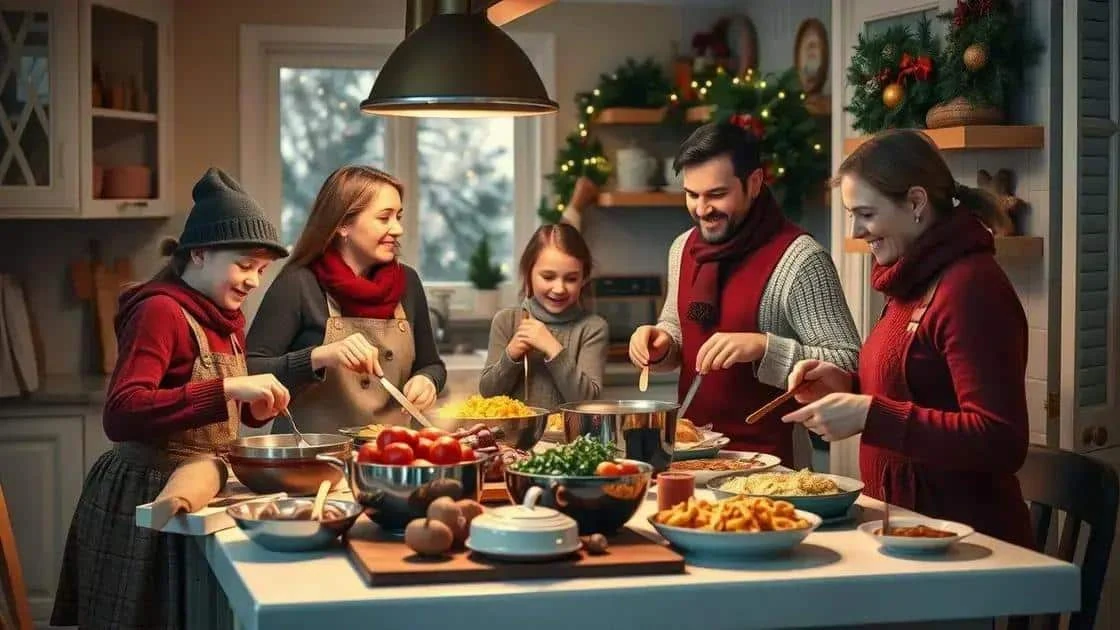
Recipes linked to family stories can preserve practical knowledge as well as memories. Ask about measurements, substitutions and the details a confident cook might otherwise leave unwritten.
Recording a recipe’s story
A dish may carry a particular family story. Perhaps a relative adapted a roast pork recipe when an ingredient was unavailable. Record who told you the story and avoid assuming every family recipe has an ancient or dramatic origin.
Cooking and talking together
Cooking together creates opportunities to ask questions and learn techniques. Give each person a comfortable task and leave time to enjoy the process, rather than making one cook responsible for everyone’s perfect Christmas.
Learning through practical tasks
Children can mix suitable ingredients or decorate cooled biscuits while hearing how a recipe entered the family. Conversations about family values work best alongside everyday respect, supervision and care.
Keeping a favourite dish in use
Brazilian dishes such as rabanada, a sweet French-toast-style dessert, and farofa, a toasted cassava-flour accompaniment, may carry family associations. Adapt them for allergies and dietary needs without treating substitutions as a loss of authenticity.
Decorations that recall childhood
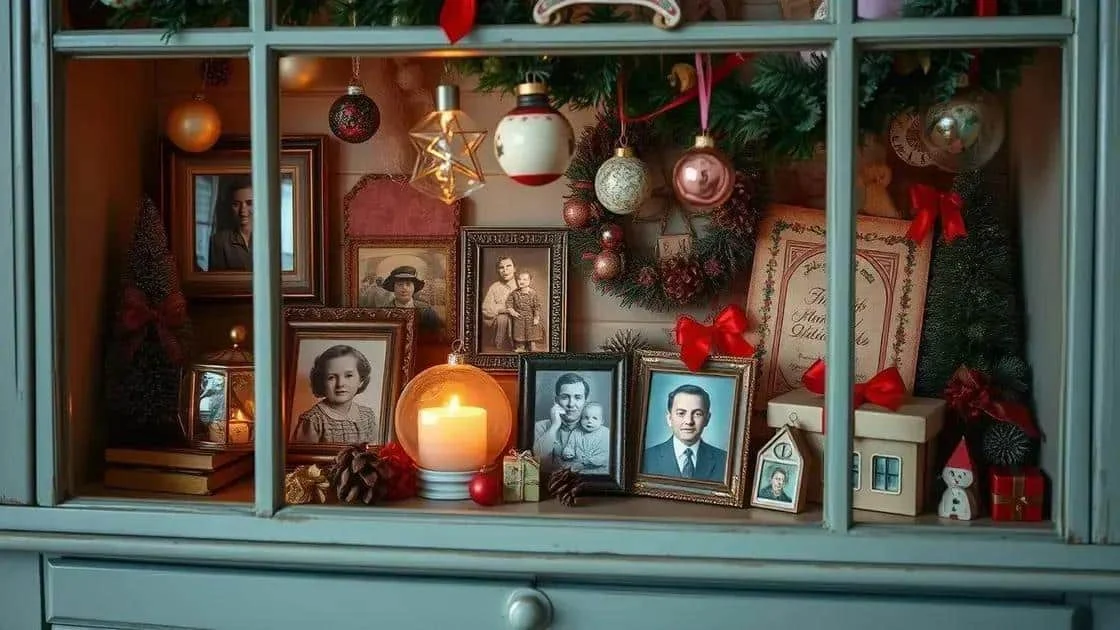
Decorations linked to childhood memories can make a room feel familiar. Keep the pieces people enjoy, but do not feel obliged to display objects associated with difficult memories.
Reusing treasured ornaments
Handmade ornaments or popcorn garlands may prompt stories about earlier years. Check older decorations for damage, keep small parts and food decorations away from young children and pets, and use safer alternatives where needed.
Displaying photographs
A few labelled photographs can start conversations about people and places. Ask before displaying personal images and allow relatives to keep some memories private.
Colours and scents
Familiar colours and scents may recall earlier celebrations. Red and green decorations or the aroma of cinnamon baking can be evocative, but consider fragrance sensitivities and avoid unattended flames or simmering pans.
Welcoming children’s ideas
Invite children to make safe ornaments or help arrange a display. Their new decorations can sit beside older pieces, giving the collection a changing story rather than a fixed appearance.
Making space for meaningful Christmas moments
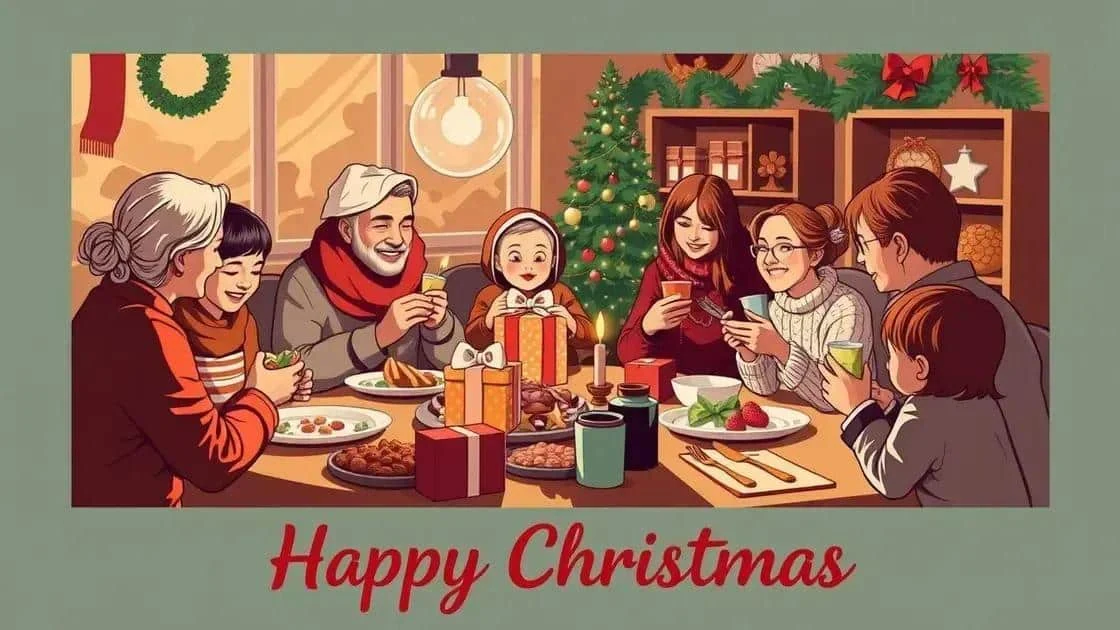
Meaningful moments are often small: a familiar meal, a conversation or a shared activity. Choose what suits the people involved and leave room for rest and changing plans.
Sharing a meal
A Christmas meal can offer time to talk, whether it is lunch, a Brazilian Christmas Eve supper or something simpler. Consider dietary needs and avoid making the menu or attendance a measure of family affection.
Thoughtful optional gifts
A gift with personal meaning might be a handwritten letter or a small keepsake. Set a realistic budget and agree that nobody needs to give a present they cannot comfortably afford.
Creative activities
Creative activities such as making ornaments or baking biscuits can offer shared time. Children may prefer drawing or choosing music; give everyone an accessible way to join in.
A moment for reflection
If the family welcomes it, make time for reflection on a memory or a hope for the coming year. Nobody should be required to disclose personal feelings or perform gratitude in front of others.
Keeping Christmas memories meaningful
Celebrating can create meaningful memories through shared attention rather than expensive gifts or elaborate decorations. Different households will find their own comfortable balance.
Record the stories people want to preserve, repeat the activities they enjoy and allow traditions to change. A family legacy can include new choices as well as older memories.
For your next celebration, choose one manageable way to share or collect a memory. A brief conversation or a labelled photograph is a worthwhile start.
Frequently asked questions about Christmas memories
How can I create meaningful Christmas moments?
Choose a manageable shared activity, a meal or a short conversation that suits the people involved. Keep expectations realistic and allow people to opt out.
Why can a shared Christmas meal matter?
It can provide time to talk and enjoy familiar food. Its value does not depend on an expensive menu, a particular date or having every relative present.
How can children join in Christmas traditions?
Offer age-appropriate choices such as safe decorating, drawing or helping with supervised baking. Invite their ideas rather than expecting them to follow every older custom.
How can I preserve Christmas memories?
Label photographs, write down recipes and record stories with permission. Keep copies safely and respect anyone who prefers not to be photographed or recorded.
How can gift-giving feel more personal?
Choose an optional gift or message connected to the recipient’s interests or a shared memory. Agree a budget and avoid pressure to spend.
What else can we do to make the season meaningful?
You could share a family recipe, read together or support a community service that has asked for help. Choose something appropriate to your circumstances and the needs of others.