Matthew describes Magi from the East bringing gold, frankincense and myrrh to Jesus. Their number, familiar names and portrayal as three kings belong to later traditions. Astronomical explanations for the Star of Bethlehem remain proposals rather than established identifications.
The Magi and the Star of Bethlehem are familiar Christmas images, but a Nativity display includes more detail than Matthew’s account provides. Separating scripture, later tradition and historical proposals helps us understand the story more carefully.
Who were the Magi?
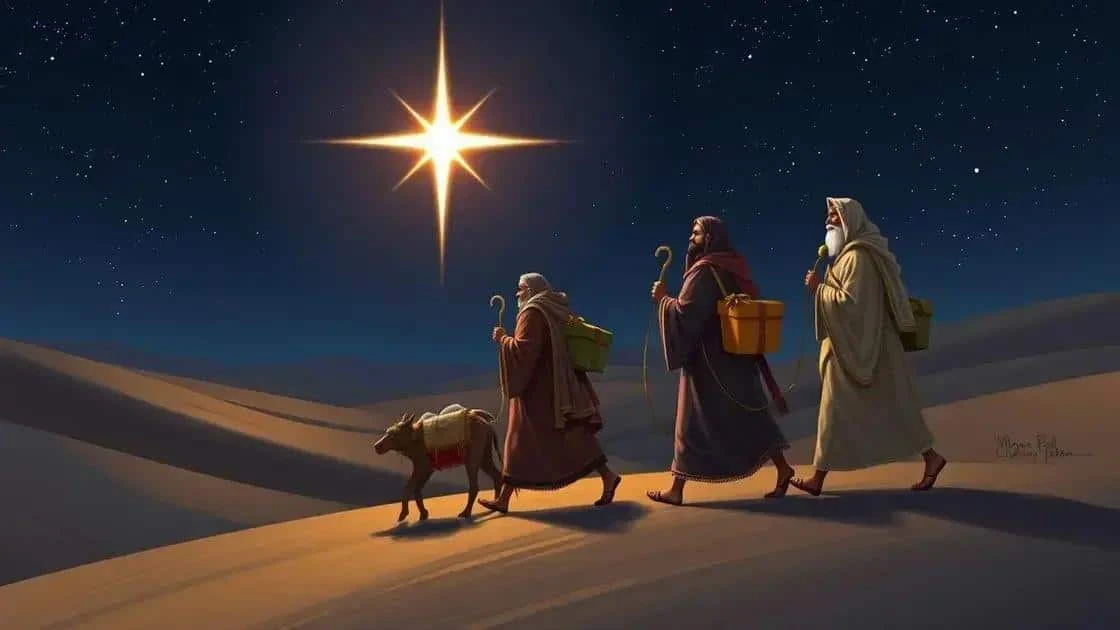
The figures often called the Three Kings are described in Matthew as Magi from the East. The account connects their journey with a star and their wish to honour the child. It does not give their names or state their number.
Caspar, Melchior and Balthasar are familiar names in later Western traditions. Artistic portrayals sometimes associate them with different ages or parts of the world, but these details vary and do not establish their historical nationalities or which individual carried each gift.
Matthew names three kinds of gifts, not three visitors. Their later portrayal as kings and their cultural symbolism developed over time. Modern Christmas gift-giving has several influences, so it should not be described as a single direct inheritance from this episode.
The Star of Bethlehem is part of a narrative about a journey, an encounter with Herod and a visit to the child. Christian readers interpret that journey in religious terms, while historians must distinguish the text from evidence available independently of it.
Why the Star of Bethlehem matters
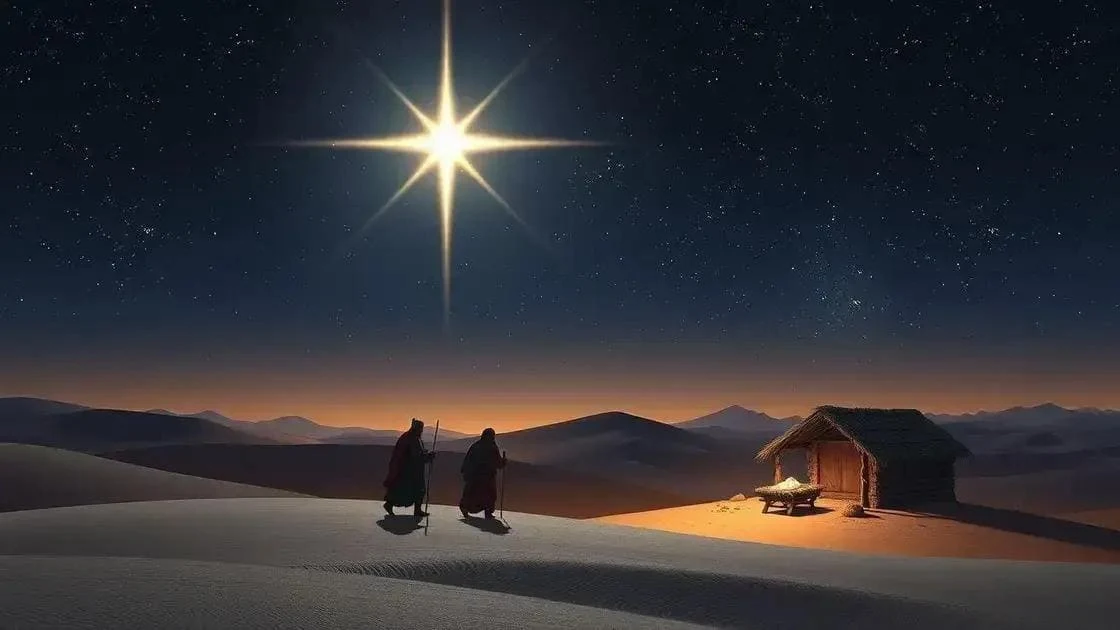
In Matthew’s account, the Star of Bethlehem guides the Magi. Within Christian interpretation, light can express guidance and hope. That theological meaning is different from identifying a particular object in the ancient sky.
Proposals for the Star of Bethlehem include planetary conjunctions, a comet or a stellar outburst. None provides an agreed identification. Christian readings also connect the star with the manifestation of Christ, a religious interpretation rather than an astronomical measurement.
Stars appear on Christmas trees, cards and Nativity displays. For some people they have Christian significance; others use them as decorative shapes. Do not assume every household gives an ornament the same meaning.
A Christian reflection may take the star as an invitation to seek faith and understanding at Christmas. Presenting that as a particular religious reading leaves room for readers with different beliefs.
What scripture leaves open
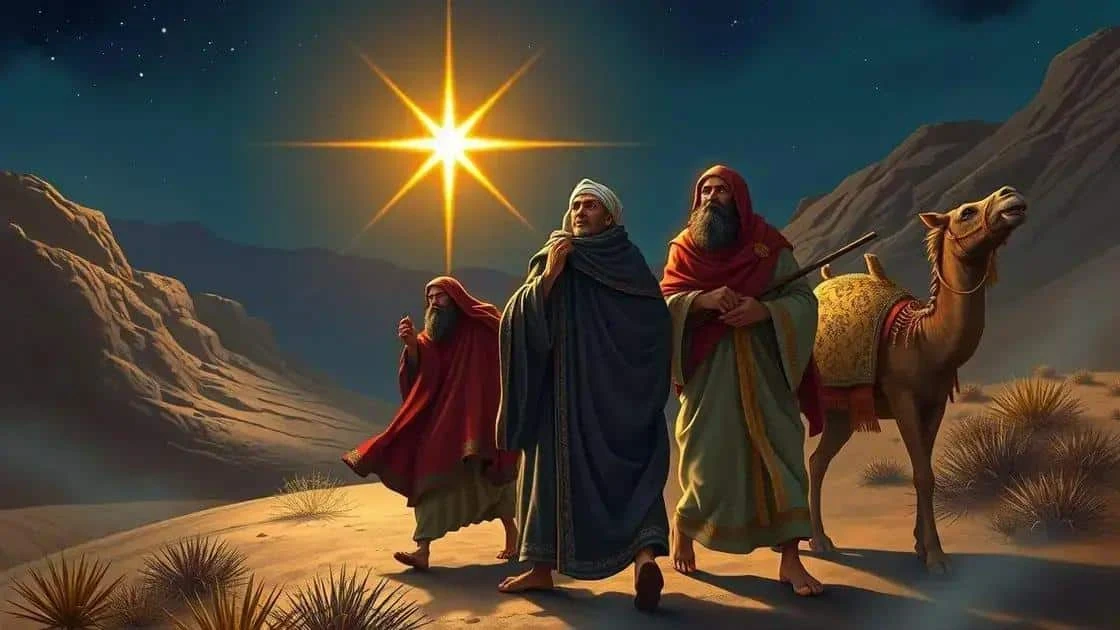
The historical questions begin with details the text does not supply. The familiar group of three is a later tradition, commonly associated with the three gifts. Matthew does not settle the visitors’ number.
Paintings and sculptures often give the Magi elaborate clothing, different ages and varied appearances. Those choices can carry symbolic meanings, but they are artistic conventions rather than eyewitness portraits.
Christian theology often reads the visitors as representing peoples beyond Israel recognising the significance of Christ. Their designation as Magi suggests a context of wisdom or interpreting celestial signs, but it does not provide detailed modern-style job descriptions or biographies.
Epiphany is commonly associated with 6 January in Western Christian calendars and with the visit of the Magi. Dates and emphases vary between churches, so it is not a universal closing date for every Christmas celebration.
The Magi in Christmas celebrations today
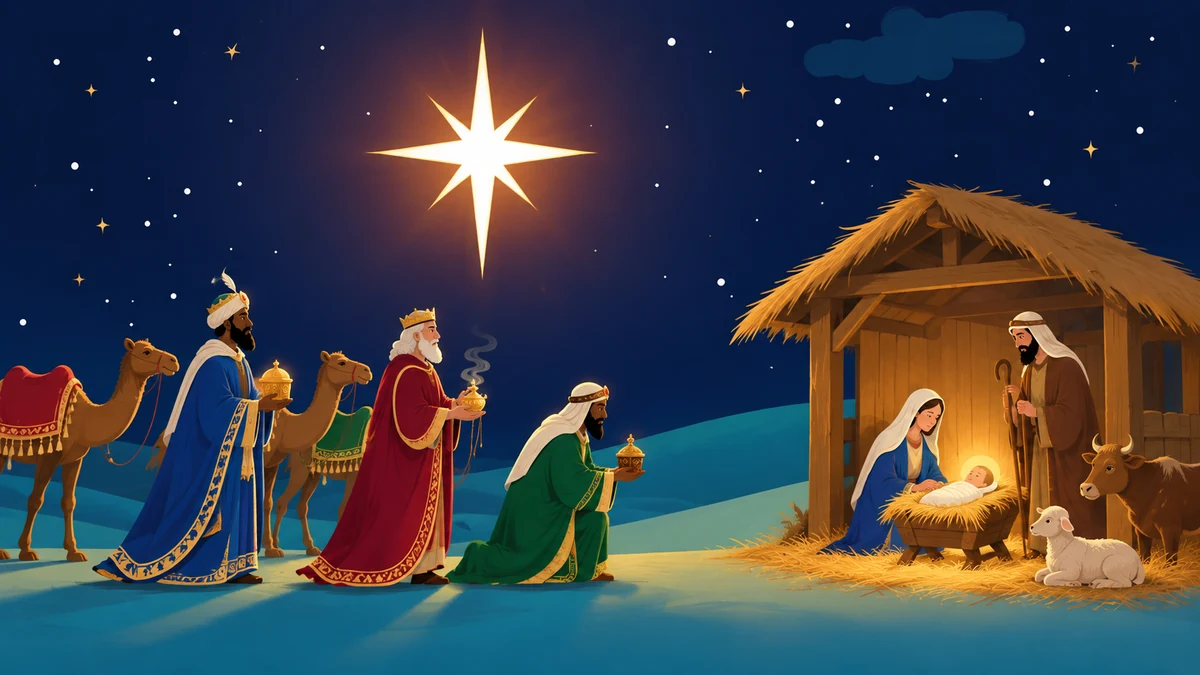
The Magi remain familiar figures in Christian worship, art and seasonal customs. Their importance can be religious, cultural or both, depending on the community.
The gifts of gold, frankincense and myrrh carry theological interpretations in Christian tradition. The story offers one association for giving presents, alongside other historical and family customs; it does not explain all modern exchanges by itself.
In some countries, Three Kings Day includes gifts or special cakes. Portugal’s bolo-rei, Spain’s roscón de Reyes and France’s galette des rois differ in ingredients and customs. Any hidden object can create a choking risk and must be clearly disclosed and handled with particular care around children.
Magi figurines commonly appear in Nativity displays. Such arrangements bring different elements of the Christmas story together for devotion or art; they do not necessarily claim that every figure arrived at the same moment.
Customs associated with the Magi
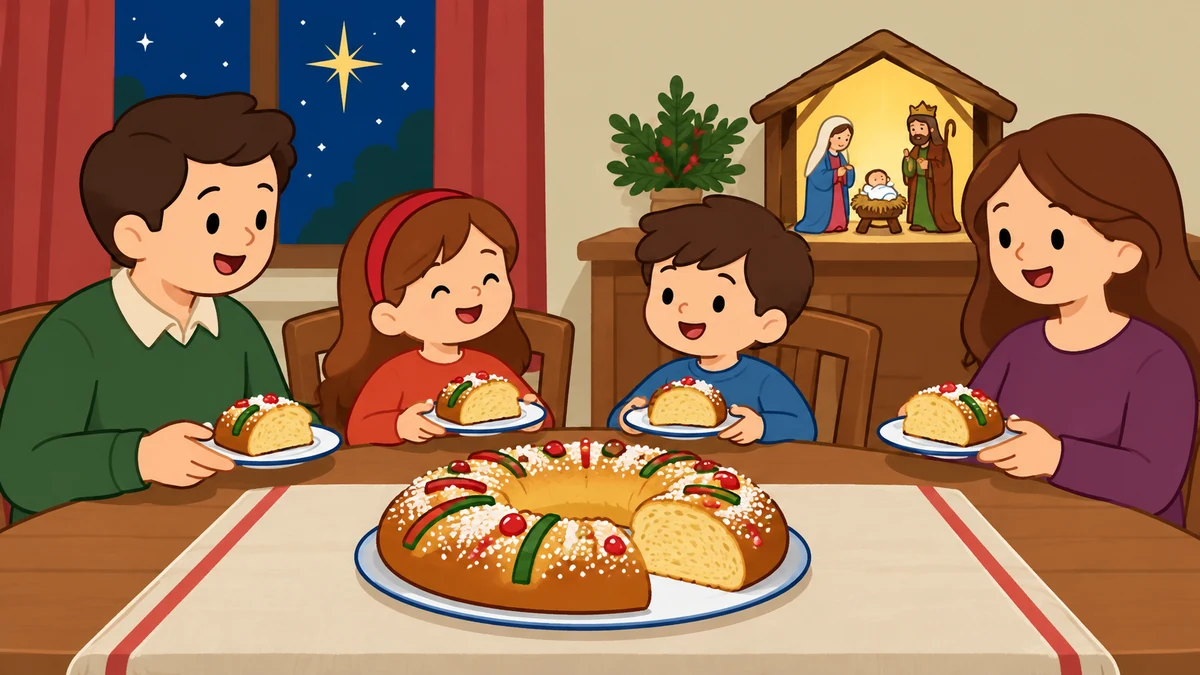
Christmas customs associated with the Magi vary widely. Three Kings Day on 6 January is especially prominent in some Western traditions, but local practice and church calendars should guide any description.
A kings’ cake can mean different baked foods in different places. Customs involving a token, a bean or choosing a king or queen also vary; there is no single universal rule about who hosts the next party. Warn guests about any hidden item, or serve it separately instead.
Some communities mark Epiphany with processions, visiting singers or seasonal songs. These have their own religious and local contexts, so describing them simply as a Christmas version of Halloween would be misleading.
The Star of Bethlehem and the Magi appear together in many displays. They can prompt a discussion about what comes from Matthew and what later artists and communities have added.
Understanding the Magi with care
The Magi carry rich religious and cultural meanings. Distinguishing the Gospel account from later names, numbers and artistic conventions helps preserve that richness without presenting every familiar detail as established history.
Their influence appears in worship, gift traditions, songs and regional celebrations. Explain which community or tradition you mean rather than suggesting everyone follows the same custom.
Whether reading the account devotionally or exploring its cultural history, leave uncertainty visible. An unresolved astronomical question does not need a confident answer for the story to remain significant to its readers.
Frequently asked questions about the Magi
Who were the Three Kings?
Matthew describes Magi from the East who visit Jesus and bring gifts. The familiar number three, royal titles and names belong to later traditions rather than details stated in that account.
What was the Star of Bethlehem?
It is the star described in Matthew’s narrative. Several astronomical explanations have been proposed, but none is an established identification; it also has theological meaning for Christian readers.
Why are the Magi important at Christmas?
Within Christian tradition, their visit is associated with recognising and honouring Christ. They also appear in art, worship and regional celebrations connected with Epiphany.
What is Three Kings Day?
It commonly refers to Epiphany on 6 January in Western traditions. Some communities celebrate with gifts, processions or special cakes, while dates and customs vary.
Did the Magi originate all Christmas gift-giving?
No single episode explains the whole custom. Their gifts provide one important Christian association, alongside other religious, historical and family influences.
What themes can readers explore in the story?
Christian readers may reflect on faith, seeking and generosity. A historical discussion can also explore how texts, art and later traditions contribute different layers to a familiar narrative.