
Memorable Christmas characters include Dickens’s Ebenezer Scrooge and Dr Seuss’s Grinch. Their stories explore changing attitudes, generosity and belonging. Choose editions suited to the reader and distinguish original books from later adaptations.
Memorable characters in Christmas literature can become familiar companions at this time of year. Some offer humour, others unsettling questions about responsibility or loss. Here are well-established examples and newer stories worth exploring, without assuming every seasonal book teaches the same lesson.
What characters bring to Christmas stories
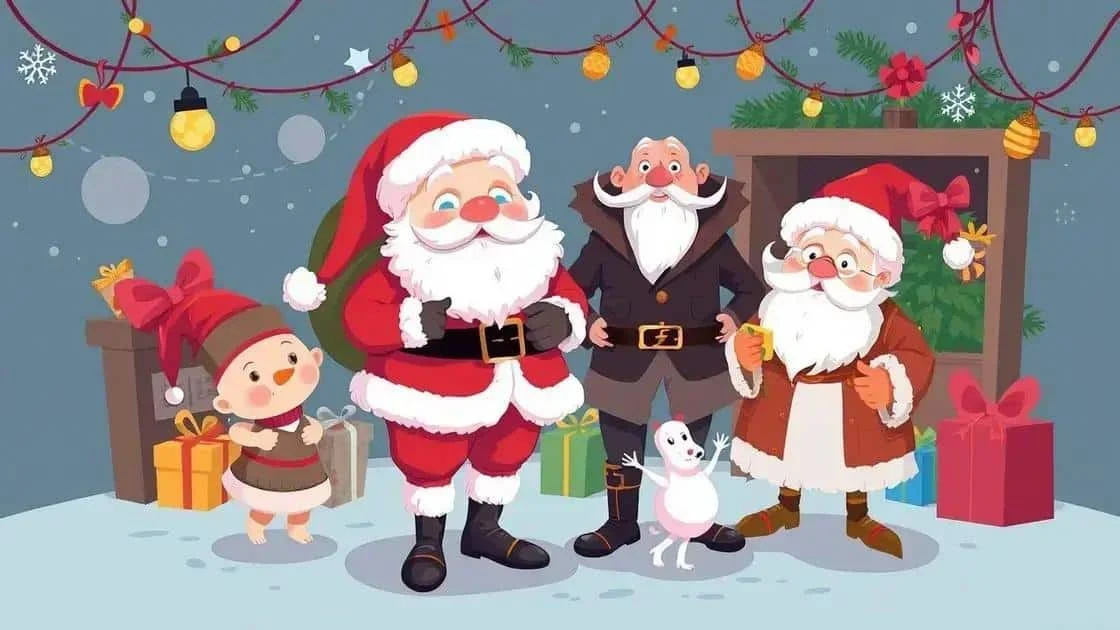
The characters in Christmas literature give readers particular people or creatures to follow. Their choices can explore hope, kindness and selfishness, but their role is not limited to delivering a simple moral.
Father Christmas appears in many different stories, often associated with gift-giving. Ebenezer Scrooge, in Charles Dickens’s A Christmas Carol, offers a more troubled figure whose changing behaviour drives the plot.
Reading a familiar book together can connect different generations through shared references and memories. It is equally valid for younger readers to prefer a newer story or a different format.
Christmas fiction can explore loneliness and redemption as well as celebration. Do not assume these themes are comfortable for every listener; choose thoughtfully and welcome different responses.
Classic characters and possible interpretations
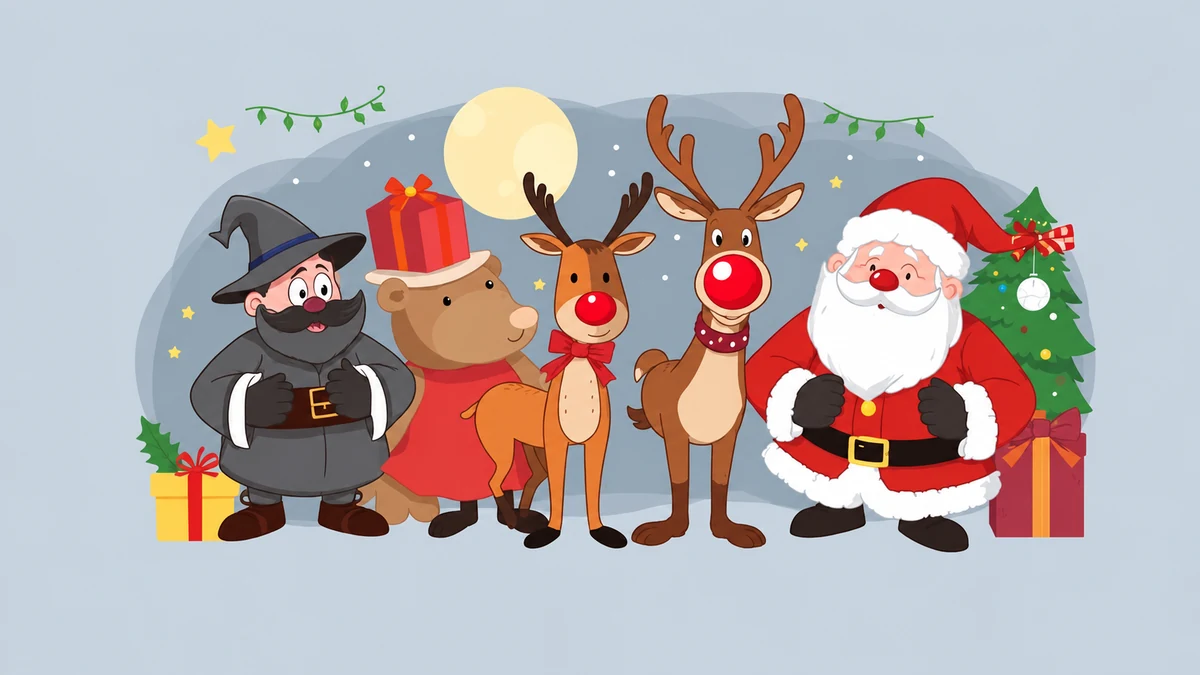
Classic characters often remain interesting because readers interpret them differently. A discussion can begin with what a character does, rather than declaring one compulsory lesson in advance.
Scrooge begins A Christmas Carol as a miser who dismisses other people’s needs. Encounters with the Christmas spirits force him to confront his life and its possible consequences. His change invites questions about responsibility as well as personal happiness.
Rudolph, created by Robert L. May, is the reindeer whose unusual nose becomes useful in a difficult journey. The story can open a conversation about exclusion, while also asking why someone should need to prove useful before being treated kindly.
Father Christmas may represent giving and seasonal imagination, although portrayals differ. Avoid suggesting that a child’s gifts measure their goodness or that a family’s spending shows how much they care.
Frodo Baggins in The Lord of the Rings offers themes of courage and friendship, but he is not specifically a Christmas-literature character. A family may choose Tolkien for holiday reading without treating the novel as a seasonal origin story.
These characters provide possibilities for conversation rather than guarantees of better behaviour. Readers can disagree about their motives and still enjoy sharing a book.
Christmas stories with emotional depth
Emotionally engaging stories can be comforting, funny or sad. Christmas literature includes darker material as well as cheerful endings, so preview unfamiliar books before reading them with children.
A Christmas Carol follows Scrooge’s encounter with his past, present responsibilities and possible future. The story offers hope through change while also confronting poverty, illness and death; an abridged children’s edition may be more appropriate for younger readers.
The Fir Tree by Hans Christian Andersen follows a tree longing for the future and later remembering its brief Christmas glory. It has a sad ending and invites reflection on discontent and missed moments, rather than offering an uncomplicated happy celebration.
Christmas character stories such as Rudolph the Red-Nosed Reindeer can combine humour with questions about friendship. Compare how a book, song or screen adaptation tells the story instead of assuming all versions are identical.
A meaningful reading can include laughter, sadness and uncertainty. Give listeners room to respond, and do not require them to find an uplifting message in every ending.
How literature relates to Christmas traditions
Literature can influence seasonal imagery and expectations, while also reflecting existing customs. It would be too simple to claim that familiar celebrations all began in books.
Charles Dickens made generosity and social responsibility central to A Christmas Carol. The book belongs within a wider history of nineteenth-century Christmas celebrations, rather than being the sole invention of a family-centred Christmas.
Stories such as The Nutcracker and the Mouse King place magical events around a Christmas setting. Readers may make their own rituals of returning to a book, watching an adaptation or discussing its characters together.
Descriptions of trees, lights and festive rooms may inspire decorating ideas, but resemblance is not proof that a book created a custom. Treat literary imagery and documented cultural history as related but distinct subjects.
Stories about Father Christmas and reindeer invite imaginative play. Christian accounts of Jesus’ birth have a different religious context and should not simply be grouped with fictional gift-bringers as the same kind of fantasy.
Newer books and fresh approaches
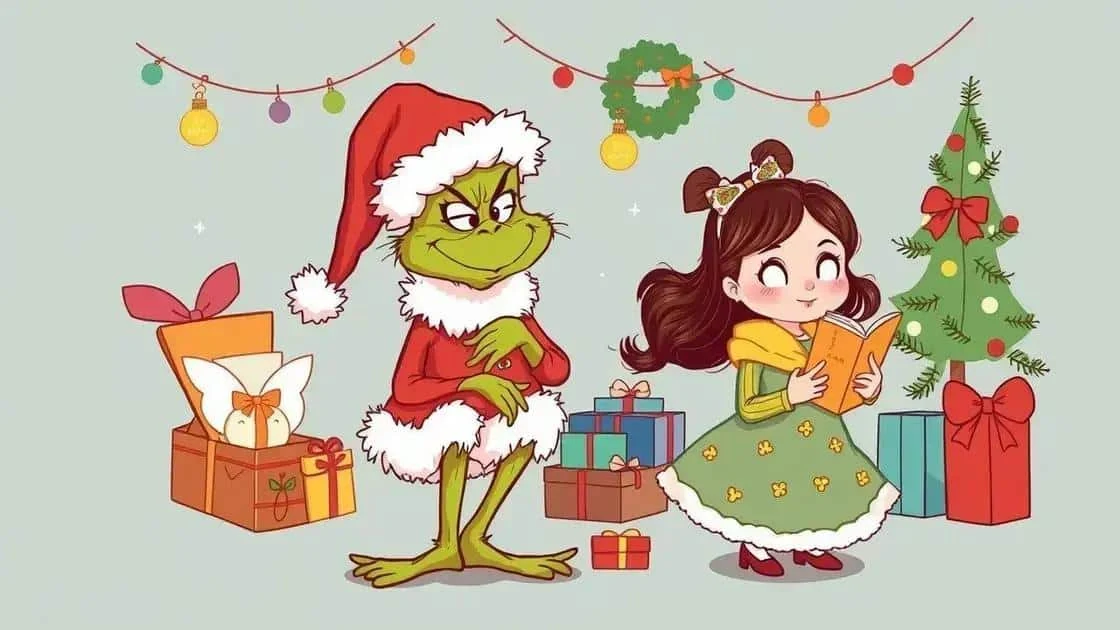
Newer characters and fresh storytelling approaches can sit alongside older favourites. Check a title and author with a publisher or library catalogue before recommending it.
A Boy Called Christmas by Matt Haig offers an imagined childhood adventure for Father Christmas, illustrated by Chris Mould. It is a modern fantasy, not a historical biography, and some themes may call for adult discussion.
The Grinch comes from Dr Seuss’s How the Grinch Stole Christmas!, first published in 1957. He is therefore a twentieth-century character rather than a new creation of recent films. Later adaptations expand aspects of the story, so distinguish their additions from the original book.
The Christmasaurus by Tom Fletcher follows William Trundle and an unusual dinosaur in a Christmas adventure. It provides another modern option for readers interested in fantasy, friendship and festive humour.
Newer books can broaden a family’s reading without replacing every older favourite. Look for a story that suits the reader’s interests and needs rather than choosing only because it has a seasonal cover.
Christmas books and family memories
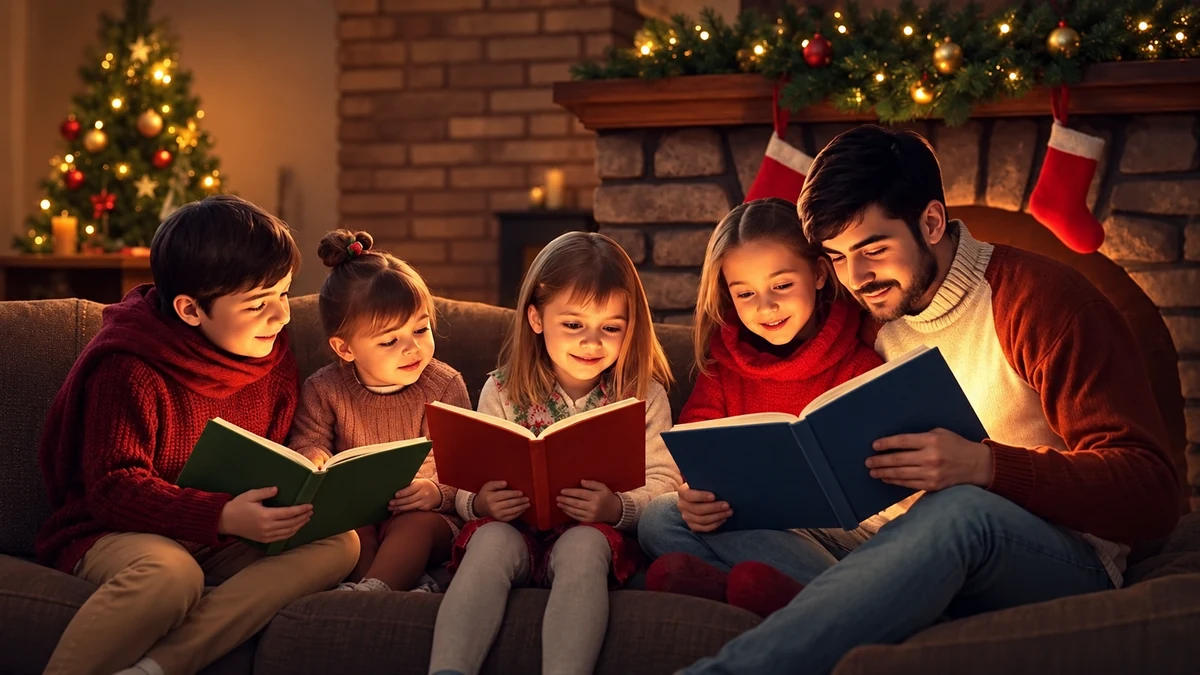
Christmas books can become part of family memories through shared reading. Keep the ritual flexible: a short chapter, audiobook or picture discussion may work better than expecting everyone to sit through a long story.
A Christmas Carol and Rudolph the Red-Nosed Reindeer offer different ways to discuss kindness and belonging. Ask what the reader noticed, and avoid treating either book as a complete guide to how a family should behave.
Some households combine reading with decorating or baking. Choose safe, manageable activities and do not let the extras turn a simple reading into a costly project.
Parents and grandparents may share memories of encountering a story themselves. Welcome a child’s new favourite too, so the tradition remains a conversation between generations rather than a fixed reading list.
The connection comes from shared attention, not ownership of a particular edition. Libraries, borrowed books and accessible formats can all support the experience.
Choosing stories for future Christmases
Christmas stories and characters offer humour, imagination and opportunities to think. Their value need not be reduced to whether they teach one clear lesson.
Christmas books can provide shared time when chosen with care. Match the edition to the reader and be ready to pause or change the book if its themes are uncomfortable.
Older and newer stories can coexist, giving each generation room to contribute. Check titles, authors and adaptations so the recommendations themselves remain trustworthy.
For your next shared reading, begin with one book people want to explore. A thoughtful conversation matters more than completing a long seasonal list.
Frequently asked questions about Christmas literature
Why share Christmas stories as a family?
They can provide enjoyable time together and conversations about characters, memories and ideas. Participation should be welcoming rather than compulsory.
Which characters are associated with Christmas literature?
Examples include Ebenezer Scrooge, the Grinch and Rudolph. Father Christmas also appears in many books, with portrayals that differ between authors and adaptations.
Did Christmas literature create our traditions?
Books have influenced festive imagery and expectations, but also reflect existing customs. Avoid attributing a whole tradition to one story without historical evidence.
How should I choose a Christmas book for a child?
Consider reading level, interests and themes, and preview unfamiliar stories. Some classics contain frightening scenes, poverty or death; a suitable adaptation may work better.
Can newer books become family favourites?
Yes. Books such as A Boy Called Christmas and The Christmasaurus can sit beside older stories. Let readers help choose what they would like to revisit.
Do we need to buy a special Christmas edition?
No. A library book, borrowed copy or suitable audiobook can provide the same opportunity for shared reading. Choose an accessible format that works for your household.
Sources and Further Reading
- A Boy Called Christmas — Canongate
- The Christmasaurus — Penguin
- The Fir Tree — Hans Christian Andersen Centre