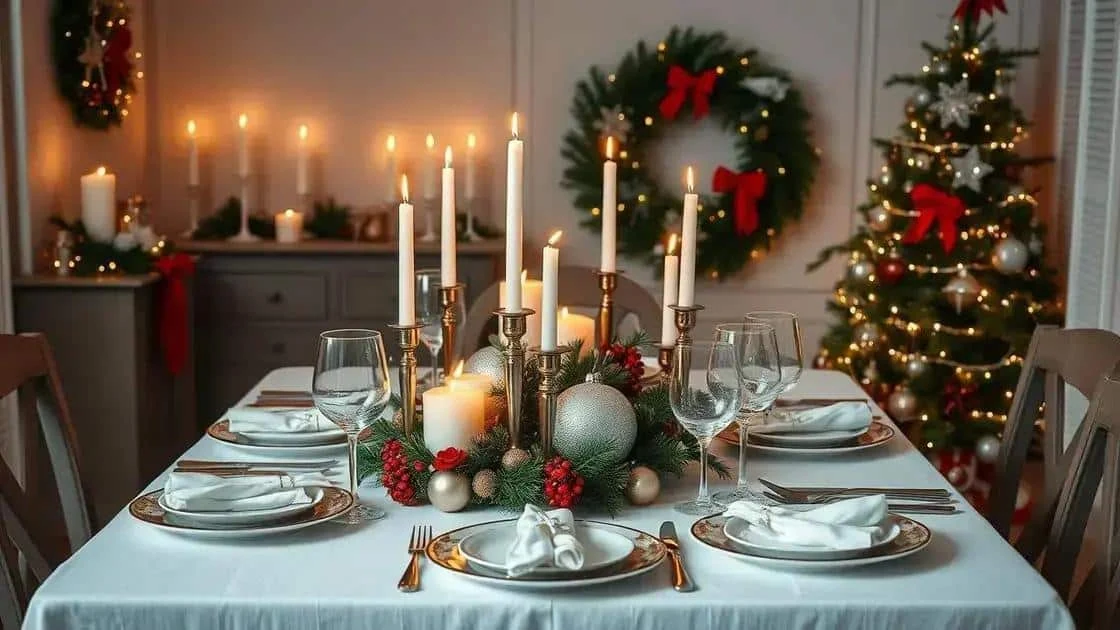
A welcoming Christmas table combines practical place settings with your choice of linen, flowers and festive decorations. Personal touches and thoughtful food presentation can add character while leaving enough room for guests and serving dishes.
Wondering how to set a Christmas table? A few coordinated details can give dinner a festive feel without requiring expensive decorations. Start with what you already own, then add colours and personal touches that suit your home and guests.
The Christmas table as a gathering place
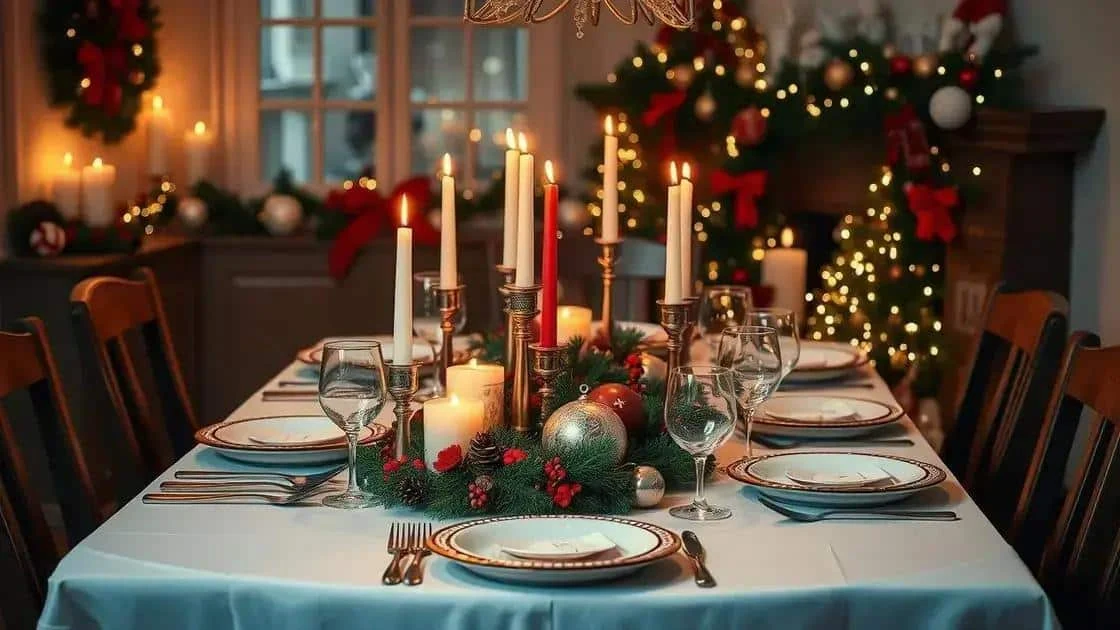
The Christmas table is often where family and friends gather to share a meal. Setting a welcoming table can help mark the occasion, while comfortable seating and enough space matter more than an elaborate display.
Carefully chosen decorations, including linen, crockery and ornaments, can reflect your style. Gentle lighting adds warmth, with LED candles offering a practical alternative to open flames near fabric and serving dishes.
A useful table arrangement leaves room for conversation and passing food. Keep centrepieces below eye level and avoid crowding place settings. The focus is on time together and shared connections, rather than a perfect photograph.
The table can express celebration and hospitality in many styles. A simple arrangement is just as valid as a formal one when it works for the people using it.
The main elements of a Christmas table
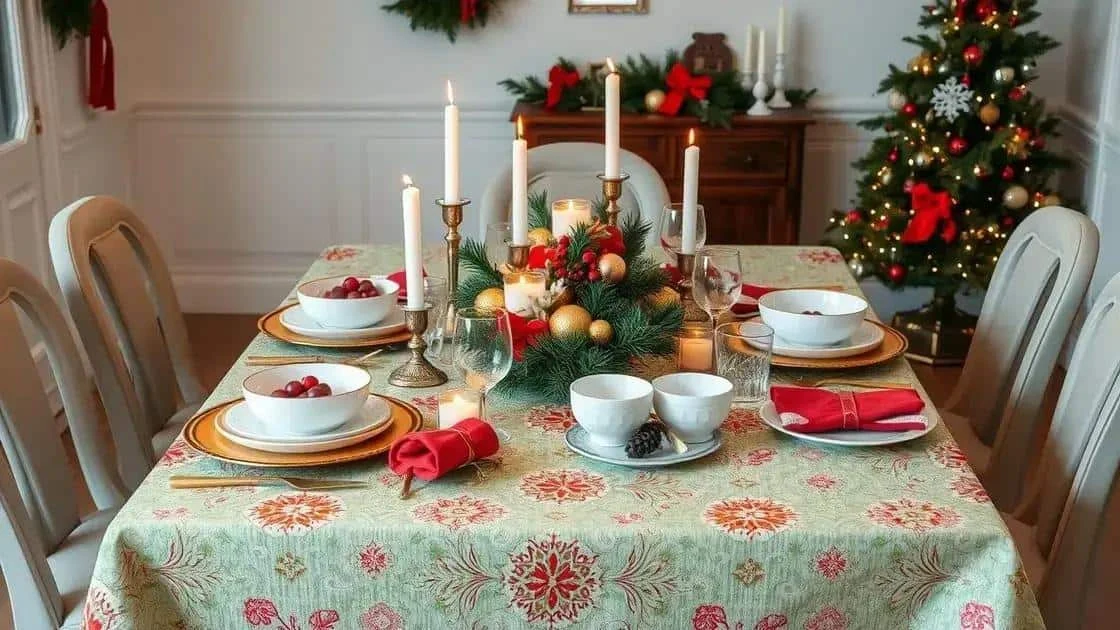
A few main elements help bring the setting together, from the tablecloth to the decorations. Think about how the table will function before choosing the finishing touches.
Choose a tablecloth or runner that suits your style. Red and green are familiar festive choices, while neutral linen lets colourful accessories stand out. A bare table with suitable mats is another option.
Select plates and utensils appropriate for the meal. Coordinated crockery can look attractive without being expensive or matching perfectly. White plates are versatile, while patterned ones can provide the main decorative detail.
Plan the lighting so guests can see the food comfortably. LED candles or suitable battery lights can add a soft glow. Follow product instructions and keep batteries inaccessible to children, especially button batteries.
Use decorations sparingly enough to leave serving space. Flowers, a small garland or a handmade ornament can add colour and texture. Keep loose materials and plants away from plates and ready-to-eat food.
Optional menus and place cards make the setting more personal. A handwritten card is sufficient; choose details that are useful or meaningful rather than adding them simply to fill the table.
Choosing a Christmas colour palette
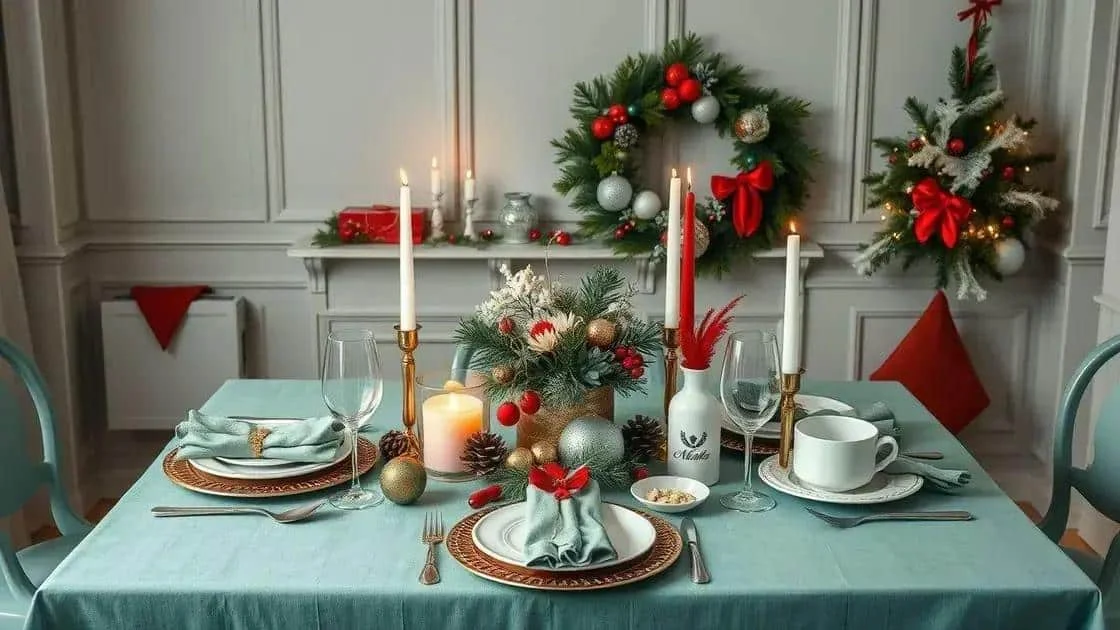
A Christmas colour palette can make the table feel coordinated. Choose shades you enjoy and consider the colours already present in the room and your crockery.
Start with the style you want. Red, green and gold create a familiar festive combination, while neutrals with metallic accents offer another approach. Neither is a rule: use what works in your space.
A small palette of three to five colours is one possible starting point, though fewer can work well. Choose a main colour and supporting shades for accessories. Deep blue with white and silver is one example.
Lay out a few fabric or crockery samples before buying anything else. Optional online colour tools can help visualise combinations, but checking them together in the room’s lighting is often enough.
Repeat the palette in selected details rather than replacing every item. A few coordinated napkins, flowers or ornaments can create visual harmony while letting you reuse familiar tableware.
Flowers and festive decorations
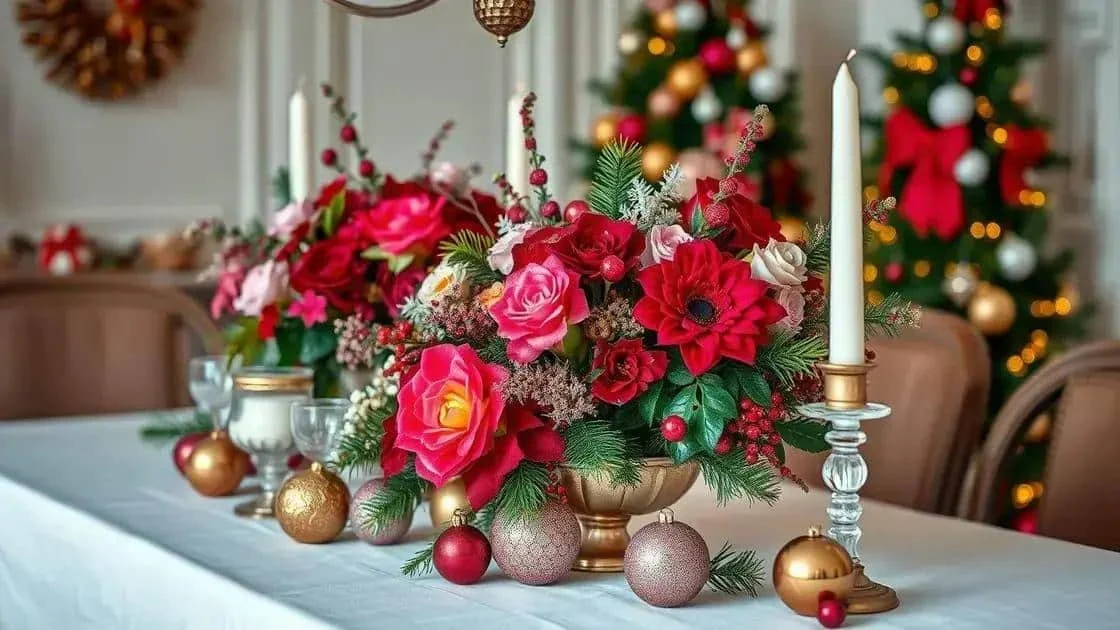
Flower arrangements can add colour and texture to a Christmas table. Choose modest arrangements that leave room for food, and avoid strong scents if they would bother guests or compete with the meal.
When choosing flowers and plants, festive possibilities include poinsettias, cyclamen and pine branches. Other greenery can add texture. Decorative plants are not food; check their suitability around children and pets, and keep them away from dishes and garnishes.
Use stable vases that suit the palette. Clear glass lets the flowers stand out, while ceramic jugs or clean reused jars can provide a more relaxed style. Avoid chipped or unstable containers.
A little variation in height adds visual interest, but keep arrangements low enough for guests to see one another. Do not raise centrepieces on precarious supports or block the space needed for serving.
A few Christmas baubles or suitable battery lights can complement the flowers. Keep fragile ornaments, small parts and electrical components away from food and out of children’s reach.
Food presentation that complements the table

The food can provide much of the table’s colour. Arrange dishes attractively, but keep safe cooking, storage and serving ahead of decorative effects.
For a starter selection, consider a cheese and charcuterie board with suitable prepared fruit. Bread and pâtés or spreads add variety. Label allergens and follow chilled-storage guidance for perishable ingredients rather than leaving a large board out throughout the gathering.
Serve main courses in practical dishes that make portioning easy. Brazilian-inspired options might include roast pork or stuffed chicken, with suitable edible garnishes. Baked salt cod gratin can also be served in its baking dish. Use tested recipes and check that food is thoroughly cooked.
For side dishes, Brazilian-style rice with vegetables or mashed potato can provide contrasting colours and textures. Add edible garnishes sparingly and serve at an appropriate temperature.
Present desserts such as chocolate pavê, a Brazilian layered dessert, or apple pie in dishes suited to serving. Fruit or whipped cream can be an optional finishing touch. Keep cream-based desserts refrigerated until needed.
Personal touches for your Christmas table
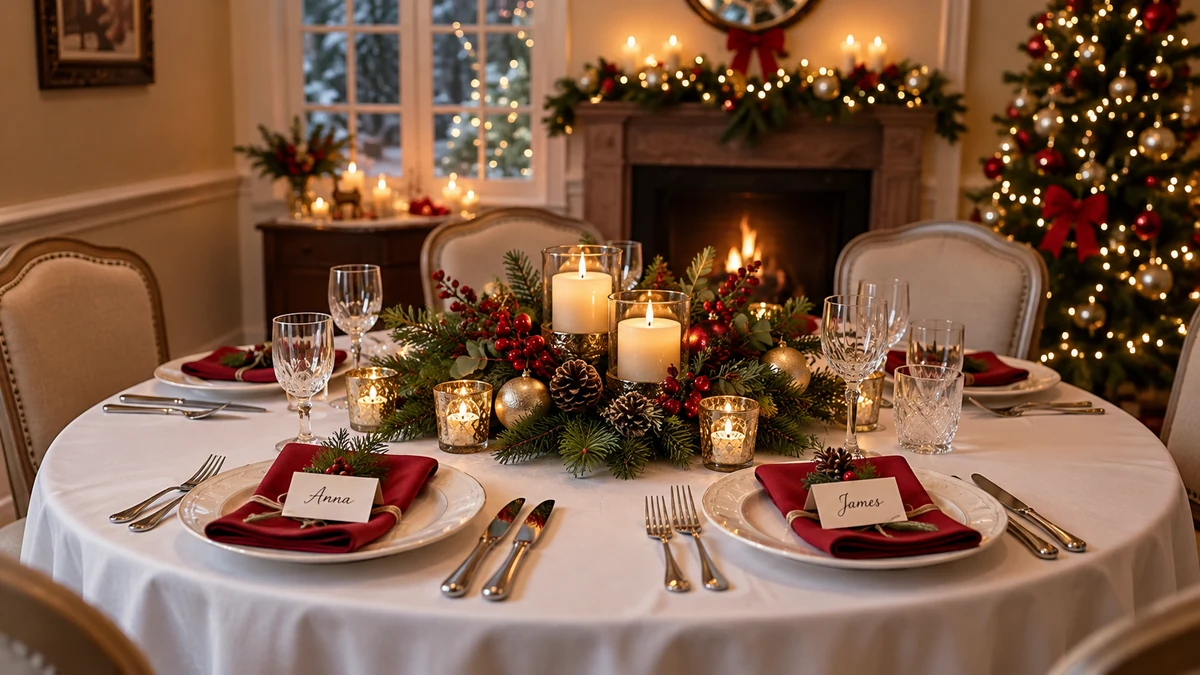
Small personal touches can make a table feel thoughtful without adding much cost. Choose details that have meaning for your gathering rather than trying to personalise every object.
Start with place cards if a seating plan would be useful. Write each name clearly on a simple card and place it where it is easy to see. Festive or rustic designs are optional.
A personalised centrepiece might include a small framed family photograph or a meaningful ornament. Keep it stable, below eye level and away from food, so the detail does not interfere with the meal.
Optional favours or small gifts can sit beside place settings if there is room. They are not necessary for good hospitality. Check small parts and food allergens where children or edible gifts are involved.
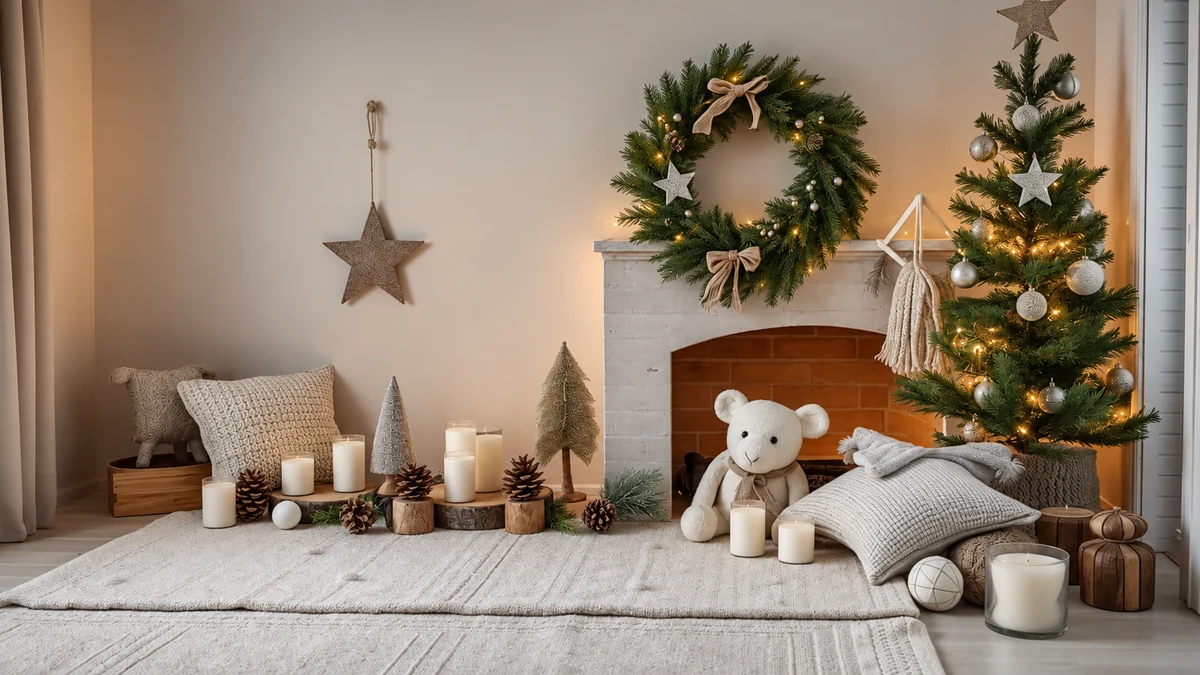
Gentle lighting can finish the setting, with stable lanterns containing suitable LED lights. A little foliage or a few pine cones can add texture when kept away from food and children’s reach.
Finish with napkins and utensils that work with the setting you have chosen. Leave enough room for elbows, glasses and serving dishes; practical space is more useful than an extra decoration.
Creating a Christmas table that works for you
A welcoming Christmas table brings together practical seating, useful place settings and a few festive details. Colours, flowers and food presentation can express your style without needing to be elaborate.
Place cards, a meaningful centrepiece or gentle lighting can add character. Choose the details you enjoy and can manage comfortably, rather than feeling that every element has to be perfect.
Keep conversation, comfort and safe serving at the centre of the arrangement. The table is there to support your gathering and shared meal.
Frequently asked questions about Christmas table settings
What do I need for a welcoming Christmas table?
Start with suitable plates, utensils, glasses, napkins and comfortable seating. A runner, small flowers or a few decorations are optional additions; leave enough room to serve the meal.
How can I personalise the table for guests?
Handwritten place cards, a meaningful centrepiece or a small optional favour can add a personal touch. Keep the arrangement practical and consider guests’ needs.
Which colours work for a Christmas table?
Red, green and gold are familiar choices. Neutrals, blue, silver or other colours can work too. Coordinate a few details with the crockery and room rather than following a fixed rule.
How can food make the table look festive?
Colourful side dishes, neatly arranged starters and desserts in suitable serving dishes can provide decoration themselves. Use edible garnishes and keep safe storage and serving temperatures in mind.
How should I arrange flowers on the table?
Choose stable, low arrangements that do not block conversation or serving space. Keep decorative plants away from food and check their suitability around children and pets.
Does lighting matter for a Christmas table?
Comfortable lighting helps guests see the food and one another. Suitable LED candles or battery lights can add a gentle glow; follow safety instructions and keep batteries away from children.