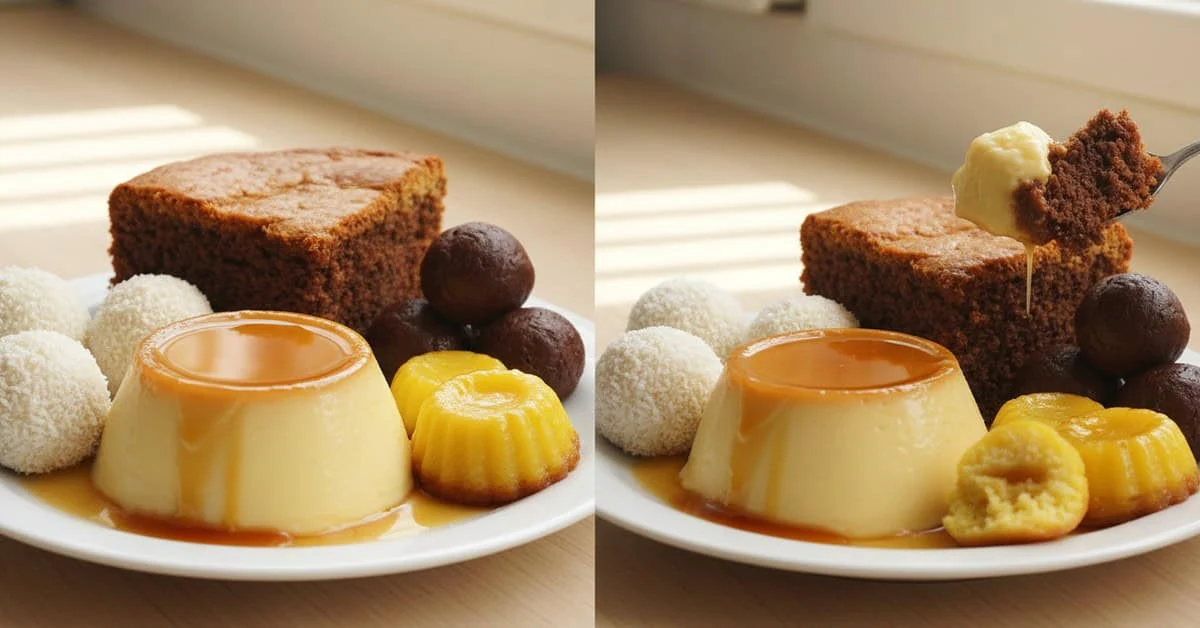
Traditional Christmas desserts vary between households and countries. Brazilian favourites include rabanada, pavê and milk pudding, while panettone and walnut cake also appear on festive tables. Choose dishes that suit your guests, budget and dietary needs.
Traditional Christmas desserts can bring familiar flavours to a celebration. This guide explores Brazilian favourites alongside other festive options, with practical ideas for decorating, planning and involving children. It offers inspiration rather than complete measured recipes.
Familiar desserts for the Christmas table
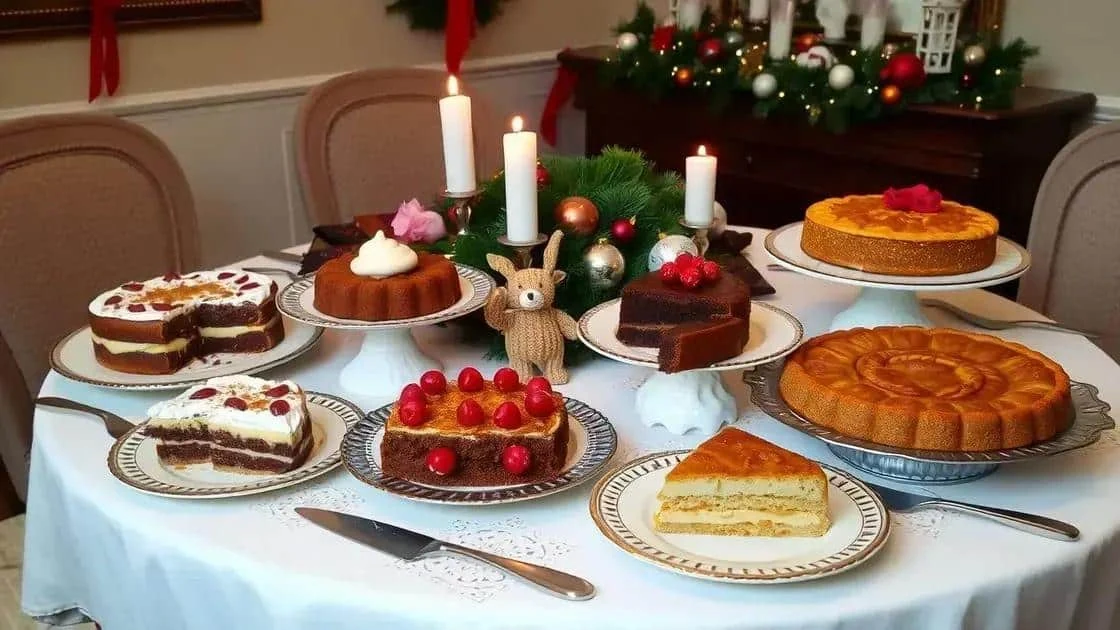
Festive dessert favourites differ from one family to another. You do not need to serve a large selection: one well-chosen pudding can be enough. Here are several options to consider.
Rabanada
Rabanada is a sweet French-toast-style dish enjoyed at Christmas in many Brazilian and Portuguese households. Bread is dipped in milk and egg, cooked until done and finished with cinnamon sugar. Follow a tested recipe and leave hot oil to an adult.
Chocolate pavê
Chocolate pavê is a Brazilian layered dessert made with biscuits and a chocolate or custard-style filling. Some versions include fruit. Use a tested recipe, check egg and dairy requirements and keep the finished dessert refrigerated.
Walnut cake
A walnut cake can make a festive centrepiece, sometimes with icing or chocolate. Recipes vary, so choose one with reliable quantities and check whether guests can eat nuts before deciding on the menu.
Apple pie
Apple pie offers another familiar option, combining fruit and pastry with cinnamon if you like it. Serve warm with custard or ice cream, or choose an appropriate dairy-free accompaniment for guests who need one.
A favourite dessert may recall earlier celebrations, but there is no required Christmas menu. Choose what your household enjoys and avoid making the cook responsible for producing everyone’s nostalgic favourites.
More traditional dessert ideas

Traditional dessert recipes offer plenty of variety. The following descriptions help you choose a dish; use a full tested recipe for quantities, cooking times and storage instructions.
Brigadeiro
Brigadeiro is a Brazilian sweet commonly made by cooking condensed milk, cocoa and butter, then cooling and shaping the mixture before coating it with sprinkles. It contains dairy unless specifically adapted, and the hot mixture requires careful adult handling.
Quindim
Quindim is a baked Brazilian dessert typically made with egg yolks, sugar and coconut. Its glossy surface and rich texture make it distinctive. Follow a tested baking method and suitable chilling instructions rather than judging doneness from appearance alone.
Brazilian milk pudding
Pudim de leite is a caramel-topped pudding often made with condensed milk, milk and eggs. Recipes usually involve gentle baking, frequently in a water bath. Hot caramel can cause serious burns, so keep children away during that stage.
Lemon tart
A lemon tart or Brazilian-style torta de limão can provide a citrus option. Fillings and toppings vary considerably; choose a tested recipe, particularly for egg-based fillings or meringue, and refrigerate as directed.
Each of these traditional desserts offers a different flavour and texture. Ask about allergies before choosing, and avoid assuming a familiar recipe is suitable for every guest.
Creative ways to decorate Christmas desserts

Decorating Christmas desserts can be simple. A neat finish and one or two edible details are often more practical than elaborate designs, especially when fridge space and preparation time are limited.
Fresh fruit
Washed berries or sliced fruit can add colour. Choose fruit that suits the recipe and your budget; in the UK, imported berries may cost more in winter. Add delicate fruit close to serving and keep chilled desserts cold.
Chocolate details
Melted chocolate can form a drizzle or simple piped shapes. Check allergens in chocolate, sprinkles and toppings, and use a safe melting method. Nuts are optional rather than an automatic finishing touch.
Seasonal shapes
Use star-shaped biscuit cutters or simple icing patterns for a festive theme. If making a meringue topping, follow a tested recipe with suitable egg handling and cooking instructions.
Edible decorations
Washed mint leaves or a light dusting of icing sugar can provide a finishing touch. Only use decorations explicitly suitable for food: craft glitter and decorative foliage do not belong on a dessert.
Keep the decoration manageable and make allergen information available. A clear, simple presentation is more useful than a design that is difficult to serve safely.
Making Christmas desserts on a budget

Budget-friendly desserts begin with a realistic menu and portion plan. Compare the total cost of a recipe, including toppings and specialist ingredients, before choosing it.
Compare seasonal and stored ingredients
Seasonal produce, stored apples or suitable frozen fruit may offer good value, but compare actual prices. Bananas are not a British winter crop, even though they may be an affordable option in shops.
Choose a straightforward recipe
A simple cake, crumble or pudding can be satisfying without many decorations. A short ingredient list does not always mean a recipe is easy, so check the method and equipment before shopping.
Use leftovers safely
Cake suitable for reuse might become a layered dessert, provided it has been stored safely. Follow the original food’s storage limits: adding cream or turning leftovers into a new pudding does not reset their safe storage time.
Make simple decorations at home
A little chocolate or icing sugar can finish a dessert without costly specialist supplies. Check what you already have and avoid buying large packs for a garnish you will only use once.
Preparing fewer dishes, planning portions and freezing suitable extras can help control costs. Follow the recipe’s freezing and thawing advice rather than assuming every dessert freezes well.
Christmas desserts children can help prepare
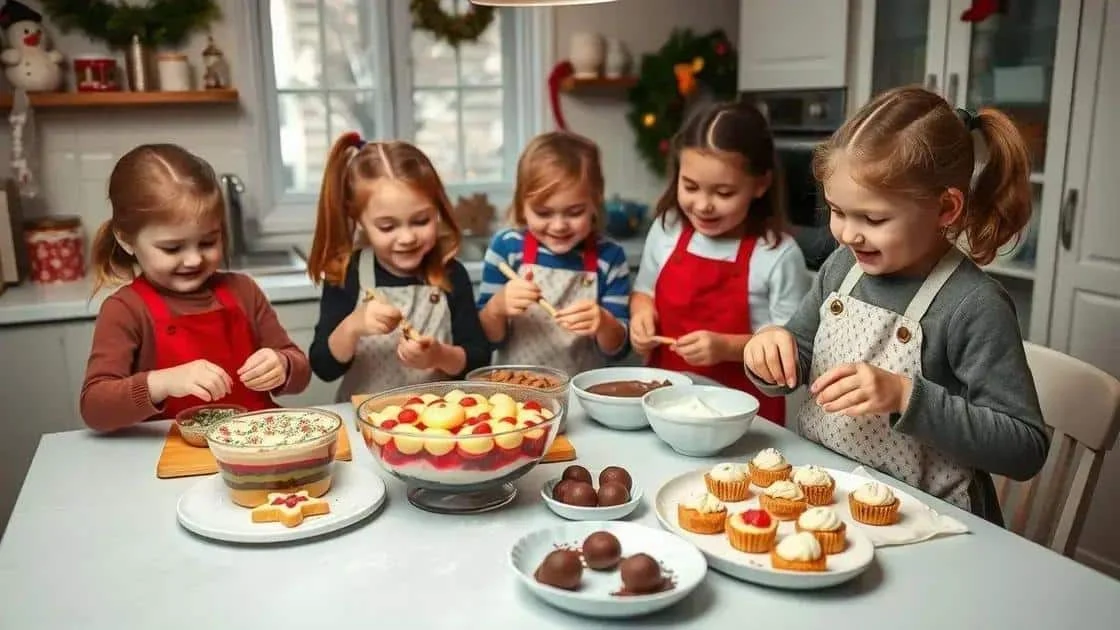
Children can join in Christmas cooking through age-appropriate tasks. These dessert ideas still require adult supervision, especially around hot liquids, ovens, knives and allergens.
Decorated biscuits
Children can mix suitable ingredients, cut shapes and decorate cooled biscuits. Do not let them taste raw dough containing uncooked flour or eggs, and leave oven trays and hot equipment to an adult.
Layered jelly pots
Jelly can be served in small layered pots. An adult should handle boiling water and any hot mixture; children can choose colours or arrange cooled components. Check whether the setting agent is suitable for vegetarian or vegan guests.
Chocolate truffles
Children can shape a fully cooled truffle mixture and roll it in suitable coatings. Adults should prepare hot mixtures, and whole nuts or hard toppings may be unsuitable for younger children.
Mini fruit tarts
With ready-to-use pastry cases, children can spoon in a suitable chilled filling and add washed, appropriately cut fruit. Check pastry and filling allergens and refrigerate until serving. Adding fruit does not automatically make a dessert nutritionally balanced.
These desserts can offer enjoyable shared time. Keep tasks short, supervise carefully and let children take part without expecting a perfect finish.
Stories behind festive desserts
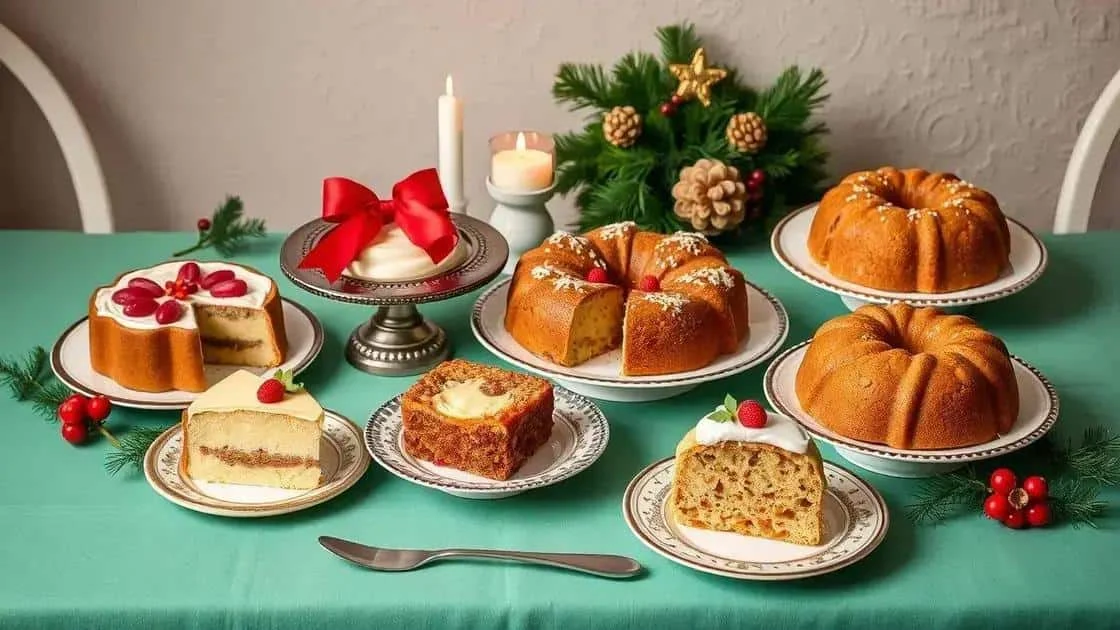
Christmas desserts often carry cultural associations and family memories. Their origins may be more complicated than the appealing invention stories attached to them.
Rabanada and shared traditions
Rabanada is associated with Portuguese and Brazilian Christmas tables and belongs to a wider family of dishes made by soaking and cooking bread. Using bread that is no longer fresh is practical, but never use mouldy bread.
Milk pudding in family celebrations
Caramel-topped milk puddings are familiar in Brazil, with recipes that vary between households. Avoid assigning today’s condensed-milk version a precise colonial origin without evidence; a family’s own recipe history may be easier to establish.
Panettone
Panettone is associated with Milan and Italian Christmas celebrations. Colourful stories about its invention circulate, but a single fifteenth-century baker’s tale should not be treated as established history. Modern versions range from fruit-filled loaves to chocolate variations.
Walnut cake and family associations
Walnut cake may carry special meaning for a particular family. Associations with luck or prosperity are cultural interpretations, not a universal meaning attached to every cake or a promise about the year ahead.
The stories you can document may be the most personal: who baked a dessert, when the recipe changed and why it became a favourite. Label legends honestly and preserve the memories relatives want to share.
Choosing Christmas desserts that suit your table
Traditional Christmas desserts offer inspiration rather than a compulsory checklist. Pick flavours people enjoy and plan around dietary needs, fridge space and the time available.
A familiar recipe can preserve memories while an adapted version makes the meal more inclusive. Use reliable methods and treat storage instructions as part of the recipe.
This Christmas, choose a manageable dessert and enjoy sharing it. There is no need for an extravagant selection to make the meal feel personal.
Frequently asked questions about Christmas desserts
What are some traditional Christmas dessert ideas?
Brazilian examples include rabanada, pavê and milk pudding. Panettone, walnut cake and apple pie offer other options; traditions vary between countries and households.
How can children help with Christmas desserts?
They can decorate cooled biscuits, shape cooled truffles or arrange prepared fruit with adult supervision. Adults should handle hot mixtures, ovens and sharp tools.
Why can Christmas desserts feel meaningful?
A familiar dish may recall a relative, a celebration or a shared recipe. That personal meaning does not depend on serving a particular dessert every year.
How can I keep dessert costs down?
Plan portions, compare ingredient prices and choose a straightforward recipe. Reuse leftovers only when they remain within safe storage limits, and freeze suitable extras as directed.
Can I change ingredients in a traditional dessert?
Yes, but use a tested adaptation where possible. Replacing sugar, eggs, cream or flour can change texture, cooking requirements and allergen content; no substitution is automatically healthier or safe for every guest.
Where should I look for a complete dessert recipe?
Choose a reliable cookbook or recipe publisher providing measured ingredients, clear methods, cooking times and storage guidance. This article describes ideas rather than complete recipes.