
A Christmas menu can bring together starters, a main course, side dishes and dessert with contrasting flavours and textures. Choose a manageable selection that suits your guests, budget and kitchen space.
Christmas menu planning helps you organise a festive meal without leaving everything to the last minute. This guide offers Brazilian-inspired dish ideas and practical planning tips, rather than fully measured, step-by-step recipes. Use tested recipes for cooking quantities, temperatures and timings.

Planning a complete Christmas menu starts with the number of guests and their dietary requirements. Decide which dishes you would like to serve, then check that the plan fits your budget, available equipment and preparation time.
1. Choose a main course and side dishes
A roast turkey or a salt cod dish could be the centrepiece of a Brazilian-inspired meal. Side dishes might include rice with vegetables, farofa, a toasted cassava-flour accompaniment, and mayonnaise potato salad. Provide suitable alternatives and keep chilled dishes refrigerated until serving.
2. Add a few starters
Choose small appetisers that complement the meal rather than making a second feast. A cheese and charcuterie board, canapés or salads offer different options. Check ingredients and dietary needs when selecting them.
3. Choose dessert
Brazilian Christmas dessert ideas include rabanada, a French-toast-style sweet, pavê, a layered dessert, and panettone. Choose one or two that work with the rest of the menu; serving several desserts is optional.
4. Plan ahead
Make a shopping list and identify dishes or components that can safely be prepared in advance. Check each recipe’s storage instructions and make sure there is enough fridge space, rather than assuming every dish can be made several days early.
5. Organise preparation time
Write a simple schedule for the longest tasks and work backwards from serving time. Include defrosting where needed, oven space, cooling, refrigeration and reheating. Separate raw-food preparation from ready-to-eat dishes.
Starter ideas for Christmas dinner
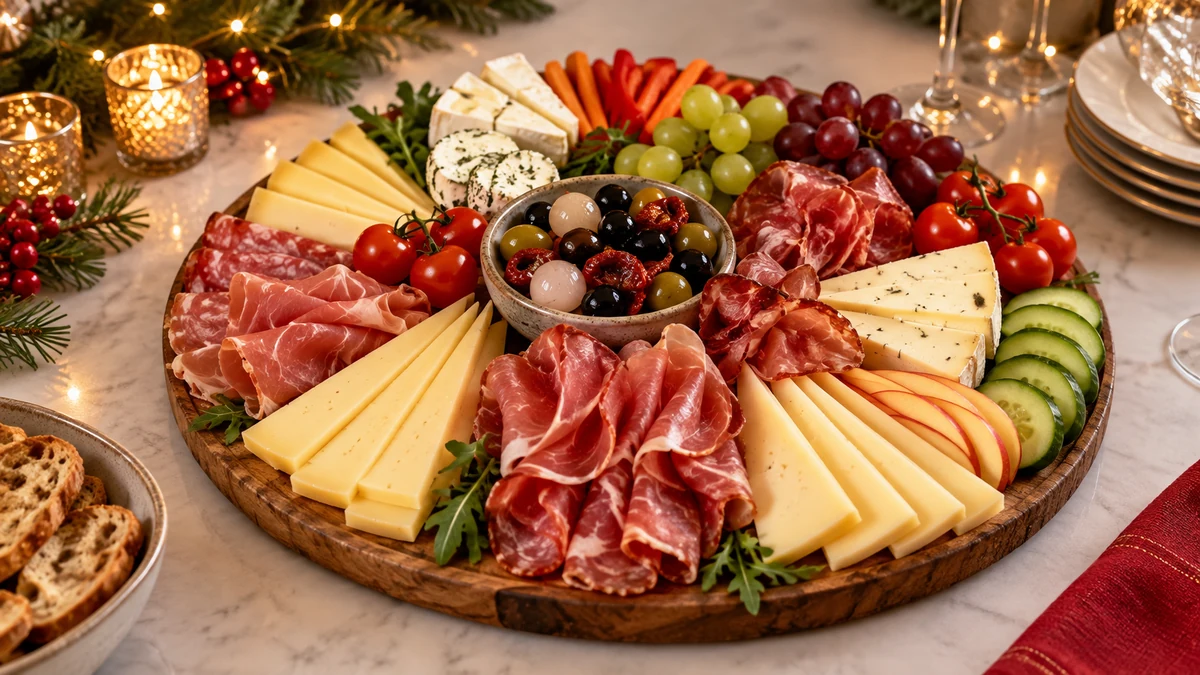
Christmas starters can be simple, flavourful and easy to serve. Choose options that do not use all your preparation time or spoil appetites for the main course.
1. A cheese and charcuterie board
Arrange a cheese and charcuterie board with a few cheeses, cured meats and suitably prepared fruit. Nuts are optional: check allergies and avoid whole nuts for young children. Keep perishable ingredients chilled until needed and replenish small portions rather than leaving everything out all evening.
2. A selection of canapés
Canapés can use bread, toast or firm cooked polenta topped with spreads, soft cheese or vegetables. Choose combinations that hold together and assemble moisture-sensitive toppings near serving time. Check allergens and keep perishable fillings chilled.
3. Chickpea salad
For a chickpea salad, combine cooked chickpeas with chopped red onion, tomato and cucumber, then dress with olive oil and lemon juice. Adjust seasoning to taste and refrigerate until serving. This is a combination idea; scale quantities to your guests and other dishes.
4. Caprese bites
Caprese skewers combine tomato, mozzarella and basil, with a little balsamic dressing if desired. Keep the cheese chilled. For young children, remove sharp skewers and prepare tomato and cheese in sizes and textures appropriate for safe eating.
5. Garlic bread
Garlic bread can be made by filling or spreading bread with garlic and herb butter, then baking according to a tested recipe. Wrapping it in foil for part of the cooking is one approach; follow the recipe for temperature and time rather than guessing.
Christmas dessert ideas

Christmas desserts can finish the meal with familiar flavours or something new. Choose a dessert you can prepare and store confidently, and consider whether a smaller portion would suit the menu.
1. Rabanada
Rabanada is a familiar Brazilian festive sweet made with slices of day-old bread dipped in milk and egg, then fried and finished with cinnamon sugar. Use a tested recipe and cook the egg coating thoroughly. Day-old bread should still be safe to eat, with no mould.
2. Chocolate pavê
Chocolate pavê layers biscuits with chocolate cream and can be decorated with chocolate shavings or suitable fruit. Recipes differ, so follow a tested method, especially where eggs are involved. Keep this chilled dessert refrigerated until serving.
3. Panettone with ice cream
Serve panettone with a scoop of ice cream for a simple dessert combination. Choose complementary flavours and check allergens in both ingredients. Keep ice cream frozen until serving and avoid repeatedly thawing and refreezing it.
4. Apple pie
Apple pie offers a comforting alternative, with apple, cinnamon and sugar in a pastry case. A tested recipe gives the right proportions and baking time. Serve with an optional scoop of vanilla ice cream or another suitable accompaniment.
5. Decorated biscuits
Decorated biscuits in star or Christmas-tree shapes can add colour to the table. Use food-safe decorations and follow the recipe’s storage guidance. Check small, hard decorations for choking risks where young children will be eating them.
Adapting familiar recipes
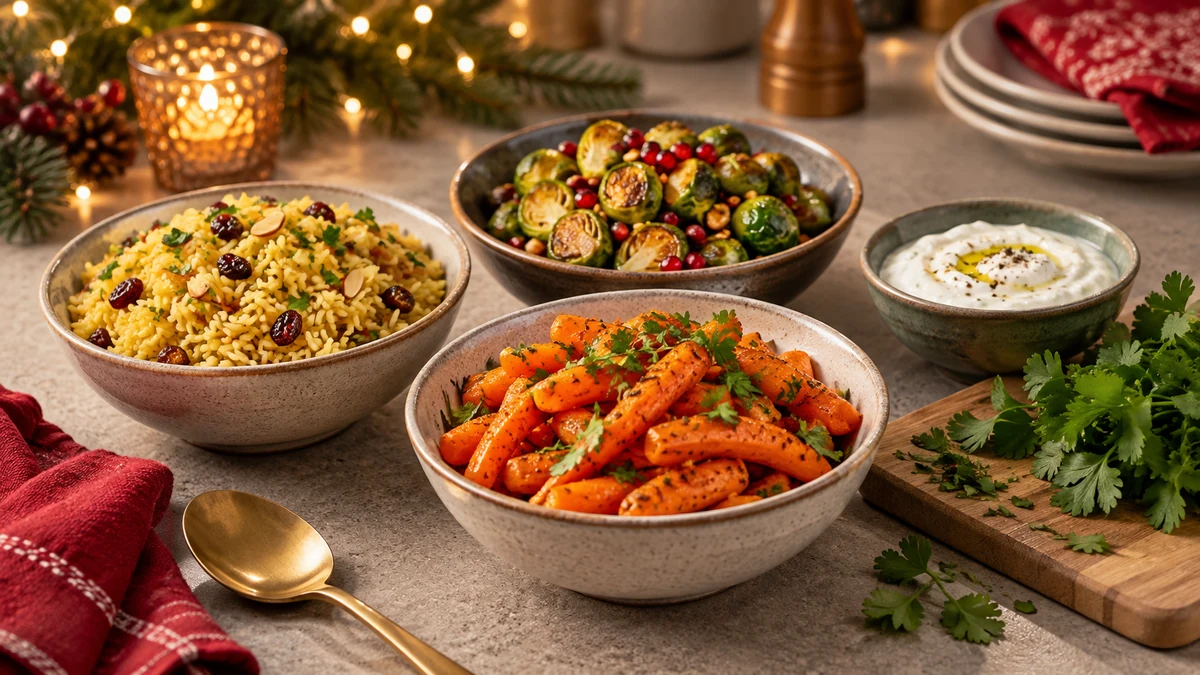
These tips can help you explore variations on favourite dishes. Test significant changes in advance, because substitutions can affect structure, flavour and cooking behaviour.
1. Make suitable ingredient substitutions
Replacing cream with plain yoghurt may work in some cold sauces, but yoghurt can split when heated. Ground almonds are not a direct replacement for wheat flour in every recipe and introduce a nut allergen. Choose a recipe designed for the substitution, especially in baking.
2. Consider seasonal ingredients
Vegetables such as pumpkin or sweet potato can add colour and flavour where they suit the dish and are available. Seasonal availability varies by region, so use the ingredients that make sense where you are cooking.
3. Try different seasonings
A little fresh herb, such as basil or thyme, can change a dish’s flavour. Seasonings such as curry spices or black pepper offer other possibilities. Add small amounts and taste as you go where safe to do so.
4. Adapt the cooking method carefully
Baking instead of frying can produce a different texture, but it is not always a direct swap. Use a tested version with suitable temperature and timing. A cooking method alone does not make the whole dish healthy.
5. Adjust sweetness and fat with care
Reducing sugar or fat changes both flavour and structure. Honey still contributes sugar, and stevia does not replace sugar’s bulk in baking. Fruit purée can replace some fat in certain recipes, but not universally. Use a tested adapted recipe rather than promising a healthier result from an untested swap.
Balancing flavours and textures
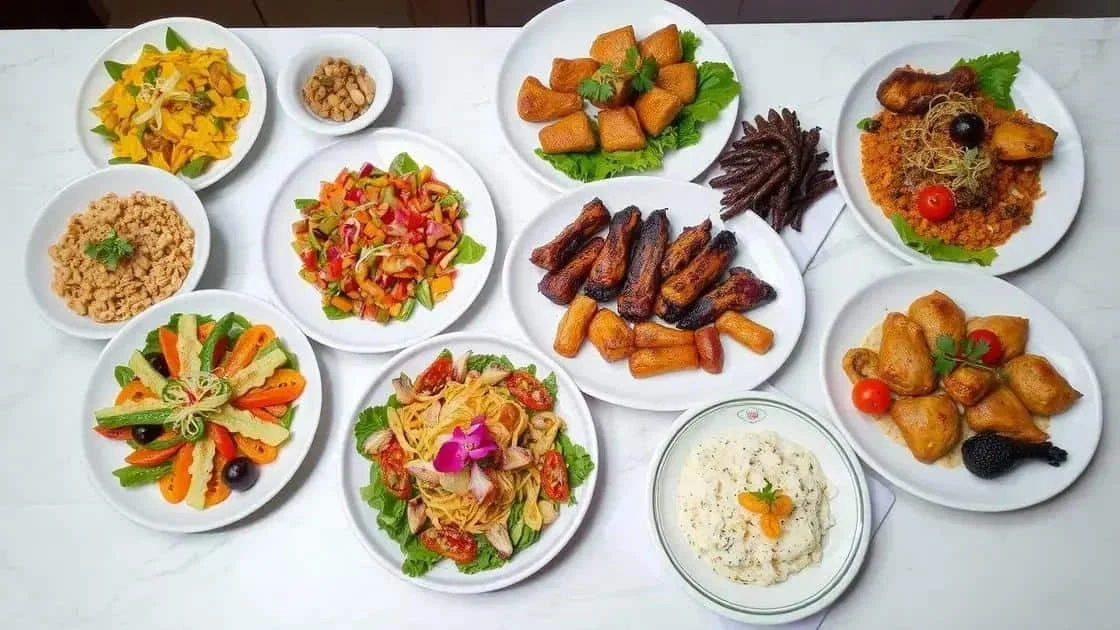
A mix of flavours and textures can make the menu more varied. You do not need every dish to contain every contrast; consider how the courses work together.
1. Combine sweet and savoury flavours thoughtfully
A small amount of honey can add sweetness to some savoury glazes or dressings. It is optional, rather than a way to improve every dish. Check guests’ needs and do not serve honey to babies under one year old.
2. Include different textures
A crisp salad can contrast with softer dishes. Optional nuts and seeds add crunch, but check allergies and age-appropriate textures. Alternatives such as suitable crisp vegetables can provide variety without using nuts.
3. Use herbs and spices
Herbs and spices offer ways to vary familiar food. A little basil or parsley can add freshness where it suits the dish. Choose complementary flavours rather than adding many seasonings at once.
4. Think about presentation
Contrasting colours and neat serving dishes can make a meal look inviting. Keep presentation simple enough to serve food at the right temperature, and use only suitable edible garnishes on plates.
5. Choose complementary side dishes
Pair the main course with sides that offer contrast without competing for preparation space. A grilled steak might suit mashed potato or a fresh salad, for example. Your guests’ tastes and dietary needs matter more than a fixed pairing rule.
A practical Christmas menu balances the food you want to serve with the time, budget and kitchen space available. Adapt familiar dishes carefully, offer suitable choices and plan how each course will be stored and served.
Choose a manageable selection of starters, main dishes and desserts. Fresh ingredients in good condition and tested recipes provide a more useful starting point than a long list of dishes you have never made before.
A simple schedule and a little preparation can leave more time to enjoy the celebration. The aim is a welcoming meal, rather than a perfect or extravagant menu.
How should I choose Christmas starters?
Pick a few dishes that suit your guests and preparation time, such as canapés, a small cheese board or salad. Check dietary requirements and avoid making the starters so substantial that they overshadow the main course.
Which desserts are traditional at a Brazilian Christmas?
Rabanada, pavê and panettone are familiar choices in many Brazilian households, though traditions vary. They are Brazilian-inspired options for this menu rather than a list of universal British Christmas desserts.
How can I adapt traditional recipes?
Try suitable seasonal ingredients or modest seasoning changes. For major substitutions, especially in baking, use a tested recipe designed for them and check any new allergens.
Is it useful to balance flavours in the menu?
Contrasting flavours and textures can make a meal more varied. Consider the courses together, but prioritise what your guests enjoy and can safely eat rather than trying to please everyone with every dish.
How can I plan the presentation of dishes?
Use suitable serving dishes, contrasting colours and simple edible garnishes. Leave enough space on the table and make sure presentation does not delay safe serving.
How should I prepare food for a large group?
Plan quantities and timings in advance, choose recipes that scale reliably and check oven and fridge capacity. Include safe cooking, cooling, storage and reheating in the schedule rather than assuming large batches behave like small ones.