Childhood Christmas memories can be linked to games, stories, songs and family recipes. Revisiting those traditions, while leaving room for new ones, offers ways to share experiences across generations.
Childhood Christmas memories can bring back a familiar smell, song or moment with someone important. This article explores nostalgic ideas and traditions rather than presenting collected personal testimonies. Memories differ, and Christmas is not a happy or easy time for everyone.
Memories that bring warmth
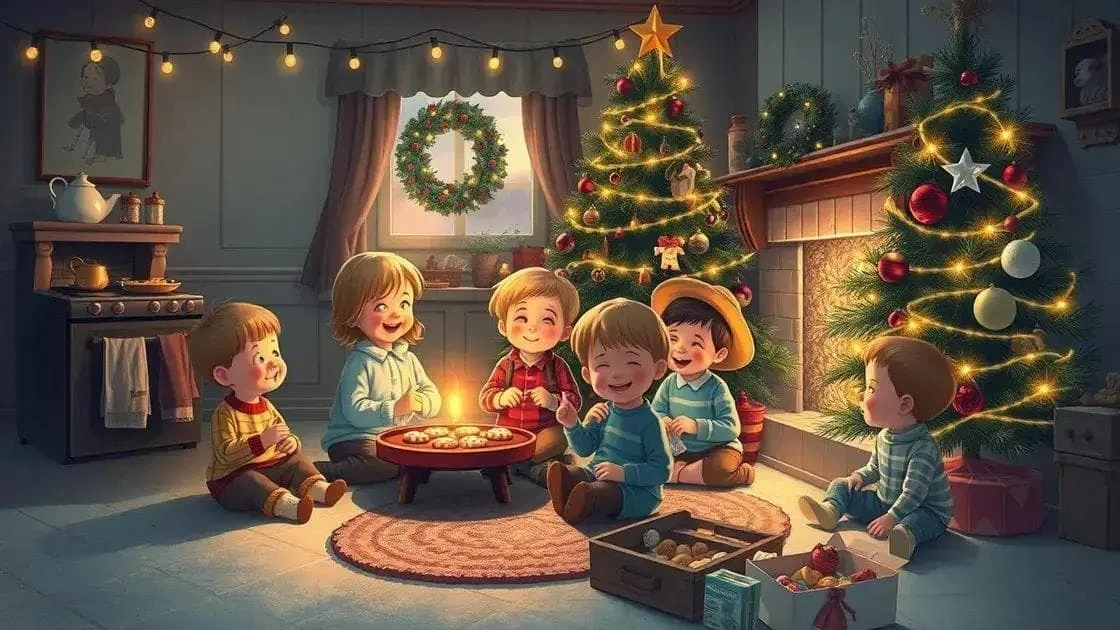
Warm Christmas memories may come from small experiences: biscuits baking, a familiar decoration or anticipation on Christmas Eve. These details can influence how we celebrate later, without needing to recreate childhood exactly.
Remembered moments
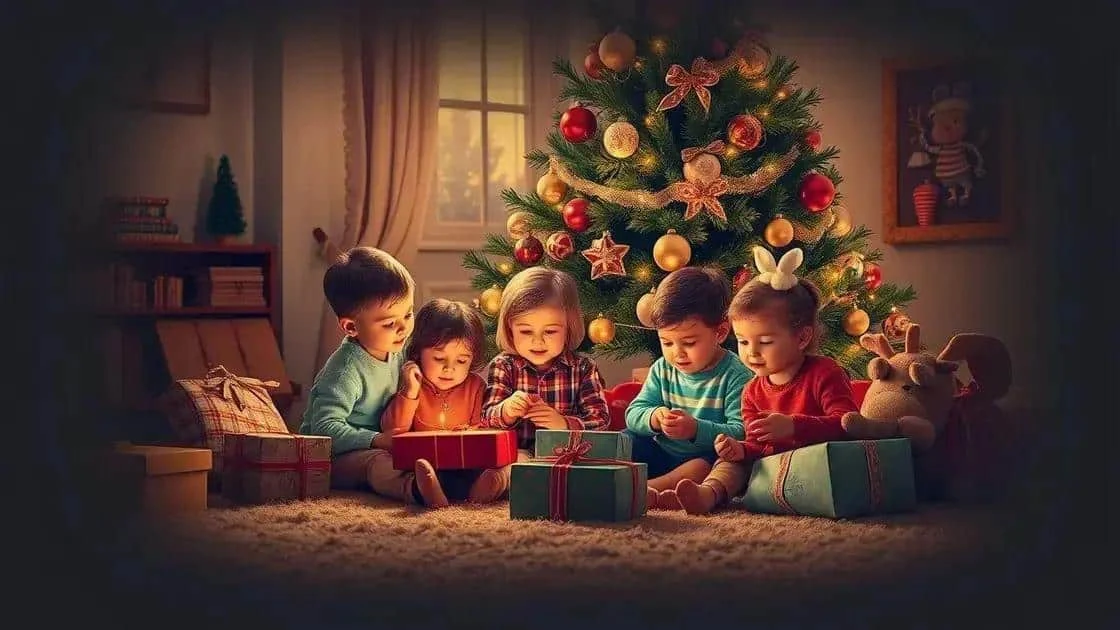
Evenings lit by Christmas lights, shared laughter or opening a present may be part of someone’s memories. Others remember quieter occasions. Invite people to share what matters to them rather than assuming everyone recalls the same happy scenes.
Family rituals
A meal together can be a familiar part of celebrations, whether simple or elaborate. Family recipes may bring back particular flavours or people, and sharing their stories can be as meaningful as making the dish.
Games and time together
Board games, Christmas songs or small living-room celebrations can become lasting memories. Choose activities that suit the people present, with space for quieter participation and different abilities.
Childhood games and traditions
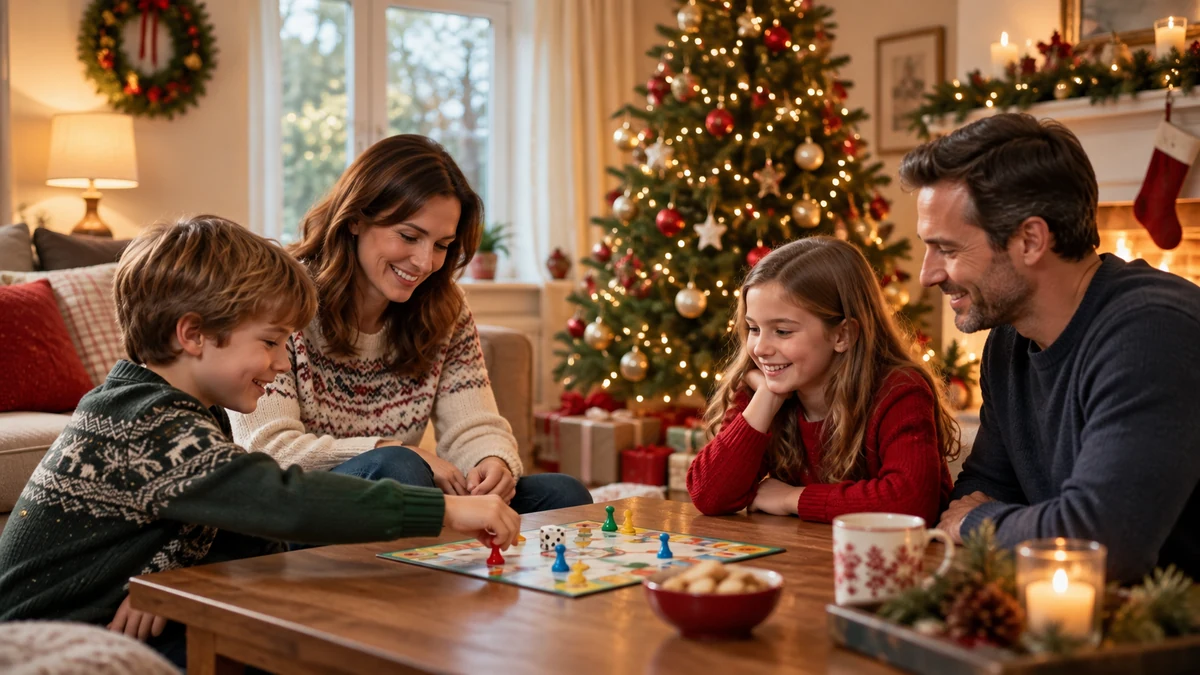
Childhood games and traditions can offer ideas for today’s celebrations. Some continue between generations, while others change as families grow. Keep the parts people enjoy rather than treating every old custom as an obligation.
Christmas games
Family games might include a Secret Santa exchange with an agreed budget, or a treasure hunt with age-appropriate clues. Make participation optional and avoid gifts or hidden objects that present choking risks for young children.
Decorating and making things
Decorating the tree can be a chance to explain the story behind an ornament. Making cards or decorating cooled biscuits offers other shared activities. Adapt tasks to children’s ages and supervise tools, small parts and kitchen hazards.
Christmas songs and stories
Songs and stories can connect a gathering with earlier celebrations. Ask relatives which ones they remember, and welcome new favourites as well. Explain the difference between religious traditions, family recollections and fictional tales.
How to decorate a vintage-style Christmas tree

A vintage-style Christmas tree can recall earlier decorations without copying unsafe practices. Choose a real tree or an artificial one that fits the space, then use a stable stand and suitable modern lights.
Materials and decorations
Classic details include glass baubles and satin ribbons in colours such as red, green or gold. Keep fragile glass out of children’s and pets’ reach. Handmade decorations can add character; paper garlands are an alternative to edible decorations that may attract pets or spoil.
A simple decorating sequence
1. Set up the tree on a stable base, away from exits, heaters and open flames. Follow the manufacturer’s instructions for an artificial tree and stand.
2. Check suitable lights for damage and fit them according to their instructions. Warm-white LED lights can give a gentle appearance without using vintage electrical fittings.
3. Add larger decorations first, distributing their weight sensibly and keeping fragile items in safe positions.
4. Add smaller or handmade decorations where they are secure. Avoid placing small parts within young children’s reach.
5. Finish with a lightweight, securely attached star or another meaningful tree topper. Do not climb on unstable furniture to reach the top.
Finishing touches
If you want a snowy effect, use a suitable artificial-snow decoration only as directed, away from food, heat and children’s reach. It is optional; a simple tree skirt can finish the base without loose material. Christmas music can accompany decorating if people enjoy it.
Family Christmas recipes to revisit
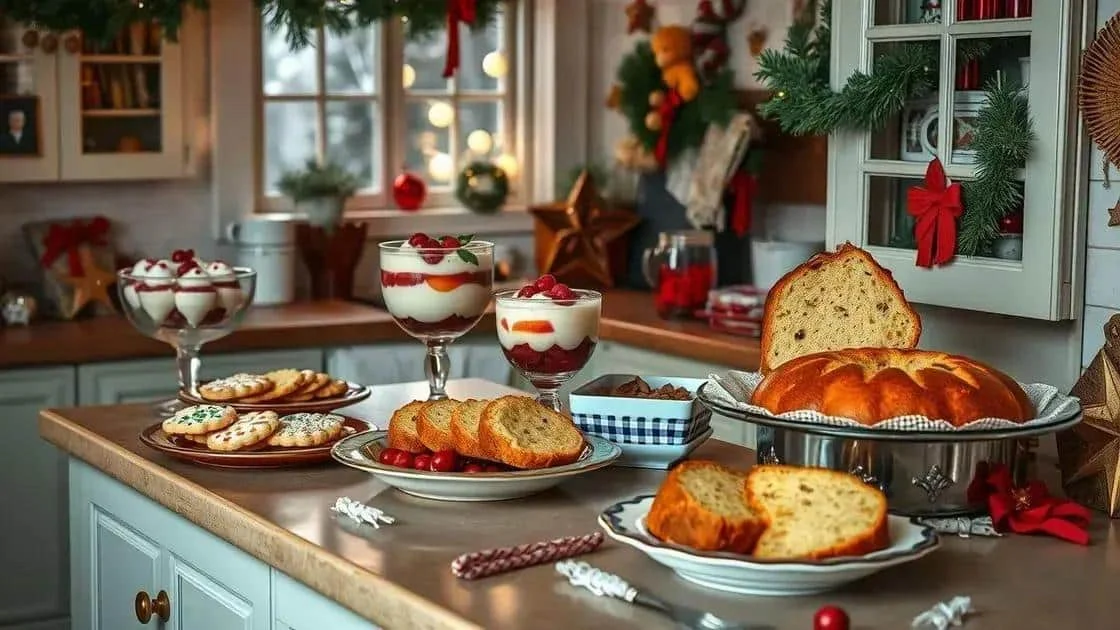
Family Christmas recipes can carry memories of a grandparent or another person who cooked them. The following are dish ideas, not measured recipes. Use a tested method and appropriate food-safety guidance when preparing them.
Decorated biscuits
Christmas biscuits often use flour, sugar, butter and spices, with icing added after baking and cooling. Children can help with suitable decorating tasks. Check allergens and choose food-safe decorations appropriate to their age.
Chocolate pavê
Chocolate pavê is a Brazilian layered dessert that can combine biscuits, chocolate cream and whipped cream. Recipes vary, including whether biscuits are dipped in milk or coffee. Follow a tested method, check caffeine where relevant and keep the dessert refrigerated.
Homemade panettone
Homemade panettone is an enriched yeast bread often containing dried or candied fruit. It can be a rewarding baking project, but needs a suitable recipe, time for proving and the correct mould and cooling method. A simpler festive bake is a valid alternative.
Rabanada for a festive sweet
Rabanada is familiar at Brazilian Christmas celebrations. Slices of safe, day-old bread are dipped in milk and egg, then fried and finished with cinnamon sugar. Follow a tested recipe, cook the egg coating thoroughly and never use mouldy bread.
The place of Christmas songs
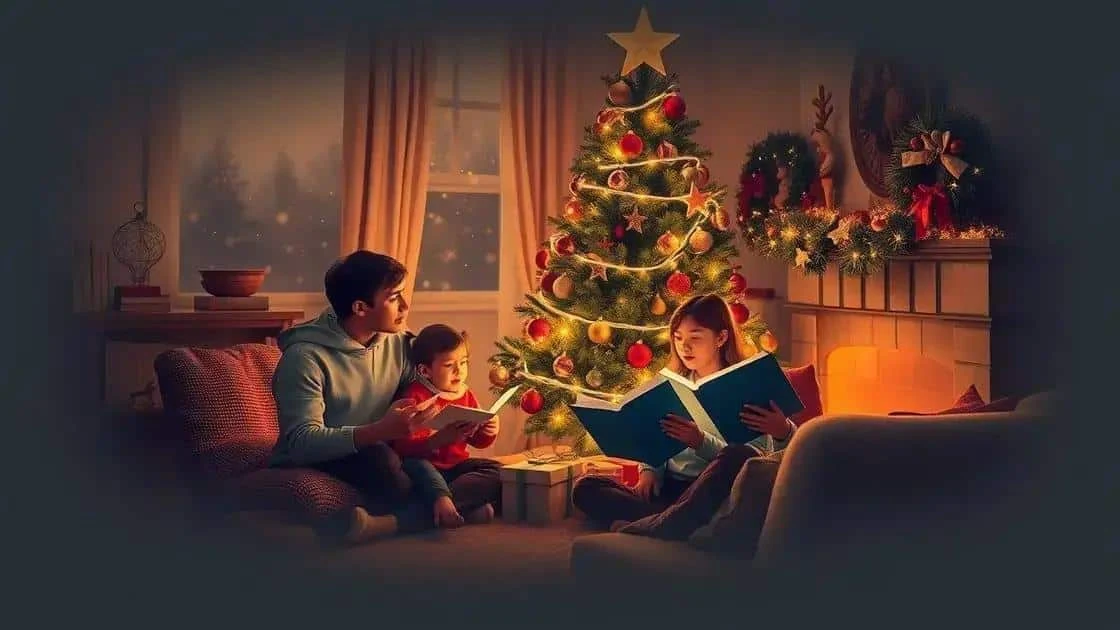
Christmas songs can bring back memories and mark the season. Familiar carols such as Silent Night sit alongside newer festive songs, with different households choosing music that reflects their tastes and beliefs.
Creating a festive atmosphere
A few familiar songs can give a gathering a seasonal feel. Keep the volume comfortable for conversation and consider anyone who is sensitive to noise. Music is an option rather than a requirement for enjoying Christmas.
Messages and meanings
Many carols express Christian beliefs about the birth of Jesus, while other festive songs explore generosity, hope or celebration. Explain religious meanings in their context and respect that listeners may have different beliefs.
Connections across generations
Singing a familiar carol or hearing a school choir can connect people with earlier celebrations. Ask which songs relatives remember and let children introduce their own favourites, rather than insisting on a single traditional playlist.
Songs and recollections
A particular tune may recall a meal, a person or a past celebration. Those associations can be joyful or bittersweet. Make space for different reactions, especially where someone is grieving or finding the season difficult.
Gifts remembered over time
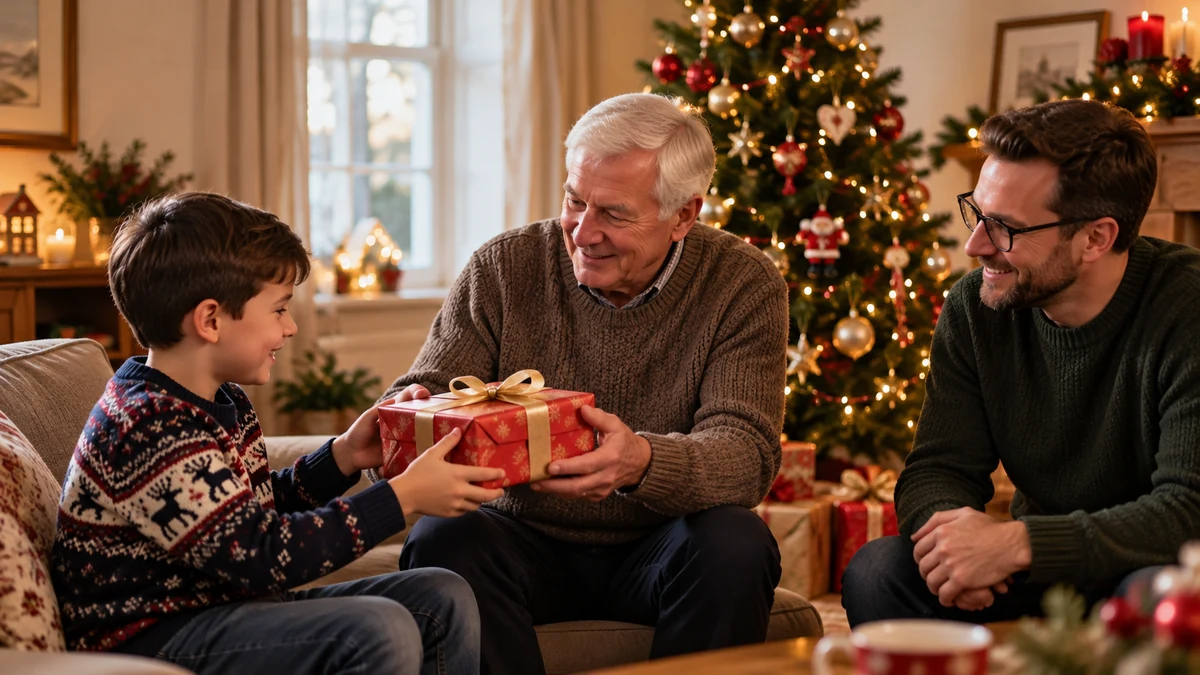
Gifts remembered over time can matter because of who gave them or the experiences attached to them. Their emotional value does not necessarily reflect their price, and memorable Christmases do not depend on receiving expensive presents.
Classic toys
Dolls, toy trains and board games appear in many people’s childhood recollections. When choosing a toy today, check age suitability and current safety information rather than assuming an old or second-hand toy is safe because it is familiar.
Personal gifts
A personalised mug, framed photograph or engraved keepsake may suit someone who values such items. Choose something that reflects the recipient’s preferences rather than assuming personalisation makes every object meaningful.
Shared experiences
A trip, performance or meal together can become a valued memory. Check the recipient’s interests, accessibility needs and availability before making plans. A low-cost shared activity can be as thoughtful as a larger outing.
Books and learning
A book can become a keepsake or introduce a new interest. Choose an age-appropriate title and consider what the recipient enjoys. Passing on a favourite book can include a note explaining why it matters to you.
Sharing Christmas stories with children
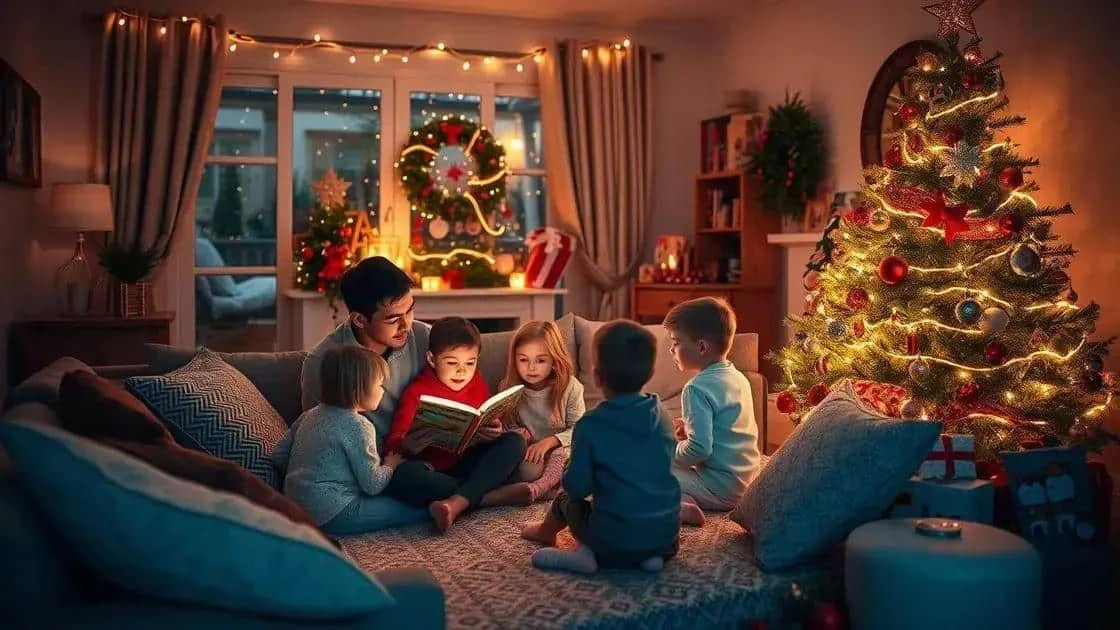
Sharing Christmas stories with children can be an enjoyable way to explore imagination, family customs and religious traditions. Choose stories suited to their age and explain whether you are sharing fiction, a family memory or an account from a faith tradition.
Choosing a story
Illustrated books, an age-appropriate Nativity account or a fictional festive tale are possible choices. Consider the child’s interests and beliefs within the family. Stories can prompt conversation without needing to deliver one compulsory lesson.
Using visual aids
Visual aids such as pictures or suitable puppets can help children follow a story. Let them look and ask questions, and avoid small parts that are unsafe for their age.
Inviting children to join in
Ask what they think might happen next, or how a character could feel. Let children respond in their own way rather than testing them for a correct answer. Short sessions and familiar refrains can work well.
Making a comfortable storytelling space
Choose a comfortable place with enough light to see the pictures. Cushions and the glow of suitable tree lights can add atmosphere. Keep children and soft furnishings safely away from fireplaces, heaters and electrical leads.
Making room for old memories and new traditions
Stories, songs, recipes and shared activities can connect a Christmas gathering with the past. You can keep the parts that matter while adapting them to today’s people, circumstances and safety needs.
Not every childhood tradition needs repeating, and not every memory is happy. A flexible celebration leaves room for different feelings and new customs, with time together valued above an idealised version of Christmas.
Frequently asked questions about Christmas memories and stories
Why share Christmas stories with children?
Stories offer opportunities to enjoy imagination and discuss family customs, kindness or religious traditions. Choose age-appropriate material and explain its context without assuming every family celebrates in the same way.
Which Christmas stories could I choose?
Options include an age-appropriate Nativity account, an adapted edition of Charles Dickens’s A Christmas Carol or fictional tales about Father Christmas. Check the content and reading level before sharing them with younger children.
How can I make storytelling more engaging?
Use pictures or suitable puppets, ask open questions and choose a comfortable place with enough light. Keep the session flexible and let children take a break if they lose interest.
Which classic toys are associated with Christmas memories?
Dolls, toy trains and board games are familiar examples, though memories vary. If giving a toy today, check age suitability, condition and safety rather than relying on nostalgia alone.
How can I pass on family Christmas traditions?
Share a story behind a recipe or ornament, invite optional participation in an activity and welcome new ideas. Adapt traditions to the people involved rather than expecting an exact recreation of the past.
How can I choose a meaningful family gift?
Consider the person’s interests, practical needs and your budget. A thoughtful object, shared activity or personal message may be appropriate; meaning does not depend on spending more.