For Christmas photographs, look for suitable light, focus on the people and details that matter, and use festive decorations as part of the background. Gentle editing can improve exposure and colour while preserving a natural-looking memory.
Looking for Christmas photography tips? Technique helps, but the story behind a picture matters too. These practical ideas can help you photograph a gathering with a camera or smartphone, while leaving time to enjoy it and respecting anyone who does not want to be photographed.
Preparing a setting for Christmas photographs
A little preparation makes photographs easier to take. The setting can provide useful light and a clear background without turning the whole gathering into a photo session.
Choosing a suitable spot
Look for soft light near a window. Outside, open shade can be useful when direct sunshine is harsh. Early or late daylight may be gentler, but weather and the short British winter day affect what is available. Choose light that suits the moment rather than waiting for a fixed time.
Decorations and props
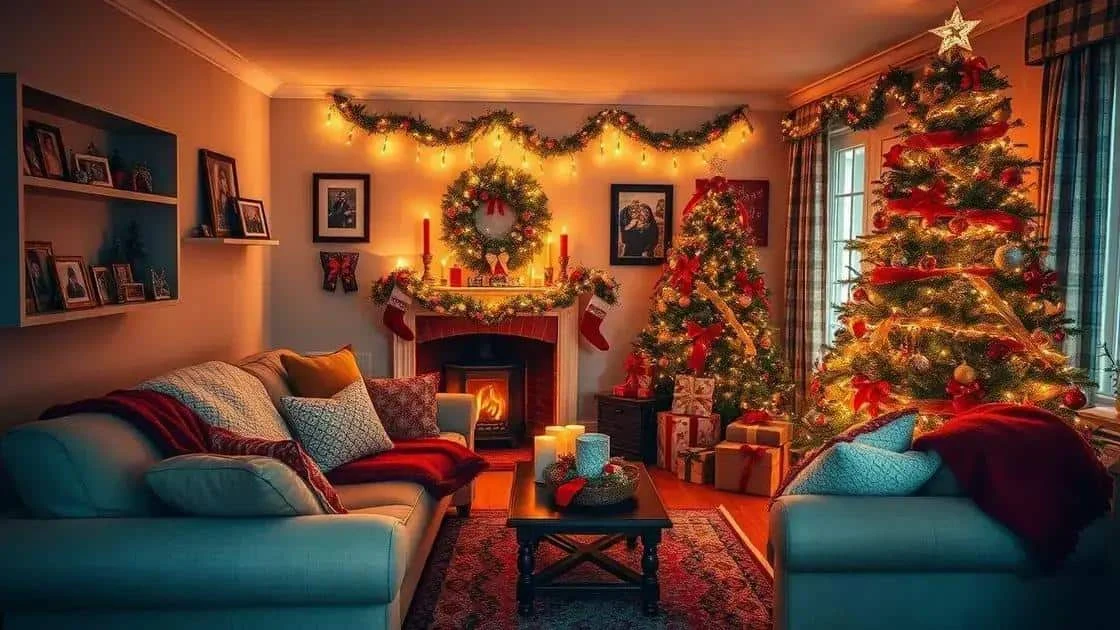
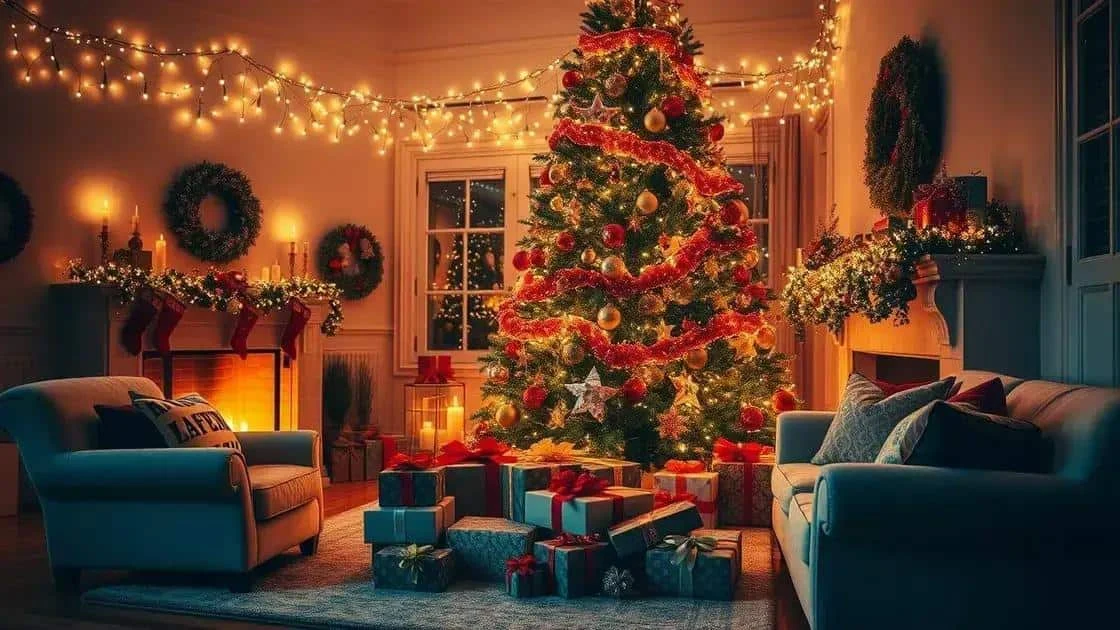
A tree, wreath or suitable Christmas lights can create a festive backdrop. Try varying the distance between the subject and decorations to change their appearance in the picture. Keep props stable and do not rearrange electrical lights unsafely for a photograph.
Organising the space
Remove a few distracting items if it is easy to do so, and check the edges of the frame before taking the picture. A simple corner or table can work well. Do not feel you need to make a lived-in home look like a studio.
Checking your equipment
Clean the lens with a suitable cloth, check battery and storage space, and take a test photograph. Check focus and exposure on the screen. A little preparation helps, though no setting guarantees every photograph will succeed.
These preparations give you a starting point for photographing meaningful Christmas moments. Keep the setup simple enough that people can relax and enjoy the occasion.
Lighting tips for Christmas photographs

These lighting tips can help you make faces and details easier to see. The aim is usable light that suits the scene, rather than a perfect image at every moment.
Use available daylight
Place people near a window where the light falls softly across their faces. Avoid a bright window directly behind them unless you deliberately want a silhouette or can balance the exposure. Take a test and adjust their position if needed.
Manage harsh light
Strong direct sunlight can create deep facial shadows and make people squint. Open shade or changing your angle may help. Morning and late-afternoon light are possibilities, but conditions and the scene matter more than a strict rule about the time of day.
Working with artificial light
If daylight is limited, use an available lamp or suitable room lighting to illuminate faces. Christmas lights often work better as background accents than as the only light source. Keep cables and fittings safe and avoid placing lights against people or wrapping them around children.
Highlighting details
Look for light falling on an ornament, a wrapped present or part of the table. Move the camera or adjust your angle to show the detail clearly. A picture of a small object can add context without requiring people to pose.
Test and adjust
Take a test picture, check it and make one change at a time. Adjust exposure or the subject’s position before changing several settings together. In dim light, balance brightness with a shutter speed fast enough for moving people.
Photographing candid Christmas moments
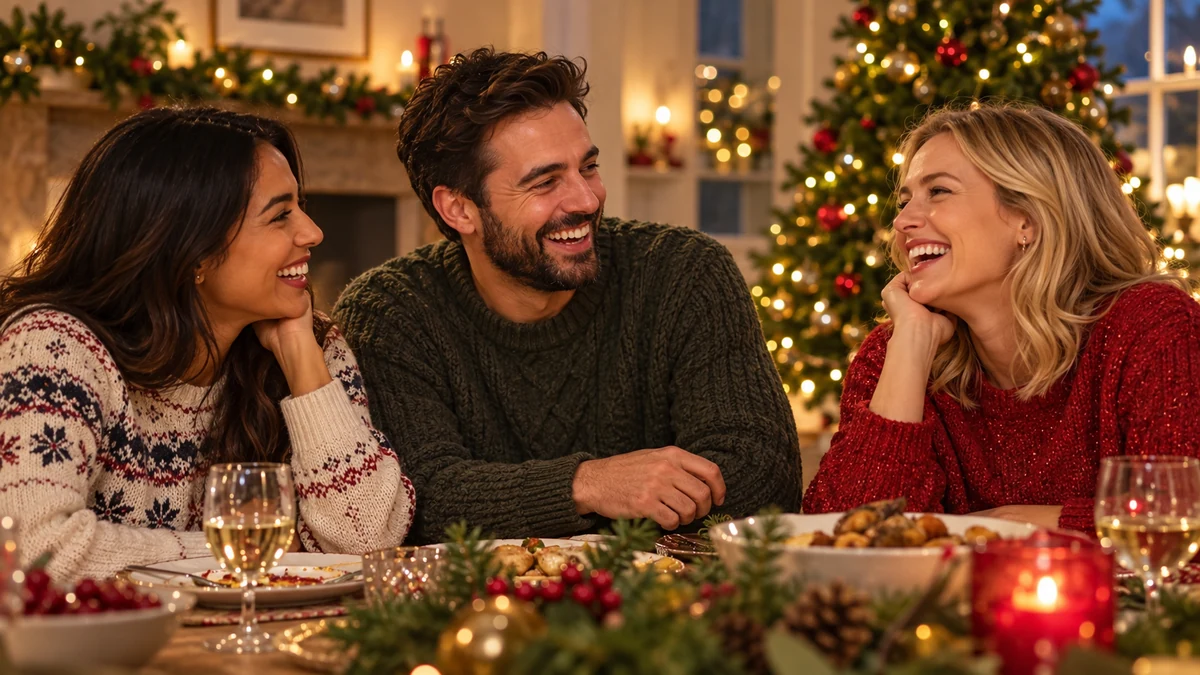
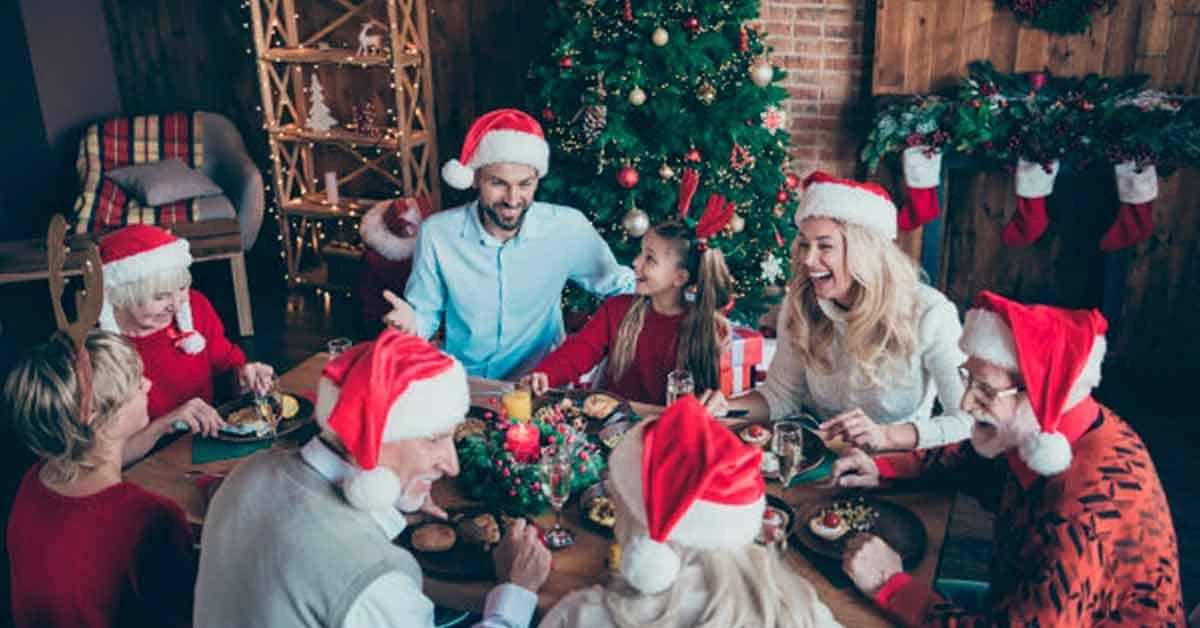
Candid moments can show natural interactions during a gathering. Agree that photographs are welcome beforehand, and respect anyone who prefers not to appear, especially when emotions or private moments are involved.
Notice reactions without intruding
A smile or shared laugh can make a meaningful picture. Stay attentive without keeping the camera in people’s faces. Ask before photographing a vulnerable or emotional moment rather than assuming it should be recorded.
Be ready for movement
A responsive camera or phone can help when expressions change quickly. Burst mode may capture a short sequence, while a suitable shutter speed reduces motion blur. Choose a small number of useful frames afterwards rather than storing every duplicate.
Keep the atmosphere relaxed
Let conversation and activities happen naturally. If people enjoy a game or shared task, it can provide photo opportunities without needing to stage reactions. Stop photographing if it makes someone uncomfortable.
Avoid forced poses
Give people space to interact rather than insisting on rigid poses. A few agreed group pictures can sit alongside candid shots. Being present in the gathering matters too, so put the camera down sometimes.
Photograph the surroundings
Include food, decorations or lights to give context to the day’s pictures. Check for private information in the background, such as addresses on parcels, before sharing photographs publicly.
Ideas for Christmas poses and composition
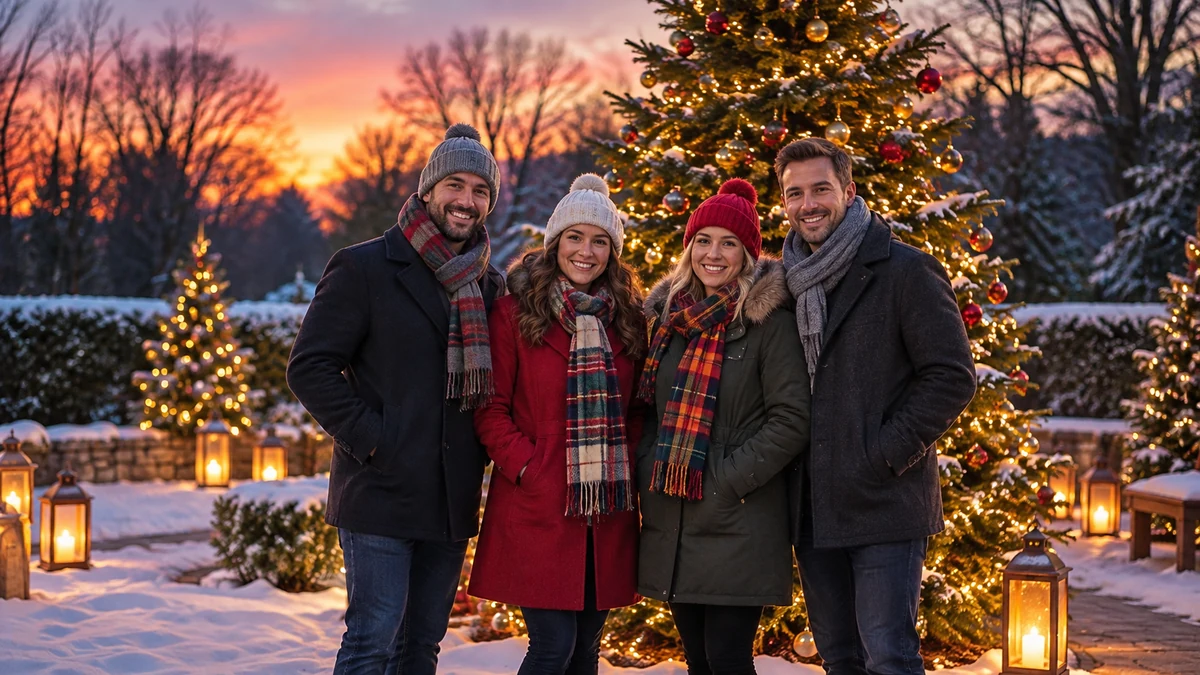
A few creative ideas can add variety to your photographs. Choose simple arrangements that people find comfortable and that suit the space you have.
Group photographs
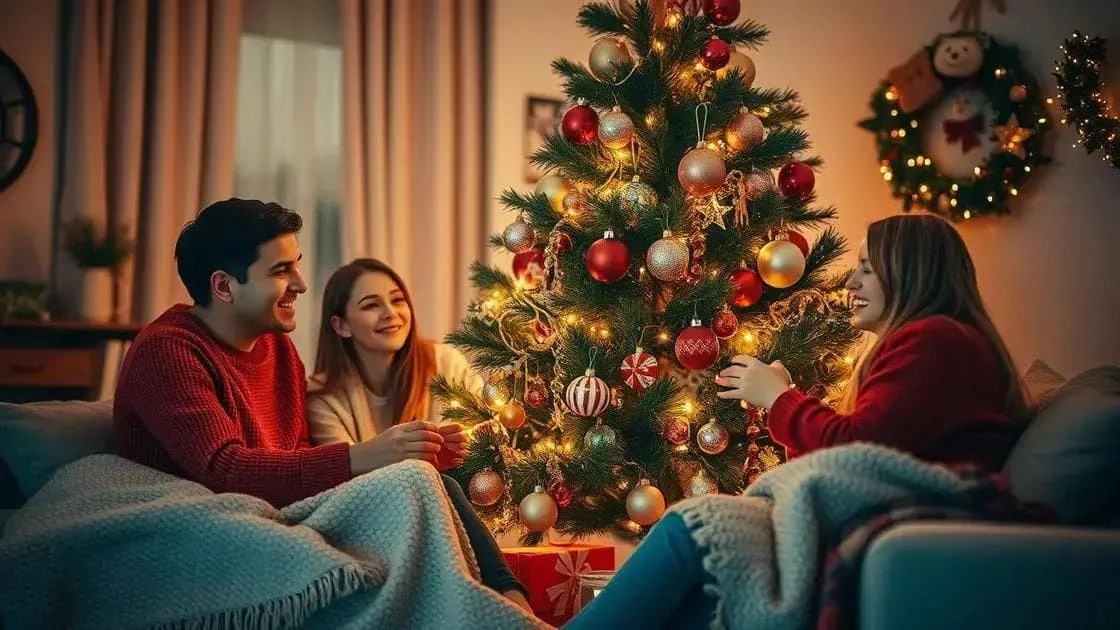
Arrange a group near the tree or another suitable background, with faces visible and people at similar distances from the camera where possible. Check that everyone is included in the frame. A timer or remote release can let the photographer join in.
Use festive details
A wrapped present, an ornament or the tree can provide a seasonal detail. Outdoor snow photographs are an option only if conditions allow; do not assume there will be snow at a British Christmas. Keep props age-appropriate and avoid blocking paths or creating hazards.
People in motion
Photograph an activity people already enjoy, such as dancing or decorating, with their agreement. Use a faster shutter speed for a sharper moving subject, or deliberately experiment with motion blur if that suits your picture.
Balancing light and shadow
Christmas lights can add bright points behind the subject. Use enough light on faces so they do not disappear into shadow, unless a silhouette is intentional. Check exposure to avoid losing detail in either faces or very bright lights.
Close-up details
Photograph an ornament, a dish or a small part of the setting to help tell the story. Ask permission before photographing children, and respect any restrictions on storing or sharing their images.
Editing Christmas photographs

Photo editing can improve exposure, colour and framing, but it is optional. Keep the original files and make a separate edited copy so you can return to the starting point.
Choosing an editing tool
Start with a photo editor you already have and understand. Tools such as Adobe Lightroom or Canva are examples, rather than requirements or claims that every feature is free. Check current access terms and privacy settings before uploading personal photographs to an online service.
Adjusting exposure
Try modest exposure, highlight and shadow adjustments to reveal detail. Brightening cannot recover every blurred or underexposed picture, and extreme adjustments may introduce noise. Check that faces still look natural.
Keeping colours believable
Adjust white balance if faces look too orange or blue under mixed lighting. Use saturation sparingly so skin tones, reds and greens remain believable. A consistent, gentle edit often works better than making every colour more intense.
Optional creative effects
A light flare or soft effect can be a creative choice, but it is not necessary for a good Christmas photograph. Keep an unaltered original and be clear about substantial changes if presenting the image as a record of a real moment.
Cropping and composition
Crop to remove distractions or emphasise the subject, leaving enough resolution for the intended use. The rule of thirds is a useful experiment rather than an obligation. Check that the crop does not accidentally cut through important details or people at the edge.
Preserving your Christmas photographs
Christmas photography can create a record of people, details and shared moments. A few practical adjustments to light and framing can help, without needing expensive equipment or constant photographing.
Choose the pictures that matter, keep original files and make a backup separate from the device you used. Ask before sharing images, and consider who can access online albums, especially where children are included.
Take a few photographs, then give yourself time to join the celebration. A small collection with personal meaning can be more useful than hundreds of nearly identical images.
Frequently asked questions about Christmas photography
How should I prepare a setting for Christmas photographs?
Look for suitable light and a simple background, remove easy distractions and check camera battery and storage. Keep decorations safe and ask whether people are comfortable being photographed.
How can I photograph candid moments at a gathering?
Agree that photographs are welcome, keep the camera ready for brief moments and let people interact naturally. Respect anyone who does not want to appear and avoid intruding on private emotions.
What lighting works well for Christmas photographs?
Soft window light can work well for faces. In the evening, use suitable room lighting for the subject and Christmas lights as background accents. Test the exposure and keep electrical fittings safely positioned.
How can editing improve my Christmas photographs?
Make modest exposure, white-balance and colour adjustments, then crop if useful. Keep the original file and avoid edits that make faces look unnatural or misrepresent the moment.
How do poses and composition help Christmas photographs?
Simple arrangements help include people clearly and show the details that matter. Keep group poses comfortable, experiment with framing and allow room for natural interactions too.
What equipment do I need for Christmas photography?
A smartphone or camera you know how to use can be enough. Clean the lens, check focus and exposure, and use suitable light. A stable support or timer can help with an agreed group photograph.