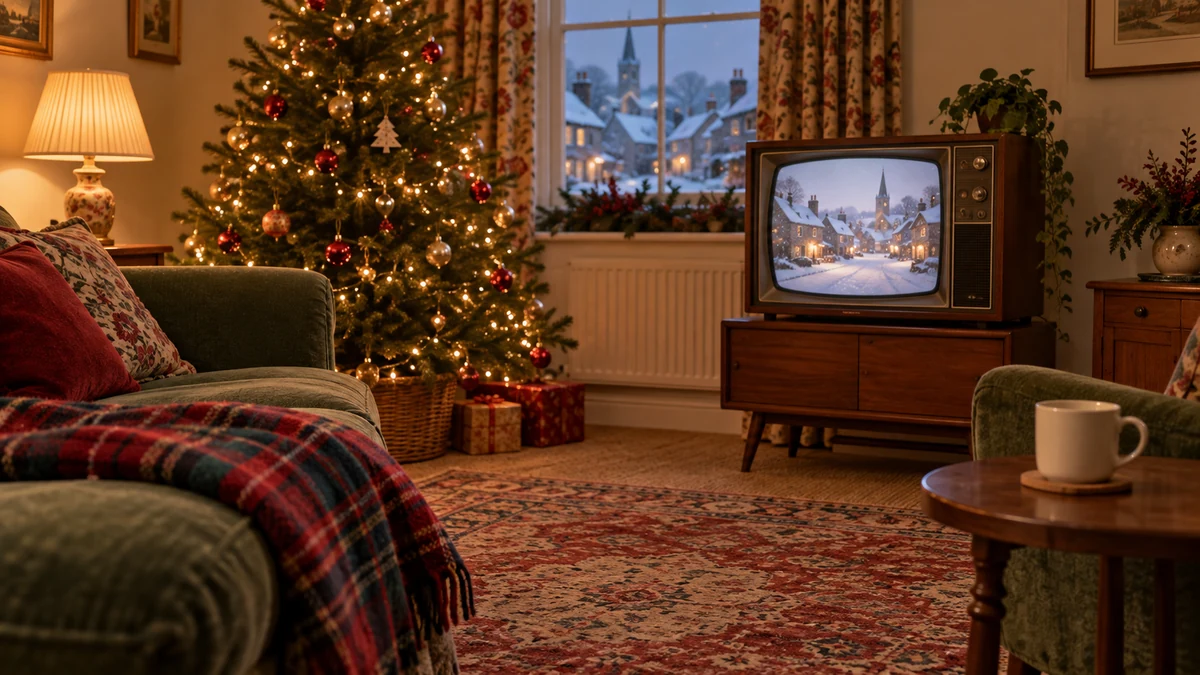
Classic Christmas films can become part of family traditions through familiar characters, seasonal settings and stories about generosity or change. Choosing a suitable version, checking viewing options and sharing personal favourites can make a festive film evening enjoyable without expecting every viewer to feel the same way.
Classic Christmas films may recall childhood evenings, familiar television schedules or a favourite scene someone used to quote. Others become favourites much later in life. This guide explores several well-known stories and ways to create a comfortable film evening, rather than assuming one list will suit every household.
The appeal of older Christmas films
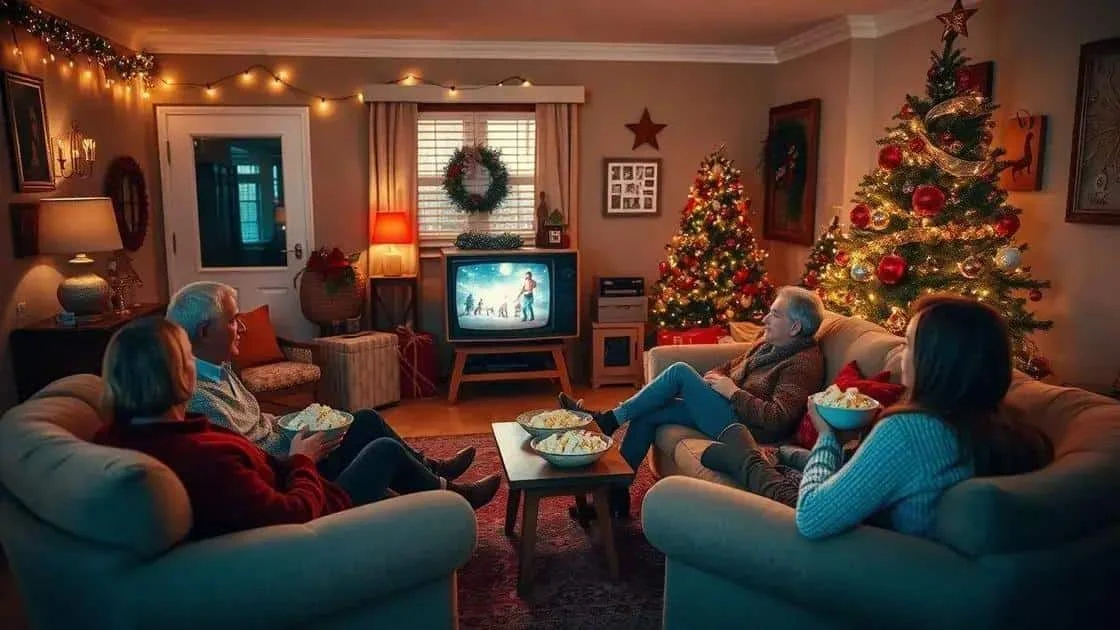
The appeal of older Christmas films often lies in a mixture of familiar storytelling and personal associations. Frank Capra’s “It’s a Wonderful Life” and the animated “The Nightmare Before Christmas” offer very different moods, for example. A festive setting does not automatically make a film light-hearted or suitable for every age, so consider the individual title before choosing.
What makes a film a classic?
Calling a film a classic usually reflects its lasting reputation or the affection audiences have for it, rather than a formal rule. Memorable characters, distinctive filmmaking and repeated viewing can all contribute. Personal favourites need not match a critic’s selection, and a film that feels nostalgic to one generation may be new to another.
How these films can affect us
Watching a familiar film with other people can provide a shared experience and a starting point for conversation. Some viewers enjoy remembering where they first saw it; others notice details they missed before. Reactions vary, and it is fine if a once-loved film no longer feels right for a particular gathering.
Traditions built around film evenings
A recurring film evening can be a simple Christmas tradition: choose a time, prepare suitable snacks and let everyone settle comfortably. There is no need to buy new decorations or organise an elaborate event. For children, check the age rating and content guidance for the exact version, and offer an alternative if they find scenes frightening.
The atmosphere of a Christmas film can become connected with the people and places around a viewing. Repeating a favourite may preserve a tradition, while trying a different title allows it to evolve. Neither approach guarantees a particular emotion; the aim is an experience the people present can enjoy.
Familiar films to consider for your gathering

The familiar films to consider for your gathering range from lively comedy to reflective drama. “Home Alone” and adaptations of the Grinch story are two possibilities, but preferences and suitability differ. Check the film’s full title and year, because remakes and animated versions can have different tones and running times.
Home Alone
In “Home Alone”, young Kevin is accidentally left behind when his family travels for Christmas. The story combines family tension with elaborate comic encounters involving burglars. Its slapstick is exaggerated fiction, not behaviour to copy, and families should check the content guidance before deciding whether it suits their children.
The Grinch
Adaptations of Dr Seuss’s Grinch story follow a character who tries to stop Christmas celebrations and discovers that the occasion means more than possessions. Different screen versions approach the story in different ways. Choose the particular adaptation that suits your group, rather than treating every film called “The Grinch” as interchangeable.
It’s a Wonderful Life
Frank Capra’s 1946 film follows George Bailey and considers the significance of his life and relationships. Its reputation as a Christmas favourite sits alongside serious material, including financial distress and suicidal crisis. That makes it a reflective choice rather than automatically a gentle children’s film; consult content guidance and consider the audience.
A Christmas Carol
Screen adaptations of Charles Dickens’s “A Christmas Carol” explore Ebenezer Scrooge’s encounter with his past, present and possible future. The story centres on change, responsibility and generosity. Live-action and animated versions differ substantially in tone and intensity, so identify the exact adaptation before planning a family screening.
Making the evening your own
A comfortable seat, an agreed film and time together may be all you need. Check legitimate UK rental, purchase, subscription or broadcaster listings before the evening, as catalogues and prices change. Confirm whether the exact title is included or costs extra, and look for subtitles or audio description if needed. Do not assume an old film is free to distribute or available on a particular service.
How Christmas films can stir emotions
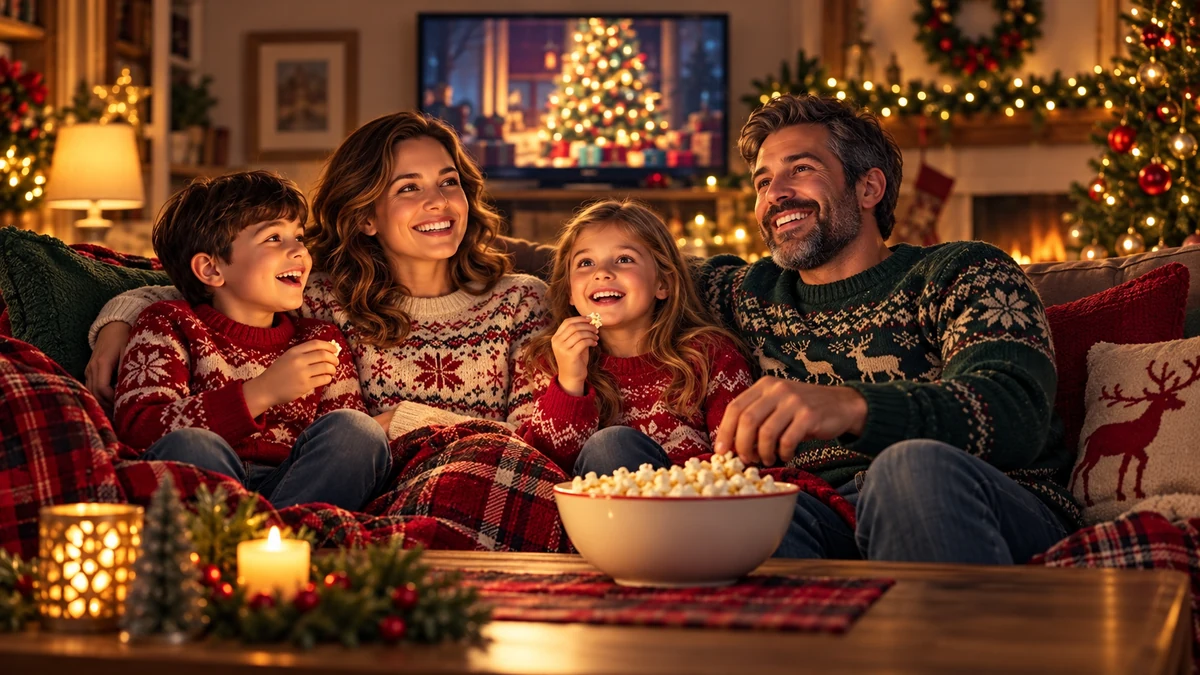
Christmas films can combine humour, difficult experiences and hopeful endings in ways that prompt reflection. Some viewers connect with themes of friendship or generosity, while others simply enjoy the performances. No film has a universal emotional effect, and a seasonal setting does not erase serious themes.
Personal connections with a story
An emotional connection may develop when a character’s hopes or difficulties feel familiar. Watching how a fictional situation unfolds can prompt discussion, although a film is not a guide to resolving every real-life problem. Allow people to respond differently without asking them to explain feelings they would rather keep private.
Memories of childhood viewing
Older films can recall childhood memories of particular rooms, relatives or holiday routines. For someone else, the same title may have no association at all. Sharing a brief memory can add to the evening, but there is no requirement to recreate the past exactly or make younger viewers adopt someone else’s favourite.
Themes of hope and compassion
Many Christmas stories explore hope and compassion through acts of help, reconciliation or changes in a character’s priorities. Those themes can be useful conversation starters. They remain stories with particular viewpoints, rather than lessons everyone must accept or promises that real family difficulties will resolve neatly.
Humour and more serious moments
A film may move between comedy and sadness, producing a varied viewing experience. Check whether that balance suits the occasion: a lively group might prefer a comedy, while a quiet evening allows room for a more reflective story. Pausing, changing the film or choosing something less intense is always an option.
Decorating for a nostalgic Christmas film evening

Decorating for a nostalgic Christmas film evening can be as simple as bringing out a few familiar ornaments. Use what you already have, leave a clear route through the room and avoid decorations that obstruct the screen. A comfortable setting matters more than matching a film’s elaborate scenery.
Displaying older ornaments
Older ornaments, paper chains and family keepsakes can add a personal touch. Handle fragile pieces carefully and keep breakable decorations away from children and pets. Old electrical lights need an appropriate safety check; age or sentimental value does not make damaged wiring safe to use.
Soft lighting
Soft lighting can create a comfortable room without leaving it completely dark. Position suitable lights so they do not shine directly onto the screen or create trip hazards. Battery-operated alternatives can provide an effect without open flames near furnishings or decorations.
Natural-looking decorations
Decorations inspired by pine cones, evergreen branches and dried fruit can complement a traditional setting. Keep combustible materials away from heaters and flames, and do not assume decorative plants are safe to eat. Reusable artificial pieces are another option if they suit the household better.
A vintage-inspired theme
A vintage-inspired theme might use red, green and gold, older-style baubles or familiar textiles. There is no single historically correct Christmas palette for every home. A few chosen pieces can suggest a period without requiring costly purchases or presenting newly made objects as genuine antiques.
Personal touches
Personal touches might include a handmade ornament, a family photograph displayed with permission or a card kept from a previous year. Use copies of delicate photographs if they might be damaged. Such details can make the room feel familiar, but meaningful memories do not depend on a perfectly decorated space.
Films and the meaning of personal memories
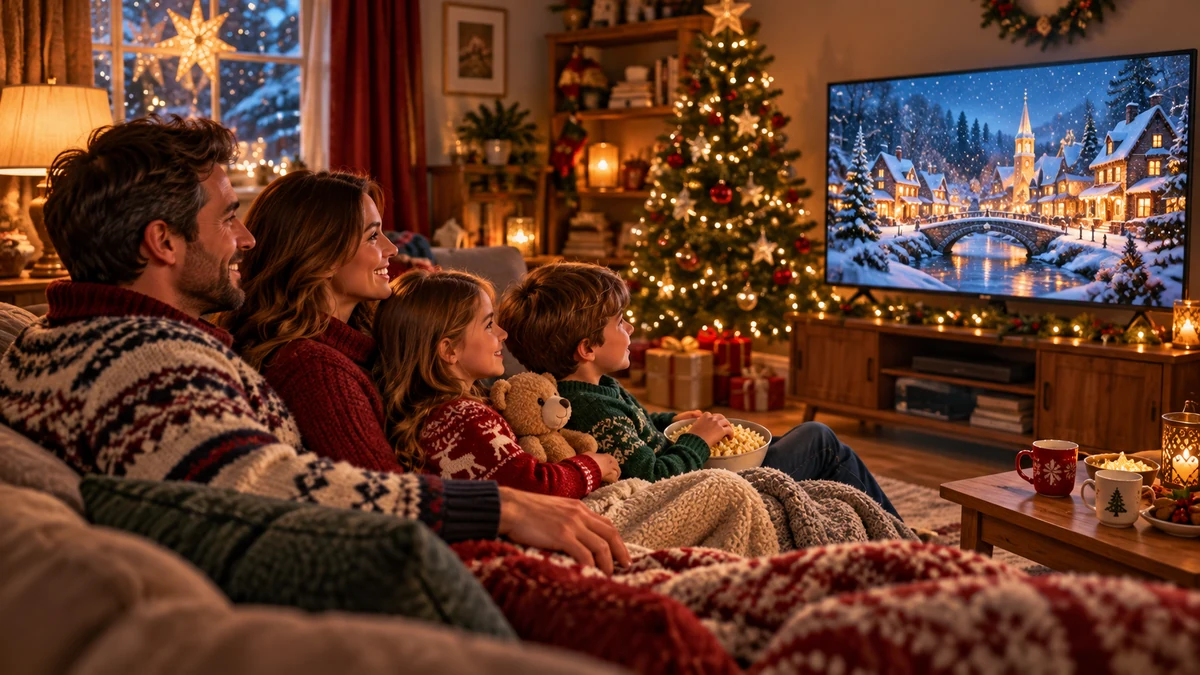
Personal memories can influence how a film feels on a later viewing. The story itself may be unchanged, while your circumstances and associations have moved on. Noticing that difference can be interesting without expecting nostalgia to be entirely happy or reliable.
Remembering earlier film evenings
Your memories might involve who chose the film, a familiar television broadcast or a particular snack. Invite people to share what they recall if they wish. Different recollections can coexist, and a warm conversation need not establish one definitive account of an old gathering.
The role of repeated traditions
Rewatching “Home Alone” or a favourite Grinch adaptation can become a family tradition, but traditions can change as people grow older or households change. Let new participants suggest alternatives, and avoid making a familiar routine an obligation. A shorter programme or a different date may work just as well.
Different emotional responses
A familiar film may bring feelings of joy, affection or longing. It may also recall someone who is absent or a difficult period. Respect those responses and offer a change of activity if needed, rather than assuming everyone wants to revisit the same memories.
Discussing the values in a story
Films can open conversations about values such as kindness, friendship or responsibility. Ask what viewers noticed rather than insisting on a single moral. With children, distinguish a fictional plot device or comic stunt from sensible behaviour in everyday life.
Keeping memories while making new ones
Returning to a favourite film can preserve an enjoyable connection with earlier years. Trying a new title, inviting a different person or choosing a quieter evening can create a fresh experience alongside it. The value lies in a comfortable shared activity, not in reproducing an idealised Christmas.
Choosing a Christmas film that suits you
Older Christmas films can offer familiar stories and a reason to spend time together. They also vary in mood, themes and suitability, so choose the exact version with care. A personal favourite is a starting point, not something every viewer has to love.
Check legal viewing options, access features and any additional charges before settling down. Keep the setting comfortable and allow people to opt out or suggest a change. A flexible plan leaves room for both established traditions and new discoveries.
Whether you choose comedy, animation or a reflective drama, the evening can be simple. Let the people present shape it, and enjoy the film without expecting it to create a particular memory or deliver a perfect celebration.
Frequently asked questions about Christmas films and memories
Why do older Christmas films feel special to some viewers?
They may be associated with childhood routines, familiar people or repeated seasonal viewing. Their stories and performances can also remain appealing. These associations are personal and are not shared by every viewer.
Which Christmas films are familiar classics?
Examples include “Home Alone”, “It’s a Wonderful Life” and different adaptations of the Grinch story or “A Christmas Carol”. Check the full title, year, age rating and content guidance to choose a suitable version.
How can Christmas films encourage discussion about values?
Their stories often explore generosity, responsibility, friendship and change. Asking viewers what they noticed can prompt conversation, while recognising that fictional resolutions do not necessarily reflect how real difficulties are resolved.
Can nostalgic decorations add to a film evening?
A few familiar ornaments or handmade details may make a room feel welcoming. Keep fragile and electrical items safe, avoid clutter and remember that decorations are optional rather than necessary for enjoying the film.
How can I revisit memories through Christmas films?
Choose a film you associate with earlier years and, if you wish, share a brief memory with others. Keep expectations flexible: the film may feel different now, and some people may prefer a new title or another activity.
What role can family traditions play in festive film viewing?
A regular film evening can provide a familiar routine, but it should remain adaptable. Invite suggestions, consider age and access needs, and allow traditions to change as the household’s preferences and circumstances change.