Exploring Christmas traditions around the world reveals many ways of celebrating: religious services, family meals, public events and acts of generosity. Customs differ between communities and households, and Christmas is not celebrated by everyone.
Looking at Christmas traditions around the world can feel like opening a collection of family memories. How do different communities mark the season? This guide introduces selected customs and the people, places and histories behind them, without suggesting that any country celebrates in just one way.
The origins of Christmas celebrations around the world
The origins of Christmas celebrations involve religious history, seasonal customs and changes in everyday life. Traditions developed at different times and travelled between communities; they do not all share a single origin.
The Christian celebration
For Christians, Christmas commemorates the birth of Jesus Christ. Its celebration developed during late antiquity and spread alongside Christianity. Local customs later became part of Christmas in different places, although the history of each practice needs to be considered separately.
Midwinter festivals and seasonal customs
Long before modern Christmas celebrations, communities in the northern hemisphere marked the winter solstice and other seasonal festivals. Roman Saturnalia and northern European Yule are often discussed in this context, but similarities do not prove that every Christmas custom came directly from them. Christmas falls in summer in Brazil and other southern hemisphere countries.
Traditions that changed over time
Gift-giving has several religious and social associations, including the biblical account of the Magi bringing gifts to Jesus. Christmas trees, lights and household decorations have their own histories. Their meanings also vary: one family may see a religious symbol where another enjoys a seasonal decoration.
Gathering with family and friends
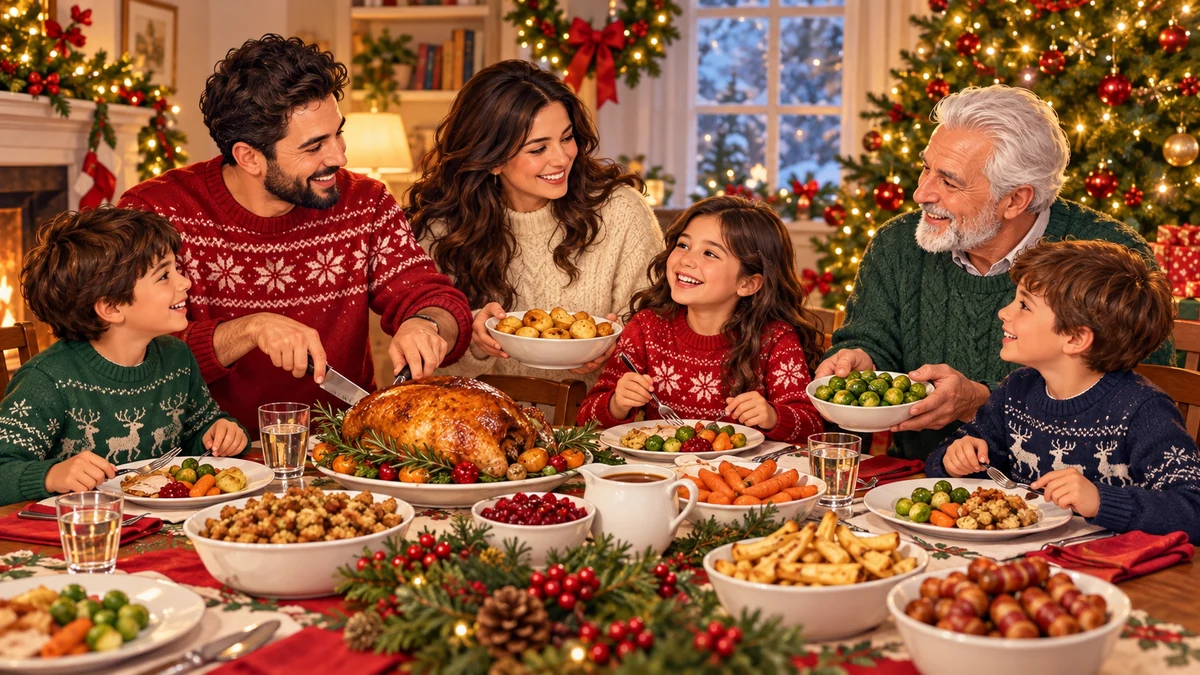
For many people, Christmas offers a chance to share a meal or spend time with relatives, friends or a chosen community. That experience is not universal. Distance, bereavement, work and personal circumstances may shape the day, and a quieter celebration can be equally meaningful.
Christmas traditions in Brazil and their background
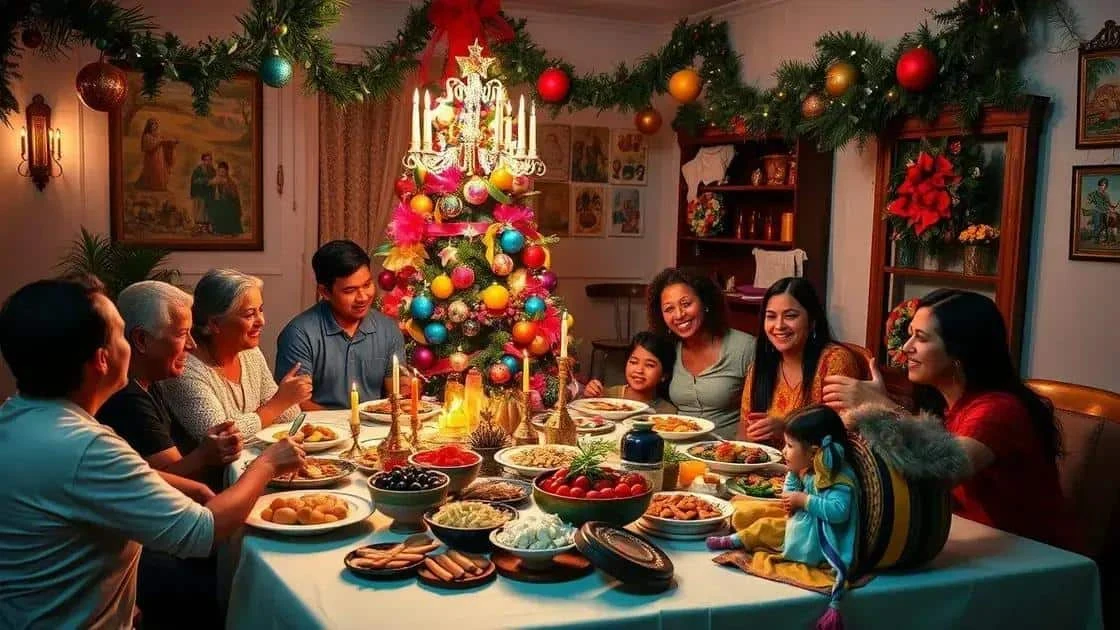
Brazilian Christmas traditions reflect a diverse society and vary between regions and households. Christian customs such as the Nativity scene sit alongside festive meals, music and public celebrations, usually in warm summer weather.
Nativity scenes
Nativity scenes depict the birth of Jesus within Christian tradition. Portuguese influence helped establish this practice in Brazil. Some households and churches display figures made from clay, wood, paper or other materials, while others do not include a Nativity scene in their celebrations.
The Christmas Eve meal
A Brazilian Christmas Eve meal may include roast pork, arroz à grega, rice with vegetables, and farofa, toasted cassava flour with added ingredients. Sweet dishes can include rabanada, a cinnamon-sugar version of French toast, and panettone. These are examples rather than compulsory dishes; menus depend on local preferences, dietary needs and budget.
Regional and public celebrations
Christmas in Brazil also includes cultural and public events. Towns may organise light displays, concerts or performances. Natal Luz in Gramado is one established example. Check the organiser’s current programme, accessibility information and ticket requirements rather than assuming every activity is free or held on the same dates each year.
Different cultural influences
Brazil’s cultural history includes Indigenous, African, European and many other influences, but these should not be reduced to one uniform Christmas tradition. A familiar song in some celebrations is Noite Feliz, the Portuguese version of Silent Night. Local music and customs differ widely.
How different communities celebrate Christmas
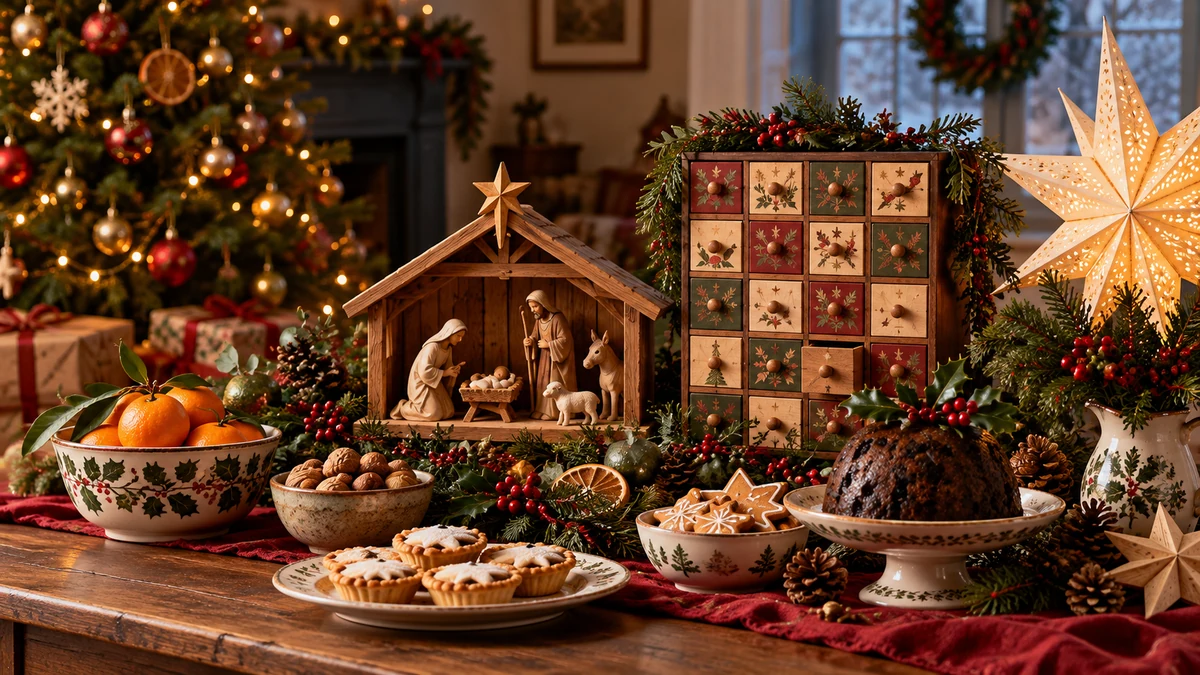
Each culture contains many ways of marking Christmas, as well as people who do not celebrate it. The following examples introduce particular customs rather than describing every household in a country.
Examples from Europe
In Germany, Advent calendars, seasonal markets and preparations during Advent are familiar Christmas customs. Markets can feature crafts, food and warm drinks. Similar traditions have travelled elsewhere in Europe, taking on local forms along the way.
Examples from the United States
In parts of the United States, outdoor lights and a decorated Christmas tree are familiar features of the season. Some children write to Santa Claus, while other households follow different religious or secular customs. The scale of decoration varies considerably.
Latin American traditions
In Brazil, Christmas Eve meals and gift exchanges are common in some households. In Mexico, Las Posadas recalls Mary and Joseph seeking lodging through community processions and gatherings. Participation and local details differ, so these customs should not be treated as identical across Latin America.
Examples from Asia and Africa
Asia and Africa include longstanding Christian communities alongside many other faiths and traditions. In the Philippines, Simbang Gabi services form part of the Christmas season for many Catholics. In South Africa, Christmas falls in summer, making outdoor gatherings possible where circumstances and weather allow. Neither continent has a single Christmas experience.
Christmas activities and public events
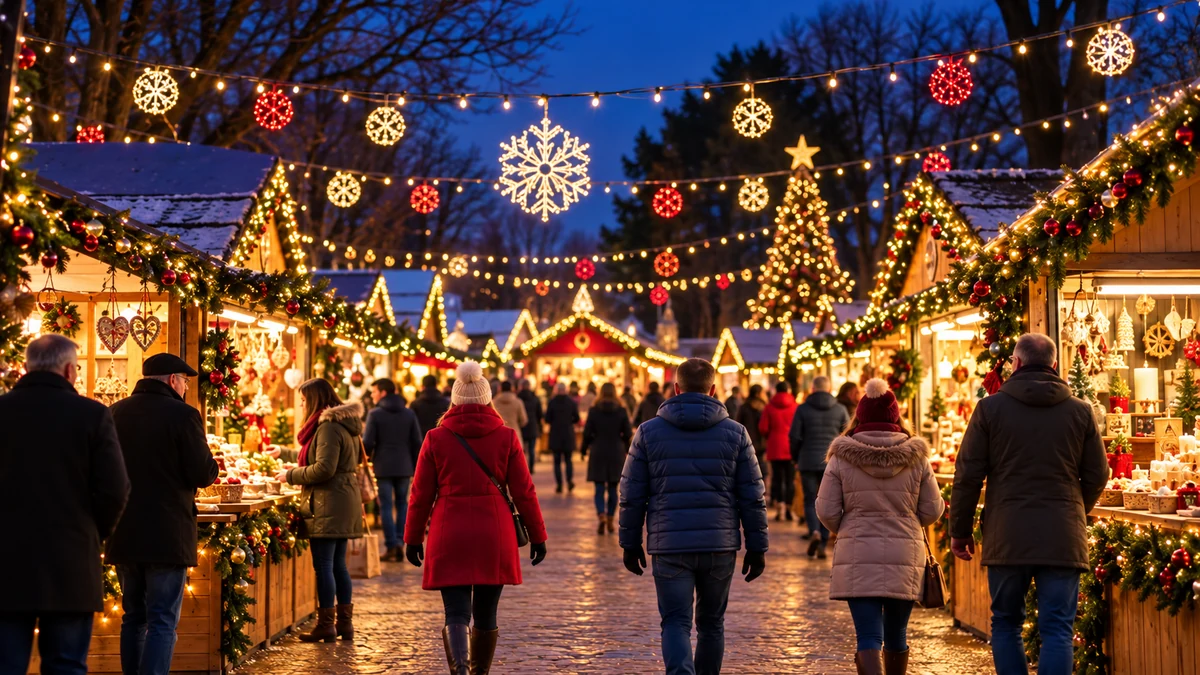
Christmas events can provide opportunities to enjoy music, crafts and time together. These are types of activity to look for locally, rather than a current events calendar. Check dates, costs and practical arrangements before making plans.
Christmas markets
Christmas markets may offer regional food, drinks and handmade goods, often with music and lighting displays. Check opening times, travel arrangements and accessibility. A visit can be enjoyable without buying anything, although entry charges may apply at some events.
Parades and processions
Some communities hold Christmas parades featuring floats, performers or Father Christmas. Others organise religious processions. Choose an event that suits your household and budget, and check the route and crowd arrangements in advance.
Community gatherings
Community events can bring neighbours together through shared meals, local performances or volunteering. Good organisers make participation welcoming rather than assuming that everyone shares the same beliefs or celebrates Christmas in the same way.
Concerts and performances
Christmas concerts and choirs perform in churches, halls and public spaces. Programmes range from religious music to popular seasonal songs. Check the length, suitability, access arrangements and any admission charge before attending.
Outdoor activities
Activities such as sleigh rides or ice skating are available in some destinations, depending on climate and facilities. They are not universal Christmas customs. Follow the operator’s safety guidance, use suitable clothing and choose activities appropriate to participants’ abilities.
How Christmas customs are changing
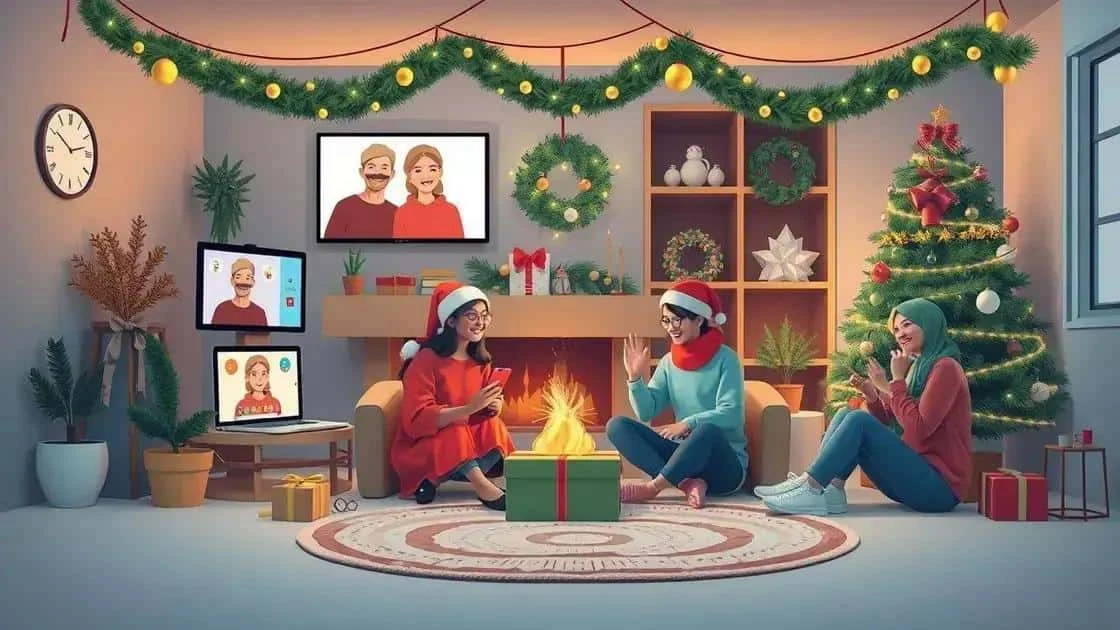
Changing Christmas customs reflect social, cultural and technological developments. Religious worship, secular celebrations and commercial activity can coexist, but their importance differs between people and places.
Keeping in touch digitally
Messages and digital cards now sit alongside paper cards, rather than having replaced them entirely. Video calls can help people connect across long distances. Ask before sharing recordings or photographs, especially when children are involved.
Shopping and advertising
Promotions and advertising can influence seasonal shopping. A discounted item is not automatically good value or something you need. Planning purchases around an affordable budget can help keep commercial pressure separate from the celebration itself.
New household traditions
Families and friends often create customs that reflect their values and interests: a themed meal, a shared walk, a favourite film or an annual call. A tradition does not need expensive equipment or elaborate preparation to be worth repeating.
Different ways to participate
Respect for cultural diversity includes recognising different celebrations, beliefs and choices not to participate. Invitations can be flexible, with room for dietary needs, religious practice and quieter ways of spending time together.
Reducing waste
Reusing decorations, planning food quantities and avoiding unnecessary purchases can reduce waste. Recyclable decorations are only useful if local facilities accept their materials; glitter, mixed materials and electrical parts may need separate handling. Check local guidance before disposal.
Christmas and community life
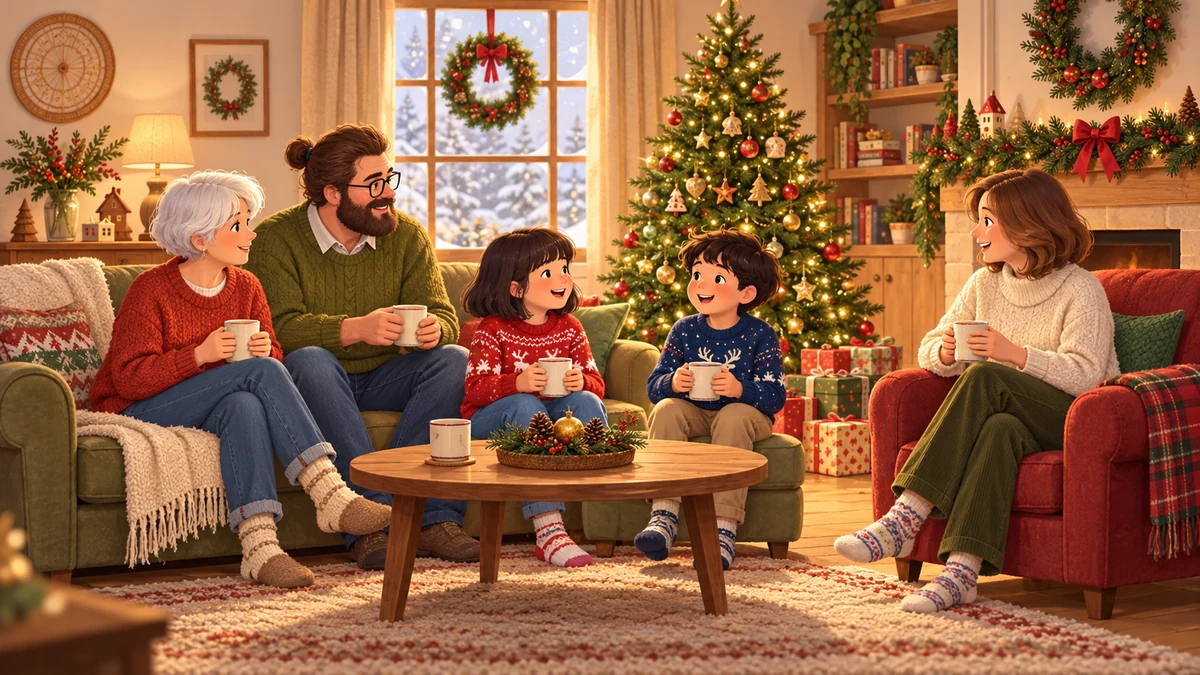
For those who celebrate, Christmas can offer a prompt for mutual support and connection. Those values also matter throughout the year and are not exclusive to any one festival or faith.
Family, friendship and belonging
Shared meals, conversations and familiar customs can support family connections. Friends and chosen communities may play an equally important role. Respecting absence, grief or a wish for a quiet day is also part of making people feel welcome.
Giving practical help
Offering practical help might mean volunteering or donating to an established organisation. Check what is actually needed, verify collection arrangements and give only within your means. Respect the privacy and dignity of people receiving support.
Reflecting on priorities
Some people use the season to consider what matters to them, including gratitude, generosity or time with others. Reflection is a personal choice, not an obligation to feel cheerful or make major changes.
Joy, hope and mixed emotions
Music, lights and gatherings may bring joy and hope, but the season can also be difficult. Celebrations do not remove financial pressures, loneliness or grief. Making space for mixed feelings can be more helpful than expecting everyone to be happy.
Culture and identity
Christmas customs can express aspects of culture and personal identity. They change as people move, form new households and choose what to preserve. No single custom defines an entire country or community.
Bringing these traditions into perspective
Exploring Christmas customs can open conversations about connection, mutual support and gratitude. These meanings are shared by many people, but Christmas itself is not universal and its significance varies.
Small, practical gestures can matter: making time for someone, sharing an affordable meal or supporting a community activity. There is no need for a perfect celebration or spending beyond your means.
Traditions can be preserved, adapted or set aside. The most useful ones are those that fit the people taking part and leave room for kindness throughout the year.
Frequently asked questions about Christmas and community life
Why do many people associate Christmas with family gatherings?
Shared meals, time off and familiar customs give some families a chance to meet. Others spend Christmas with friends, work through the season or choose a quiet day; there is no single correct arrangement.
How can Christmas encourage practical support?
Community collections and volunteering can connect people with local needs. Check what an established organisation requests, respect recipients’ privacy and give only what you can afford.
Which values do people associate with Christmas?
Generosity, gratitude, faith and time with others are common associations. Their importance varies, and these values can be practised throughout the year.
How do Christmas traditions vary between cultures?
Food, music, religious services and public events differ between places and households. Climate also matters: Christmas is a summer celebration in Brazil and South Africa.
What role can Christmas play in cultural identity?
Customs can connect people with family memories and community history. They also change over time, and no tradition represents everyone within a country.
Does Christmas always bring joy and hope?
It can bring enjoyment and connection, but it may also involve grief, stress or loneliness. Respecting different feelings and offering practical support is more helpful than assuming everyone is happy.
Sources and Further Reading
- Victorian Christmas Traditions — Victoria and Albert Museum
- Natal Luz de Gramado
- Simbang Gabi — Philippine Mission in Geneva