Christmas decorating can create less waste when you reuse existing ornaments, keep displays manageable and choose efficient lighting. Recycled or natural materials are not automatically impact-free: how you source, use and dispose of them also matters.
Christmas decorating since the 2000s has offered an expanding mix of traditional and contemporary styles. Rather than one trend replacing another everywhere, households have combined familiar ornaments with new ideas. Here are some approaches you can adapt without replacing your whole collection.
Christmas decorating styles in the 2000s
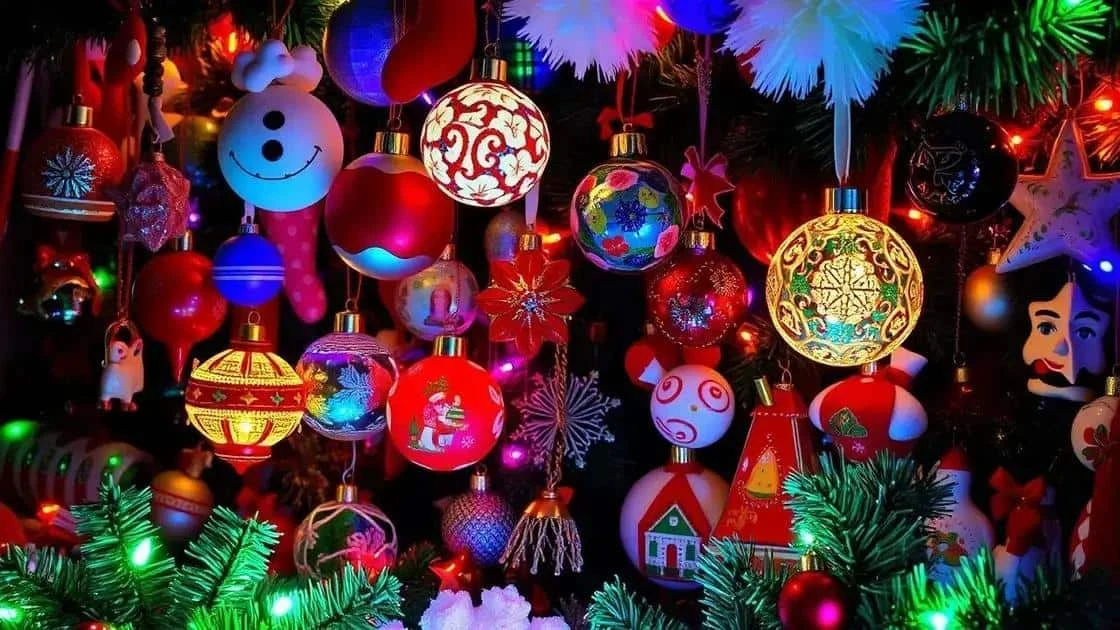
The Christmas decorating styles associated with the 2000s included colourful displays, coordinated themes and a mixture of old and new ornaments. These are broad examples rather than a measured account of what every household used; tastes varied considerably.
Colourful themes and coordinated palettes
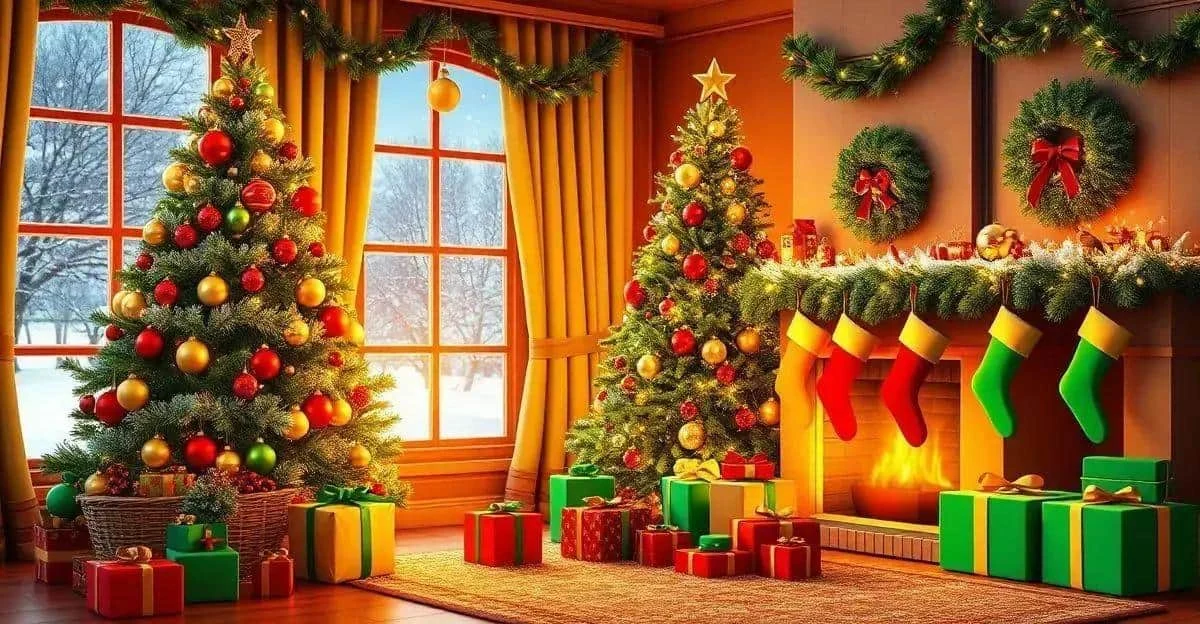
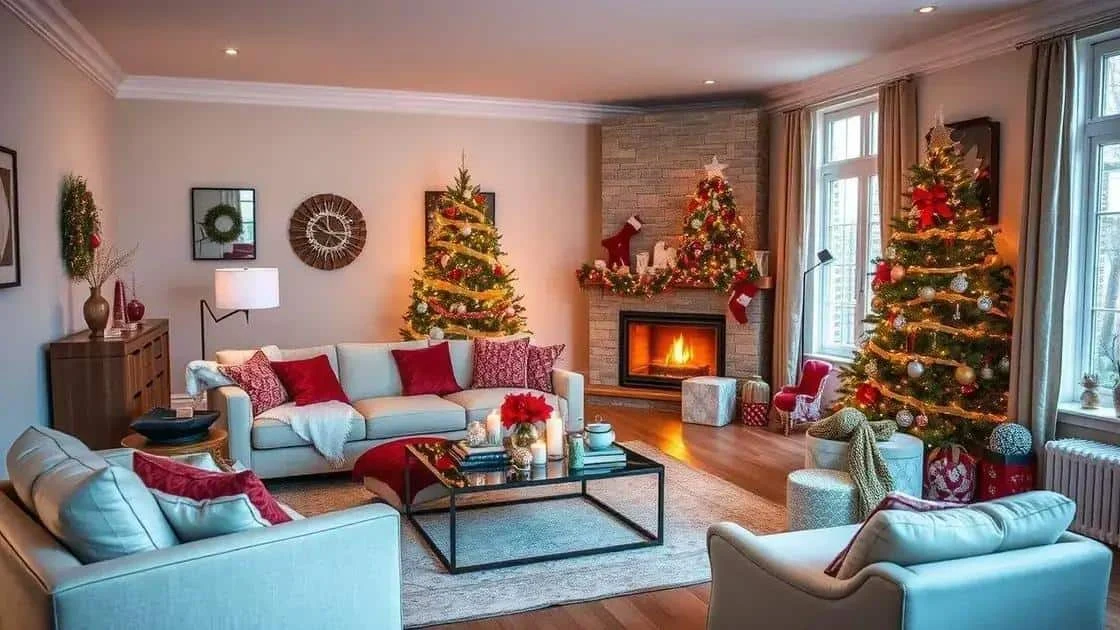
Red, green and gold remained familiar choices, alongside combinations such as blue and silver. These colours were not invented in the 2000s. A coordinated palette can give a display consistency, while a mixed collection can reflect years of family memories.
Handmade decorations
Handmade Christmas decorations have a much longer history than recent decorating trends. Personalised wreaths, paper ornaments and homemade keepsakes offer a way to add something individual without following a shop display exactly.
LED lighting
LED lighting became an increasingly familiar option for seasonal displays. Compared with incandescent strings, LEDs generally use less electricity for comparable light output. Choose suitable indoor or outdoor products, follow the instructions and avoid adding so many extra lights that the saving is lost.
Specialist shops and online choice
Specialist retailers and online shopping have made many styles easier to find. More choice can help with a particular project, but it can also encourage unnecessary purchases. Begin with the ornaments you already own before looking for anything additional.
Films, television and online inspiration
Screen interiors and decorating websites can introduce colours, layouts and craft ideas. Treat polished images as inspiration rather than a standard your home must meet. They may reflect professional styling, large budgets or conditions unlike your own.
Bringing vintage style into a Christmas display
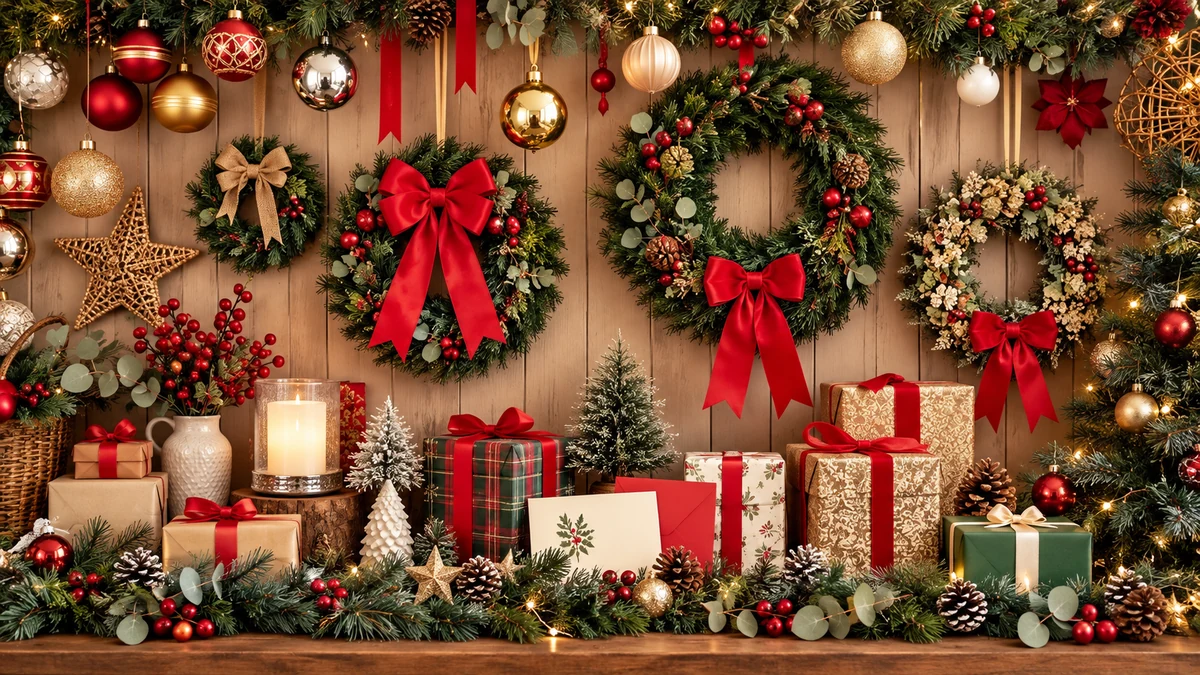
Vintage details can add personal history and variety. Older ornaments, inherited decorations and newly made pieces in a traditional style can work together. There is no need to buy an entire matching vintage collection.
Classic ornaments
Glass baubles passed between generations can be meaningful keepsakes. Check for damage and hang fragile pieces securely, beyond the reach of young children and pets. If an ornament is valuable or delicate, a protected display may be safer than putting it on the tree.
Wreaths with a traditional feel
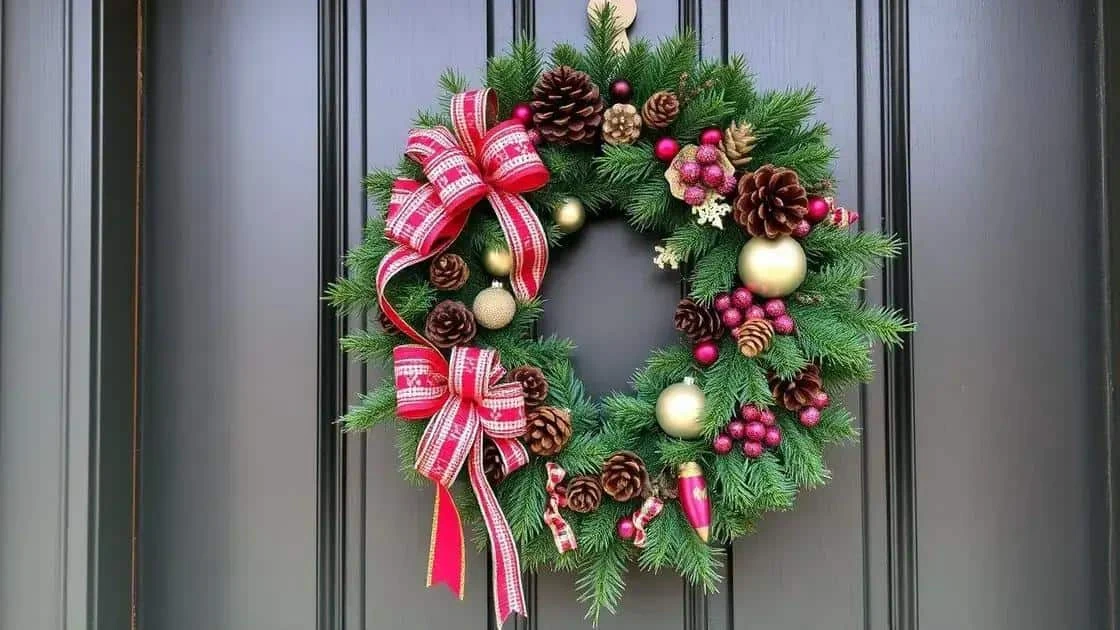
Pine cones, foliage and checked ribbon can give a wreath a traditional look. Reuse suitable materials where possible and obtain permission before collecting anything outdoors. Keep dry foliage away from heat and flames.
Vintage-style lighting with modern safety
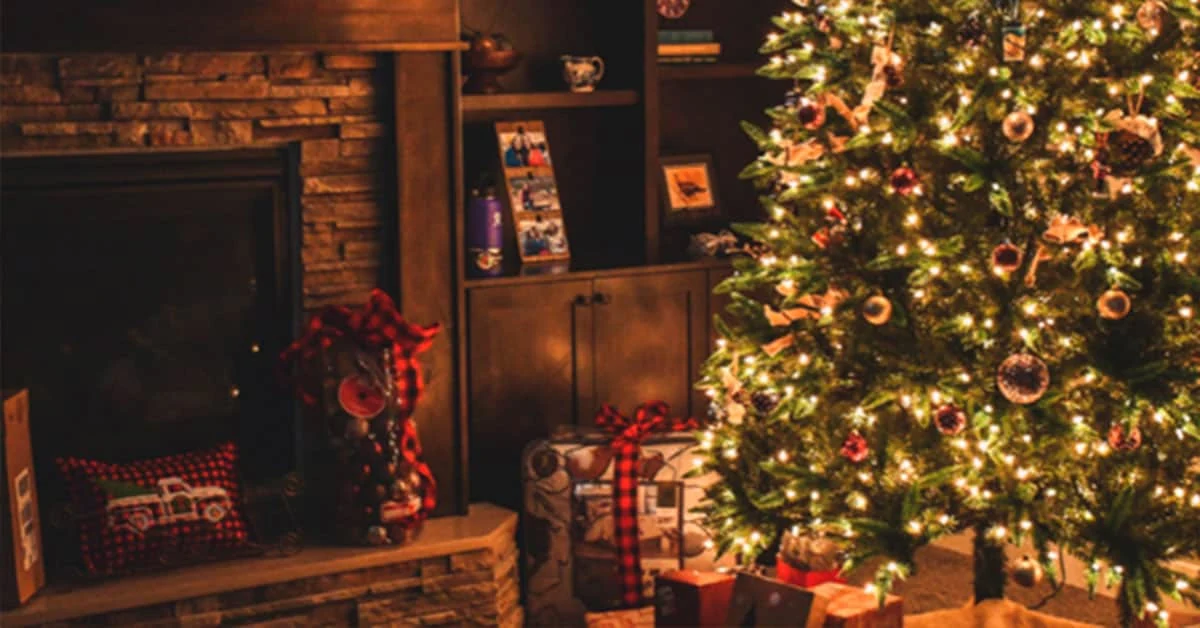
You can create a nostalgic effect with modern LED candles and lights designed to resemble older styles. Do not use damaged vintage electrical strings simply for their appearance. Never place real candles on a tree or close to paper, fabric or dry greenery.
Traditional tree decorations
Ribbon bows, wooden ornaments and handmade decorations can sit alongside newer pieces. Balance heavier ornaments on suitable branches and secure the tree. A traditional look does not require reproducing unsafe practices from the past.
Combining old and new
Try connecting different pieces through one repeated colour or material. An inherited ornament can become a focal point without matching everything else. Aim for a display that fits your space and tells your own story.
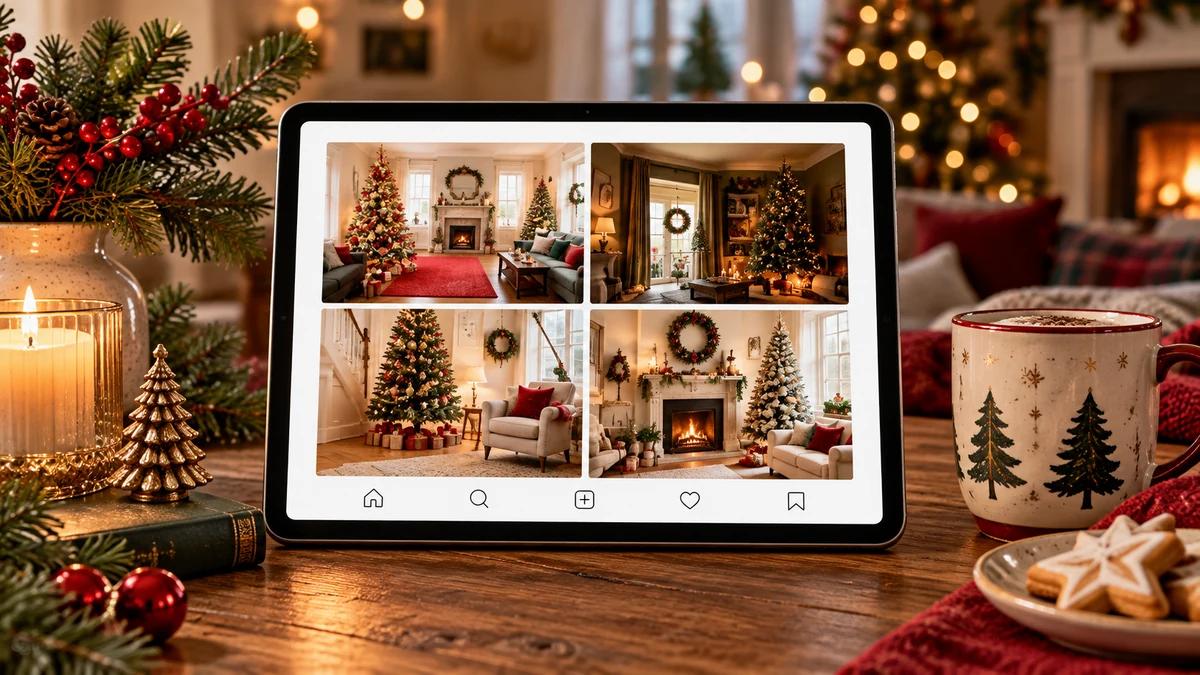
Social media makes it easy to discover and share Christmas decorating ideas. A photograph can introduce a useful colour combination or technique, but popularity is not proof that an idea is affordable, safe or environmentally sound.
Fast-moving trends
Viral trends can spread quickly, encouraging many people to try similar displays. Save ideas and consider them later instead of buying immediately. A trend can be adapted with existing ornaments or left aside altogether.
Finding ideas through search terms
Hashtags such as #ChristmasDecor or #VintageChristmas can help you find examples. Compare several approaches and consider whether the materials, space and preparation suit your household.
Styled posts and commercial content
Decorating accounts can offer useful demonstrations, but posts may also promote products. Look for advertising disclosures and separate a practical technique from a suggestion to buy something. A polished result may take more time and equipment than the post shows.
Sharing ideas with others
Online groups can be a place to exchange craft ideas and practical experience. Ask before reposting someone else’s photograph and avoid sharing images that reveal private information about your home or family.
Checking practical advice
Tutorials can help you learn a technique, but electrical and fire-safety instructions should come from product guidance and reliable safety sources. Check the full method before starting, especially when children, hot glue or sharp tools are involved.
Affordable and creative decoration ideas
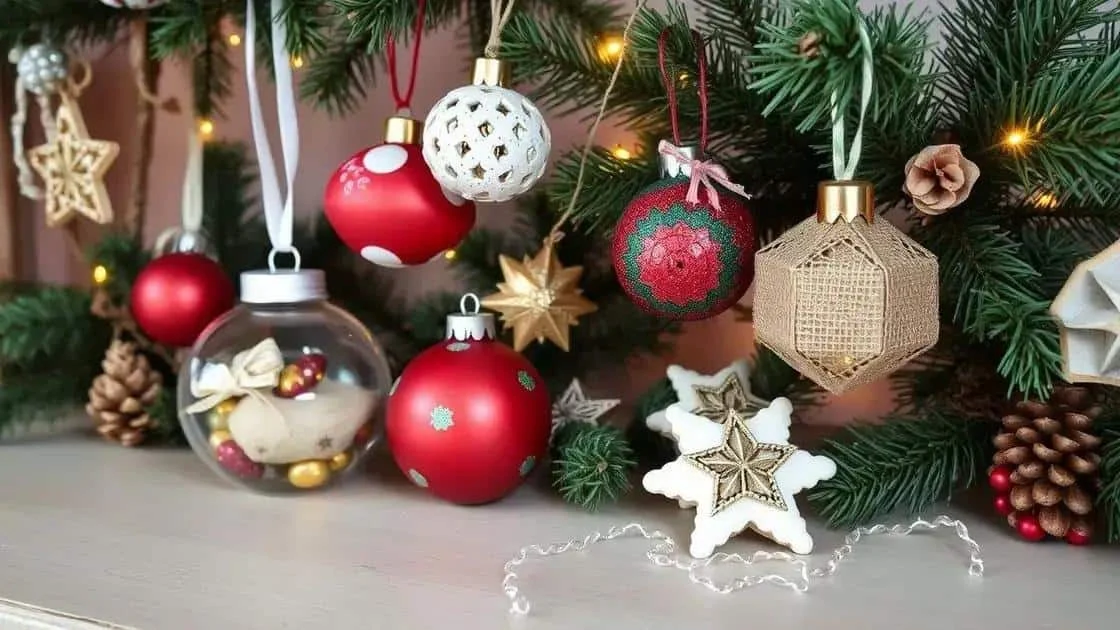
Affordable, creative decorations start with a realistic plan. Choose a few areas to decorate, use what you have and set a spending limit before buying supplies.
Reuse suitable household materials
Clean jars and cardboard can become decorations. Check glass for cracks and avoid sharp-edged tins. A painted jar can hold battery-operated LED lights; do not assume that a reused bottle or decorated container is safe for a real candle.
Make paper ornaments
Fold or cut paper into Christmas ornaments such as stars and trees, then hang them with suitable thread. Keep paper away from heaters, flames and lighting that becomes hot. Supervise children with scissors and small fittings.
Use outdoor materials thoughtfully
Pine cones and fallen twigs can form part of a wreath or table arrangement. Collect only where permitted and leave protected plants undisturbed. Natural materials may still be sharp, allergenic or unsuitable around pets; keep arrangements away from food and heat.
Refresh existing ornaments
Check your collection before buying more. Moving ornaments into a different arrangement or adding reusable ribbon can change the look. Avoid loose glitter when a reusable detail will do, and leave valuable or sentimental pieces unaltered unless you are sure.
Make decorations together
A short family craft session can produce a few personal decorations without becoming a major project. Offer age-appropriate tasks and use materials you already have. Keep hot glue, blades and small parts under adult control.
Reducing waste in Christmas decorating
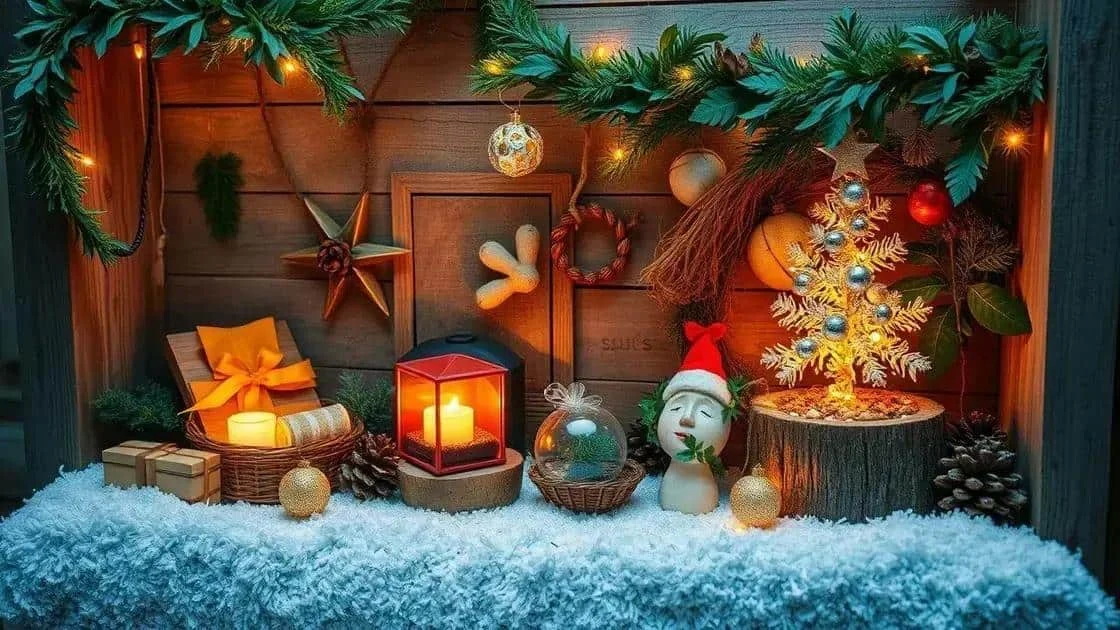
Reducing waste in Christmas decorating means considering what you buy, how long you use it and what happens afterwards. No display is entirely impact-free, but a smaller collection reused over many years can avoid unnecessary replacement.
Reused and recycled materials
Recycled materials can be useful, but making a new ornament is not automatically better than keeping an existing one. Mixed materials, paint and glitter can also make recycling harder. Check local acceptance rules and avoid creating more waste than the project prevents.
Natural decorations
Foliage, pine cones and dry leaves can be used in arrangements, but natural does not mean harmless or suitable for every disposal route. Source materials responsibly, avoid invasive or protected plants, and separate wire, ribbon and other fittings before composting where accepted.
Efficient lighting
LED lighting generally uses less electricity than comparable incandescent lighting. Keep displays proportionate and switch them off when not needed, including before bed or leaving home. Follow product guidance and local arrangements for recycling electrical equipment.
Handmade pieces you will use again
Making decorations can help you reuse suitable materials and create something personal. Consider durability and storage before starting. Buying many new craft supplies for a single-use project may offer little advantage over reusing ornaments you already have.
Buying deliberately
Before purchasing, ask whether you need the item, can store it and will use it again. Look for specific evidence behind environmental claims rather than relying on vague labels. Durable, repairable pieces may be useful where a new purchase is genuinely needed.
A Christmas display with less waste
Start with existing decorations and choose a manageable display. Reusing materials thoughtfully can reduce waste, while careful sourcing and disposal remain important for both natural and manufactured items.
Efficient lights, sensible operating hours and fewer unnecessary purchases can help. There is no need to replace an entire collection in pursuit of a supposedly greener look.
Choose changes that are practical for your household and keep useful ornaments for another year. A personal, safe display can matter more than following the latest trend.
Frequently asked questions about Christmas decorating and waste
How can I make decorations with less waste?
Reuse existing ornaments first. For crafts, choose suitable materials you already have, make pieces you can use again and avoid combinations that are difficult to separate for recycling.
Why choose LED Christmas lights?
LEDs generally use less electricity than comparable incandescent lights. Choose suitable products, limit operating hours and avoid expanding the display so much that it cancels the saving.
How can I use natural materials safely?
Use responsibly sourced foliage or fallen materials where collection is permitted. Keep them away from heat and flames, consider children and pets, and remove fittings before appropriate composting or disposal.
How can relatives take part?
Plan a short craft session with optional, age-appropriate tasks. Reuse suitable supplies and supervise scissors, hot glue and small parts.
What should I check before buying decorations?
Consider whether you need the item, how long it will last and whether you can store it. Check specific environmental claims, safety instructions and disposal options.
How can these ideas encourage others?
Sharing practical examples of reuse can give others ideas without pressuring them to buy new products. Explain what worked and any limitations rather than claiming a decoration has no environmental impact.