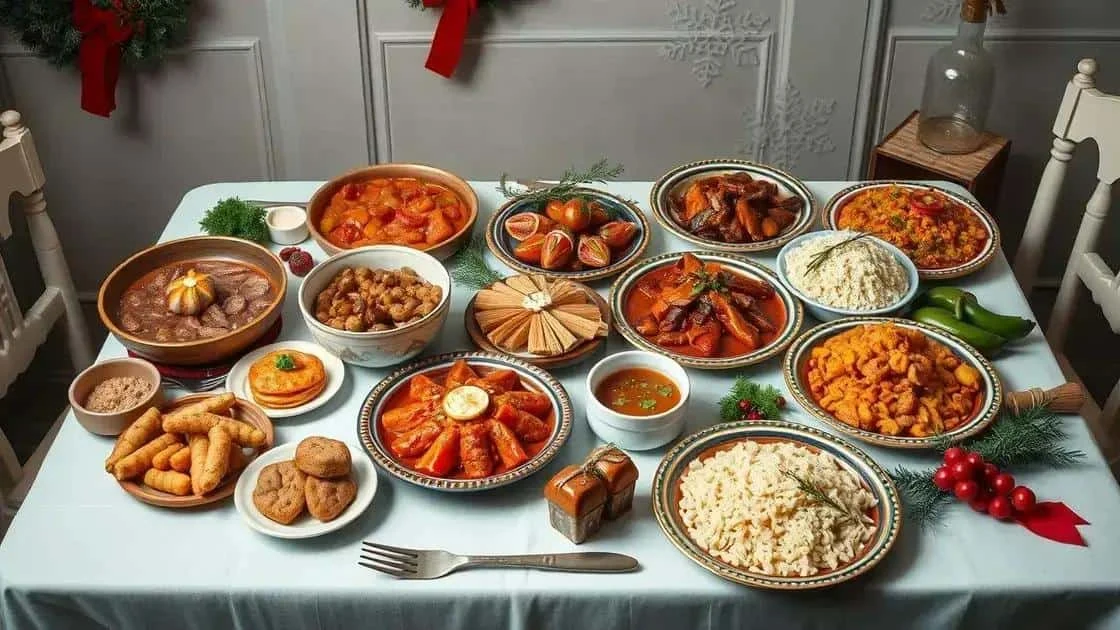
Christmas dishes can carry family memories as well as flavour. In Brazil, roast turkey, farofa, rabanada and salt cod are familiar examples, although menus vary between households. Recording a family recipe can help preserve the story behind it.
Nostalgic Brazilian Christmas food can bring back a particular kitchen, a familiar aroma or the person who used to cook a favourite dish. This guide explores those connections and offers menu ideas; it is not a set of measured recipes or a definitive history of Christmas cooking.
What Christmas recipes can mean
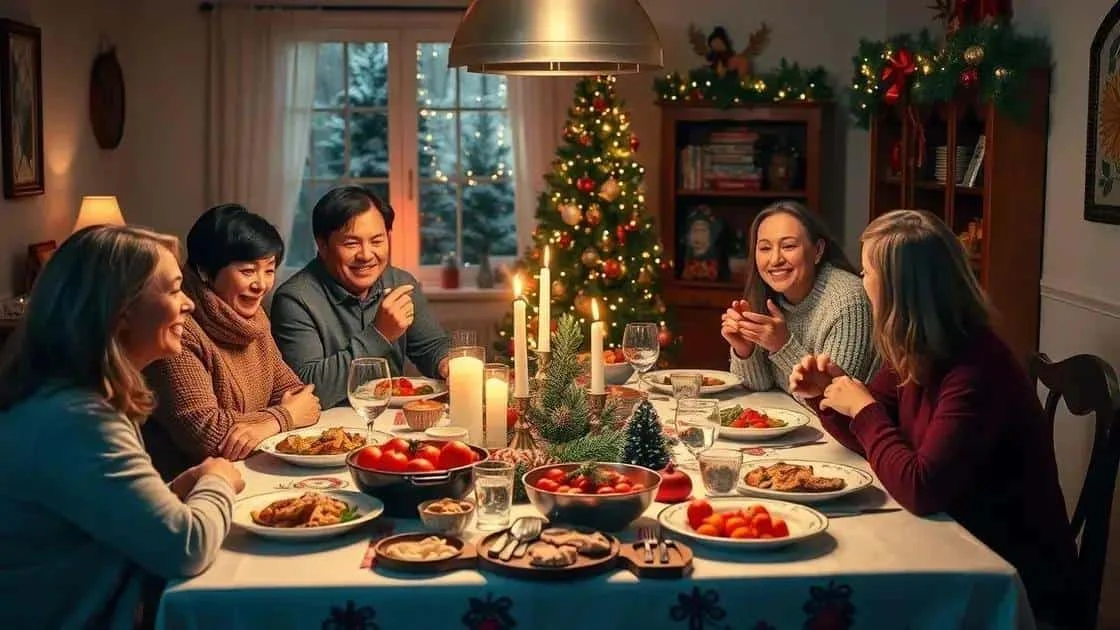
The meaning of Christmas recipes often lies in the stories attached to them. A dish repeated over several years can connect different generations, while a new version may reflect a changed household or dietary need. Traditions need not remain exactly the same to be meaningful.
Keeping traditions alive
Ingredients and methods vary between places and cooks. Brazilian Christmas meals may include farofa, toasted cassava flour with added ingredients, roast turkey and rabanada, cinnamon-sugar French toast. Salt cod and pavê, a layered chilled dessert also appear in some Brazilian households. None of these dishes is compulsory or exclusive to one region.
Memories made in the kitchen
Preparing food together can offer time to talk and share practical knowledge. Let children take age-appropriate tasks away from hot oil, raw meat and sharp tools. A short, relaxed activity may work better than asking everyone to help with a complicated meal.
Food as a gesture of care
A homemade dish can be a thoughtful gift when it suits the recipient. Ask about dietary needs, provide an ingredient list and explain any storage requirements. The care involved matters more than preparing an expensive or elaborate dish.
Familiar dishes for a festive table
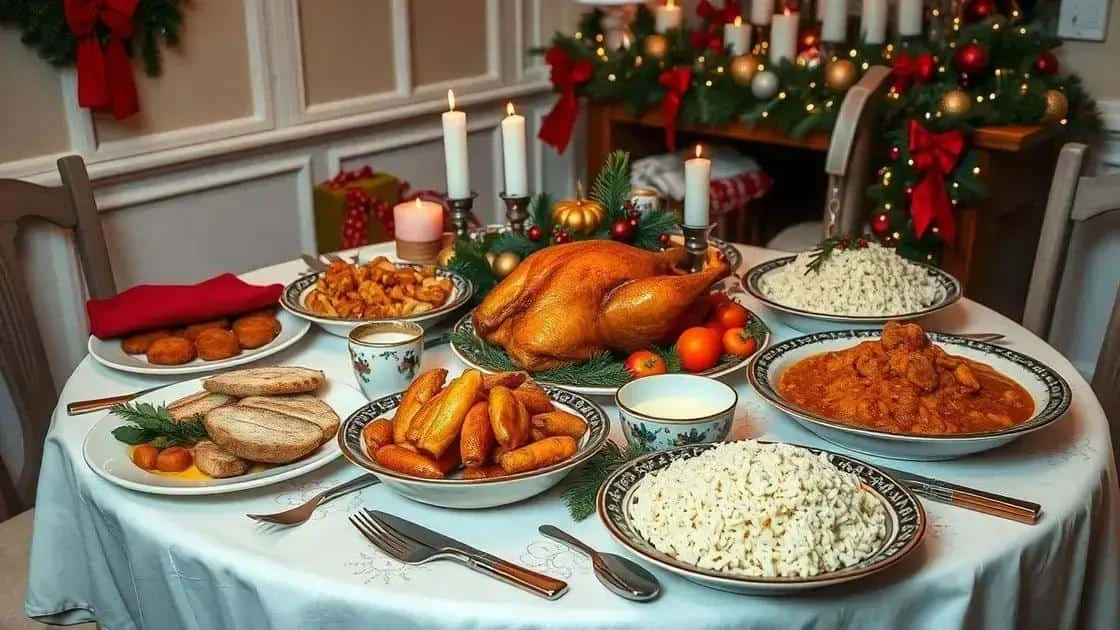
Familiar festive dishes can provide a starting point for a menu. Their appeal may come from flavour, memory or the way they fit with other food. Choose quantities and combinations that suit the people eating rather than attempting every traditional option.
Main dishes and accompaniments
Roast turkey can be served with herbs and a fruit-based sauce, depending on the recipe. Follow reliable cooking instructions and check that poultry is cooked thoroughly. Salt cod offers another approach, including bacalhoada, a baked cod preparation often combined with vegetables. Salt cod needs preparation according to the product and recipe, rather than one assumed soaking time.
Side dishes and desserts
Farofa is commonly made with toasted cassava flour and can include ingredients such as onions, dried fruit or nuts. Check individual versions for allergens. Desserts might include rabanada or pavê, with smaller portions leaving guests free to try more than one option.
The appeal of familiar flavours
A familiar taste may recall earlier gatherings or the cook who introduced it. Those associations are personal, not guaranteed: some people prefer a new menu or have difficult memories of past celebrations. Make room for both continuity and change.
Desserts associated with Christmas

Familiar Christmas desserts often have many household variations. The following descriptions introduce a few examples rather than giving complete cooking methods. Use a reliable measured recipe when making them.
Rabanada
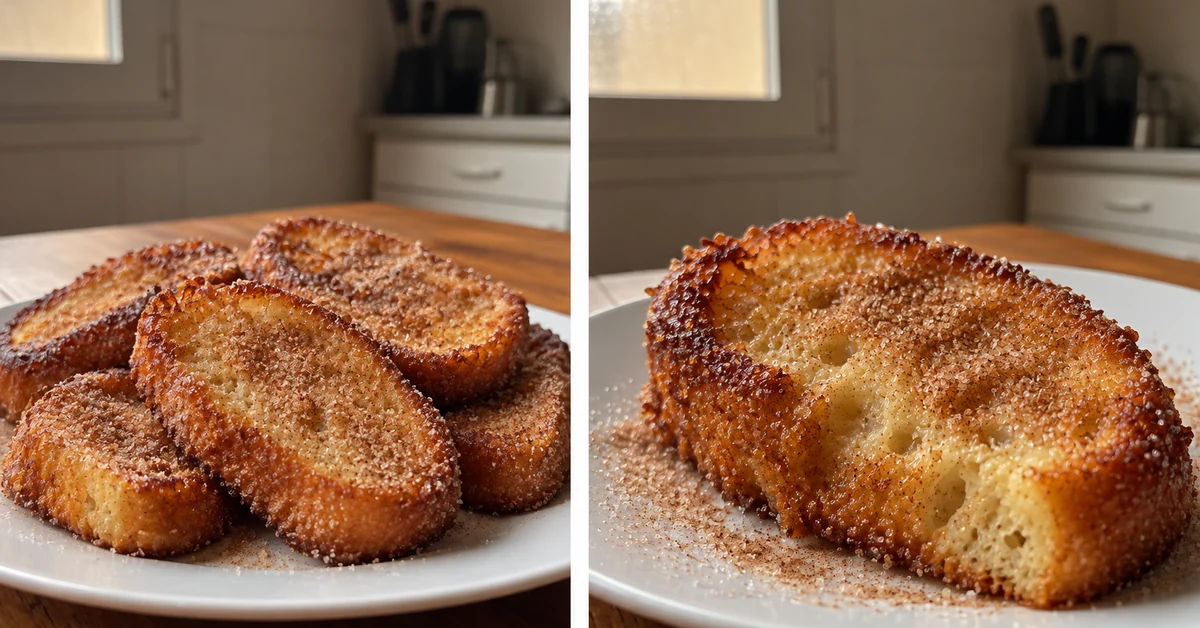
Rabanada is a familiar Christmas sweet in Brazil. Bread is commonly soaked with milk and egg, fried and coated with cinnamon sugar, although methods vary. Use bread that is safe to eat, not mouldy, and supervise cooking in hot oil. Check the recipe for milk, egg and wheat allergens.
Pavê
Pavê is a layered dessert that may combine biscuits, cream and chocolate or other flavours. Recipes differ in their ingredients and preparation. Keep chilled versions refrigerated, follow food-safety instructions and check biscuits, fillings and toppings for allergens.
Fruit, spices and festive breads
A fruit-and-spice dessert can suit a Christmas menu without being a single standard Brazilian dish. Other seasonal choices include panettone and chocotone, a chocolate variation popular in Brazil. Check labels for ingredients and allergens, particularly when sharing bought products.
Adapting a traditional recipe
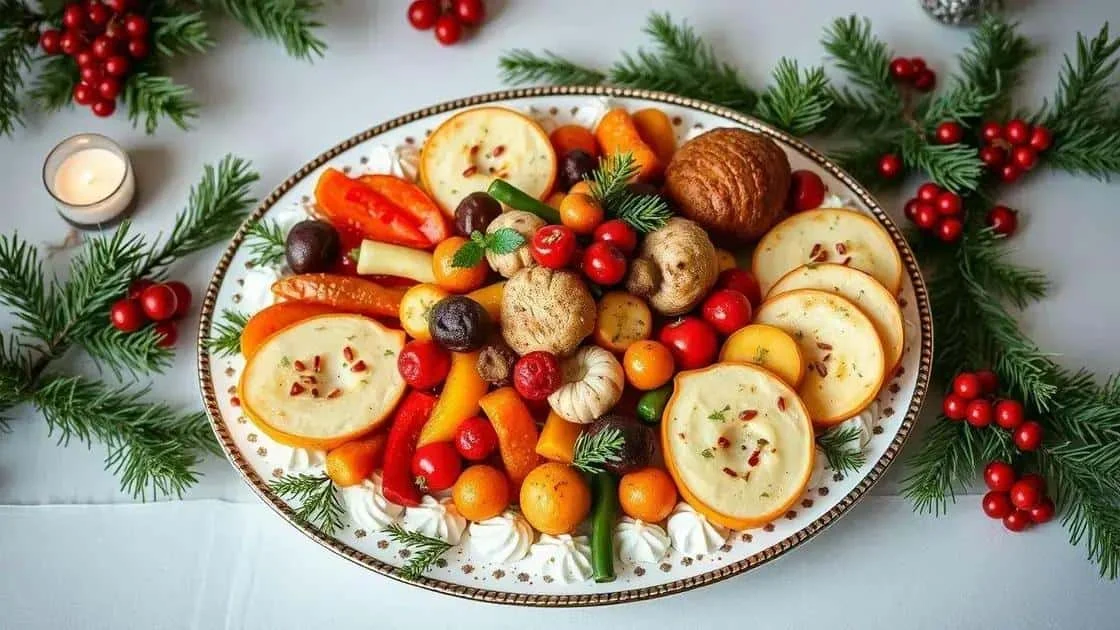
Adapting traditional recipes can make a meal better suited to the people attending. Start with a reliable recipe, identify what needs changing and test significant substitutions in advance. A new version does not have to reproduce the original exactly.
Choose substitutions for the whole recipe
Replacing dairy cream with coconut milk may work in some dishes, but changes flavour, texture and cooking behaviour. It does not make the whole dish vegan if other animal ingredients remain. Quinoa and brown rice also need their own liquid ratios and cooking times; they are not automatic one-for-one replacements.
Adjust seasoning gradually
If the recipe allows, try a little curry spice, pink peppercorn or fresh herbs. Check ingredients and dietary requirements first, and taste a safely cooked portion before adding more. A small change may be enough to create a variation you enjoy.
Change the presentation
Arrange food with contrasting colours and textures while keeping serving practical. Do not leave perishable dishes unrefrigerated for a long photo session. Clear labels and accessible serving utensils can be more useful than elaborate garnishes.
Regional influences on Brazilian Christmas food
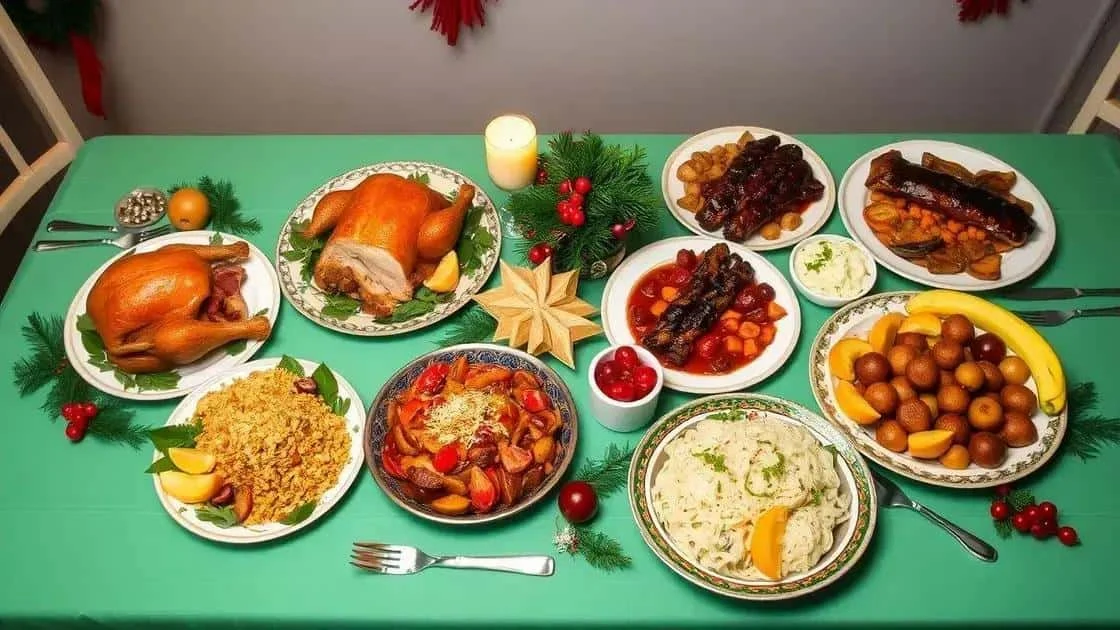
Regional Brazilian food traditions can inspire a Christmas menu, but the dishes below are not a fixed map of what each region serves at Christmas. Families adapt local ingredients and recipes in many different ways.
North-eastern Brazilian influences
A menu might combine turkey and farofa with ingredients familiar to a particular household. Some farofa versions use carne de sol, a salted beef preparation. Rubacão, a rice-and-bean dish, is another regional food that could inspire a meal; it should not be described as a universal north-eastern Christmas tradition.
South-eastern Brazilian influences
Portuguese-influenced dishes such as bacalhau à Brás, shredded salt cod with potatoes and eggs, may appear on some tables. Panettone and pavê are also familiar festive choices in Brazil, extending well beyond a single region.
Southern Brazilian influences
Some households enjoy churrasco, Brazilian-style barbecue, at festive gatherings. Apple desserts may offer another option. These are menu ideas rather than requirements for a southern Brazilian Christmas; preferences and family backgrounds differ.
Central-western Brazilian influences
Regional preparations such as peixe na telha, fish cooked in a suitable tile-shaped dish, and arroz pantaneiro can inspire a menu. Only use cooking equipment made and approved for food use. Goiabada, a firm guava paste, served with cheese offers a simple sweet-and-savoury finish. These examples do not represent every household or a single Indigenous tradition.

These ideas for personalising a festive menu focus on practical choices: food your guests can enjoy, manageable preparation and a few details that make the meal feel your own.
Choose a simple theme
A colour palette or rustic table setting can connect the presentation without dictating the food. Keep decorations away from serving areas and flames. There is no need to buy new crockery to create a consistent look.
Use suitable garnishes
A little fresh herb can add colour. If using edible flowers, obtain flowers sold for food use and check suitability rather than using florist blooms or unidentified garden plants. Keep non-food decorations off the food itself.
Label dishes clearly
A label can give the dish’s name and main ingredients, with an optional Christmas message. Keep the complete ingredient list available for guests with allergies, and do not label something allergen-free unless ingredients and cross-contact have both been properly addressed.
Try one new idea at a time
Add a new side dish or dessert alongside familiar favourites instead of changing everything at once. Test unfamiliar methods before the gathering and choose recipes that fit your equipment, time and budget.
Food and personal memories
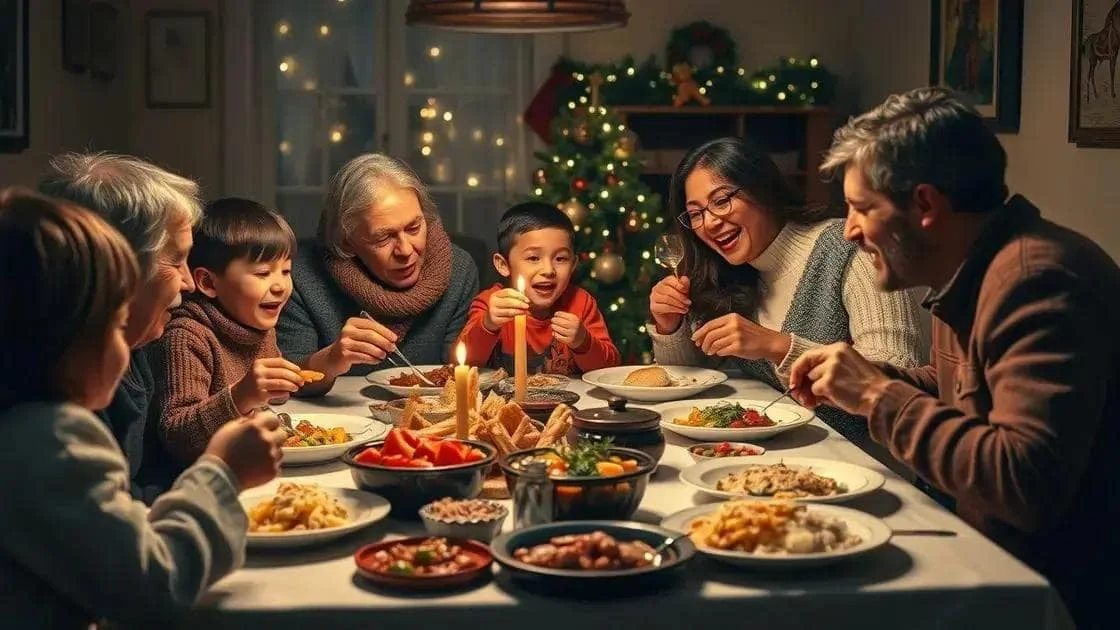
Memories associated with food can make a festive meal distinctive. An aroma or texture may recall a childhood gathering, but each person’s experience is different. Invite stories without expecting everyone to feel the same nostalgia.
Recording a family recipe
A roast turkey method or a relative’s rabanada can be recorded with quantities, timings and useful details. Add the cook’s name and the story they want to share. Check food-safety practices rather than assuming every inherited method remains suitable.
Sharing a meal
A meal can make space for conversation as well as eating. Ask guests what they can comfortably eat and make participation flexible. Someone may prefer to contribute a story, help set the table or simply enjoy the company.
Making new memories
A new recipe can become part of the tradition if people enjoy it. Keep notes on what worked and what you would change. Small gatherings and straightforward food can be just as memorable as a large celebration.
A Christmas table shaped by flavour and memory
Christmas food can carry stories between generations while leaving room for new tastes. A manageable selection of dishes makes it easier to enjoy both the preparation and the meal.
Adapt recipes thoughtfully, check dietary needs and use reliable cooking guidance. Cool leftovers and refrigerate or freeze them within one to two hours; eat refrigerated leftovers within 48 hours or freeze them sooner, following any stricter product instructions.
Choose the dishes and traditions that suit your household. The aim is a welcoming meal, not a perfect reproduction of every Christmas that came before it.
Frequently asked questions about Christmas food and family memories
Why can Christmas recipes matter to families?
Repeated dishes can recall particular people and gatherings. Recording the recipe and its story can preserve that connection, while leaving room for different memories and preferences.
How can I adapt a traditional Christmas recipe?
Start with a reliable measured recipe and test important changes beforehand. Substitutions can affect texture, cooking times and allergens; changing one ingredient does not automatically make the whole dish vegan or suitable for an allergy.
Which foods are familiar at Brazilian Christmas meals?
Examples include roast turkey, salt cod, farofa, rabanada and pavê. Menus differ between households, regions, dietary needs and budgets.
Does presentation matter?
A clear, practical arrangement can make serving easier and the table inviting. Keep perishable food at safe temperatures and use only suitable edible garnishes.
Why share recipes between generations?
It can preserve methods and stories that might otherwise be lost. Record quantities and context, ask permission to share personal accounts and review food-safety practices.
How can I make the meal more personal?
Choose a few meaningful dishes, invite optional contributions and add clear labels or a family story. Work within your budget and make dietary needs part of the planning.