
Inviting children into suitable Christmas traditions can offer opportunities for shared memories and learning. Choose optional, age-appropriate activities such as crafts, stories or simple food preparation, respecting different beliefs, abilities and family circumstances.
Meaningful family Christmas traditions can combine familiar memories with new ideas. You do not need to recreate every past celebration: choose what feels welcome now and let traditions change as your household changes.
Revisit familiar family traditions

At Christmas, a familiar activity may prompt shared memories. You could talk about earlier festive meals or favourite dishes, while allowing people to avoid memories they find difficult.
Memories connected with food
A favourite dessert may recall someone important or a particular gathering. Make it if you want to and it suits your dietary needs, using reliable preparation and storage instructions. A simpler version can be just as meaningful.
Familiar activities
For Christian families who choose it, arranging a nativity scene can be a way to discuss the religious story. Use suitable figures around children and explain that households mark Christmas in different ways, including secular traditions.
Share stories by invitation
Invite memories from past Christmases without expecting everyone to speak. Listening, writing something down or sharing a photograph with permission can be equally comfortable ways to contribute.
Make room for new traditions
You might exchange handmade cards or try a shared craft activity, such as simple tree ornaments. Start with one manageable idea rather than a long list of obligations.
Enjoy the present occasion
A tradition can support a sense of Christmas connection without guaranteeing happiness or closeness. Pay attention to the people taking part and leave space for rest or changes of plan.
Affordable decorating ideas
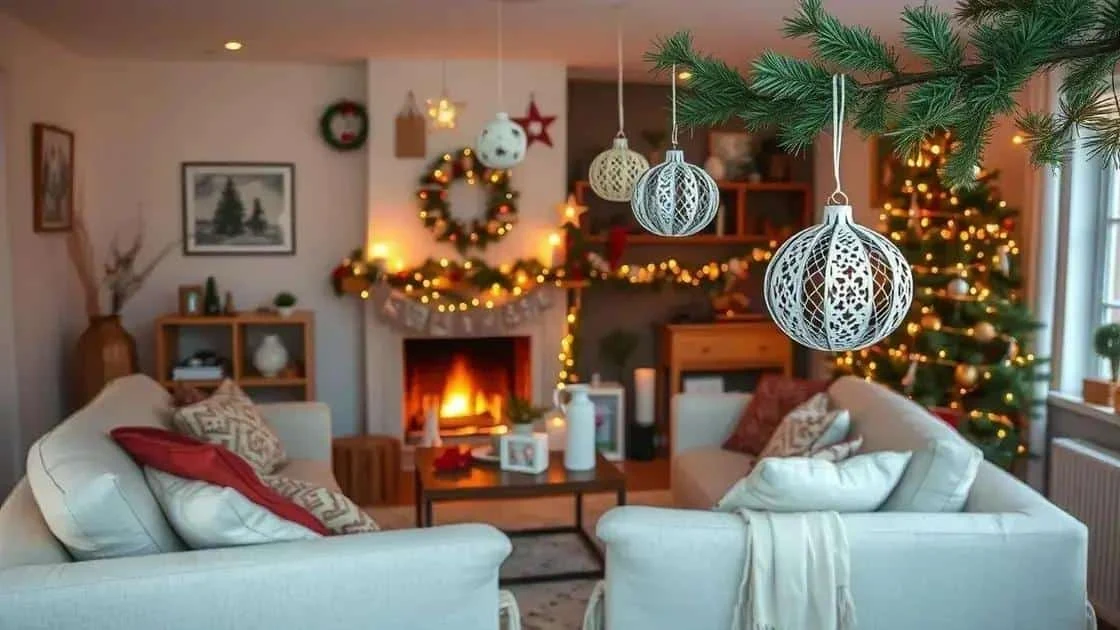
Decorating for Christmas need not involve a large budget. These affordable decorating ideas begin with what you own and can be adapted to the space available.
Reuse suitable materials
Clean, undamaged containers can hold a simple decorative arrangement, and spare paper can become a garland. Do not improvise electrical chandeliers from bottles or use ordinary jars as candle holders: heat and electrical safety require suitable purpose-made equipment.
Make paper ornaments
Fold or cut stars and garlands from suitable paper with age-appropriate tools and supervision. Keep paper and hanging cords away from flames, heaters and young children’s reach.
Add suitable natural accents
Pine cones or permitted fallen greenery may suit a rustic display. Check for sharp edges and plants unsafe for children or pets, and keep dry materials away from heat. Natural does not automatically mean safe or lower-impact.
Rearrange existing objects
A vase can hold a few suitable branches, or an unused frame can display a handmade picture. Reuse objects for appropriate purposes rather than turning an unsuitable container into a holder for a real flame.
Keep lighting simple
Reuse Christmas lights only if undamaged and suitable for their location. Follow instructions, avoid overloaded sockets and trip hazards, and switch decorative lights off before bed or leaving home.
Create a Christmas display board
Arrange drawings and cards on a suitable board or wall space. Ask before displaying photographs, keep attachments secure and avoid blocking exits or covering heaters and electrical equipment.
A modest display can feel festive without a matched collection of new purchases. Choose arrangements that remain comfortable and safe in everyday use.
Comforting Christmas food ideas
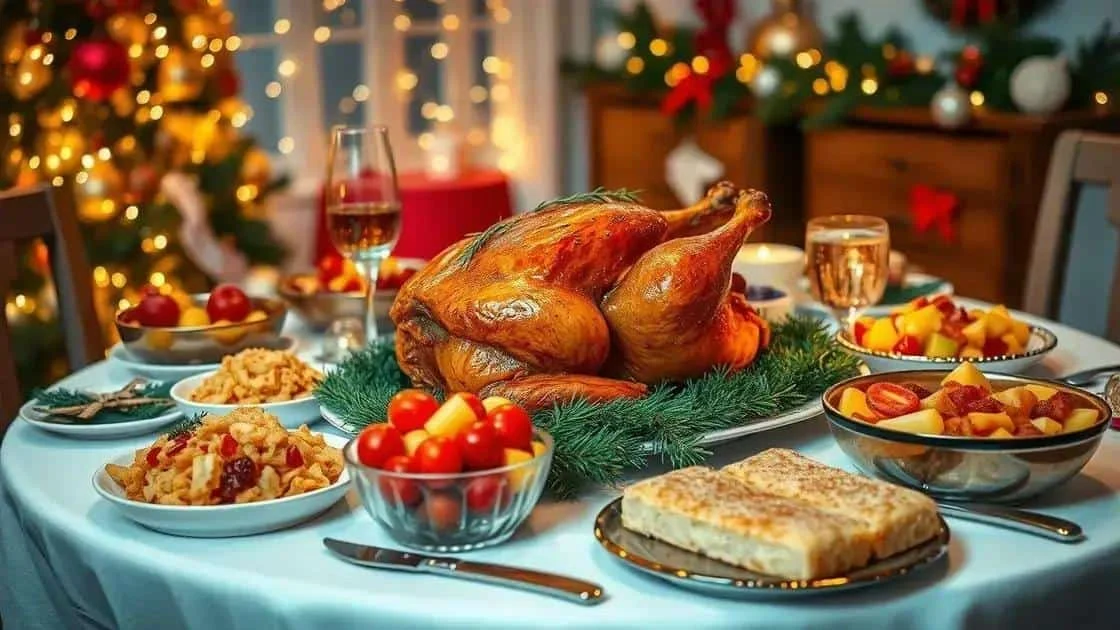
Christmas food ideas can reflect personal memories and different cultural traditions. The following are menu suggestions, not complete measured recipes. Check allergies, preferences and food safety before preparing them.
1. Roast turkey with herbs
Roast turkey can be flavoured with rosemary, thyme or suitable citrus seasoning. Follow reliable cooking guidance for the bird’s weight, defrost fully where required and do not wash raw poultry. Check that it is thoroughly cooked; seasoning does not determine safety or guarantee juiciness.
2. Brazilian Christmas farofa
Christmas farofa is a Brazilian toasted cassava-flour accompaniment, sometimes made with onion, raisins, nuts or cooked bacon. Adapt it for dietary needs, check allergens and avoid whole nuts for young children. Use a reliable recipe rather than treating this description as full instructions.
3. Fruit salad with cream
A fruit salad can offer a refreshing option. Wash and prepare fruit hygienically, cut grapes appropriately for young children and keep perishable cream chilled. Serve suitable alternatives for guests who need them.
4. Walnut and spice cake
A walnut cake with cinnamon or cloves may suit your menu. Use a reliable recipe, check nut and other allergens, and follow storage instructions for any icing or sauce. A favourite alternative is fine if nuts are unsuitable.
5. Rabanada
Rabanada is a festive eggy-bread sweet familiar in Portugal and Brazil. It commonly uses bread, milk, egg, sugar and cinnamon. Follow a reliable recipe, cook the egg mixture thoroughly and take care with hot oil. It is one tradition among many, rather than a universal Christmas dish.
Choose the dishes people will enjoy and you can prepare safely. You do not have to make every suggestion to create a worthwhile shared meal.
Simple Christmas crafts
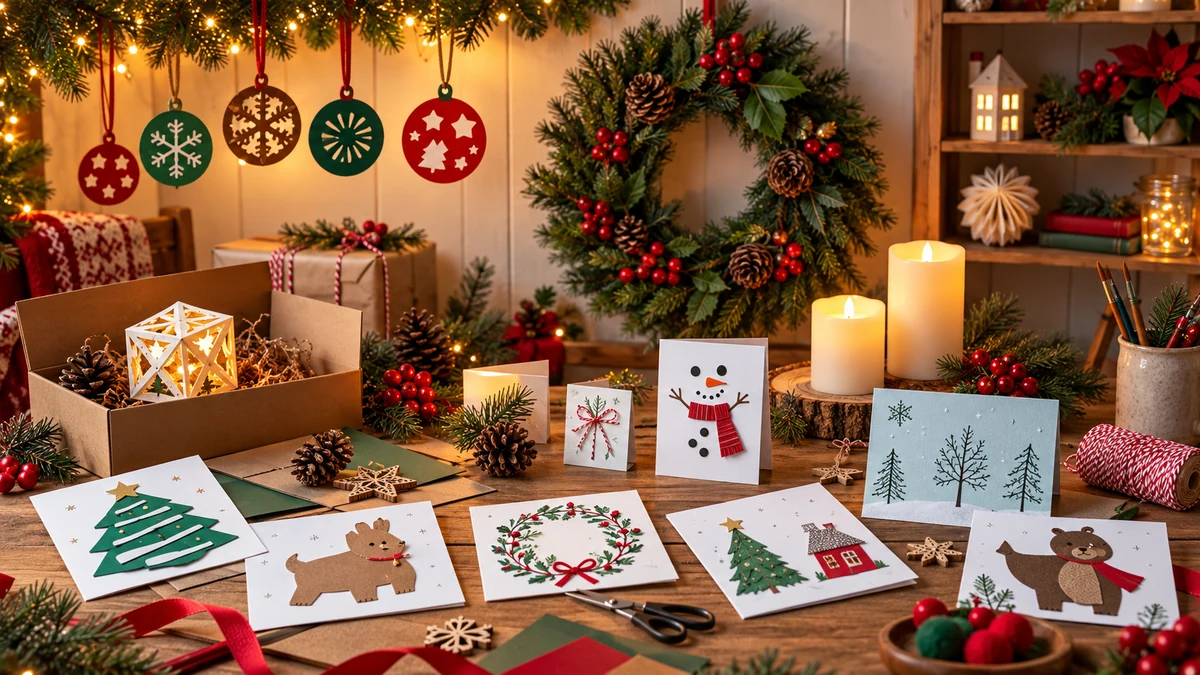
Simple Christmas crafts can offer an optional shared activity using suitable supplies. Adapt the project to people’s abilities, available time and budget.
1. Paper ornaments
Cut or fold stars, hearts or Christmas trees with appropriate supervision. Use short secure loops if hanging them and keep the finished pieces away from heat or flames.
2. A wreath using suitable reused materials
A lightweight wreath can use clean card or fabric on a secure base. Avoid loose buttons or small pieces where children can reach them, and keep the display clear of doors, heat and trip hazards.
3. A battery-operated candle display
Use purpose-made battery-operated candles for a glow without an open flame. Do not attach ribbon, string, dried leaves or powdered spices to a real candle. Keep battery compartments secure and button batteries away from children and pets.
4. Personal cards
Make Christmas cards with drawings or suitable collage materials. Use photographs only with permission, and add a message the recipient will appreciate rather than worrying about a professional finish.
5. A paper reindeer
Draw and cut a paper reindeer using age-appropriate tools. A simple flat shape can work well; avoid small detachable eyes or decorations for young children, and supervise scissors and glue.
Christmas crafts can be modest and enjoyable without producing a perfect object. Let people choose whether to make, help arrange or simply watch.
Thoughtful homemade gift ideas
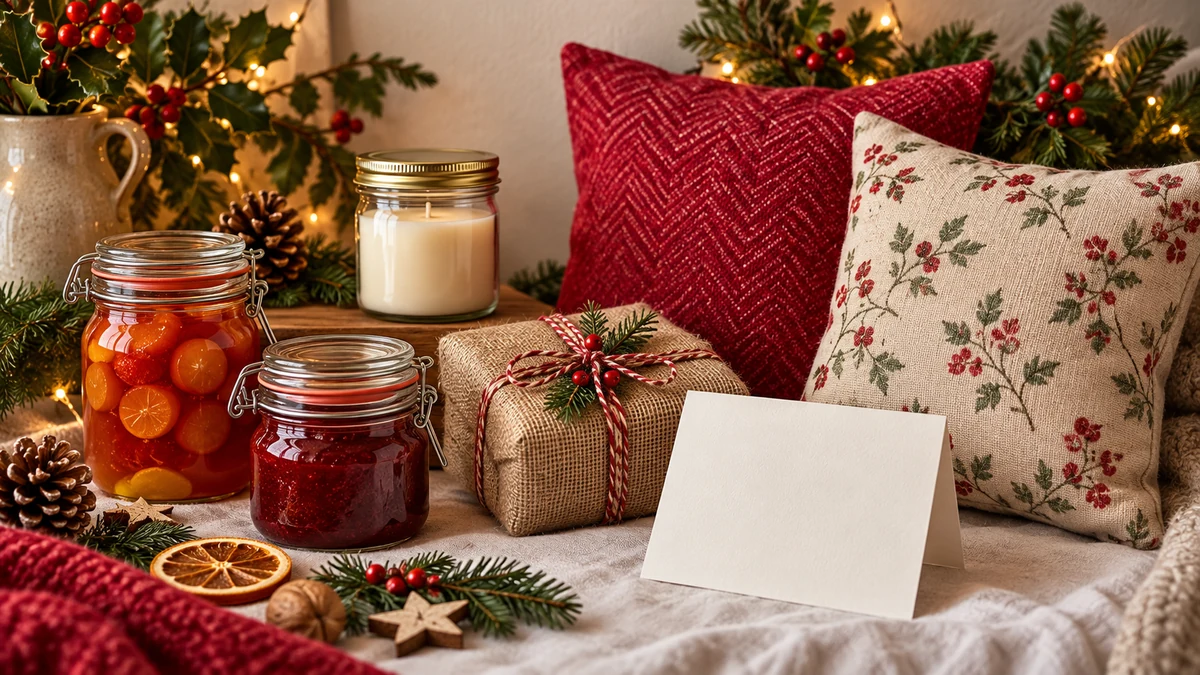
Personal homemade gifts may suit someone who enjoys them. Consider the recipient’s preferences and compare material costs before starting; handmade is not always cheaper.
1. A suitable homemade food gift
For homemade treats, use a reliable recipe, hygienic preparation and food-safe packaging. Include ingredients, allergens and storage instructions. Jam or preserves require appropriate tested methods; a decorated jar alone does not make food shelf-stable.
2. A safely chosen candle gift
A candle gift should use a suitable tested product or a reliable candle-making method with correct materials and containers. Avoid improvised jars, unsuitable fragrances or flammable embellishments. An unlit bought candle with a separate personal card may be the simpler choice.
3. A personal cushion cover
Sew a cushion cover from suitable fabric in colours the recipient likes. Check care requirements, secure embellishments and put needles away safely. A decorative cushion is not suitable for an infant’s sleep space.
4. An age-appropriate craft collection
A small craft collection can contain suitable paper, washable supplies or a project chosen with a parent or carer. Follow age warnings and avoid loose small parts, magnets or accessible button batteries. Homemade supplies are not automatically safe toys.
5. A personal letter or poem
Write a letter or poem about a shared memory or something you appreciate. A short sincere message can be enough, and private feelings do not need to be posted online.
A gift’s meaning depends on the person and relationship, not its size or expense. It is also fine to agree a no-gift celebration or share time instead.
Moments of connection and appreciation
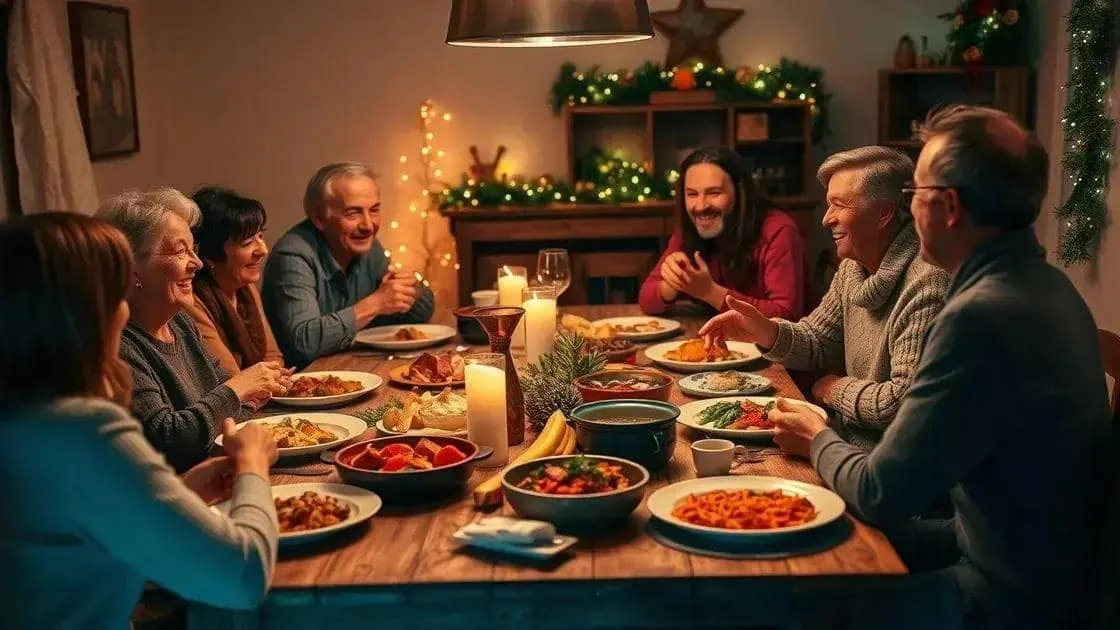
Connection and appreciation can be part of Christmas, but the season is not easy for everyone. Offer activities without expecting a particular emotion or response.
A comfortable gathering
Arrange time together that suits the people involved, whether in person or remotely. Let conversation happen naturally and do not require anyone to share a personal memory or expression of gratitude.
An optional shared activity
Activities together might include arranging ornaments or decorating biscuits with suitable supervision. Keep them accessible and allow someone to join briefly or sit them out.
Exchange messages of appreciation
A thank-you note can mention a kindness or shared moment. Make the exchange optional rather than turning it into a test of who writes the longest message.
Help a local organisation appropriately
Before arranging volunteering or donations, ask an organisation what it needs and check permissions, age requirements and safeguarding. Protect people’s dignity and do not assume a shelter can accept unplanned visits or goods.
Invite reflection without pressure
An optional moment of reflection can include something people appreciated during the year. A private note or simply listening can be just as valid as speaking around the table.
These activities may offer opportunities for connection, but cannot guarantee lasting happiness or resolve difficult relationships. Let boundaries and people’s wellbeing guide the plans.
Inviting children into traditions
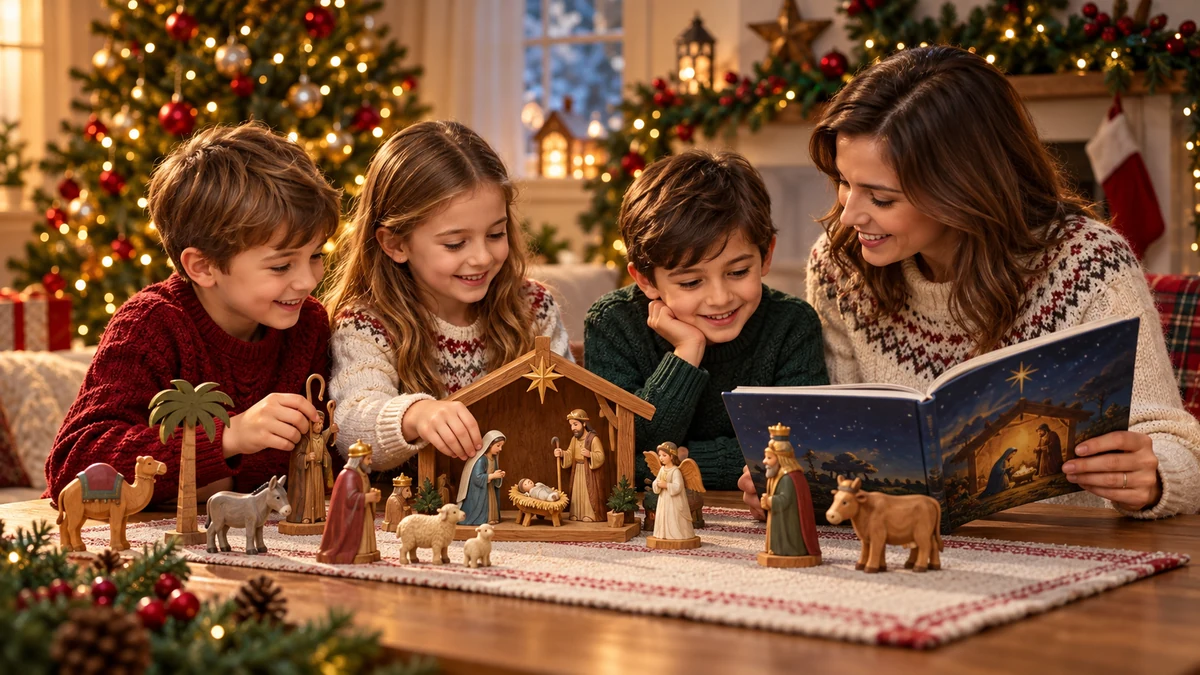
Children can contribute to suitable activities when they want to. Offer choices, explain what is happening and adapt the pace rather than expecting every child to enjoy the same tradition.
1. Arranging a nativity scene
If it fits your beliefs, arranging a nativity scene can introduce the Christian Christmas story. Use age-appropriate figures and explain respectfully that families have different religious and secular traditions.
2. Crafts and decorating
Make suitable Christmas ornaments with supervised scissors, glue and safe materials. Let children choose colours or shapes, and keep sharp tools, small parts and electrical connections out of reach.
3. Helping with food preparation
For meal preparation, offer simple supervised jobs such as mixing safe ingredients or arranging napkins. Keep raw meat, hot pans and sharp knives with a competent adult, and consider allergies.
4. Story time
Invite storytelling through a familiar book, a clearly identified family memory or an invented tale. Let children share ideas if they wish, distinguishing fiction and belief from historical fact.
5. An optional Christmas performance
A small Christmas performance might involve a song or story for those who enjoy it. Avoid pressuring a child to perform or be filmed, and ask permission before sharing photographs or recordings.
Participation can mean making something, helping briefly or watching. The aim is a comfortable opportunity to join in, not a guaranteed lesson or lifelong memory.
Making Christmas traditions your own
Choose traditions that suit the people celebrating now. Crafts, stories or a nativity scene can each have a place, but no single activity defines the correct way to mark Christmas.
Thoughtful gifts and shared food preparation may offer enjoyable moments when expectations are manageable. Respect dietary needs, different beliefs and anyone who prefers a quieter occasion.
Let traditions change and keep space for rest. A meaningful celebration does not have to repeat the past or follow every idea in this guide.
FAQ: children and Christmas traditions
Why invite children to take part in Christmas traditions?
Suitable shared activities can offer opportunities for connection, learning and memories. Keep participation optional and respect each child’s interests, needs and family context.
Which Christmas activities could we try?
Ideas include safe crafts, stories, simple supervised food preparation or a nativity scene if appropriate to your beliefs. Choose what suits the children rather than planning every activity.
How can Christmas activities introduce values?
They can provide chances to discuss kindness, cooperation or appreciation through age-appropriate examples. Avoid demanding gratitude or suggesting that participating proves a child’s character.
Should activities be in a group or one-to-one?
Either can work. Some children enjoy a group while others prefer quieter time with one person. Adapt to their comfort and allow breaks or alternatives.
How can I adapt activities for different ages?
Use simple safe materials and close supervision for younger children. Older children may choose more detailed projects, but still need appropriate safety guidance and a manageable task.
How can I help children enjoy the activities?
Offer choices, keep expectations flexible and listen when a child wants a break or a different activity. Enjoyment cannot be guaranteed, and opting out should be acceptable.