
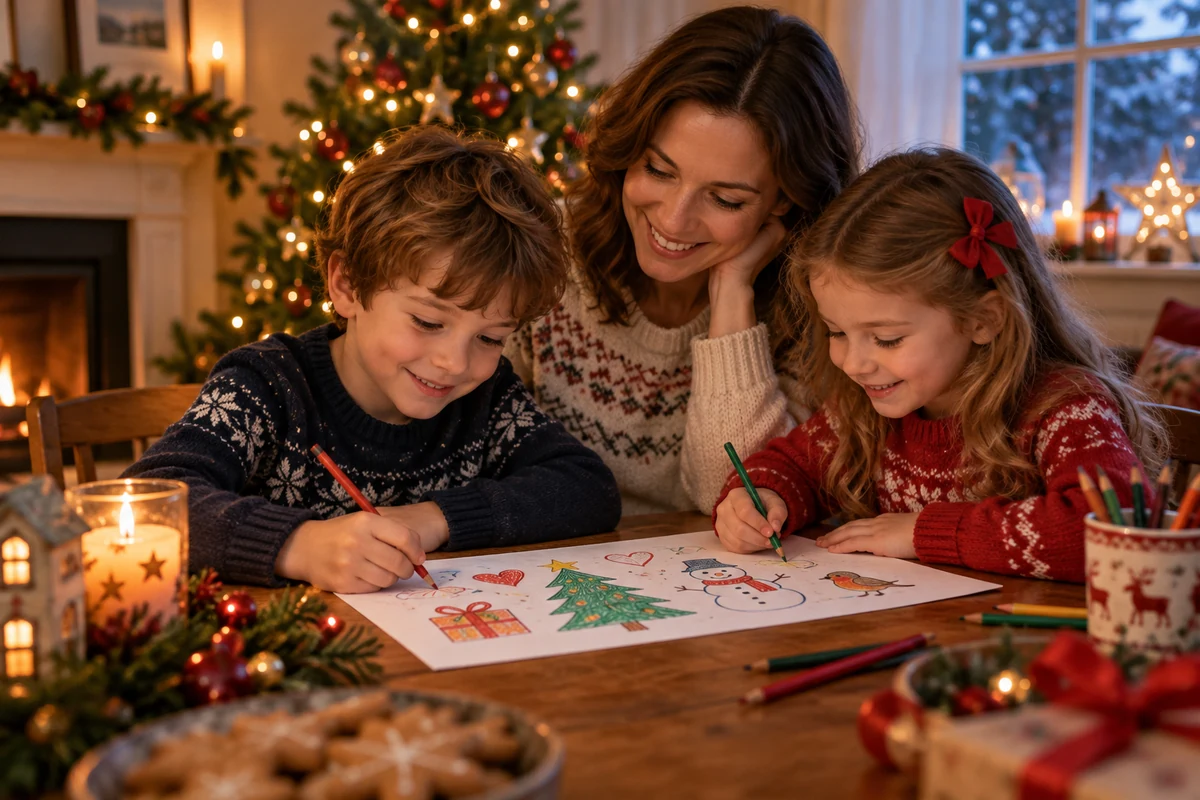
Writing a letter to Father Christmas can be a playful family tradition. Children can draw, dictate or write their ideas, with an adult helping as needed and keeping the activity enjoyable rather than treating it as a test.
Have you thought about making a letter to Father Christmas part of your family’s December plans? A few pencils and a quiet moment together can turn it into an opportunity for conversation, creativity and festive fun.
Why write a letter to Father Christmas?
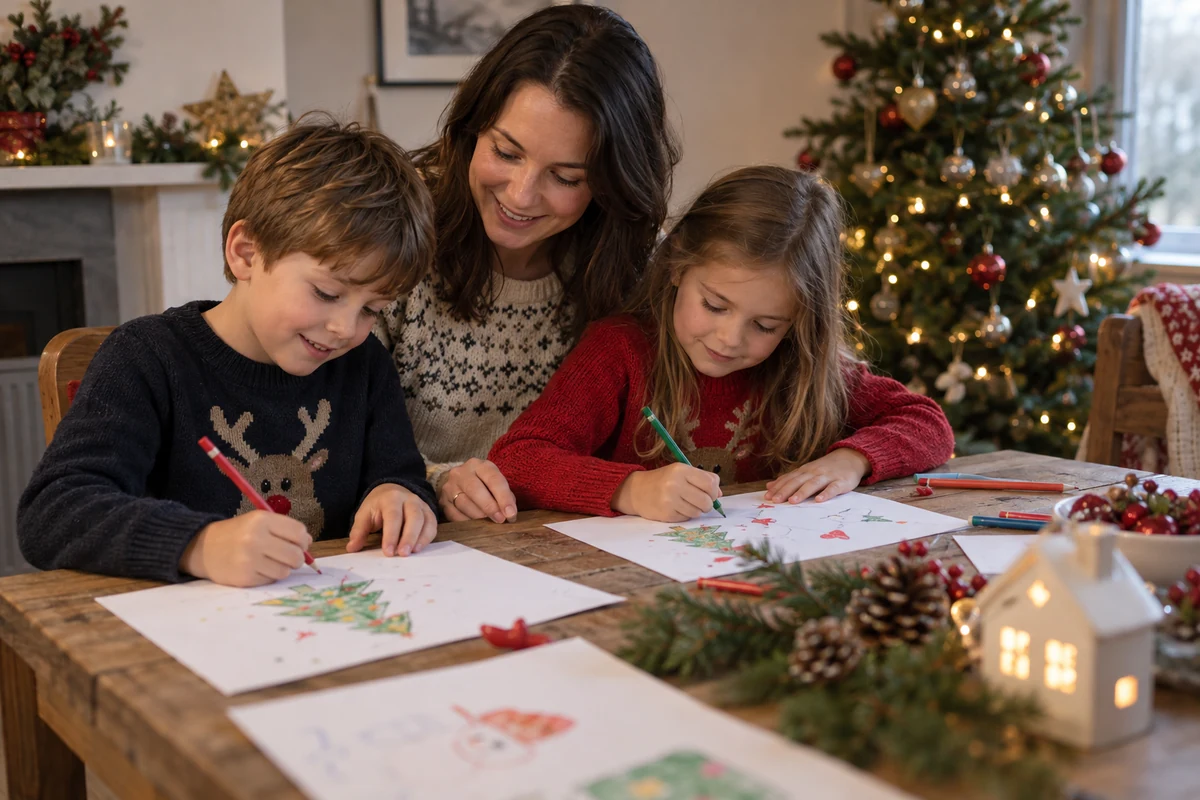
Writing letters to Father Christmas is a tradition enjoyed by many families. It gives children a way to share wishes and ideas, though families can adapt the activity to suit their own beliefs and approach to Christmas.
A chance to be creative
Children can describe a gift, draw a picture or invent a short story. The activity offers practice in expressing ideas, without needing perfect handwriting or spelling. A child who does not yet write can tell an adult what to put on the page.
Time together as a family
Helping with a letter creates time to talk about Christmas, gratitude and the things a child enjoys. Listen to their ideas without turning every wish into a lesson or a promise that the gift will arrive.
A sense of anticipation
Letters to Father Christmas can add to the excitement of the season for children who enjoy the tradition. Keep expectations gentle: a wish list is not an order, and gifts should never be presented as a measure of a child’s worth.
Encouraging children’s creativity
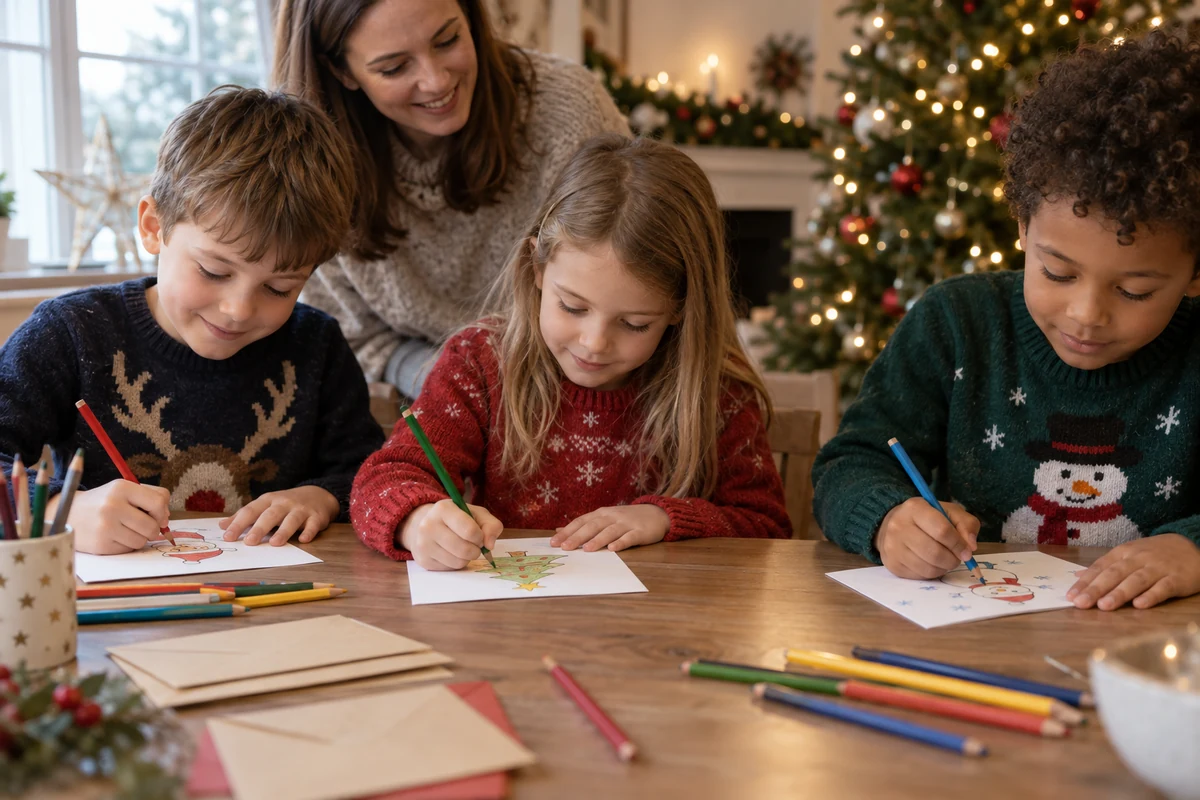
Encouraging children’s creativity can be as simple as offering a choice of materials and letting them lead. A letter to Father Christmas does not need to look like anyone else’s.
Let children make choices
Invite children to choose what to say and how to show it. They might draw a present, decorate a border or use a few suitable stickers. Offer help without taking over the design.
Add a small craft activity
Making a card or a paper envelope can extend the activity if the child is interested. Use clean scrap paper where practical and suitable materials for their age, with an adult supervising scissors and other tools.
Offer gentle prompts
Try an open question such as, ‘What have you enjoyed this year?’ or ‘What would you like to tell Father Christmas?’ There is no need to ask children to solve a moral problem; a simple conversation can give them plenty of ideas.
Read or tell a story
A Christmas picture book or a family story can provide inspiration. Let children respond in their own way rather than expecting them to copy the story or produce a particular kind of letter.
Involving parents and other relatives

Involving parents and relatives can make letter-writing a shared occasion. Keep the group small enough for children to be heard and avoid making the activity feel like a performance.
Create a comfortable festive space
Clear a table and gather paper, pencils and a few decorations. Gentle lighting and a comfortable seat are more useful than elaborate arrangements. Keep loose decorations and electrical leads away from the work area.
Set aside a letter-writing session
Choose a time when children are not too tired or hungry. A snack can be part of the occasion, but keep hot drinks out of reach and away from the paper. Let the session end when children lose interest.
Share family memories
Relatives can talk about Christmas when they were young, including whether they wrote letters themselves. These memories are an invitation to chat, not a rule about how today’s letters must be written.
Help with words when needed
An adult can write down what a child says or help spell a word they ask about. Keep the child’s own voice, and do not turn the letter into a handwriting or spelling exercise.
Add personal details
Offer to help with a drawing, a border or a collage if the child wants it. Each contribution can be small, leaving the child in charge of what the finished letter looks like.
Simple ways to decorate a letter
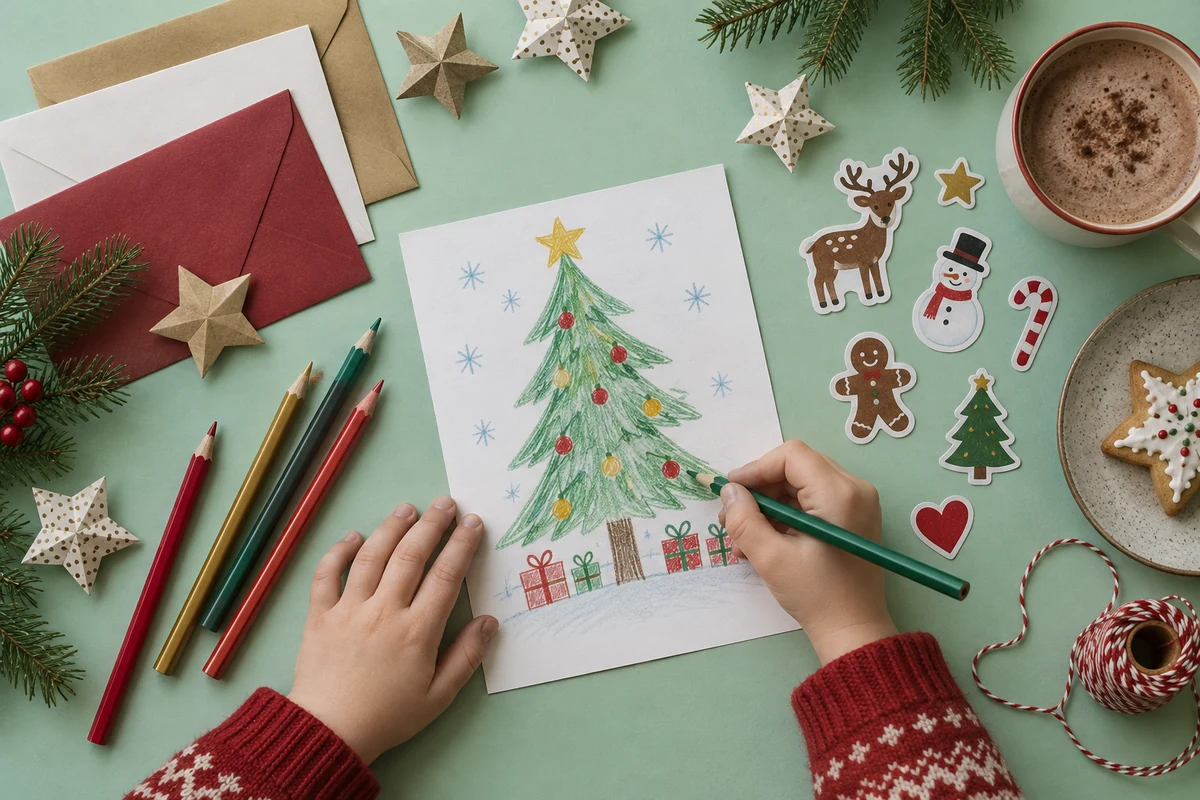
A few decorations can make a letter feel personal. Choose a manageable amount of material and keep posted letters reasonably flat.
Drawings
Children can add drawings of stars, Christmas trees or Father Christmas. A picture may tell the whole story for a child who prefers drawing to writing.
Stickers and colour
Use age-appropriate stickers or coloured pencils for a festive touch. Loose glitter and tiny decorative pieces are unnecessary, especially around younger children.
Paper collage
A collage made from clean paper scraps can create a border or a simple Christmas shape. An adult can cut pieces in advance if the child is not ready to use scissors.
Ribbon-inspired details
Instead of attaching long ribbons or bulky bows, children could draw them or make flat paper versions. These are easier to keep in an envelope and avoid adding loose ties to a young child’s activity.
Picture wish lists
A child can show a few wishes with pictures or symbols rather than a long written list. Include ideas for shared activities as well as objects, and explain that not every wish will become a present.
Keepsakes to make alongside the letter
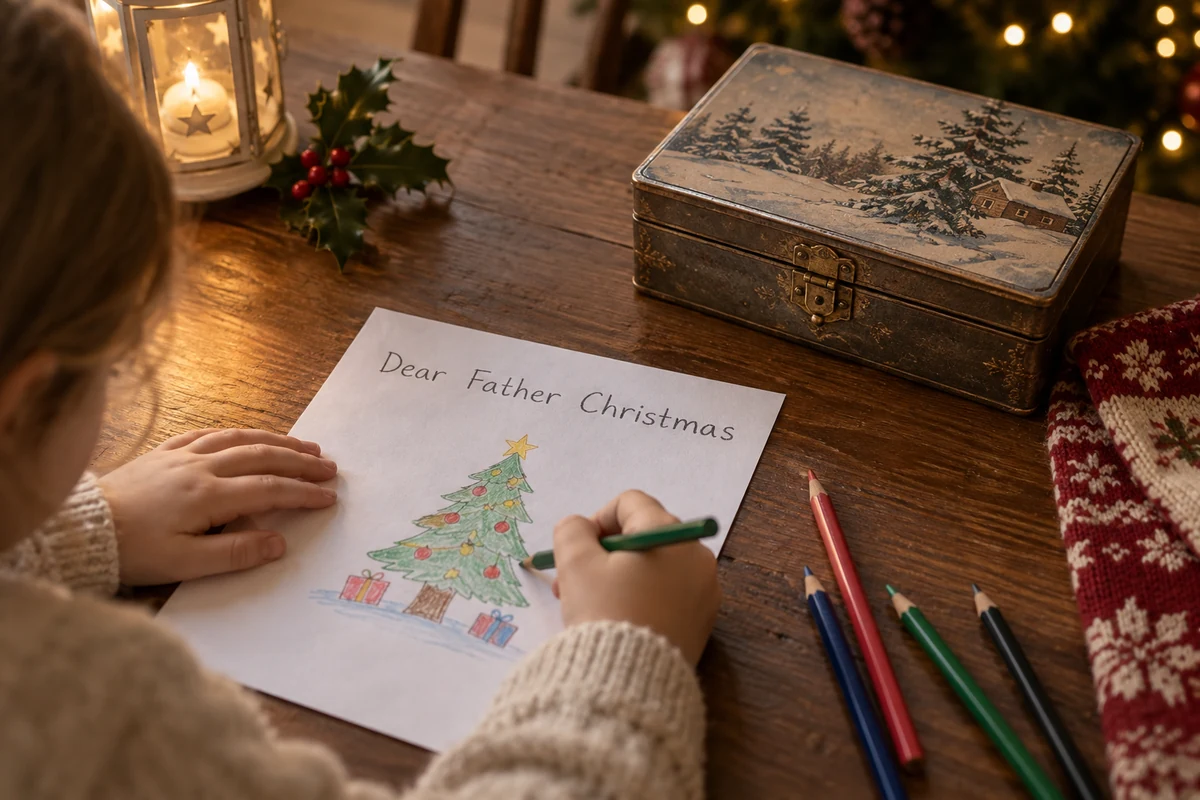
A few keepsakes can help a family remember the activity. They do not all need to go in the posted envelope; a folder at home can hold the more personal items.
Artwork
An extra drawing can be kept with a copy of the letter. Date it so the family can look back at how the child’s ideas and artwork change over time.
Photographs
A photograph of the finished artwork may be enough to preserve the memory. A child’s picture is not necessary for the letter. Ask before sharing family photographs and avoid posting identifying information publicly.
Small mementoes
If a child has a meaningful memento, such as a shell or a pressed flower, keep it in a suitable home keepsake box rather than putting a bulky or fragile object in the post. Small objects should be kept away from young children.
A note of thanks
A short thank-you note can mention a happy memory, a kind gesture or a present the child enjoyed. Gratitude does not need to be limited to material gifts.
Kind moments from the year
Children may enjoy making a list of kind things they did or noticed. Keep it optional and avoid framing the list as proof that they deserve presents; kindness is not a competition.
Traditional letters and digital alternatives
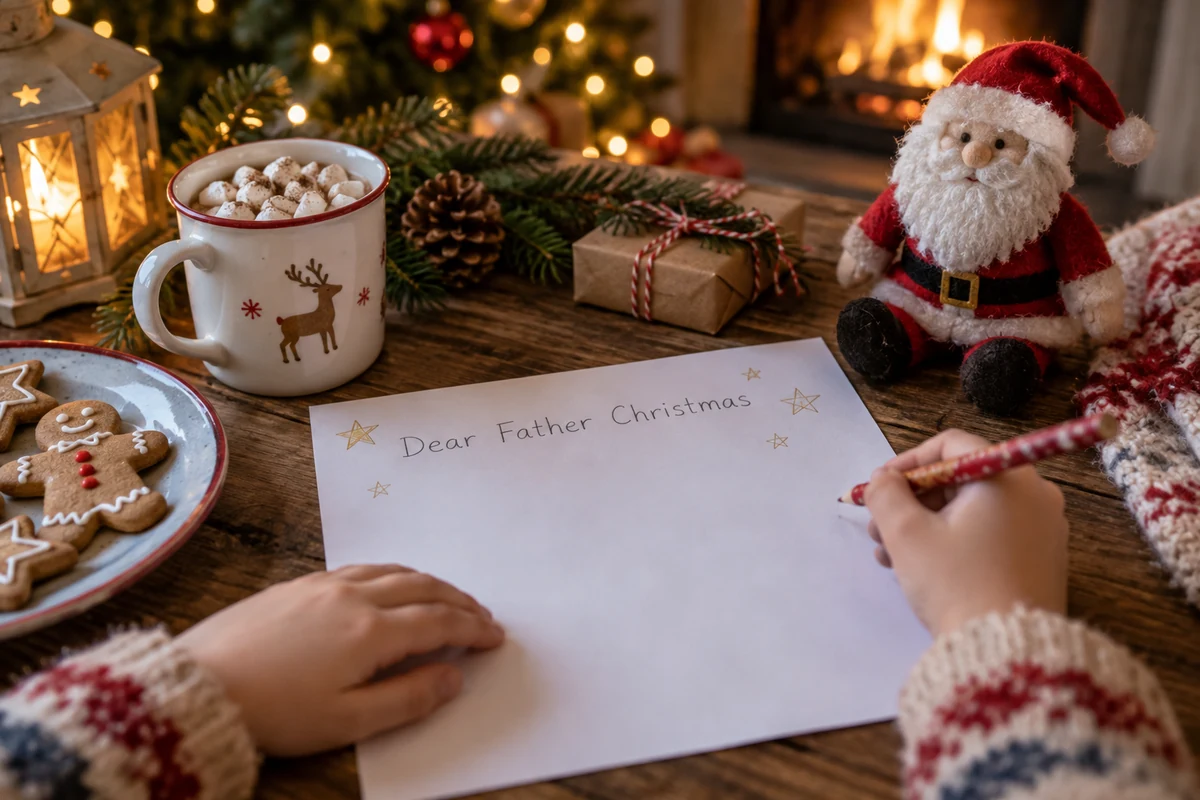
Letters to Father Christmas can combine familiar traditions with digital ideas. The best format is simply one that works for the child and the family.
Keeping familiar traditions
Paper, pencils and a decorated envelope may be part of a family’s Christmas memories. Parents and grandparents can share those memories while leaving room for children to create their own version.
Trying a digital version
A child could use a simple drawing or writing app with an adult’s help. An offline document is enough; there is no need to create an account or submit personal details to an unfamiliar letter-writing website.
Sharing carefully
If you share a picture of a letter online, remove names, addresses, school details and other identifying information first. Ask the child and other people involved before sharing, and remember that keeping the letter private is perfectly fine.
Combining paper and digital work
A printed drawing, a handwritten message or a privately kept family video can all form part of the activity. If you plan to post a letter through an organised service, check its official current address, deadline and instructions rather than relying on an old social-media post.
Enjoying the tradition of writing to Father Christmas
A letter to Father Christmas can be more than a list of presents. Combining family traditions with new ideas gives children space to make something of their own.
Whether they draw, dictate or type, let the activity remain enjoyable. Family involvement can be helpful, but the child does not need to produce a polished letter or take part if they would rather do something else.
Gather a few materials, listen to the child’s ideas and enjoy the time together. The conversation and care behind the activity matter more than the finished page.
Letters to Father Christmas: frequently asked questions
Why do families write letters to Father Christmas?
For families who enjoy the tradition, letters offer a playful way for children to share wishes and ideas. They can also create time for conversation and drawing together.
How can I make letter-writing more enjoyable?
Let the child choose between writing, drawing or dictating. Offer a few simple materials, keep the session relaxed and stop when they have had enough.
What keepsakes could go with the letter?
A drawing or a short note can fit in the envelope. Keep photographs and bulky or fragile mementoes safely at home, and avoid sharing personal information publicly.
How can I combine traditional and digital ideas?
Use paper and pencils alongside a simple digital drawing or printed design. An adult should supervise any online service and check what information it asks for.
What decorations can children add?
Drawn borders, paper collage and suitable stickers are simple choices. Keep decorations age appropriate and reasonably flat if the letter will be posted.