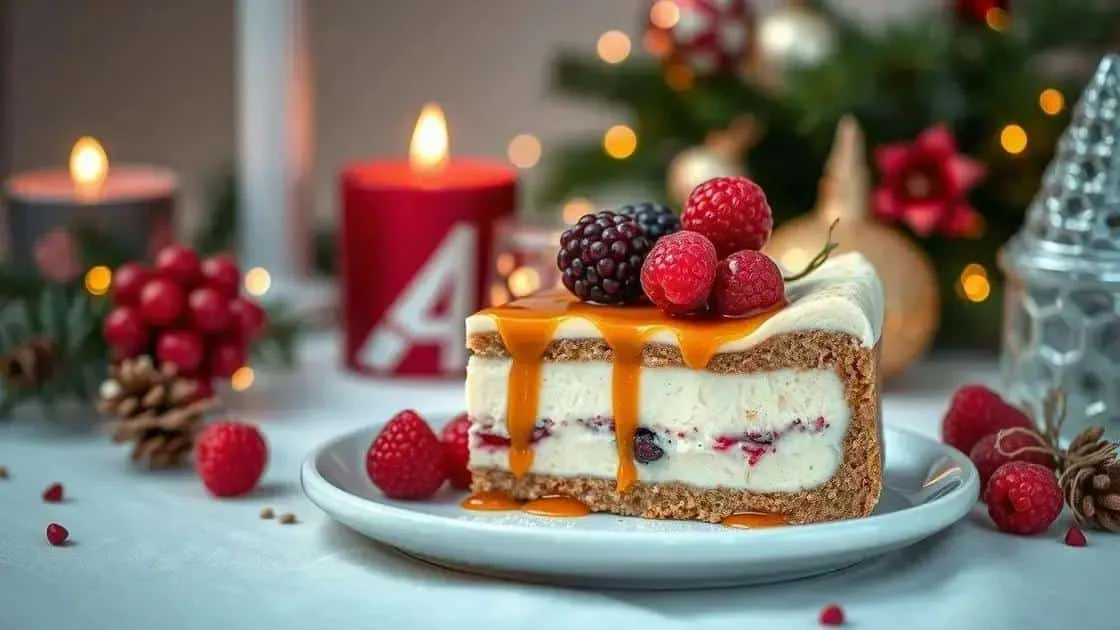
Christmas sweets to consider selling include decorated biscuits, chocolate truffles and panettone, alongside Brazilian-inspired treats. Test demand, calculate full costs and check food-business requirements before taking orders. No product or marketing method guarantees sales or profit.
Choosing Christmas sweets to sell starts with more than a festive recipe. You need a product you can make consistently, store safely and price realistically. The ideas here are starting points, not complete recipes or promises of income, with practical considerations for a UK-based business.
What Should You Consider Before Choosing Christmas Sweets?
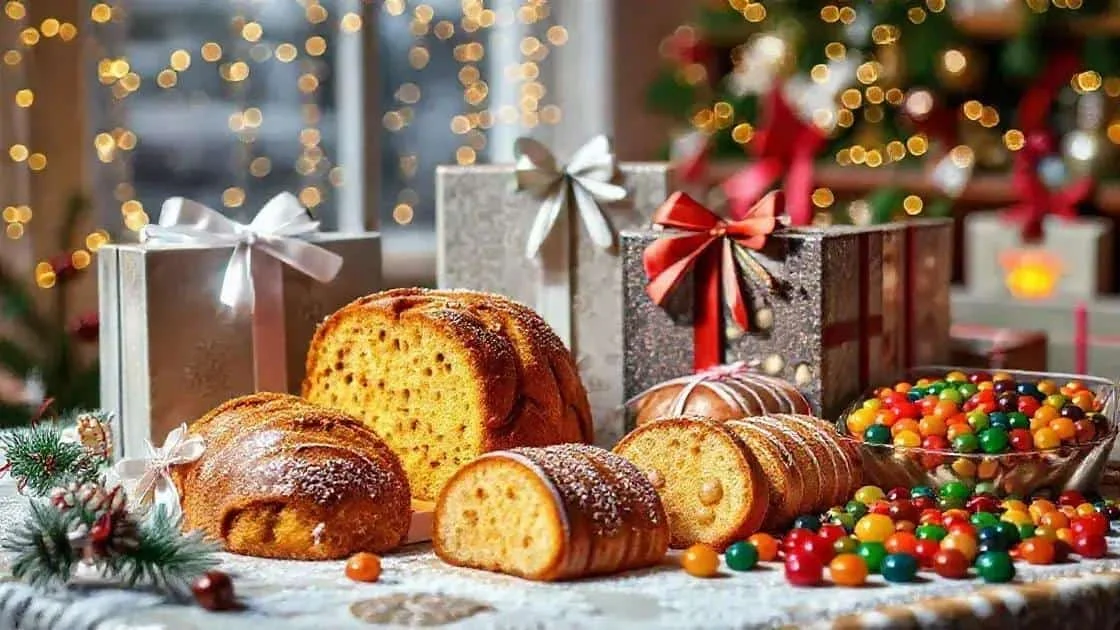
When selecting Christmas sweets to sell, consider who will buy them, how they will be collected or delivered and how long you can safely store them. Begin with a small range rather than assuming every seasonal flavour will sell.
Familiar Flavours and Regional Specialities
Panettone, rabanadas — Brazil’s festive version of French toast — and pé de moleque, a peanut sweet, offer different styles. Explain unfamiliar products clearly and test local interest; their popularity in Brazil does not guarantee demand in a UK market.
Presentation and Packaging
Use packaging suitable for direct food contact where required, such as approved clear food bags or food-safe gift boxes. Attractive presentation should protect the product and leave enough room for the information customers need.
Production Costs and Selling Price
Calculate ingredients, packaging, time and other relevant costs before setting a price. Test whether customers will pay it and whether the work is worthwhile. Check the effect of any discount rather than assuming a larger order will be profitable.
Dietary Options and Accurate Claims
Options described as vegan or gluten-free need suitable ingredients and preparation controls. Vegan does not mean allergen-free, and a gluten-free claim requires more than simply leaving wheat out of a recipe. Obtain appropriate guidance before making such claims.
Showing Customers What You Make
Use accurate photographs of your actual products, with sizes, prices and ordering details. Illustrative or AI-generated images should not be presented as photographs of sweets a customer will receive.
Christmas Sweet Ideas to Test
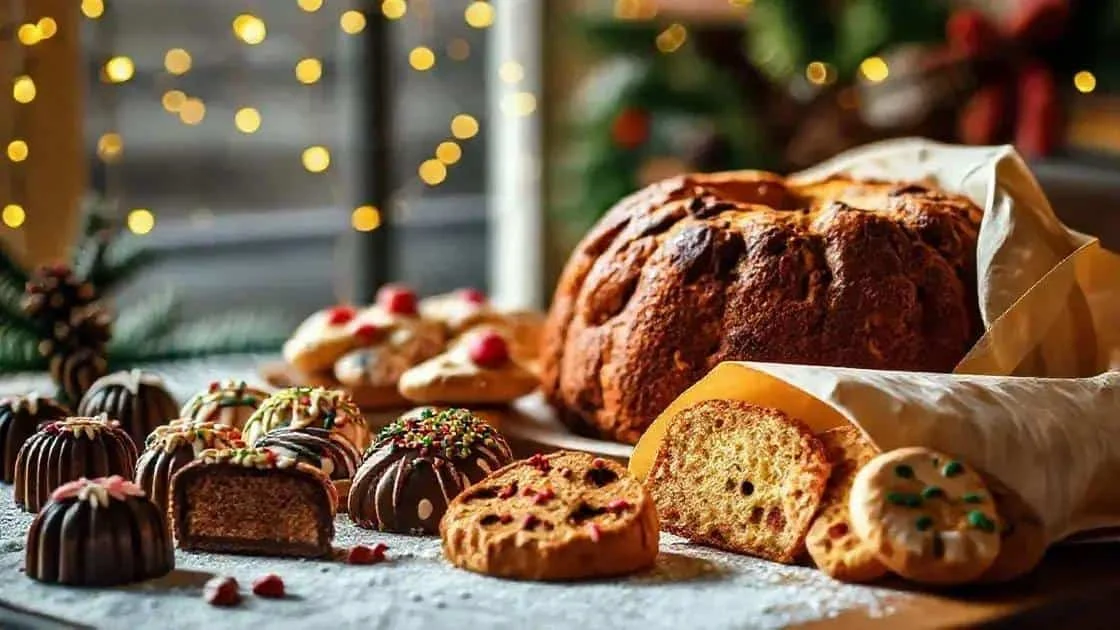
The following Christmas sweet ideas vary considerably in skill, cost and storage needs. Use complete, tested recipes and establish safe handling and shelf-life arrangements before offering any of them for sale.
Chocolate Pavê
Pavê is a Brazilian layered dessert with biscuits and a cream or custard mixture. Individual portions may suit collection orders, but chilled storage and transport are essential considerations. A brief list of milk, chocolate and cream is not a complete or validated recipe.
Chocolate Truffles
Truffles can be made in flavours such as coconut or berries, but changing a filling can affect texture and safe shelf life. Use a tested formula, identify allergens and do not assume a cream-based centre can be stored at room temperature.
Traditional Rabanadas
Rabanadas are bread slices prepared with a milk-and-egg mixture and cooked, often with a sugar-and-cinnamon finish. They are not automatically suitable for long-distance delivery or extended storage. Follow a complete recipe and establish safe preparation, cooling and serving arrangements.
Decorated Biscuits
Decorated biscuits can suit gift orders when the recipe and packaging protect their quality. Use food-grade colours and edible decorations, with a suitable icing recipe. Test breakage, storage and presentation before promising delivery.
Homemade Panettone
Panettone is an enriched, fermented dough that takes practice; flour, sugar, eggs and fruit alone are not a complete formula. Test a reliable recipe, record batch results and allow for proofing, baking and cooling time when estimating capacity.
Packaging and Presenting Your Sweets

Packaging should keep your sweets protected and make the product easy to understand. A festive appearance can help communicate the occasion, but it cannot compensate for inaccurate information or unsuitable storage.
Choose Packaging for the Product
Kraft-style paper, cardboard boxes and clear bags are options only when suitable for their intended food use. Check whether a food-contact liner or grease-resistant barrier is needed, rather than assuming any craft packaging is safe.
Add Simple Festive Details
You could use red ribbon, clear printed labels and paper decorations on the outer box. Keep non-edible materials away from exposed food and avoid loose craft glitter that could contaminate the product.
Provide the Required Information
Labelling obligations depend on how the food is packed and sold. In the UK, food that qualifies as prepacked for direct sale needs its name and a full ingredients list with regulated allergens emphasised. Check the applicable rules, including online sales, and provide appropriate storage and date information; this is not merely an optional marketing detail.
Displaying Products
Use stable displays that protect food from contamination and maintain any required temperature. Keep samples supervised and provide reliable allergen information. An attractive open table is not suitable for every product or venue.
Offering Gift Selections
A mixed box with a seasonal greeting may appeal to some buyers. State the contents and portion sizes clearly, account for allergens across the selection and price the packaging and assembly time as well as the sweets.
Promoting Christmas Sweets
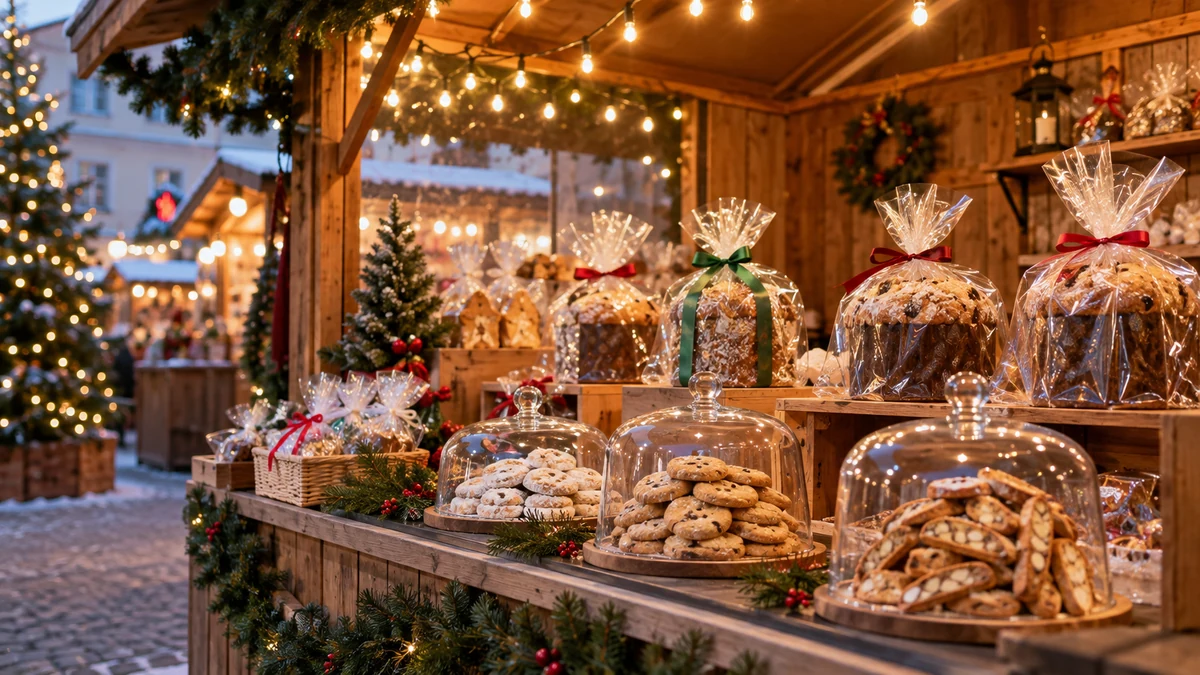
Choose promotional methods that suit your time, budget and production capacity. Clear ordering information and reliable fulfilment are more useful than taking more orders than you can safely complete.
Social Media
You might show your products on Instagram or Facebook, where permitted. Use your own accurate photos, state prices and collection or delivery arrangements, and avoid misleading claims about demand or limited stock.
Promotions and Discounts
A three-item gift selection is one possible offer, but calculate its full cost before reducing the price. Any comparison with a previous price or claim of a saving should be accurate.
Local Partnerships
A café or local shop may be interested in stocking your products. Agree responsibilities, pricing, storage, labelling and payment in advance, and check that the arrangement fits your food-business requirements.
Christmas Markets and Events
Before booking a stall, ask the organiser about fees, insurance, facilities and food-trading requirements. Include unsold stock, travel and your time in the calculation; attendance alone does not ensure sales.
Email Marketing
For promotional emails to individual subscribers, follow the ICO’s rules on consent or the limited circumstances in which a valid soft opt-in applies. Provide a clear way to unsubscribe and do not add people to a mailing list simply because you have their address.
Working Out a Sustainable Price
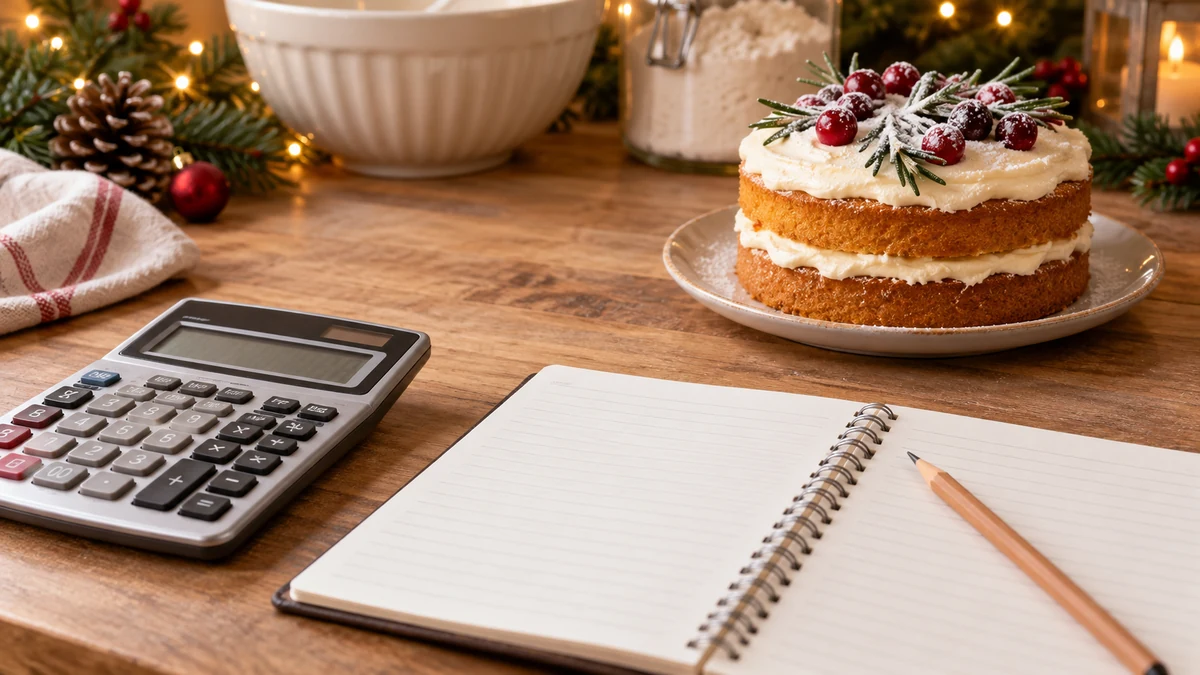
Pricing your products requires a realistic view of costs and likely demand. A price calculation helps you assess an idea; it does not guarantee that customers will buy or that the business will be profitable.
Calculate the Full Cost
Include ingredients, packaging and labour, then allow for energy, payment charges, delivery, wastage and a fair share of overheads. Divide a batch’s cost by the number of saleable units, not the number you hoped to produce.
Compare Similar Products
Compare prices for genuinely similar sizes, ingredients and service. Competitors’ prices can provide context, but copying them will not tell you whether your own costs are covered.
Distinguish Margin from Mark-up
A mark-up is calculated on cost, while a gross margin is calculated on the selling price. For example, a hypothetical item costing £4 and selling for £5 has a 25% mark-up but a 20% gross margin before any costs not included in the £4. There is no universal 30–50% target suitable for every product.
Be Clear About the Product’s Value
Perceived value may reflect taste, presentation, convenience or a distinctive recipe. Describe genuine differences accurately, then test whether the price is acceptable rather than assuming a ‘premium’ label justifies it.
Check Bundle Prices
A bundle may reduce some packing or handling costs, but it can also take extra time. Calculate the result for the whole order and set a limit on quantities you can fulfil reliably.
Preparing to Sell Christmas Sweets
Start with a small tested range, clear costs and the food-business arrangements appropriate to your location. Brazilian-inspired products can offer variety, but local demand needs to be tested rather than assumed.
Use accurate photographs and information, protect food during storage and delivery, and keep orders within your capacity. Presentation and promotion should support a well-prepared product.
Review the results of a small trial before expanding. Record what sold, what was wasted and how much time the work took, so that your next decision is based on evidence rather than a promise of seasonal profit.
FAQ — Selling Christmas Sweets
Which Christmas sweets could I consider selling?
Decorated biscuits, truffles and panettone are possibilities, alongside Brazilian specialities such as rabanadas. Test demand and assess each product’s skill, storage and delivery requirements.
How should I package sweets?
Use suitable food-safe packaging that protects the product, with the information required for how it is sold. Keep non-edible decorations away from exposed food.
What is the best way to promote them?
There is no single best method. Start with accurate product photos, clear prices and reliable ordering details, then test a channel that suits your customers and budget.
How do I set a price?
Calculate full costs per saleable unit, include your time and distinguish margin from mark-up. Compare similar products and test whether the proposed price is viable.
Should I discount larger orders?
Only if the full order remains worthwhile after all costs and fits your capacity. Larger sales volumes do not automatically mean higher profit.
What do I need before selling food from home?
In the UK, a food business generally needs registration with its local authority at least 28 days before starting. Registration is separate from other permissions or obligations. Ask the local authority and consult the relevant national food-safety guidance about hygiene, allergens, labelling and your particular operation.
Sources and Further Reading
- Food Standards Agency — register a food business
- Food Standards Agency — prepacked for direct sale labelling
- Food Standards Agency — allergen guidance
- ICO — electronic mail marketing rules