These five sparkling wine cocktails for New Year’s Eve include a Mimosa, Bellini, French 75, Tropical Fizz and Rosé Spritz. Find measured ingredients, methods, variations and alcohol-free alternatives, plus advice on bottle quantities and preparing the fruit bases ahead.
Looking for sparkling wine cocktails for New Year’s Eve? These five recipes bring together fruit, citrus and bubbles, with simple garnishes and variations. Alcoholic versions are for adults; offer alcohol-free choices alongside them. A fruity taste or small glass does not necessarily mean a drink contains little alcohol.
Why choose sparkling wine cocktails for New Year’s Eve?

Sparkling wine cocktails suit a New Year’s celebration because a few chilled ingredients can make an attractive drink, assembled just before serving.
What the bubbles add
Bubbles give these drinks their distinctive texture, while fruit and citrus add colour and flavour. They can accompany party nibbles without requiring elaborate preparation.
Flavours and variations
Sparkling wine combines with fruit, citrus and herbs. For your party menu, choose a few contrasting options, including an alcohol-free one. Adding juice dilutes the wine’s strength by volume, but does not remove the alcohol already poured.
- Fresh orange juice for a Mimosa; peach purée or nectar gives a different fruit-led drink.
- Peach purée for a Bellini; mango purée for a tropical variation.
- Raspberry liqueur, such as Chambord, or raspberry syrup for a different, non-alcoholic mixer. A drink still contains alcohol if sparkling wine is used.
- Mint or basil leaves; a small sprig of thyme gives a different herbal aroma.
- Suitable ready-to-eat frozen fruit can chill and garnish a drink. Follow the pack instructions: fruit that requires cooking must not be added straight from the freezer.
Preparing for a party
Measure fruit bases ahead, then add sparkling wine as each drink is served. For a larger group, offer two or three labelled chilled bases rather than leaving finished sparkling cocktails standing in open jugs.
- For simple syrup, dissolve equal measures of sugar and water, then cool and refrigerate in a clean covered container. Use the same measuring basis throughout.
- Prepare the still ingredients in a jug and add sparkling wine only when serving.
- Use appropriate ready-to-eat frozen fruit if you prefer to avoid the extra water from melting ice.
Serving and presentation
Serve the wine well chilled, following the bottle’s recommendation; around 6–8°C is a useful serving guide for these cocktails. Keep perishable juices and purées stored at 5°C or below. A practical starting point: follow the measured recipe, then adjust sweetness and acidity; a ratio alone does not establish low alcohol content.
- Simple garnishes include a twist of orange peel, raspberries or a washed mint sprig.
- Arrange drinks on a tray and label alcoholic and alcohol-free versions clearly.
- For an alcohol-free alternative, combine sparkling water with fruit juice or syrup.
Ingredients and shopping tips
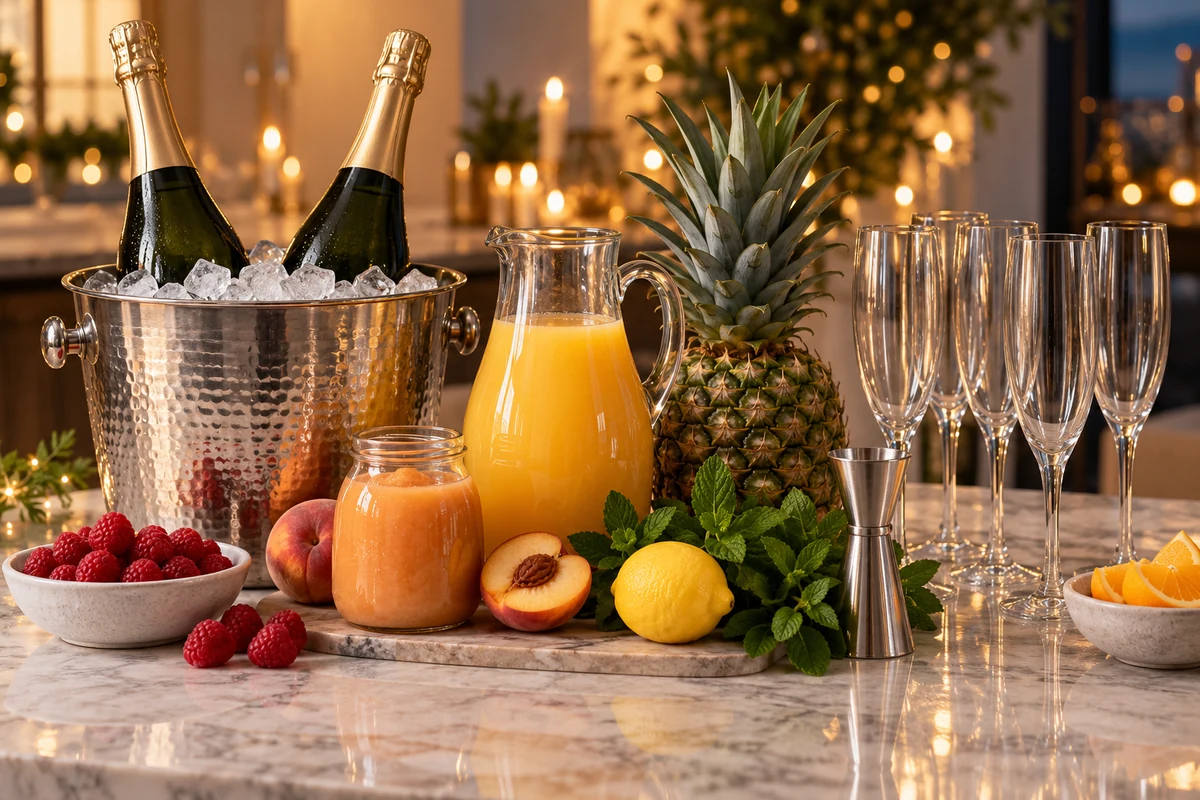
Choose versatile ingredients that work across several drinks, and measure what you need for the number of servings planned.
Useful ingredients
The following shopping suggestions cover several recipes; use the individual quantities below when mixing a drink.
- One 750 ml bottle of brut or extra-brut sparkling wine – exactly six 125 ml pours, or eight full 90 ml cocktail measures with 30 ml left over. Prosecco or Cava are alternatives.
- One 750 ml bottle of sparkling rosé – for pink spritzes; a lightly sparkling rosé gives a different level of fizz.
- 500 ml fresh orange juice – for Mimosas; nectar is an alternative with a different sweetness and texture.
- 300–400 g fresh peaches or peach purée – for Bellinis; mango or suitable frozen fruit purée offers a variation.
- 200 ml prepared simple syrup – made from equal measures of water and sugar; diluted honey tastes different and may need adjusting.
- 50–100 ml liqueur, such as raspberry liqueur or Cointreau – optional for variations. Fruit syrup is a different, sweeter alternative without that added alcohol.
- 200–300 ml sparkling water or lemonade – sparkling water is unsweetened; lemonade changes the sweetness. Tonic adds bitterness.
- Fresh citrus and berries – for example, a lime or orange and a measuring cup of berries; wash fruit and follow any frozen-fruit cooking instructions.
- Ice and suitable frozen fruit – as needed; frozen juice cubes are another option and will change the flavour as they melt.
Calculating quantities
Calculate by the number of drinks you intend to serve, not a fixed allowance of bottles per guest. A 750 ml bottle gives six plain 125 ml pours, or eight cocktails each using 90 ml wine. Count only the adults choosing an alcoholic drink and provide water and alcohol-free options. This is purchasing arithmetic, not a recommended amount to drink.
- Example: twenty Mimosas using 90 ml wine each need 1,800 ml wine, so three 750 ml bottles cover the measured recipe.
- For a jug, 750 ml wine plus 500 ml mixer gives 1,250 ml before ice or garnish: ten 125 ml servings, or eight 150 ml servings with 50 ml left over.
Choosing what to buy
Read the label for style, alcohol strength and origin. Compare prices: Prosecco and Cava can be practical cocktail choices, but price depends on the bottle.
- Check sweetness: brut is a useful drier style for fruit-based drinks.
- Choose fruit in good condition and compare seasonal availability and prices.
- Read purée labels for added sugar and other ingredients, or make a small fresh batch.
Storage and preparing ahead
Keep bottles chilled before serving. Prepare fresh fruit bases close to use, keep them covered at 5°C or below and use within 48 hours, or sooner if an ingredient’s instructions require it.
- Keep unopened wine as directed on the label, away from heat and strong light; chill before serving.
- For home-made syrup, hygiene and ingredients affect keeping time. Make a small batch close to the party, refrigerate and use within 48 hours here; follow the maker’s instructions for bought syrup.
- Keep fresh purées refrigerated for up to 48 hours, or freeze promptly in portions. About three months is a quality target for frozen purée, subject to ingredient instructions.
Glasses and equipment
Choose a glass with room for the full drink and a little headspace: a flute for smaller sparkling cocktails, a coupe for some fruit drinks, or a highball for an iced spritz. A measuring jigger and clean garnish tongs are useful.
- A flute offers a narrow surface for a small sparkling drink.
- A coupe provides room for a fruit-purée cocktail, but its wider surface loses bubbles more readily.
- A highball glass suits spritzes served with ice.
Alcohol-free options
Sparkling water, juice and fruit purée can provide the same colourful presentation without wine or spirits. Check every ingredient if complete avoidance of alcohol is required.
- 1 litre sparkling water plus 250 ml white grape or apple juice makes a simple shared base. Tonic gives a more bitter variation.
- Fruit syrup can sweeten sparkling water; start with a little and add to taste, as commercial syrups vary.
- Use washed fresh fruit or suitable ready-to-eat frozen fruit to garnish.
Five measured cocktail recipes
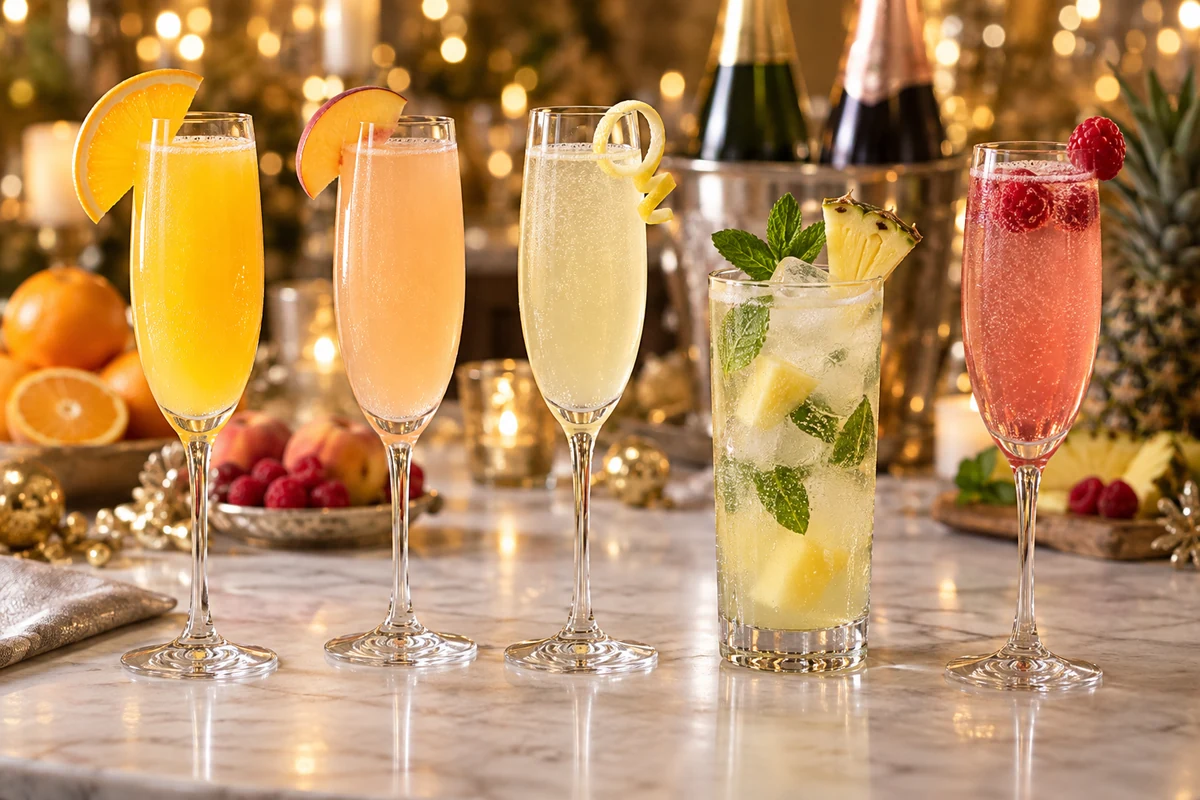
Each recipe below makes one drink. The later sections give extra preparation and variation tips. Add carbonated ingredients after shaking or blending, never inside a closed shaker or blender.
Mimosa
Orange juice and sparkling wine make a simple fruity cocktail.
- 90 ml brut sparkling wine – Prosecco or Cava can be used
- 60 ml fresh orange juice – nectar gives a different, often sweeter result
- Orange slice to garnish – optional
Method:
- Chill the wine and juice in the fridge until cold.
- Choose a suitable flute and chill it briefly in the fridge if wanted.
- Pour in the juice, measuring 60 ml per glass.
- Add the wine slowly, measuring 90 ml.
- Stir gently once and add the optional orange slice.
Mimosa variations
- Rosé Mimosa: use sparkling rosé and garnish with a strawberry slice.
- Tropical Mimosa: replace some or all of the orange juice with pineapple or passion-fruit juice, adjusting for acidity.
- Alcohol-free version: combine sparkling water with white grape juice.
Bellini
A peach purée cocktail with a soft, fruity flavour.
- 90 ml sparkling wine, such as Prosecco or brut – sparkling rosé gives a pink variation
- 60 ml fresh peach purée – measure the purée by volume; its weight varies
- 10–15 ml simple syrup – optional; use less or omit if the peach is sweet
Method:
- Make the purée by blending washed, stoned peaches until smooth; sieve if you prefer.
- Chill the purée and wine.
- Measure 60 ml purée into a suitable glass and stir in any syrup being used.
- Add 90 ml sparkling wine slowly.
- Mix gently and garnish with an optional thin peach slice.
Bellini variations
- Frozen peach variation: blend suitable frozen peach pieces with a little still peach juice if needed, then spoon into a glass and gently add the measured sparkling wine. Do not blend a carbonated drink in a closed blender.
- Mango Bellini: use mango purée instead of peach.
- Alcohol-free version: peach purée with sparkling water.
French 75
Gin, lemon and sparkling wine make a citrus-led cocktail.
- 30 ml gin – cognac gives a different variation
- 20 ml fresh lemon juice
- 15 ml simple syrup – an optional 10 ml Cointreau variation changes both sweetness and alcohol content; it is not an equivalent syrup substitute
- 60–90 ml brut sparkling wine
- A twist of lemon peel to garnish
Method:
- Put ice in a cocktail shaker.
- Add the gin, lemon juice and syrup: 30 ml, 20 ml and 15 ml respectively.
- Shake for about 8–10 seconds, until chilled. Do not add the wine to the shaker.
- Strain into a chilled glass.
- Top with wine, using 60–90 ml, then garnish with the lemon twist.
French 75 variations
- Cognac version: replace the gin with 30 ml cognac.
- Herbal version: use a small washed rosemary sprig for aroma. Do not use rhubarb leaves as a garnish.
Tropical Fizz
Pineapple, citrus and mint give this drink its tropical flavour.
- 60 ml pineapple purée – or 90 ml pineapple juice for a thinner, larger drink
- 15 ml fresh lemon juice
- 15 ml simple syrup – diluted honey gives a different flavour; adjust to taste
- 90 ml brut sparkling wine
- Mint leaves and a pineapple slice to garnish
Method:
- Combine the pineapple purée, lemon juice and syrup in a shaker with ice, leaving the wine out.
- Shake for about 6–8 seconds and strain into a highball, with fresh ice if wanted.
- Add the sparkling wine slowly, measuring 90 ml, and stir gently.
- Garnish with mint and pineapple.
Tropical Fizz variations
- Rum variation: adding 20 ml white rum changes the flavour and increases the alcohol in the drink.
- Alcohol-free version: pineapple purée and sparkling water, sweetened to taste.
- Passion-fruit variation: replace some pineapple purée with passion-fruit pulp, adding gradually because concentrates vary in acidity.
Rosé Spritz
Sparkling rosé and raspberry give this spritz its pink colour and fruity flavour.
- 90 ml sparkling rosé
- 60 ml sparkling water or soda water
- 30 ml raspberry liqueur or raspberry syrup – Aperol gives a different, bitter-orange variation
- Fresh raspberries and ice to serve
Method:
- Fill a highball with ice, leaving room for the measured liquids.
- Add the 30 ml raspberry liqueur or syrup.
- Pour in the 90 ml sparkling rosé and 60 ml sparkling water.
- Stir gently and garnish with washed raspberries.
Rosé Spritz variations
- Aperol variation: replace the raspberry liqueur with 30 ml Aperol.
- Alcohol-free version: pink grape juice, sparkling water and raspberry syrup, with no wine or liqueur.
- Add a lime slice for a sharper finish.
Mimosa: extra preparation and variation tips
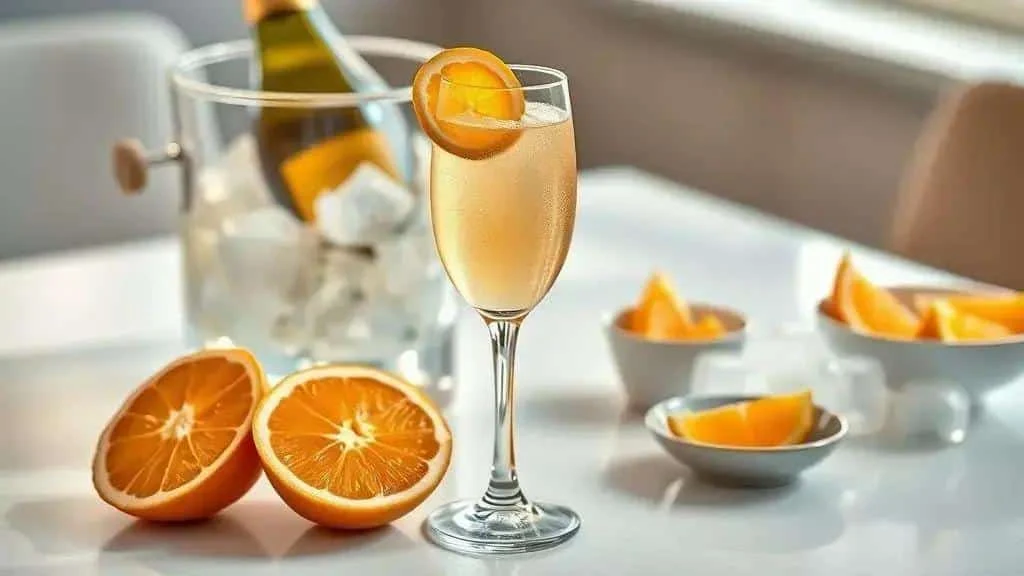
Mimosa — an easy orange and sparkling wine cocktail for a New Year’s toast.
Mimosa ingredients
- 90 ml brut sparkling wine – compare Prosecco and Cava options to suit your budget
- 60 ml freshly squeezed orange juice – orange nectar is an alternative, but check the label for sweetness and ingredients
- Orange slice or half-moon – optional garnish
- Ice, optional – it dilutes the drink as it melts; a chilled glass usually avoids the need for it
Making the Mimosa
- Chill the sparkling wine in the fridge; around 6–8°C is a serving guide, or follow the bottle’s recommendation.
- Squeeze enough orange juice for 60 ml per drink, straining out pulp if preferred.
- Chill the glass briefly in the fridge.
- Pour 60 ml orange juice into the glass.
- Add 90 ml sparkling wine slowly, tilting the glass slightly to limit foaming.
- Stir gently once to combine.
- Garnish with orange and serve immediately.
Mimosa variations
- Rosé Mimosa: use sparkling rosé and a strawberry slice.
- Tropical Mimosa: replace half the orange juice with pineapple or passion-fruit juice.
- Floral Mimosa: add 5–10 ml elderflower or orange-blossom syrup to taste, allowing extra space in the glass.
- Alcohol-free Mimosa-style drink: mix 90 ml sparkling water with 60 ml white grape or apple juice.
Quick tips
- The recipe ratio: 90 ml wine to 60 ml juice is 3:2, not 2:1.
- Yield: one 750 ml bottle supplies eight full 90 ml wine measures, with 30 ml remaining. Each basic Mimosa is 150 ml before garnish.
- Prepare ahead: squeeze juice a few hours before the party, cover and refrigerate. Add the wine only at serving.
Bellini: extra preparation and variation tips
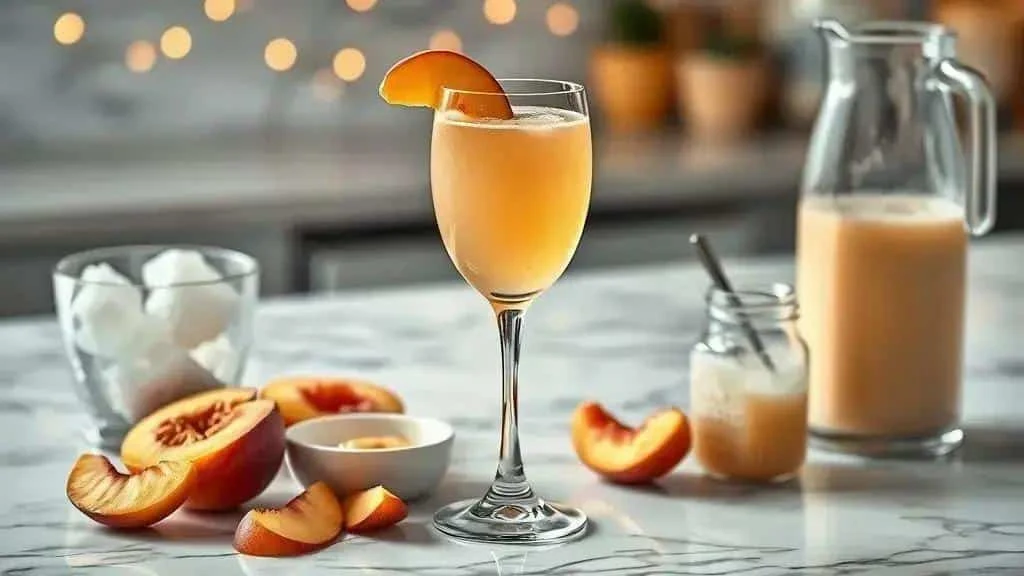
Bellini — a peach-led sparkling cocktail, assembled with chilled purée and wine.
Bellini ingredients
- 90 ml sparkling wine, such as Prosecco or brut – sparkling rosé changes the colour
- 60 ml fresh peach purée – measure by volume; mango purée is a variation
- 10–15 ml simple syrup – optional, depending on the fruit’s sweetness; diluted honey changes the flavour
- Ice, optional – usually unnecessary when both ingredients and glass are chilled
- A thin peach slice – optional garnish
Making the Bellini
- Make the purée: wash and stone a ripe peach, cut it up and blend until smooth. Sieve if wanted and measure 60 ml; fruit size and yield vary.
- Adjust sweetness: taste the purée and add up to 10–15 ml syrup if needed.
- Chill: cover the purée and refrigerate until cold.
- Prepare the glass: add the measured purée and any syrup to a glass with room for the finished drink.
- Add wine: slowly pour in 90 ml chilled sparkling wine.
- Combine gently: stir once without vigorous mixing.
- Finish: garnish with the optional peach slice and serve promptly.
Bellini variations
- Frozen peach variation: blend suitable frozen peach with a little still juice if needed, then add the measured wine gently in the glass. Keep carbonated wine out of the blender.
- Mango Bellini: use 60 ml ripe mango purée instead of peach.
- Rosé Bellini: use sparkling rosé for a different colour and flavour.
- Alcohol-free version: combine 60 ml peach purée with 90 ml chilled sparkling water.
Quick tips
- Yield: one recipe makes 150 ml before optional syrup, or 160–165 ml with it. A 750 ml bottle provides eight full 90 ml wine measures, with 30 ml left.
- Texture: sieve the purée for a smoother drink, or leave the pulp for more texture.
- Temperature: serve well chilled, adding wine just before serving.
French 75: extra preparation and variation tips
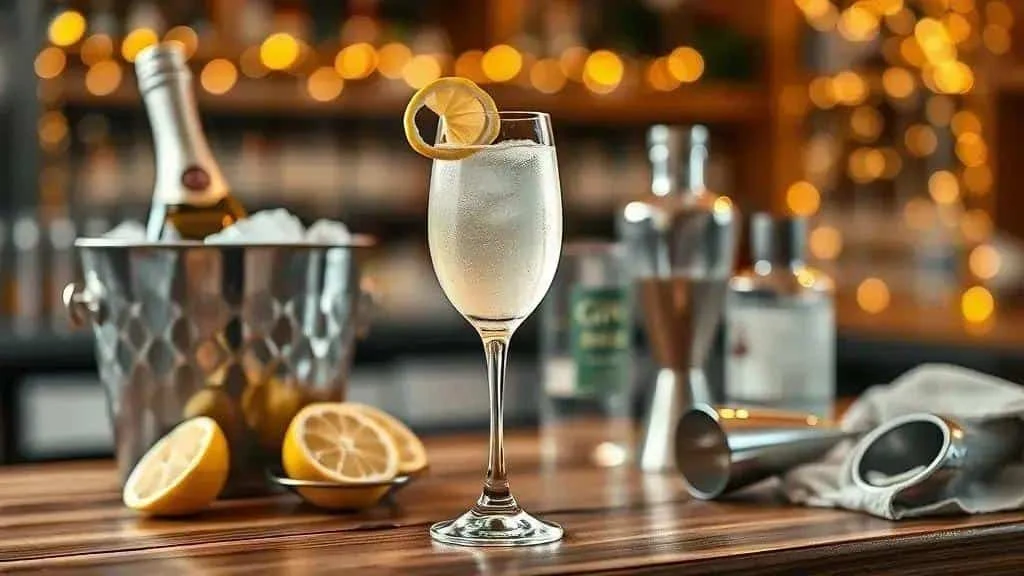
French 75 — a gin, lemon and sparkling wine cocktail. Its citrus flavour should not be confused with low alcohol content.
French 75 ingredients
- 30 ml gin – or 30 ml cognac for a different version
- 20 ml fresh lemon juice
- 15 ml simple syrup – a variation using 10 ml Cointreau changes the sweetness and adds alcohol
- 60–90 ml chilled brut sparkling wine – Prosecco or Cava are alternatives
- Ice cubes – for the shaker, strained out before serving
- A twist of lemon peel to garnish
Making the French 75
- Chill the glass: put it in the fridge before mixing.
- Add ice to the shaker: half-fill it with clean ice cubes.
- Measure the still ingredients: add 30 ml gin, 20 ml lemon juice and 15 ml syrup.
- Shake: close and shake for about 8–10 seconds, until chilled. Do not put sparkling wine in a sealed shaker.
- Strain into the chilled glass, leaving the ice behind.
- Add sparkling wine: pour in 60–90 ml slowly, allowing room for foam.
- Garnish: twist the washed lemon peel over the glass and add it to the rim.
- Serve immediately: this drink is best served while still sparkling.
French 75 variations
- Cognac variation: replace the gin with 30 ml cognac.
- Herbal variation: lightly bruise a small washed rosemary sprig with the still ingredients before shaking, then strain carefully.
- Rosé variation: use sparkling rosé instead of white sparkling wine.
- Alcohol-free version: combine 30 ml cooled herbal tea, 20 ml lemon juice and 15 ml syrup, then add 60–90 ml chilled sparkling water. Choose tea ingredients suitable for the guest.
Quick tips
- Base ratio: the measured gin, lemon and syrup amounts are 30:20:15. More wine increases the total alcohol; more water does not remove the alcohol already present.
- Serving temperature: use well-chilled wine; around 6–8°C is a guide, subject to the bottle’s recommendation.
- Shaking: shake only the still ingredients with ice, then strain and add the wine.
- Yield: each recipe makes one drink. A 750 ml bottle supplies twelve full 60 ml wine measures, or eight full 90 ml measures, with 30 ml left in either case.
Tropical Fizz: extra preparation and variation tips
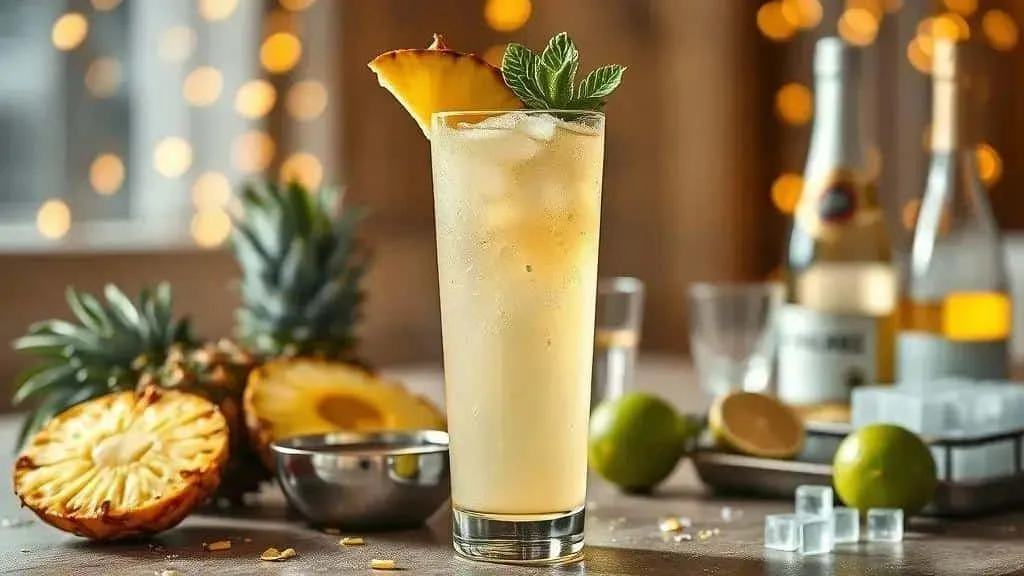
The Tropical Fizz combines pineapple and sparkling wine. Its sunny fruit flavours also suit a winter New Year’s celebration in the UK.
Tropical Fizz ingredients
- 60 ml fresh pineapple purée – or 90 ml strained pineapple juice for a thinner, larger drink
- 15 ml fresh lemon juice – measure the juice rather than assuming every half-lemon yields the same; lime is an alternative
- 15 ml simple syrup – diluted honey changes the flavour; adjust sweetness to taste
- 90 ml chilled brut sparkling wine – Prosecco is an alternative
- 2–3 mint leaves – or basil for a different aroma
- A pineapple piece or slice – to garnish
- Ice or suitable ready-to-eat frozen fruit – ice adds water as it melts; fruit changes the flavour
Making the Tropical Fizz
- Make the purée: blend 200 g prepared pineapple until smooth, then measure 60 ml for one drink. This makes extra purée; refrigerate or freeze the remainder promptly.
- Chill: cover the purée and refrigerate until cold.
- Measure: use 60 ml purée, 15 ml lemon juice and 15 ml syrup per drink.
- Mix the still base: shake the purée, lemon and syrup briefly with ice, keeping the sparkling wine out of the shaker.
- Strain if wanted and pour into a highball with fresh ice or suitable frozen fruit.
- Add the wine: pour in 90 ml slowly and stir gently.
- Finish: garnish with mint and pineapple and serve promptly.
Tropical Fizz variations
- With rum: an optional 20 ml white rum adds flavour and more alcohol.
- Passion-fruit variation: replace some pineapple purée with passion-fruit pulp, tasting as you go because concentrations differ.
- Frozen variation: blend suitable frozen pineapple purée with a little still juice if needed, then gently add the wine in the glass. Do not blend carbonated liquid in a closed blender.
- Alcohol-free version: use 60 ml pineapple purée, 90 ml chilled sparkling water and up to 15 ml syrup to taste.
Quick tips
- Temperature: chill all ingredients before mixing and add wine at serving.
- Batch size: each recipe is one drink. For eight, multiply the ingredients by eight and add the 720 ml sparkling wine only as you serve.
- Frozen fruit: it can chill a drink without added water from ice, provided it is suitable to eat uncooked.
- Preparing ahead: keep fresh pineapple purée covered at 5°C or below and use within 48 hours. Freeze promptly for longer storage; around three months is a quality target.
Rosé Spritz: extra preparation and variation tips
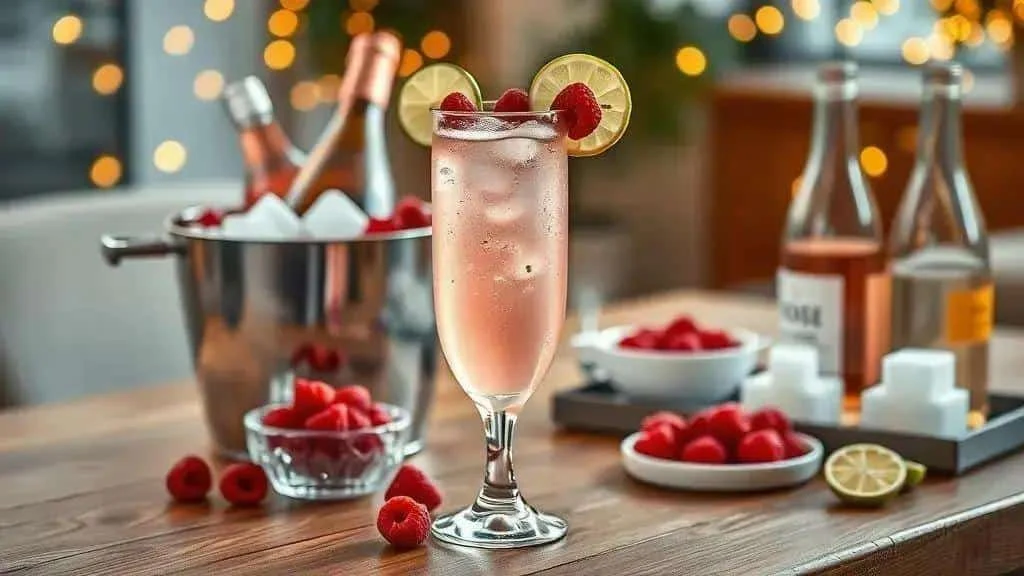
Rosé Spritz — a colourful raspberry and sparkling rosé cocktail, served over ice.
Rosé Spritz ingredients
- 90 ml chilled sparkling rosé – white brut gives a different version, with the raspberry mixer providing colour
- 60 ml chilled sparkling water or soda water – tonic adds bitterness and may add sweetness
- 30 ml raspberry liqueur or syrup – 30 ml Aperol gives a bitter-orange variation
- 5–6 fresh raspberries – washed; sliced strawberries are an alternative
- Ice cubes or suitable ready-to-eat frozen fruit – ice dilutes the drink as it melts
- A lime slice or lemon twist – optional garnish
Making the Rosé Spritz
- Add ice to a highball with enough capacity for 180 ml liquid, ice and garnish.
- Add 30 ml raspberry liqueur or syrup.
- Pour in 90 ml chilled sparkling rosé slowly.
- Top up with the measured 60 ml sparkling water.
- Stir gently once.
- Garnish with the raspberries and optional lime slice or lemon twist.
- Serve promptly while the drink is chilled and sparkling.
Rosé Spritz variations
- Aperol variation: replace the raspberry liqueur with 30 ml Aperol.
- Herbal variation: lightly bruise a few washed basil or mint leaves with the syrup before building the drink.
- Alcohol-free version: combine 90 ml pink grape juice, up to 30 ml raspberry syrup to taste and 60 ml sparkling water, omitting wine and liqueur entirely.
- Less wine per serving: use 60 ml sparkling wine and 90 ml sparkling water. A liqueur, if used, still contributes alcohol.
Quick tips
- Temperature: keep ingredients chilled before serving; store perishable fruit ingredients at 5°C or below.
- Base ratio: three parts wine, two parts sparkling water and one part raspberry mixer matches the measured 90:60:30 ml recipe.
- Choose enough space: use a glass large enough for ice without reducing or overfilling the measured drink.
- Yield: one recipe is one serving. Multiply by the planned number of drinks and add sparkling ingredients at serving.
Choose your party drinks
Pick the recipes that suit your guests and prepare the still ingredients ahead. Add wine or sparkling water just before serving, and label the different versions clearly.
If you try a variation, share which flavours worked for you. These recipes are translated and checked for consistency; they have not been kitchen-tested for this translation.
Find more seasonal ideas on the I Love Christmas blog and our social channels. Enjoy your celebration, with or without alcohol.
FAQ: sparkling wine cocktails for New Year’s Eve
Which sparkling wine should I use for cocktails?
Brut or extra-brut is a versatile drier choice. Compare Prosecco and Cava for your budget, or choose sparkling rosé for a different colour and flavour. Check alcohol strength as well as sweetness.
How many bottles should I buy?
Calculate from the number of drinks planned and their wine measure. A 750 ml bottle supplies eight full 90 ml measures with 30 ml left over, or six 125 ml pours. Twenty of these Mimosas need 1,800 ml wine, so three bottles cover the recipe. This is not a drinking recommendation; provide alcohol-free choices too.
How can I keep the drinks sparkling?
Chill the ingredients, add sparkling wine only at serving and stir gently. Keep the bottle refrigerated between pours and use a stopper designed for sparkling wine if storing an opened bottle.
Can I make similar drinks without alcohol?
Yes. Use sparkling water with juice, purée or syrup, omitting wine, spirits and liqueurs. Check labels if the guest needs complete avoidance of alcohol.
Which garnishes work well?
Washed orange or peach slices, raspberries, citrus twists, mint or basil add colour and aroma. Use frozen fruit only if the pack permits eating it without cooking.
Sources and Further Reading
- NHS: calculating alcohol units
- Food Standards Agency: chilling food
- UK Government: cooking food safely