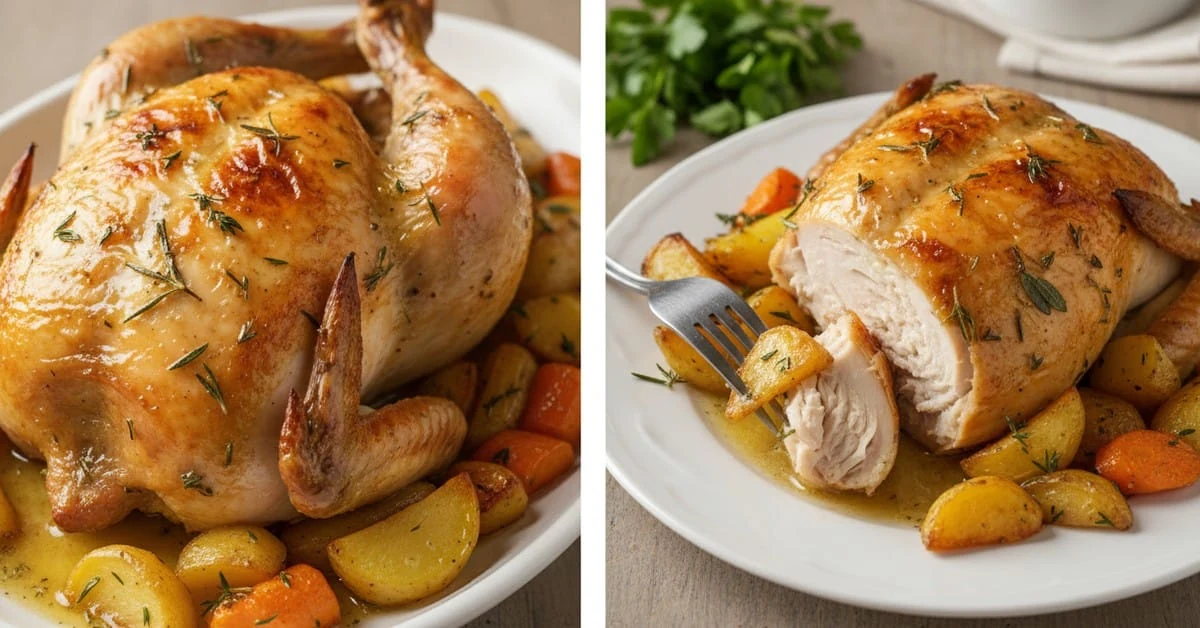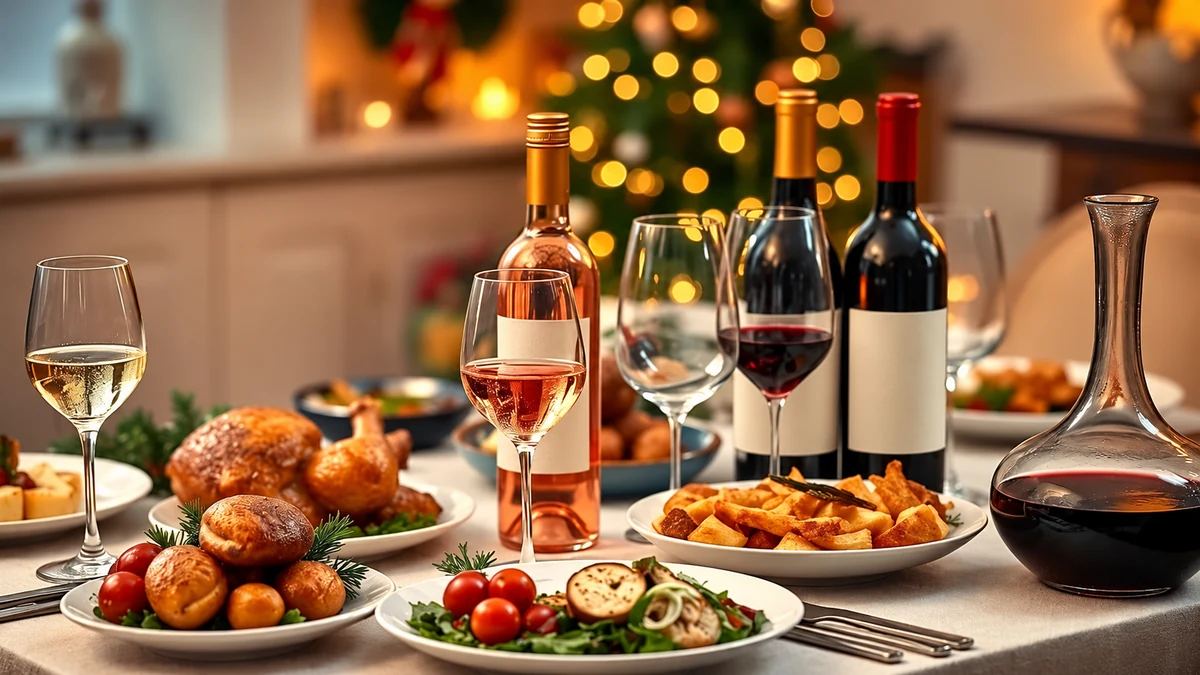
Wine for Christmas dinner: try brut sparkling wine with savoury starters, a fresh white with fish, dry rosé with turkey, or a red whose weight suits the roast and sauce. These are starting points, not rules: sweetness, seasoning and personal taste matter, as do serving temperature and alcohol-free choices.
Choosing wine for Christmas dinner need not be complicated. Which bottle might suit the turkey, and what works with dessert? This guide explores four styles, practical serving tips and pairings for Brazilian Christmas favourites alongside familiar roast dishes.
Why think about wine when planning Christmas dinner?

Choosing wine for Christmas dinner alongside the menu can make hosting easier. Consider how aromas, acidity and texture work with the food, while leaving guests free to choose what they enjoy.
Matching a varied menu
Different styles suit different dishes. Fresh sparkling wine can contrast with rich food; a light white can complement fish or salad; dry rosé often works with poultry and herbs; and a lighter red can accompany roasts without overwhelming delicate flavours.
- Sparkling wine: savoury starters and richer dishes, such as roast pork with sauce.
- White wine: prepared salt cod, salads and dishes with citrus-based sauces.
- Rosé: turkey, roast poultry and festive rice dishes.
- Young red wine: red meat and herb-seasoned roasts, choosing a style of suitable weight.
Practical advantages
A small selection can accommodate different tastes and budgets. You do not need a separate bottle for every course, or all four styles: one versatile choice plus an appealing alcohol-free drink may be enough.
Quick tips
- Temperature: chill sparkling and white wines, serve rosé cool, and avoid serving reds overly warm.
- Glasses and pouring: use clean glasses with room above the wine to appreciate its aromas.
- Quantity: the original planning estimate was one bottle for three or four adults who choose to drink wine. A 750 ml bottle contains six 125 ml measures; plan around actual preferences, not a drinking target, and provide water and alcohol-free drinks.
- Alcohol-free options: offer a suitable sparkling alternative or grape juice, checking the label for alcohol content.
A few considered choices make wine for Christmas dinner easier to coordinate with the menu and the people around the table.
Pairing wine with traditional Christmas dishes

When pairing wine with traditional Christmas dishes, consider the intensity, acidity, sweetness and texture of the whole dish, including its sauce. The aim is an enjoyable combination, rather than a single supposedly perfect match.
Useful pairings
- Brut sparkling wine: try it with savoury starters, fried snacks or roast pork. Its fresh acidity provides contrast to rich food.
- Fresh, aromatic whites: Sauvignon Blanc, a white Vinho Verde or Alvarinho can suit prepared salt cod, salads and citrus sauces.
- Dry rosé: a versatile starting point for turkey, roast poultry and festive rice, especially with herbs and moderately seasoned accompaniments.
- Young, fruity reds: lighter Pinot Noir or Merlot can work with poultry, stuffing and herbs. Choose a wine that does not overpower the dish; salt does not automatically clash with tannin.
- Fuller reds: Malbec, Syrah or Cabernet Sauvignon can accompany substantial red-meat roasts. Consider the sauce and chilli heat as well as the meat.
- Dessert and fortified wines: a sweet late-harvest wine, Moscatel or tawny port may suit rabanada (Brazilian Christmas French toast), panettone or cinnamon desserts. Aim for a wine at least as sweet as the dish.
Pairing particular ingredients
- Bacalhau: this Brazilian favourite is salt cod, desalted and cooked before serving. A medium-bodied white with fresh acidity can suit its olive oil and savoury flavours.
- Turkey: try dry rosé or a light red; an aromatic white may work particularly well with a citrus-based stuffing or sauce.
- Pernil: for roast pork leg, consider brut sparkling wine or a medium-bodied red. A very sweet glaze changes the pairing: acidity alone does not compensate for a wine that tastes too dry beside it.
- Salads and cold starters: fresh young whites or chilled rosés are useful options, taking account of the dressing.
- Cinnamon and dried-fruit desserts: consider a suitably sweet dessert wine or fortified wine to accompany the sugar and spice.
Practical serving tips
- Serving order: generally move from lighter to fuller styles, adjusting the sequence to suit the food.
- Temperature: useful starting ranges are 6–8°C for sparkling wine, 8–10°C for lighter whites, 10–12°C for fuller whites, 8–12°C for rosé, 12–14°C for light reds and 15–18°C for fuller reds. Follow the producer’s advice where available.
- Glasses: a flute is an option for sparkling wine, while a tulip-shaped glass gives more room for aromas. A suitable all-purpose wine glass is perfectly practical for a family meal.
- Decanting: some young, full-bodied reds benefit from 30–60 minutes of air, but this is not a rule for every bottle. Follow advice for the particular wine, especially older or delicate bottles.
- Quantity: one bottle for three or four wine-drinking adults is only a shopping estimate, not a recommended amount to consume. Adjust down for small measures, other drinks and guests who do not want wine.
Choices for every guest
Include a suitable alcohol-free sparkling drink or chilled grape juice, as well as water. Check the actual alcohol content and guests’ preferences; these drinks may taste sweeter than dry wine, so pair them on their own merits.
The four wine styles and when to serve them

Brut sparkling wine is a useful choice for savoury starters, fried snacks and richer dishes such as roast pork. Its fresh character can provide a pleasant contrast to the food.
When to serve it and at what temperature
- Timing: with starters or another suitable course; there is no need to pour extra glasses between courses.
- Temperature: approximately 6–8°C, depending on the wine.
Pairings
Try savoury snacks, seafood or salads dressed with olive oil. A sweet dish may make a dry brut taste sharper, so consider the level of sweetness rather than assuming it suits every course.
Dry, aromatic white wine can accompany prepared salt cod, fish and citrus or creamy sauces. Fresh acidity provides contrast to rich ingredients.
When to serve it and at what temperature
- Timing: with fish dishes, cold starters or salads.
- Temperature: approximately 8–10°C for lighter whites and 10–12°C for fuller styles.
Pairings
Sauvignon Blanc or unoaked Chardonnay can work with prepared salt cod, seafood risotto and cream- or lemon-based sauces, depending on the particular wine and recipe.
Dry rosé offers a useful bridge between white and red wine. Try it with turkey, roast poultry and dishes seasoned with herbs.
When to serve it and at what temperature
- Timing: with poultry main courses or cold accompaniments.
- Temperature: approximately 8–12°C.
Pairings
Consider turkey, substantial salads, festive rice and herby dishes. Select the weight and flavour of the rosé to match the seasoning, rather than relying on colour alone.
Red wine, from light and young to full-bodied: choose the style to suit the dish. Fruity lighter reds are flexible, while fuller wines generally need more robust flavours.
When to serve it and at what temperature
- Timing: with suitable roasts and red-meat dishes, wherever these fall in the meal.
- Temperature: approximately 12–14°C for light reds and 15–18°C for fuller reds; youth alone does not determine the right temperature.
Pairings
Lighter Pinot Noir and Merlot can suit poultry and stuffing. Malbec, Syrah and Cabernet Sauvignon are options for red meat and substantial roasts, with the sauce and seasoning guiding the final choice.
Practical serving tips
- Order: sparkling → white → rosé → red can be a convenient sequence, but follow the actual weight of the wines and the menu. You do not need to serve all four.
- Quantity: treat one bottle per three or four wine-drinking adults as a flexible shopping estimate, not a target for consumption. A 750 ml bottle gives six 125 ml measures.
- Value: compare wines of the style you want. Terms such as ‘Reserva’ and ‘Joven’ have different meanings in different regions and do not, by themselves, guarantee value or quality.
- Alcohol-free choice: offer a suitable sparkling alternative or chilled grape juice, alongside water.
Choosing affordable wines and setting a budget
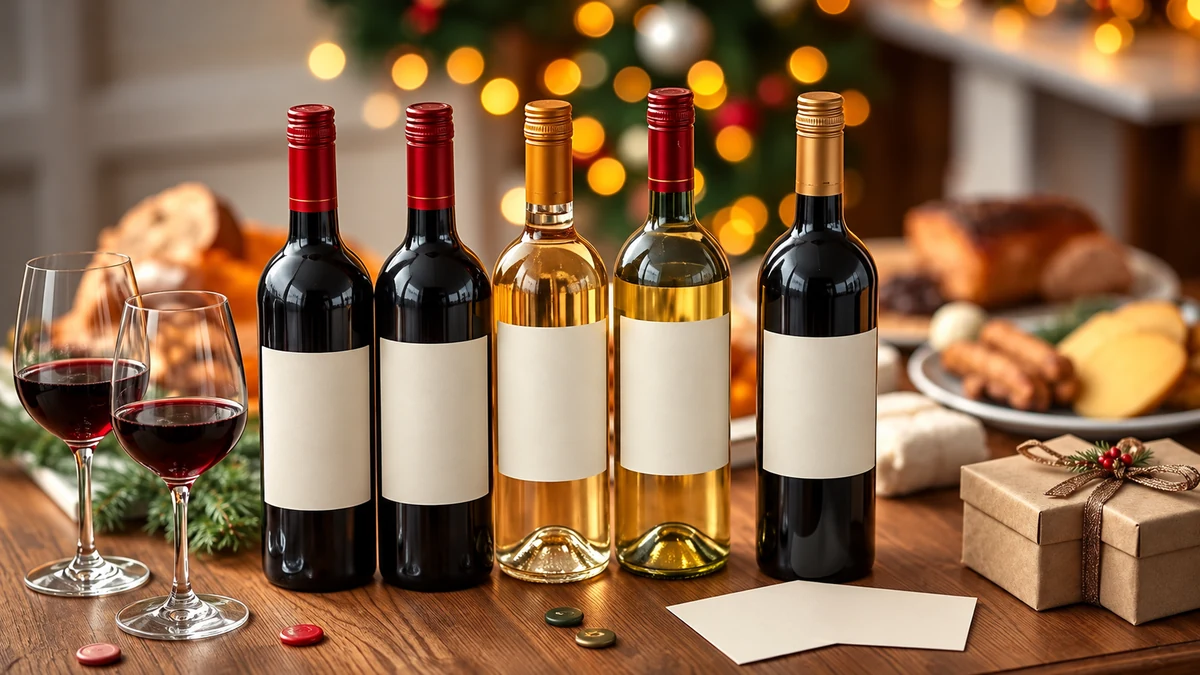
For affordable wines and sensible price bands, start with a budget and the styles your guests enjoy. The figures below preserve the original article’s illustrative Brazilian-real bands. They are not verified current prices, UK shopping advice or pound equivalents, and a higher price does not guarantee a better pairing.
The original Brazilian budget bands
- Up to R$60: the original entry-level band for straightforward sparkling wines and young reds. Availability and quality vary; compare current local prices.
- R$60–R$120: the original middle band for exploring aromatic whites and dry rosés, without assuming every bottle offers greater complexity than a cheaper one.
- R$120–R$250: the original higher band for a gift or a particular bottle to accompany the main course. Price alone does not establish grape quality or suitability.
- Above R$250: the original premium band. Treat this as a spending category, not a requirement for a special meal.
How the original budget examples were divided by style
- Brut sparkling wine: the Brazilian examples used up to R$60 for an entry-level bottle and R$60–R$150 for a higher budget. Check current prices and the actual style rather than assuming a ‘reserve’ label is better.
- White wine: the original bands were up to R$60 for a simple light white and R$60–R$150 for a broader choice. Fresh acidity and the food pairing matter more than the bracket.
- Rosé: the original illustrative band was R$50–R$120. Choose a dry style if that suits the menu and guests, checking the dressing or sauce as well as the main ingredient.
- Red wine: the original examples used up to R$80 for young reds, R$80–R$200 for a wider choice of fuller styles and above R$200 for a special bottle. These are not current quotations or guarantees of ageing potential.
Buying and choosing
- Compare offers: check the final bottle price, delivery cost and offer conditions rather than relying on a seasonal discount headline.
- Read concise tasting notes: descriptions such as ‘fruity’, ‘light-bodied’, ‘dry’ or ‘full-bodied’ are more useful for pairing than a promotional label alone.
- Ask for advice: tell a wine merchant your budget and menu, and ask whether tastings or smaller formats are available.
- Choose useful variety: sparkling, white, rosé and red cover different styles, but buy only the selection your gathering needs.
Ways to keep the cost down
- Compare origins: the original Brazilian advice favoured domestic producers. In the UK, compare locally produced and imported wines on their merits; local production does not necessarily mean a lower price.
- Consider case discounts: compare the per-bottle price, but do not buy extra merely to qualify for a discount.
- Try before buying in quantity: if practical, taste a bottle or attend a retailer’s tasting before choosing a larger order.
Temperature, glasses and practical wine service

Attention to temperature, glasses and service helps you enjoy the wine’s aromas and texture. A few simple preparations are more useful than elaborate equipment.
Suggested serving temperatures
- Sparkling wine: around 6–8°C; excessive chilling can mute aromas.
- Light white wine: around 8–10°C.
- Fuller white wine: around 10–12°C, allowing more of its texture and aromas to show.
- Rosé: around 8–12°C, adjusted to the style.
- Light red wine: around 12–14°C; a young wine can also be full-bodied, so consider style rather than age alone.
- Full-bodied red wine: around 15–18°C. Follow producer guidance and avoid an overly warm room-temperature pour.
Glass shape and pouring
Choose glasses by shape and practicality rather than brand. A flute is an option for sparkling wine; a tulip-shaped glass can show its aromas well and also suits many whites; a larger bowl gives fuller reds room to open up. Leave generous space above the wine. One-third of a glass is not a standard measure because glass sizes differ; measure the pour if you need to know its volume.
Simple serving techniques
- Opening: for still wine, cut the capsule carefully, wipe the neck and remove the cork without breaking it. For sparkling wine, keep control of the cork and point the bottle away from people; never use a corkscrew on its pressurised cork.
- Showing the label: present the bottle to the host or person choosing the wine so they can confirm it is the intended bottle.
- Checking the wine: a small taste can help identify an obvious fault before pouring for the table, whatever the bottle’s price.
- Serving sequence: generally move from lighter to fuller styles, adjusting to the menu rather than treating sparkling, white, rosé and red as an inflexible order.
- Keeping wine at the right temperature: use an ice-and-water bucket for wines that need chilling. A refrigerated red may need 15–30 minutes out of the fridge, but check its temperature rather than relying on the clock.
- Decanting: some young, robust reds may benefit from 30–60 minutes of air. Separating sediment is a different purpose: pour gently and stop before the sediment enters the decanter. Older, delicate wines may not benefit from prolonged aeration.
- Thermometer: a suitable wine thermometer can help you judge temperature, used according to its instructions.
Quick practical solutions
- Chilling quickly: use a bucket of ice and water. Check after 8–10 minutes, but allow longer if needed; the starting temperature and bottle determine how long chilling takes.
- Gentle warming: let an over-chilled red stand briefly out of the fridge, or cup the bowl of the glass gently. Avoid touching the drinking rim.
- Clean glasses: wash properly with a suitable detergent, rinse thoroughly and dry without leaving detergent residue or lint. A rinse with hot water alone is not a substitute for washing dirty glasses.
- Avoid heat and direct light: keep bottles away from radiators, direct sun and cooking heat before service.
- A flexible starting point: dry rosé or sparkling wine can suit several savoury dishes, but neither is a guaranteed match for every sauce or dessert.
Setting the table
Place glasses to the right of the plates and keep a clean cloth and ice bucket nearby. Make water and alcohol-free drinks equally easy to reach.
Pairings for vegan and gluten-free guests

For vegan and gluten-free wine pairings, consider the dish’s texture and intensity as well as dietary suitability. Fresh acidity, gentle tannins and complementary aromas can work with vegetables, grains and plant-based proteins.
Versatile options
- Brut sparkling wine: try it with fried appetisers, chickpea dips or potato dishes, checking that the bottle is suitable for vegan guests.
- Fresh, citrus-led whites: Sauvignon Blanc, white Vinho Verde or Albariño can suit salads, lemon rice and seaweed-based plant alternatives to fish.
- Orange, or skin-contact, wines: some styles work with grilled mushrooms, fermented ingredients and spices. Their body and tannin vary considerably, so taste the particular pairing.
- Dry rosé: consider it with roast vegetables, gluten-free savoury tarts or a plant-based festive roast and stuffing.
- Light reds: Pinot Noir or Gamay, served slightly cool, can accompany mushrooms, lentils and plant-based meat alternatives.
Pairings by dish
- Roast vegetables and roots: try dry rosé or an aromatic white, taking account of sweet glazes.
- Mushrooms and savoury dishes: a light red or suitable orange wine may complement earthy flavours. Strong umami can change how the wine tastes, so check the combination.
- Grains with rich sauces: fresh sparkling wine or a medium-bodied white can offer contrast to the richness.
- Fried starters and snacks: try brut sparkling wine or a suitable alcohol-free alternative.
- Gluten-free desserts: a sufficiently sweet Moscatel or late-harvest wine may work; a sweet sparkling grape drink is another option. Check the whole dessert and drink for dietary suitability.
Check ingredients and labels
- Wine and gluten: ordinary wine is gluten-free. For flavoured wine products or ready-mixed cocktails, check the ingredients and allergen information rather than assuming the same applies to every added ingredient.
- Vegan suitability and fining: some winemaking processes use animal-derived fining agents. Look for a suitable vegan label or ask the producer about the specific bottle. Plant- or mineral-based fining alone is not a blanket guarantee that a product meets every dietary or allergy requirement.
Alcohol-free alternatives
- Sparkling alternatives: choose one with suitable alcohol content and sweetness; it may pair differently from a traditional dry sparkling wine.
- Grape juice or kombucha: chilled grape juice is a straightforward option. Kombucha is fermented and can contain alcohol, so do not present it as automatically alcohol-free; check the product and the guest’s requirements.
- Iced tea: an unfermented fruit or herbal tea, brewed and chilled, offers another choice. Fermented tea drinks need an alcohol-content check.
Practical serving tips
- Sequence: move from lighter to fuller flavours where useful, including the alcohol-free choices.
- Temperature: chill whites and rosés appropriately and serve lighter reds slightly cool.
- Identification: clearly identify verified vegan, gluten-free and alcohol-free options, keeping the original product labels available.
- Try the pairing: if possible, taste a small amount alongside the main vegan dish before choosing the bottles for the meal.
Putting together a wine gift set
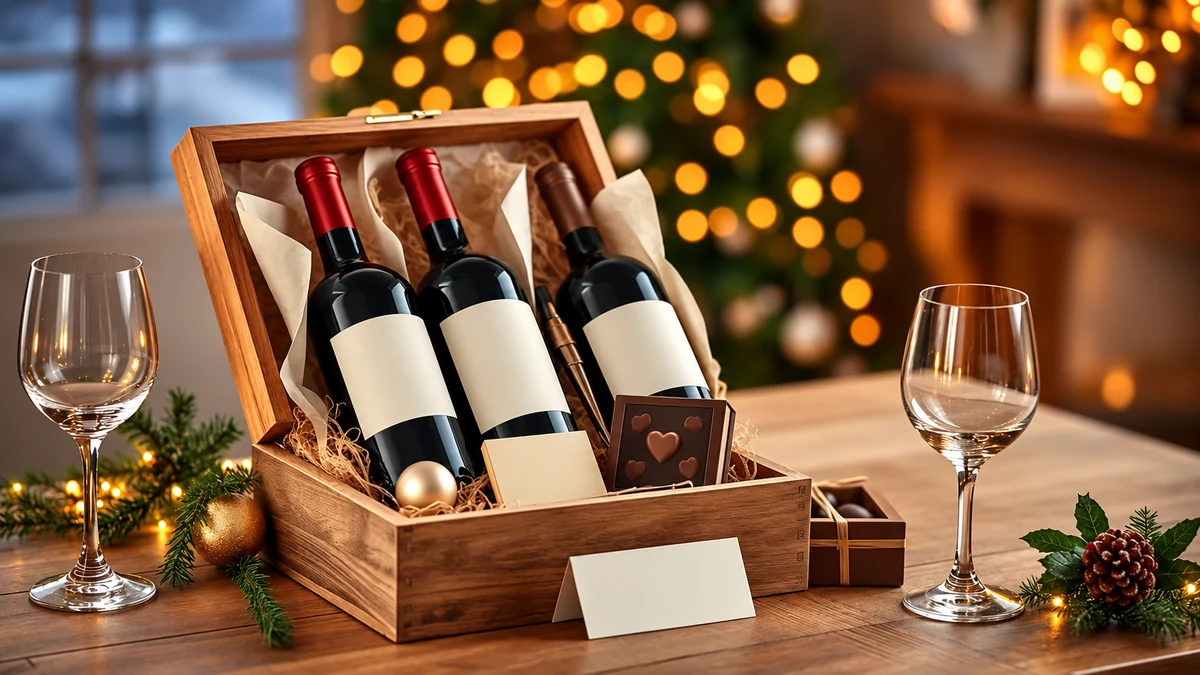
A wine gift set needs a coherent selection, secure packaging and a clear budget. If you intend to sell alcohol in the UK, check the licensing and age-verification requirements with the relevant local authority before offering it for sale. The rules differ between UK nations; the linked GOV.UK licensing guidance covers England and Wales.
Choosing the bottles
For a multi-bottle gift, consider two to four complementary styles, such as sparkling, aromatic white, rosé and red. This is a selection for the recipient to enjoy on suitable occasions, not a suggested amount for one meal.
- A clear theme: connect the bottles by region, style or price range.
- Versatility: include a bottle that suits dishes the recipient enjoys.
- Alcohol-free choices: offer a separate set with suitable alcohol-free drinks where preferred.
What to include
Alongside the bottles, choose useful accessories and appropriate accompaniments:
- A reliable corkscrew for bottles that require one.
- One or two wine glasses or suitable reusable drinking glasses.
- Protective packing such as bottle dividers and suitable cushioning, chosen for the transport method.
- A personalised tag or card with pairing and temperature suggestions, without obscuring the original bottle information.
- Small accompaniments: packaged dark chocolate, jam or biscuits, with ingredients and allergens available. Cheese requires the storage and chilled transport stated on its label; do not treat it as an ordinary ambient gift-box item.
Assembling the set step by step
- Set the audience and budget: a corporate gift, Secret Santa present and licensed retail product have different requirements.
- Choose complementary styles: for example, a lighter wine and a fuller one, guided by the recipient’s preferences.
- Select accessories: add one to three useful items without letting them overwhelm the budget.
- Choose suitable packaging: a wooden presentation box or sturdy cardboard box can work, with proper internal protection. Postal deliveries need packaging designed for bottles.
- Personalise the card: include simple pairing ideas, serving guidance and your business details where applicable.
- Pack carefully: secure bottles separately, fill gaps and close the packaging properly.
- Check stability: inspect the packing and gently check for movement; do not shake a box of glass bottles as a test. Use the carrier’s packing requirements.
Pricing and profit calculations
Separate entry-level, mid-range and premium sets if useful. Include bottles, accessories, packaging, labour, fees, taxes where applicable and delivery in the cost calculation. The original suggested adding 30–70% to cost: that is a markup, not the same as a 30–70% profit margin, and neither range guarantees a viable business. Calculate your actual costs and required selling price.
Presentation and descriptions
Use accurate photographs and state the wine styles, bottle volumes, number of bottles, serving guidance and possible food pairings. Avoid promising how many people a set will ‘serve’ as though everyone should drink the same amount.
Storage and delivery
Keep bottles in a cool, dark place before dispatch. Use suitable protective packaging and a carrier that accepts the product, following any age-verification and delivery requirements. Give accurate delivery and returns information, and maintain the required cold chain for any perishable food included.
Useful options for customers
- Offer variations: allow appropriate bottle substitutions or an alcohol-free set.
- Use clear themes: for example, ‘Christmas Table’, ‘Corporate Gift’ or ‘Special Selection’.
- Price multiple sets clearly: make any discounts and delivery conditions transparent, within the rules that apply to your sales.
- Include a personal message: a customisable card makes the set easier to give as a present.
Final thoughts
Sparkling, white, rosé and red wines offer different starting points for a Christmas menu. Choose the styles that suit your food and guests rather than feeling obliged to provide all four.
A sensible budget, suitable serving temperature and uncomplicated service matter more than a premium label. Keep water and appealing alcohol-free drinks available, and let personal taste guide the pairings.
For more festive recipes and practical ideas, visit the I Love Christmas blog and share your favourite food pairings in the comments.
Christmas dinner wine: frequently asked questions
Which wines work with Christmas dinner?
Try sparkling wine with savoury starters, a fresh white with fish or prepared salt cod, dry rosé with turkey, and a red of suitable weight with roasts. Consider the sauce, sweetness and personal taste; no style is a perfect match for everything.
What temperatures should I serve wine at?
Starting ranges are 6–8°C for sparkling wine, 8–10°C for lighter whites, 10–12°C for fuller whites, 8–12°C for rosé, 12–14°C for light reds and 15–18°C for fuller reds. Adjust to the style and the producer’s advice.
How much wine should I buy for dinner?
One 750 ml bottle for three or four wine-drinking adults is only a flexible shopping estimate, not a drinking target. A bottle provides six 125 ml measures. Plan around guests’ preferences, other drinks and the choice not to drink alcohol.
What works with salt cod, roast pork and turkey?
Try a fresh white with prepared salt cod, brut sparkling wine or a medium-bodied red with roast pork, and dry rosé or a lighter red with turkey. Sweet or citrus sauces can change the pairing.
Are there options for vegan and gluten-free guests?
Ordinary wine is gluten-free, but check added ingredients in flavoured products. For vegan guests, verify the specific bottle’s production and labelling. Offer suitable alcohol-free drinks too, checking the alcohol content rather than assuming fermented alternatives contain none.
How can I choose wine on a budget?
Compare current local prices, read useful style descriptions such as ‘fruity’ or ‘light-bodied’, and ask a retailer for advice within your budget. Choose only the styles you need; a premium or reserve label is not a guarantee of the best pairing.
Sources and Further Reading
- WSET: wine serving temperatures
- WSET: winter food and wine pairing
- WSET: vegan wine and fining
- Coeliac UK: alcohol and gluten
- GOV.UK: alcohol licensing in England and Wales