
For a family New Year in the countryside, choose accessible accommodation with enough space, agree on costs and responsibilities, and plan food and activities around the guests. Simple decorations, quiet alternatives and a practical travel plan can help different generations enjoy the celebration together.
A family New Year in the countryside can be a relaxed gathering with lights, music and a shared meal. These ideas retain some Brazilian festive food traditions while offering practical planning tips you can adapt to your location and the season.
Illustrations in this article are conceptual images, not documentary photographs or evidence of a particular historical event, destination, venue or access route.
Choosing a countryside venue

Start with who is coming and the kind of gathering you want: a meal, a party with music or a quiet stay together. That helps establish the space and facilities you need.
Capacity and comfort
Confirm the property’s actual permitted capacity, including beds, seating and bathrooms. Check access requirements with guests rather than assuming that a large house is suitable for everyone.
Facilities and services
Check drinking water, electricity, kitchen equipment, bathrooms, bedding and appropriate heating or cooling. Do not use outdoor heaters, barbecues or generators indoors or in enclosed spaces.
Location and travel
Consider road access, mobile reception and the distance to shops, pharmacies and medical help. Choose somewhere with practical arrival arrangements and suitable parking or transport options for your group.
Permissions and neighbours
Check the owner’s event rules, guest limit and noise restrictions. Do not assume a holiday rental permits parties or fireworks. A quiet, firework-free celebration may suit neighbours, animals and guests better.
Budget and booking
Compare the total price, including cleaning charges and deposits. Confirm cancellation terms and event permissions in writing before paying.
Before booking
- Confirmed sleeping and guest capacity
- Suitable kitchen facilities and equipment
- Accessible bathrooms and any necessary laundry arrangements
- Working safety equipment and clear exits
- Parking and a practical route to the property
- Access to help in an emergency
- Written rules on music, visitors and celebrations
- A suitable indoor plan for poor weather
Practical tip: visit if possible or request a current video tour. Ask specific questions about access and facilities, and keep written confirmation of important arrangements.
A practical timetable and shopping plan

A shared planning timetable can reduce last-minute pressure. Divide tasks fairly and make the preparations manageable for the people involved.
A suggested schedule
- Several weeks ahead: agree on dates, guest numbers and accommodation. Busy venues may need booking well before six to eight weeks in advance.
- Three or four weeks ahead: choose the main dishes, check dietary needs and list shelf-stable ingredients.
- A week ahead: finalise food, drink and decoration plans and buy suitable non-perishables.
- In the final few days: buy perishables according to use-by dates and storage instructions. Prepare food ahead only where the recipe supports safe storage.
- The day before: organise serving dishes, bedding and tasks. Follow appropriate chilling or freezing guidance for prepared food rather than leaving it at room temperature.
- On New Year’s Eve: cook or reheat food safely, finish suitable salads, check lighting and access, and share hosting tasks.
A shopping-list framework
The original list did not specify a guest count, so treat these categories as a planning framework, not quantities for a fixed number of people:
- Main course: roast turkey, pork or another centrepiece, with quantities based on a reliable recipe and your guests.
- Side dishes: rice, potatoes and, if desired, farofa, the Brazilian toasted cassava-flour side dish.
- Desserts: ingredients for the chosen recipes, plus suitable fresh fruit.
- Drinks: water and suitable alcohol-free choices, with alcoholic drinks only for adults who want them.
- Appetisers: a manageable selection such as cheese, crackers or other options appropriate to dietary needs.
- Decorations: existing safe lights, LED candles if wanted and a suitable tablecloth.
- Cleaning supplies: cloths, kitchen roll where needed, napkins and suitable waste bags.
- Practical extras: a torch, securely stored spare batteries and an appropriate first-aid kit.
Final checks
- Confirm guest numbers and any changes in dietary or access needs.
- Check that there are enough suitable plates, glasses and cutlery.
- Make enough fridge and freezer space for safe storage.
- Check outside lighting, clear access routes and the property’s emergency arrangements.
- Agree who will help with music, photographs and clearing up.
Keeping spending manageable
Compare ingredient prices and share purchases where useful, avoiding bulk quantities you will not use. Provide water and age-appropriate drinks for children, and choose fewer appetisers if that makes the menu easier to manage.
Keep one shared list or document so everyone can see agreed tasks and purchases, with a simple offline alternative for anyone who needs it.
Comfortable, affordable New Year decorations
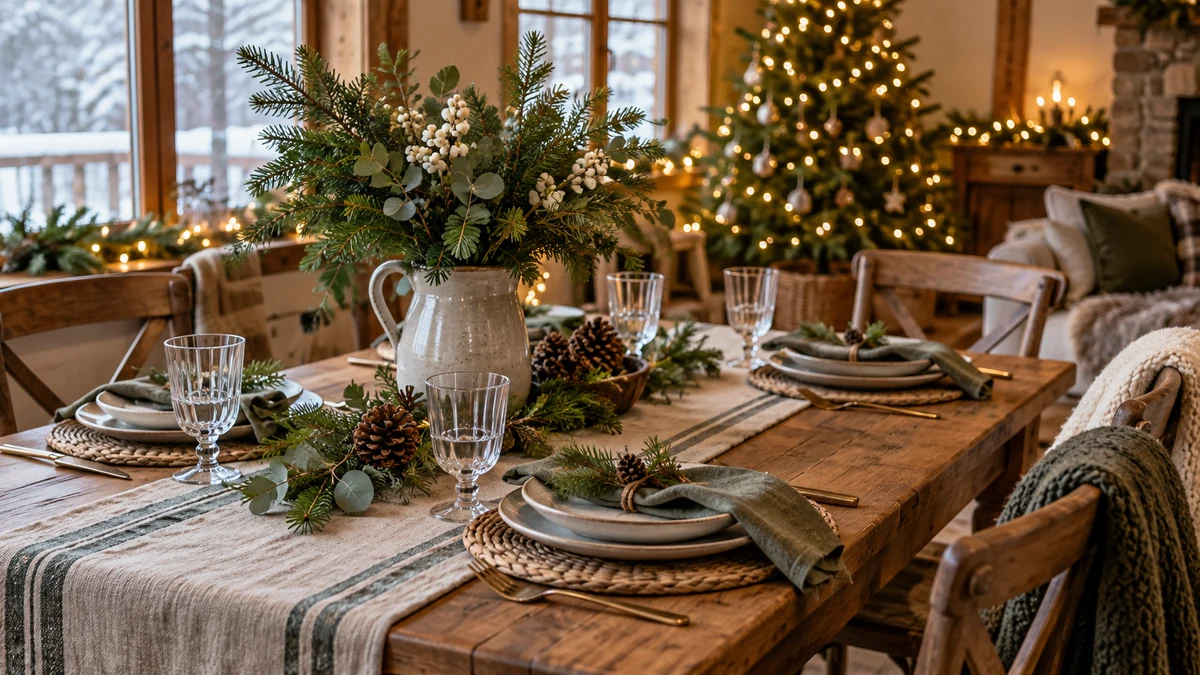
Use suitable materials already available and keep comfort, access and safe movement ahead of a complicated decorative scheme.
Simple materials
Reuse sound LED lights, fabric and ornaments. Check what you have before visiting shops or craft stalls, and keep small decorations away from children and pets.
Warm, practical lighting
Warm-toned lighting can create a cosy atmosphere without making steps or walkways difficult to see. Use outdoor-rated equipment outside and LED candles around table decorations.
Simple table arrangements
A few suitable objects can make an attractive centrepiece:
- A stable vase with a simple arrangement, positioned where it cannot easily be knocked over.
- A small cluster of seasonal decorations on a runner, kept clear of food and young children’s reach.
- LED candles with secure battery compartments, away from children and pets.
Textiles and comfort
Use existing cushions and blankets where suitable for the weather. Avoid loose rugs or trailing fabric that could cause trips, and keep textiles away from heaters.
Outdoor arrangements
Light essential paths with suitable outdoor equipment and keep cables out of the way. Choose a countdown with music or lights rather than treating fireworks as a routine part of a rural gathering. Do not release sky lanterns.
Reuse and personal touches
Bring out decorations from previous years or display a few family photographs with permission. Making simple decorations can become a shared activity without buying a large supply of new materials.
- List useful items you already own before shopping.
- Choose a simple colour scheme if that makes arranging the room easier.
- Test lights and check the layout before guests arrive.

Build the meal around the guests’ dietary needs and your kitchen capacity. The following ideas retain Brazilian influences; adapt the overall menu without changing unfamiliar recipes by guesswork.
Dish ideas
- Brazilian-inspired choices: roast pork or poultry, rice with raisins and seasoned farofa.
- Straightforward options: a safely prepared roast, suitable salads or a modest cheese and cold-food selection kept properly chilled.
- Vegetarian choices: aubergine bake, mushroom risotto or a grain-and-vegetable salad, checking stock and cheese ingredients where relevant.
Rice with raisins and almonds: ingredients
- 1 kg white rice, rinsed and drained where its packet instructions recommend this. This is a large batch; the original gives no serving yield.
- 3 tablespoons cooking oil, or olive oil.
- 1 medium onion, chopped.
- 100 g raisins, soaked in warm water for 10 minutes, then drained.
- 80 g flaked almonds; omit or choose a suitable alternative if needed for allergies.
- Water or vegetable stock: the original lists 1.5 litres but does not identify the rice variety. Check the packet’s liquid requirement for 1 kg rather than treating that amount as a reliable ratio for every rice.
- Salt and pepper, to taste.
Rice with raisins and almonds: method
- Soften the onion: heat the oil in a suitable large pan and cook the onion until translucent.
- Toast the almonds: lightly toast them in a separate dry pan, watching closely, then set aside.
- Cook the rice: add the rice to the onion and stir briefly. Add the liquid required by the rice’s instructions, season and follow its cooking method until tender. Do not rely on the liquid simply disappearing as proof that the rice is cooked.
- Finish: gently fold in the drained raisins and toasted almonds, then adjust the seasoning. Serve promptly; if keeping rice for later, follow the specific rice-storage guidance linked below. Source: Food Standards Agency: rice storage and reheating
Vegetarian aubergine bake: ingredients
- 3 medium aubergines, sliced lengthways.
- 500 g tomato sauce, homemade or bought.
- 300 g mozzarella suitable for vegetarians, or a suitable plant-based alternative.
- 200 g ricotta mixed with herbs, optional; choose vegetarian-suitable cheese and omit or replace it appropriately for a vegan version.
- Olive oil, salt and oregano, to taste.
Aubergine bake: method
- Prepare the aubergines: cook the slices in a frying pan with a little olive oil until softened.
- Layer the dish: alternate tomato sauce, aubergine, optional ricotta and mozzarella in a suitable ovenproof dish.
- Bake: the original specifies 180°C for 25–30 minutes without identifying the oven setting. Treat the time as a guide and check that the dish is hot throughout, bubbling and lightly browned.
- Rest briefly: leave for about five minutes before serving so the layers settle a little.
Organising the meal
Prepare only dishes that can be safely made ahead and keep hot and chilled food under appropriate conditions. Share responsibilities for drinks, desserts and serving. Calculate quantities from guest numbers, appetites and the menu; a single food-and-drink allowance will not suit every gathering.
Useful serving tips
- Label dishes and explain ingredients, keeping allergen-containing items and serving utensils separate where needed.
- Use reusable serving dishes where practical and plan washing-up space.
- Offer suitable portions and choices for children without assuming all children prefer the same flavours.
- Individual desserts may simplify serving, but still need appropriate storage and handling.
Activities for different generations

Offer a few short, optional activities and adapt them to people’s interests, communication and mobility needs. Quiet company is also a valid way to take part.
Family photographs and stories
Materials: a selection of photographs people are comfortable sharing and suitable seating.
- Arrange the pictures: place a manageable selection on a table or provide larger copies if helpful.
- Choose and tell: invite each willing person to share a short memory connected with a picture.
- Ask a gentle question: others can ask about the place or occasion, without turning uncertain memories into a test.
Family-interest bingo
Materials: cards with friendly statements such as “enjoys cooking” or “likes gardening”, suitable markers and optional small prizes.
- Prepare the cards: choose a manageable set of non-sensitive interests and arrange them differently on each card.
- Read the statements: players can mark a statement that applies to them, with the winning pattern agreed beforehand.
- Keep it friendly: offer optional stories and small suitable rewards, without requiring anyone to reveal private information.
A mixed-generation treasure hunt
Materials: clear clues, suitable rewards and simple route markers.
- Choose a short route: use safe, accessible areas; an indoor route may be better in darkness or poor weather.
- Create cooperative teams: combine willing participants with different interests and abilities rather than making it a race.
- Adapt the clues: keep everyone away from hazards and offer equivalent seated or accessible ways to solve the trail.
A craft and keepsake table
Materials: paper, age-appropriate scissors, suitable glue, pictures and washable pens, with adult supervision where needed.
- Make New Year cards with messages guests can exchange.
- Create a small shared album, with each willing person contributing a page.
- Decorate suitable containers with paper details; use unbreakable options for younger children rather than glass and loose lights.
A countdown everyone can enjoy
Try an optional moment of appreciation, a written wish or a short music countdown. Provide clear visual cues as well as sound, and consider an earlier countdown for children or anyone who does not want to stay awake until midnight.
Quieter games and adaptations
Dominoes, a shared jigsaw, storytelling or a familiar board game can work well. Provide comfortable seating, clear lighting and routes free from loose rugs or other trip hazards.
- Keep activities short and flexible rather than insisting that everyone plays for a set time.
- Make drinking water and necessary help easy to find.
- Keep a quiet area for anyone who wants a break.
Practical tip: share a simple outline of the evening and identify someone who can help with each activity, while allowing guests to opt out.
Accommodation, practical precautions and costs

Agree on sleeping arrangements, transport and shared expenses before arrival so there are fewer decisions to make late at night.
Comfortable sleeping arrangements
Check actual capacity and access, including bed suitability, bathroom access and space for mobility equipment. Ask guests what they need and provide a quieter sleeping area where possible.
- Confirm whether bedding and towels are supplied or need to be brought.
- Check any cot or additional-bed arrangements and costs, including whether the equipment is appropriate and safe for the child.
- Allow space for drying wet clothing and safely storing food.
Arrivals and communication
Share arrival details, a contact number and the address for emergencies. Send access codes privately. Agree on arrival times where helpful so guests can unload and settle in comfortably.
Practical precautions during the evening
Check the venue on arrival and explain the essential arrangements to the group.
- Locate exits, alarms and appropriate fire-safety equipment, and know how to leave the property quickly.
- Check outside lighting and clear obstacles from paths.
- Supervise children and keep them away from cooking equipment, open water and other hazards.
- Prefer a firework-free celebration. If considering a display, check current local law, the venue’s permission and professional safety guidance; agreement with neighbours alone is not sufficient.
Emergency arrangements
- Keep a suitable first-aid kit: include basic dressings and other appropriate supplies. Personal medicines should remain identified and securely stored, not shared casually among guests.
- Keep contact details: note the local emergency number, exact property address and relevant nearby services.
- Know who can help: identify anyone with appropriate first-aid training and how to reach professional help if needed.
Saving without losing comfort
Coordinate purchases and equipment so households do not bring unnecessary duplicates. Share tasks according to willingness and capacity.
- Agree which household will provide each dish or item, with safe food transport arrangements.
- Compare unit prices and seasonal ingredients, buying larger quantities only when useful.
- Reuse suitable decorations and switch unnecessary lighting off.
Agreeing on shared costs
Set a clear budget for agreed shared expenses, keep records and arrange reimbursements promptly. Do not assume every household can contribute the same amount.
- Agree on contributions before making shared purchases.
- Choose a willing person to keep the expense record and seek agreement for unexpected costs.
- Keep receipts and share a clear summary without exposing private payment details.
Practical tip: record existing damage on arrival and notify the owner promptly, keeping the accommodation agreement and relevant messages.
A family New Year in the countryside can be simple and welcoming. A suitable venue, manageable meal and flexible activities help make room for different needs.
Start with one small planning task and invite others to help, so the preparations feel shared rather than falling on one person.
Thank you for reading. Explore the I Love Christmas blog for more seasonal food, activities and celebration ideas.
Share your experiences if you wish, with permission from anyone pictured. We hope you enjoy a comfortable and happy New Year together.
Frequently asked questions about a family New Year in the countryside
How should I choose a venue?
Check permitted capacity, access needs, kitchen and bathroom facilities, transport and emergency arrangements. Ask for current information and written confirmation before booking.
How can I organise the timetable and shopping?
Confirm guests and dietary needs, choose a manageable menu and share tasks. Buy perishables according to use-by dates and safe storage guidance rather than one fixed timetable for every food.
Which menu options suit a mixed group?
Offer a small range of suitable main dishes and sides, including vegetarian choices where needed. Check allergies, ingredients and the kitchen’s capacity before deciding on recipes.
Which activities can different generations enjoy?
Try short, optional games, shared photographs, crafts or a simple treasure hunt. Adapt access and communication and provide quieter alternatives and breaks.
How can we manage costs and practical risks during the stay?
Agree on expenses, check the property and plan transport, food storage and emergency contacts. Reuse suitable equipment and decorations, but do not cut corners on essential access or safety needs.
Sources and Further Reading
- Food Standards Agency: rice storage and reheating
- GOV.UK: chilling, freezing and defrosting food
- GOV.UK: fireworks rules
- GOV.UK: fire safety when celebrating