For a snowy Christmas holiday, consider the Swiss and Austrian Alps, Finnish Lapland, Canadian mountain towns or winter resorts in the USA. Compare your budget, preferred activities, likely snow conditions and transport options. Booking ahead can help with availability, but neither snow nor the lowest price is guaranteed.
Snowy Christmas holidays have an obvious appeal: imagine opening the curtains to a landscape dusted with white. If that is your dream, these destination ideas and practical planning tips will help you choose a trip that suits you, with realistic expectations about the weather.
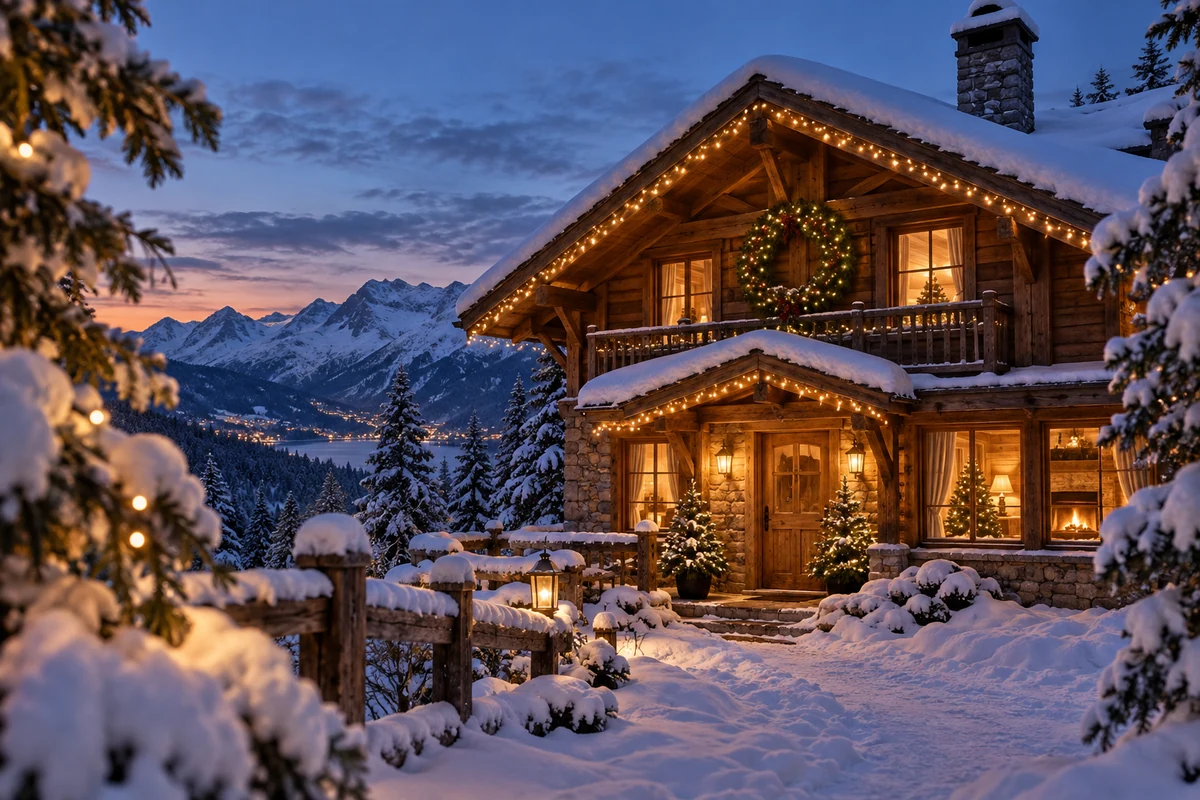
Illustrations in this article are conceptual images, not documentary photographs or evidence of a particular historical event, destination, venue or access route.
European Destinations for a Wintry Christmas
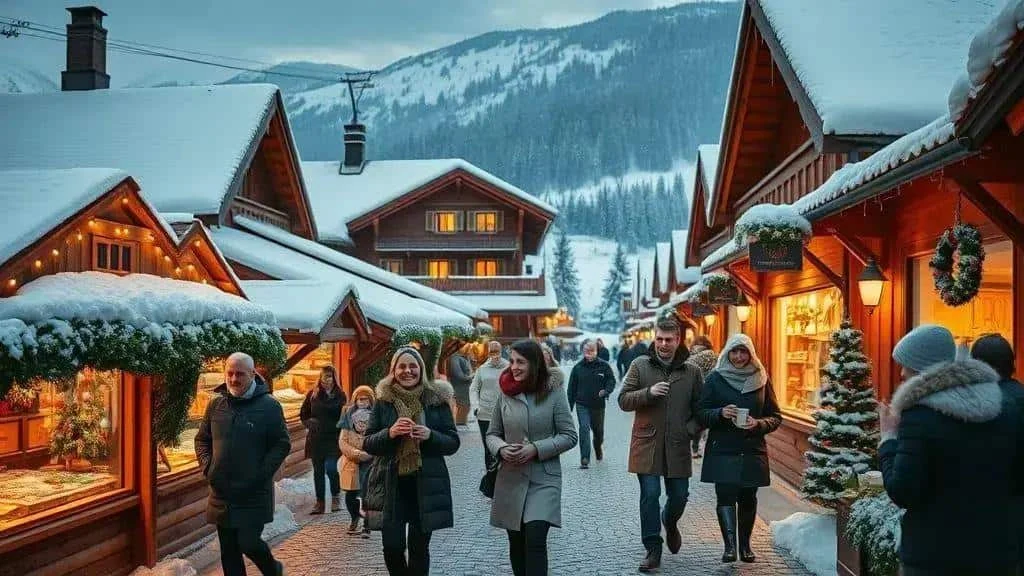
A white Christmas in Europe can combine festive markets, winter sports and mountain villages. Some destinations offer better prospects of snow than others; historic cities can be wonderfully festive even when their streets are clear. Choose the experience as well as the scenery.
Places to Consider and What to Expect
- Zermatt and St Moritz, Switzerland: Alpine scenery, established ski resorts and cosy places to eat. These are options for a mountain-based holiday, with accommodation ranging in style and price; check transport and lift arrangements before booking. Source: Switzerland Tourism — Winter destinations
- Salzburg and Innsbruck, Austria: historic surroundings and seasonal markets, with mountain excursions available from the cities. Snow on nearby slopes does not necessarily mean snowy streets in town.
- Rovaniemi, Finnish Lapland: Santa-themed attractions and Arctic winter experiences, including guided reindeer outings where conditions allow. Northern Lights sightings require suitable skies and solar activity, so treat them as a possibility rather than a promise. Source: Visit Finland — Northern Lights seasons
- Tromsø, Norway: a northern city often chosen for aurora holidays and winter excursions. Check what each operator actually offers on your dates, including daylight, weather and transport arrangements.
- Cortina d’Ampezzo and the Dolomites, Italy: mountain villages, skiing and warming regional food. Select a resort and lessons that match your ability, and check which lifts and slopes are open.
- Rothenburg ob der Tauber and Bavarian market towns, Germany: historic streets, Christmas decorations and traditional crafts. Choose them for their atmosphere, rather than relying on snowfall.
- Prague, Czechia: illuminated squares, historic architecture and seasonal markets. A snowy Christmas is possible, but far from assured.
Activities to Build into Your Trip
Leave time for Christmas markets, craft shopping, outdoor skating where available, cable-car rides, suitable winter sports and seasonal concerts or meals. Check opening dates, especially around Christmas Day. Include quieter days between busy outings so you can enjoy the place at your own pace.
Booking and Budgeting
Start comparing flights and accommodation well before your travel dates, particularly for school holidays and small resorts. Check what packages include, such as transfers or ski passes, and reserve special meals when bookings open. Flexible dates may offer savings, but compare the complete cost rather than assuming a particular month is cheapest.
Transport and Practical Arrangements
Where routes suit your itinerary, trains can offer a scenic alternative to driving on unfamiliar winter roads. For remote accommodation, check the final connection carefully: a rail ticket may not cover the transfer to your chalet. If hiring a car, confirm local winter-equipment requirements. Check holiday timetables and make sure your insurance covers your planned activities.
What to Pack
- Thermal layers: enough base layers to change into dry clothing between outings.
- A warm, waterproof coat: ideally with a hood and room for insulating layers underneath.
- Waterproof boots with good grip: comfortable for walking, with suitable socks.
- Gloves, a hat and a scarf: include spare gloves in case a pair gets wet.
- Sunscreen and lip balm: snow reflects sunlight, while cold and wind can leave exposed skin feeling dry.
- A plug adaptor and your usual medicines: check travel requirements for prescriptions; seek professional advice if altitude or a health condition may affect your trip.
- A small day bag: with room for a flask, spare layers and a camera.
A Few Useful Planning Tips
Check local event listings and snow reports as departure approaches. With children, several nights in one base can be easier than repeated hotel changes. If the Northern Lights are a priority, allowing several nights gives you more opportunities, although cloud and auroral activity can still prevent a sighting.
South America: Christmas in Chile and Argentina
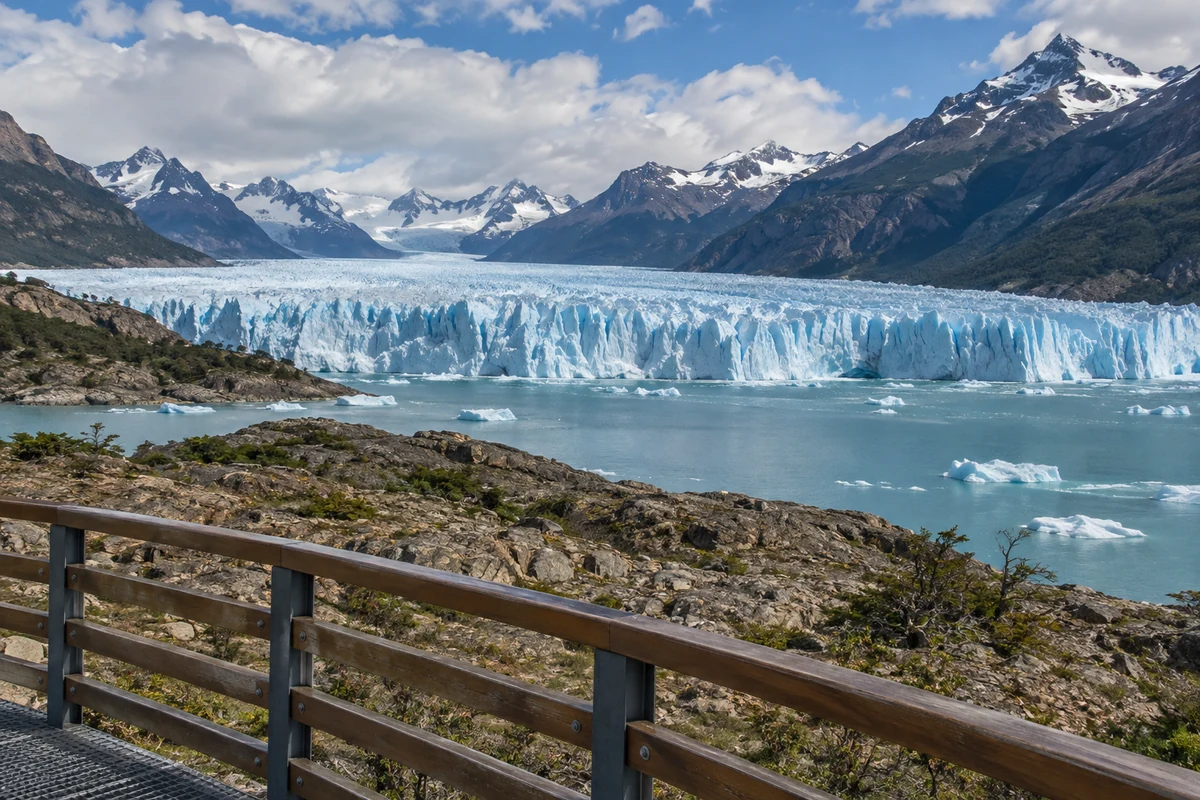
December is summer in the Southern Hemisphere, so fresh snow is not the usual Christmas experience across Chile and Argentina. Patagonia offers glaciers and striking mountain scenery, but permanent glacier ice is different from a snowy winter holiday. Choose this region for its summer landscapes rather than expecting December skiing. Source: Visit Argentina — Perito Moreno Glacier
Destinations and Experiences to Consider
- El Calafate, Argentina — Perito Moreno Glacier: viewpoints and organised excursions offer ways to see the glacier. Ice trekking, where available, has operator-specific age, fitness and equipment requirements; it is not an unguided stroll.
- Ushuaia, Tierra del Fuego, Argentina: a base for southern coastal and mountain scenery, boat trips and summer excursions. Do not book a December visit on the assumption that winter sledging or snow sports will be operating.
- El Chaltén, Argentina: walking routes with mountain and glacier views. Conditions vary by route and altitude; check current trail information and use a qualified guide for specialist glacier activities.
- Patagonian glacier regions in Chile and Argentina: boat excursions and suitable trails can bring you close to dramatic ice landscapes. These are summer glacier visits, not a substitute for a Christmas ski resort.
- Valle Nevado and Portillo, Chile: skiing belongs to the Southern Hemisphere winter, with operating dates dependent on each resort and the season. In December, check directly for any summer activities; do not assume snowmaking means skiing is available.
Planning a Glacier Experience
Use established operators for glacier excursions. Book guided ice walks or boat trips once you have checked eligibility, availability and cancellation terms. Summer is a popular visiting season. A package including transport may simplify the day if you are travelling without a car.
Getting There and Getting Around
Compare current flight routes to El Calafate or Ushuaia and allow realistic time for connections. For remote visits, look at organised transfers and the actual road conditions before choosing a hire vehicle. A four-wheel-drive car is not automatically necessary, nor does it make every route safe.
What to Bring
- A warm, windproof coat: useful near exposed glacier viewpoints, even in summer.
- Layers: a base layer, fleece and waterproof outer layer suitable for the forecast.
- Waterproof walking boots: with grip appropriate for the route; specialist ice equipment must follow the operator’s requirements.
- Sunglasses and lip protection: for bright, exposed conditions around ice and water.
- Spare gloves and a hat: particularly useful on longer, windy outings.
Booking and Costs
Compare glacier excursions in advance and budget for transfers, park entry and equipment where these are charged separately. Booking early can help secure a place, but is no guarantee of a discount. If skiing is your main aim, plan around the resorts’ Southern Hemisphere winter dates and current snow conditions instead of Christmas.
Safety and Comfort
Follow your guide’s instructions on ice and use the specified equipment. Choose outings that suit everyone’s fitness and access needs. Ask your insurer about the particular activity and any rescue costs, rather than assuming that a general holiday policy covers glacier trekking.
Christmas Cities and Mountain Towns in North America
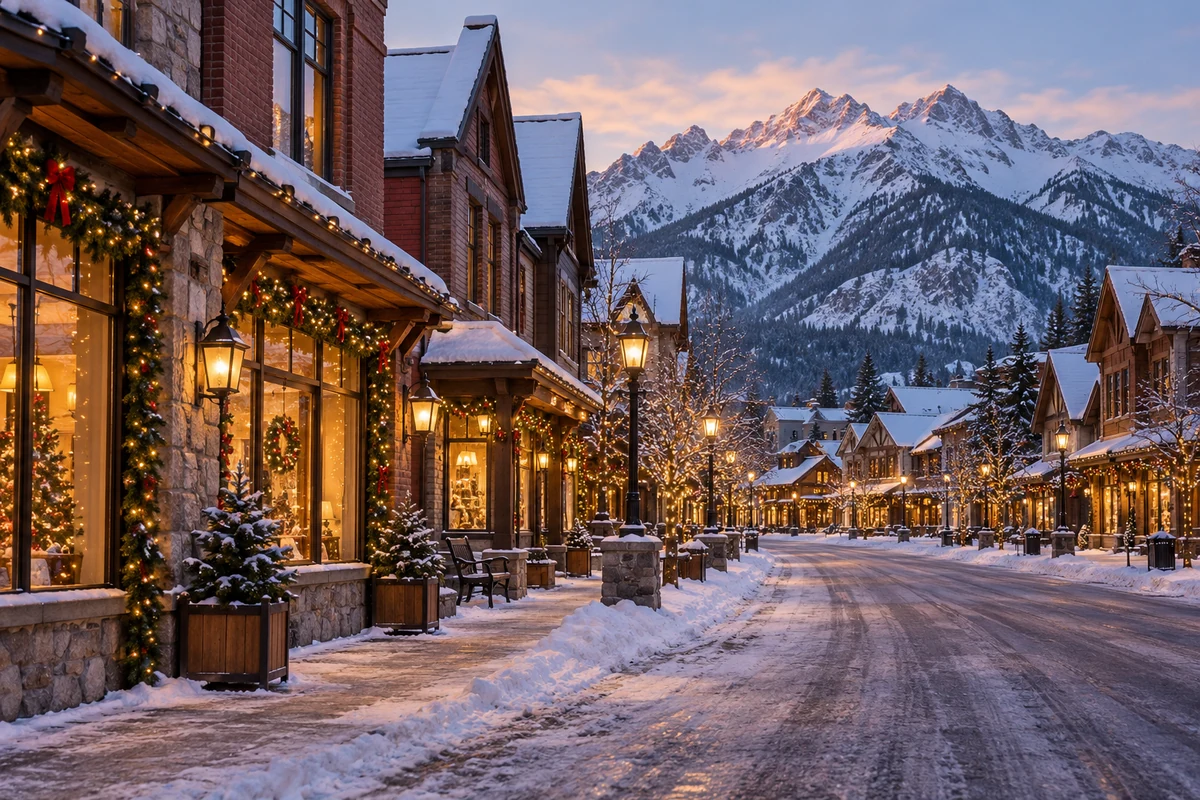
The USA and Canada offer festive lights, markets and winter scenery, but snow varies greatly by location and year. A city Christmas and a mountain snow holiday are different choices: decide which matters most before booking.
Places to Consider
- New York City, USA: the Rockefeller Center tree, skating and decorated shop windows are well-known seasonal attractions. Check dates and tickets; snowfall is uncertain.
- Chicago, USA: seasonal markets, illuminated streets and winter skating can form part of a city break. Expect cold conditions, but do not equate low temperatures with guaranteed snow cover.
- Québec City, Canada: historic streets and a distinctly wintry setting make it an appealing Christmas destination. Check the year’s market programme and weather rather than relying on photographs from another season.
- Montréal, Canada: cultural outings and seasonal events, with winter-sports excursions possible outside the city. Plan travel to each activity separately.
- Banff, Canada: a Canadian Rockies base for mountain scenery and winter activities. Check Parks Canada’s current access and trail guidance: summer walks are not automatically suitable in winter.
- Stowe and Woodstock, Vermont, USA: small-town settings, seasonal decorations and nearby winter activities. Availability and snow conditions depend on the dates and location.
- Vancouver and Whistler, Canada: combine coastal city attractions with a separate mountain stay or excursion. Vancouver’s climate is milder; snowy conditions higher up do not mean snow in the city itself.
Things to Do
Look for seasonal skating, craft markets, suitable cable-car rides, skiing or guided snowshoeing, alongside Christmas concerts or church services if these interest you. Keep some unstructured time for exploring rather than filling every day with bookings.
Choosing Dates and Booking
Compare accommodation early for Christmas and school-holiday travel, and check when attraction tickets go on sale. Mountain destinations may better suit a snow-focused trip than milder cities, but conditions still vary. Confirm the dates of individual Christmas events before organising your stay around them.
Travel and Transfers
Direct flights can simplify the journey where available. Compare trains, coaches and organised transfers for the onward route, allowing for winter delays. Ask accommodation providers about arrival arrangements, snow clearance and accessible routes from the drop-off point.
Packing Essentials
- Layered clothing: thermals, fleece and a waterproof outer layer.
- Waterproof boots: with good grip for pavements and walkways.
- Accessories: gloves, a hat, scarf and spare socks.
- Protection from the elements: lip balm and sunglasses for bright snow conditions.
- Optional traction aids: suitable boot grips may help on some icy walking surfaces; follow local advice and remove them where required indoors.
Practical Tips
Check weather, road reports and event updates before setting out. If driving, confirm winter tyre and equipment requirements for the route; four-wheel drive is not a substitute for grip or careful driving. A convenient base and shorter outings can make family travel easier.
Staying Safe
Follow signs and closures on slopes and trails. Check activity cover with your insurer and follow local weather advice. Walk carefully on ice and turn back if conditions exceed your experience or equipment.
Choosing a Destination to Suit Your Budget and Travel Style
Start with two questions: what can you comfortably spend, and what do you most want from the holiday? Comparing those answers is more useful than choosing a destination from a snowy photograph alone.
Think About Your Travel Style
- Budget-conscious: simple accommodation, public transport and a small number of paid activities.
- Comfort-focused: comfortable hotels, fewer changes of base and meals out.
- Activity-led: skiing, aurora outings or Christmas markets shape the itinerary.
- Family travel: manageable transfers, useful kitchen facilities and activities suited to the children.
- Romantic or luxury: private transfers, special meals and a chalet or hotel chosen for the experience.
Building a Budget for Seven to Nine Days
- Lower-cost approach: price flights or rail travel, simple accommodation and meals separately, then add a realistic activity allowance.
- Mid-range approach: include your preferred hotel, some paid excursions, meals out and all transfers between destinations.
- Luxury approach: obtain quotes for premium accommodation, private experiences and special meals before committing to the trip.
There is no reliable single price range for all these destinations. Departure point, dates, exchange rates and group size change the total considerably. For skiing, include lessons, equipment and lift passes as well as the room and flights.
Ways to Keep Costs Under Control
- Consider one base with day trips to reduce repeated transfers and hotel changes.
- Compare flexible departure dates: travelling outside the busiest days may help, but check the full itinerary rather than the headline fare.
- A family apartment with a kitchen can make self-catering possible; compare its total cost with hotel and meal options.
- Compare equipment hire with buying and transporting your own, taking the length and frequency of your trips into account.
- Assess combined passes against the journeys and attractions you will actually use, and read the cancellation terms before buying.
Where Extra Spending May Be Worthwhile
You might prioritise a particular experience, such as a properly guided glacier excursion, a snow-hotel stay or a Northern Lights outing. Staying near suitable slopes may also save time if skiing is the main purpose of your holiday. Compare the benefit with the added cost.
A Flexible Booking Timeline
- Six to nine months ahead: a useful time to start comparing popular Christmas destinations, flights and accommodation, rather than a promise of the lowest fare.
- Four to six months ahead: review transfer options, vehicle hire and ski-pass arrangements as operators release them.
- Two to three months ahead: check seasonal events and restaurant bookings; some sell earlier, while others have not yet released their programme.
- In the final weeks: reconfirm bookings, review your packing list and check current travel and weather advice.
Insurance, Logistics and Comfort
- Travel insurance: check cover for your actual winter activities, medical care and rescue. Weather-related cancellation is subject to the policy’s terms, not an automatic inclusion. Source: FCDO — Preparing for winter sports abroad
- Local transport: compare rail connections where practical and organised transfers for remote accommodation.
- Flexibility: have an indoor alternative for poor weather or a snow-free day.
Quick checklist: confirmed transport, understood cancellation terms, suitable insurance, checked equipment and some room in the budget for unexpected costs.
Packing for Christmas Meals and Days in the Snow
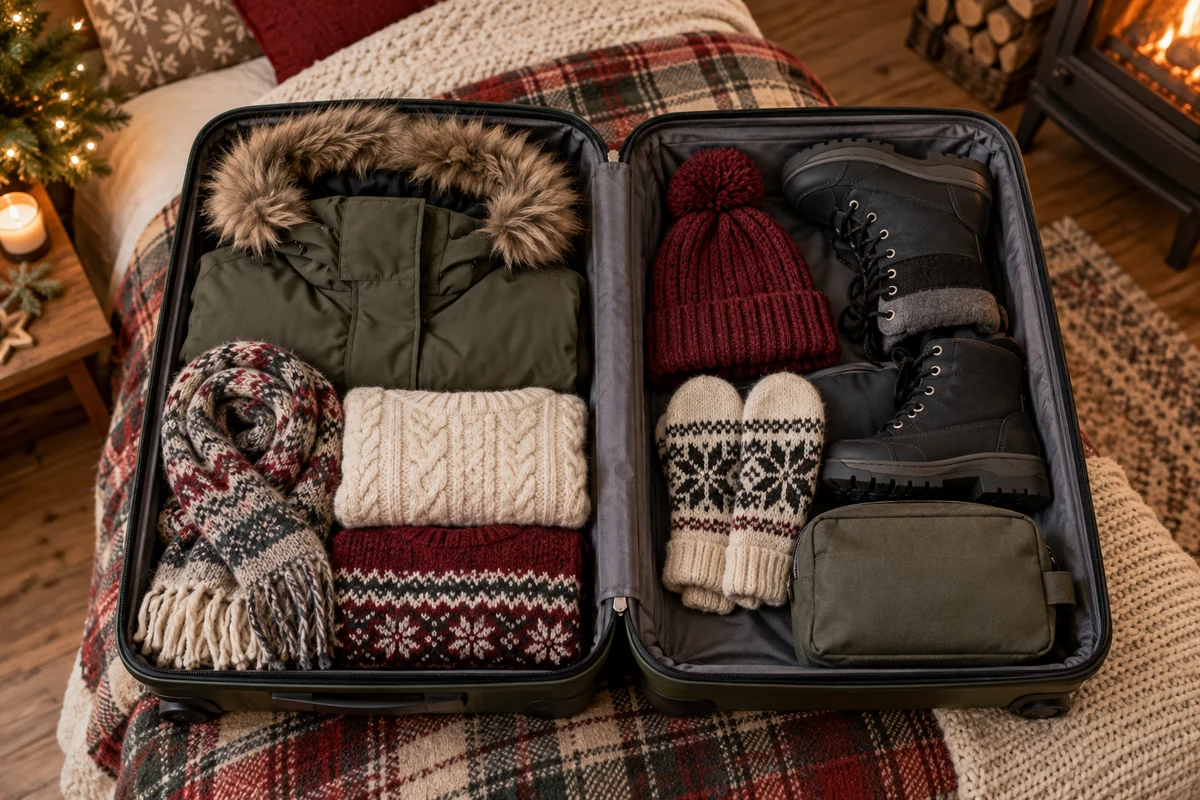
A practical bag makes it easier to enjoy both outdoor activities and a relaxed Christmas meal. Prioritise adjustable layers, protection from wet weather and a few comfortable indoor items.
Clothing Layers
- Base layers — around two sets: thermal tops and bottoms in suitable fabrics such as merino wool or synthetic fibres; adjust the quantity to your stay and laundry arrangements.
- Mid-layers — one or two pieces: a fleece or jumper for extra warmth.
- A waterproof outer coat: a hooded jacket or parka suited to the forecast, with enough room for layers.
- Thermal leggings and waterproof trousers: useful for outdoor activities where ordinary trousers may get cold or wet.
Footwear and Accessories
- Waterproof boots: well-fitting footwear with suitable grip, worn with warm socks.
- Two pairs of gloves: include a dry spare and protection suited to wet snow.
- A hat and scarf: or a neck warmer, in materials appropriate to the conditions.
- Appropriate boot grips: ask locally what is suitable for your walking route. Walking traction aids and mountaineering crampons are not interchangeable; technical terrain requires specialist skills and equipment.
Christmas Dinner and Indoor Comfort
- One smarter outfit: choose something comfortable for your planned meal and check any restaurant dress code.
- Indoor shoes: a comfortable pair for the hotel or restaurant.
- A small wash bag: toothbrush, toothpaste, deodorant and toiletries within your luggage allowance.
Skin Care and Health Essentials
- Lip balm and moisturiser: useful when cold air and wind dry the skin.
- Sunscreen with at least SPF 30 and good UVA protection: snow reflects sunlight. Cover exposed skin where practical and follow the product’s application instructions. Source: NHS — Sunscreen and sun safety
- Personal medicines and a small first-aid kit: include prescribed treatments and suitable essentials such as plasters. Ask a pharmacist if you need advice about additional medicines.
Electronics and Documents
- Chargers and a power bank: keep devices protected from the cold and follow airline rules for carrying batteries.
- A plug adaptor and document copies: keep passport details, bookings and insurance information accessible, with an offline or paper backup.
- A camera or phone with suitable protection: a weather-resistant case can be useful during outings.
Useful Extras
- A flask: for a warm drink on a longer day out.
- Packing cubes or compression bags: organise layers and separate worn clothing.
- A small practical kit: a torch and simple repair items suited to the trip, checked against transport restrictions.
- Payment options: carry a backup way to pay and check card acceptance and currency needs for your destination.
Packing Tips
- Position heavier items such as boots securely in your case and protect other belongings from their soles.
- Use soft clothing to cushion fragile items, while keeping travel essentials easy to reach.
- Leave space for small Christmas purchases, but check weight and cabin-bag limits before adding an extra bag.
Christmas Activities: Markets, Lights and Winter Sports
Markets and Local Traditions
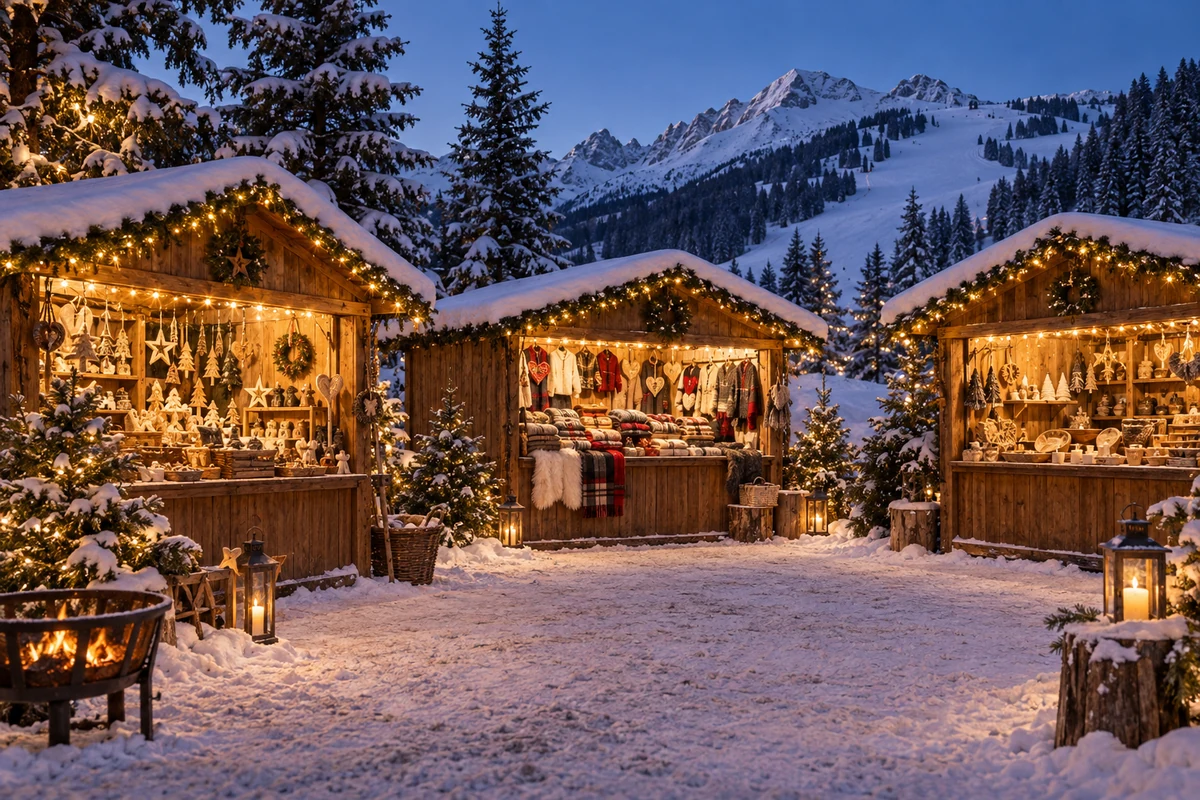
Wooden stalls, seasonal food and handmade gifts can make Christmas markets a highlight. Try local specialities and browse crafts if you enjoy discovering a destination through its everyday traditions.
- Look for regional biscuits, cheeses or handmade decorations, checking any restrictions before bringing food home.
- Quieter visiting times can make browsing easier; the least busy hours vary by market.
- Check local listings for music, carol singing and other Christmas events nearby.
Lights and Seasonal Events
Illuminated streets and squares can be enjoyable even without snowfall. Some destinations offer light trails or special switching-on events. Check the local programme for current dates, access arrangements and tickets.
- Visit after dusk for the lights, allowing for the very short daylight hours in northern destinations.
- Book ticketed concerts, exhibitions or light trails once you have confirmed the dates and conditions.
Outdoor Activities and Winter Sports
Skiing, snowboarding, skating and sledging are familiar winter options where conditions and local facilities allow. Beginners should use appropriate instruction and designated beginner areas.
- Local equipment hire can reduce the amount of bulky luggage you carry; reserve the right sizes where possible.
- A short introductory lesson may help you start, but it does not automatically prepare you for harder slopes. Follow your instructor’s advice about what is appropriate next.
- Snowshoeing can offer a slower way to explore, but an easy summer trail may cross avalanche terrain in winter. Choose a designated open route or a suitable guided outing and follow current local advice. Source: Parks Canada — Snowshoeing in Banff
More Unusual Experiences
Depending on the destination, you may find snow-hotel meals, guided aurora outings or husky-sled excursions. Check animal-welfare practices, conditions and exactly what is included. Book ahead where necessary, while remembering that weather can change the programme.
Choosing Activities for Your Group
- Families with children: choose manageable outings close to your base and check age requirements.
- Couples: consider an evening walk on a suitable lit route or a relaxed meal in a cosy setting.
- Active travellers: choose qualified instruction and guides for sports or terrain beyond your experience.
Practical Safety Checks
- Check age limits, access arrangements and physical requirements before booking.
- Wear appropriate layers and activity-specific protection, such as a properly fitted ski helmet and goggles.
- Confirm that insurance covers your chosen activities and any relevant rescue arrangements; read the exclusions.
- Arrive at the time requested by the operator so there is time for fitting equipment and the safety briefing.
Planning and Reservations
Compare operators’ qualifications, arrangements and recent reviews, not just their photographs. Transport and equipment included in a booking may simplify logistics. Check availability several months ahead for popular Christmas activities, using each operator’s actual booking timetable.
Snow Holidays with Children and Older Relatives
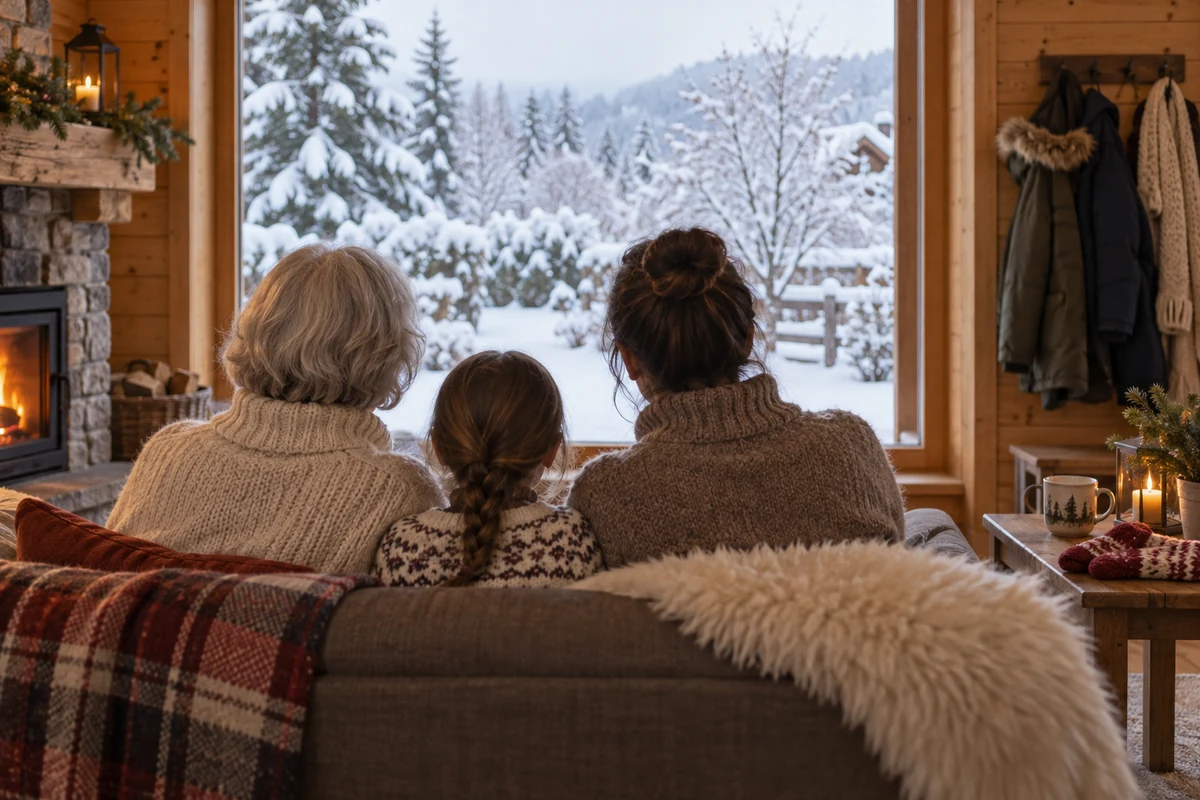
A comfortable group holiday depends on each person’s interests, mobility and stamina, rather than age alone. Allow enough time, warmth and flexibility for everyone to enjoy the experience.
Before You Go
- Discuss relevant health needs: seek individual advice if an existing condition, altitude or the planned activity could be a concern. Do not assume everyone needs extra medication for cold weather.
- Travel insurance: check activities, existing medical conditions and medical transport with the insurer.
- Accessible accommodation: confirm lifts or ground-floor rooms, entrances and nearby services with the property, rather than relying on a general description.
- Transport: direct transfers may reduce fatigue. Confirm luggage space, suitable child seats where needed and any mobility-equipment arrangements.
Useful Items to Pack
- Spare layers: thermals, fleece and waterproof clothing, with dry changes for wet outings.
- Suitable footwear: comfortable waterproof boots with grip, plus dry socks and appropriate indoor footwear.
- Personal health essentials: usual medicines, relevant instructions and a small first-aid kit; choose any extra treatments with professional advice.
- Comfort items: a travel pillow or light blanket if useful, and a flask for breaks.
Adapt the Pace
Start with shorter outings near your accommodation. Alternate activity and rest, and consider one main attraction a day rather than several rushed stops. Leave room for an unhurried meal or a change of plan.
Safety in Snow and Cold
- Use equipment appropriate to the activity, including suitable helmets where required or recommended by the operator.
- Avoid steep, closed or unfamiliar winter routes beyond the group’s ability. An easy-looking snowy path can conceal hazards.
- Take breaks indoors and replace wet clothing promptly. Persistent shivering, confusion or slurred speech can indicate hypothermia: seek urgent medical help locally if suspected. A warm drink alone is not treatment for this emergency. Source: NHS — Hypothermia
Meals and Sleep
Keep regular mealtimes and allow enough sleep. Plan outdoor activities around usable daylight and local conditions, rather than assuming an early start is always best in far northern winter.
Communication and Reassurance
- Explain the day’s plan to children and show them what the outing will involve.
- Discuss routes and timings with older relatives, asking what would make the day easier rather than deciding for them.
- Pack a few light toys, downloaded films or other preferred entertainment for longer transfers.
A Daily Checklist
- Medicines and documents: keep what you need within reach.
- Weather and wind: check the forecast and adjust clothing and plans accordingly.
- Skin and eye protection: use suitable sun protection and sunglasses or goggles in bright conditions.
- Manageable routes: check entrances, exits, steps and the distance to somewhere warm.
A Christmas Trip to Remember
A Christmas holiday in the snow can become a treasured memory. The best starting point is a realistic plan: choose a destination for the experiences it offers, while allowing for weather that may not match the brochure.
Book thoughtfully, respect the pace of your group and pack for the conditions. If an activity changes, a flexible itinerary leaves room to enjoy the holiday in another way.
Thank you for reading. Follow our social channels for more seasonal ideas, and visit the I Love Christmas blog for further inspiration.
FAQ: Planning a Snowy Christmas Holiday
How far ahead should I book a Christmas holiday?
Start comparing popular destinations around six to nine months ahead if possible, then follow each operator’s booking timetable. Availability, prices and event release dates vary; early booking does not guarantee the cheapest deal.
Can I expect natural snow in South America at Christmas?
December is summer in Chile and Argentina. Patagonian glaciers offer ice landscapes, and high mountains may retain snow, but neither guarantees a snowy Christmas in town or an operating ski resort. Plan a glacier visit as a different experience from a winter ski holiday.
What should I pack for cold weather and bright snow?
Bring suitable layers, a waterproof coat, warm waterproof boots, gloves and a hat, together with sunscreen of at least SPF 30 with good UVA protection, lip balm and sunglasses or goggles.
Do I need special insurance for winter activities?
Check that your policy covers the specific sports or excursions you plan, including medical and rescue costs where relevant. Winter sports and weather-related cancellation may have exclusions or require additional cover.
How can I make the trip comfortable for children and older relatives?
Choose a manageable base, shorter activities and regular warm breaks. Confirm access and transfer needs individually, keep spare clothing and usual medicines handy, and leave room to change the itinerary.
Sources and Further Reading
- Visit Finland — Northern Lights seasons
- Visit Argentina — Perito Moreno Glacier
- Parks Canada — Snowshoeing in Banff
- FCDO — Preparing for winter sports abroad
- NHS — Sunscreen and sun safety
- NHS — Hypothermia
- Switzerland Tourism — Winter destinations