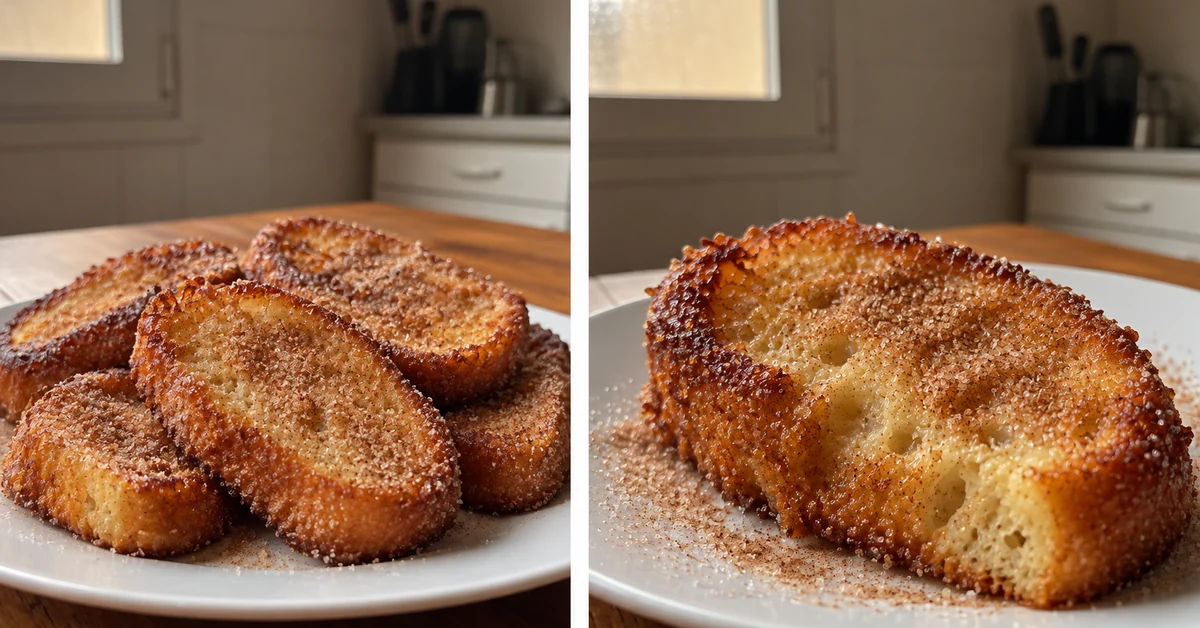
Christmas in many Brazilian homes includes rabanadas: bread soaked in sweetened milk, coated in egg and fried before being rolled in cinnamon sugar. They are a festive favourite rather than a requirement for every celebration. Here is a condensed-milk version to try.
Ingredients for Brazilian Rabanadas
- 1 loaf suitable for rabanadas, or 4 day-old Brazilian-style bread rolls; a firm white loaf or baguette can be a practical UK substitute
- 500ml whole milk
- 3 eggs
- 1 tin sweetened condensed milk (approximately 395g; UK tins are commonly 397g)
- About 1 recipe cup of vegetable oil for frying, adjusting the amount to your pan without overfilling it
- ½ recipe cup of sugar, for coating
- Ground cinnamon, to taste
Day-old bread holds together more readily when soaked than very soft fresh bread. Use bread that is simply slightly stale, never mouldy. This recipe contains wheat, milk and eggs; check labels for any additional allergens.
How to Make Rabanadas
Add a Brazilian favourite to your Christmas recipes with the following steps. Have everything ready before frying, and keep children away from the hot oil.
- Line a heatproof plate or tray with kitchen paper and place it safely away from the hob.
- Cut the bread into even, moderately thick slices so they can absorb the milk without falling apart.
- Separate the eggs into whites and yolks using clean bowls.
- Whisk the whites with a fork or whisk until frothy; they do not need to form stiff peaks.
- Whisk in the yolks until evenly combined. The original method mentions only one yolk despite listing three eggs; this version uses all three whole eggs to avoid that inconsistency.
- In a separate shallow bowl, stir together the milk and condensed milk until smooth.
- Use a stable, heavy-based pan with sides high enough to contain the oil safely. Keep the handle turned inwards and never leave the pan unattended.
- Heat the oil gently, then maintain enough heat for steady frying without smoking. Do not fill the pan more than one-third full, and keep water away from hot oil.
- Dip a few bread slices into the milk mixture until moistened. The time depends on the bread: very soft slices need only a brief dip, while firmer bread can take longer. Avoid soaking until they disintegrate.
- Lift each slice carefully with a slotted utensil and let excess liquid drain off.
- Dip both sides briefly in the beaten egg mixture.
- Lower the slices carefully into the hot oil, working in small batches. Fry until the underside is golden, using about two minutes as a starting guide rather than a fixed cooking time.
- Turn carefully and cook the other side until golden and the egg coating is cooked through. Adjust the heat if the outside colours too quickly.
- Lift the rabanadas out with a slotted spoon and drain on the prepared plate. Allow excess oil to drain, turning gently if needed.
- If crumbs begin to burn or the oil deteriorates, switch off the heat and let it cool completely before handling or replacing it. Never pour hot oil through a paper-lined sieve.
- For the finishing touch, mix the sugar and cinnamon in a shallow dish and coat the warm rabanadas on both sides.
- Serve when cool enough to eat safely.
Serving and Storing Rabanadas
Rabanadas are lovely served warm, and leftovers can be enjoyed later if stored safely. Cool promptly, refrigerate within two hours and eat within 48 hours, or freeze. If reheating, heat until steaming hot throughout and reheat only once. Do not leave milk-and-egg-soaked bread on the counter overnight.
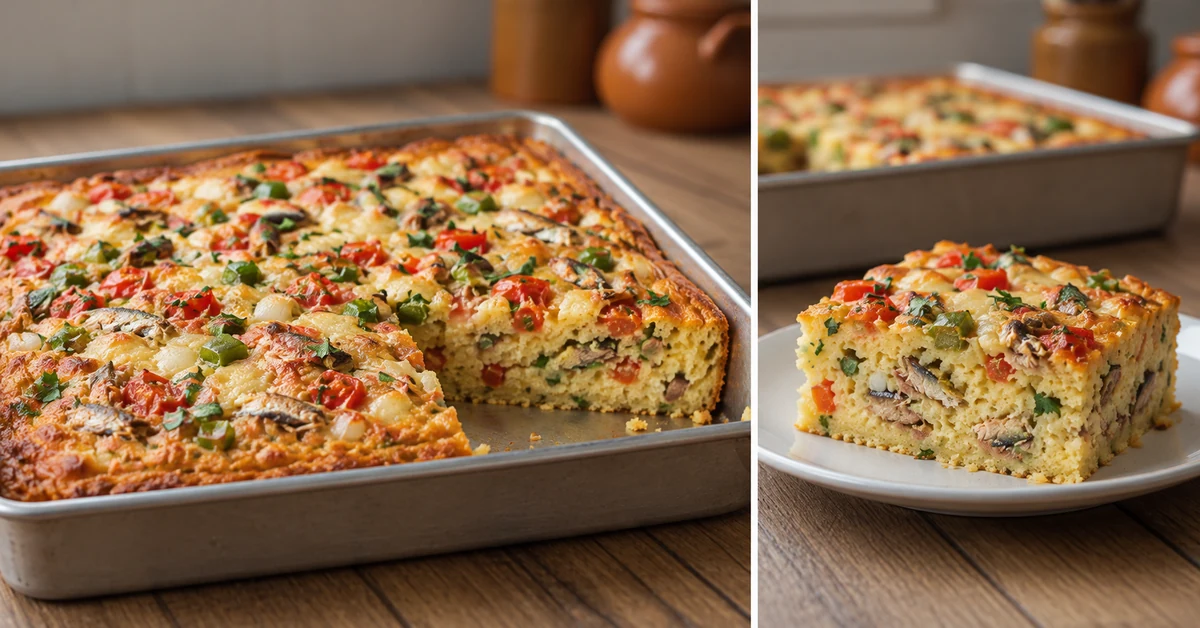
For a savoury dish alongside your festive treats, try our Brazilian Sardine Traybake with Blender Batter.
Share this rabanada recipe with someone who enjoys Christmas baking and cooking. Tell us about your family’s version in the comments and, for more seasonal ideas, follow our social channels. This translated recipe has not been kitchen-tested.
Discover More Christmas Recipes
Grandma-Style Christmas Biscuits with Colourful Icing
Brazilian Christmas Farofa with Bacon and Calabresa Sausage
Brazilian Sardine Traybake with Blender Batter
Related Reading
Christmas Biscuits: A Festive Baking Tradition Around the World
The Meaning of Christmas: Faith, Family and Shared Traditions