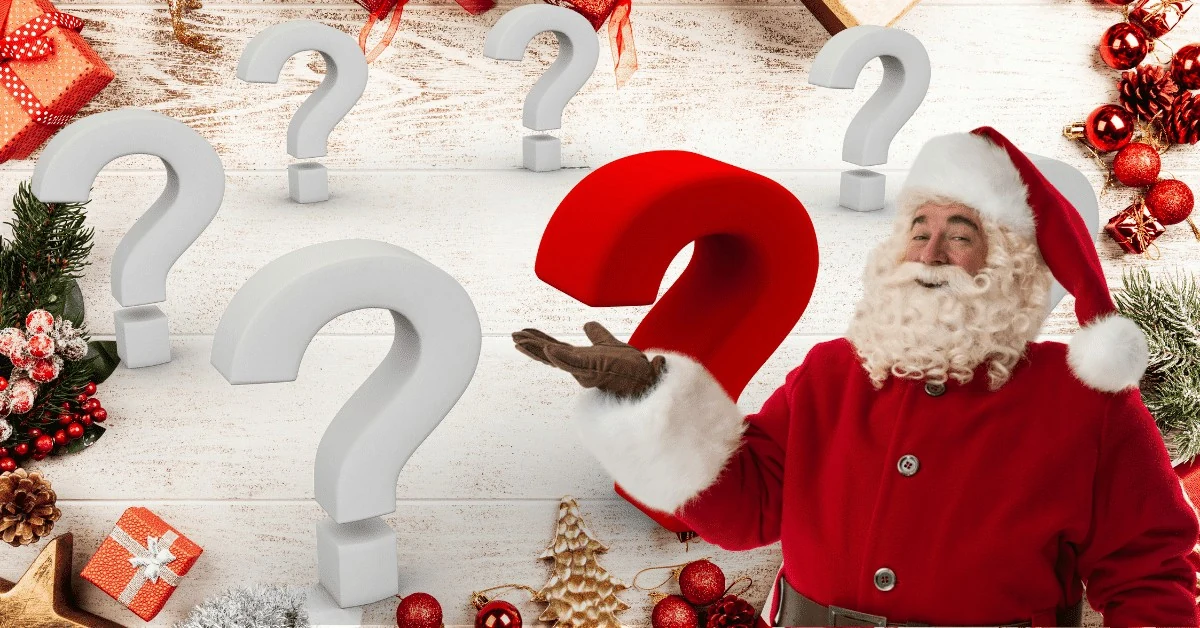
Christmas has many familiar images, from the Christian Nativity to decorated trees. Santa Claus, often called Father Christmas in Britain, is another well-loved part of the season’s stories and customs.
Here we separate a little of the history from the make-believe. Knowing the difference can help adults enjoy the tradition with children without presenting every modern Santa story as historical fact.
In a familiar version of the story, Santa lives at the North Pole, makes preparations with his elves and travels in a flying sleigh. He delivers presents on Christmas Eve, ready for Christmas morning, rather than beginning his journey on the night of 25 December.
These are elements of festive folklore, and families tell the story in different ways. The historical influences behind Santa are a separate subject.
Who Was Saint Nicholas?
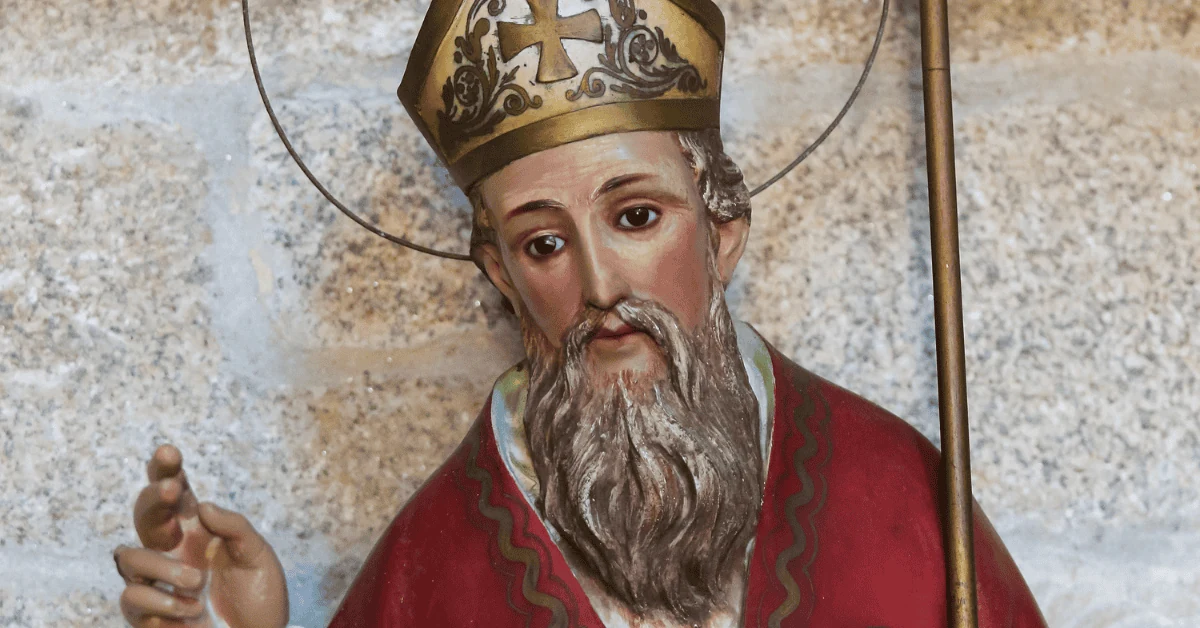
Saint Nicholas, associated with generosity and gift-giving, is one of the main historical and religious influences behind Santa Claus. His feast day is 6 December; that should not be described as a securely known birthday on which he handed out presents every year.
Gift-giving customs associated with Saint Nicholas developed differently across countries. Modern Christmas Eve and Christmas Day traditions are part of that changing story, rather than the result of one simple worldwide change of date.
Nicholas is traditionally identified as a bishop of Myra in the region of present-day Türkiye, living in the early Christian period. Details of his life are mixed with later legends, and he should not be confused with the modern character in a fur-trimmed suit.
Over time, stories, illustrations and popular entertainment added details such as Mrs Claus, a toy workshop and a village of helpers. These belong to the imaginative world of Santa, not to a historical biography of Saint Nicholas.
Different places also feature in Santa stories and tourism, including the North Pole and Finnish Lapland. Lapland is not the geographical North Pole, and the North Pole tradition should not be explained simply as a Finnish tourism invention.
Where Did Santa’s Red Suit Come From?
Many people picture Santa wearing a red suit and hat with white trim, carrying a sack of presents. Earlier depictions varied, so the modern familiar outfit is the result of an evolving visual tradition.
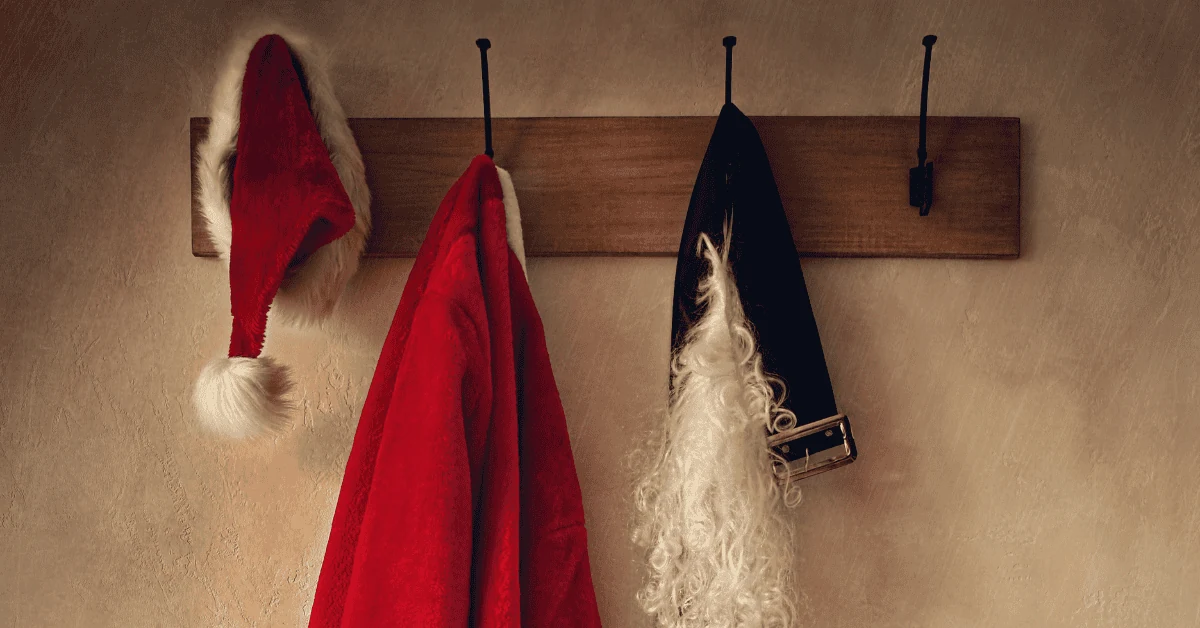
Coca-Cola advertising helped popularise a particular image of Santa, but the company did not invent either Santa Claus or his red clothing. The company’s own history acknowledges that red-coated Santas appeared before its famous campaign.
Illustrator Haddon Sundblom began creating Coca-Cola Santa advertisements in 1931. His warm, cheerful character became influential, building on an existing tradition rather than creating it from nothing.
What Does Santa Do in Christmas Stories?
In make-believe accounts, Santa spends the year getting ready for Christmas Eve. The preparations are part of the fun: lists, letters, toys and a workshop busy with helpers.
Families may imagine Santa reading children’s letters and learning what they hope for. There is no need to add a story about him monitoring children online; an adult can instead encourage a thoughtful letter and safe handling of personal information.
Other stories include Mrs Claus and a team of elves organising the workshop. Children can invent their own versions through drawings, games or a short Christmas story.
The sleigh, reindeer, stockings and chimney visit are familiar features of Santa folklore. A household without a fireplace can still enjoy the story, and families need not link the number or cost of presents to a child’s worth or behaviour.
Who Are Santa’s Elves?
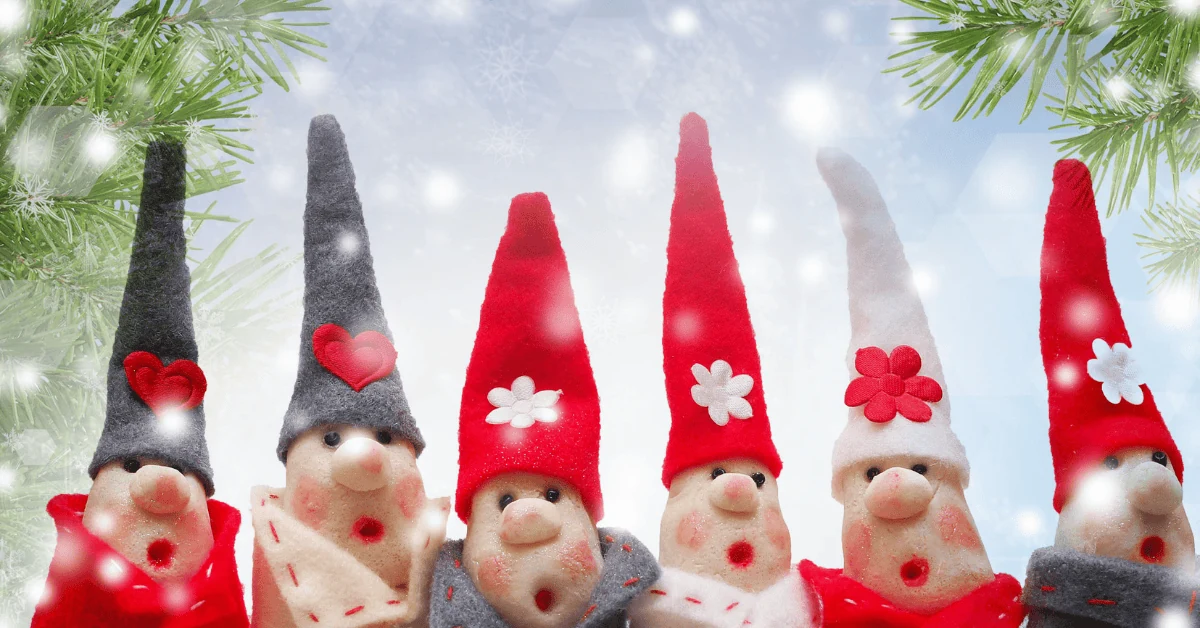
Santa’s elves are fictional helpers, often shown making toys, wrapping presents and keeping the workshop running. Their appearance and personalities vary between stories.
For children who enjoy the make-believe, the elves can be part of a playful Christmas activity. The tradition should be kind and inclusive, without suggesting that children who receive fewer presents have been less good.
Writing a Letter to Santa
Writing a letter can be a lovely seasonal activity even if it is kept at home. A child might include a drawing, a kind wish for someone else and a few things they would enjoy, with no promise that every request will become a present.
Some postal services run seasonal letter schemes. Availability, deadlines and instructions can change, so an adult should consult the official postal service in their country for current information.
An adult should help with any website or postal submission. Avoid sharing personal details publicly or entering them on an unofficial site that claims to deliver letters to Santa.
The original Brazilian article links to the Correios Santa campaign in Brazil (https://blognoel.correios.com.br/blognoel/index.php#divEnvioCartas). This is a Brazilian initiative, not instructions for the UK; check its current eligibility and dates on the official site.
Its separate Correios letter-submission page (https://blognoel.correios.com.br/blognoel/carta/cadastraCarta.php) is also intended for the Brazilian scheme. UK readers should follow current guidance from their own official postal service instead.
Enjoying the Santa Tradition
You can enjoy Santa stories while making room for your family’s beliefs and preferences. A letter, a drawing or a shared baking afternoon can become a tradition without expensive preparations.
For a baking idea, read about Christmas biscuit traditions around the world and try our Grandma-Style Christmas Biscuits with Colourful Icing.
Christmas has a central Christian meaning and many wider cultural customs. Whether you celebrate or not, kindness and respect for different traditions are always welcome.
Share your favourite Santa tradition in the comments and send this article to someone who might enjoy it. For more seasonal ideas, follow our social channels.
Discover More Christmas Recipes
Grandma-Style Christmas Biscuits with Colourful Icing
Brazilian Christmas Farofa with Bacon and Calabresa Sausage
Brazilian Sardine Traybake with Blender Batter
Brazilian Rabanadas with Condensed Milk and Cinnamon
Related Reading
Christmas Biscuits: A Festive Baking Tradition Around the World
Biscoito or Bolacha? Understanding the Brazilian Biscuit Debate
Grandma-Style Christmas Biscuits with Colourful Icing