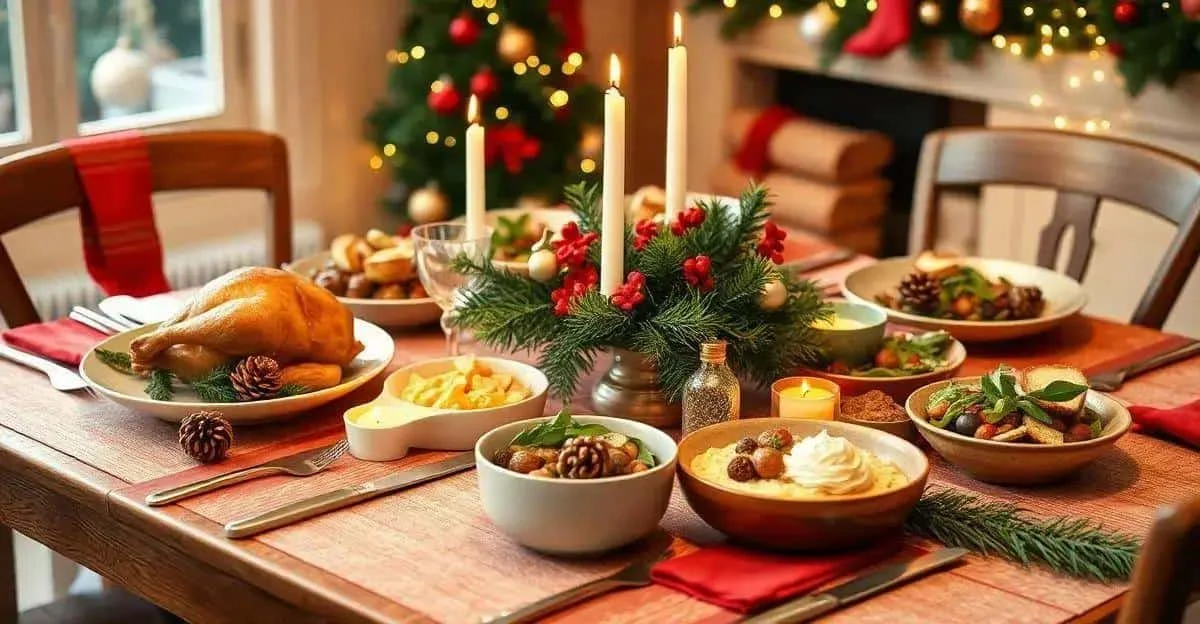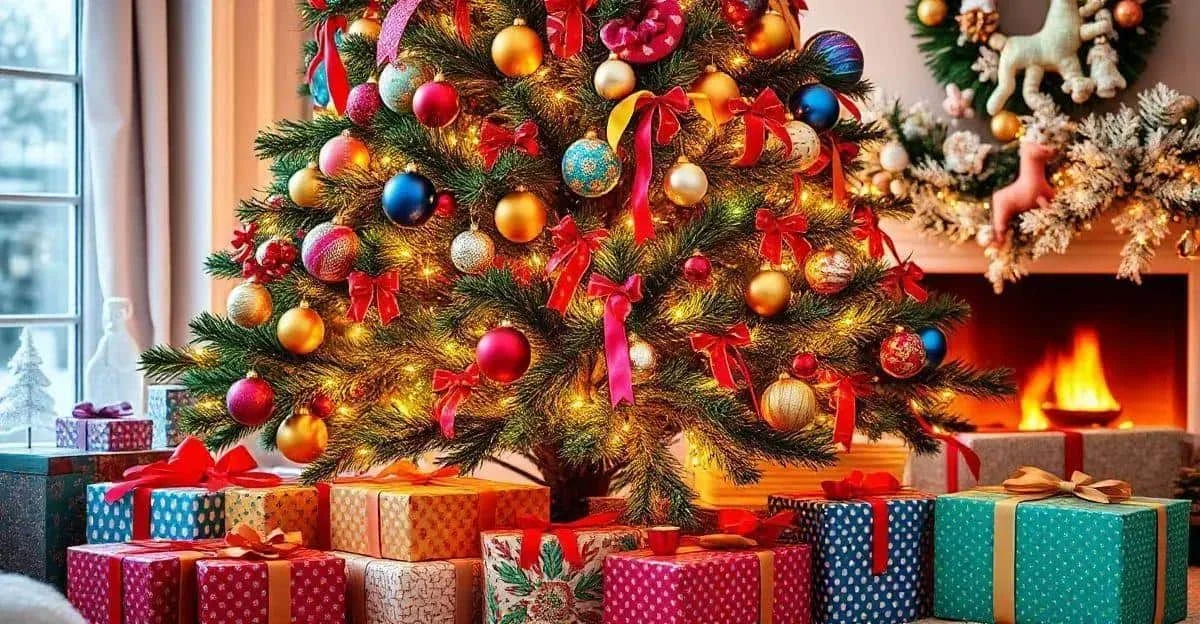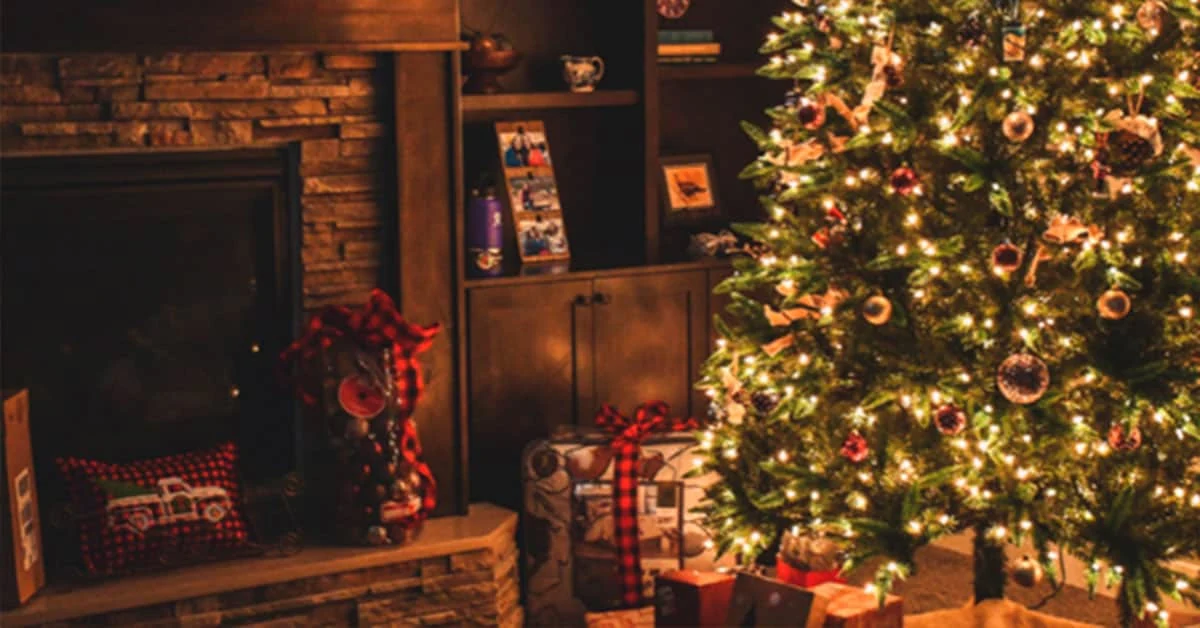
For many households, a decorated Christmas tree is one of the season’s most familiar sights. It provides a place for lights, treasured ornaments and presents, although a celebration does not depend on having one.
The tree often becomes a focus for family activity, from unpacking decorations to exchanging gifts. But how did this custom develop, and what do its different ornaments mean?
The History of the Christmas Tree Tradition
The domestic Christmas tree tradition developed in German-speaking parts of Europe, including regions whose borders have changed over time. Alsace, now in France, appears in accounts of its early history. Calling it simply a French or German invention can hide that complexity.
Early decorated trees were real evergreens, with ornaments that could include fruit, nuts and sweet treats. Customs differed between communities; the modern combination of artificial trees, electric lights and mass-produced baubles developed later.

Different towns and institutions have made claims about early Christmas trees, so a single date should not automatically be called the first tree in history. Nor is the story that the Catholic Church opposed trees solely to protect its forests a reliable general explanation.
In Britain, decorated trees were known before Prince Albert, but he and Queen Victoria helped popularise them. The Royal Collection Trust highlights an illustration of their family around a tree published in 1848, which encouraged wider interest in the custom.
How Christmas Tree Decorations Changed
Edible decorations and handmade ornaments belong to the tree’s history alongside later glass baubles, ribbons and lights. Today’s families can choose one style or mix keepsakes collected over many years.
These changes did not all happen at one moment. It is misleading to give a single supposedly definitive year when food decorations were replaced by modern ornaments: old and new styles have continued to exist together.
Choosing Colours for a Christmas Tree
Green and red are familiar Christmas colours, but they are not compulsory. Green can suggest evergreen life and hope; red can be associated with warmth, love or Christian symbolism. Meanings vary rather than forming a universal code.
White and gold are also popular. White may evoke snow or simplicity, while gold can suggest light and celebration. Choose colours that suit your home and the decorations you already own.
Snowy decorations reflect winter imagery familiar in northern Europe. They are a decorative choice, not evidence that every Christmas tradition began in a place with heavy snowfall.
What Does the Star on a Christmas Tree Mean?
A Christmas star is a popular tree topper and has a particular Christian association. Other households use an angel, a bow or no topper at all.
The star can represent the Star of Bethlehem in Matthew’s account of the Magi’s visit to Jesus. The Gospel describes gifts of gold, frankincense and myrrh but does not state that there were exactly three visitors.

Read more in our guide to the Star of Bethlehem and its Christmas meaning.
What Do Christmas Tree Lights Represent?
A familiar legend links candles on a Christmas tree with Martin Luther admiring stars among the trees. It is a story often repeated about the custom, rather than a securely established account of its invention.
Whatever the legend’s appeal, modern electric lights are a much safer decorating choice than real flames. Never attach lit candles to a Christmas tree, and follow the light manufacturer’s instructions.
For Christians, light may recall Jesus as the light of the world. Other people simply enjoy the warm glow and festive atmosphere. Check lights for damage and switch them off before bed or leaving home.
What Is the Meaning of a Nativity Scene?
A Nativity scene is another Christmas decoration with Christian meaning. Some families place one beside a tree, while others display it separately or do not include one.
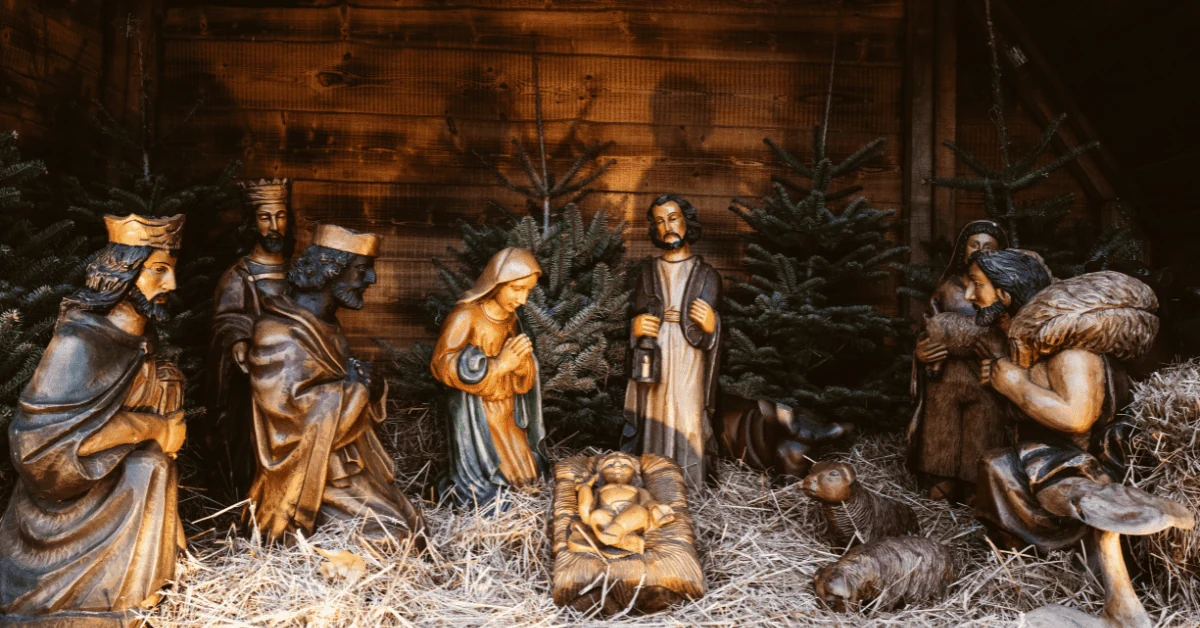
It depicts the birth of Jesus using figures such as Mary, Joseph and the baby. Shepherds and Magi often appear together in a traditional display, bringing elements of different Gospel accounts into one scene.
Why Are Presents Put Under the Tree?
Placing wrapped presents under the tree makes the exchange part of the festive display. Name tags can help avoid confusion, and families can decide how to handle surprises without creating unnecessary pressure.
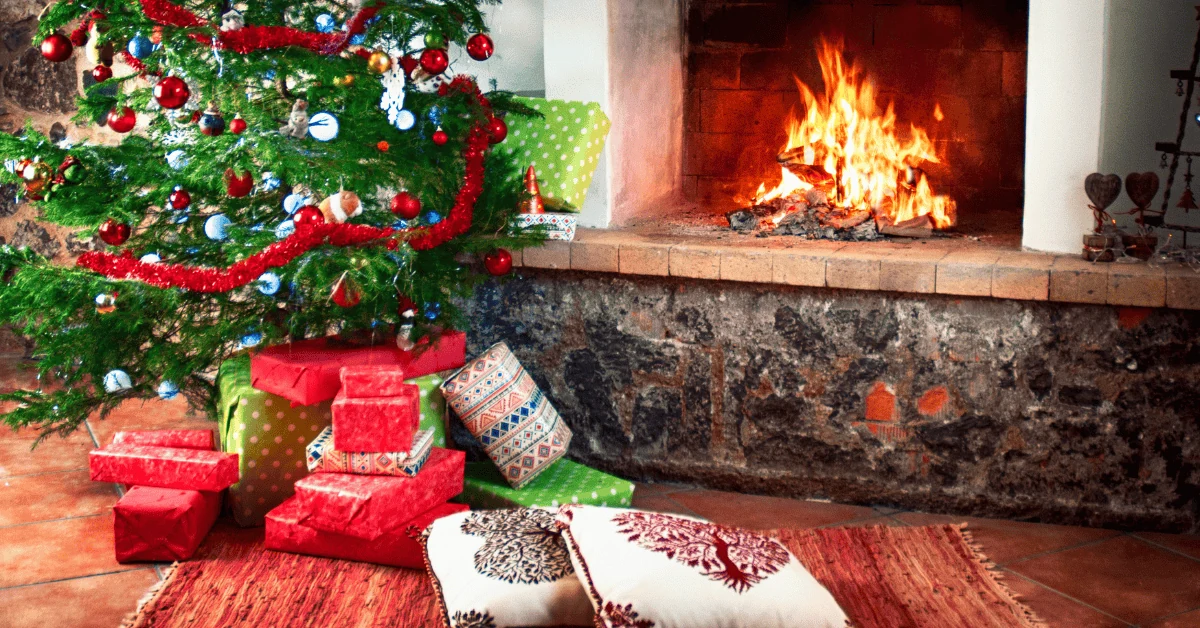
Opening times vary. Christmas morning is common in Britain, while some Brazilian families exchange presents around midnight on Christmas Eve. Neither timetable needs to be treated as the only correct tradition.
Some groups use Secret Santa so that each person buys one gift within an agreed budget. Others prefer homemade presents, shared experiences or no gift exchange at all.
The Meaning Behind Giving a Christmas Present
A present can express affection, gratitude or generosity. In a Christian setting, giving may also connect with religious ideas of love and sharing.

The value of a gift need not be measured by its price. A thoughtful gesture or practical help can mean a great deal, and nobody should feel obliged to spend money they cannot afford.
Making the Tree Part of Your Own Tradition
Knowing a little of the tree’s history can make decorating more interesting. Keep the traditions you enjoy, adapt them to your household and make safety part of the preparations.
Share the article with someone who enjoys Christmas decorating, and tell us about your favourite ornament in the comments. For more festive ideas, follow our social channels.
Explore Our Christmas Recipes
Grandma-Style Christmas Biscuits with Colourful Icing
Brazilian Christmas Farofa with Bacon and Calabresa Sausage
Brazilian Sardine Traybake with Blender Batter
Brazilian Rabanadas with Condensed Milk and Cinnamon
Related Reading
Santa Claus: History, Stories and Christmas Traditions
Christmas Biscuits: A Festive Baking Tradition Around the World
The Meaning of Christmas: Faith, Family and Shared Traditions