Gratitude can mean noticing something you appreciate or thanking someone for a particular kindness. At Christmas and in everyday life, it is an optional reflective practice, not a requirement to feel positive or a treatment for mental health conditions.
Christmas gratitude need not involve a grand declaration. A short thank-you, a moment of reflection or a personal note may be enough. Here are ideas to try if they suit you, without expecting them to transform every day or every relationship.
What gratitude can mean at Christmas

The meaning of gratitude at Christmas goes beyond thanking someone for a present. You might appreciate a person’s support, a shared experience or something ordinary that made life a little easier. Different people will find different things meaningful.
Making time to reflect
Looking back on the year can be a chance to recognise support you received or a moment you enjoyed. There is no need to describe a difficult experience as a blessing or pretend that everything has gone well.
Expressing appreciation
A handwritten card, a sincere conversation or an agreed act of help can express thanks. Be specific where you can, and avoid expecting a particular response. A quiet message may suit someone better than public praise.
Gratitude and emotional wellbeing: keeping expectations realistic
Some people find a gratitude journal a useful way to notice things they appreciate. It does not guarantee happiness or treat anxiety or depression. If you are struggling with your mental health, seek appropriate support rather than relying on gratitude exercises alone.
If reflection feels helpful, take a little time for it during Christmas. If it feels uncomfortable or forced, it is fine to leave it aside. Mixed emotions are a normal part of life, including the festive season.
Practising gratitude without ignoring difficult feelings

Gratitude can be a personal way of noticing what you value. You do not have to replace disappointment, sadness or anger with a positive thought. Appreciating one moment and finding another part of life difficult can both be true.
A reflective habit, not a medical promise
Avoid claims that a simple exercise necessarily changes brain chemistry, reduces symptoms or produces the same result for everyone. Treat these activities as optional suggestions for reflection, rather than a substitute for professional care.
Recognising support during difficult times
You might appreciate someone who listened or a practical service that helped during a challenging period. That does not mean you must be grateful for the difficulty itself, forgive harmful behaviour or cope without further support.
Appreciation in relationships
Thanking someone for a particular action can show that you noticed their effort. Relationships also depend on trust, boundaries and how people treat one another over time; gratitude alone cannot repair every disagreement or make an unsafe relationship safe.
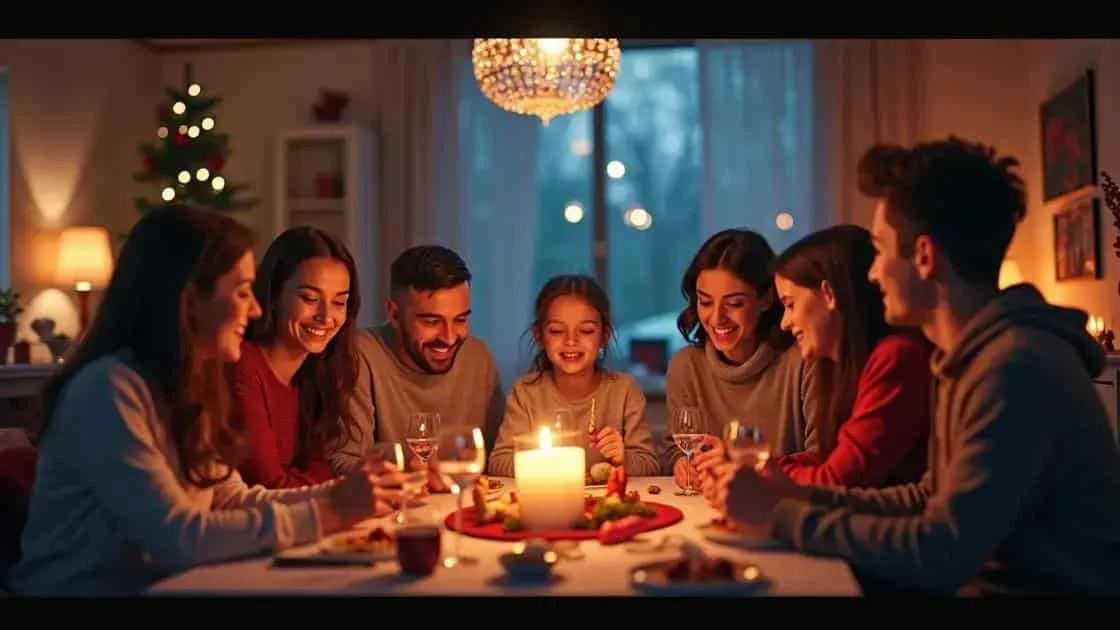
If the family enjoys sharing appreciation at Christmas, keep it voluntary. Listening respectfully matters more than ensuring that everyone says something positive.
Simple gratitude activities for everyday life

These simple activities offer different ways to reflect. Choose one that appeals, adapt it or stop if it becomes another source of pressure.
1. Keep a gratitude journal
Write down something you appreciated, such as a good breakfast or a thoughtful message. Add a few words about why it mattered if you wish. Daily writing is optional, and the journal can remain private.
2. Say thank you sincerely
Thank someone for a specific action when it feels appropriate. A simple, genuine message is enough; you do not need to exaggerate your feelings or praise something you did not welcome.
3. Try a brief morning reflection
If it suits your routine, think of one thing you appreciate before starting the day. There is no required number of items, and it does not have to determine how you feel for the rest of the day.
4. Make a personal display
Arrange a few photographs, drawings or words that remind you of people or moments you value. Ask permission before displaying someone else’s private information or an image they may not want shared.
5. Share appreciation if the family wants to
Offer a relaxed opportunity to mention a thoughtful moment at dinner or another suitable time. Make it fine to pass or speak privately later. No one should have to disclose their feelings in front of the group.
Imagined examples of gratitude at Christmas

These Christmas gratitude stories are illustrative scenarios, not verified accounts or testimonials. They suggest possible gestures without promising how anyone will feel or respond.
1. Offering useful help
Imagine a family agreeing to support a local collection instead of exchanging presents. They contact the organiser, provide suitable requested items and keep the recipients’ identities private. The example is about practical consideration, rather than claiming a dramatic transformation in anyone’s life.
2. Reconnecting by choice
Two siblings might decide they would like to speak again and arrange a short call at Christmas. Any further contact depends on both people’s wishes and circumstances. Reconciliation is not compulsory, and a festive occasion is not a reason to ignore necessary boundaries.
3. Sending a thoughtful note
Someone might write a few cards thanking friends for specific acts of support during the year. They send the notes because they want to express appreciation, without expecting a reply or assuming the gesture will bring them closer together.
4. Sharing something suitable
A child could choose, with an adult’s help, to donate an unwanted toy in good condition to an organisation that accepts it. Participation should be voluntary, with no staged photographs or expectation that a child must give away a favourite possession.
Inviting the family to practise gratitude

If the idea appeals, invite the family to explore gratitude in ways that suit different ages and personalities. The following activities should remain optional and easy to adapt.
1. A moment at dinner
Ask whether anyone would like to mention something they appreciated. Let people pass, and avoid correcting a response or comparing whose experience was most significant.
2. Creative activities
Thank-you cards or a shared display can offer another way to express appreciation. Provide simple materials, supervise tools where necessary and let each person choose what, if anything, to contribute.
3. Stories and conversations
Invite children to describe a moment they enjoyed or someone who helped them, if they wish. Listen to difficult feelings too, rather than steering every conversation towards a positive conclusion.
4. A shared community activity
Contact an established organisation about suitable ways to help together. Check age limits, safeguarding arrangements and what is actually needed. Avoid unannounced visits to shelters or treating people receiving support as part of a gratitude exercise.
5. Occasional reflection
If the household enjoys it, revisit a journal or talk about recent experiences now and then. Monthly meetings are one option, not a requirement. Change the routine if it becomes repetitive, uncomfortable or difficult to fit in.
Making room for appreciation and honest feelings
Gratitude can offer a way to recognise care, support and ordinary moments you value. A sincere thank-you or a private note may be enough; you do not need an elaborate routine.
The imagined examples show possible ways to express appreciation, rather than proof of guaranteed outcomes. Keep activities voluntary, respect privacy and let people respond in their own way.
At Christmas and throughout the year, appreciation can sit alongside difficult emotions. Choose what feels useful to you and seek other support when you need it.
FAQ: practising gratitude at Christmas and beyond
What can I gain from practising gratitude at Christmas?
You may enjoy noticing something you value or thanking someone for their support. Experiences differ, and there is no guaranteed improvement in mood, health or family relationships.
How can I involve children?
Offer optional, age-appropriate activities such as making a thank-you card or recalling a pleasant moment. Listen to all their feelings and do not require them to give a positive answer.
What is a gratitude journal?
It is a place to record things you appreciate and, if you wish, why they matter. Start with a short note whenever it suits you; daily entries and sharing are optional.
Can gratitude replace support for mental health difficulties?
No. A gratitude exercise is not a substitute for appropriate care for anxiety, depression or other mental health difficulties. Seek support from a qualified professional if you are struggling.
Which activities could we try as a family?
You could make cards, create a display or invite people to mention something they appreciated. Keep participation optional and allow private responses or different ways to contribute.
Describe your own experience accurately and ask before including another person’s private details or photographs. Label invented examples clearly and avoid presenting them as real testimonials.