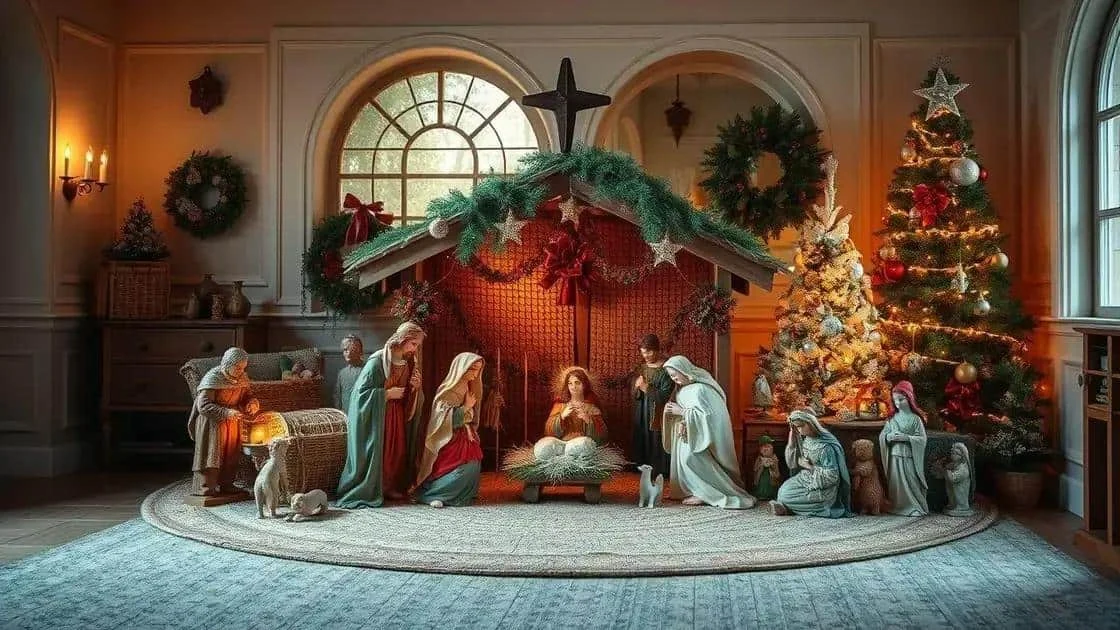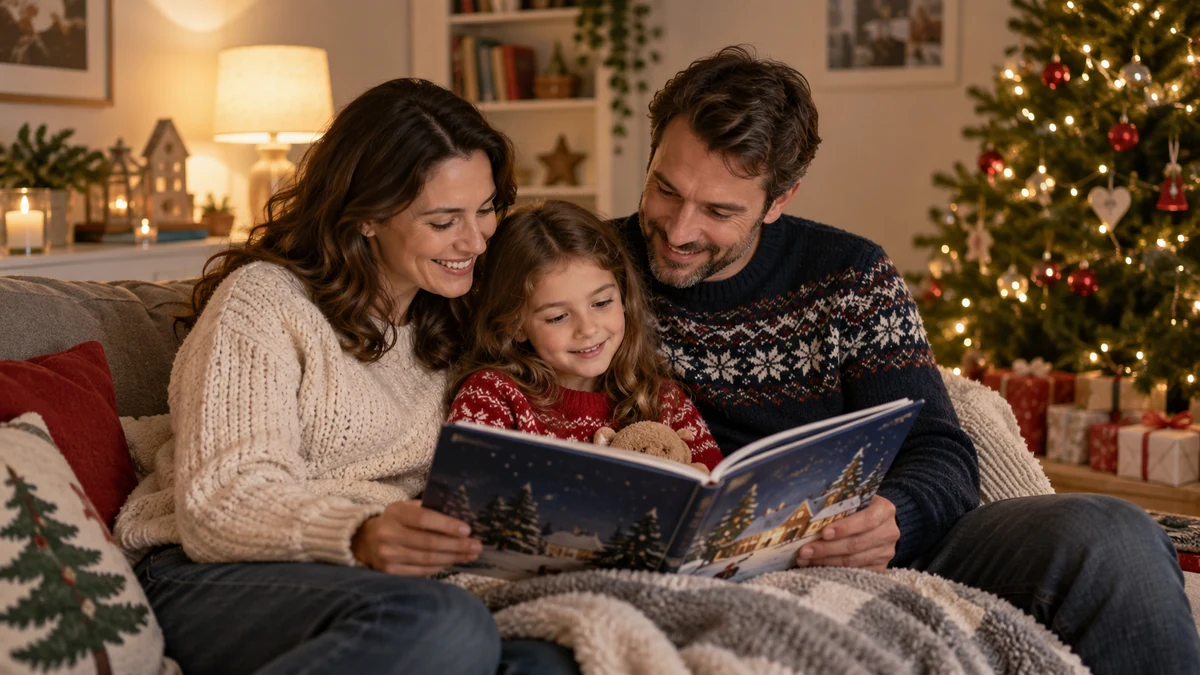
Christmas stories offer a chance to enjoy imagination, kindness and family traditions together. Choose a book or retelling that suits the children’s ages, leave room for their questions and keep the reading session relaxed.
Christmas stories for children can turn a quiet moment on Christmas Eve into something to look forward to. Whether you revisit a favourite book or invent a tale together, the pleasure is in sharing it. Here are some starting points and ways to make story time your own.
Sharing Stories at Christmas
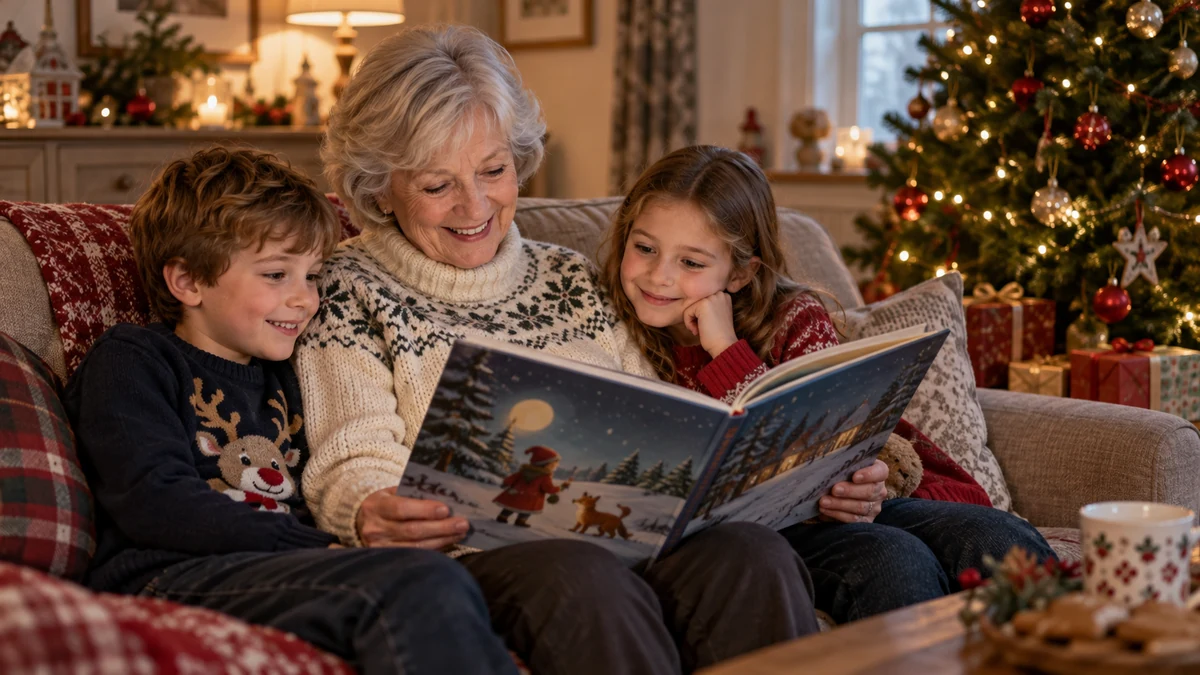
Stories can have a special place in Christmas celebrations. A familiar character, a repeated phrase or a well-loved illustration may become part of a family’s traditions. For some, this is one way to enjoy the imaginative side of Christmas.
Making Time Together
Reading together creates space to talk, listen and notice what interests the children. A story about generosity or friendship can start a conversation without becoming a lesson with a required answer. Let different reactions be part of the experience.
Building a Family Tradition
A yearly book can become one expression of your family’s Christmas traditions. You might read the same picture book, choose a new one at the library or invite a grandparent to tell a remembered story. There is no need for every family to celebrate in the same way.
Stories That Invite Discussion
Many Christmas tales explore kindness, sharing or second chances. Charles Dickens’s A Christmas Carol is a familiar example, but its ghosts and darker scenes mean that the edition and the child’s age matter. A carefully chosen adaptation may be more suitable than the original for younger listeners.
Stories can also bring up difficult feelings. Read unfamiliar books beforehand, be ready to pause and avoid pressing a child to continue if they are frightened or upset.
Familiar Books to Explore

Some Christmas classics have been adapted many times, so check the actual edition rather than relying on the title alone. These examples offer different ways into stories about family, change and the Christmas season.
A Christmas Carol by Charles Dickens
This well-known Christmas story follows Ebenezer Scrooge as ghostly visits challenge his way of living. It offers themes of generosity and responsibility, alongside frightening material. Consider an age-appropriate retelling and discuss it together.
The Nutcracker by E. T. A. Hoffmann
Hoffmann’s story begins with a Christmas gift and leads into a fantastical adventure involving a nutcracker and the Mouse King. Names and details vary across later retellings and ballet versions, so follow the edition you are reading. Battles and unsettling scenes may not suit every young child.
How the Grinch Stole Christmas! by Dr. Seuss
The Grinch tries to take Christmas away from the Whos and discovers that their celebration means more than its possessions. The picture book offers rhyme, humour and a clear starting point for talking about what a celebration means to your family.
The Lion, the Witch and the Wardrobe by C. S. Lewis
This Narnia novel is a fantasy adventure rather than a short Christmas bedtime story. Its wintry setting and appearance of Father Christmas can make it a seasonal choice for suitable readers, but it also contains danger, violence and loss. Choose according to the child, and read it over several sessions if needed.
There is no need to finish a long classic on Christmas Eve. A short picture book, an appropriate extract or a familiar favourite may fit the evening much better.
Make Up Your Own Christmas Story

Creating your own Christmas story lets you include familiar places and ideas. You need only a little imagination and a simple sequence of events. Children can help without needing to write every word.
Choose a Theme
Your theme could be family, friendship or a magical character on a small adventure. Try a manageable question: who has lost something, needs help or wants to make a surprise?
Create the Characters
Give the main character a clear wish and a small problem to solve. It might be a curious child, a helpful neighbour or an imaginary snowman. Let the children suggest a name or a personality, and avoid making real family members the target of an unkind joke.
Give the Story a Beginning, Middle and End
Start with the setting and the problem, add an attempt to solve it, then bring the story to a satisfying close. A missing decoration found with a friend’s help is enough of a plot. Keep the length suited to the listeners.
Add Seasonal Details
A few details such as decorations, presents or a Christmas meal can establish the setting. Snow is optional: a story set during Brazil’s summer Christmas can be just as festive as one set on a cold British evening.
Share the Finished Tale
Read the story aloud, draw a scene from it or let each person add one sentence. If you record it, agree with everyone involved before sharing it beyond the family, especially where children’s names, voices or pictures are included.
Symbols in Christmas Stories

Symbolism gives ordinary objects an extra role in a story. A lamp might suggest welcome or a gift might show care. These are possible interpretations, not meanings every reader or culture must share.
Objects and Values
A writer might use an evergreen tree to suggest continuity, or lights to suggest hope. Those choices can support themes of kindness and generosity, but children may notice something different. Ask what an image makes them think of rather than telling them there is only one answer.
What Characters Can Represent
Father Christmas may represent giving or the pleasure of a surprise in a festive story. He is one expression of the season’s imaginative traditions, but not every family includes him. Choose stories that respect your family’s beliefs and those of your guests.
Different Cultural and Religious Traditions
For Christians, the birth of Jesus is central to Christmas. Other stories draw on folklore or secular family customs. Explain the tradition a story comes from without presenting every celebration as the same.
Making Personal Connections
A repeated object or setting can remind a child of their own experiences: a grandmother’s tree, a shared meal or a familiar journey. Invite them to make those connections, while allowing them simply to enjoy the story if they prefer.
Talking about a story can open up ideas of community and generosity. It need not become a test of symbolism. Sometimes a favourite picture or a funny voice is what makes the session memorable.
Tips for Reading Christmas Stories Aloud
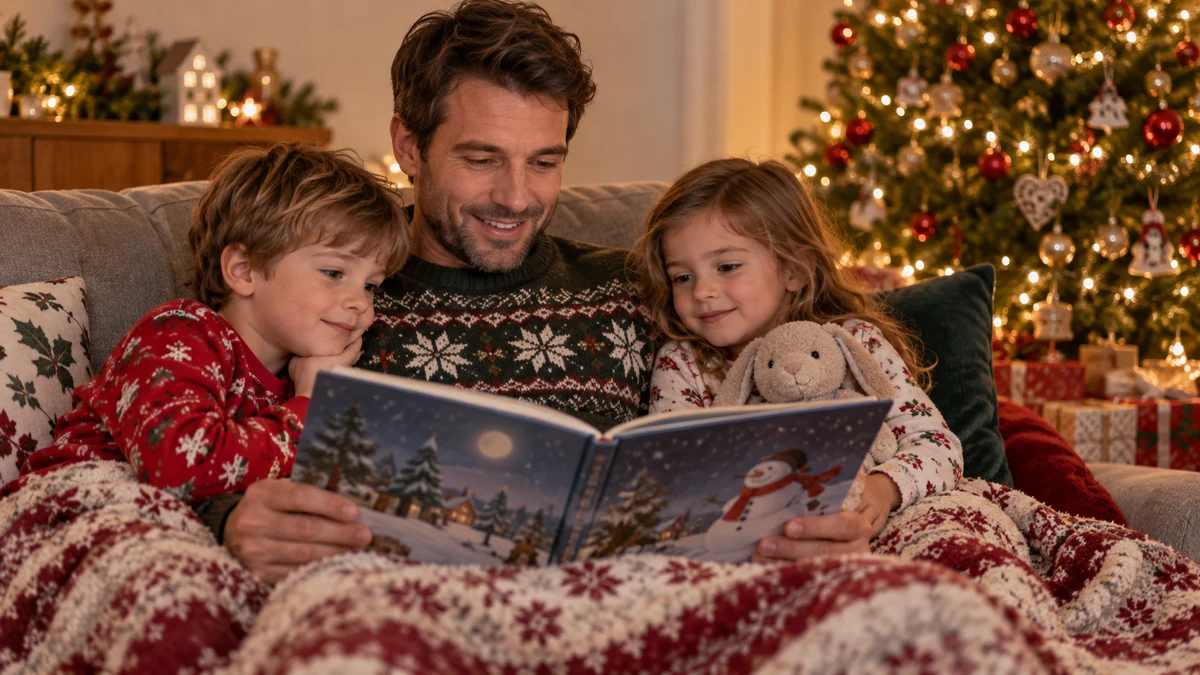
Sharing a story is one way to enjoy the Christmas atmosphere together. These simple ideas can help you keep it comfortable and engaging without turning it into a performance.
Choose for the Children Listening
A child-friendly retelling of the Nativity, a story about Father Christmas or a secular festive picture book may suit your family. Check age guidance, length and potentially upsetting scenes, and consider the listeners’ beliefs and interests.
Use Simple Props
A large paper star, a picture or a suitable soft toy can help children follow the action. Keep props simple and age-appropriate; small decorations, batteries and fragile ornaments should stay out of little hands.
Try Voices and Expressions
You can vary your voice or use a gesture to distinguish characters, but you do not have to act out every line. Follow the children’s reactions and keep sudden loud sounds or scary voices out of a bedtime session if they are unwelcome.
Pause for Questions
Ask what might happen next or how a character seems to feel. This invites conversation without demanding a correct answer. Let children interrupt to point at a picture, and leave questions until the end if they want the story to continue.
Make the Space Comfortable
Choose a comfortable seat with enough light to see the book. If there is a fireplace in the room, keep children, blankets, books and props well away from it and use appropriate fire protection. A normal reading lamp can create a cosy setting without candles.
Keep the session as short or long as the children enjoy. Stopping before they are overtired, or choosing a familiar book again, is often better than insisting on completing an elaborate plan.
A Christmas Reading Tradition
Christmas stories can bring imagination and conversation into a busy season. They offer opportunities to explore kindness and different traditions, but the shared experience matters more than extracting a lesson from every page.
A suitable book, a comfortable place and time to listen are enough. Props and character voices are optional extras. Adapt the session to the children rather than expecting them to fit a perfect Christmas scene.
Choose a story you can enjoy together, and let the tradition grow in its own way.
FAQ — Christmas Story Time with Children
Why read Christmas stories with children?
They offer a chance to share imagination, conversation and family traditions. Choose an enjoyable story rather than feeling that every session must teach a particular value.
Which Christmas stories could we try?
How the Grinch Stole Christmas! and suitable retellings of A Christmas Carol or The Nutcracker are possibilities. Check the actual edition and its content; longer or darker originals may be better for older children.
How can I make story time interactive?
Invite comments about the pictures, ask an occasional question or use a simple age-appropriate prop. Follow the child’s interest and avoid turning the story into a quiz.
Where should we read?
Choose a comfortable, well-lit place with few distractions. Keep books, blankets and children away from fires or candles, and use ordinary reading light.
Can we make up our own Christmas stories?
Yes. Start with a character, a small problem and a simple ending. Children can suggest details, draw pictures or add a sentence each.
How can we use symbols in a story?
An object such as a light, tree or gift can suggest welcome, continuity or care. Present these as possible meanings and let children offer their own interpretations.
Sources and Further Reading
- Penguin — The Nutcracker
- Penguin Random House — How the Grinch Stole Christmas
- C S Lewis — The Lion the Witch and the Wardrobe
- Dickens Museum — A Christmas Carol