A combined Christmas and New Year gathering can bring together festive decorations, family food traditions and shared activities. Choose a convenient date, explain the plan to guests and adapt the celebration to their ages, needs and beliefs.
Combining Christmas and New Year can be a practical choice when family or friends cannot meet twice. It need not replace anyone’s religious observance or usual traditions: think of it as a shared end-of-year gathering. These ideas can help you plan an occasion that suits your group.
What a combined celebration can mean

The meaning of combining Christmas and New Year will vary between households. It may offer time to reflect on the past year and look ahead, or simply an opportunity to share time together when schedules are busy.
Many Christmas gatherings emphasise kindness, love and hope, while New Year can prompt thoughts of fresh starts. Christmas also has a specific Christian meaning for those who observe it. Let guests take part in ways that respect their own beliefs.
A Christmas tree and lights can sit alongside a simple New Year display, marking both transition and celebration. You do not need fireworks or a midnight finish: a daytime gathering or early countdown can work just as well.
Choosing decorations that work together

Choosing decorations for both occasions can be an enjoyable project. Aim for a sense of warmth and celebration rather than a perfect display. Start with items you already own.
Choose a theme, perhaps rustic, traditional or contemporary. Red, green and gold can work with silver or another colour you enjoy. These are design choices rather than rules about how either festival must look.
Select a few complementary ornaments and leave surfaces usable. Suitable lights can add a festive touch; inspect them first, follow their instructions and switch them off before bed or when going out. Offer a steady setting for guests sensitive to flashing lights.
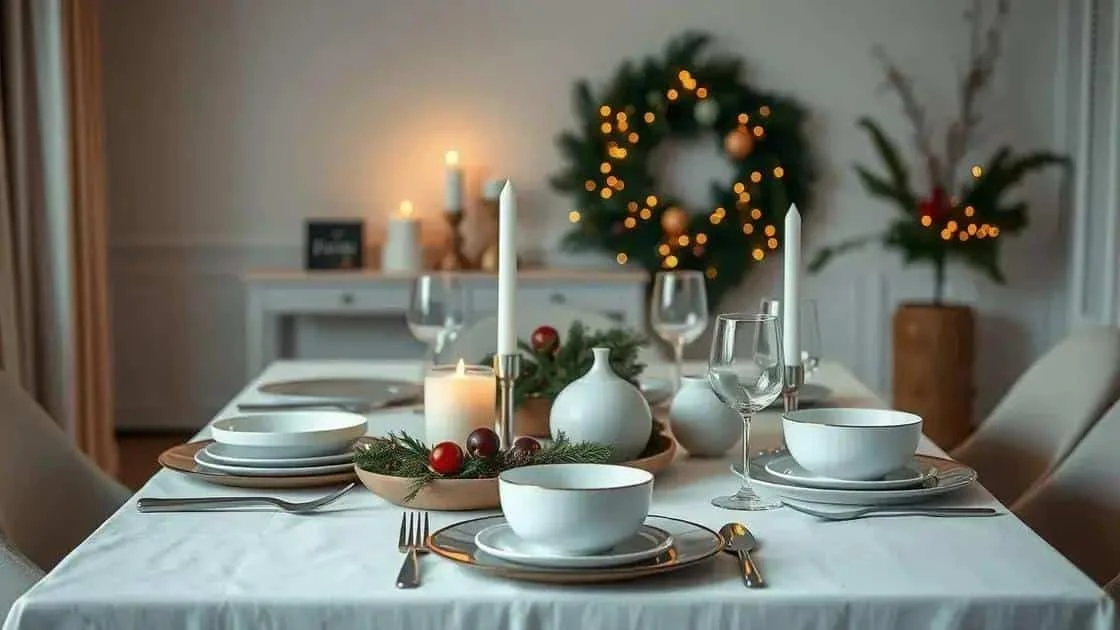
Keep table arrangements low enough for conversation and clear of hot dishes. Use existing tableware and a cloth that suits the room. Fresh flowers or paper decorations can add interest without requiring an elaborate centrepiece.
Consider how guests will move and interact. Provide comfortable seating, clear routes and a quieter area where possible. A welcoming layout matters more than filling every space with decorations.
Food ideas that bring traditions together

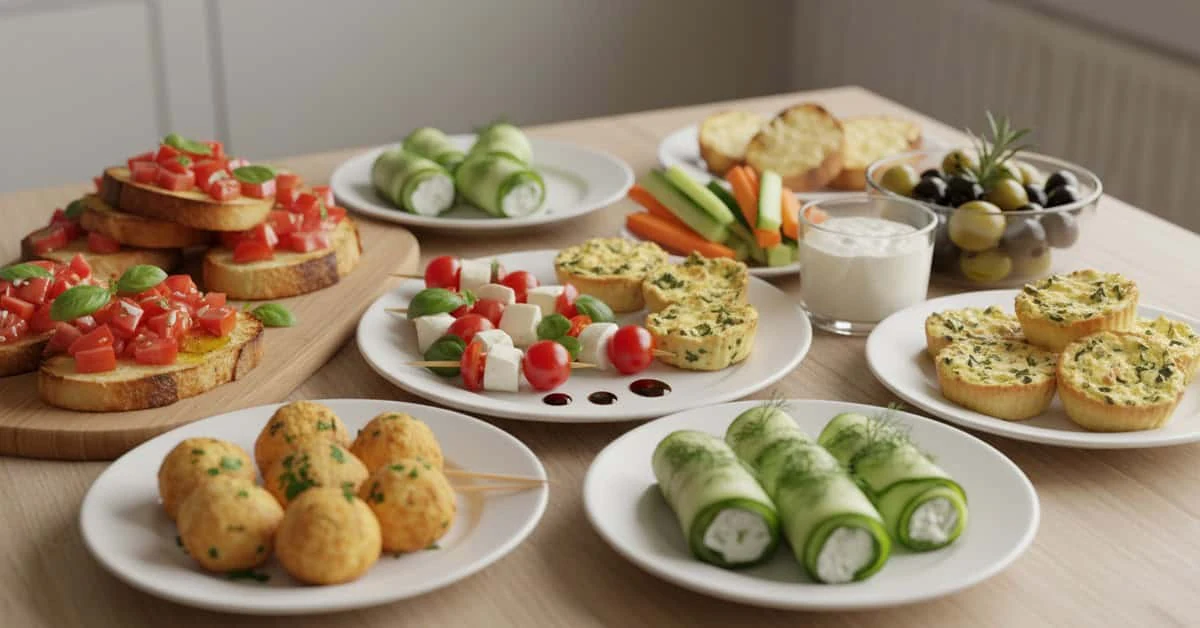
Favourite festive dishes can help people share family traditions. Ask about dietary needs and allergies before planning the menu, and use reliable recipes rather than treating this list as cooking instructions.
In many Brazilian households, roast turkey and glazed cooked ham, often called tender, appear at Christmas. Brazilian side dishes may include farofa, made with toasted cassava flour, and mayonnaise-based potato salad. They can sit alongside British favourites if they suit your guests; keep chilled dishes cold until serving.
Panettone and Brazilian rabanadas, a sweet fried or baked bread dish, are other options. A simple fruit dessert can add variety. Label allergens and avoid assuming that a dish is suitable for everyone because it is homemade.
Some Brazilian and other family traditions associate lentils with New Year prosperity. This is a symbolic custom, not a promise of good fortune. Fish dishes, fresh salads and small savoury dishes can be included according to preference rather than treated as universal New Year requirements.
Offer festive drinks including appealing alcohol-free choices, water and hot drinks. Guests need not drink alcohol to join a toast. Sharing the reasons behind favourite dishes can make the meal a gentle way of passing on traditions.
Thoughtful gifts and small keepsakes

Gifts and keepsakes are optional. If your group wants an exchange, agree an affordable limit or a homemade theme so that nobody feels obliged to spend more than they can manage.
Personalised gifts might include a mug or photo album, with permission from anyone pictured. A few carefully chosen memories can be meaningful without needing expensive printing or a large present.
For homemade gifts, consider a paper craft or decorative candle holder for an LED candle rather than improvising a combustible candle. Handmade fabric pouches and knitted scarves are other options if you enjoy those crafts. Choose materials suitable for the recipient and your skills.
A small hamper of suitable food or drinks can also work. Check allergies, expiry dates and storage requirements, include alcohol only if wanted and avoid buying more simply to make the basket look full.
Party favours are not necessary. If you include them, a short thank-you note or an appropriate small plant may be enough. Consider pets, young children and sensitivities before choosing plants or scented items.
Including children in the gathering
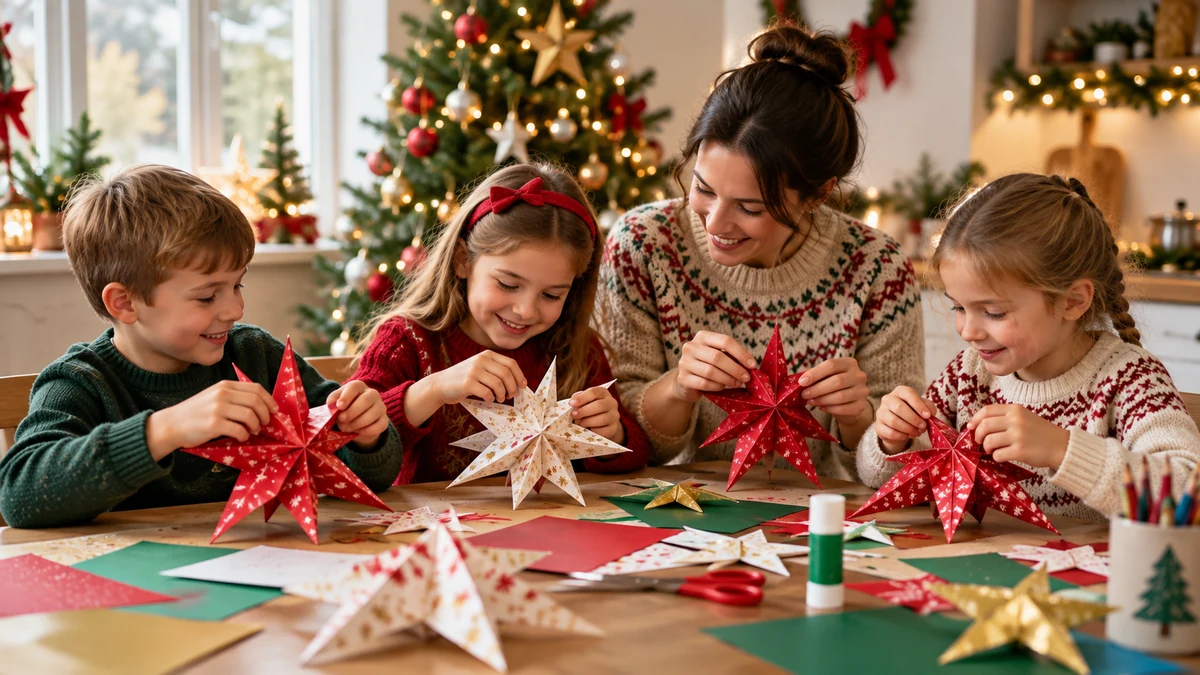
Invite children to join in ways that suit their age and interest. A combined party does not need to last until midnight, and a quiet activity or earlier finish may make it more enjoyable.
Begin with simple decorating tasks, such as choosing paper ornaments or placing sturdy decorations at a safe height. Adults should handle electrical lights, ladders, fragile objects and any sharp tools.
Children can help prepare food through age-appropriate supervised tasks, such as washing suitable produce or mixing ingredients. Adults should manage hot pans and sharp knives, and everyone should follow handwashing and food-safety guidance.
Simple craft activities could include cards or paper ornaments made with clean, suitable materials. Avoid sharp packaging, small parts for young children and any material that has held hazardous substances.
Read a seasonal story together or offer an optional short play. Choose stories that suit the group, explain religious or cultural context where needed and let children watch rather than perform if they prefer.
Plan games and shared activities such as a short treasure hunt or biscuit decorating. Keep edible materials suitable for participants’ allergies, avoid hiding objects in unsafe places and offer cooperative options rather than insisting on competition.
Make the gathering work for your household
A combined celebration can be as simple as a meal, a few decorations and time together. Let children participate without pressure, and respect anyone who wishes to observe Christmas or New Year separately.
Thoughtful activities and optional gifts can add enjoyment, but an affordable, accessible gathering is more valuable than an ambitious plan that creates stress. Ask guests what would help them feel comfortable.
Choose a date and format that suit your group, share the plan in advance and leave room for the occasion to unfold naturally.
Frequently asked questions about combining Christmas and New Year
How can children take part?
Offer supervised decorating, simple food preparation, crafts or stories. Adapt tasks to their ages, include quieter choices and do not require a late-night finish.
What are some thoughtful gift ideas?
A small personalised item, homemade craft, suitable food hamper or handwritten note can work. Agree an affordable limit and make gifts optional.
How can decorations suit both celebrations?
Use a simple shared theme and colours you enjoy, starting with existing decorations. Keep routes clear and use lighting according to its safety instructions.
Which festive dishes could I serve?
Choose favourites that suit guests’ needs. British festive dishes can sit alongside Brazilian traditions such as farofa, rabanadas or lentils, explaining their context rather than presenting them as universal customs.
How can I add a shared activity?
Try a safe treasure hunt, biscuit decorating, a quiz or sharing a favourite memory. Make participation optional and offer accessible alternatives.
Why combine the two celebrations?
It may be convenient when people cannot meet twice and can provide time to reflect and reconnect. It is a personal choice, not a requirement or a replacement for anyone’s own observances.