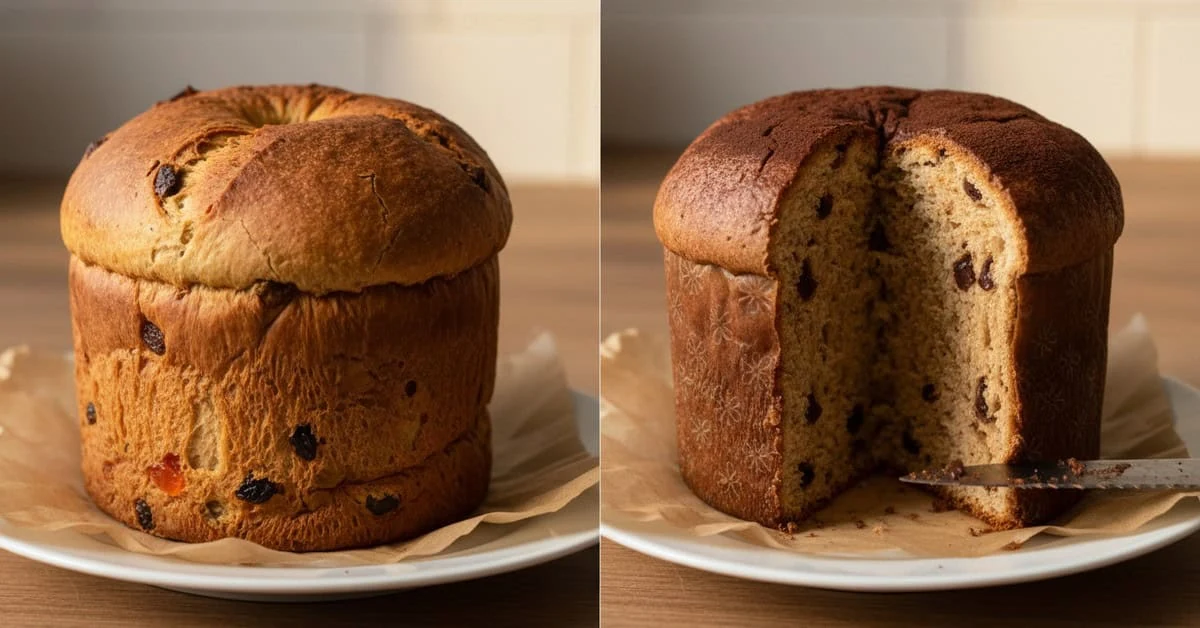
Homemade panettone and chocotone use enriched yeast dough with flour, eggs, sugar and butter, plus dried fruit or chocolate. Successful results depend on a complete, tested recipe, suitable flour and careful proving. The following is a planning guide, not a measured recipe.
Making panettone or chocotone at home can be a rewarding Christmas baking project. Panettone usually contains dried or candied fruit; chocotone is the chocolate version familiar in Brazil. These rich doughs need patience and accurate quantities, so use the ideas below alongside a reliable recipe rather than treating them as a complete formula.
Choosing ingredients for panettone and chocotone
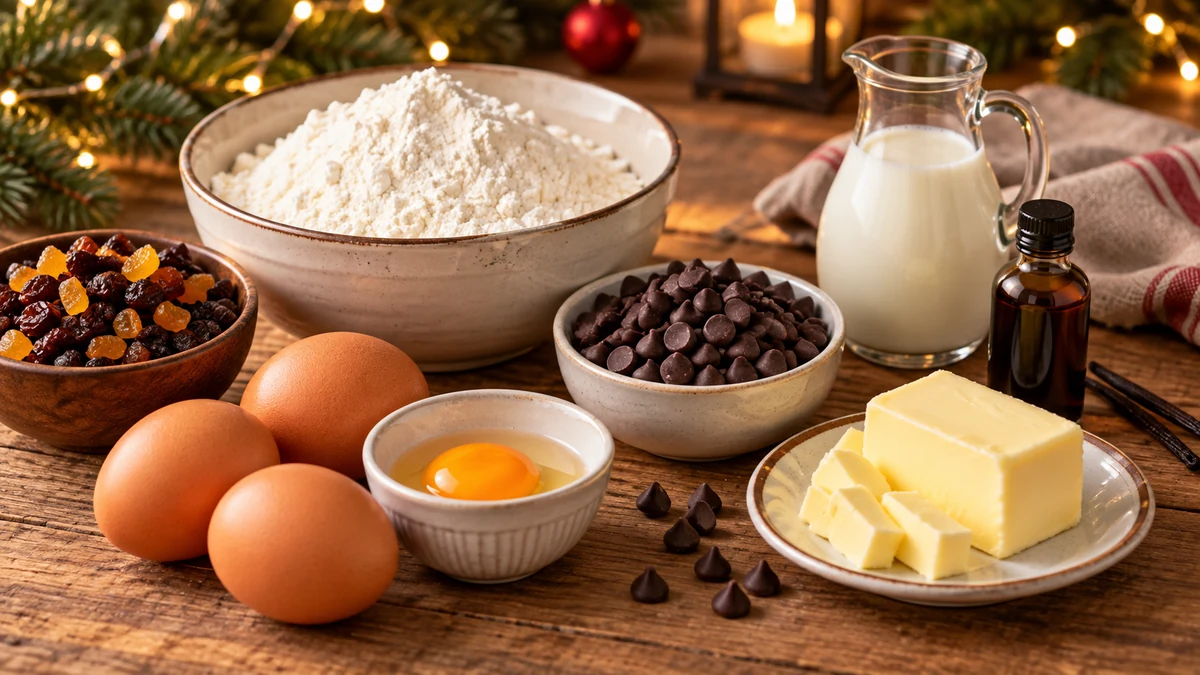
For panettone or chocotone dough, choose ingredients specified by your recipe. Strong wheat flour often provides the structure needed for a rich dough. Yeast or a maintained starter supplies the rise, depending on the method; they are not interchangeable without adjusting the recipe.
Sugar sweetens the dough and affects fermentation, so measure it accurately rather than adding it freely. Vanilla and orange zest can add fragrance. Sugar alone does not provide a reliable shelf-life guarantee for homemade bread.
Butter adds richness and tenderness, while eggs contribute to the dough’s structure and texture. Chocolate pieces turn a fruit-free version into chocotone. Wheat, egg, milk, soya and nuts may occur in ingredients, so check labels before baking for others.
Understanding the dough-making stages
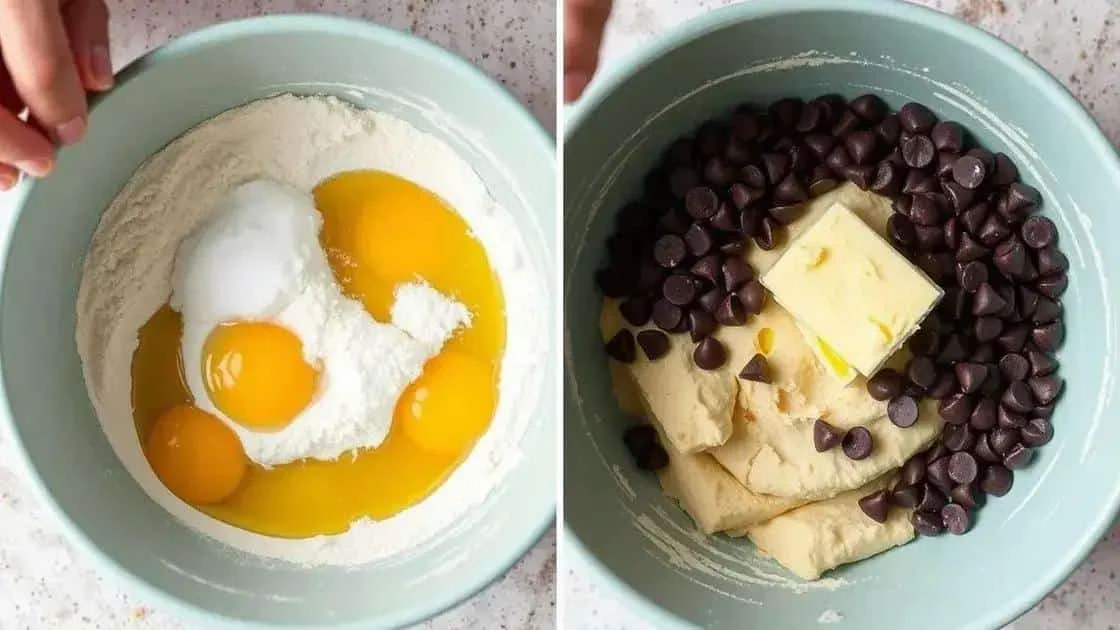
A panettone recipe may involve a starter, several mixing stages and lengthy proving. Measure the flour and yeast according to the chosen method, then incorporate eggs and sugar in the specified order. Without ingredient weights and the liquid quantity, a reliable dough cannot be reproduced from general instructions alone.
The recipe will tell you when to add butter and vanilla. Many enriched doughs use softened rather than hot melted butter, added gradually after some gluten development. Follow that method instead of changing the butter’s temperature or mixing order without checking.
Knead until the dough reaches the texture specified by the recipe, keeping an eye on its temperature. A stand mixer may help with a sticky enriched dough, but avoid adding large amounts of extra flour. Proving time depends on the yeast, dough temperature and room conditions; an hour is not a universal rule.
Fold in the chocolate pieces at the stage indicated, shape gently and place in a suitably sized panettone mould. Allow the final rise required by your recipe. Some simplified versions bake at around 160°C conventional oven temperature, but mould size, dough weight and oven type affect both temperature and timing.
Creative filling ideas for chocotone
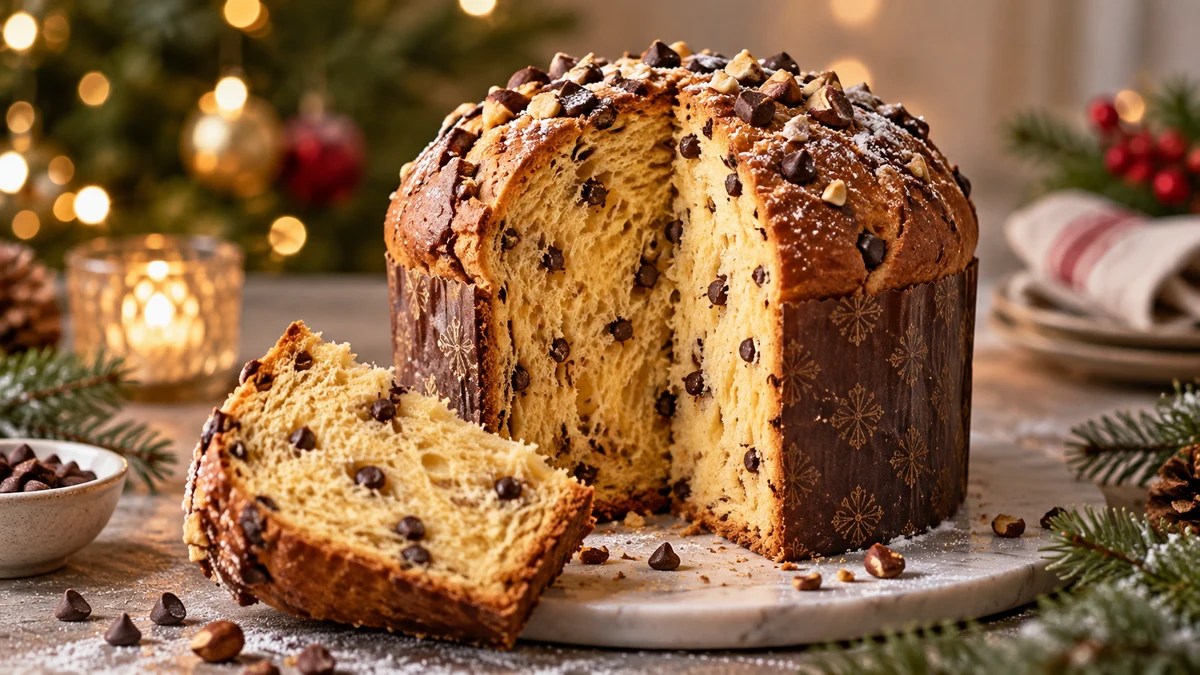
You can vary chocotone with white chocolate or nuts if your recipe allows. Keep additions within the suggested quantity so that the dough can still rise, and clearly tell guests about any nut or dairy ingredients.
Dried fruit such as apricots or raisins offers another variation. Hazelnut spread or dulce de leche is generally easier to add to a baked, cooled loaf than to improvise as a wet centre in raw dough. Check the filling’s storage instructions.
Chocolate ganache can make a rich filling, while desiccated coconut adds another flavour. Fruit soaked in cachaça is an adult option rather than a requirement; alcohol is not guaranteed to disappear completely during baking. Choose an alcohol-free version when needed.
A little melted chocolate and edible decorations can finish the loaf attractively. Let it cool before decorating, avoid overloading the surface and remember that fresh or dairy-based fillings may change how it must be stored.
Baking, cooling and storing homemade panettone
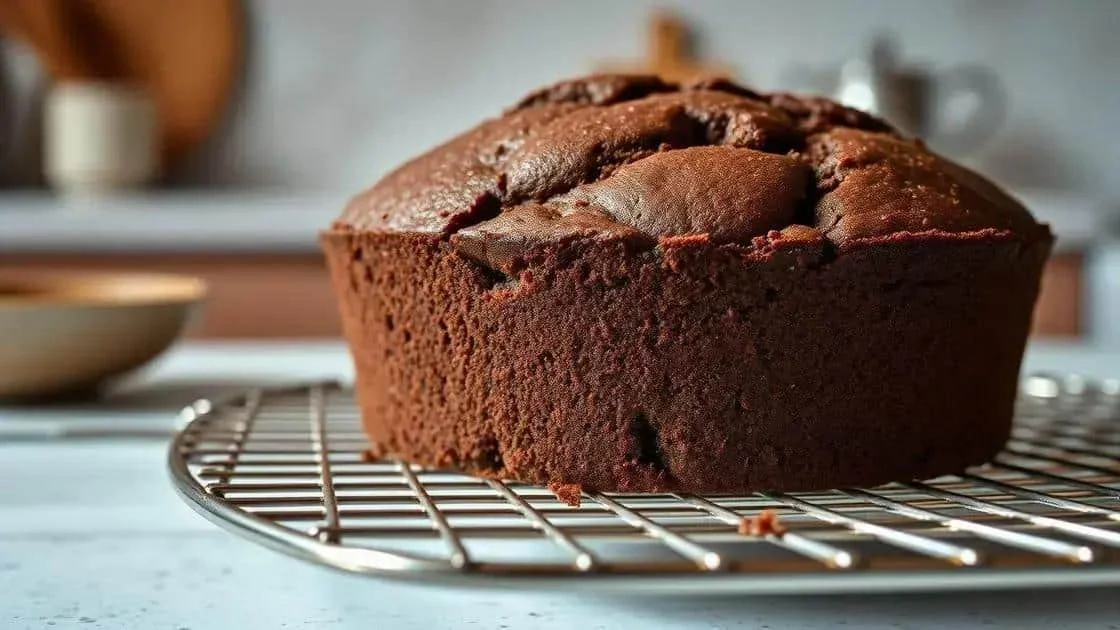
Bake your panettone or chocotone using the temperature in your tested recipe. 160°C and 40–50 minutes may suit some smaller simplified loaves, but they are not a universal setting. A browned top alone does not show that a large enriched loaf is cooked through.
Monitor the loaf as it bakes. If the top colours too quickly, your recipe may recommend a loose foil cover near the end. Keep foil clear of heating elements and avoid opening the oven repeatedly during the early rise.
Follow the recipe’s cooling method. Traditional tall panettone is often cooled upside down with suitable food-safe supports to prevent collapse, whereas some smaller simplified loaves cool on a rack. Do not improvise an unstable suspension over a work area.
Once a plain loaf has cooled fully, wrap or seal it to reduce drying, following the recipe’s storage advice. Cream, custard or other perishable fillings need refrigeration and shorter storage. Freeze suitable plain portions in freezer-safe wrapping if desired, label the date and thaw according to the filling’s needs.
Serving and decorating your chocotone
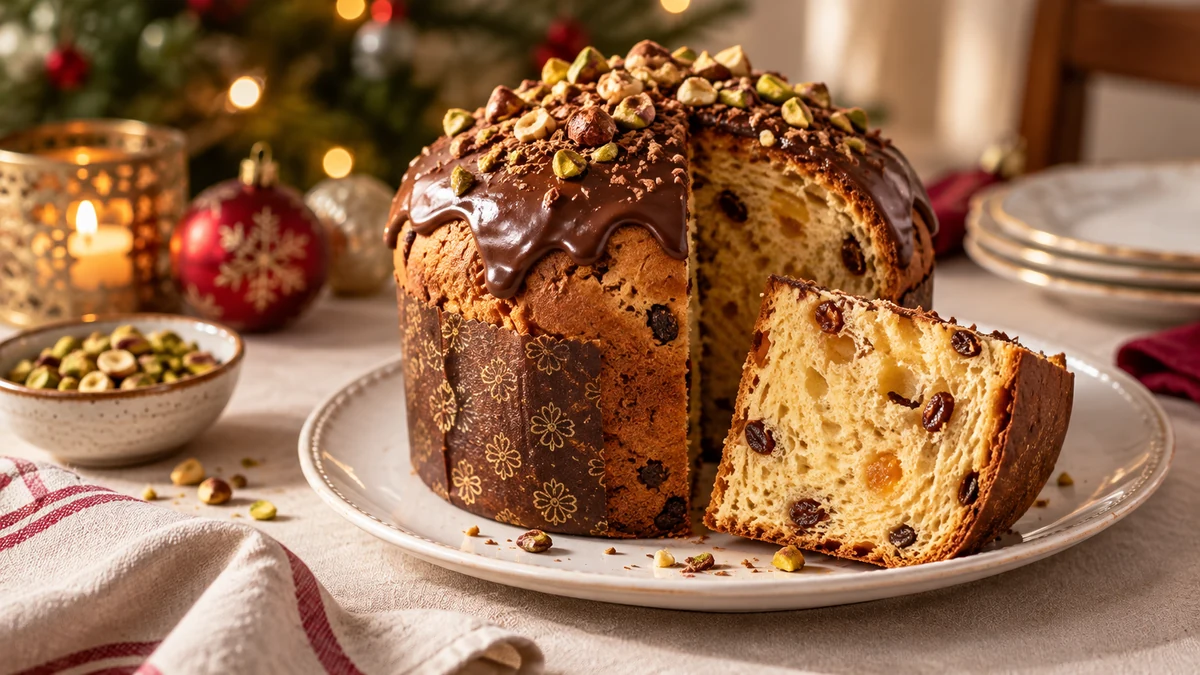
Serve chocotone on a clean serving plate large enough to hold slices comfortably. A simple presentation makes the loaf easy to share and helps guests see the filling.
Keep decorative pine branches away from direct food contact. Washed culinary rosemary can decorate the surrounding plate, while dried fruit such as figs and apricots provides an edible accompaniment. Do not assume ornamental foliage is safe to eat.
Try a modest white-chocolate drizzle or icing, checking the ingredients for allergens. Use only food-grade festive sprinkles, and remove non-edible decorations before serving.
For atmosphere, flameless LED candles are a practical choice near the display. Leave space for serving and keep decorations from obstructing access to the food.
Planning your homemade panettone or chocotone
Homemade panettone can be an enjoyable festive project, but it is not necessarily quick, cheap or easy. Start with a tested recipe that includes complete weights, mixing stages, mould size and guidance for your oven.
Choose fillings that suit the dough, allow time for proving and cooling, and plan storage before adding perishable ingredients. Good presentation is a finishing touch rather than a substitute for careful preparation.
Baking together can create pleasant memories, even when the first attempt needs improvement. Take notes on the dough and timing so you can refine the next loaf without expecting a guaranteed perfect result.
Enjoy the process and give this enriched bread the time it needs.
FAQ — Homemade panettone and chocotone
What are the main ingredients in panettone or chocotone?
Typical ingredients include wheat flour, yeast or starter, eggs, sugar and butter, with fruit or chocolate. Use the exact amounts and any liquid specified by a complete recipe; this article is a planning guide.
What temperature should I use to bake chocotone?
Follow the tested recipe for your dough weight, mould and oven. Some simplified loaves use around 160°C conventional heat, but 40–50 minutes will not suit every size or method.
How can I vary a chocotone filling?
Options include white chocolate, dried fruit, nuts or a filling added after baking, such as ganache or dulce de leche. Keep quantities balanced and account for allergens and refrigeration needs.
How should I store panettone or chocotone?
Seal a plain loaf once completely cool and follow the recipe’s storage advice. Perishable fillings need refrigeration; wrapping alone does not make them safe at room temperature.
How can I decorate chocotone for Christmas?
Use a chocolate drizzle, food-grade sprinkles or dried fruit on a clean serving plate. Keep ornamental foliage and non-edible decorations away from food contact.
Can I freeze chocotone, and how long will it keep?
Many plain loaves or slices freeze well when wrapped and labelled. About three months is a common quality guideline rather than a universal guarantee; suitability and thawing depend on the recipe and any filling.