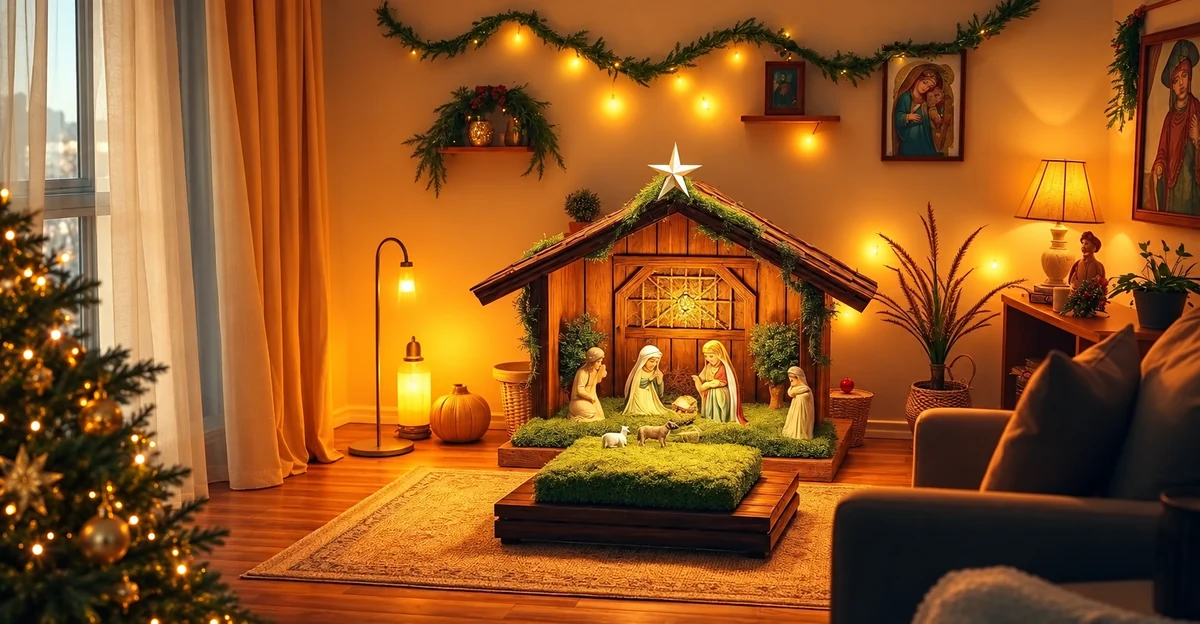
Setting up a Nativity scene is a Christmas tradition for many Christian families. Choose a stable base, suitable figures and a safe display position, then arrange the scene so that its central figures remain easy to see.
A Nativity scene brings together symbolism, storytelling and Christmas tradition. This guide explains how to arrange one at home using simple materials and a little planning.
You can create a display that suits your household without buying an elaborate set. Focus on a clear arrangement, a safe location and the details that matter to you.
Materials for Your Nativity Scene
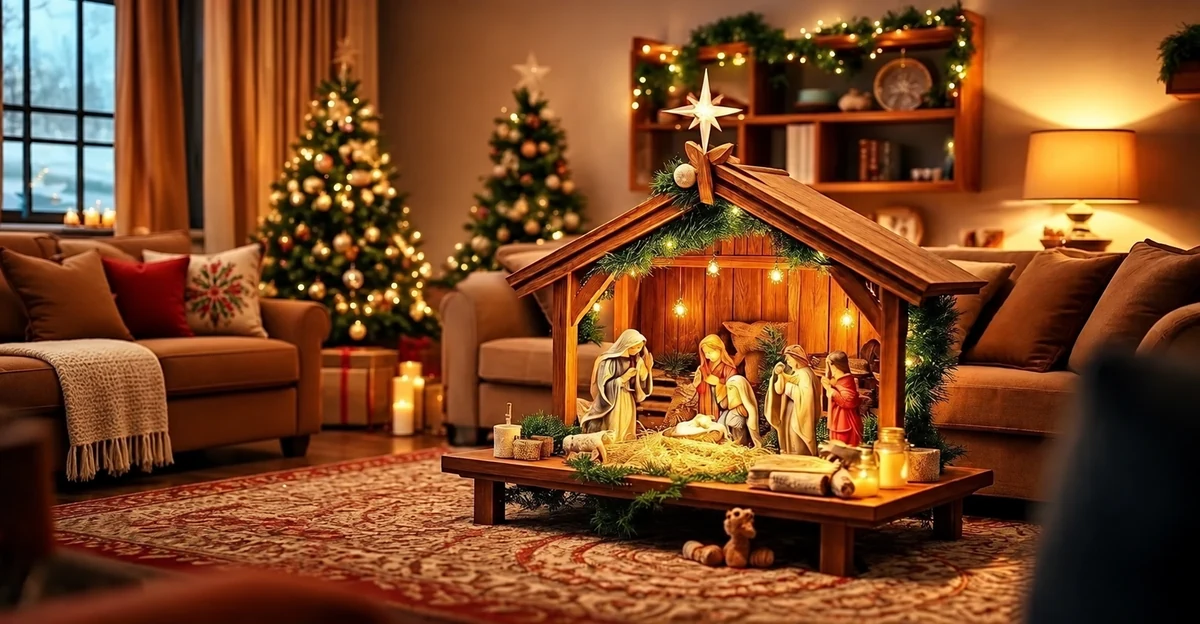
Begin with a firm base, such as a sturdy board or shallow box, sized to fit the chosen surface.
Choose figures of the infant Jesus, Mary and Joseph, with shepherds and the traditional Magi if desired. Small sculptures or printed figures can both work.
A few stones, twigs or responsibly sourced moss can suggest a landscape. Paper or fabric alternatives are useful if you prefer not to use natural materials.
Decorations and Accessories
Suitable low-heat lights can add a gentle glow. Sheep, other traditional animals and a simple stable help frame the display; keep electrical parts away from dry decorative material.
Choosing a Display Position
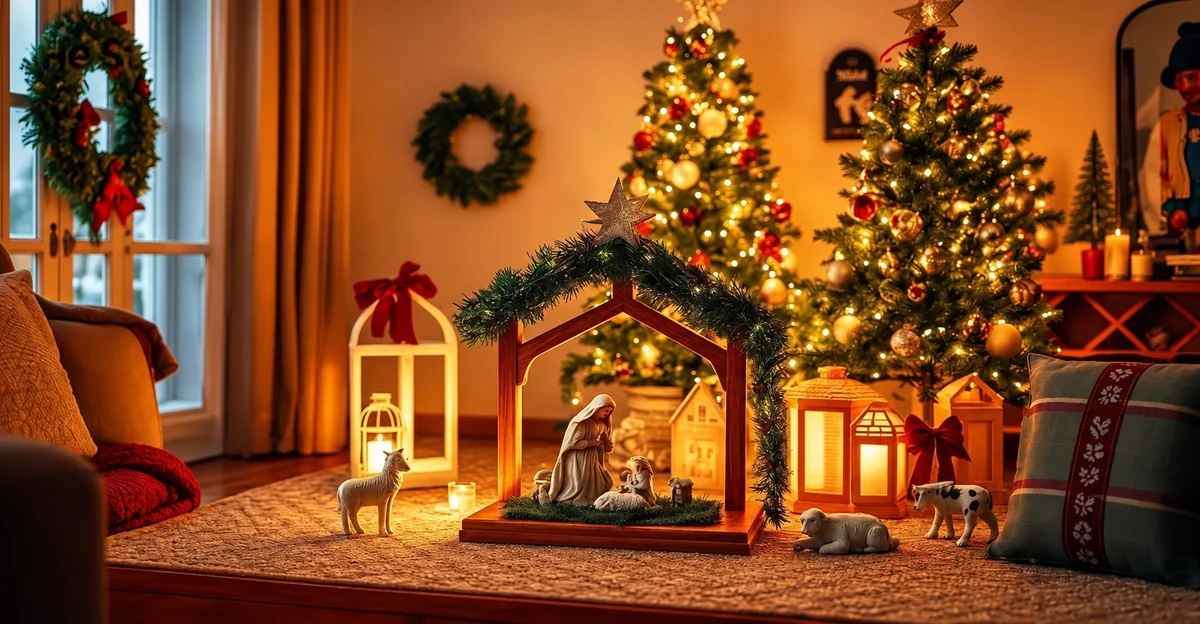
Choose somewhere the figures can be seen comfortably, with enough space for the base and any lighting.
Avoid busy walkways and unstable surfaces. Keep fragile figures, small parts and trailing cables out of reach of young children and pets.
A shelf or side table in the sitting room may work well. Choose a place where the family can enjoy the display without knocking it or blocking everyday movement.
Setting Up the Nativity Scene Step by Step
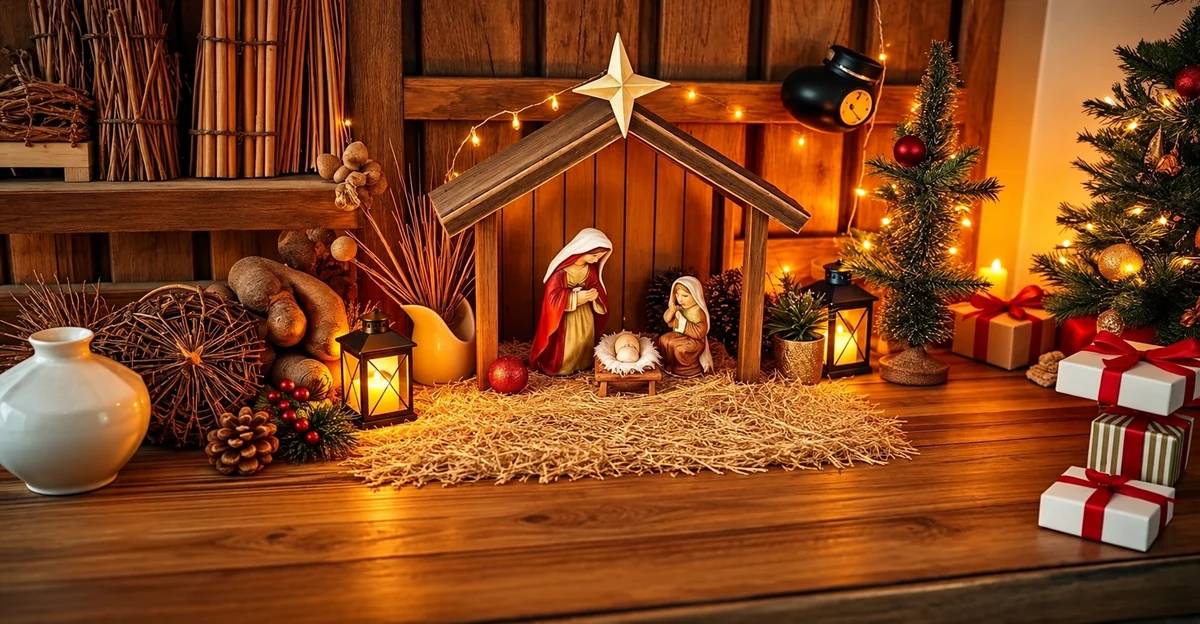
Lay out your materials first so that you can check the size and balance of the display.
Position the base on a level surface. Add a little landscape material, then arrange Mary, Joseph and the manger as the central group. Shepherds and the traditional Magi can face towards them.
When adding lights, follow the manufacturer’s instructions and keep wires discreet without trapping or damaging them. Add animals and accessories sparingly so the main scene remains visible.
Decorating Your Nativity Scene
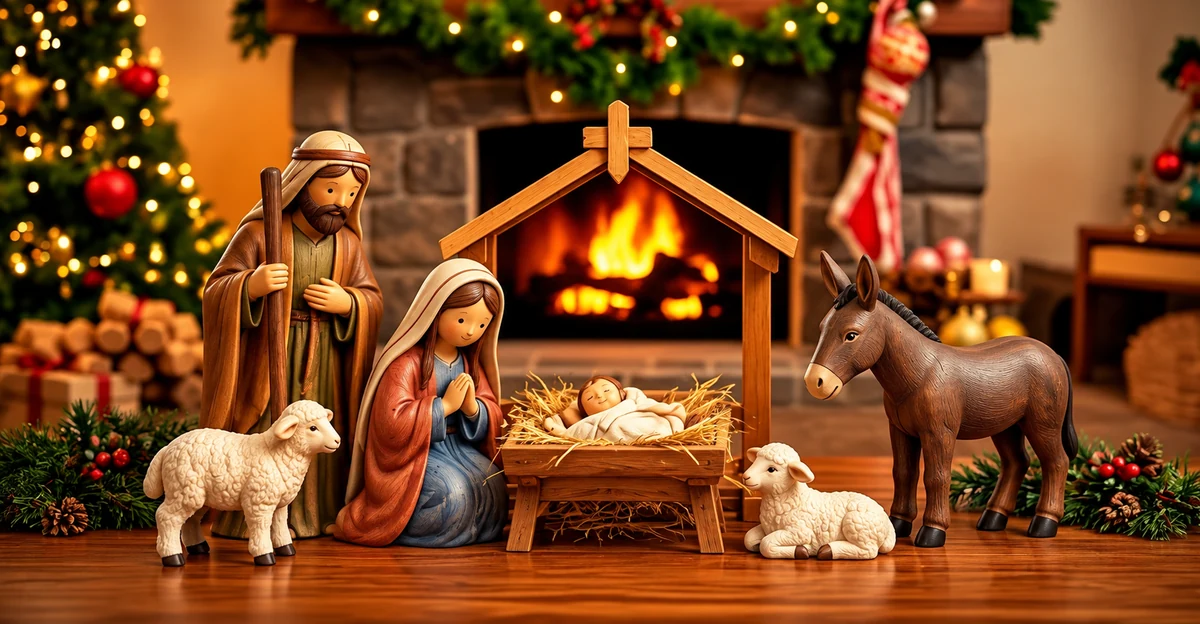
A few carefully chosen details can give the display character without crowding it.
Think first about lighting. Small, suitable LED lights can provide a gentle glow; use them as directed and avoid candles near the scene.
Add natural-looking elements, such as paper foliage, small twigs or a little moss, to suggest the setting.
Traditional animal figures, including sheep or an ox, can add detail. Their presence reflects Nativity display traditions rather than every detail of the Gospel accounts.
Finishing Touches
Small accessories, such as baskets or the Magi’s gifts, can help tell the story.
Keep a consistent colour palette if you want a calm, coordinated display.
A star above the stable can provide a focal point. Avoid adding so many features that the central figures disappear.
Combine tradition with your own style, keeping the display meaningful to your household.
Common Nativity Display Mistakes
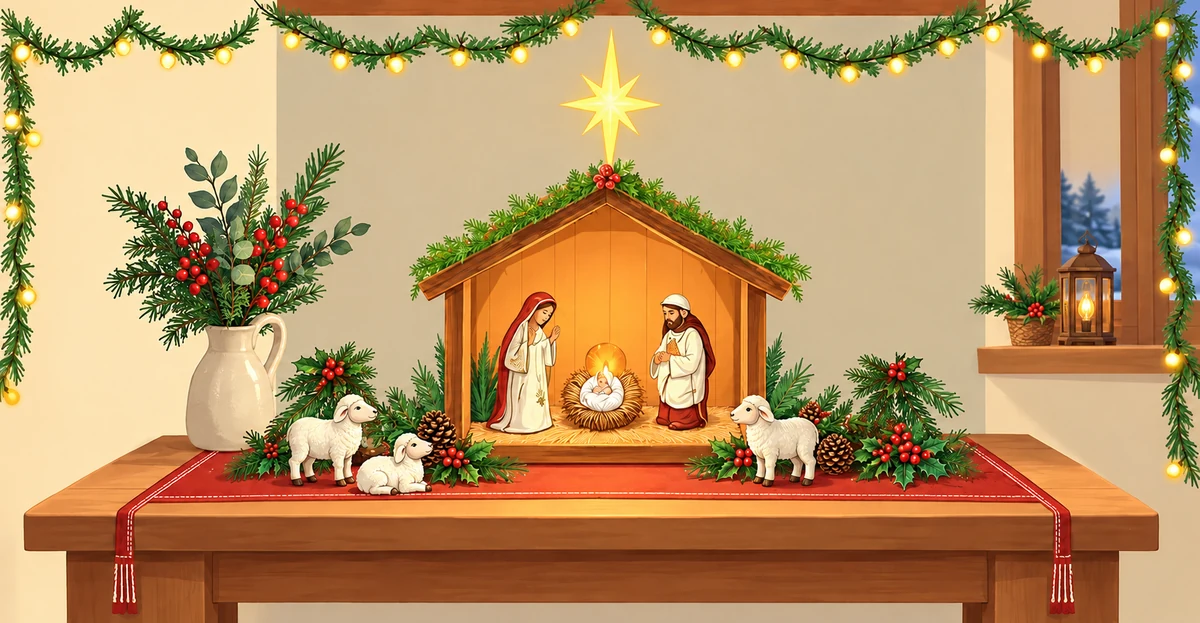
One common mistake is not planning the arrangement. Place the main figures first and leave enough room to see them.
Another is overlooking visibility and lighting. A dark corner may hide the details, while unsuitable adhesives can damage painted or delicate figures.
Keep the display uncluttered and use materials appropriate to your figures. There is no single compulsory household design; a small, simple scene can work beautifully.
Nativity Customs and Family Traditions
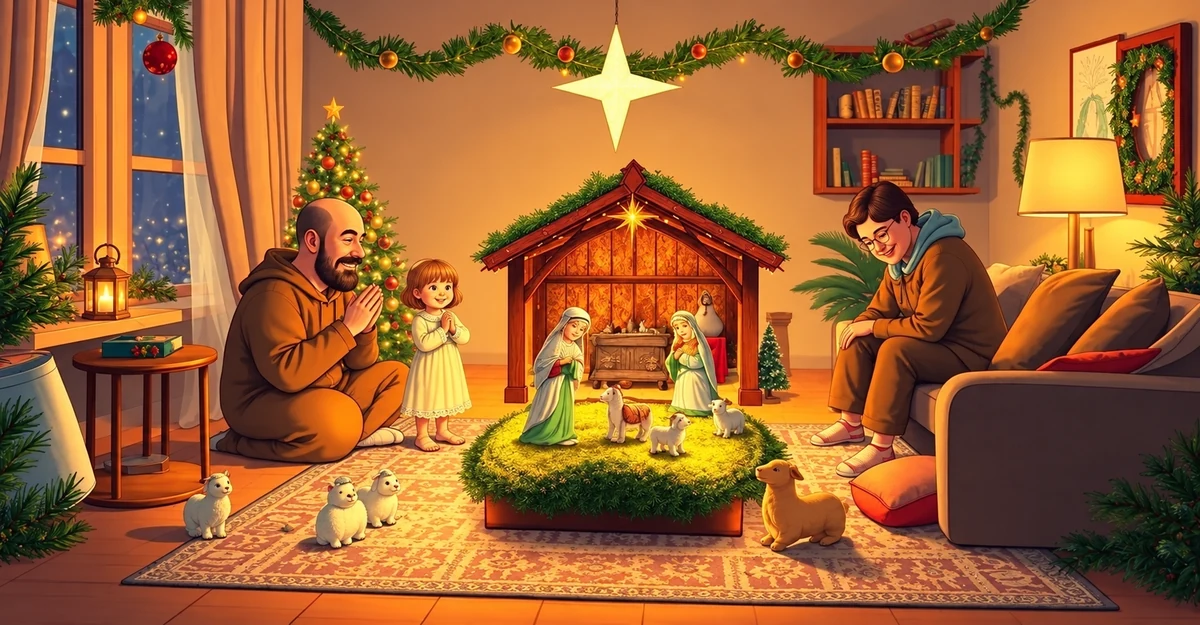
Nativity displays form part of Christmas celebrations in many Christian communities. During Advent, families or church groups may work together to prepare the scene.
Nativity plays and community displays offer other ways to tell the story. Children can learn about the figures and ask questions, with explanations suited to their ages.
For many households, the display offers a moment to reflect on faith, welcome, love and hope.
Enjoying Your Nativity Scene
Choosing the materials, location and arrangement thoughtfully helps create a clear representation of the Nativity.
Careful details and a manageable scale can make the scene inviting. Sharing the process offers an opportunity to talk about family values and togetherness.
Enjoy making a display that fits your home and traditions, then store the pieces carefully for another Christmas.
Frequently Asked Questions About Setting Up a Nativity Scene
What materials do I need?
A stable base and Nativity figures are enough to begin. Optional additions include a simple stable, suitable landscape materials and safe lighting.
Where should I put my Nativity scene?
Choose a stable, visible surface away from busy walkways, heat sources and places where children or pets could pull it down.
How should I arrange the figures?
Start with Mary, Joseph and the infant Jesus, then add shepherds, the traditional Magi and any animals around the central group.
How can I decorate the display?
Use a small number of accessories, natural-looking landscape materials and suitable lights, keeping the central figures visible.
Which mistakes should I avoid?
Avoid unstable bases, unsuitable glue, exposed cables and overcrowding the display.
Why is the Nativity scene important to some families?
It offers a way to share the Christian Christmas story, express faith and continue a family tradition.