
A lower-waste Christmas gift starts with something the recipient will use and enjoy. Durability, repairability, reused materials and modest packaging can all be worth considering. Labels such as ‘natural’ or ‘eco-friendly’ do not, on their own, establish a product’s overall environmental impact.
Choosing lower-waste Christmas gifts can be a chance to think about usefulness as well as presentation. Here are practical ideas for thoughtful giving, without assuming any purchase is impact-free.
What makes a gift a more considered choice?

A considered gift takes account of how it is made, used and eventually repaired, reused or disposed of. Recycled, organic or fairly traded materials may be relevant, but no single label guarantees that a product has no environmental impact.
Features to look for
Look for clear information about durability, materials, repair options and packaging. If a maker describes its energy use or working conditions, check what the claim actually covers rather than assuming that local or handmade automatically means better.
Examples to consider
Ideas include a reusable mug for someone who will use it, a sturdy shopping bag, a candle from a maker with clear material information or a gardening kit suited to the recipient’s space. Avoid adding a replacement for something they already own and use.
Potential benefits of more thoughtful gifting

Thoughtful gift choices can focus attention on useful products and unnecessary waste. The benefit depends on the item and its use, rather than on a broad green label.
Considering environmental impact
Reducing environmental impact involves more than choosing a material. Manufacturing, transport, repeated use and disposal all matter. Buying less and using what you already have are worth considering too.
Supporting local makers
Buying from a local maker can support the local economy and make it easier to ask about the product. It does not automatically establish lower emissions or fair working conditions throughout the supply chain.
Starting useful conversations
A practical gift may offer an opportunity to discuss environmental choices. Keep the conversation welcoming and avoid treating a present as a lesson the recipient must follow.
Durability and usefulness
Durable materials and good construction may help an item last, but check the actual product rather than relying on its description. Something unused will not become useful simply because it is marketed as sustainable.
Creative gift ideas

These thoughtful gift ideas can be adapted to the recipient’s interests, your budget and materials already available.
Plants and growing projects
A plant in a reused pot or a small terrarium may suit someone who enjoys gardening. Check care needs and suitability around pets and children. Do not promise that a houseplant will meaningfully purify the air in an ordinary home.
Handmade items
A handmade item can offer a personal touch. With soaps or scented products, check ingredients, suitability and the maker’s information; ‘natural’ does not mean suitable for everyone or automatically lower impact.
Make-your-own kits
Put together a DIY kit for a project the recipient would enjoy, such as a fabric bag or an ornament. Use clean, suitable materials and avoid assembling a kit likely to sit unused.
Books on environmental topics
Books about sustainability may suit an interested reader. Consider a good-quality second-hand copy and choose a topic they actually want to explore.
Experiences instead of objects
An experience, such as a local outing or a shared activity, can be another option. It is not automatically waste-free: consider travel, materials and practical arrangements.
Involving children in gift choices

Choosing gifts together can introduce ideas about reuse and caring for belongings. Keep the discussion age-appropriate and free of pressure to make a perfect environmental choice.
Talk about thoughtfulness
Explain that a gift can show care through usefulness, effort or time together. Discuss how to avoid unnecessary purchases, rather than promising that particular products cause no harm.
Encourage creativity
Children might make handmade cards or crafts from clean reused materials. Choose safe tools and supervise tasks involving cutting, heat or small parts.
Explore local craft markets
A market visit can show children different ways things are made. Ask makers about materials and care, while remembering that handmade products still have an environmental footprint.
Discuss the environment simply
Use a story or a familiar object to explain sustainability. Keeping and caring for a useful item is a concrete starting point.
Take the emphasis off brands and price
A gift does not need to be expensive or from a famous brand. A simple creation or time together can be meaningful without comparing what different families can afford.
Ideas for a lower-waste Christmas

A lower-waste Christmas can begin with a few manageable choices. Reuse what works and avoid buying a new product solely to replace something serviceable.
Think about the tree you already have
If you already have an artificial tree, continued reuse is worth considering. A real tree has its own impacts, depending on growing, transport and disposal. A living potted tree needs suitable care; successful replanting is not guaranteed.
Reuse and make decorations
Make Christmas decorations from suitable paper, fabric or safely collected natural materials. Keep dry decorations away from flames and heat sources.
Choose gifts with their future use in mind
For thoughtful gifts, consider whether the recipient will use, maintain or repair the item. A second-hand option may be suitable if it is safe and in good condition.
Use less gift wrapping
Reuse a bag, fabric or old newspaper where suitable. Check local recycling rules for paper: foil, plastic coatings and glitter can prevent recycling, and council collections differ.
Plan a meal with less waste
For Christmas dinner, plan realistic quantities and use ingredients you will enjoy. Local or organic labels do not guarantee a lower overall impact; avoiding unnecessary food waste is a useful practical aim.
Looking beyond the green label

With considered gifts, ask specific questions about materials, expected use and disposal. Broad claims should not replace clear information about the product.
Reducing unnecessary waste
Useful, durable items may help reduce waste when they replace repeated disposable purchases. That depends on how often they are used and whether they can be repaired or recycled appropriately.
Considering resources
Reused or recycled materials may be part of a more careful use of resources. Manufacturing and transport still matter, so avoid treating a renewable material as impact-free.
Checking ethical claims
If ethical practices matter to your choice, look for specific evidence about sourcing and working conditions. A small or local business is not automatically evidence of an ethical supply chain.
Sharing ideas without pressure
A gift can start a conversation about environmental awareness, but the recipient’s needs and preferences still matter. Offer an idea rather than an obligation.
Crafting with reused materials
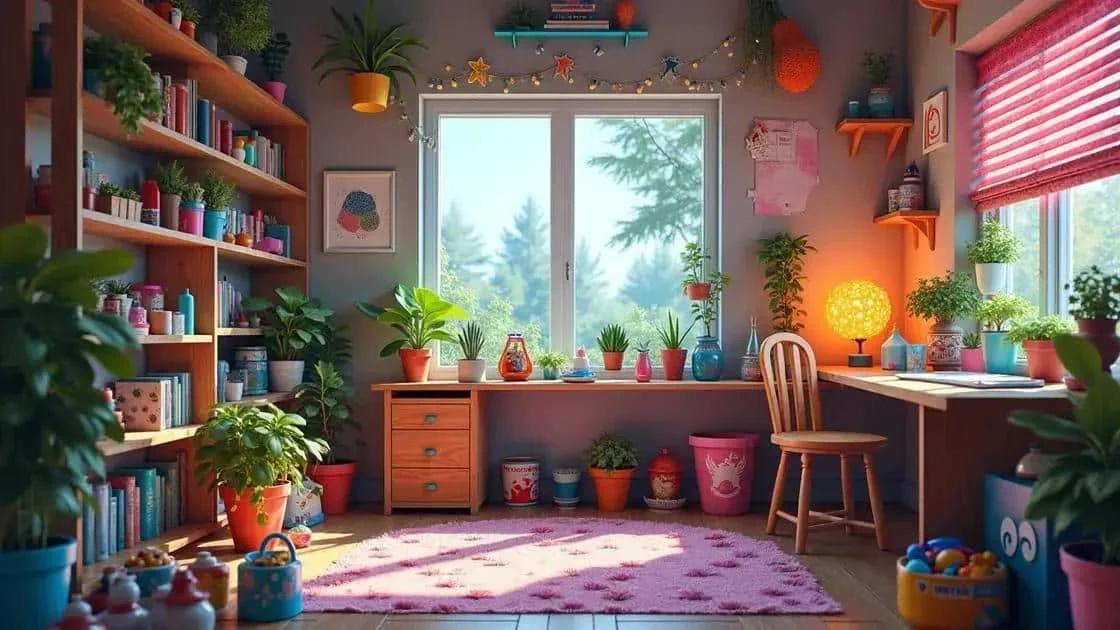
Crafting with reused materials can give suitable objects another use. Choose a project you want to keep, rather than adding materials and waste for the sake of an activity.
Materials you might use
Clean cardboard, paper and fabric scraps are useful starting points. Adults can assess containers for suitable projects; avoid sharp edges, damaged glass or containers that held hazardous substances.
Simple project ideas
Here are a few possibilities to adapt to the materials available:
- Storage boxes made from sturdy cardboard and decorated with spare paper.
- Plant pots made from suitable reused containers, with safe drainage and smooth edges. Any cutting should be handled by an adult.
- Decorative lanterns using suitable containers and a battery LED light. Avoid real flames in homemade containers, and keep loose batteries away from children.
Getting started
Clean and inspect materials, then choose a simple project and suitable instructions. Adults should handle sharp tools or tasks involving heat, and supervise children appropriately.
What reused-material crafts can offer
Reusing an item can be enjoyable and introduce practical ideas about sustainability. The result is most useful when it is safe, wanted and durable enough for its purpose.
Making thoughtful choices
Considered gifts and crafts from reused materials can be part of reducing unnecessary purchases. Their impact depends on what you make or buy and how it is used.
A simple craft can also be a pleasant way to spend time together. Start with suitable materials and a project you actually want.
There is no need for a perfect Christmas or a new set of green-labelled products. Useful gifts, care for belongings and realistic planning are practical places to begin.
Frequently asked questions about thoughtful gifts and reused-material crafts
What is a sustainable gift?
The term is broad. Look for specific information about durability, materials, sourcing and disposal, and consider whether the recipient will use the item.
Where can I find gift ideas?
Start with the person’s interests, things they need and materials or items already available. Local makers and second-hand shops may offer options, but check product claims and condition.
Which materials can I reuse for crafts?
Clean paper, cardboard and suitable fabric scraps are good starting points. Adults should assess containers, sharp edges and any cutting required.
Are these crafts only for children?
No. People of different ages can enjoy making and reusing things. Match the project and tools to the participants and supervise children.
What could I make?
Ideas include cardboard storage boxes, simple ornaments and suitable reused plant containers. For lanterns, use battery LED lights safely rather than real flames.
Do these gifts always have a lower environmental impact?
No single label guarantees that. Consider the whole product, its use, transport and disposal. Reusing a useful item and avoiding unwanted purchases can be sensible starting points.