
Thoughtful Secret Santa gifts suit the recipient and the agreed budget. A handmade bookmark, a useful everyday item or a small personal touch can work well without elaborate packaging or a large purchase.
Looking for Secret Santa gift ideas that feel personal? Start with the recipient’s interests rather than the pressure to impress. These suggestions cover handmade gifts, simple personalisation and ways to avoid buying something that will go unused.
Choosing a suitable Secret Santa gift

The right Secret Santa gift need not be expensive or surprising. Think about what the person enjoys, what they already own and any preferences they have shared. If you do not know them well, a short wish list can be more helpful than guessing.
Notice their interests
A keen cook might appreciate a useful utensil, while a reader may enjoy a bookmark or a particular book. Check before buying decorative items, fragrances or anything very personal. An interest gives you a starting point, not a guarantee that every related gift will suit them.
Agree a budget
Set a comfortable limit with the group and include packaging and postage in your own calculation. Handmade gifts can be economical if you already have materials, but they still take time and money. Nobody should feel obliged to spend more than they can afford.
Consider everyday usefulness
A notebook, a good pen or a small item the person has requested may be more welcome than a novelty gift. Choose products that fit their routine and avoid giving someone a new responsibility, such as a plant, unless they would enjoy it.
Keep presentation personal
A reused gift bag or a neatly wrapped box with a handwritten note can look thoughtful. You do not need expensive wrapping to make the present feel considered.
These steps can make choosing easier, although no gift can guarantee a particular reaction. Keep the exchange friendly and allow people to opt out without embarrassment.
Handmade Secret Santa ideas
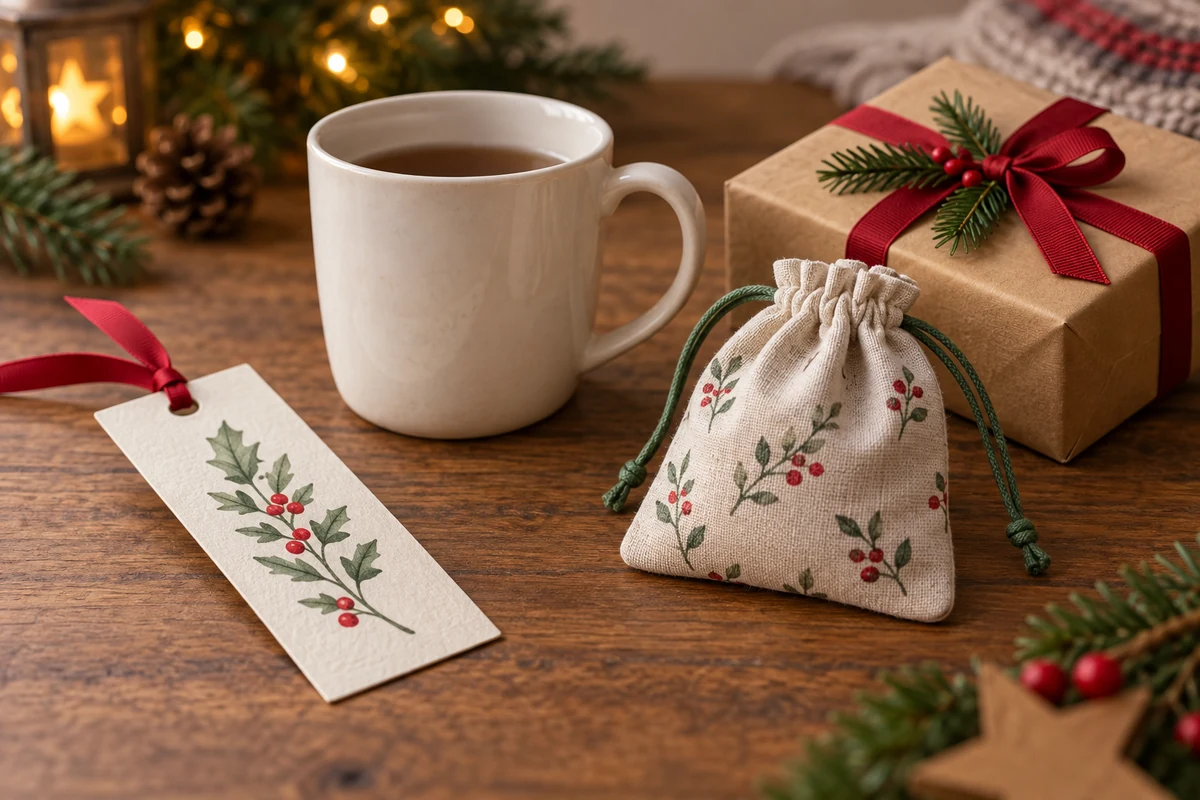
Handmade gifts work best when the project matches your skills and the recipient’s tastes. Allow enough time to finish it properly, and choose a simpler idea if the materials or method are unfamiliar.
A small self-care gift set
You can assemble a set using sealed, labelled products the person already likes, such as soap or lip balm. Check fragrance preferences and known sensitivities. Avoid experimenting with homemade cosmetics or adding essential oils without suitable formulation knowledge.
A decorated mug
For a usable mug, choose a purpose-made decorating product and follow its food-contact, curing and washing instructions. Keep decoration away from the rim and drinking surface unless explicitly permitted. Ordinary permanent markers should not be assumed suitable for drinkware; a professionally printed mug is another option.
A box of homemade chocolates
Use a reliable chocolate or truffle recipe, food-safe packaging and clear ingredient information. Check allergies and provide storage instructions, especially for fresh-cream fillings. If the gift cannot be kept chilled when required, choose a suitable packaged alternative.
A small dried-flower arrangement
Arrange a few dried stems in a clean, stable container if the recipient enjoys them. Avoid heavily scented material for someone sensitive to fragrance, and choose plants carefully around pets. Dried arrangements should be kept away from candles and other heat sources.
A personalised bookmark
Use card, a small ribbon and a design that suits the reader. Keep it thin enough not to strain a book’s binding and avoid loose glitter that sheds between pages. A short personal message can be enough decoration.
Personal gifts with a simple finishing touch

Personalised gifts can show that you have thought about someone, but personalisation is not always necessary. Check names and spelling before ordering, and choose something the recipient will actually want to keep.
A framed photograph
Choose a photograph the person is comfortable displaying, then use a frame that suits their space. Ask before using or sharing a sensitive or private image. A note on the back can explain why the moment matters to you.
A mug with a name or message
A professionally printed mug with a name or a genuinely shared joke can be a useful gift. Avoid jokes that might embarrass someone in a workplace exchange, and check delivery time and washing instructions before ordering.
An engraved accessory
An engraved bracelet, keyring or pendant may suit someone whose style you know well. Jewellery is personal, so check material sensitivities and the budget. An inexpensive keyring can be a more appropriate Secret Santa choice than an intimate or costly accessory.
A book with a note
Choose a book that matches the recipient’s reading interests. A separate handwritten card lets them keep, lend or exchange the book without a permanent inscription, though a dedication can be lovely if you know they would like one.
A shared-activity gift
You could offer a film evening, a walk with refreshments or another activity you both enjoy. Agree practical details rather than giving an obligation disguised as a gift. Check accessibility, dietary needs and any extra costs before including tickets or food.
Ideas that may reduce waste
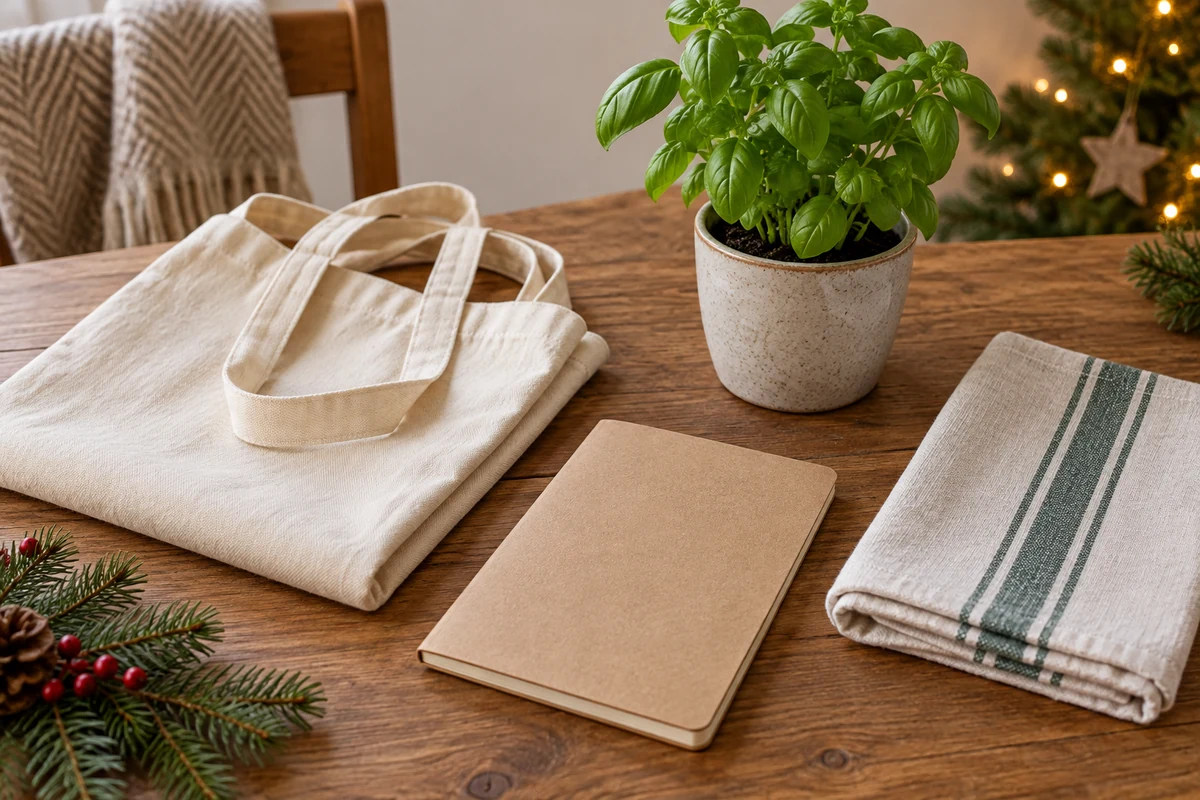
Lower-waste gift choices start with usefulness and what the recipient already owns. A product is not automatically sustainable because it is handmade, natural or reusable; its materials, lifespan and actual use all matter.
A plant, if wanted
A small potted herb or houseplant may suit someone who enjoys caring for plants. Choose for their available light and space rather than assuming all succulents are effortless. Check the species is suitable for a household with children or pets.
Carefully chosen toiletries
If toiletries are on the person’s wish list, choose clearly labelled products that suit them. Natural ingredients and essential oils are not automatically harmless or better for the environment. Avoid unsupported skin-benefit claims and keep ingredient information with the gift.
A reusable drinking accessory
A reusable straw or cup only makes sense if the person wants and can use it. Check cleaning requirements and accessibility needs; metal straws are not appropriate for everyone. Do not replace a person’s preferred aid with an unsuitable alternative in the name of reducing waste.
Reused paper and card
Saved card, plain paper and gift tags can be used for new wrapping or a handmade bookmark. Keep materials clean and avoid unnecessary plastic coatings or glitter. Check local recycling guidance for the packaging you eventually discard.
Useful kitchen textiles and bags
A tea towel or shopping bag may be welcome if it fills a real need. Durability and repeated use matter more than buying another reusable product for someone who already has plenty. A well-kept second-hand item can also be worth considering.
Presenting your Secret Santa gift

Gift presentation can be simple and tidy. Protect the item, keep necessary labels and instructions, and add a personal touch without making the wrapping difficult to reuse or open.
Choose suitable wrapping
A reused box, gift bag or plain paper can work well. Use food-safe inner packaging for edible gifts; decorative craft paper should not touch food directly unless intended for that purpose.
Add a handwritten card
A short Christmas message or a friendly note can make the gift feel personal. Keep workplace messages appropriate and avoid putting private information on a tag that everyone will see.
Reuse ribbon and bows
Saved ribbon can finish a parcel neatly. Use only as much as needed and make it easy to remove. Keep loose ribbon and small decorative pieces away from babies and pets.
Try a simple theme
A film-night gift could include a title suggestion and a suitable snack the person enjoys. Check allergies and age suitability rather than assuming popcorn or sweets are right for everyone. The theme should help you choose, not require lots of extra items.
Arrange a gift table
If you are hosting the exchange, use a clear table with readable name tags and enough space around it. A few decorations or battery LED lights are sufficient; keep real flames away from wrapping and dried materials. Leave walkways and exits unobstructed.
Keeping Secret Santa thoughtful and manageable
Good Secret Santa gifts begin with the recipient’s interests and a realistic budget. Personalisation and presentation can add warmth, but usefulness and consideration matter more than making an impressive reveal.
Choose a manageable handmade project or a wanted everyday item. Reuse wrapping where practical and avoid claims that a gift is automatically sustainable or suitable for everyone.
The exchange should be enjoyable rather than a test of generosity. Respect spending limits, let people decline and keep the focus on a friendly shared occasion.
Frequently asked questions about Secret Santa gifts
How do I choose a Secret Santa gift?
Start with the person’s interests, preferences and the group’s budget. If you do not know them well, ask for a short wish list rather than guessing about personal items, food or fragrances.
Where can I find gift inspiration?
Look at the recipient’s hobbies, items they have mentioned and simple projects you already know how to make. Craft shops and makers can provide ideas, but check usefulness and cost before buying materials.
How can I personalise a small gift?
Add a handwritten note, choose a relevant colour or use a name where appropriate. Check spelling and privacy, and avoid jokes or photographs that might embarrass the recipient.
What are some lower-waste options?
A wanted second-hand item, a useful handmade bookmark or a durable product the person needs may work well. Reuse packaging and remember that reusable items only help when they are actually used.
Does presentation matter?
Tidy, protective wrapping and a clear label are enough. A personal note can add warmth without expensive packaging. Keep ingredient and care information with food or other products.
Can I make the gift myself?
Yes, if you choose a project that suits your skills. A card or bookmark is straightforward; cosmetics, food and decorated drinkware need appropriate methods, materials and safety information.