
Exchanging Christmas gifts can express affection and gratitude. A thoughtful, personalised or handmade gift need not be expensive, and spending time together can matter just as much as giving an object.
Why do we exchange Christmas gifts? For many people, giving is about attention and connection rather than the price of a present. Looking at its history and personal meaning can help us choose gifts with less pressure and more care.
The origins of exchanging Christmas gifts
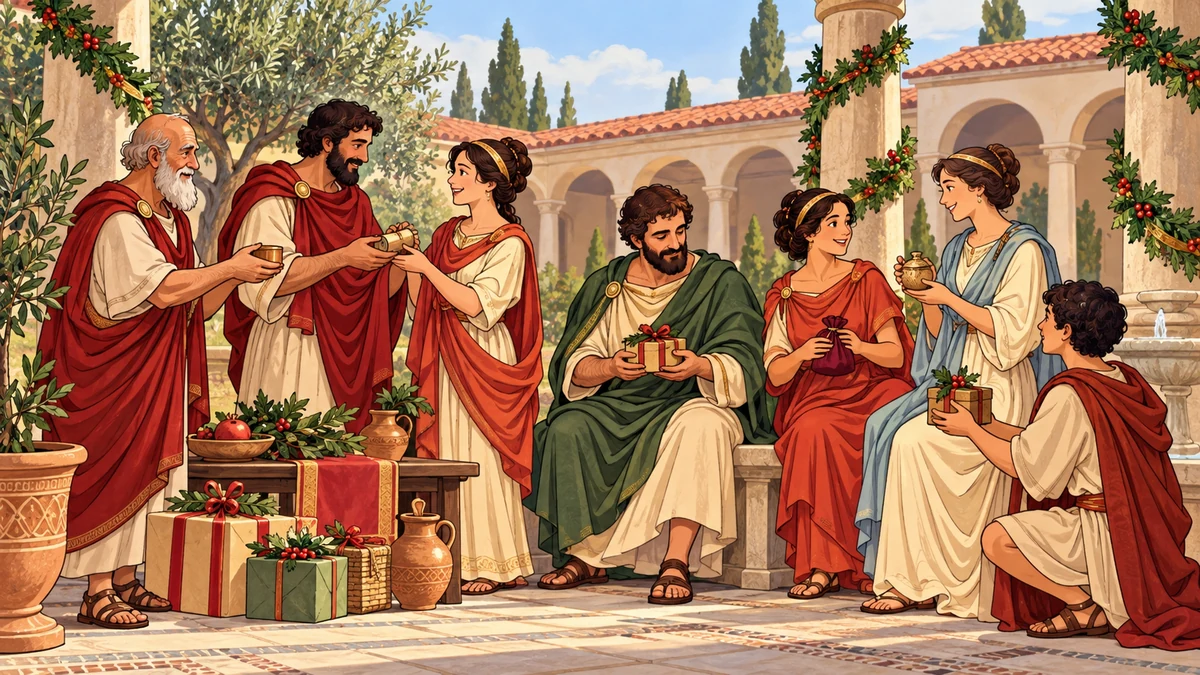
The origins of exchanging Christmas gifts involve several customs rather than one universal beginning. Christian interpretations connect giving with the birth of Jesus, while earlier winter festivals and later family traditions also form part of the wider history.
Historical influences
Gift-giving also occurred during Roman winter celebrations such as Saturnalia, a festival honouring Saturn in December. This provides an earlier example of seasonal giving, but does not establish that every modern Christmas custom developed directly from it.
Giving in the Christian tradition
For Christians, the gifts of the Magi in Matthew’s Gospel offer one important association: gold, frankincense and myrrh were brought to Jesus. Acts of generosity and charity have their own place in Christmas observance. Families may interpret giving as an expression of affection and gratitude.
How traditions developed
Gift customs changed across European societies and later in North America. Nineteenth-century family celebrations, migration, popular literature and expanding shops helped shape the increasingly child-centred Christmas familiar today. Timing and customs still differ between countries.
Gift-giving today
For many households, Christmas presents sit alongside cards, meals and shared activities. Both bought and handmade gifts can be meaningful. Exchanging presents is a choice, however, and a family can celebrate warmly without doing so.
The meaning behind Christmas gifts

The meaning behind Christmas gifts depends on the giver, recipient and relationship. A present might express friendship, gratitude or a wish to share something enjoyable.
Showing that you care
Choosing a present can show care and consideration. Listening to someone’s interests or practical needs often matters more than finding something impressive or costly.
The tradition of giving
Giving can help people maintain personal connections, especially when it is voluntary and thoughtful. Avoid treating an exchange as a measure of affection or an obligation to spend equally.
Hope and renewal
A gift can also express hope and renewal: encouragement for a hobby, support for a new project or a shared plan for the coming year. Its meaning is personal rather than fixed.
Enjoying the occasion
An exchange can invite people to enjoy a moment together. A note explaining why you chose the gift can be as memorable as the object itself.
How gift exchanges can support family connections

Exchanging gifts can be one way to support family connections. It works best when everyone feels comfortable with the arrangement and the focus remains on spending time together.
Shared moments
Families can use an exchange to start sharing memories: a photograph, favourite recipe or book might prompt a story. Such moments can matter independently of the gift’s price.
Attention and care
Choosing a present involves thought and planning. Consider preferences, accessibility and practical circumstances rather than assuming that everyone wants the same kind of gift.
Traditions to share
An exchange can become a familiar family ritual that helps people stay connected. Allow it to change when finances, family circumstances or preferences change; belonging should not depend on participation.
Expressing gratitude
Giving can express gratitude for someone’s help or company during the year. A sincere thank-you, letter or offer of time can communicate the same appreciation.
Gifts and the emotional value of keepsakes

Some Christmas gifts acquire emotional value through their connection to a person or occasion. Not every present becomes a keepsake, and that is fine too.
Personal memories
A present may become a reminder of a happy occasion, a milestone or someone important. An ordinary object can hold a story that means little to anyone else but a great deal to its owner.
A sense of belonging
An inclusive exchange can express belonging. Make room for people who prefer not to give, and avoid public comparisons of value or quantity.
Encouragement and inspiration
A carefully chosen gift can be a source of encouragement, such as materials for a favourite hobby or a book linked to an interest. Ask first if it involves a significant commitment.
Objects with a story
A well-loved present can become a personal treasure because of the memories attached to it. Keeping fewer meaningful items is just as valid as collecting many keepsakes.
Choosing gifts creatively

Creativity can make a modest gift feel personal. Start with the recipient’s interests and circumstances, then choose something they can enjoy or use.
Personalised gifts
Ideas include photo mugs, a labelled notebook or a T-shirt with a meaningful design. Check sizes, permissions for photographs and delivery times before ordering.
Handmade presents
Handmade pictures, albums and simple decorations can offer a personal touch. Candles and soaps require suitable materials and tested methods; a paper craft is often a simpler option for a beginner or child.
Experiences rather than objects
An experience could be a performance, a meal or an afternoon together. Check the recipient’s availability, access needs and any extra costs rather than assuming a voucher will suit them.
Gifts with less waste
Consider gifts intended for repeated use, repaired or second-hand items in good condition, or something the recipient genuinely needs. Recycled content and reusable designs can help in some circumstances, but an environmental label alone does not establish a lower overall impact.
Christmas traditions around the world
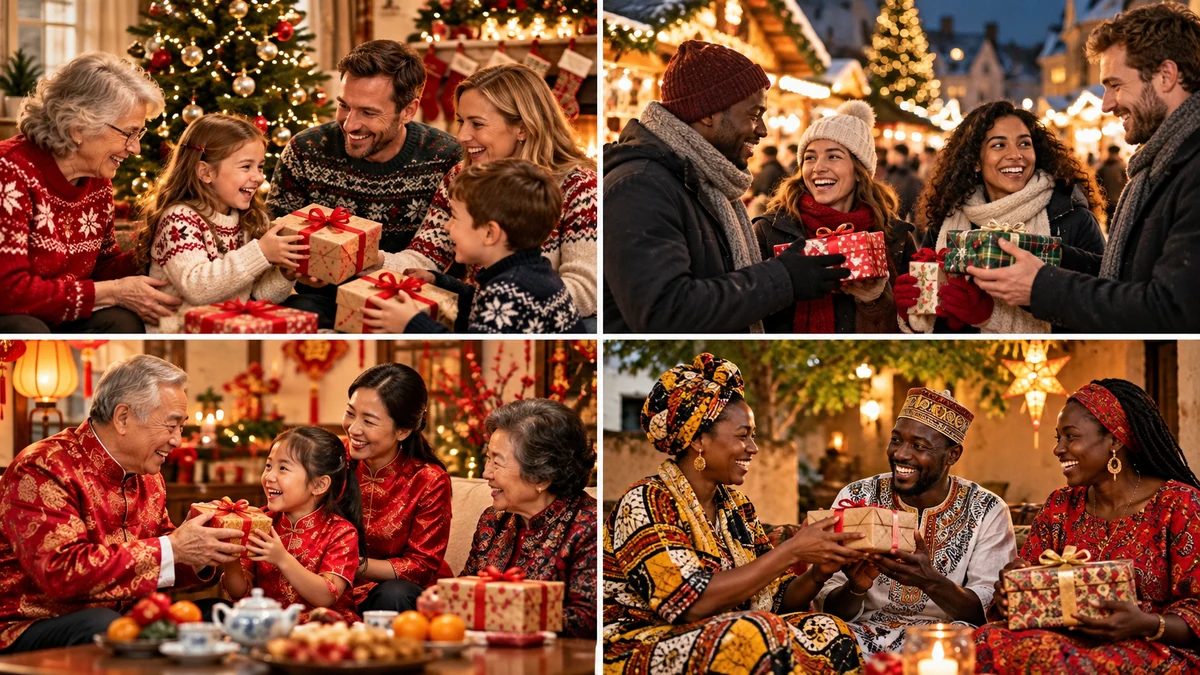
Christmas traditions around the world vary within countries as well as between them. The following examples describe familiar customs, not rules followed by every household.
United States
In the United States, Christmas trees, present exchanges and Santa Claus are familiar parts of many celebrations. Family meals and community events can also feature, depending on local and personal traditions.
Germany
Germany is known for Christmas markets selling crafts and seasonal food. Advent calendars commonly count the days from 1 to 24 December, using pictures, treats or activities.
Brazil
In Brazil, Christmas falls in summer. Christmas Eve meals and festive decorations are common, while some Catholics attend Missa do Galo, the Christmas night Mass. Menus and observance vary across families and regions.
Philippines
The Philippines is known for a long festive season, with decorations and music often appearing from September. Star-shaped parol lanterns are a distinctive feature; materials and the length of celebrations vary.
Italy
In Italy, some families mark Christmas Eve with a Vigilia meal that avoids meat and may include fish. Nativity scenes, or presepi, are another important tradition, with regional and household differences.
Tips for giving on a budget

Giving need not become a financial burden. Giving on a budget starts with an amount you can comfortably afford, including the option of spending nothing. Here are some practical approaches.
Make a gift list
Write a gift list and a total spending limit before shopping. Include wrapping and delivery, and resist adding purchases simply because they are advertised as bargains.
Use your creativity
Try handmade options such as a photo album, a collection of family recipes or a simple decoration. Factor in materials and time so that a project remains manageable.
Offer time together
A picnic when the weather allows or a film afternoon at home can cost less than a bought present. Shared experiences are most enjoyable when they suit everyone’s preferences and budget.
Compare sale prices
Sales and discounts may help, but compare the final price and only buy planned items. Black Friday and post-Christmas sales are not a guarantee of the lowest price or a reason to borrow for gifts.
Arrange a gift exchange
An optional gift exchange, such as Secret Santa, lets a group agree a modest maximum and reduce the number of presents. Make opting out easy and discreet.
Making Christmas giving meaningful
Christmas gift exchanges can carry affection and personal meaning, but they are neither universal nor compulsory. A thoughtful choice can turn a small present into a special reminder.
Handmade gifts, shared time and carefully planned purchases are all possibilities. Choose what suits both the recipient and your finances rather than measuring care through spending.
Whatever you give, leave room for the company and conversations that make the celebration enjoyable. A kind message can be enough.
FAQ — Exchanging Christmas gifts
Why do people give presents at Christmas?
Reasons include religious traditions, family customs and a wish to express affection or gratitude. Not everyone exchanges gifts, and there is no single universal explanation.
How can I save money on Christmas gifts?
Set a comfortable budget, make a list and compare total prices. Handmade gifts or shared time may suit you, but giving nothing is also acceptable if money is tight.
What are some creative gift ideas?
Consider a personal album, family recipe collection, simple handmade decoration or an activity together. Start with the recipient’s interests and practical needs.
What if my gift budget is very limited?
Offer a handwritten card, your time or a simple homemade present using materials you already have. You can also agree to skip presents; do not feel obliged to borrow.
Do Christmas traditions mean the same thing everywhere?
No. Religious, local and family customs differ, including who gives presents and when. Many celebrations also include food, worship or shared activities.
How can I choose a suitable present?
Think about the person’s interests, needs and preferences. Ask when unsure, check practical details and remember that personal attention matters more than price.
Sources and Further Reading
- English Heritage: Christmas traditions
- Victoria and Albert Museum: Victorian Christmas traditions
- Dickens Project: England in December 1843