
Sharing kindness beyond Christmas can involve offering welcome help, spending time together and noticing other people’s needs. Small, considerate gestures may become meaningful memories when they respect the recipient’s wishes and your own limits.
Have you thought about how to share kindness beyond Christmas? Thoughtful gestures need not be expensive or elaborate. Here are practical ideas for bringing a little of the season’s generosity into everyday life.
What kindness means at Christmas

Christmas can be an opportunity to reflect on the meaning of kindness. A friendly greeting, an offer of help or a patient conversation can show consideration without requiring anyone to celebrate in a particular way.
Why kindness matters
Kindness can help people feel noticed and supported. It may strengthen a friendship or make an ordinary day a little easier. Responses will differ, so offer help without expecting gratitude, friendship or a particular emotional outcome in return.
Ways to be kind at Christmas
You could make personal Christmas cards, offer to help with agreed preparations or support a local collection. If donating, check what the organisation actually needs rather than assuming every item will be useful.
Passing kindness on
Children can learn about consideration through everyday examples: saying thank you, asking before helping and respecting a person’s answer. Choose age-appropriate tasks and explain that kindness is not limited to Christmas.
Simple ideas for sharing kindness

There are plenty of simple ways to show consideration. Start with a friendly greeting or a sincere thank you, while accepting that someone may not want to chat. A small gesture does not need an audience to matter.
Everyday acts of consideration
You might offer to help a neighbour with an errand or hold a door when it is useful. Ask first, especially when helping someone with a disability or mobility aid. A respectful refusal is not a reason to insist.
Thoughtful little surprises
Send a short message to someone you care about, perhaps to say you are thinking of them. Sharing a homemade snack is another possibility, but check whether it is welcome and discuss ingredients, allergies and dietary requirements beforehand.
Volunteering and donations
Volunteering can provide a practical way to help. Contact an established organisation about available roles, training and any checks required before visiting. Donate only suitable items it requests, or give an affordable amount if you wish.
Encourage kindness without making it a competition
Invite friends or relatives to share ideas for a circle of kindness. Keep participation optional and avoid comparing the value or number of people’s contributions. Protect the privacy of anyone mentioned in a story.
Ways to involve the family in thoughtful gestures
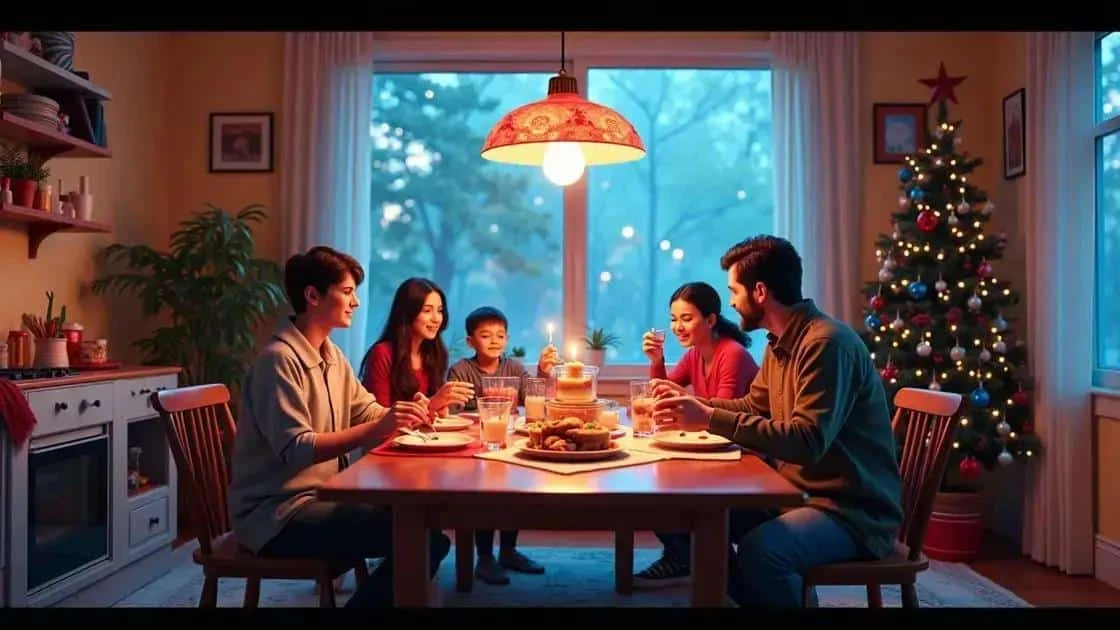
A few simple approaches can make shared activities more manageable. Ask what people enjoy, agree a realistic plan and allow different ways to contribute rather than expecting everyone to join in identically.
Relaxed time together
Set aside time to prepare a meal or make something together. Christmas biscuits can be a seasonal option, with age-appropriate tasks and supervision around heat and sharp tools. Someone who prefers not to cook could choose music or help set the table.
Making space for gratitude
If the family enjoys it, invite people to mention something they appreciate. Make it fine to pass, and avoid requiring a positive answer from someone who has had a difficult day. Gratitude is a personal choice rather than an obligation.
Helping together
Look for suitable opportunities to support a charity or community activity together. Check age limits and arrangements in advance. A small, agreed task is more useful than an ambitious commitment the household cannot sustain.
Sharing family stories
Invite people to recall warm or funny memories if they wish. Listen to different perspectives, and remember that not every family memory will be happy. There is no need to share something private to feel included.
Giving kindness as a present

You can turn a thoughtful gesture into a meaningful gift by considering what the recipient would actually welcome. Time, practical help or a personal message may suit them better than another possession.
Make the gesture personal
A handwritten message can mention a quality you appreciate or thank someone for a specific kindness. Keep it sincere and suitable for your relationship; a short note is enough.
Offer practical help
Ask whether help with an errand, a move or another everyday task would be useful. Childcare should only be offered where the parent is comfortable and suitable arrangements are agreed. Be clear about what you can do and avoid promising more than you can manage.
Choose an experience together
Instead of a physical present, you might plan an experience to share, such as a park visit, a walk or a picnic. Check access, travel, cost and the person’s preferences before making arrangements.
Unexpected acts of kindness
Paying for a coffee or sending a message of encouragement may be a pleasant gesture when it suits the circumstances. Ask staff before arranging something for another customer, respect privacy and keep spending within your budget. Kindness need not involve money.
Making meaningful memories through kindness

Memories of kindness may come from feeling listened to or receiving useful support. Such moments can become part of a shared history, although no single gesture guarantees a closer relationship.
Why these memories can matter
Recalling a thoughtful conversation or a welcome offer of help may remind someone that they were cared for. People remember events differently, so allow room for their own feelings rather than deciding what an experience must have meant to them.
Sharing experiences
You might help with a donation collection together or prepare an agreed meal for someone. Follow the organisation’s arrangements and discuss dietary needs beforehand. Focus on being useful rather than creating a story to tell afterwards.
Keeping a private record
Anyone who enjoys writing could keep a kindness journal with notes about what they noticed or learned. Sharing entries should be optional. Leave out identifying details about people receiving help unless you have their permission.
Remembering thoughtful moments
A relaxed conversation can be a chance to remember support you appreciated and think about future gestures. Avoid public praise that might embarrass someone, and do not turn helping into a competition or a measure of a person’s worth.
Kindness throughout the year
Kindness can be part of everyday life through manageable offers of help, patient listening and respect for other people’s choices. Not every gesture will have a visible result, and that is all right.
Shared activities may give families opportunities to practise consideration and make memories. Keep plans flexible, acknowledge different needs and allow people to decline. Giving and receiving support should preserve everyone’s dignity.
You do not need to wait for Christmas to be thoughtful. Choose a small action that is welcome, keep your own limits in mind and let kindness become a habit without making it another source of pressure.
FAQ: kindness and meaningful memories
How can I start sharing kindness in everyday life?
Try a sincere thank you, a friendly greeting or an offer of useful help. Ask before stepping in and respect the person’s response.
What are meaningful memories of kindness?
They are recollections associated with feeling cared for or supported. Their significance differs from person to person, and they need not involve a grand gesture.
How can I involve my family?
Offer a choice of manageable activities, such as making cards or supporting a local collection. Keep participation voluntary and tasks suitable for each person’s age and abilities.
How can I record acts of kindness?
A private journal can help you reflect on what you noticed or learned. Sharing is optional, and other people’s personal information should remain private.
Why can kindness be a gift?
A welcome offer of help or a personal message can show care without buying an object. The recipient’s needs and wishes matter more than the size of the gesture.
Can memories of kindness strengthen relationships?
They may contribute to trust and affection over time, particularly when support is consistent and respectful. A particular response or closer relationship is never guaranteed.