Supernatural Christmas stories belong to folklore and fiction, while religious accounts have their own context of belief. Shared thoughtfully, these tales can invite imagination and conversation without claiming that magical events are verified facts.
Christmas storytelling has room for mystery as well as warmth. Supernatural Christmas stories range from regional figures to literary ghosts. Exploring where they come from helps us enjoy them while distinguishing legend, fiction and faith.
Christmas myths and legends around the world
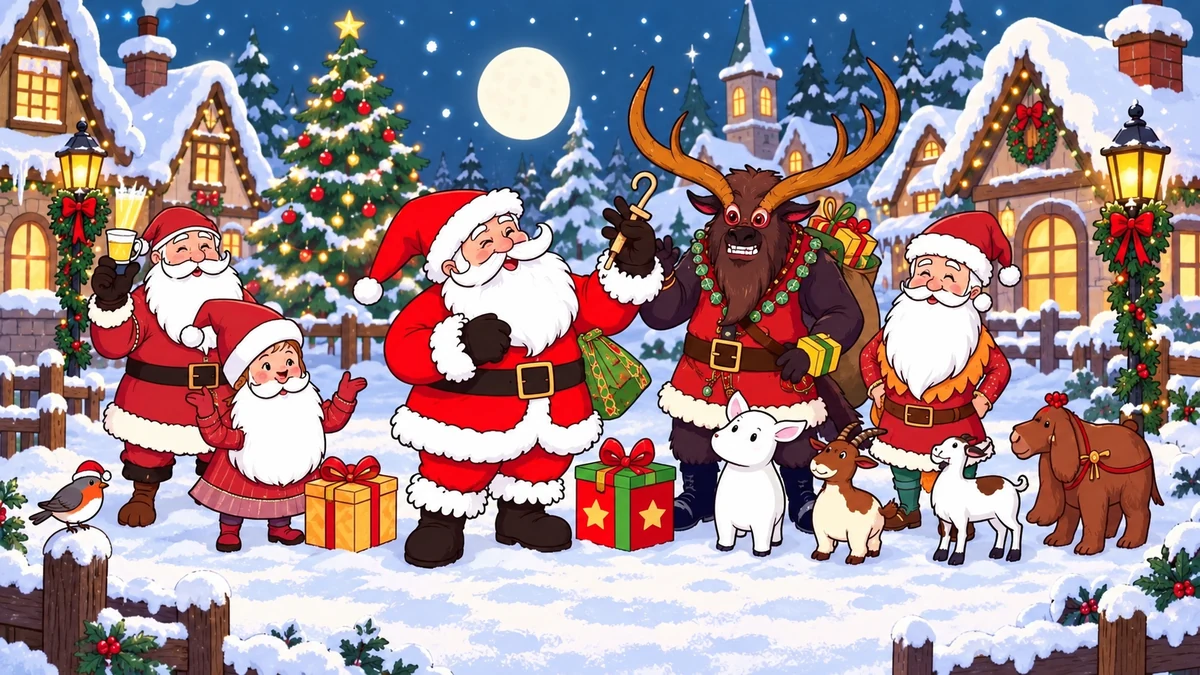
Christmas myths and legends vary between regions and generations. Some stories are comforting and others deliberately frightening; neither style should be assumed to suit every child or represent an entire country.
Father Christmas and Finnish Joulupukki
Saint Nicholas, traditionally a bishop of Myra in what is now Türkiye, is one influence on Santa Claus. Finland’s Joulupukki has a name meaning Christmas or Yule goat, with older traditions behind the modern gift-giver. He is not a character defined by carrying a tree trunk; that confuses unrelated customs.
Krampus folklore
Krampus belongs particularly to Alpine folklore, including parts of Austria and southern Germany. Often associated with Saint Nicholas around 5–6 December, the horned figure appears in frightening tales and costumed events. These are folklore and performances, not evidence of a real creature or a reason to threaten children.
The Christ Child as a gift-bringer
Some communities associate Christmas gifts with the Christ Child, including traditions in parts of Latin America and Europe. Customs differ: Father Christmas is also widely familiar in Brazil. The identity of a gift-bringer should not be generalised across all Catholic or Latin American families.
Respecting Indigenous traditions
Indigenous peoples have diverse beliefs and histories. Some communities take part in Christian Christmas celebrations, while others do not. Without a specific community’s account, it would be misleading to describe a single Indigenous Christmas ritual of dances, spirits or rebirth.
These different stories show how Christmas can gather local customs and newer adaptations. Their differences deserve attention rather than being folded into one supposedly ancient universal tradition.
Folklore and symbolism in Christmas traditions
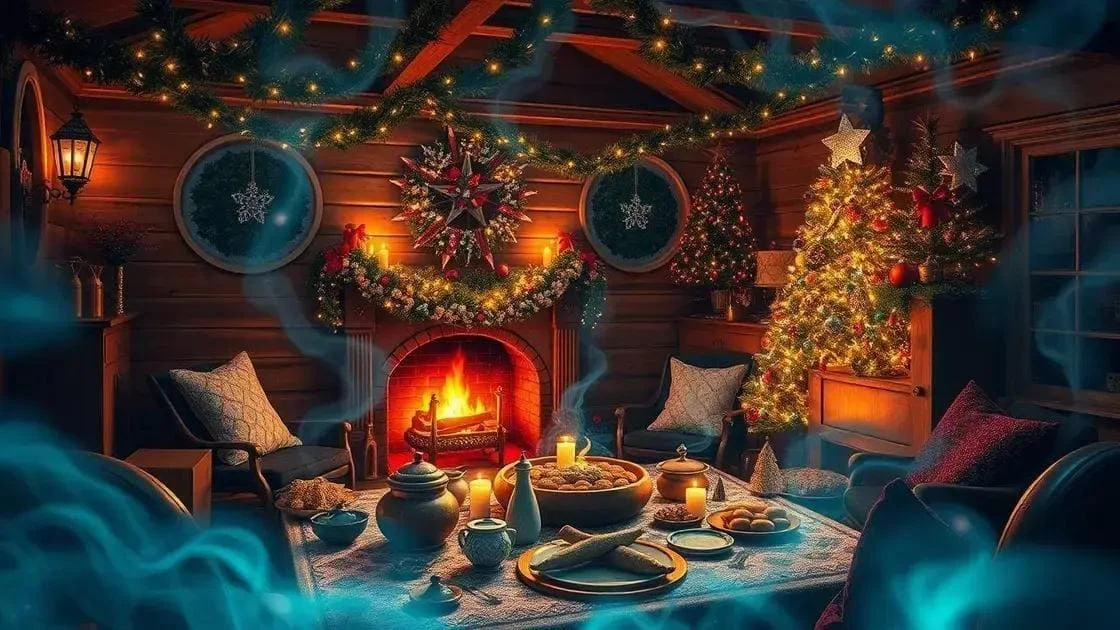
Supernatural storytelling can add mystery to a celebration. In Britain, Christmas ghost stories also have a literary history: Dickens’s A Christmas Carol uses fictional spirits to make Scrooge confront his life and responsibilities.
Older winter celebrations and later customs
The winter solstice had significance in different societies, but a similarity involving light or seasonal gathering does not prove a direct origin for every Christmas tradition. Christmas developed as a Christian feast alongside later local and family customs.
The symbolism of Christmas lights
For Christians, light can recall Jesus as the light of the world; others enjoy it decoratively. Modern fairy lights create atmosphere without needing a supernatural explanation. Choose fittings suited to their location and use them according to their instructions.
Ornaments and their associations
A star may recall the Star of Bethlehem, while the circle of a wreath can suggest eternity in Christian interpretations. These are meanings people give to decorations, not proof that the objects have magical powers.
Christmas meal traditions
Foods such as turkey and Christmas pudding can carry memories of earlier gatherings. Recipes have their own regional histories; a meal need not have a mystical origin to become meaningful.
Stories and symbols can deepen enjoyment when their context is clear. A family can value religious observance, folklore or simple seasonal decoration without treating them as interchangeable.
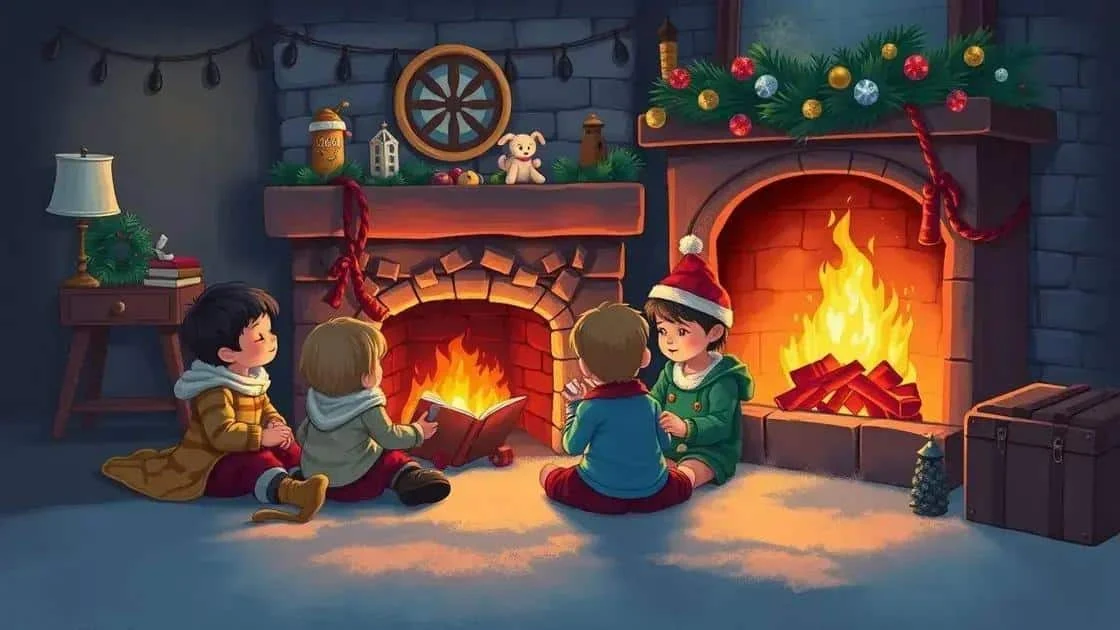
Magical tales offer imaginative worlds and characters whose choices can be discussed. They are stories rather than demonstrations of supernatural events.
Fairy tales and festive reading
The Nutcracker and the Mouse King is closely associated with Christmas storytelling. Beauty and the Beast may also be enjoyed during the season, but is not originally a Christmas tale. Choose a version appropriate to the listener’s age and sensitivity.
A ghost story about change
In A Christmas Carol, Charles Dickens uses the ghost of Marley and three Christmas spirits as fictional devices. Scrooge’s transformation invites discussion about choices and generosity; it is not a report of a verified haunting.
Making time for storytelling
A household might share magical stories on Christmas Eve or at another convenient moment. Invite each person to choose a tale, and allow anyone to skip a story they find unsettling.
The role of imagination
Imagining an impossible adventure can be enjoyable without believing it happened. Children can ask questions, invent a different ending or decide that they prefer a gentler story.
Stories can open conversations about kindness and belonging. Their emotional value does not depend on presenting every spirit, miracle or magical creature as historical fact.
Christmas observances and spiritual meaning
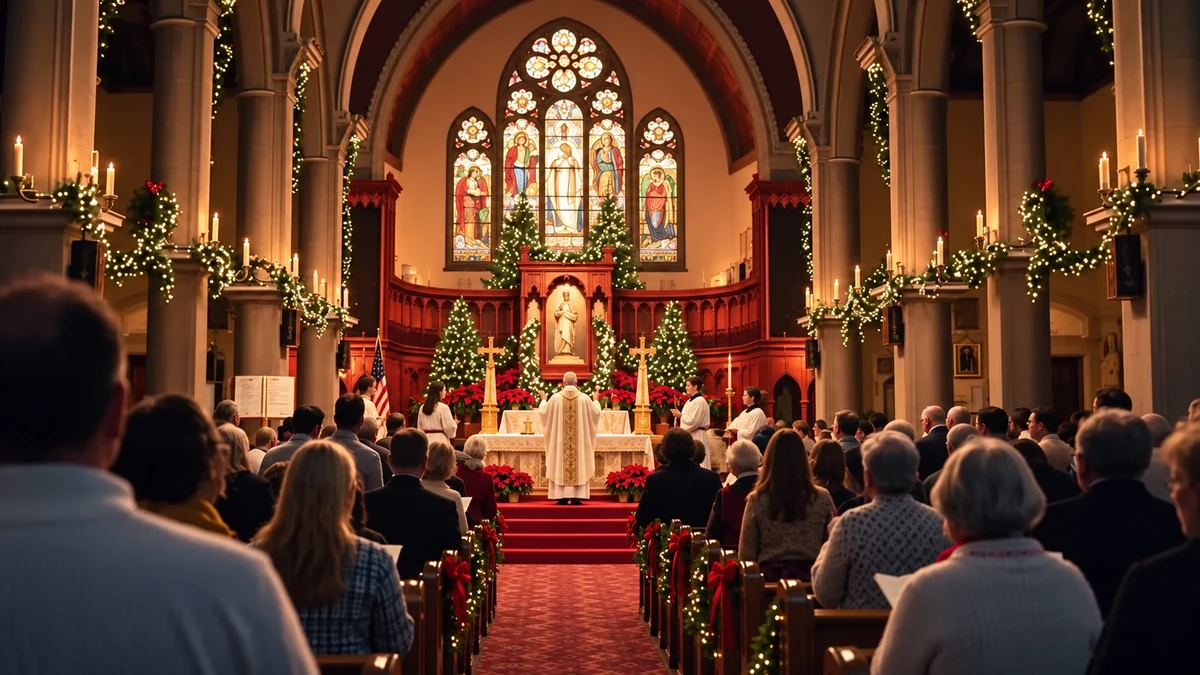
Christmas observances can carry spiritual meaning for believers. Religious worship should be distinguished from fictional ghost stories, even when both appear in the same seasonal calendar.
Christmas night Mass
Christmas night Mass, called Missa do Galo in Portuguese, celebrates Jesus’s birth in Catholic tradition. Service times vary and it is not an identical practice in every Christian church; consult the local church if you wish to attend.
Decorations as expressions of faith
Stars and trees can have religious interpretations, although households also use them decoratively. For Christians, a star may recall Matthew’s account of the Magi, rather than a generic magical symbol.
Reflection and gratitude
Some people use the season to reflect, pray or express gratitude. Others value a quiet conversation or a shared activity. Make room for different beliefs and feelings rather than assuming everyone experiences renewal or joy.
Community occasions
Concerts and community gatherings can welcome people with different backgrounds. Check whether an event is religious or secular, and let participation remain voluntary.
A meaningful ritual can be simple and personal. Its value may lie in faith, memory or company, without requiring agreement about supernatural stories.
Sharing Christmas stories thoughtfully
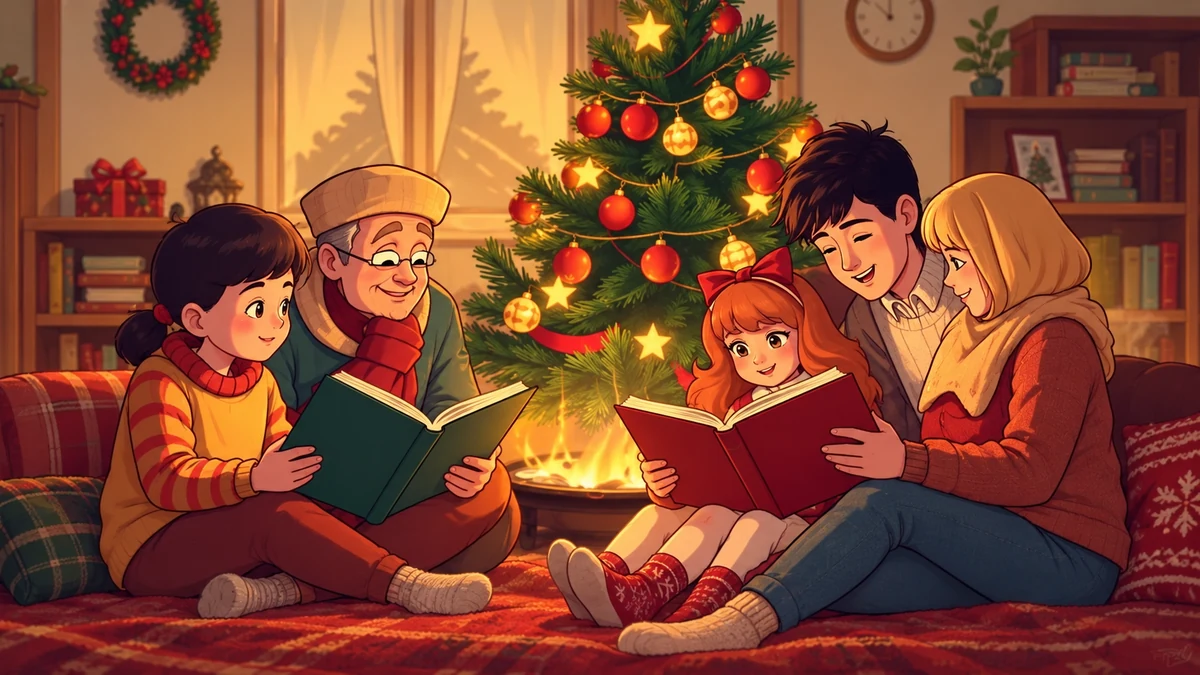
Stories can contribute to a festive atmosphere when chosen with the listeners in mind. Introduce the type of story and allow questions about what is fictional, believed or historically known.
Storytelling together
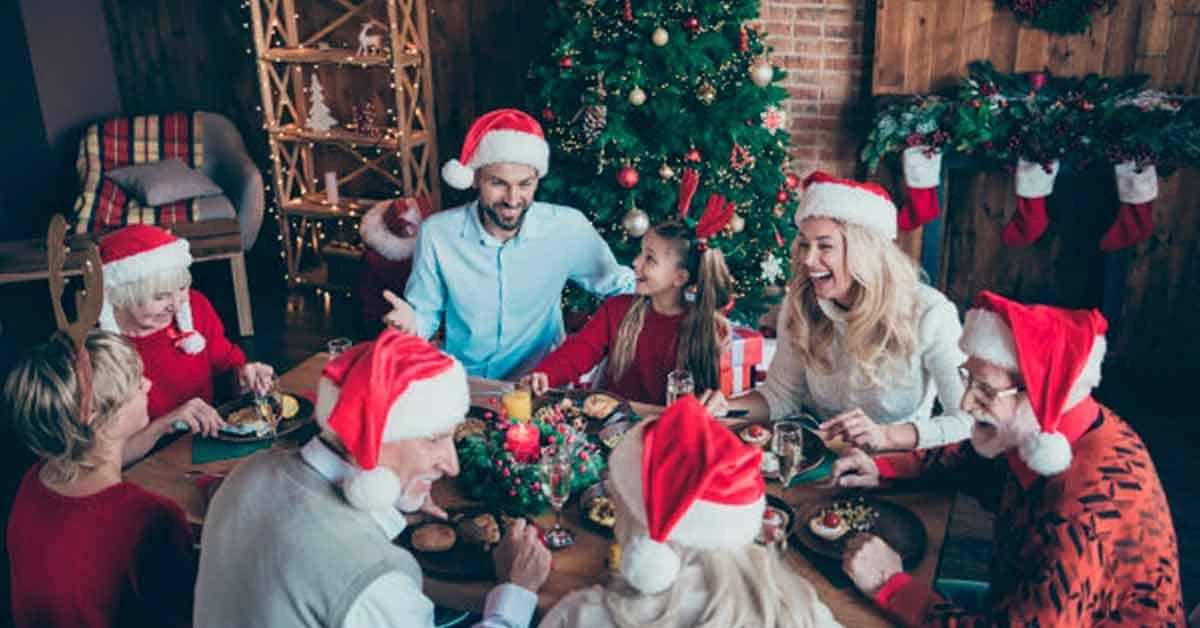
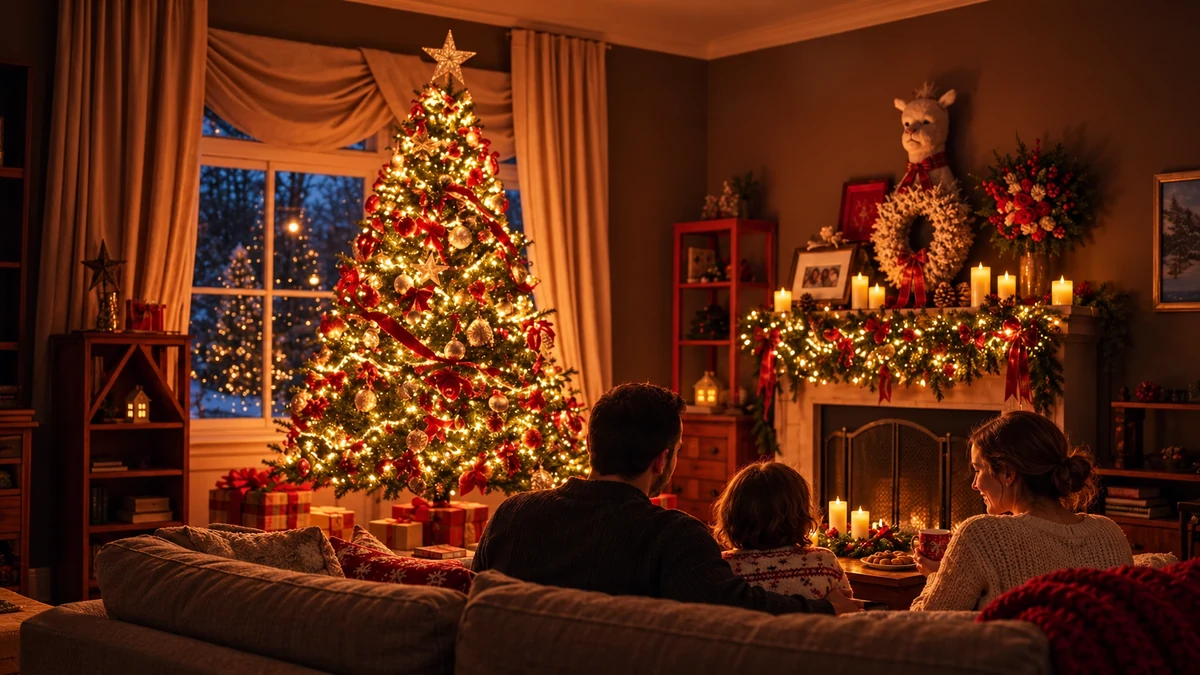
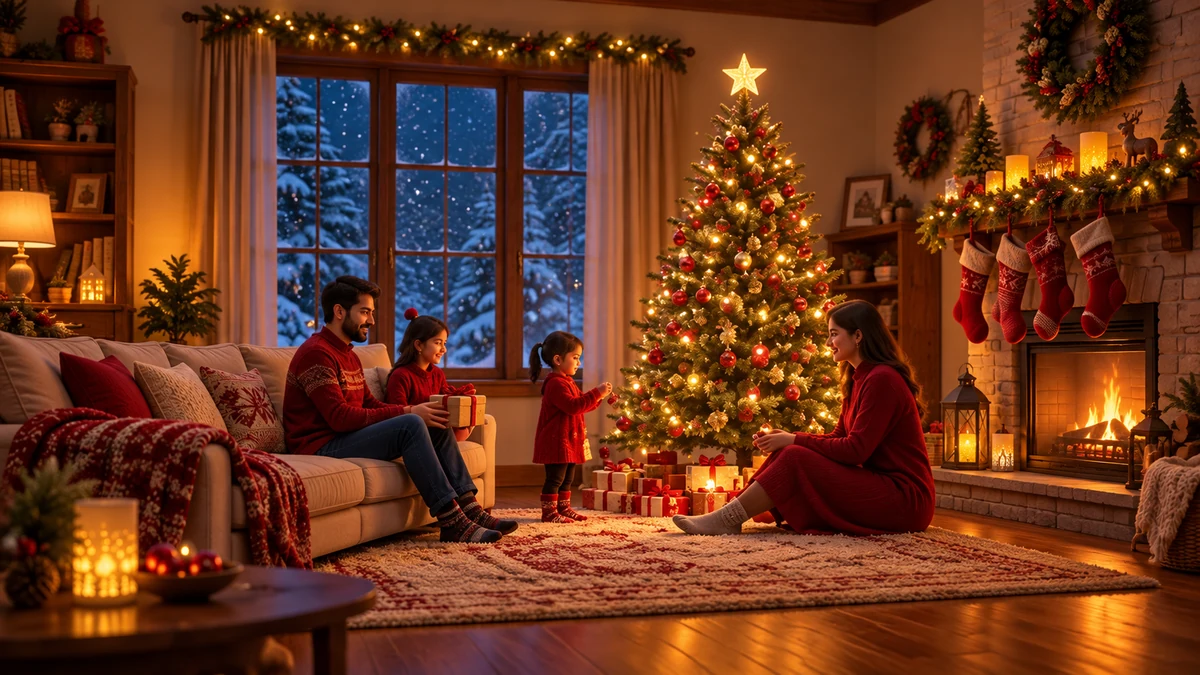
Gathering near a Christmas tree can provide a comfortable setting for stories about Father Christmas, the Star of Bethlehem or a family’s own experiences. Explain their different contexts rather than presenting them as the same kind of account.
Books to explore
The Nutcracker and A Christmas Carol offer familiar starting points. Both have adaptations with different levels of suspense, so preview the edition and stop if a child is frightened.
Writing letters and personal stories
Children might invent a story or write a playful letter to Father Christmas. Include wishes and thanks if they like, but avoid suggesting that a child’s goodness determines the price or number of presents received.
Film and animation
Adaptations involving the Grinch or films such as Elf offer other ways to enjoy seasonal fiction. Check the particular film’s age guidance, tone and availability before choosing it.
Whether spoken, written or filmed, a story can invite conversation. Leave room for different interpretations and preferences rather than insisting on one festive lesson.
Making space for stories and different beliefs
Christmas brings together religious observance, regional folklore and modern fiction. Enjoying those forms of storytelling becomes easier when we acknowledge their differences and respect the people for whom particular accounts are sacred.
A shared story or new family activity can become a welcome memory. Keep expectations manageable and let people choose how much they want to participate.
The season can offer time to consider what matters to us. A meaningful celebration does not require buying more or claiming certainty about a supernatural tale.
FAQ — Supernatural Christmas stories and traditions
How can stories contribute to a Christmas celebration?
They can entertain, prompt conversation and invite imagination. Present folklore and fiction honestly rather than claiming their magical events are verified.
Which stories are associated with Christmas?
The Nutcracker and A Christmas Carol are familiar literary examples. Christian Nativity accounts belong to a distinct religious context rather than the same category of fiction.
How can I involve my family in storytelling?
Offer a relaxed story evening with optional contributions. Choose suitable tales and let anyone decline frightening material or simply listen.
What is Christmas night Mass?
It is a Catholic service celebrating Jesus’s birth, known in Portuguese as Missa do Galo. Times and local practices vary.
Do decorations always have a spiritual meaning?
No. Stars and trees can carry religious associations or be enjoyed as decorations. Meanings depend on the household and context.
Which family activities can accompany storytelling?
Try making a card, drawing a scene, writing a fictional story or sharing a suitable film. Keep activities optional and adapted to the people taking part.
Sources and Further Reading
- Austria Tourism: winter traditions
- Visit Finland: meet Santa Claus
- English Heritage: the history of Father Christmas