What is the meaning of Christmas? The answer depends partly on faith, family and personal experience. Understanding the celebration’s Christian roots helps explain why it matters to so many people, while leaving room for the different ways it is marked today.
Christmas is a Christian festival, and it is also a public holiday and cultural occasion in many countries. Some people celebrate it through worship; others join in family meals, gift-giving or seasonal activities without sharing its religious beliefs.
This article explores those meanings respectfully. Christmas does not have to mean the same thing to everyone, and not everyone celebrates it. Its traditions can still provide an opportunity to reflect on kindness, belonging and care for others.
What Is Christmas?
To understand the meaning of Christmas, start with what the Christian festival commemorates: the birth of Jesus Christ.
Many churches celebrate Christmas on 25 December in the Gregorian calendar. Churches that use the Julian calendar for this feast currently observe it on a different Gregorian date. It is therefore misleading to describe every Christmas celebration as falling on the same civil-calendar day.
The Portuguese word Natal is associated with birth, which explains its use for Christmas. In English, Christmas refers to the Christian celebration of Christ’s birth; the words come from different linguistic traditions even though they name the same festival.
For many households, Christmas also means returning to familiar customs, making time for relatives or reconnecting with friends. These personal associations sit alongside its religious meaning rather than replacing it for everyone.
How Did Christmas Develop?
The celebration did not begin in its modern form in the year AD 1. Christmas developed within early Christianity, and observance of 25 December is documented in fourth-century Rome. Customs such as cards, decorated trees and modern gift exchanges developed much later.
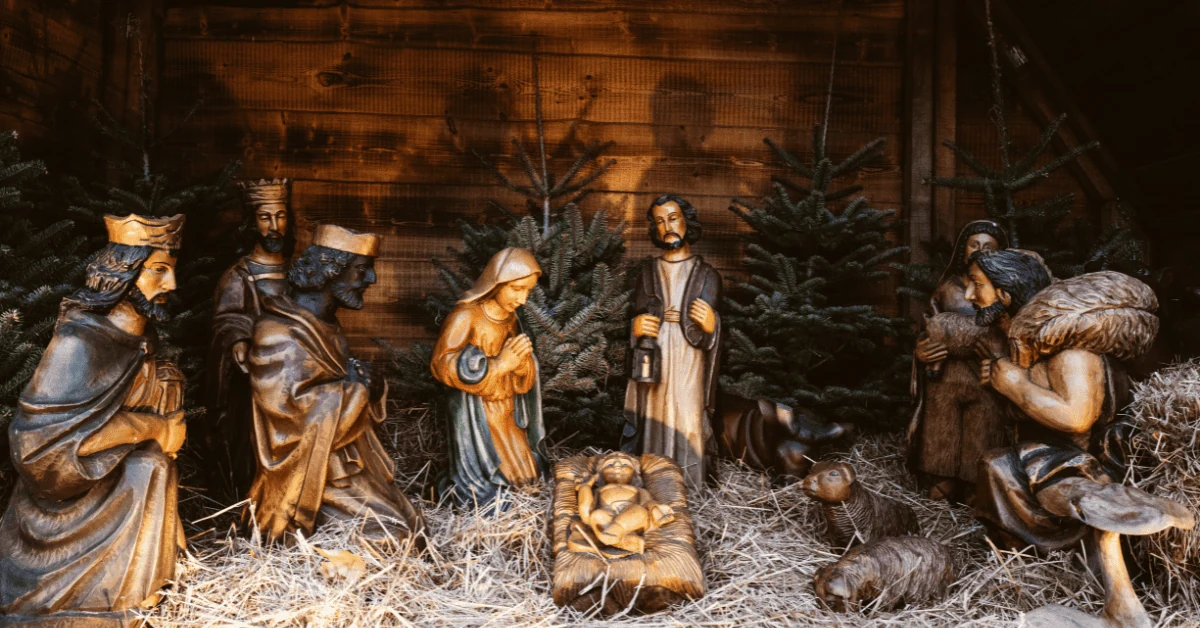
Christians commemorate Jesus’s birth at Christmas, but the Bible does not give his exact birth date. Different Christian traditions also have different liturgical calendars and ways of marking the Nativity.
A frequently repeated account credits Pope Julius I with choosing 25 December. That should not be treated as a securely documented personal decree without supporting evidence. The development of the feast is more complex than a single decision attributed to one person.
Why Is Christmas Celebrated on 25 December?
There is no universally agreed explanation for the choice of 25 December. Historians discuss several possibilities, so it is better to present the uncertainty than to claim the date was chosen for one proven reason.
The exact date of Jesus’s birth is unknown. The celebration’s religious significance comes from the Nativity it commemorates, rather than from proof that the birth took place on that particular day.
One explanation considers the relationship between Christian observance and Roman winter festivals. Another looks at early Christian calculations linking the date of Jesus’s conception with his death. Neither needs to be presented as the only settled explanation.

The Roman festival associated with the Unconquered Sun, natalis invicti solis, is often mentioned in this discussion. Its relationship with Christmas is debated. Also, 25 December is not the fixed astronomical date of the modern winter solstice.
Northern European Yule traditions are another part of the wider history of winter celebrations. Later Christmas customs could absorb local influences, but that does not prove that Viking-era practices determined the date used in fourth-century Rome.
How Customs Change Across Cultures
As Christianity spread and societies changed, Christmas observances developed alongside local customs. A simple claim that the festival was invented solely as a recruitment strategy does not do justice to this varied religious and cultural history.
For Christians, the birth of Jesus remains central. Alongside worship, family gatherings, festive food and other traditions have taken on an important place in many communities.
Hope, generosity and renewal are themes that people may connect with the season, whether through religious belief or personal values. Those shared themes can encourage contact across differences without erasing them.
What Does Christmas Mean Today?
For a Christian, Christmas may be above all a celebration of the Incarnation and God’s love. For someone else, it may centre on family, friendship, generosity or a welcome pause in the year. These meanings deserve to be described without assuming that everyone shares one belief.

Christmas can be a joyful time, but it can also bring loneliness, grief or financial pressure. Kindness includes noticing those experiences and making celebrations welcoming rather than demanding a particular mood or level of spending.
People from different backgrounds may take part in Christmas customs, while others choose not to. Respecting both choices is part of treating people with care.
If you celebrate, choose activities that reflect your values: a service, a meal, a quiet visit, volunteering or simply time together. Invite others thoughtfully, and respect their beliefs and boundaries.
Making Christmas Meaningful
You can keep a familiar tradition or start a new one without making the season elaborate. A shared recipe, a phone call or an act of practical help can become a memory that matters.
For a family baking activity, explore Christmas biscuit traditions around the world and try our Grandma-Style Christmas Biscuits with Colourful Icing.
Whether your Christmas is religious, cultural or a mixture of both, may it offer room for generosity and connection. And to those who do not celebrate, the same wishes for peace and well-being apply.
Share the article with someone who enjoys discussing Christmas traditions, and add your own perspective in the comments. Keep the conversation respectful, and follow our social channels for more seasonal ideas.
Discover More Christmas Recipes
Grandma-Style Christmas Biscuits with Colourful Icing
Brazilian Christmas Farofa with Bacon and Calabresa Sausage
Brazilian Sardine Traybake with Blender Batter
Brazilian Rabanadas with Condensed Milk and Cinnamon
Related Reading
Christmas Biscuits: A Festive Baking Tradition Around the World
Biscoito or Bolacha? Understanding the Brazilian Biscuit Debate
Grandma-Style Christmas Biscuits with Colourful Icing