Thoughtfully chosen Christmas drinks can help create a welcoming celebration. Offer appealing alcohol-free choices alongside any alcoholic drinks, and use seasonal flavours and simple presentation to complement the meal.
Choosing Christmas drinks is a chance to add seasonal flavour to your gathering. A warming mug or a colourful fruit drink can suit different moments of the day. Here are some ideas to help you plan a varied selection without making the drinks menu complicated.
Warming drinks for a cosy Christmas
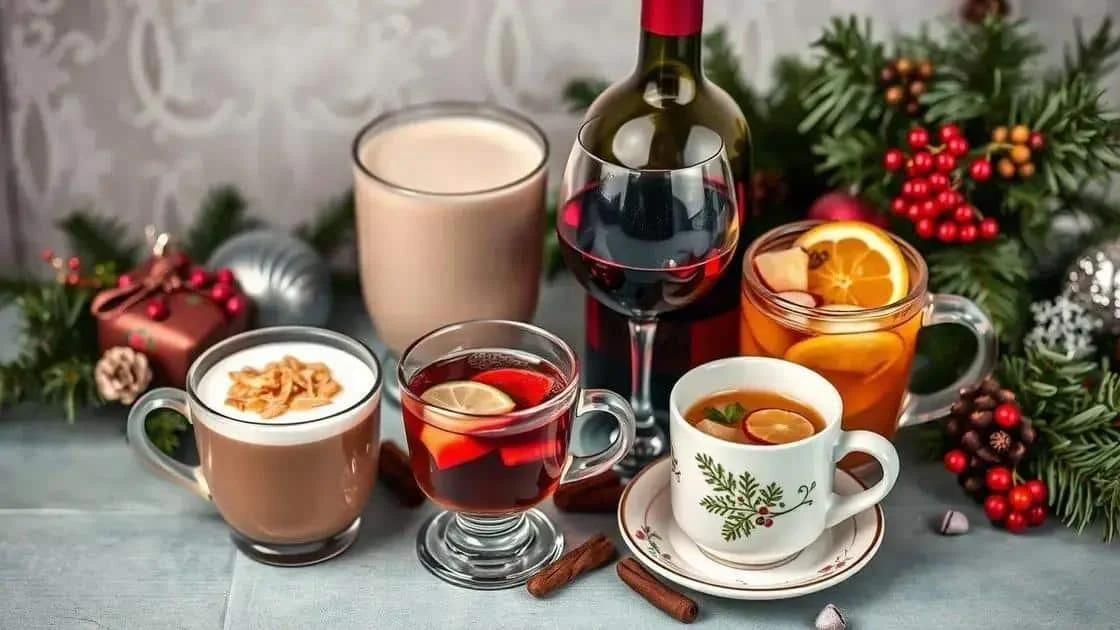
Hot drinks are particularly welcome at winter celebrations. Chocolate, fruit and spices offer different flavours, so you can choose something that suits your guests and the food you are serving.
Creamy hot chocolate
Creamy hot chocolate is a comforting choice. Melt dark chocolate into warm milk, then add a little cream and a pinch of cinnamon if you like. Whipped cream makes an optional topping. Check milk and other allergens, and let drinks cool to a safe temperature before serving children.
Spiced mulled wine
Mulled wine, including German Glühwein, is associated with European winter celebrations. Gently warm red wine with a little water, sugar, cloves, cinnamon and orange peel, allowing time for the flavours to infuse. Avoid boiling and strain before serving. Heating does not reliably remove the alcohol, so offer a separate alcohol-free alternative.
Festive fruit infusions
A fruit infusion offers a different warming flavour. Simmer washed apple, orange or lemon with spices such as cinnamon and cloves in water, then strain and sweeten to taste. Check the ingredients for individual allergies and dietary needs rather than assuming any drink suits everyone.
Warm spiced apple drinks
Warm cider can be infused with cinnamon, cloves and ginger. In Britain, cider normally contains alcohol: use apple juice for an alcohol-free family version. Strain out whole spices and serve in heatproof mugs, with washed apple or orange slices if desired.
A warm sugarcane drink
For a different flavour, try warm sugarcane juice with lemon and ginger. Use juice from a reliable source, follow its storage instructions and warm it gently before adding the other ingredients. This is a serving suggestion inspired by Brazilian ingredients, rather than a widely established Christmas tradition.
Choose warming drinks that work with your Christmas meal or offer them afterwards. Use heatproof mugs rather than ordinary wine glasses, and keep hot containers out of young children’s reach.
Creative cocktails for the Christmas table

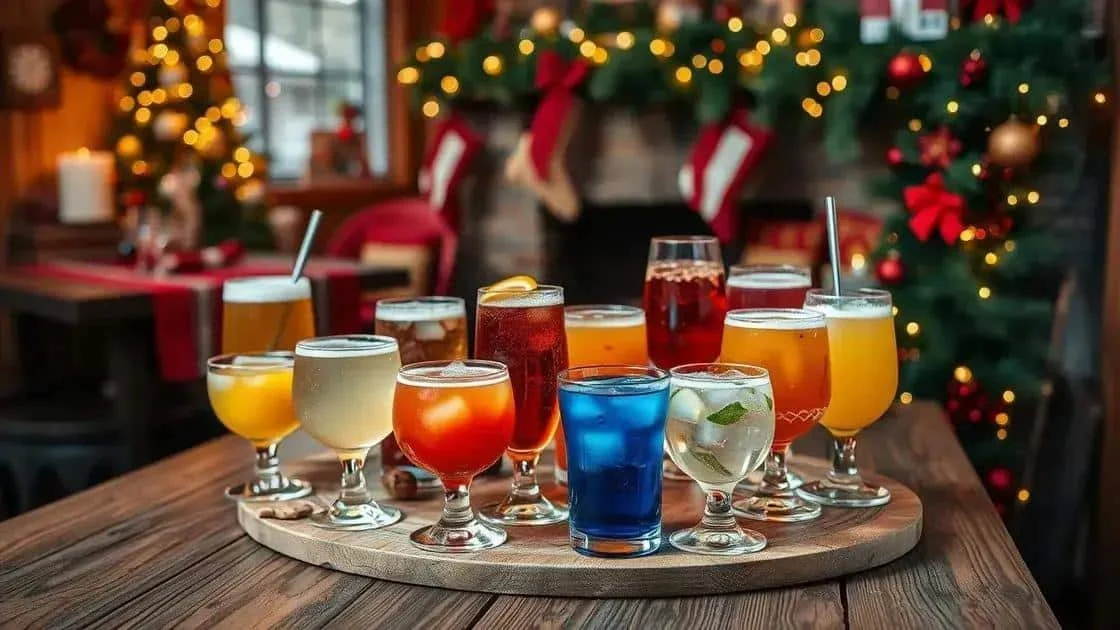
Creative cocktails can add colour and seasonal flavour for adults who want them. These are flavour combinations to develop with a measured recipe, rather than complete cocktail recipes. Keep alcoholic and alcohol-free versions clearly labelled.
Berries and sparkling wine
Lightly crush washed berries such as strawberries, raspberries or blackberries with a little sugar, then add sparkling wine for an adult drink. Sparkling water or a suitable alcohol-free alternative gives another option. A small fruit garnish finishes the glass.
A Christmas mojito
Give a mojito a festive variation with mint, lime juice, sugar, rum and sparkling water. A little pomegranate syrup adds colour and sweetness. For an alcohol-free version, omit the rum and adjust the lime, syrup and sparkling water to taste.
Christmas fruit punch
A punch can combine orange juice, pineapple juice and a little grenadine, with washed apple and orange pieces. Serve chilled in a suitable bowl or jug. If adults want gin, add it to individual servings rather than the shared alcohol-free bowl, and label both versions.
A spiced caipirinha
A traditional caipirinha combines lime, sugar and cachaça. For a seasonal variation, use a small amount of cinnamon or a properly strained spice infusion. Do not leave whole cloves in the finished drink. This remains an alcoholic cocktail; a separate lime and sparkling-water drink is an alternative.
A chocolate and coffee drink
A chocolate and coffee drink can combine espresso, chocolate liqueur and a little cream, finished with chocolate shavings. For a version without alcohol, use chocolate syrup or cocoa instead of liqueur. Remember that coffee contains caffeine unless you choose decaffeinated coffee, and cream needs appropriate refrigeration.
Choose a few manageable combinations and adjust sweetness and acidity to taste. Keep clear measures for alcoholic ingredients, provide water and alcohol-free choices, and never pressure anyone to drink alcohol.
Christmas drinks and regional traditions
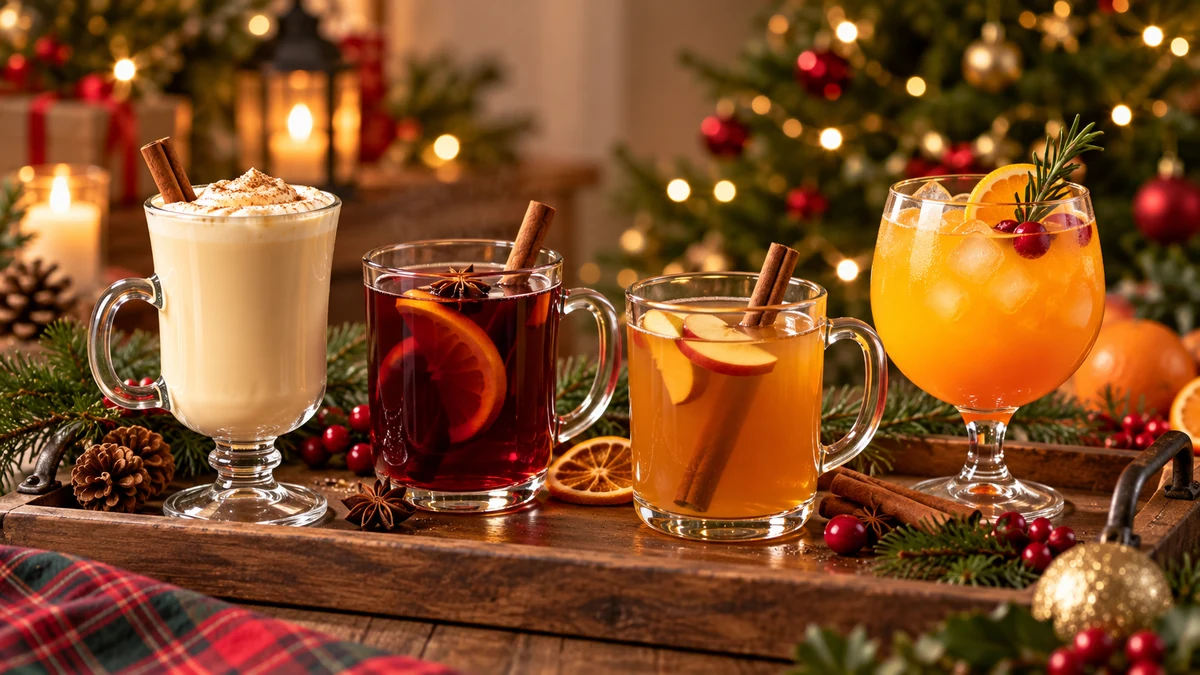
Traditional Christmas drinks differ between countries, regions and families. Exploring those differences can inspire your menu, without treating one drink as something everyone in a country serves.
Eggnog
In the United States, eggnog is a familiar festive drink made with milk or cream, eggs, sugar and spices such as nutmeg. Rum or bourbon is optional. Use a tested cooked recipe or suitable pasteurised eggs, keep it refrigerated and follow safe storage guidance. Adding alcohol does not make raw eggs safe.
Mulled wine
Mulled wine, or Glühwein in Germany, is associated with Christmas markets and winter gatherings. Red wine is gently warmed with spices and fruit, then served in heatproof mugs. It should still be treated as an alcoholic drink after heating.
Spiced apple juice and cider
Warm apple cider needs a little explanation across languages: American cider can mean unfermented apple juice, whereas British cider normally contains alcohol. For a family drink, choose apple juice, warm it with cinnamon and cloves, then strain. Check product labels rather than relying on the name alone.
Festive fruit drinks
A Brazilian-inspired festive fruit drink can use orange and pineapple juices, with sparkling water or optional sparkling wine. Chilled fruit drinks suit Brazil’s summer Christmas. Serve alcoholic additions separately and avoid assuming a particular mixture is a nationwide tradition.
Sugarcane juice
Sugarcane juice is familiar in Brazil, often as a freshly prepared drink. Warming it with lemon and ginger is an idea to try, rather than a documented universal Christmas custom. Choose a reliable supplier and follow appropriate hygiene and storage instructions.
A small selection can introduce guests to different flavours and traditions. Explain what each drink contains, including alcohol and allergens, so people can make their own choices.
Choosing drinks to accompany Christmas food

A suitable drink can complement a dish, but there is no single correct pairing. Consider the sauce, sweetness and richness of the food as well as your guests’ preferences.
Pairings for main courses
For adults who choose wine, red wine can suit some meat dishes, though a heavily tannic wine is not automatically the best match for turkey. Some fish dishes suit white wine, depending on the preparation and sauce. Sparkling water or an alcohol-free drink can accompany either.
Drinks with side dishes
Sparkling wine or rosé may suit some salads and side dishes for those drinking alcohol. Sparkling water with a little citrus provides a refreshing alternative. Think about the whole plate rather than assigning a separate drink to every side.
Pairings for desserts
Some adults enjoy a small serving of port or a liqueur with dessert. Coffee, tea or a suitable alcohol-free drink are equally valid choices. Consider the dessert’s sweetness, and avoid assuming sweeter drinks will always improve the pairing.
Cocktails alongside food
Mojitos and caipirinhas have citrus flavours that may suit some festive dishes. A refreshing or light taste does not mean a drink is low in alcohol. Use measured servings and keep alcohol-free alternatives readily available.
Respecting guests’ preferences
Ask about guests’ preferences and offer juice, water or iced tea as well as any alcoholic options. People should be able to choose an alcohol-free drink without having to explain why. Check allergies and other dietary requirements when planning ingredients.
Aim for a balanced, practical selection that works with the meal. You do not need an elaborate pairing menu to host a welcoming Christmas gathering.
Alcohol-free Christmas drink ideas
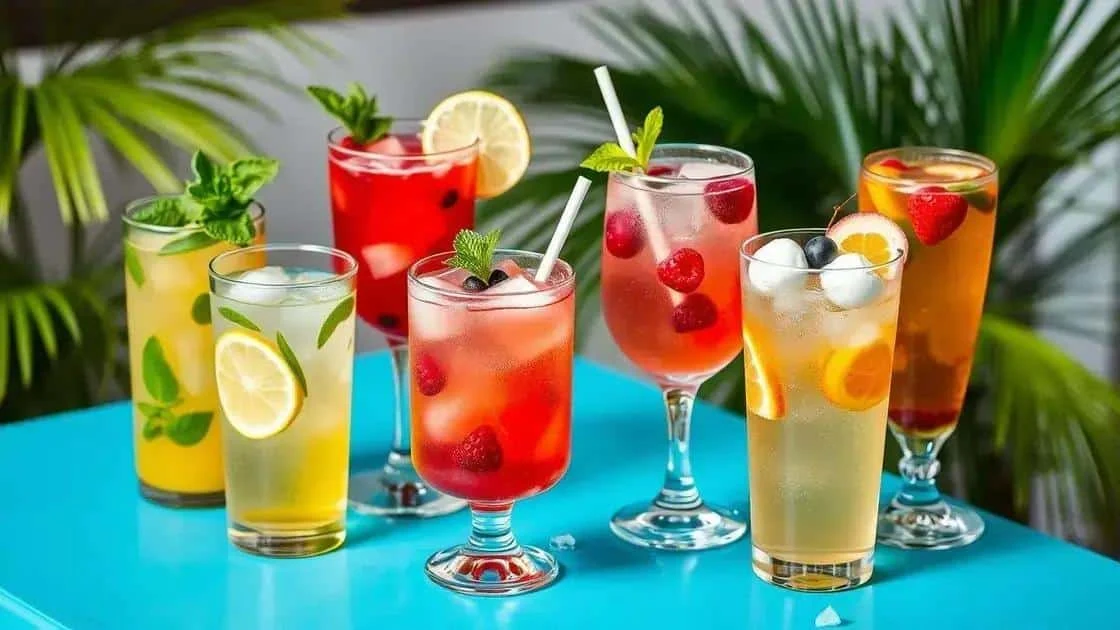
Alcohol-free drinks deserve the same care as the rest of the menu. These simple combinations can be adjusted to different tastes; check ingredient labels and dietary needs before serving.
Pineapple and mint
Mix pineapple juice with sparkling water and washed mint leaves. Add ice if wanted, and finish with a small pineapple slice. Adjust the juice-to-water ratio for the sweetness you prefer.
A berry fruit drink
Blend suitable berries with a little water, then strain if preferred. Serve over ice with lemon juice and optional sugar syrup. Follow preparation instructions for frozen fruit, and keep the finished drink chilled.
Lemon and ginger water
Fill a jug with drinking water, then add washed slices of lemon and pieces of ginger. Refrigerate while the flavours infuse, then serve chilled. This is a flavouring idea, rather than a drink with a promised health benefit.
A coconut and lychee mocktail
Mix coconut milk with lychee juice for a tropical flavour. Start with a small amount and adjust the proportions, as coconut milk can be rich. Serve chilled with peeled, pitted lychee if desired, and keep opened ingredients and the finished drink refrigerated as instructed.
Iced tea with fruit
Prepare your preferred iced tea and add washed slices of orange, lemon and suitable berries. Sweeten to taste and serve chilled with ice. Choose a caffeine-free infusion where that is appropriate, and check the ingredients.
A few well-presented alcohol-free choices can make the drinks table more useful for everyone. Keep water available too, rather than offering only sweet drinks.
Drinks at family Christmas gatherings
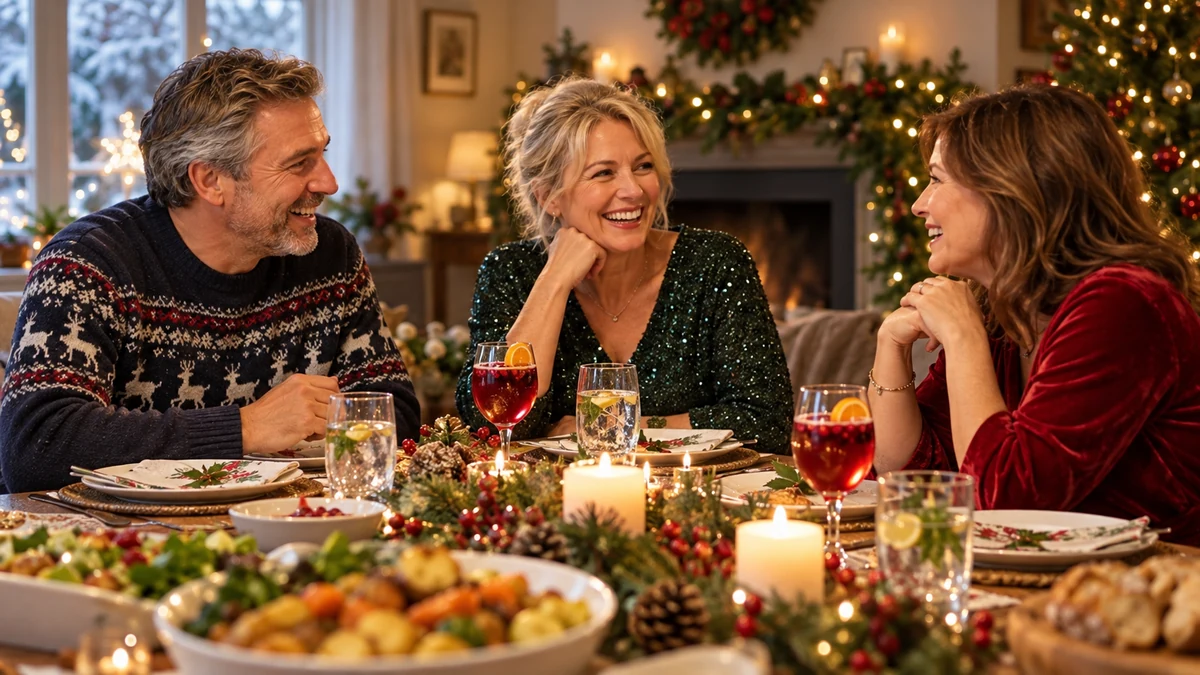
The role of drinks at a family gathering is partly practical: offering something suitable is a simple way to welcome people. Conversation and companionship do not depend on alcohol.
Making space for conversation
Offering a drink can be a conversation starter and an opportunity to pause together. Make the selection easy to understand, help anyone who needs assistance and let guests choose what they want.
Family traditions
A favourite drink can become part of family traditions, whether it is hot chocolate at a British winter gathering or a chilled fruit drink at a Brazilian summer Christmas. Keep the tradition flexible as people’s tastes and needs change.
Accompanying the meal
Choosing a suitable drink can add to the enjoyment of food. Offer a range of flavours without making guests feel they must choose a particular pairing. Water remains a useful option throughout the meal.
Marking special occasions
A toast can mark celebrations, from Christmas dinner to a family achievement. Alcohol-free drinks work for a toast too. What matters is the shared moment, rather than the price or alcohol content of the drink.
A thoughtful drinks menu supports the gathering without taking it over. Keep choices accessible, respect everyone’s preferences and focus on spending time together.
Presentation tips for Christmas drinks
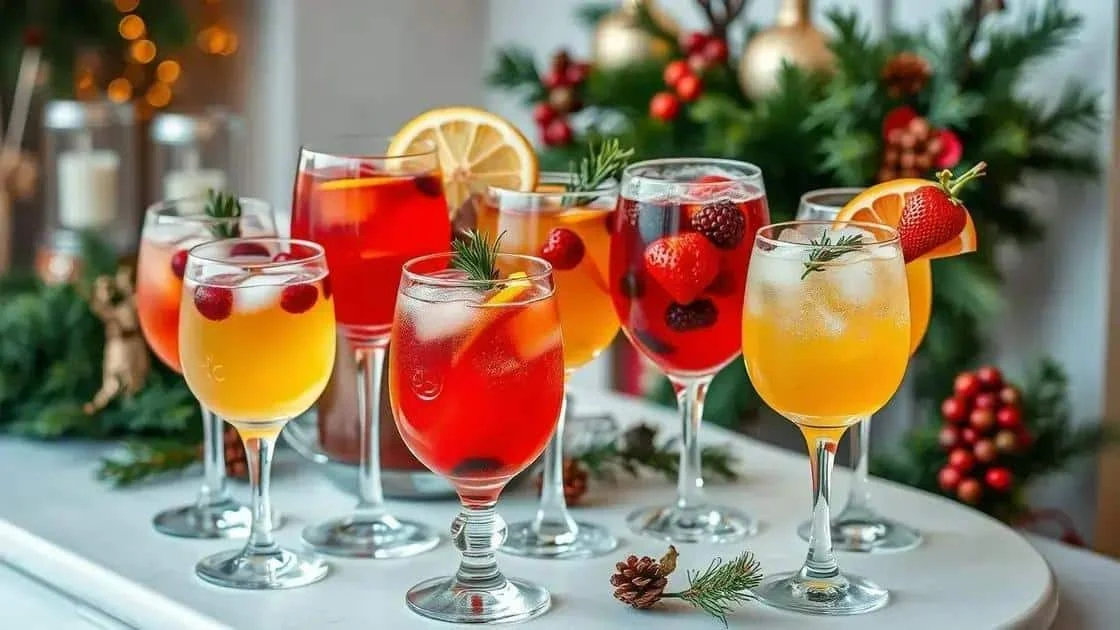
Simple presentation can make Christmas drinks look festive without creating extra work. Prioritise suitable containers, safe serving and clear ingredient information alongside decorative touches.
Choose suitable glasses and mugs
Use glasses or mugs appropriate for each drink. Transparent glasses show the colours of cold drinks, while hot drinks need heatproof containers. Avoid fragile or unsuitable glasses for children and keep hot drinks away from the edge of the table.
Add edible garnishes
Use edible garnishes such as washed citrus slices or suitable fresh mint and rosemary. Keep decorative foliage, holly berries and non-food-safe ornaments out of drinks. Small, simple garnishes are easier to manage than elaborate arrangements.
Arrange the drinks table
A festive tablecloth or runner can set the scene. Keep decorations away from pouring areas and avoid anything that could fall into the drinks. LED candles offer a decorative option without an open flame beside serving hands and fabrics.
Try fruit ice cubes
Make fruit ice cubes with drinking water and suitably prepared fruit. Use clean trays and follow any preparation instructions on frozen fruit. Freezing does not make contaminated ingredients safe. Choose pieces appropriate for the people being served.
Make serving straightforward
Good presentation also means clear labels, a stable tray and manageable containers. Identify alcoholic drinks and relevant allergens, and let an adult handle hot drinks for young children. Offer suitable snacks if desired, without crowding the serving space.
These small choices help the drinks table feel festive and organised. Pick decorations you can maintain easily, and leave room for guests to serve themselves safely where appropriate.
Christmas drinks can complement the food and give guests a choice of seasonal flavours. A welcoming celebration does not require alcohol or an extensive cocktail menu.
Offer appealing alcohol-free options, make ingredients clear and respect individual preferences. Thoughtful presentation can add a festive touch without promising that one menu will suit every guest.
Choose a manageable selection, prepare what you safely can in advance and keep chilled ingredients refrigerated. That leaves more time to enjoy the gathering.
Frequently asked questions about Christmas drinks
Why plan drinks for a family Christmas gathering?
A little planning helps you offer suitable choices alongside the meal and welcome guests with different preferences. Alcohol is optional and is not necessary for a festive gathering.
What drinks can I serve at Christmas dinner?
Consider water, fruit drinks, alcohol-free sparkling options, tea or hot chocolate. Wine and cocktails can be optional choices for adults who want them. Check ingredients and dietary requirements.
How can I present Christmas drinks attractively?
Use suitable glasses or heatproof mugs, add simple edible garnishes and keep the serving area tidy. Clear labels for alcohol and allergens are part of thoughtful presentation.
How can I make Christmas drinks more creative?
Try seasonal fruit, a small amount of spice or fruit ice cubes made with safely prepared ingredients. Adjust sweetness and acidity to taste, and keep alcohol-free versions available.
How do I pair drinks with Christmas food?
Consider the dish’s sauce, richness and sweetness, along with your guests’ tastes. Wine pairings are optional rather than strict rules, and water or an alcohol-free drink can accompany any course.
How can I make the drinks menu more inclusive?
Offer appealing, clearly labelled alcohol-free drinks, check allergies and respect people’s choices without asking them to explain. Keep drinking water available throughout the gathering.