Christmas leftovers can become pies, soups, salads and other meals, helping reduce waste. Safe cooling, storage and reheating matter just as much as a creative idea for using them.
Christmas leftovers offer a chance to make another enjoyable meal from ingredients already prepared. After a festive dinner, a little planning helps you decide what to eat soon and what to freeze.
Here are ideas for turning tasty leftovers into new dishes, alongside practical storage guidance. These are meal suggestions rather than complete recipes with measured quantities.
What Can You Make with Christmas Leftovers?
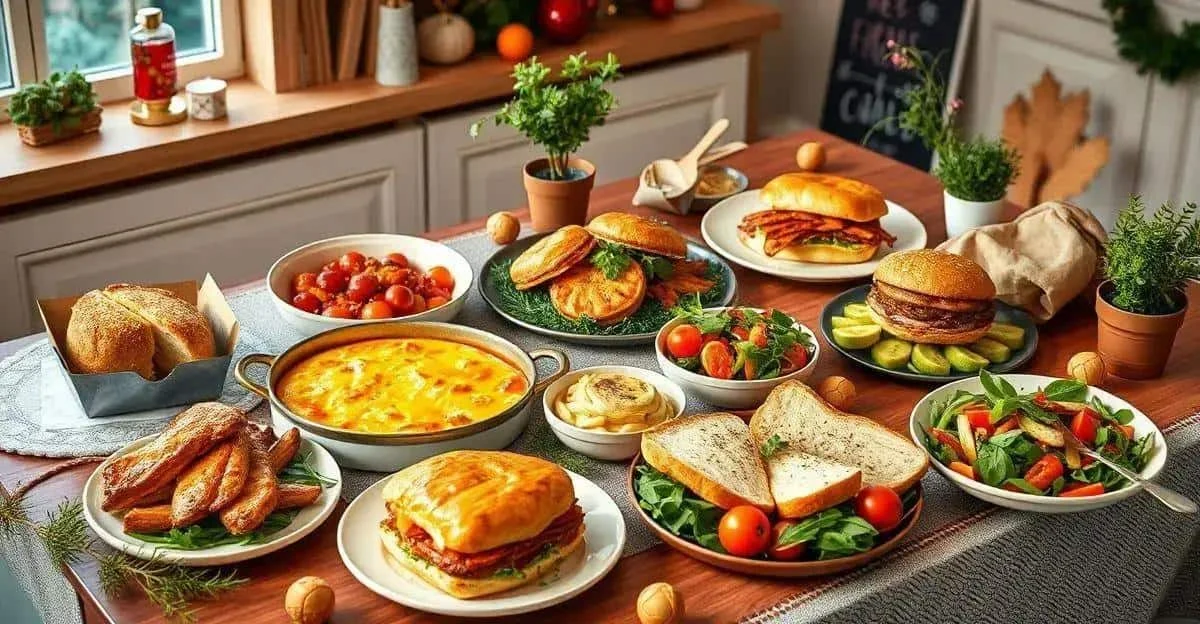
Start by checking your Christmas leftovers and how they have been stored. Properly handled meat, vegetables and side dishes can be useful ingredients.
One option is a festive rice dish using suitable meat and vegetables, though rice needs extra care. Another is a leftover soup made with stock and cooked ingredients that suit one another.
Sandwiches and wraps are useful too. Pair sliced roast meat with a suitable sauce or chutney, or make a vegetable filling and add fresh salad.
Use what is safe and appealing; reducing waste should never mean eating food whose storage history is uncertain.
Creative Meal Ideas for Christmas Leftovers
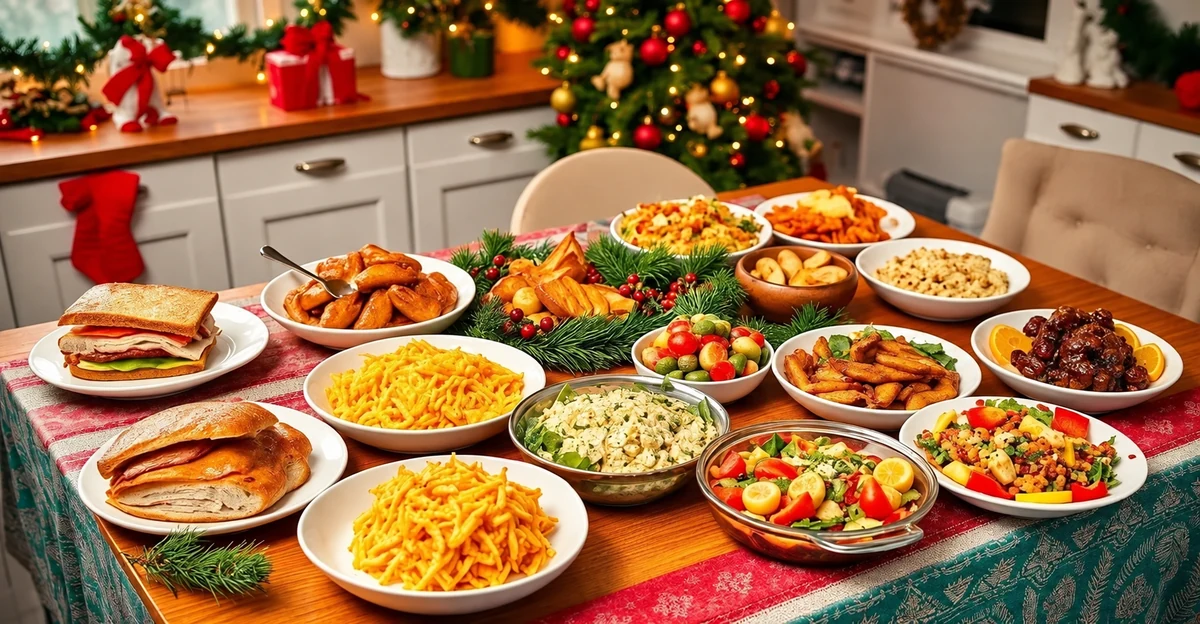
Creative meals with Christmas leftovers can save money and offer a different way to enjoy familiar ingredients.
Brazilian escondidinho is one inspiration: put a suitable cooked meat filling beneath mashed potato or cassava, then follow a complete recipe for heating and finishing it.
A pie is another option. Use cooked meat and vegetables with a suitable sauce beneath a pastry lid, following a recipe that heats the filling thoroughly.
A fresh salad can combine suitable chilled leftovers with newly washed leaves or fruit. Keep it refrigerated until serving.
Soups and broths offer a warming option for British winter days, using a sensible combination of vegetables, stock and properly stored cooked ingredients.
Choose combinations you enjoy and prepare only the amount you expect to eat.
Why Use Christmas Leftovers?
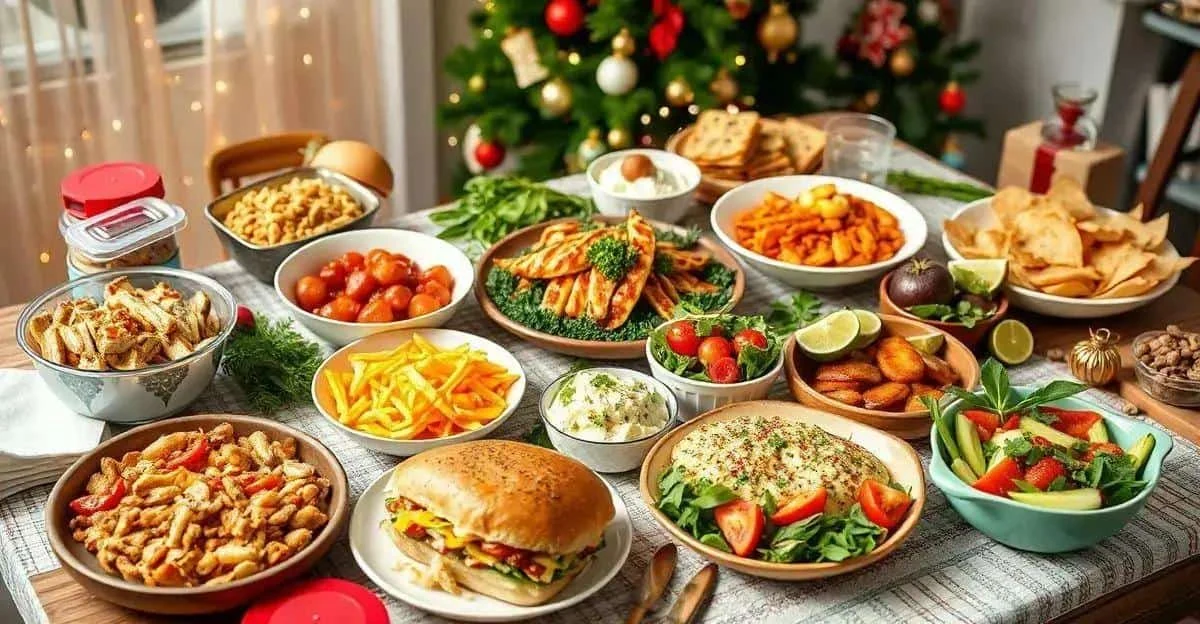
The benefits of using leftovers begin with making better use of food you have already bought and cooked.
It also gives you a chance to try new flavours and reduce avoidable food waste. The environmental impact depends on the foods and how they are handled, rather than a single guaranteed saving.
Preparing another meal together can involve the family. Let children help with suitable cold preparation while adults manage knives and hot food.
A well-chosen leftover dish can be just as enjoyable as the original meal, with less preparation from scratch.
How to Store Christmas Leftovers
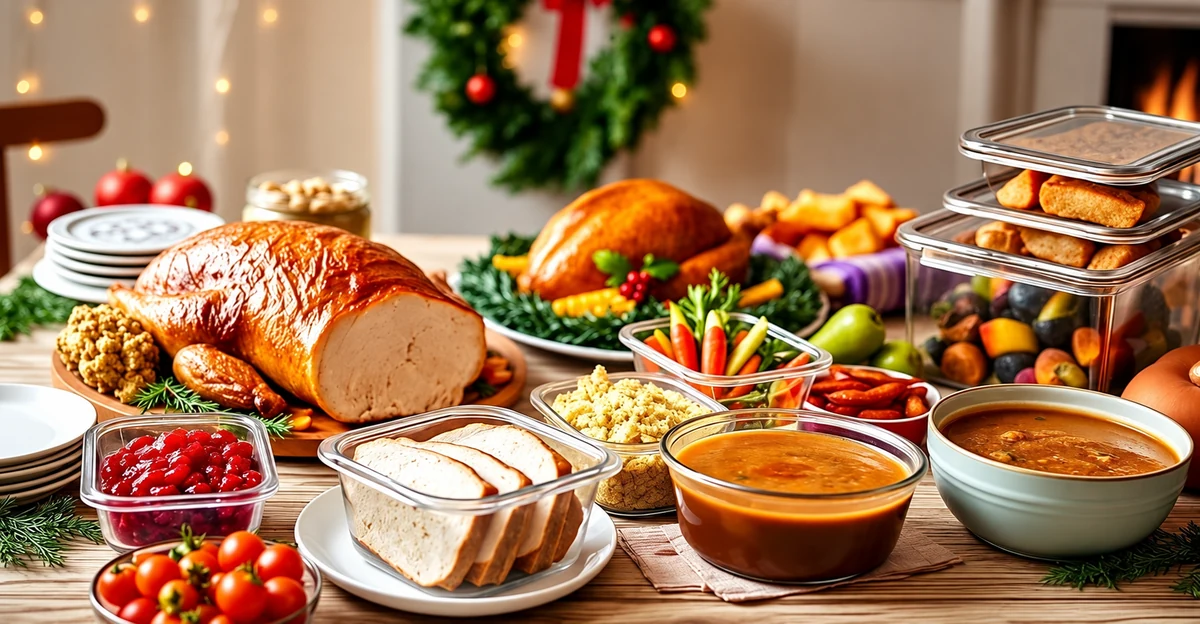
To store Christmas leftovers safely, cool cooked food promptly and refrigerate it within one to two hours. Divide large quantities into smaller containers rather than leaving a whole pan out.
Use covered containers and keep leftover meat separate from raw food. A fridge temperature of 5°C or below helps keep chilled food safe.
Label containers. UK guidance advises eating or freezing most leftovers within 48 hours; cooked rice has a shorter limit of 24 hours in the fridge and should be cooled quickly, ideally within one hour.
Reheat food only once and until steaming hot throughout, stirring where needed. Defrost in the fridge and use within 24 hours after full defrosting. These precautions help you enjoy leftover Christmas food safely.
Family Traditions Around Christmas Leftovers
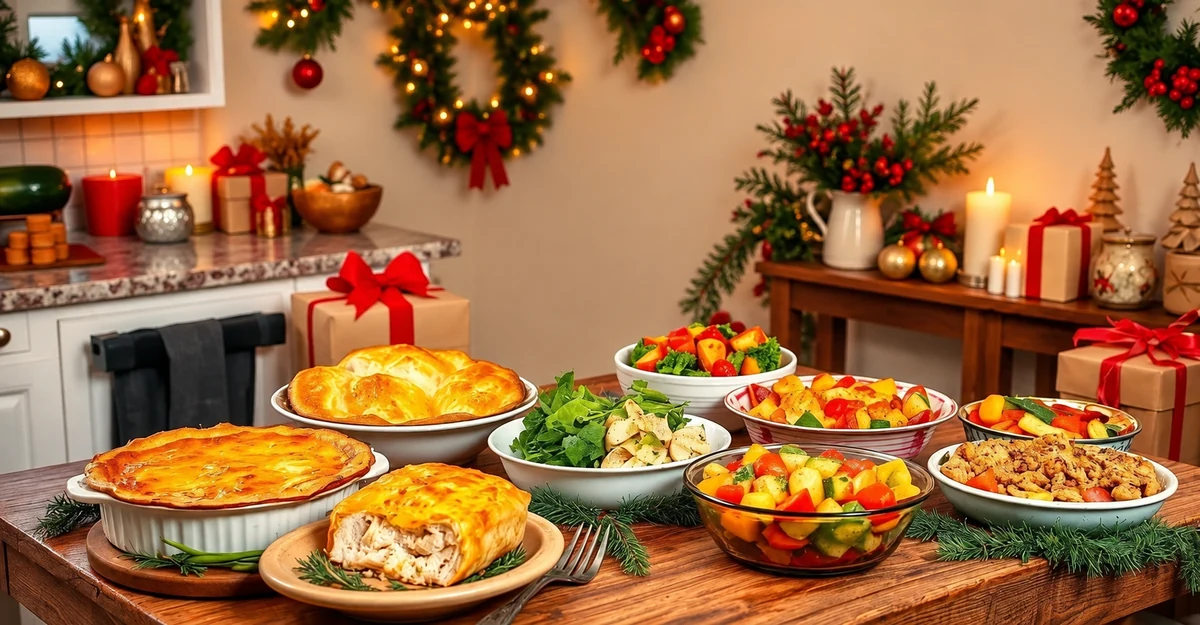
Christmas leftover traditions often reflect a household’s favourite flavours. For some families, the food remaining after dinner becomes a familiar meal the following day.
A Brazilian-inspired soup made with leftovers is one possibility. In Britain, sandwiches or bubble and squeak may be more familiar ways to use suitable leftovers.
Recipes adapted from leftovers can carry family memories without following one fixed national tradition.
Common Mistakes When Using Leftovers
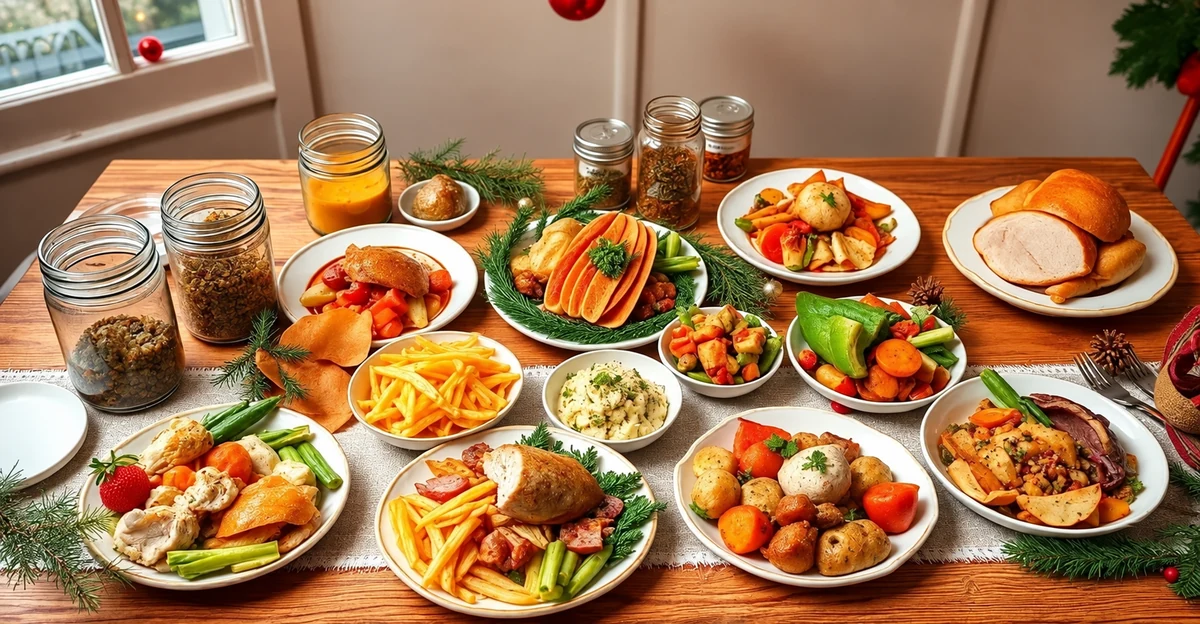
When using leftovers, a common mistake is leaving food out for too long. Reheating cannot make every improperly stored food safe.
Another is poor storage. Keep cooked food covered, separate it from raw ingredients and label it so that older containers are not forgotten.
Avoid refreezing thawed leftovers unchanged. Follow food-specific guidance; cooking a defrosted raw ingredient into a new dish is a different situation from repeatedly thawing and freezing cooked food.
Keep the focus on safe, useful portions rather than trying to save every scrap.
Reducing Waste at Christmas
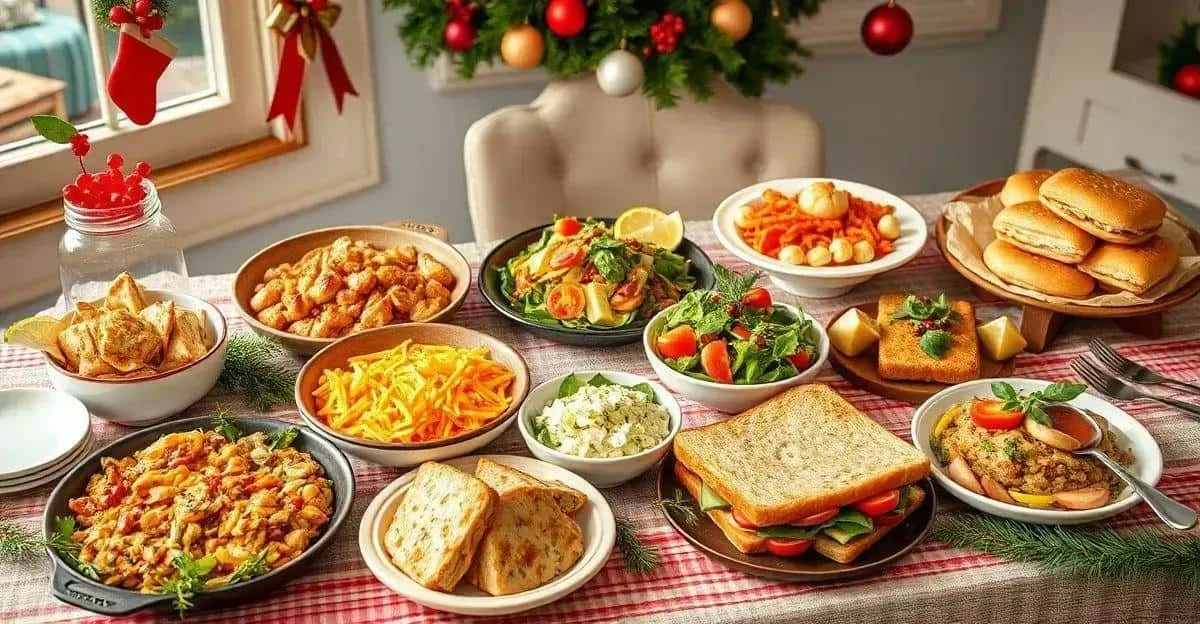
For a less wasteful Christmas, plan portions and write a shopping list before buying food.
Choose ingredients you are likely to use. Seasonal produce may offer good value, but local food is not automatically lower impact in every case. Plan leftover meals before the fridge fills up.
Use your local food waste collection or a composting system suitable for the scraps involved. Reuse containers where practical and check local recycling rules for packaging.
Small, repeatable habits can help reduce waste while keeping festive meals enjoyable.
Making the Most of Christmas Leftovers
Christmas leftovers offer opportunities for another meal, from a simple sandwich to a warming pie.
Using them thoughtfully can reduce avoidable waste and give familiar ingredients a different role.
Combine creative cooking with careful storage and sensible portion sizes.
Family traditions can continue alongside practical choices about what to refrigerate, freeze or discard.
Take inspiration from these ideas and use a complete recipe whenever quantities or cooking instructions are needed.
Frequently Asked Questions About Christmas Leftovers
What can I make with Christmas leftovers?
Try pies, soups, sandwiches, salads or a Brazilian-inspired mashed potato bake, using ingredients that have been safely stored.
Why use Christmas leftovers?
It can save money, reduce avoidable food waste and provide another enjoyable meal.
How should I store Christmas leftovers?
Cool promptly, refrigerate in covered containers and label them. Follow the time limits in the storage section, including the shorter limit for rice.
Are there traditions involving Christmas leftovers?
Yes. Many households have favourite next-day dishes, from roast meat sandwiches to vegetable soups or bubble and squeak.
What mistakes should I avoid?
Avoid leaving food out too long, forgetting storage dates and repeatedly reheating or thawing food.
How can I reduce Christmas food waste?
Plan portions, shop from a list, freeze suitable surplus promptly and use the appropriate local food waste or composting service.