Christmas keepsakes can hold family stories, from a handmade decoration to a well-loved photograph. Thoughtful handling, suitable storage and a record of each object’s history can help those memories survive beyond the festive season.
Which Christmas keepsakes have you tucked away at home? A small object may recall a person, a place or a celebration. This guide explores how to choose meaningful decorations and look after them, without assuming that every treasured memory needs a new purchase.
The emotional meaning of Christmas objects

Christmas objects can mean more than their decorative purpose. A familiar ornament may bring back a shared experience, although people’s responses to Christmas and family memories differ.
Childhood memories
An old decoration, handmade ornament or familiar wreath may recall childhood celebrations. Those memories can be joyful, mixed or difficult; keep the objects that feel meaningful to you rather than preserving everything out of obligation.
Traditions passed down
Family traditions take many forms. A decoration passed between generations can connect past and present, especially when someone records who made or owned it and how it was used.
Personal connections
A familiar object may make someone feel closer to a loved one or to a particular time. Invite people to share its story, but allow room for different feelings and for anyone who would rather not discuss it.
Making new memories
Objects can also help us make new memories. Choosing or making a decoration together may become part of a family ritual. A modest handmade item can be just as meaningful as something bought.
Choosing decorations that tell a story
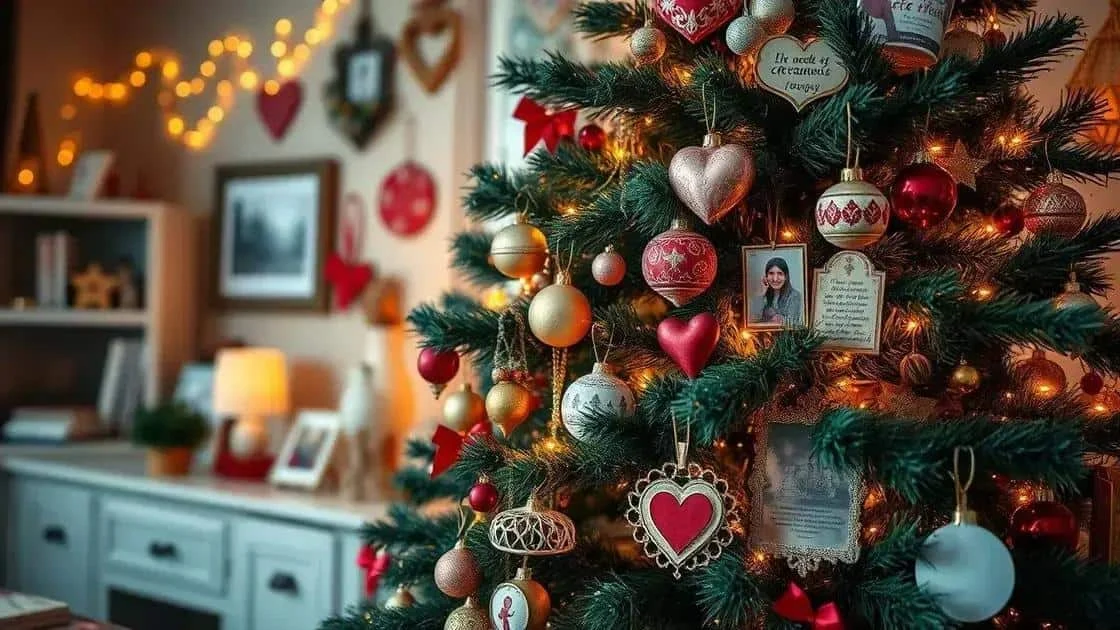
Choosing decorations that tell a story gives your Christmas display a personal character. An ornament might recall a journey, a friendship or a shared interest.
Look for a personal connection
Consider decorations with sentimental value: gifts from friends, travel souvenirs or something made at school. Their connection to your life matters more than their price or how closely they match a trend.
Consider different materials
Glass, wood, fabric and paper each bring a different texture. Choose items suitable for your household, keeping fragile glass and small detachable pieces away from young children and pets.
Include handmade pieces
Handmade decorations can reflect the maker’s interests, skills or cultural traditions. Ask about their story when possible, and avoid assigning an origin or meaning you cannot verify.
Remember loved ones
An object that belonged to a relative or friend can be a gentle way to remember them. Display it only if that feels right, and choose a safe position where it will not be knocked or damaged.
Personalise with photographs
Including photographs in decorations is another way to tell a story. Use copies rather than irreplaceable originals, and check that the people pictured are comfortable with the display or any photographs shared online.
Creating a personal Christmas tree
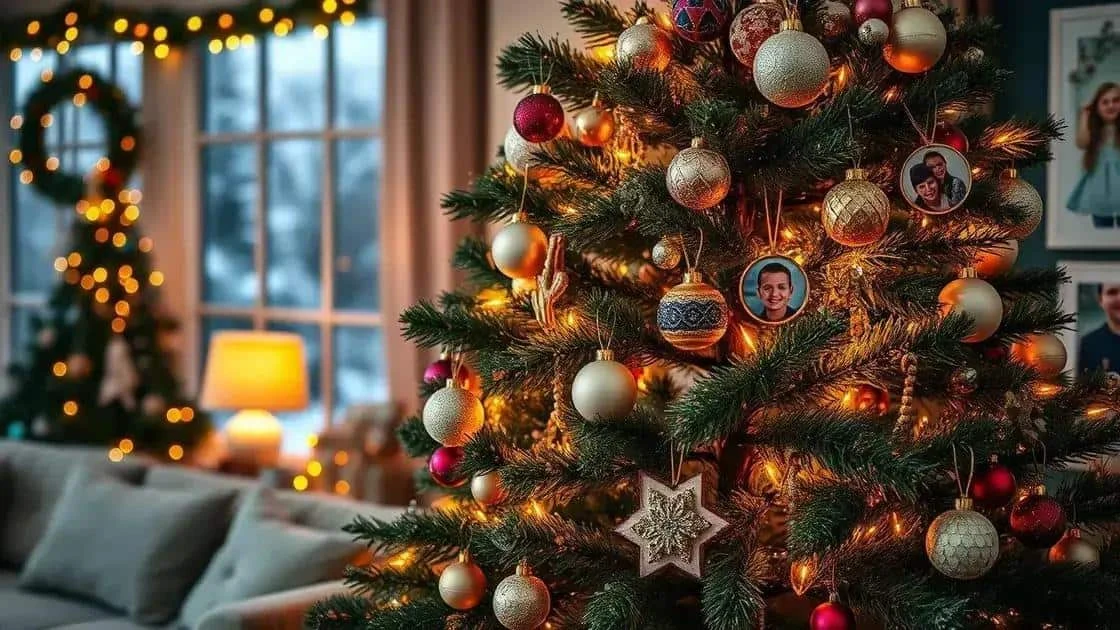
A personalised Christmas tree can combine family traditions with your own tastes. There is no need for a perfect coordinated display: a mixture of old and new pieces may tell a richer story.
Choose a loose theme
A theme can help organise your choices. Vintage, rustic, colourful or film-inspired decorations are possibilities, but the theme should leave room for favourite keepsakes.
Add handmade ornaments
Use decorations you or other household members have made. Paper, felt and lightweight fabric projects are simple starting points; choose tools and materials appropriate to children’s ages and supervise where needed.
Choose suitable lights
Christmas lights can change the mood of the tree. Use lights intended for the setting, inspect them for damage and follow the manufacturer’s instructions. Keep cables clear of walkways and never use real candles on a tree.
Include memories and photographs
Add copies of family photographs or ornaments linked to particular experiences. Lightweight frames and secure attachments help protect the tree and the objects hanging from it.
Think about the base and position
A stable tree base matters more than its covering. A tree skirt can finish the display, provided it does not create a trip hazard or cover equipment that must remain ventilated. Keep the tree away from heat sources and exits.
Memories and traditions through gifts
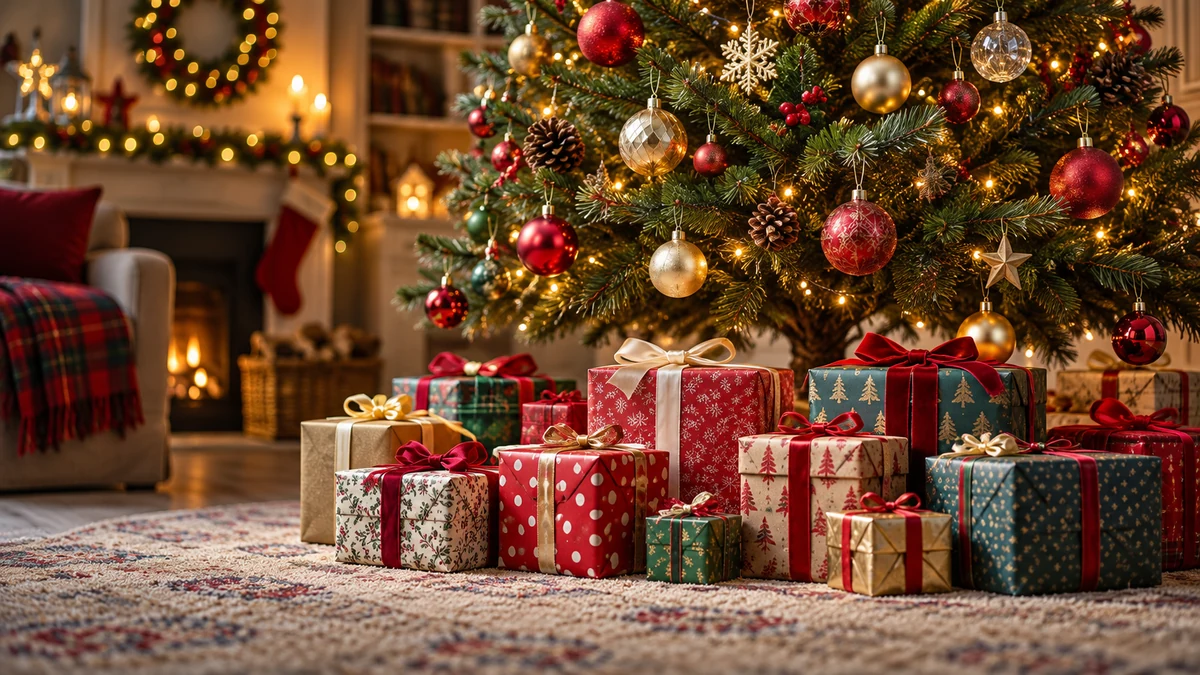
Christmas gifts sometimes become keepsakes because of the person or occasion behind them. Their value need not be financial, and exchanging presents is only one way to show care.
The thought behind a gift
A thoughtful gift can recall shared memories or show that someone has noticed your interests. A letter, a photograph or time spent together may feel more personal than an expensive object.
Family customs
Gift-giving traditions vary. Some households exchange presents on Christmas Eve and others on Christmas Day. Agree arrangements that suit your family and budget rather than treating one custom as compulsory.
Handmade gifts
Handmade gifts can carry memories of the time and effort behind them. Some become family heirlooms, although a recipient should also feel free to use an item rather than keep it untouched indefinitely.
Remembering a special present
A childhood toy or a gift from someone important can become associated with a particular Christmas. Writing down why it matters helps others understand that connection later.
Christmas crafts inspired by memories
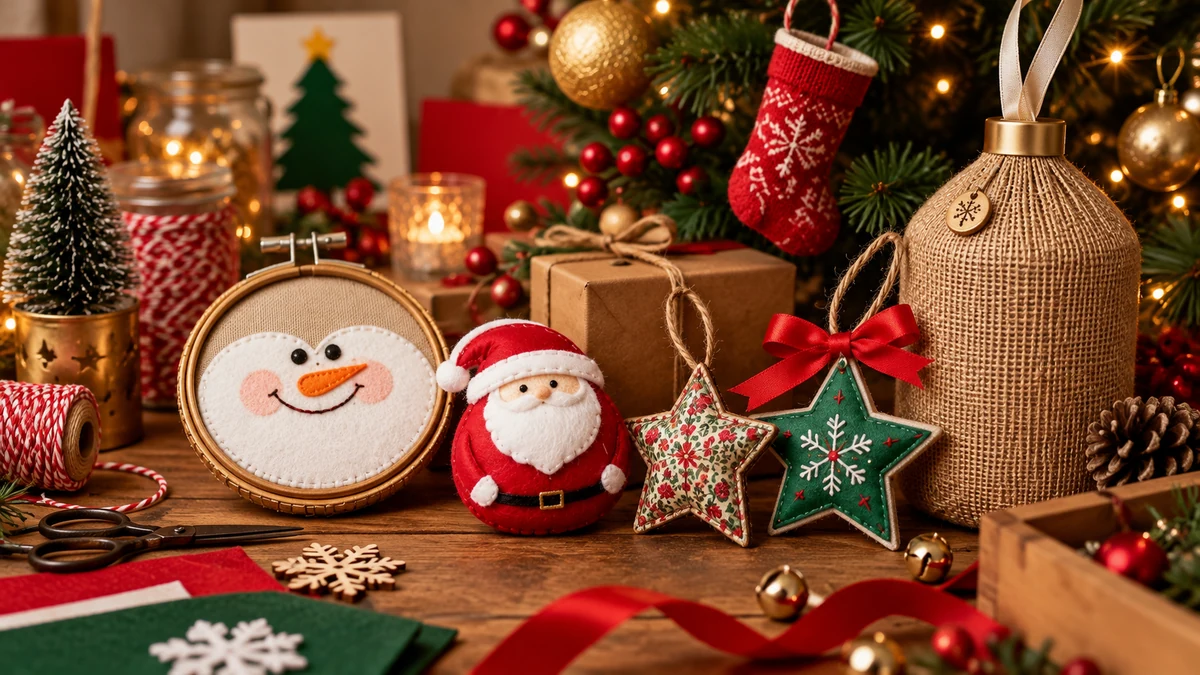
Christmas crafts offer a way to revisit memories and develop new traditions. Making something together can also provide a relaxed opportunity to share stories.
Connecting with the past
You might recreate a style of decoration remembered from childhood or try a technique a relative enjoyed. Use a new version where the original materials or methods would be unsafe.
Craft ideas to try
Simple Christmas craft projects include paper ornaments, felt shapes and painted wooden decorations. Choose safe materials and avoid altering a valuable old object before seeking appropriate advice.
Let people join in their own way
Offer different tasks for children and adults, with no pressure to take part. Cutting, arranging colours or telling a story about an ornament can all contribute to the experience.
Keeping the story
A handmade piece may preserve a story about one particular Christmas. Record the maker and approximate date on a separate note or in your catalogue, rather than writing directly on a delicate object.
Small projects with personal meaning
Try ornaments made with copies of photographs, simple fabric baubles or clean reusable card. Keep magnets, batteries and small parts out of children’s reach, and do not use containers that previously held hazardous chemicals.
Making space for connection at Christmas
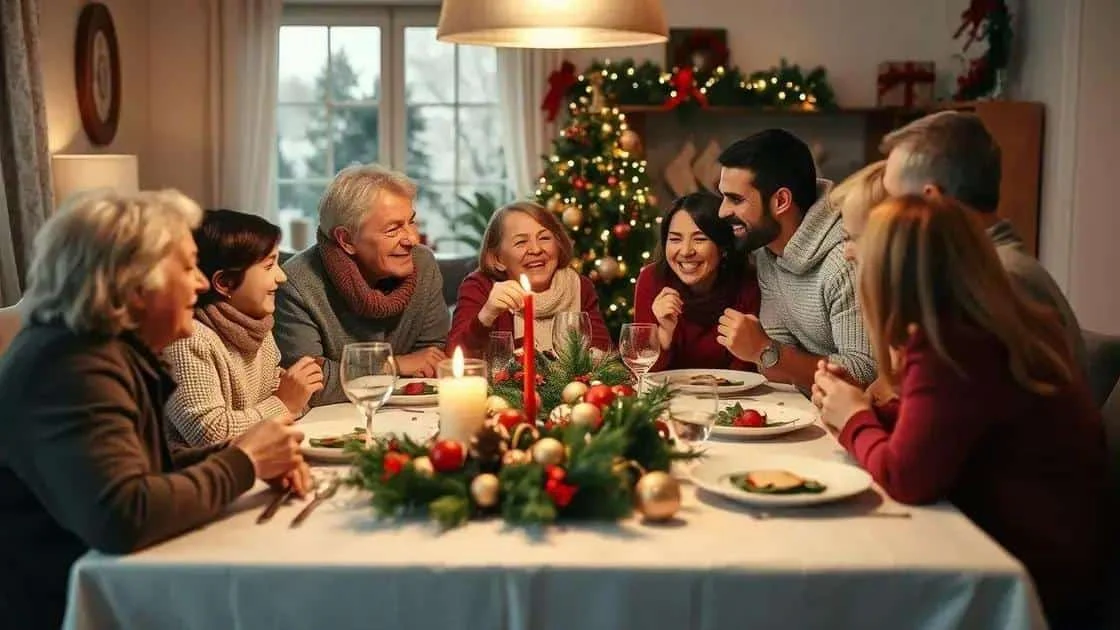
Family connection can be part of Christmas celebrations, whether people gather in person or keep in touch from a distance. Friends, chosen family and community groups may be equally important.
Shared moments
Shared moments can be as simple as looking through photographs or hanging a familiar decoration. Allow people to contribute different memories of the same event.
What traditions can offer
A favourite meal or an exchange of cards can become a familiar ritual. Adapt it when circumstances change; keeping a tradition meaningful does not require repeating every detail.
Respect different feelings
Christmas may bring happiness, grief or complicated emotions. A welcoming celebration leaves space for those feelings and does not assume that gathering with relatives is comfortable or possible for everyone.
Involving younger generations
Sharing family traditions with children and teenagers gives them a chance to learn their history. Invite questions and new ideas rather than expecting them to preserve every custom unchanged.
Different families, different celebrations
Households have different cultures, beliefs and relationships. Discuss what matters to those taking part, including anyone who does not celebrate Christmas, and make participation optional.
Caring for objects that hold memories
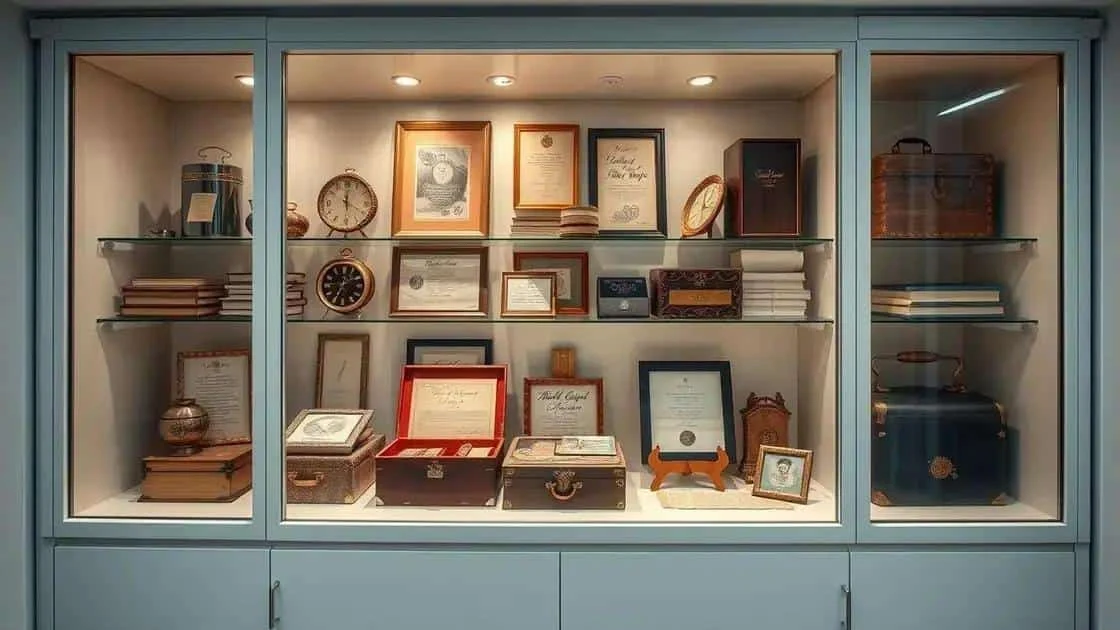
Looking after objects with sentimental value starts with understanding their materials and condition. The suggestions below are general; fragile, valuable or damaged items may need a conservator’s advice.
Clean only when appropriate
Before attempting cleaning, identify the material and check for damage. Gentle dry dusting may suit some robust objects, but liquids, household cleaners and even rubbing can harm photographs, flaking paint or fragile surfaces. Seek advice if unsure.
Choose suitable storage
Store objects in a cool, dry, stable place away from direct sunlight. Use archival-quality, acid-free materials suitable for photographs and paper; acidic boxes can accelerate damage. Separate fragile items with appropriate protective packaging.
Avoid damp conditions
Damp can encourage mould, while rapid changes in temperature and humidity also cause problems. Avoid storing treasured items in damp lofts, garages or cellars. Silica gel needs appropriate use and monitoring; it is not a substitute for a suitable storage environment and must be kept away from children and pets.
Ask a conservator about repairs
For an important damaged object, consider consulting a professional conservator. Avoid improvised glue, tape or polish, which can make later treatment more difficult.
Record each object’s history
Create a simple catalogue with a photograph, description, owner or maker if known, approximate date and the story behind the item. Keep a backed-up digital copy and a separate paper record where practical.
Keeping Christmas memories accessible
A decoration, gift or photograph can hold part of a personal or family story. Recording that story helps explain why an ordinary-looking object matters.
Careful handling and suitable storage can reduce damage, although no method guarantees that an object will last forever. Ask for specialist advice where the material or condition is uncertain.
Share memories in ways that feel comfortable, whether through a small display, an album or a conversation. You do not need to keep every object to honour the people and experiences behind it.
The aim is a manageable collection of meaningful keepsakes, with stories that others can understand and enjoy.
FAQ — Caring for Christmas keepsakes
What is the safest way to clean a sentimental object?
It depends on the material and condition. Avoid applying household cleaners or water without checking suitability. Fragile photographs, flaking paint and valuable objects may need advice from a conservator before any cleaning.
How should I store old keepsakes?
Choose a cool, dry and stable place away from direct sunlight. Use archival-quality, acid-free packaging appropriate to the material, with separate protection for fragile pieces. Avoid damp lofts or cellars.
What should I do if an object is damaged?
Keep loose pieces together without trying to glue them back immediately. A qualified conservator can advise on suitable treatment, particularly for valuable or delicate objects.
How can I reduce moisture problems in storage?
Start with a dry, stable storage location and check it regularly. Dehumidifiers or monitored silica gel may help in suitable circumstances, but neither makes a persistently damp room appropriate for treasured items.
Should I catalogue the memories linked to each object?
Yes, if you can. A photograph and a short note about who made or owned it, when it was used and why it matters can preserve information that the object alone cannot reveal.
Which materials should I use for old photographs?
Choose photographic archival-quality enclosures or albums suitable for the type of photograph. Avoid adhesive tape and self-adhesive pages, store originals away from light and damp, and use copies for decorations or frequent handling.
Sources and Further Reading
- Care of Photographs — Library of Congress
- Storing Family Papers and Photographs — US National Archives