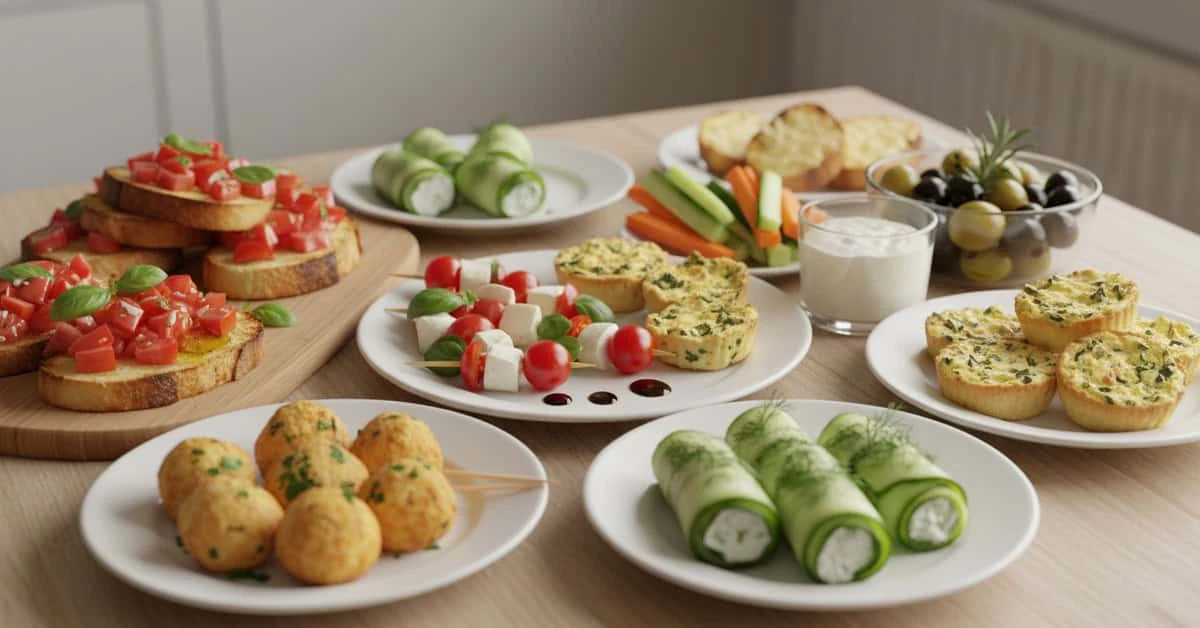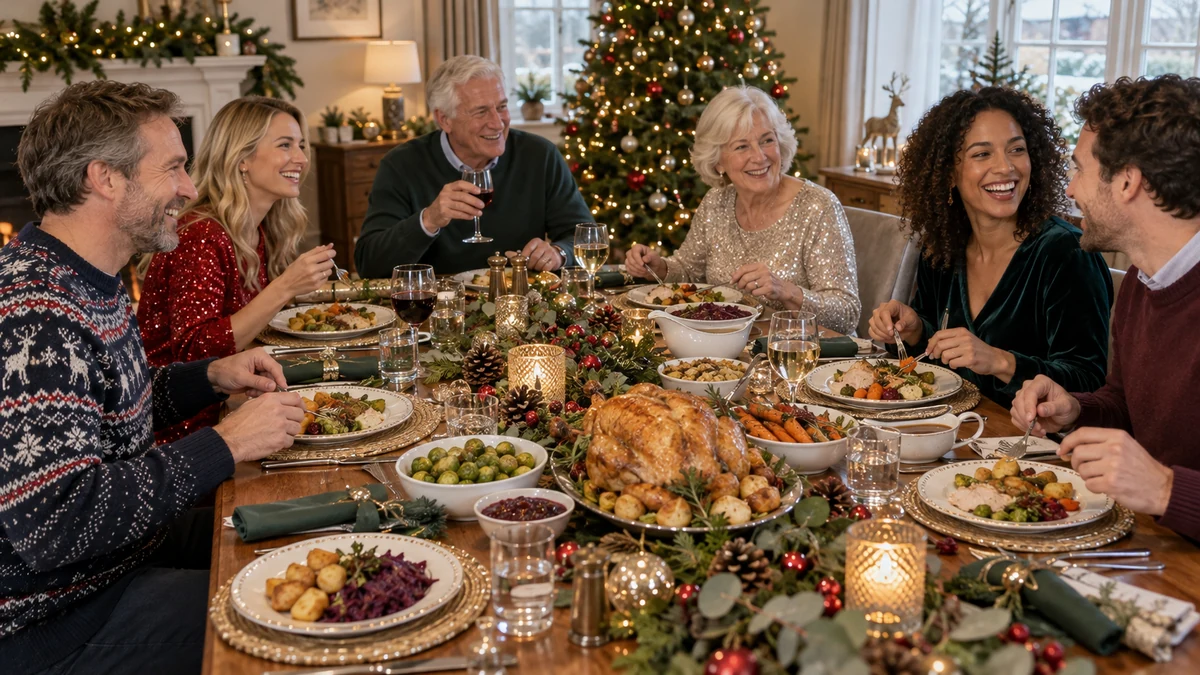
A Christmas gathering at home starts with a realistic guest list, comfortable space and food you can prepare and serve safely. Keep decorations and activities manageable, ask about dietary needs and offer suitable drinks for people who do not want alcohol.
Thinking about hosting a Christmas gathering at home? You do not need an elaborate event to enjoy time with family and friends. This guide brings together planning tips and menu ideas, including Brazilian favourites. The food suggestions are not full recipes, so use a reliable recipe with quantities and cooking instructions for anything you choose to make.
Plan the Gathering

Start your Christmas gathering at home with a date, approximate finishing time and guest count. Consider transport, children’s routines and how much space you can comfortably offer before committing to a large invitation list.
Choose a Loose Theme
A theme is optional. A Mexican-inspired meal or a tropical Brazilian Christmas could help narrow the menu, but a few familiar dishes and existing decorations are enough. Explain cultural references accurately rather than turning a whole country into a generic party motif.
Invite the Guests
Send invitations with the date, time, address and any useful access information. Ask guests to reply and mention allergies, dietary requirements or accessibility needs. Do not share everyone’s contact details in a group without their agreement.
Plan Food and Drinks
Choose food you can serve safely with the kitchen and fridge space available. Canapés, a cheese or cold-meat platter and savoury pastries are possibilities, but chilled fillings and dairy products need proper temperature control. Label ingredients and offer water and alcohol-free drinks.
Arrange the Room
Allow clear routes between the entrance, seating, food and toilet. Provide stable chairs and avoid cables or decorations across walkways. A small low display or LED candle can add a festive detail without obstructing the room.
Keep Entertainment Optional
A simple game may help guests get to know one another, but nobody needs to participate. A playlist at a considerate volume can provide background music while leaving conversation possible.
Make a Final Checklist
Check food storage, cooking times, serving utensils, drinks, seating and access before guests arrive. Make room for coats and bags, and keep the plan simple enough that you can enjoy the gathering too.
Comfortable, Practical Decoration

A comfortable, practical setting can use things you already own. Shades such as beige, pale blue or olive green are possibilities, but no colour guarantees a particular mood. Choose what suits your room and the occasion.
Furniture and Space
Arrange seating so people can join a conversation without blocking the route through the room. If using a rug, make sure it lies securely and does not create a trip hazard. Leave enough space for anyone using a mobility aid.
Useful Lighting
Gentle lighting can make the room feel welcoming, but keep entrances, steps, food and walking routes clearly visible. Use lamps and decorative lights as instructed, with cables safely positioned.
Comfortable Details
A few cushions and blankets can make seating more comfortable. Keep fabrics away from heat and flames. Plants are optional; check their suitability where pets or small children are present.
A Usable Table
Keep flowers or other table decorations low and separate from food. Leave room for serving utensils and plates, and do not let a decorative display make it difficult to reach the meal.
Music and Fragrance
A clean, ventilated room is usually enough; strong fragrances can bother guests and compete with food. Keep any playlist quiet enough for conversation and offer a break from music if needed.
Personal Touches
A photo display or familiar keepsake can start a conversation. Choose pictures the people involved are comfortable sharing, and keep fragile items safely positioned.
Manageable Food Ideas
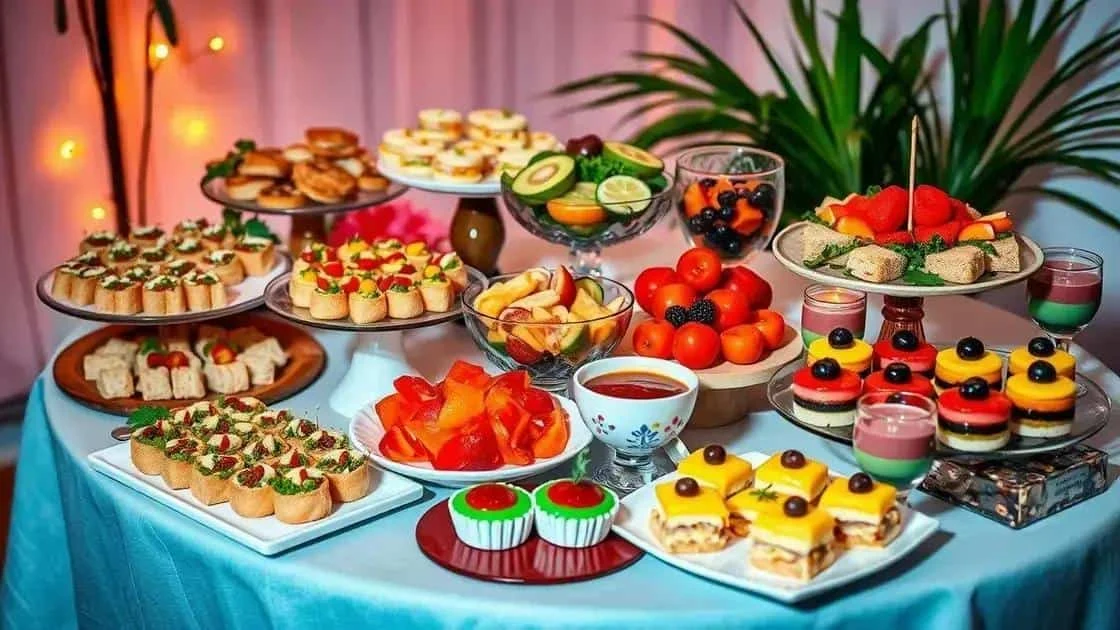
Choose manageable food ideas rather than a menu that requires everything to be cooked at the last minute. The suggestions below need suitable recipes or product instructions; plan allergens, storage and serving as carefully as the flavours.
Small Sandwiches
Offer small sandwiches with a few clearly identified fillings, such as cheese, cooked chicken or a suitable vegetarian option. Keep perishable fillings chilled until needed and use separate utensils to reduce allergen cross-contact.
Bite-Sized Food
Bite-sized food can be convenient, but guests should still have somewhere to sit and eat. Prepared fruit, cheese pastries and mini quiches are options. Adapt size and texture for children and avoid sharp skewers for young guests.
Simple Salads
A pasta or grain salad can be prepared using a reliable recipe and kept chilled. Cool cooked ingredients promptly, use clean utensils and bring out small portions rather than leaving the whole batch on display.
Popcorn for Older Guests
A small bowl of popcorn can suit older children and adults, with toppings served separately if desired. Do not give popcorn to children under five because of the choking risk, and check allergens in added cheese, chocolate or flavourings.
Individual Desserts
Small cupcakes or individual chilled puddings may simplify serving. Follow the recipe’s storage instructions and leave dairy or egg-based desserts in the fridge until needed. Small portions do not remove the need to check ingredients and allergies.
Simple Drinks
Offer an alcohol-free mixed drink or a fruit drink if you like, with plain water readily available. A fruit garnish is a flavour choice, not a guarantee that a sugary drink is healthy.
Choose Drinks for Your Guests
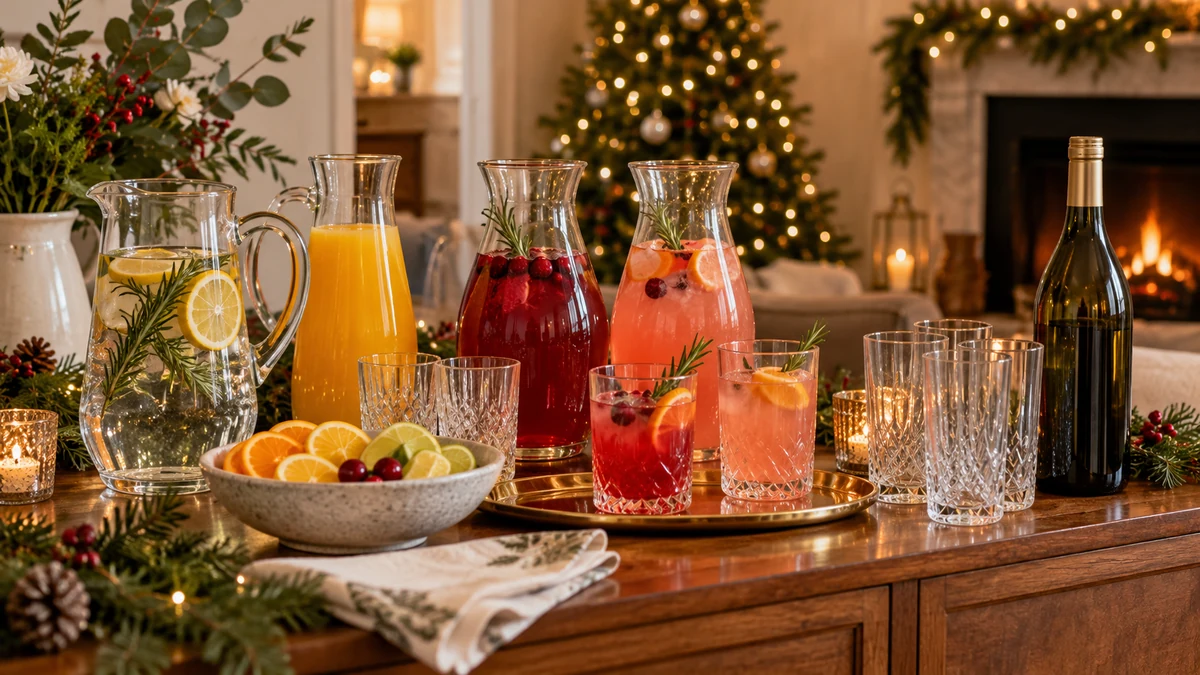
The drink selection should suit the people attending and your budget. A few clear choices are easier to manage than a crowded bar, particularly where children are present.
Alcohol-Free Choices
Include alcohol-free drinks, such as a small choice of orange-based or lemon-flavoured drinks and water with optional fruit. Wash garnishes, check ingredients and make plain water easy to find.
Soft Drinks
A modest selection of soft drinks can be enough. If choosing craft sodas or fermented drinks, check sugar, caffeine, allergens and any alcohol content. Do not repeat gut-health claims without reliable evidence.
Alcohol as an Optional Extra
For adults who want them, you might offer wine or beer, perhaps one red and one white rather than many open bottles. Use modest servings, ask before refilling and respect anyone who declines.
Mixed Drinks
If serving cocktails such as a mojito or a Brazilian caipirinha, follow a measured recipe and keep alcohol separate from children’s drinks. An alcohol-free alternative can use a different, clearly labelled jug. Avoid an unattended self-service spirits station.
Keep Drinks Practical
Use clean ice and an appropriate scoop for drinks, separate from ice used to chill bottles. Position the drinks table securely, with spills cleaned promptly and hot drinks kept away from the edge.
Brazilian Dishes to Consider
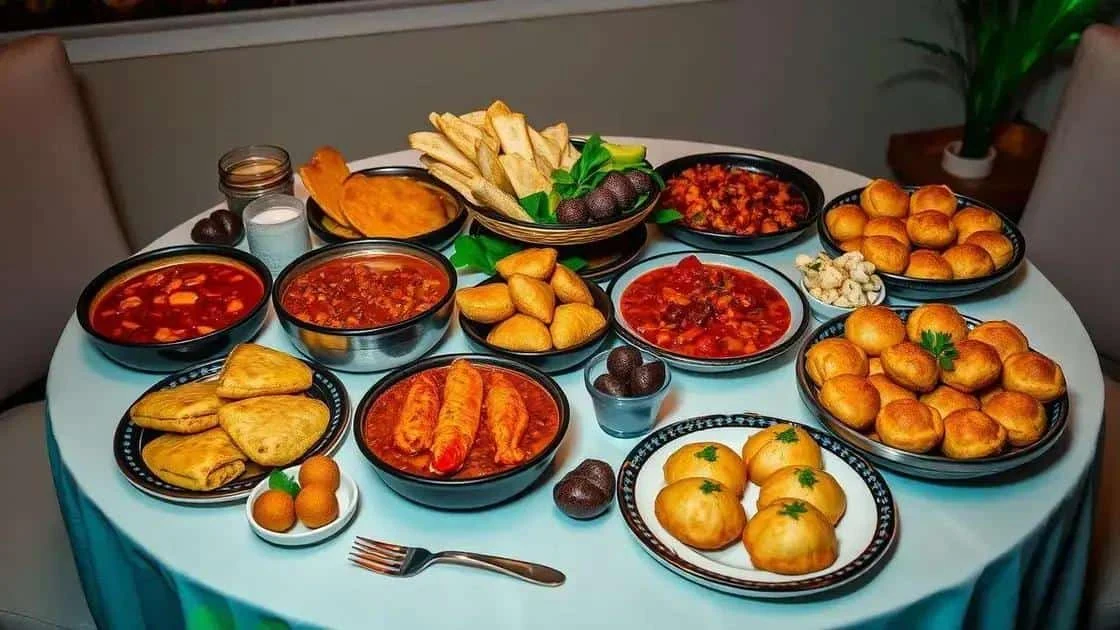
Brazilian dishes can bring the original article’s cultural setting into a UK gathering. These descriptions explain the dishes rather than provide complete recipes. Choose a manageable selection and check ingredients with guests.
Feijoada
Feijoada is a bean stew; a familiar Brazilian version uses black beans and assorted pork, sometimes with beef. Rice, farofa, greens and orange are common accompaniments. Use a reliable recipe and plan sufficient time, equipment and safe hot or chilled storage.
Pão de Queijo
Pão de queijo are Brazilian cheese breads made with cassava starch. Serve a suitable recipe or prepared product according to its instructions. They commonly contain milk and may contain egg, so do not assume they suit all dietary requirements.
Brigadeiros
Brigadeiros are Brazilian sweets commonly made with condensed milk and cocoa or chocolate. They may be rolled or served in small cups. Check coatings and other ingredients for allergens, and follow the recipe’s storage guidance.
Pastéis
Pastéis are filled pastries, often fried, with fillings such as meat or cheese. If you prefer baking, use a recipe designed for that method rather than assuming any pastry will behave the same way.
Empadão
Empadão is a large savoury pie that can be portioned for serving. Chicken or hearts of palm are possible fillings. Make sure the recipe and preparation suit the guests, including the stock, pastry and other less visible ingredients.
Vatapá
Vatapá is associated with Bahian cooking and has regional variations. Recipes may include bread, prawns, coconut milk, peanuts, cashews and dendê oil. It can contain several major allergens, so choose and communicate the exact recipe carefully.
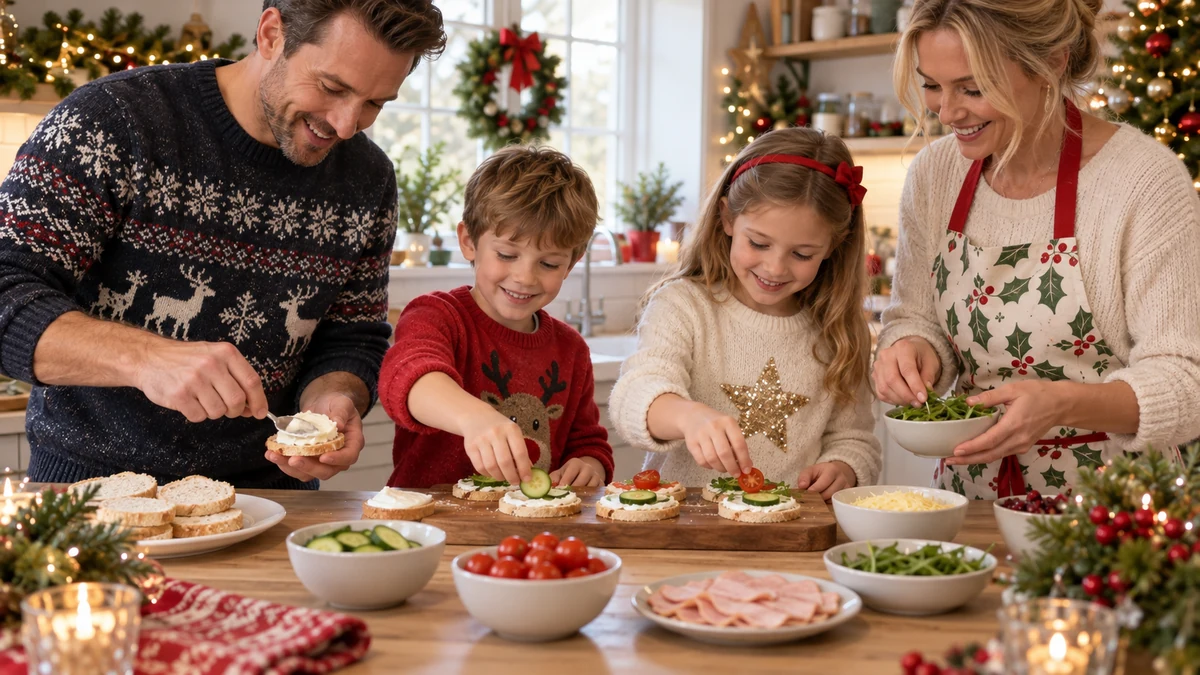
Family help can make preparation easier when tasks are clear and the kitchen is not overcrowded. Ask who wants to help and assign jobs according to ability, rather than expecting everyone to cook.
Give People Specific Tasks
Set clear tasks such as washing produce, setting out plates or labelling dishes. An experienced adult should handle frying, hot equipment and raw meat. Keep raw and ready-to-eat food separate.
Use Familiar Recipes
Choose straightforward recipes for salads, sandwiches or savoury snacks that fit your storage space and serving plan. Simple food still needs clean hands, safe temperatures and attention to allergens.
Work Together Calmly
Keep conversation and music at a level that lets people concentrate. Agree which surfaces and utensils are for each job, clean as you go and avoid placing drinks or personal belongings in food preparation areas.
Test New Dishes in Advance
If you want to try a new recipe, make it before the party where practical. This helps you check timing, equipment and portions without putting the whole meal at risk on the day.
Keep the Kitchen Organised
Set out the utensils you need and leave clear space for safe preparation. Colour-coded equipment can help distinguish tasks if everyone understands the system, but it does not replace cleaning or food hygiene.
Suitable Tasks for Children
Children can help with age-appropriate tasks under supervision, such as arranging suitable cold ingredients or mixing a safe preparation. Keep them away from hot pans, sharp tools, raw meat and small foods that pose choking risks.
Dessert Ideas

A dessert is an optional finishing touch, and one or two choices are often enough. The ideas below need a reliable recipe, appropriate storage and clear ingredient information.
Chocolate Cake
A chocolate cake can be portioned in advance. Choose a topping that suits your preparation time and storage, and check allergens in the cake, icing and decorations. Cream-based toppings may need refrigeration.
Pavê
Pavê is a Brazilian layered dessert, often combining biscuits and cream. Recipes vary, so follow one with clear quantities and chilling instructions. Keep it refrigerated until serving.
Passion Fruit Mousse
Passion fruit mousse offers a tangy dessert option. It may contain dairy or egg depending on the recipe; choose accordingly and follow safe preparation and chilling guidance. Individual cups can simplify serving.
Lemon or Lime Tart
A citrus tart can provide a different flavour from chocolate. Follow a tested recipe for the filling and any meringue topping rather than improvising with uncooked egg mixtures.
Fruit and Cream
Serve suitably prepared fresh fruit with optional whipped cream or another suitable topping. Adapt fruit shapes for young children, keep cream chilled and give guests separate utensils for different toppings.
Brownies and Ice Cream
A small brownie with ice cream is another option. Keep ice cream frozen until needed, check ingredients and serve manageable portions rather than leaving the tub out for the whole party.
A Gathering You Can Enjoy Too
From comfortable surroundings to a manageable menu, practical choices can make hosting easier. Plan around your actual kitchen, space and time rather than trying to offer everything.
Inviting family help in the kitchen or including a few Brazilian dishes can add a personal element. A simple selection of desserts is enough if you want them; none of these extras is essential to a good evening.
Prepare what you can, keep food safe and leave room for conversation. A realistic plan gives you a better chance to spend time with your guests.
FAQ — Hosting a Christmas Gathering at Home
How can I plan a gathering efficiently?
Confirm the date and guest count, ask about dietary and access needs, and choose a menu suited to your kitchen and storage space. Make a simple preparation and serving schedule.
Which foods are suitable for a gathering?
Sandwiches, savoury pastries, a few main dishes and simple desserts can work. Choose reliable recipes and manage allergens, chilling and serving times rather than selecting only for convenience.
How can family members help with the food?
Assign clear tasks suited to ability, keep the kitchen organised and supervise children. Experienced adults should handle hot equipment, sharp tools and raw meat.
Which drinks should I serve?
Provide water and appealing alcohol-free choices. Alcohol is optional for adults who want it; keep it clearly separate and avoid automatic refills.
How much decoration do I need?
Very little. Comfortable seating, useful lighting and a few personal details can be enough. Keep routes clear and decorations away from food, heat and flames.
Which desserts could finish the meal?
Chocolate cake, pavê, passion fruit mousse or prepared fruit are possibilities. Choose according to guests’ needs and the fridge or freezer space available.
Sources and Further Reading
- Food Standards Agency — serving food at gatherings
- Food Standards Agency — cooking safely
- NHS — preparing food safely for children