Childhood Christmas memories often grow out of familiar rituals: sharing a meal, decorating a tree or listening to a story. Revisiting those traditions can be a way to connect generations, while leaving room for different experiences and new ways to celebrate.
Childhood Christmas memories can return with the smell of a favourite dish or the sight of an old decoration. This is a guide to exploring those memories, rather than a personal memoir. Consider which traditions you would like to keep, change or share with someone new.
How Christmas memories take shape in childhood
Christmas can leave us with lasting emotional memories. Ordinary moments, from putting up lights to laughing over a game, may become part of a family’s story. Not everyone remembers Christmas happily, however, and there is no need to recreate traditions that feel uncomfortable.
Memories of Decorating
Decorating the tree can bring people together. An ornament might recall a childhood craft session, a holiday or someone who gave it to you. Looking through the Christmas decorations can provide a gentle starting point for a conversation about the past.
Time Together
Sharing a meal with people you care about can become a valued ritual. Familiar seasonal dishes may prompt stories about who first made them or how a recipe changed. The people around the table can include friends and chosen family as well as relatives.
Thoughtful Gifts
A carefully chosen present or a homemade gift may be remembered for the thought behind it. A handwritten note or something small and useful can carry meaning without stretching the budget. Gifts are only one way to show that you care.
Traditions That Stay with Us
A nativity scene, a favourite carol or a yearly visit can link one generation with another. Inviting children to join in gives them a chance to learn the story behind a tradition. Let them ask questions and choose how much they want to participate.
Making Space for Nostalgia
Remembering earlier Christmases can suggest ideas for the present. You do not have to reproduce every detail: keep what feels meaningful and adapt the rest to your circumstances. New traditions can sit comfortably alongside older ones.
Christmas food and rituals we remember

Christmas food and rituals often form part of family memories. A recipe can connect people across generations and countries, but every household has its own preferences. There is no single menu that makes a celebration authentic.
Favourite Family Recipes
Many families have treasured Christmas recipes. In Brazil, these might include roast turkey, tender (a small cured ham) or arroz à grega, a colourful rice dish with vegetables. British families may remember quite different plates; sharing the background makes the comparison more interesting.
Sweet Memories
Rabanadas, Brazil’s festive egg-soaked bread, panettone and decorated biscuits are familiar treats in many Brazilian homes. Elsewhere, mince pies or Christmas pudding may hold that place. Preparing a favourite together can be enjoyable, with age-appropriate tasks and care around heat and allergens.
The Christmas Meal
The Christmas meal may be a late Christmas Eve supper in Brazil or Christmas Day lunch in Britain. Whatever the timing, conversation can matter as much as the dishes. A smaller, simpler gathering can be just as meaningful as a large celebration.
Shared Activities
Putting up decorations, choosing music or making a table centrepiece gives people something to do together. These activities can create a sense of belonging when everyone has a comfortable role. Leave room for anyone who would rather watch, rest or take part quietly.
Passing Traditions On
Writing down a recipe or explaining a family custom preserves more than instructions. Include the person’s name, the occasion and any changes made over time. Younger relatives can add their own tastes rather than feeling obliged to follow the original exactly.
Decorations that bring back memories
Christmas decorations can act as reminders of people and places. A familiar ornament, string of lights or wreath may bring a particular year to mind. Choose the pieces you enjoy rather than trying to recreate an idealised version of the past.
Making Decorations Personal
Handmade decorations often carry a story. Making them with children offers a chance to give traditions personal meaning and record how their interests change. Add a name and year to the back, and use materials suitable for their age.
Familiar Festive Details
A Christmas tree, wreath or set of lights can become a familiar seasonal marker. Check older electrical decorations before using them, and place fragile ornaments out of reach of young children and pets. A photograph can preserve the memory of a decoration that is no longer safe to display.
Choosing a Theme
A rustic Christmas theme may recall a country home, while vintage decorations might echo a grandparent’s tree. Use a few meaningful details rather than buying a whole new collection. What feels nostalgic is personal and need not match anyone else’s style.
The Stories Behind Ornaments
An ornament given by a friend or brought back from a trip may carry a story worth recording. Ask the owner what they remember, without assuming every detail is certain. A short note stored with the decoration can help preserve that account.
Connecting Past and Present
Decorating can be a way to revisit memories as well as make a room look festive. Mix a few older pieces with something made this year. That gives the display room to grow with the people who share it.
Sharing Christmas stories with children
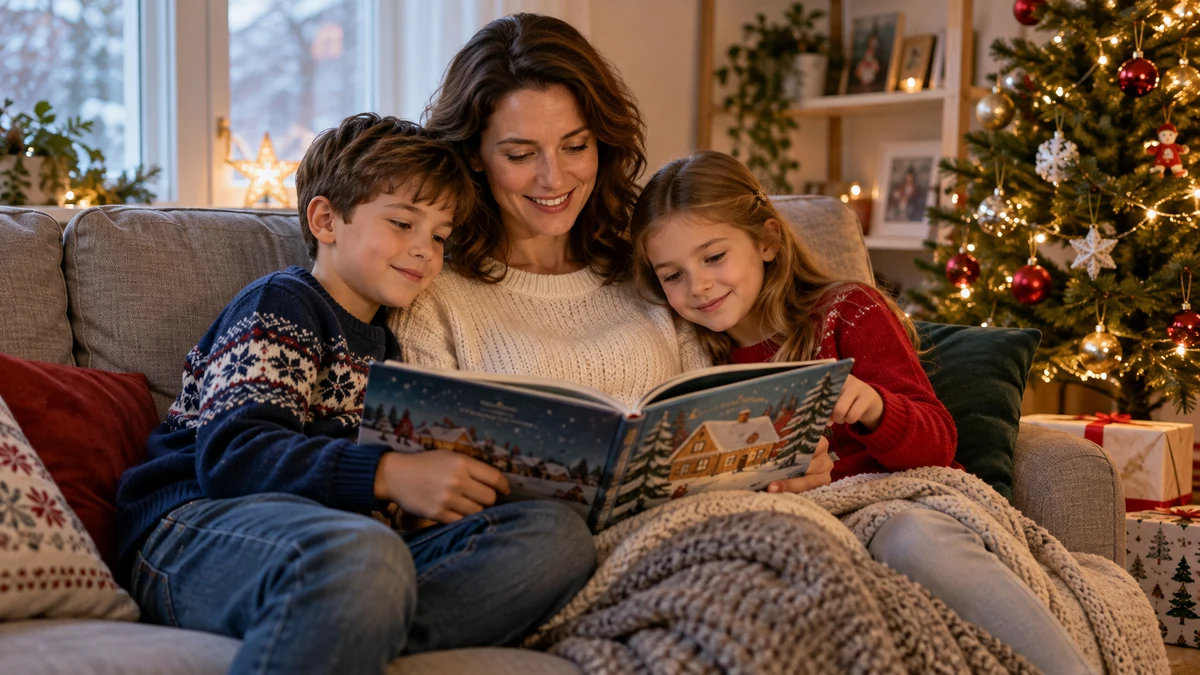
Reading Christmas stories together can prompt conversations about kindness, celebration and family life. Choose stories that suit the children listening, and explain the difference between a family memory, a fictional tale and a religious account.
Choosing a Suitable Story
Select books appropriate to the child’s age and interests. A story about Father Christmas, a winter adventure or the Christian Nativity may suit different families. Present religious traditions respectfully and avoid assuming that every child shares the same beliefs.
Making Reading Interactive
Make the reading interactive by asking what might happen next or how a character could be feeling. Give children time to respond, but do not turn every page into a test. Listening quietly is a valid way to enjoy a story too.
Using Pictures
Illustrations can help children follow a story and notice details they want to discuss. Point out an object, expression or setting and invite them to describe it. Let their own interpretations contribute to the conversation.
Following Up with an Activity
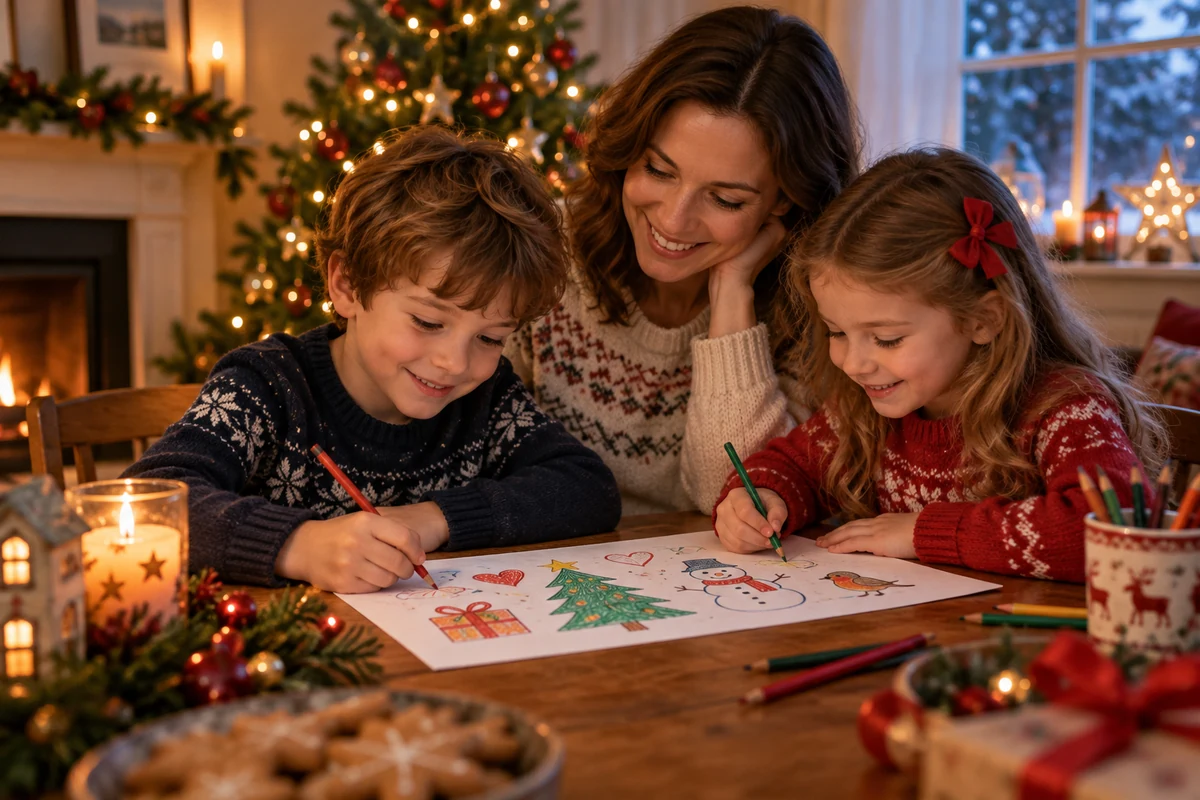
Afterwards, children might draw a favourite scene, make a card or design a paper ornament. Keep the activity optional and simple enough for their age. The aim is to enjoy the story together, not to produce a perfect finished piece.
Creating a Reading Ritual
A regular time for stories can become a welcome Christmas ritual. Revisit a favourite book or let someone different choose each year. A short, relaxed session is often easier to sustain than an elaborate plan.
Christmas activities to enjoy together
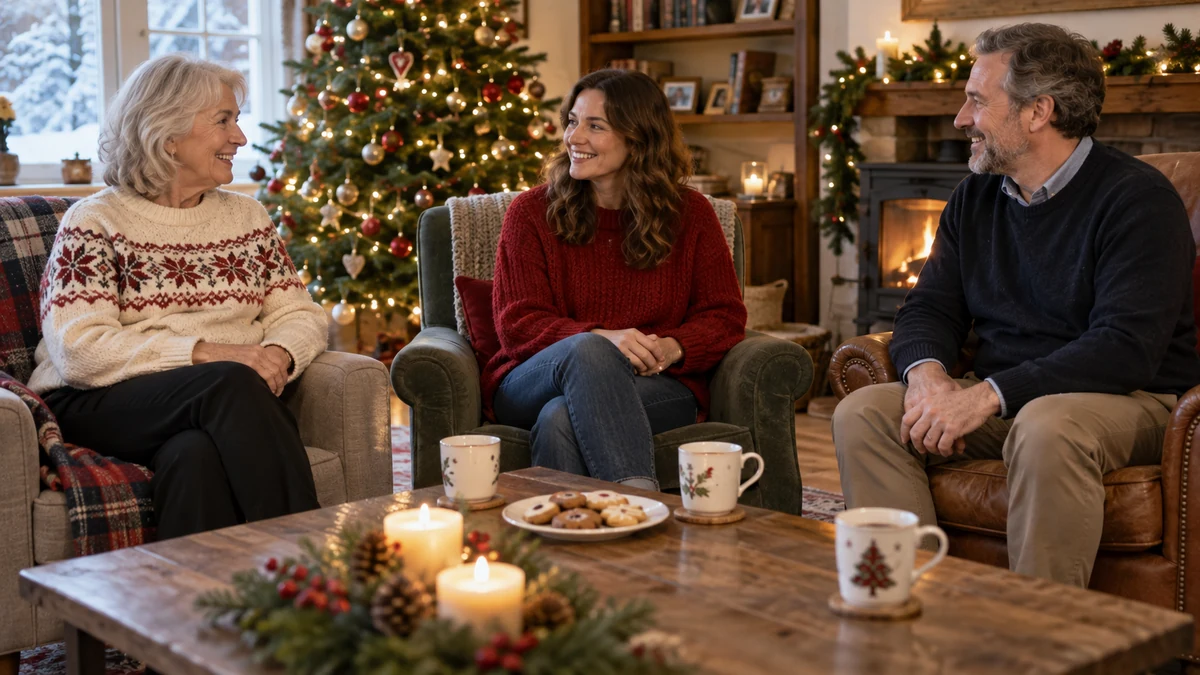
Family activities offer opportunities to spend time together and make new memories. Choose options that fit your budget, energy and access needs. Enjoyment matters more than completing a long list of seasonal tasks.
Preparing the Christmas Meal
Preparing the Christmas meal can involve several people without crowding the kitchen. Adults can manage hot pans and sharp knives while children wash suitable produce or arrange napkins under supervision. Agree tasks beforehand so the cook is supported rather than interrupted.
Decorating the Tree
Invite everyone to choose an ornament and explain why they like it. Adults should handle lights and decorations that require reaching or climbing. A few contributions from each person can make the tree feel shared without turning it into a competition.
Games and Play
Guessing games, charades or a simple board game can provide a relaxed break. Adapt the rules for younger players and anyone with different access needs. If you organise a gift exchange, agree a modest spending limit and make participation optional.
Sharing Stories
Older relatives or friends may enjoy talking about earlier Christmases, while children can share what they notice this year. Ask permission before recording anyone. Some memories involve loss or difficulty, so let people decide what they want to tell.
Making Things Together
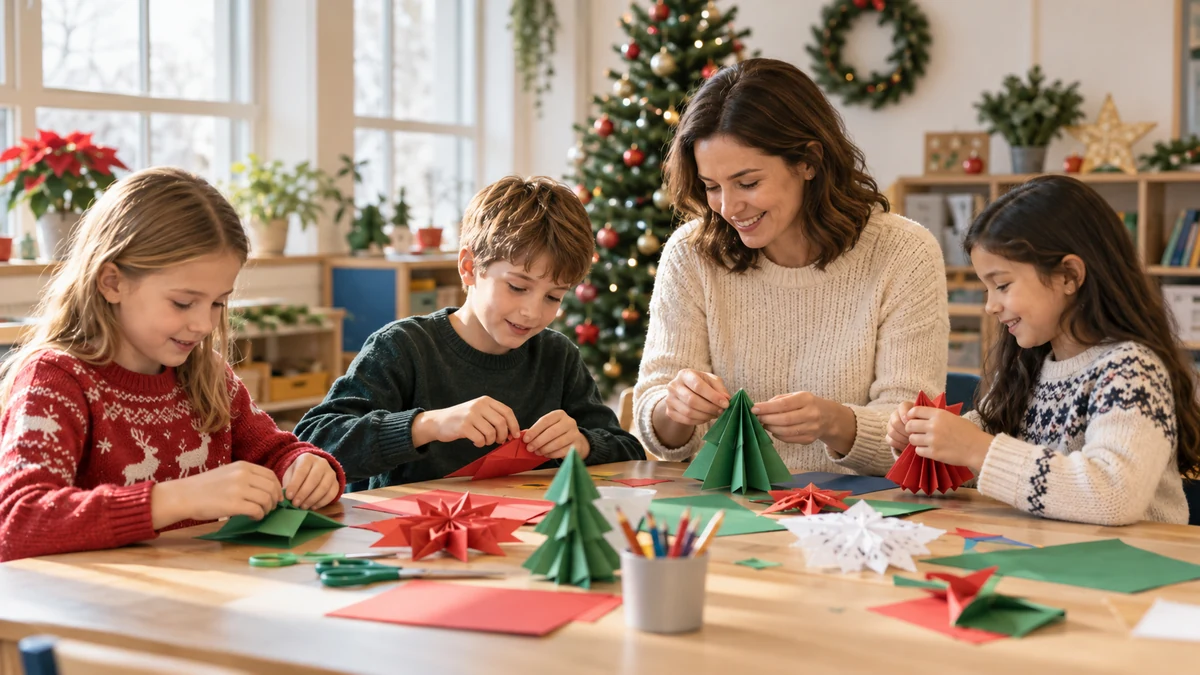
Paper ornaments, cards and small handmade gifts provide scope for different skills. Use age-appropriate tools and supervise children around scissors, small parts and adhesives. The conversation while making something may be as memorable as the finished object.
Simple Christmas crafts to revisit traditions
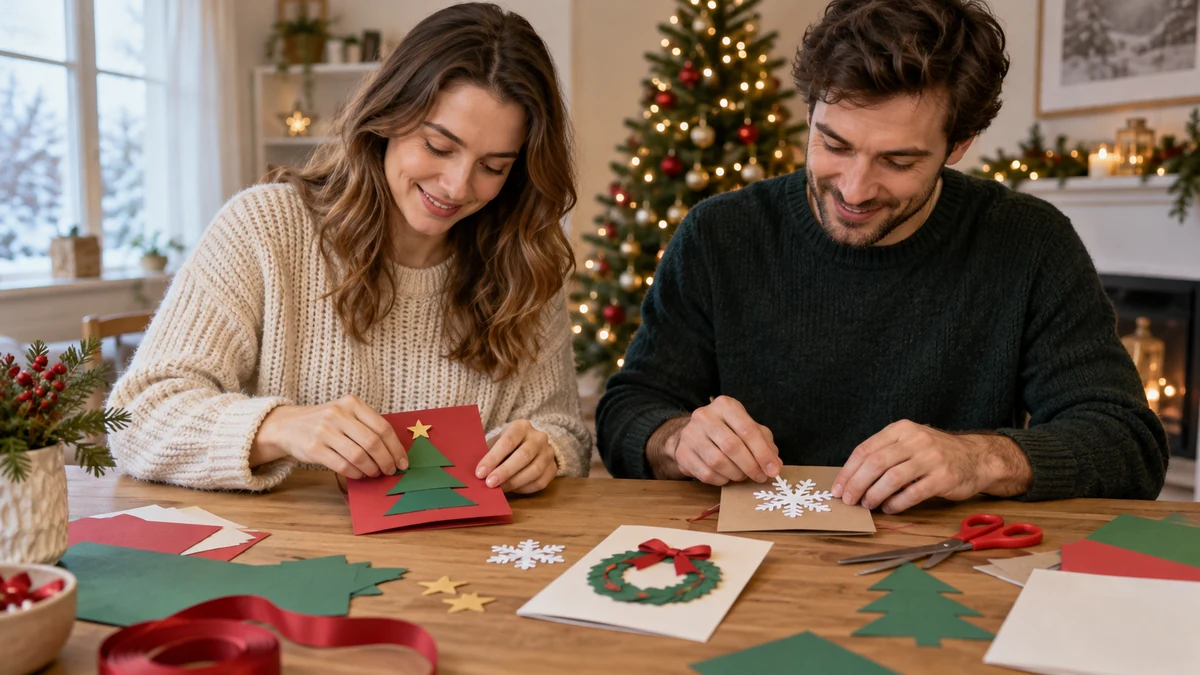
DIY projects can give an old tradition a new form. Start with materials you already have and a task that can be completed comfortably. A personal detail is more valuable than an elaborate design that becomes a chore.
Personalised Tree Decorations
Paper shapes, colouring pencils and suitable paint can become personalised ornaments. Let children choose colours and patterns, with adults handling any sharp tools. Avoid loose small decorations where younger children or pets might swallow them.
Handmade Christmas Cards
Make Christmas cards from folded card, drawings or photographs you have permission to use. A short, specific message can make a simple card feel personal. Check names and addresses before sending, especially when children are involved.
A Personal Wreath
A paper wreath with ribbon is a straightforward alternative to a larger craft project. If using pine cones or twigs, check that they are clean, dry and suitable for your household. Keep all decorations away from heat and avoid blocking doors or escape routes.
Handmade Presents
A small craft, a photograph or a batch of homemade treats can make a thoughtful gift. For food gifts, provide ingredient and allergen information and suitable storage instructions. Choose something the recipient will enjoy rather than something that is impressive to make.
Using Crafts to Tell a Story
A project can include a family colour, an old pattern or a note about where the idea came from. Ask, ‘Who remembers doing this before?’ and allow different versions of the story. Keeping those accounts together can be part of the tradition.
Keep the Christmas traditions that matter to you
Christmas memories are not only about decorations or food. Time together, sharing stories and making something by hand can all provide moments of connection. Choose a few activities that feel worthwhile for the people celebrating with you.
Inviting people to contribute can bring new ideas into familiar routines. Traditions can change with age, health, distance and family circumstances. Adapting them does not make the older memories less valuable.
Give yourself permission to have an ordinary, imperfect Christmas. A meaningful conversation or a quiet shared activity may be enough. The aim is to make room for experiences you want to remember, without demanding that everyone feel the same way.
What are some enjoyable family activities for Christmas?
Decorating a tree, preparing part of a meal, reading together and playing a simple game are all options. Choose activities that suit the ages, interests and access needs of the people joining in.
How can Christmas stories help children explore the season?
Stories can introduce ideas about generosity, friendship and different traditions. Discuss them in an age-appropriate way, distinguishing fiction, personal memories and religious beliefs.
What are some simple Christmas craft ideas?
Try paper ornaments, handmade cards or a small photo gift. Use materials already available, age-appropriate tools and supervision where needed.
Why revisit Christmas traditions?
A familiar ritual can provide continuity and a starting point for sharing memories. Keep the traditions that feel positive, and adapt or leave behind those that no longer suit your circumstances.
How can children help with Christmas preparations?
Offer manageable tasks such as arranging napkins, drawing cards or choosing an ornament. Adults should supervise crafts and cooking and handle heat, sharp tools and electrical decorations.
What kinds of memories might Christmas activities create?
People may remember a funny moment in a game, a story told over dinner or a decoration they made together. There is no need to stage a perfect event; everyday shared moments can matter too.