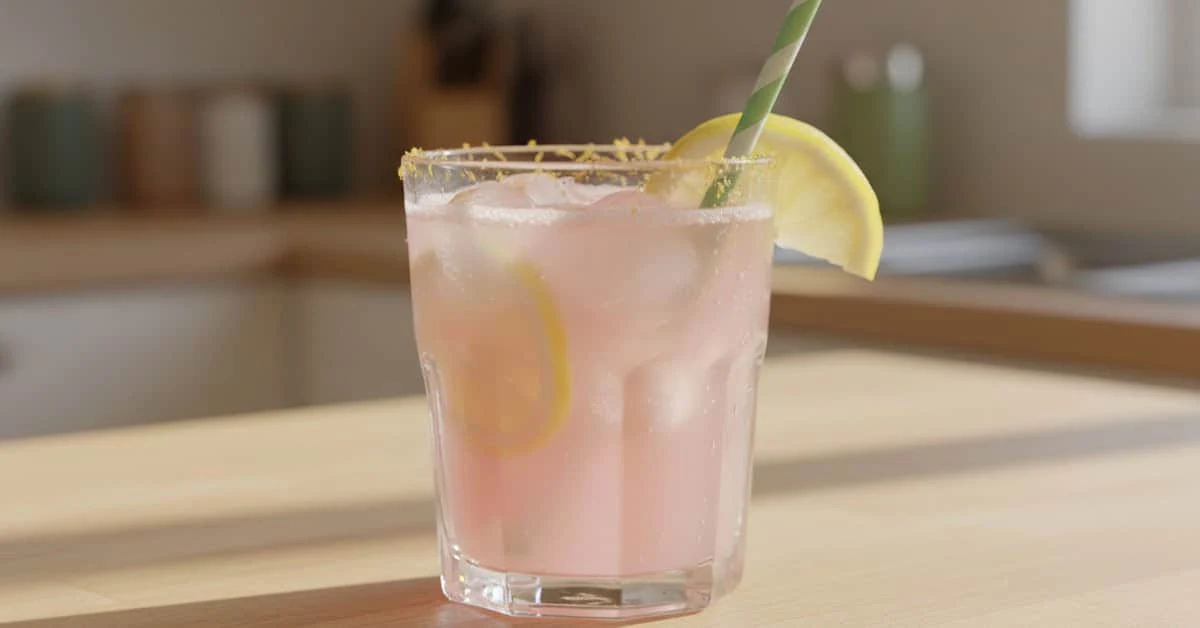
Pink lemonade with groselha syrup combines lemon juice, water and a sweet red syrup for a colourful, refreshing drink. Adjust the syrup and optional sugar syrup to taste, add sparkling water just before serving if desired, and keep the plain lemonade base refrigerated for up to 48 hours.
Pink lemonade with groselha syrup brings a splash of colour to the table. This Brazilian-style drink is easy to prepare, with a balance of citrus and sweetness that you can adjust to your taste. Here are the ingredients, method and serving ideas.
Ingredients for pink lemonade with groselha syrup
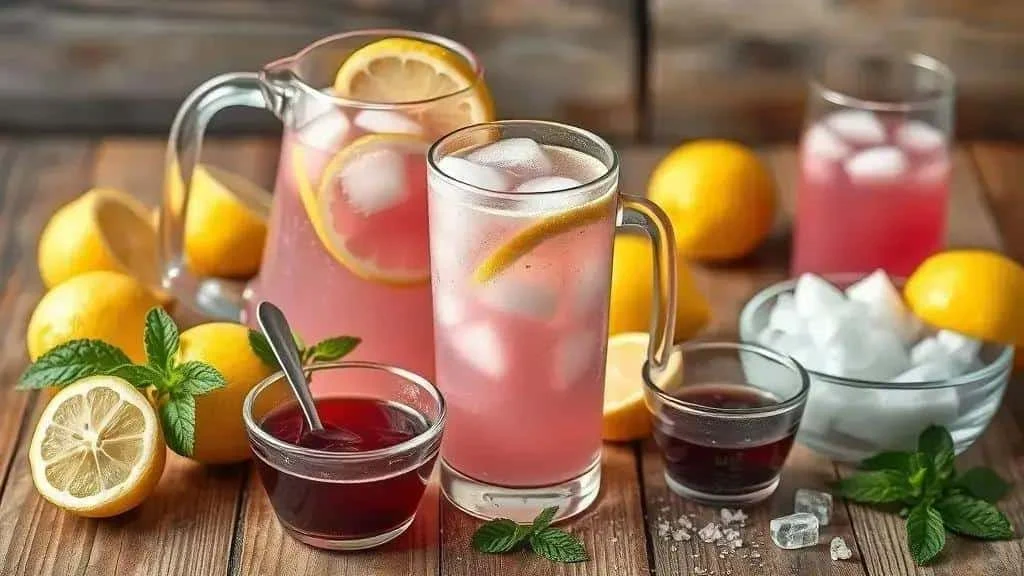
Gather the ingredients below for pink lemonade with groselha syrup. Brazilian groselha is a sweet red drinks syrup; check the label, as it is not necessarily equivalent to a British blackcurrant cordial.
Ingredients
- 240 ml lemon juice, from about 6 large lemons — fruit yields vary, so measure the juice. Bottled lemon juice can be used if necessary; its flavour may differ.
- 1 litre cold water, plus 120 ml for the optional sugar syrup — replace part of the litre with sparkling water for a fizzy version.
- Up to 120 ml groselha syrup, to taste — start with less if concentrated. Raspberry or strawberry syrup is an alternative; begin with about 80 ml and adjust.
- Up to 150 g sugar, for optional sugar syrup — groselha already contains sugar, so you may need little or none. A suitable sweetener can be used according to its label, but this does not make ordinary groselha sugar-free.
- Ice cubes, as needed — about a cup for the jug, or add to individual glasses.
- Lemon slices and mint leaves — for garnish. Sliced strawberries are another option.
- Optional: 120 ml sparkling water or sparkling wine — use in place of part of the litre of water. Wine makes this an alcoholic variation; keep it clearly separate from the family jug.
How to make pink lemonade with groselha syrup
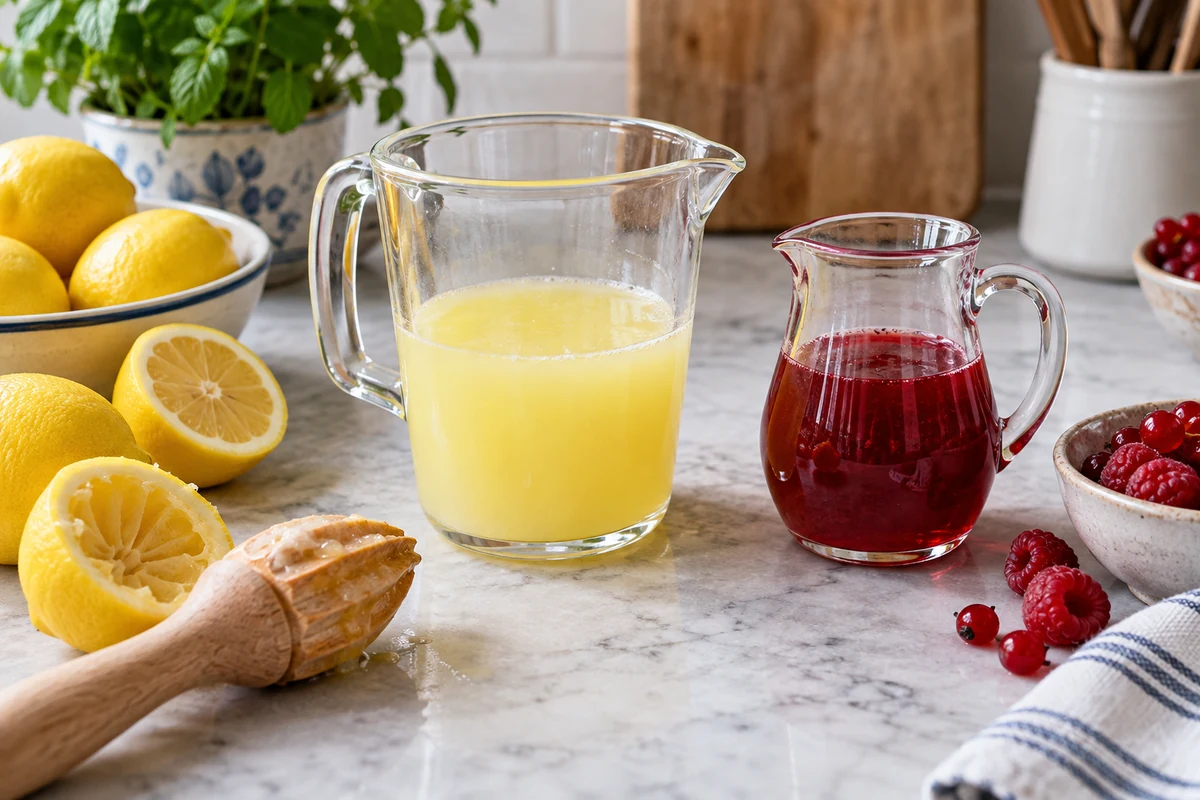
Follow these steps to make pink lemonade with groselha syrup, adding sweetness gradually.
- Squeeze the lemons: wash, halve and squeeze enough lemons to obtain 240 ml juice. Strain out the pips and coarse pulp.
- Make optional sugar syrup: gently heat 150 g sugar with 120 ml water, stirring until dissolved. Remove from the heat and cool. This makes a supply to add to taste, not an amount you must use in full. Honey or agave tastes different and is not an equal-volume replacement; add a little at a time instead.
- Start the base: pour the strained lemon juice into a large jug. Reserve the cooled sugar syrup until after adding the groselha and water so you can judge the sweetness.
- Add the groselha: stir in a little syrup, working towards 120 ml if needed. Syrup concentration varies; do not increase it just for colour without checking the flavour.
- Dilute: add 1 litre cold water and stir. For a fizzy version, hold back 250–500 ml of this water and add that quantity as sparkling water when serving.
- Taste and adjust: add the cooled sugar syrup a little at a time if needed. Extra lemon increases tartness; extra water dilutes both acidity and sweetness.
- Add ice: add roughly a cup of ice to the jug, or put ice in individual glasses to avoid diluting the whole batch too soon.
- Garnish and serve: finish with thin lemon slices and mint. Sliced strawberries add another fruity note.
- Store: keep the ungarnished still lemonade covered at 5°C or below for up to 48 hours from preparation. Stir before serving. Add fresh fruit and sparkling water only to the amount being served.
Quick tips
- Avoid bitterness: squeeze the juice without crushing the pith, peel or pips. There is no need to peel lemons before ordinary hand-juicing.
- Adjust the colour: a little cranberry juice can deepen the pink, but also changes the flavour and may add sugar.
- Reduce added sugar: omit the sugar syrup first. If using a sweetener, follow the product instructions and check the sugar content of the groselha as well.
Pink lemonade variations: sparkling, fruit and sweetener options
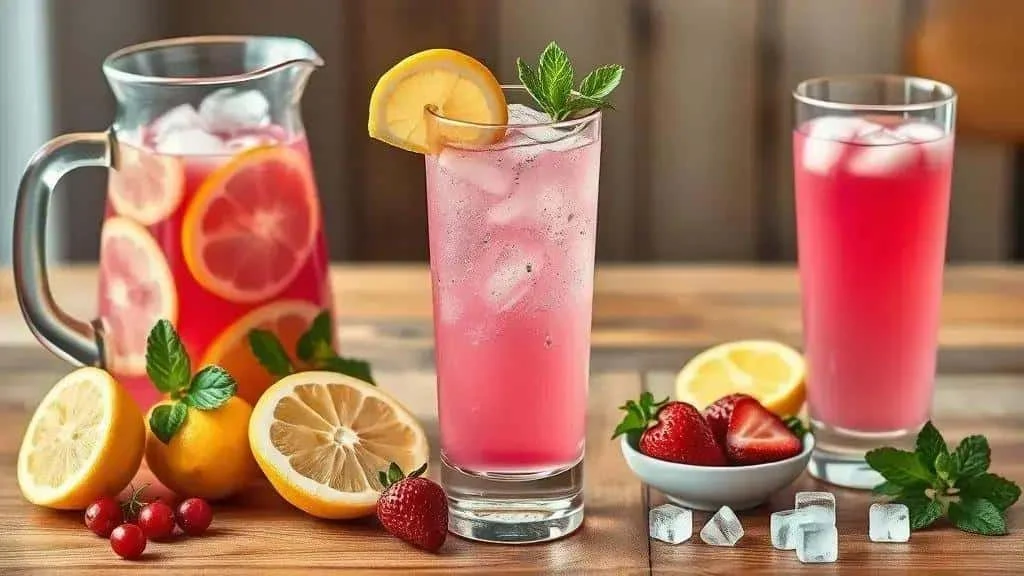
Try these variations on pink lemonade with groselha syrup. The standard recipe is already alcohol-free unless you add sparkling wine.
Sparkling alcohol-free version
- 240 ml freshly squeezed, strained lemon juice
- 1 litre chilled water in total — use 300–500 ml sparkling and the remainder still.
- Up to 120 ml groselha syrup — add to taste.
- Optional syrup made with 150 g sugar and 120 ml water — cool and use only as much as needed, or use a suitable sweetener according to its label.
- Ice, lemon slices and mint — to serve.
- Combine the base: mix the lemon juice, groselha and still-water portion, then sweeten gradually if needed.
- Chill: refrigerate the mixed base until ready to serve.
- Add the bubbles: add the reserved sparkling-water portion at serving time, rather than an extra amount on top of the full litre.
- Serve cold: add ice and garnish with lemon and mint.
Version without added sugar syrup
- 240 ml strained lemon juice
- 1 litre chilled water — some can be sparkling.
- Sugar-free red fruit syrup, to taste, up to 120 ml depending on concentration — follow its dilution guidance rather than treating every product as identical.
- Optional sweetener, to taste — use the manufacturer’s dosage. Stevia drops, erythritol and blended products are not interchangeable by volume.
- Ice and mint, optional
- Mix the base: combine the lemon juice with the chosen syrup.
- Adjust sweetness: add a suitable sweetener only if needed, dissolving it fully. Lemon juice still contains naturally occurring sugars, so this is not a verified sugar-free nutrition claim.
- Dilute and serve: add the chilled water, stir and serve over ice.
Fruit and herb version, without alcohol
- 120 g sliced strawberries — optional, for colour and flavour.
- 6–8 mint or basil leaves
- 240 ml lemon juice and 1 litre cold water.
- Groselha syrup, to taste — using less reduces the sugar contributed by a sweetened syrup.
- Optional sweetener, to taste — check the dosage instructions.
- Lightly muddle: gently crush the strawberries and herbs in a bowl to release some juice.
- Add the citrus: stir the strained lemon juice and a little groselha into the fruit.
- Dilute and taste: add chilled water and adjust the sweetness if needed.
- Strain if preferred: strain for a smoother drink, or serve with fruit pieces. Prepare this version close to serving and refrigerate leftovers promptly, using within 24 hours.
Quick tip: cranberry juice can deepen the colour, but unsweetened juice still has naturally occurring sugars. Dissolve a granular sweetener as its instructions recommend before mixing.
What is groselha syrup, and what can replace it?
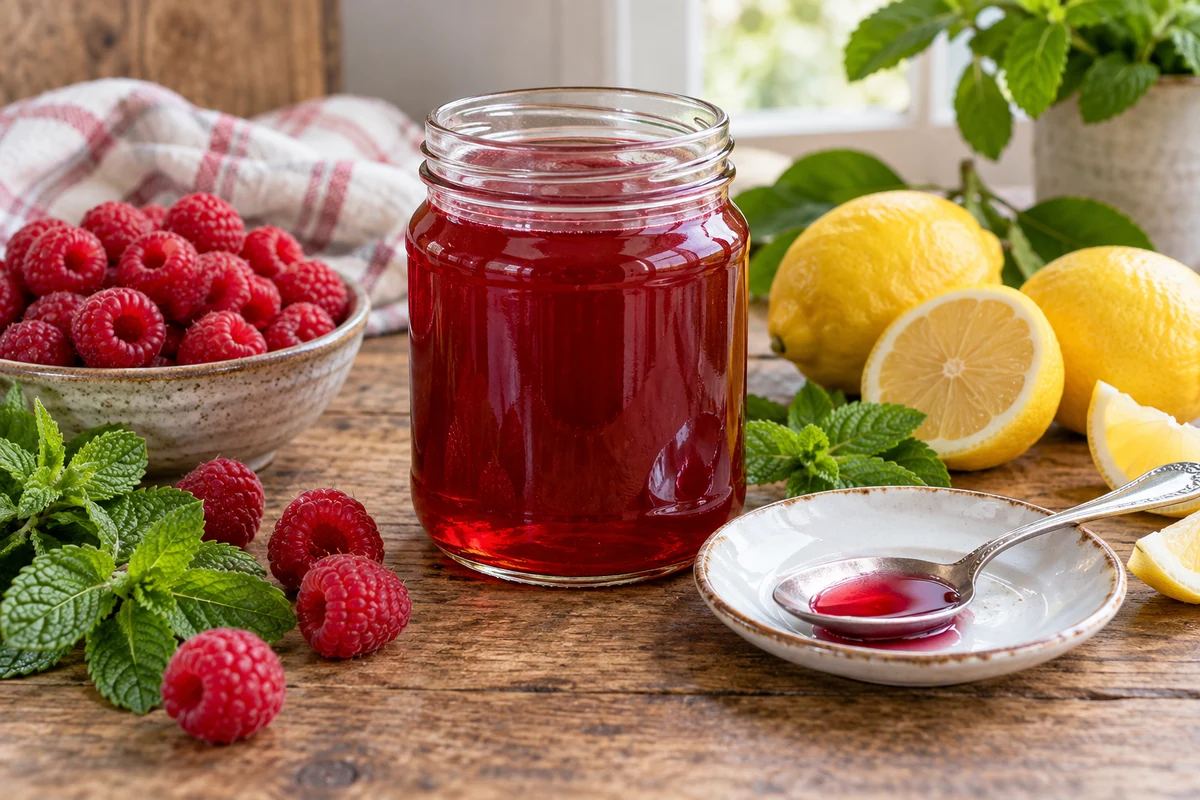
In this recipe, groselha means the concentrated red drinks syrup used in Brazil. Its ingredients, flavour and colour vary by product, so check the label rather than assuming it is pure redcurrant or blackcurrant juice.
Understanding the syrup
- Ingredients: products may contain fruit ingredients, flavourings, colours and sweeteners in different combinations. A homemade berry syrup will have its own flavour and consistency.
- Colour: a small amount can turn lemonade pink; the shade depends on the syrup’s concentration.
- Flavour: some syrups are tart and fruity, while others are mainly sweet. Taste the diluted drink before adding sugar.
Choosing a syrup
- Homemade berry syrup: lets you choose the fruit and sugar, although changing the recipe also changes its flavour and keeping qualities.
- Shop-bought groselha: is convenient and consistent. Check its ingredients, dilution instructions and sugar content.
- Sugar-free syrups: may contain sweeteners with a different aftertaste. Choose according to your preferences and any dietary requirements, without assuming a medical benefit.
- Labels: use the ingredient list to choose the fruit content, colours and flavourings you prefer.
Possible substitutes
- Raspberry or strawberry syrup: gives a pink colour. Start with less than the groselha quantity and adjust for concentration and sweetness.
- Cranberry juice or concentrate: adds colour and tartness. Ordinary juice and concentrate require different quantities; neither is an automatic equal-volume syrup replacement.
- Grenadine: is another red syrup option. Check the fruit ingredients on the label and adjust gradually to taste.
- Homemade berry syrup: can be used for colour and flavour, with the amount adjusted to its sweetness and thickness.
A simple homemade berry syrup
- 200 g berries — strawberries, raspberries or redcurrants.
- 200 g sugar — a sweetener version would need separate adjustment; do not assume the same texture or storage life.
- 120 ml water
- Method: simmer the ingredients gently for 10–15 minutes, crushing the fruit. Strain, cool promptly and refrigerate in a clean, covered container within two hours.
Storage and use
- Homemade syrup: keep at 5°C or below and use within 48 hours, or freeze promptly in small portions. This quick recipe has not been validated for weeks of storage; follow the label for commercial syrup.
- Quantity: add gradually to the lemonade. The main recipe allows up to 120 ml groselha with a litre of water and 240 ml lemon juice, but a homemade syrup may need a different amount.
- Colour adjustments: a little cranberry juice deepens the colour while also changing tartness and flavour.
Serving, garnishes and food pairings
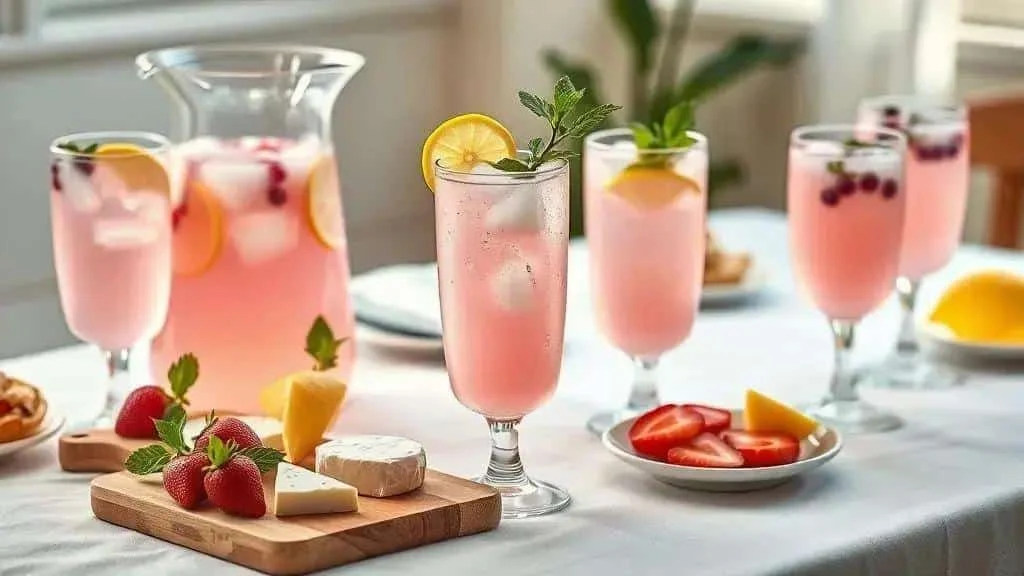
Serve pink lemonade with groselha syrup well chilled. Leave the jug in the fridge until serving, then add ice to the glasses rather than letting it melt in the whole batch.
Glasses and presentation
- Tall 300–400 ml glasses: leave room for ice and lemon slices as well as the drink.
- Short glasses or stemmed glasses: suit a smaller sparkling serving.
- Decorative rim: moisten with lemon and dip lightly in caster sugar, with a little finely grated washed lemon zest if desired.
- Ice: use larger cubes for slower dilution, or clean reusable chilling accessories designed for drinks.
Garnishes
- Thin lemon slices: add citrus aroma and a finishing touch.
- Mint leaves: one or two per glass gives a fresh aroma.
- Sliced strawberries or whole raspberries: complement the pink colour.
- Reusable straws: choose clean, food-safe straws appropriate for your guests; avoid rigid straws for small children.
Setting up the table
- Central jug: place the jug on a stable tray with glasses nearby, serving small chilled batches.
- Clear labels: identify sparkling, sweetener-based and alcoholic variations accurately so guests can choose.
- Chilled glasses: refrigerate suitable glasses briefly before serving.
Food pairings
- Savoury snacks: Brazilian coxinhas, small sandwiches and other savoury bites contrast with the citrus.
- Mild cheeses: fresh ricotta or goat’s cheese and dried fruit make a sharing option.
- Grilled dishes: herb-seasoned chicken or fish works well with lemon flavours.
- Citrus or berry desserts: try lemon tart or berry cheesecake for matching fruit notes.
Party tips
- Prepare the components: refrigerate the lemon juice and cooled sugar syrup separately from the groselha if you want to adjust each batch when serving.
- Portions: measure the finished volume to plan servings. One litre gives four 250 ml portions before ice; this recipe makes more than a litre because it also includes juice and syrup.
- Offer a choice: prepare still, sparkling or sweetener-based versions, clearly labelled.
- Accessories: trays and colourful napkins complete the table without crowding the glasses.
Making lemonade ahead for a party
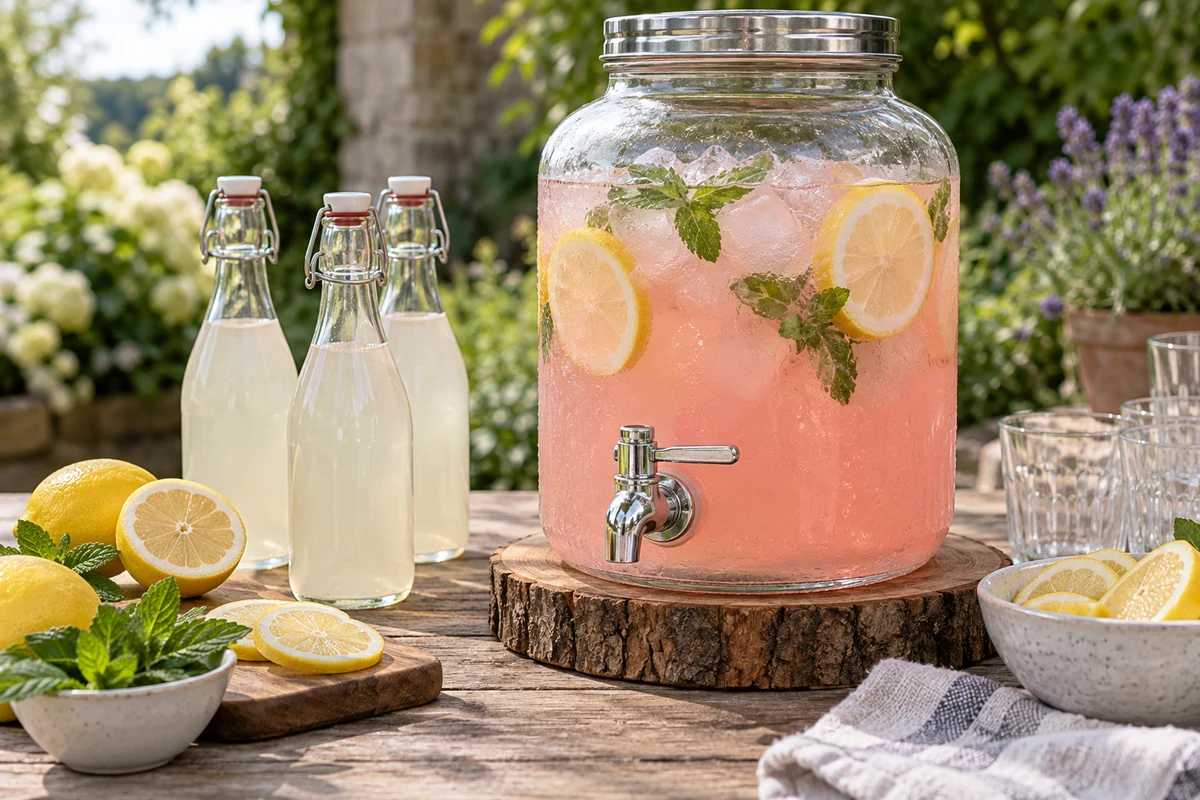
Preparing the components ahead reduces last-minute work. Keep the base, syrups and garnishes covered and refrigerated, and assemble only what you need.
Keeping the lemonade and syrups
- Plain base, without fruit garnishes: keep covered at 5°C or below and use within 48 hours from preparation.
- Homemade sugar syrup: cool promptly, cover and refrigerate at 5°C or below. Use within 48 hours for this batch or freeze small portions; a clean jar alone does not establish a longer safe shelf life.
- Groselha or berry syrup: follow the storage instructions on commercial products. Use the homemade berry syrup within 48 hours refrigerated, or freeze it promptly.
- Sparkling version: keep sparkling water or wine separate and add at serving time.
- Avoid dilution: keep ice separate, adding it to individual glasses.
Make-ahead steps
- Prepare the sugar syrup: dissolve sugar in water, cool promptly and store covered in the fridge.
- Squeeze and strain: put the lemon juice in a clean, covered container and refrigerate.
- Keep syrup ready: store the groselha as its label directs, or freeze portions of homemade berry syrup if not using soon.
- Mix a concentrate if useful: combine the lemon juice with a measured amount of syrup, omitting the final water. Label the intended dilution so the finished drink stays balanced.
- Prepare garnishes: wash and slice lemons, rinse mint and keep them covered in the fridge. Prepare close to serving for the best appearance.
- Chill the glasses: use the fridge. Do not put ordinary glasses or filled bottles into the freezer unless designed for it.
- Label each batch: note its preparation time and whether it is still, sparkling, sweetener-based or contains wine.
During the party
- Assemble small batches: keep spare base and syrups refrigerated and bring out only what is needed, adding sparkling water at the last moment.
- Use a jug or dispenser: choose a clean, food-safe vessel that is easy to pour from. Keep ice separate.
- Offer options: label the variations clearly and keep any alcoholic version separate.
- Garnish simply: put small quantities of lemon slices and mint near the drinks, replenishing from the fridge.
Portions and scaling
- Yield: one litre gives four 250 ml liquid servings or five 200 ml servings. Ice occupies glass space but does not increase the amount of lemonade; measure this recipe’s finished volume before planning portions.
- Scaling: multiply the ingredients proportionally, then adjust sweetness gradually. For a large gathering, a measured concentrate can be diluted in serving batches.
Common pink lemonade problems and how to avoid them
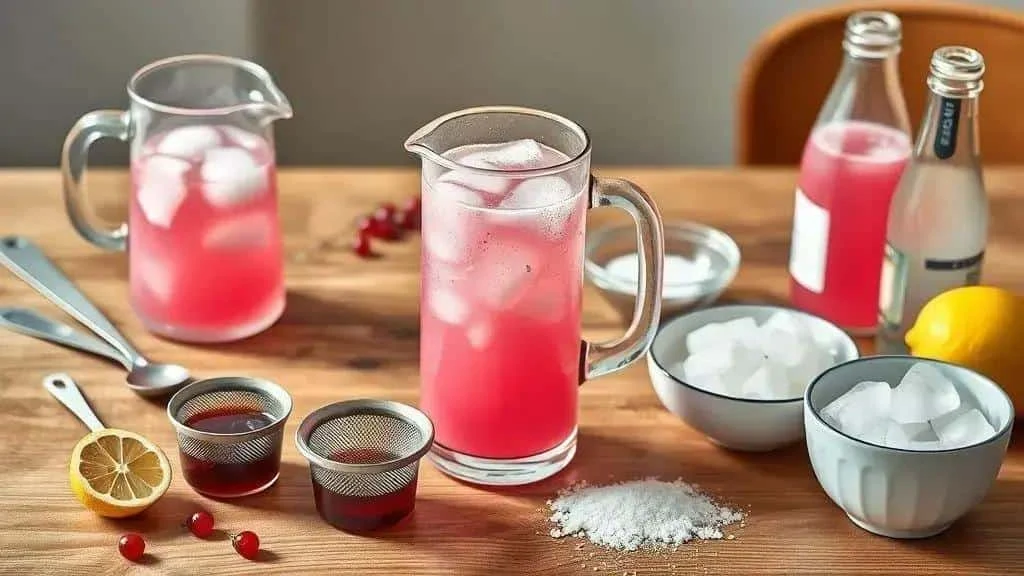
- Problem: watery lemonade — the flavour and colour are weak.
Prevention: measure the juice, syrup and water, and leave ice out until serving. Dilute concentrate gradually. - Problem: too sweet — sweetness overwhelms the citrus.
Prevention: start with less groselha and no sugar syrup. Taste the diluted drink before sweetening further. - Problem: bitterness — crushed pith, peel or pips can add bitter flavours.
Prevention: juice gently without crushing the peel or seeds, then strain. Straining removes particles, not bitterness already dissolved in the juice. - Problem: pale colour — the pink is less intense than expected.
Prevention: choose a syrup whose flavour and colour you like. A little cranberry juice can deepen the shade, but taste before adding more syrup purely for colour. - Problem: bits or cloudiness — pulp, seeds or undissolved sugar are visible. Some cloudiness from fresh lemon juice is normal.
Prevention: strain the juice and dissolve the sugar fully in the separate syrup before cooling and mixing. - Problem: little fizz — the bubbles disappear before serving.
Prevention: add chilled sparkling water at the last moment and stir gently. - Problem: melting ice weakens the drink — the flavour fades as the jug stands.
Prevention: keep the base refrigerated and add larger ice cubes to individual glasses rather than the whole jug.
Adjusting a freshly made batch
- Too watery: add a little lemon juice or groselha depending on which flavour is missing. Mix and taste after small additions rather than adding several spoonfuls to every glass.
- Too sweet: extra lemon increases sharpness; water dilutes the sweetness. Either changes the balance, so add gradually.
- Bitter: strain out any remaining peel or seeds, then try diluting a small sample and adjusting sweetness. Strong dissolved bitterness may be better addressed by making a fresh base.
- Cloudy: strain if you prefer fewer particles, but natural juice is not always clear. These adjustments are for fresh, safely stored drinks, not a way to rescue spoiled lemonade.
Quick tips
- Measure: record the amounts that work with your chosen syrup so you can repeat the result.
- Test first: make a small glass before scaling up for a party.
- Keep components separate: this makes it easier to control colour and sweetness when mixing.
- Chill the base: use the fridge rather than melting large quantities of ice in the jug.
Ready to try pink lemonade with groselha syrup? It is a simple, colourful drink that you can adjust to suit the fruit and syrup you have.
Thank you for reading. Follow our social channels for more recipes and visit the I Love Christmas blog for festive ideas and practical guides.
Try a variation, share your photos with us and come back for more inspiration. Enjoy your lemonade!
Pink lemonade with groselha: frequently asked questions
How can I reduce sweetness without losing the pink colour?
Use less groselha and omit extra sugar syrup. A little cranberry juice can deepen the colour, although it also changes the flavour and contains natural sugars. Sweeten further only if needed.
What is the best way to store the lemonade?
Keep the still lemonade without fruit garnishes covered at 5°C or below for up to 48 hours from preparation. Add ice, fruit and sparkling water when serving. Use fruit-containing leftovers within 24 hours, kept refrigerated.
Can I use sugar-free groselha or a different syrup?
Yes. Use an appropriate sugar-free syrup, raspberry or strawberry syrup, grenadine or homemade berry syrup. Concentrations vary, so add gradually rather than assuming an exact one-for-one replacement.
How do I keep the sparkling version fizzy?
Chill the ingredients, add sparkling water only at serving time and stir gently. Keep the remaining sparkling water separate until needed.
What if the lemonade is bitter or watery?
For a watery drink, add a little lemon juice or syrup, tasting gradually. Strain out pith or seeds from a bitter batch, but straining cannot remove dissolved bitterness; a strongly bitter base may need replacing.