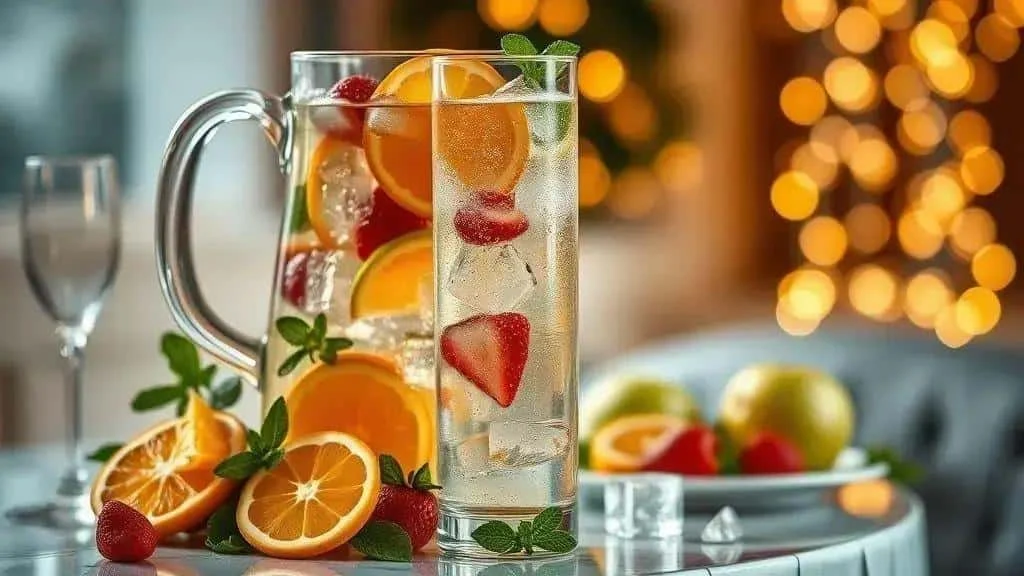
Sparkling wine clericot is a chilled fruit-and-wine punch that is easy to assemble for New Year’s Eve. Let firm fruit infuse briefly in juice, then add the sparkling wine just before serving to retain its bubbles. Adjust sweetness to taste, and replace every alcoholic ingredient when making the alcohol-free version.
Sparkling wine clericot combines chilled wine, colourful fruit and a citrus note for a New Year’s Eve gathering. This practical recipe includes variations, preparation tips and a separate fruit punch for guests who do not drink alcohol.
Ingredients for sparkling wine clericot with fruit
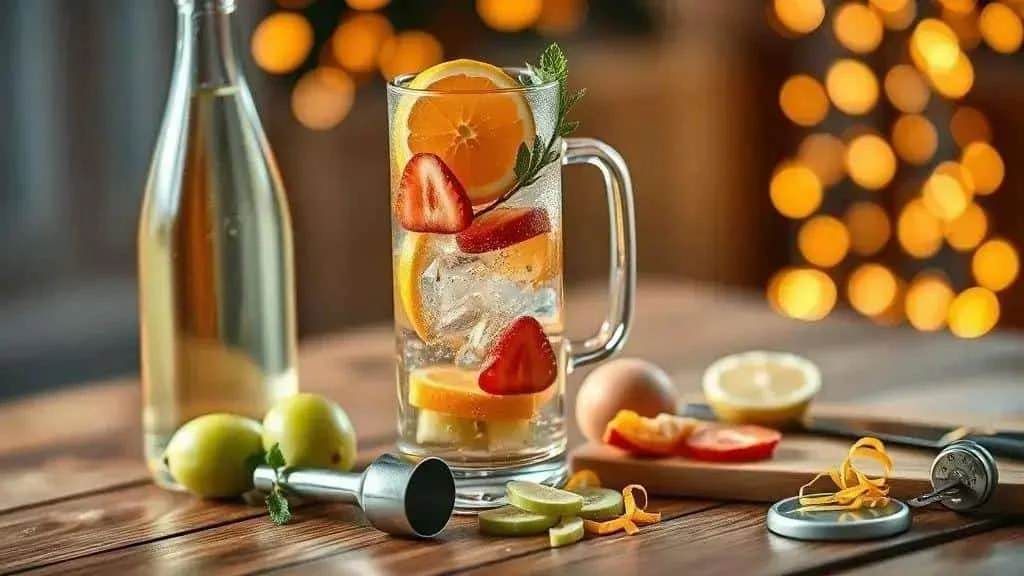
For this sparkling wine clericot, have the following ingredients ready and chilled:
- One 750 ml bottle of well-chilled brut sparkling wine — prosecco or cava are suitable options. Choose demi-sec if you prefer a sweeter result, reducing or omitting added sugar.
- 200–300 ml chilled dry white wine, optional — adds more wine flavour and alcohol. White grape juice can replace this addition, but the punch still contains alcohol from the sparkling wine.
- 200 ml orange juice — freshly squeezed and strained or a suitable bottled juice. Nectar is sweeter, so adjust the other sweetening.
- 50 ml orange liqueur, optional — such as Cointreau or triple sec. Omit it if you do not want the extra alcohol.
- 1–2 tbsp sugar or agave syrup, optional — add to taste, starting with less; it may be unnecessary with sweet wine or ripe fruit.
- Two oranges — thinly sliced or segmented, with pips removed.
- Two green or Fuji apples — diced or thinly sliced. Firm pears are an alternative.
- One cup of strawberries — washed, hulled and sliced. If using frozen berries, check that they are ready to eat; follow any cooking instructions and cool them before use.
- Two kiwifruit — peeled and sliced. Firm peach slices make a seasonal alternative.
- One cup of seedless grapes — halve for the adult punch. For a separate children’s version, cut grapes lengthways into quarters or smaller pieces appropriate to the child’s age.
- One lemon — thinly sliced; reserve a little zest if desired.
- Mint leaves, to taste — washed and gently dried.
- Ice cubes, as needed — use sparingly in the drink, or keep the serving jug cold in an ice bath.
Yield and quick tips
The base recipe contains about 950 ml liquid before optional wine, liqueur or melting ice, so it gives roughly 6–8 modest drinks. Fruit takes up considerable space: use a large punch bowl or split between jugs, leaving room to pour. Keep prepared fruit refrigerated.
How to make sparkling wine clericot
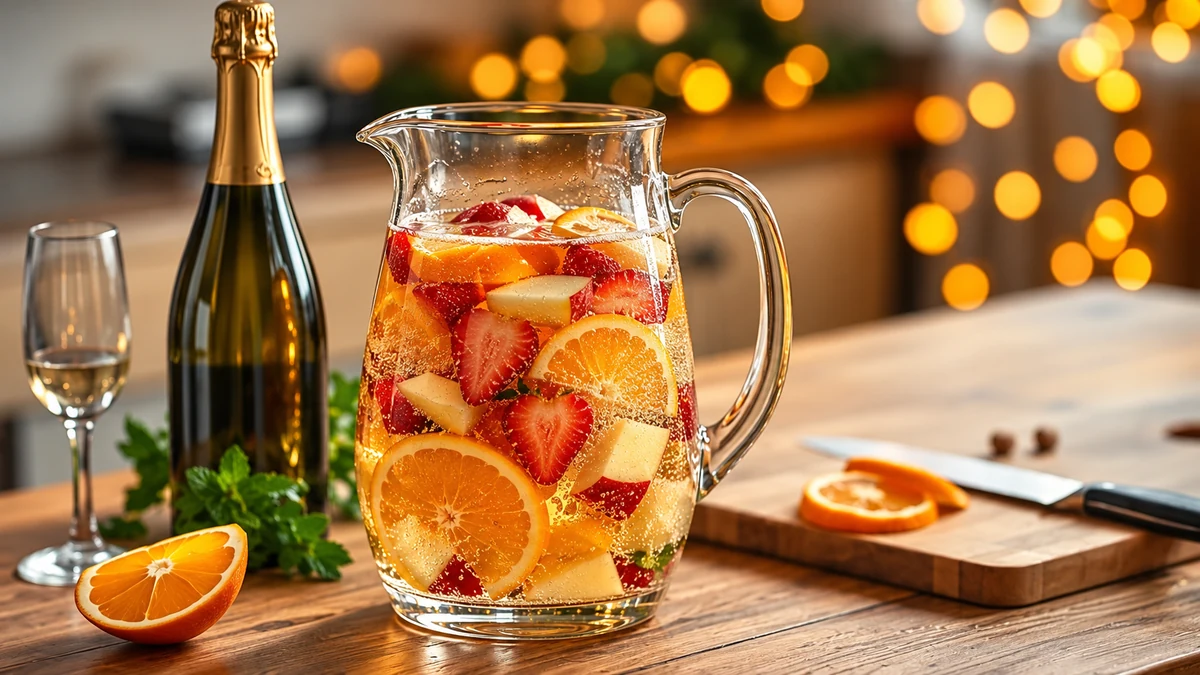
- Chill the ingredients and jug: refrigerate the bottle and a suitable serving jug for at least a couple of hours, or until thoroughly cold. Do not freeze a sealed sparkling-wine bottle.
- Prepare the fruit: wash and dry it, remove orange pips, dice or slice the apples and add a little lemon juice to slow browning. Hull and slice strawberries, peel and slice kiwi, and halve grapes for the adult drink.
- Let the fruit infuse: combine the cut fruit with 200 ml orange juice, optional sugar or syrup and the optional 50 ml orange liqueur. Stir gently and refrigerate for 15–30 minutes.
- Add ice thoughtfully: a little ice can help keep the drink cold, but it will dilute it as it melts. An external ice bath keeps the jug cool without adding water to the punch.
- Add the wine: pour in the optional 200–300 ml still white wine first, then slowly add the chilled sparkling wine down the side of the jug. Leave space for foaming and avoid vigorous stirring.
-
Mixing and adding aroma
Use a long spoon for one gentle lift from the bottom to distribute the juice and fruit. Add lightly bruised mint and a little lemon zest, avoiding the bitter white pith.
- Adjust the flavour: taste a small sample and add a teaspoon of syrup at a time if necessary. Replacing some wine with juice or sparkling water reduces the amount of alcohol added; merely topping up the original mixture with water does not remove its alcohol.
- Serve: use chilled glasses and a jug or ladle to distribute liquid and fruit evenly. Garnish with a thin orange slice, a strawberry slice or a small mint sprig.
- Plan ahead: prepare fruit up to four hours before serving and keep it covered in the fridge. Add sparkling wine at the last moment. The base recipe gives approximately 6–8 drinks, depending on their size and optional additions.
Clericot variations for different tastes
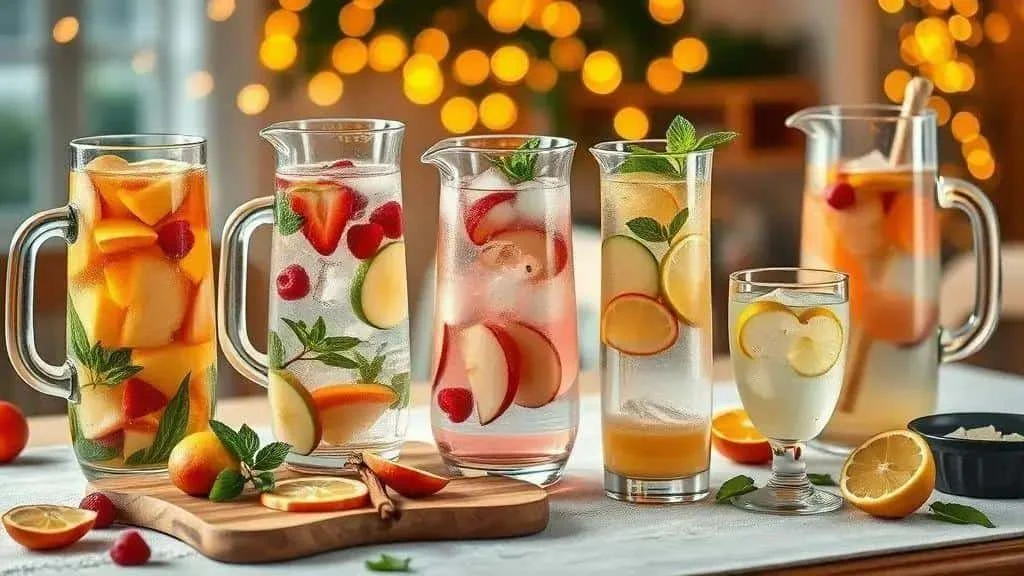
These clericot variations offer different fruit and wine combinations. A 1.5–2 litre jug may suit the smaller versions, but check the combined volume of fruit and liquid and split between containers rather than overfilling.
Tropical clericot
Pineapple, mango and mint provide a fruity variation. Keep it chilled, particularly when serving outdoors.
- One 750 ml bottle of brut sparkling wine
- 150 ml pineapple juice — mango juice is an alternative.
- One cup of pineapple chunks
- One ripe mango, diced
- One lime, thinly sliced
- Mint leaves, to taste
To use less alcohol, replace half the wine with chilled sparkling water. The result is still alcoholic; for an alcohol-free drink, replace all of it.
Rosé and berry clericot
Rosé and red berries make an attractive combination for a celebration table.
- One 750 ml bottle of sparkling rosé, such as rosé prosecco
- 200 g strawberries, sliced
- One cup of raspberries — if frozen, follow the packet’s preparation instructions before using them in a cold drink.
- 100 ml white grape juice, optional
- A little lemon zest, for aroma
A brut sparkling wine gives a drier starting point than a sweeter style; check the bottle rather than assuming every champagne or rosé has the same sweetness.
Alcohol-free fruit punch
Use this separate recipe for guests avoiding alcohol. For children, use plain sparkling water and juice, with age-appropriate fruit and no hard garnishes or ice cubes.
- One litre of well-chilled sparkling water
- 500 ml apple juice — adults may prefer a suitable alcohol-free sparkling alternative; check the actual alcohol content on the label if avoiding all traces matters.
- A mixture of apple, grape, strawberry and orange — prepared appropriately for the people drinking it
- Ice for adult servings, if wanted — use an ice bath around the jug for young children’s portions instead.
Add a thin lemon slice for a citrus note, removing pips and any garnish that is unsuitable for the guest.
Winter clericot with spices
This version is served cold, with warming spice aromas that suit a British winter celebration.
- One 750 ml bottle of sparkling wine or sparkling cider — ordinary cider is alcoholic.
- 200 ml apple juice
- One sliced apple and one diced pear
- One cinnamon stick and two culinary star anise pods — remove the whole spices before serving.
- One tablespoon of honey, optional — omit for a vegan version; never give honey to a baby under one year.
For an alcohol-free variation, replace the wine or cider with sparkling apple juice or another suitable alcohol-free drink. Infuse the spices in the still juice in the fridge, remove them, then add the sparkling ingredient just before serving.
Citrus clericot
A fragrant variation with orange, lemon and lime.
- One 750 ml bottle of brut sparkling wine
- 200 ml orange juice
- Thin slices of lemon and lime
- A few thin strips of orange zest — add to taste, avoiding the white pith; a large volume of zest can overwhelm the drink.
- Basil or mint leaves, to finish
Grapefruit juice gives a more bitter variation. Keep the orange version available for guests who avoid grapefruit, including those whose medication instructions advise against it.
Clericot with orange liqueur
An adult-only variation with an extra orange aroma; the liqueur increases its alcohol content.
- One 750 ml bottle of brut sparkling wine
- 50 ml orange liqueur, such as Cointreau or triple sec — optional
- 200 ml orange juice
- Orange, apple and grapes
Omit the liqueur or replace it with an extra 50 ml orange juice if preferred. This removes that addition’s alcohol, not the alcohol in the sparkling wine.
For every version: keep fruit chilled, add the sparkling ingredient just before serving and stir gently. Taste before adding sugar, and cut fruit into pieces that are easy to serve.
Choosing fruit, cuts and flavour combinations
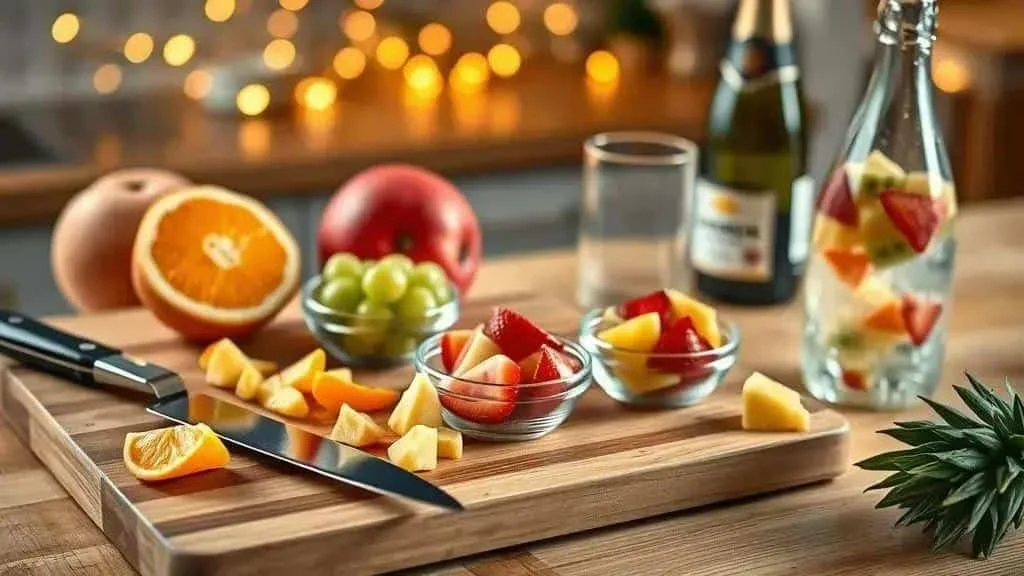
Choose ripe but firm fruit, wash it well and discard damaged or mouldy pieces. Very soft fruit can break down in the jug, affecting both texture and appearance.
Useful ways to cut the fruit
- Orange: thin rounds or half-moons release aroma and are easy to distribute.
- Apple: small cubes or thin slices; a little lemon juice helps slow browning.
- Strawberries: remove the stalks and cut into slices or quarters.
- Kiwi: peel, then cut into rounds or half-moons.
- Pineapple: remove the tough skin and core, then cut into manageable chunks.
- Grapes: halve seedless grapes for adult drinks. Quarter lengthways or cut smaller for young children in the separate alcohol-free version.
- Peach or nectarine: use firm slices, removing the stone.
Flavour combinations to try
- Citrus and berries: orange, lemon and strawberry bring contrasting colours and flavours.
- Apple and a little cinnamon: a fragrant choice for a winter gathering.
- Tropical fruit: pineapple, mango and kiwi create a sweeter, fruit-forward mixture.
- Rosé and berries: strawberry, raspberry and grape complement a sparkling rosé.
- Alcohol-free: apple, grape and orange with sparkling water and apple juice provide a separate fruit punch without wine or liqueur.
Preparation tips
- A short infusion: refrigerate fruit with juice for 15–30 minutes to develop flavour without letting it become overly soft.
- Control dilution: chill the ingredients first and use an ice bath around the jug if you want to avoid adding melting ice to the drink.
- Sparkling wine last: open and add it just before serving.
- Manageable pieces: fruit should fit the ladle and glass, without obstructing the jug’s spout.
- Simple substitutions: use prosecco or cava for the sparkling wine, or grape juice for the optional still wine. A fully alcohol-free punch must replace every alcoholic ingredient.
- Allergies and preferences: tell guests which fruits and other ingredients are present. Check wine and liqueur labels, including sulphites, and keep suitable alternatives separate.
- Finishing touches: a little mint or citrus zest adds aroma without crowding the glass.
- Storage before serving: prepare cut fruit up to four hours ahead for good texture, keep it covered and refrigerated, and add sparkling wine only at service.
Assembling and serving clericot on New Year’s Eve
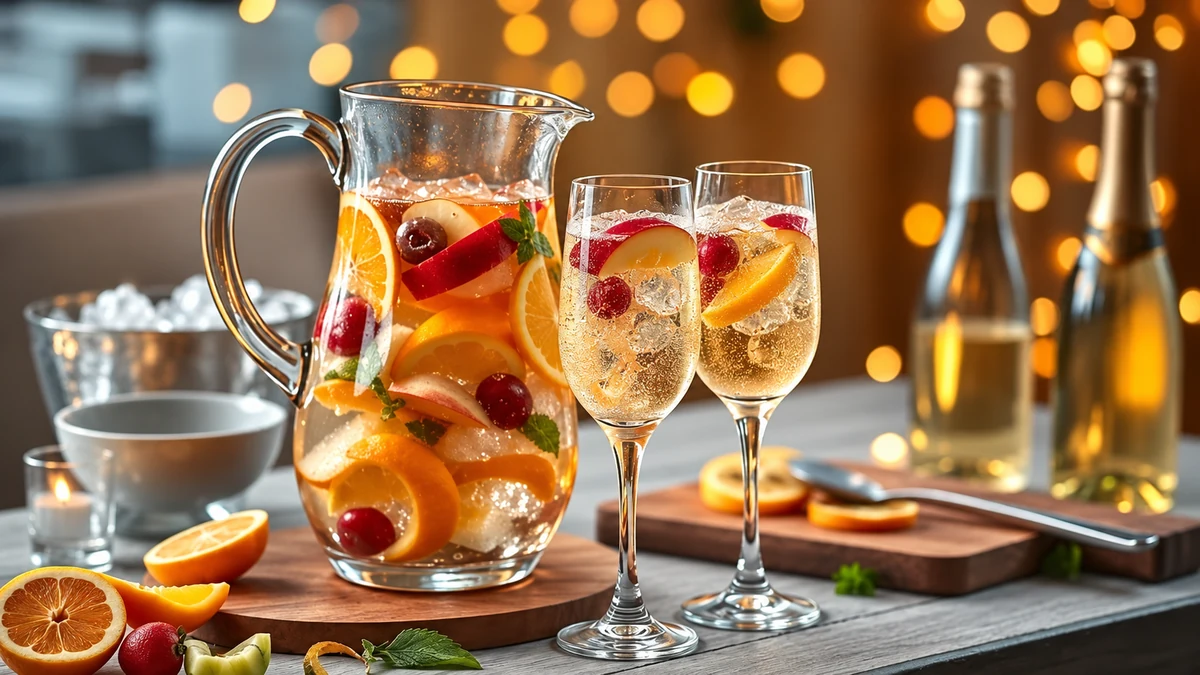
Keep the ingredients cold and arrange the serving area in advance. A chilled jug and clean glasses make it easier to serve clericot promptly after adding the wine.
A practical serving sequence
- Chill the jug and glasses: refrigerate suitable glassware for an hour or two before use, without exposing it to sudden temperature changes.
- Prepare the fruit: keep cut pieces in covered containers in the fridge; lightly coat apple slices with lemon juice if desired.
- Infuse in the juice: combine the fruit with the recipe’s orange juice and optional sweetener, then refrigerate for 15–30 minutes.
- Choose how to keep it cold: use a small amount of ice in the jug or place the jug in an ice bath. Leave room for fruit, liquid and foaming rather than filling a fixed fraction with ice.
- Add the sparkling wine: pour it slowly down the inside of the jug at the last moment.
- Mix gently: one or two slow lifts with a long spoon are enough to distribute the ingredients.
- Distribute evenly: use a ladle or pour carefully so that each glass receives a little fruit as well as liquid.
- Garnish simply: finish with mint or a thin piece of orange or strawberry.
- Prepare fresh batches as needed: keep reserve ingredients refrigerated. Use a clean jug and fresh chilled fruit rather than repeatedly topping up a warm batch throughout the evening.
Service and planning tips
- Keep it chilled: store cut fruit and the prepared base at 5°C or below and serve promptly. The ideal drinking temperature is a matter of preference, not a substitute for safe storage.
- Glasses: a tulip-shaped or small wine glass leaves room for fruit. A narrow flute works better with strained liquid or a very small garnish.
- Measure portions: a 750 ml bottle alone gives six 125 ml measures, or five 150 ml measures. Added juice increases the finished punch volume. A 750 ml bottle at 12% ABV contains nine UK units before any optional wine or liqueur; fruit and ice do not remove that alcohol.
- Individual assembly: divide a little fruit and juice between glasses, then add a measured amount of sparkling wine immediately before serving.
- Clear alternatives: label alcohol-free and allergen-specific versions and use separate serving utensils to prevent mix-ups.
- The serving table: place the jug securely in a suitable ice bucket or tray and keep glasses within easy reach. Leave enough light to see labels and pour safely.
Storage, preparation and keeping the bubbles
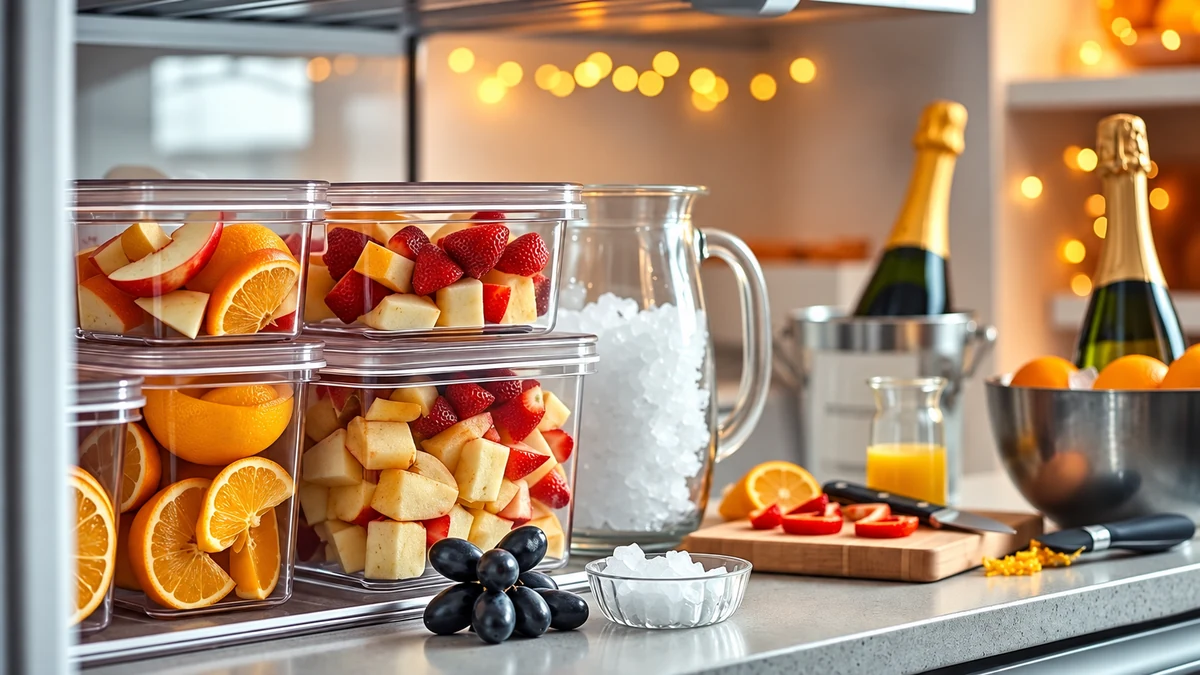
Fresh-tasting clericot depends on simple preparation and refrigeration. Keep the fruit separate from the sparkling wine until you are ready to serve.
How to store the ingredients
- Whole fruit: store each variety appropriately, checking ripeness and condition. Refrigerate berries and grapes and follow any packaging instructions.
- Cut fruit: prepare up to four hours ahead for this party recipe and store covered in the fridge. This is a preparation plan for texture, not a universal expiry time for all fruit.
- Fruit mixed with juice: keep refrigerated and preferably assemble the drink within two to three hours for good texture. Softer fruit can break down sooner.
- Wine bottles: keep them chilled in the fridge or a suitable ice bucket. Do not put a sealed sparkling-wine bottle in the freezer; freezing can create a pressure and breakage hazard.
- Frozen fruit: suitable washed fruit can be frozen for an adult drink, but it softens on thawing and is not a substitute for refrigeration. Check bought frozen berries for cooking instructions. Avoid hard frozen fruit in young children’s drinks.
A simple preparation timetable
- Up to four hours before: wash, cut and refrigerate the fruit in covered containers. Add a little lemon juice to apples if wanted.
- Fifteen to thirty minutes before: let fruit infuse with juice and optional sweetener in the fridge.
- At serving time: add the sparkling wine slowly, stir gently and serve the batch while it is fresh and bubbly.
Preserving bubbles and avoiding excess dilution
- Chill everything first: cold ingredients and suitable chilled glassware reduce the need for ice in the drink.
- Use ice deliberately: keep the jug in an external ice bath or add a modest amount to adult portions, allowing for dilution.
- Add sparkling wine last: assemble the still base in advance, then pour in the bubbly ingredient immediately before service.
- Avoid vigorous stirring: rough mixing releases carbon dioxide and makes the drink go flat sooner.
- Refresh the batch carefully: start a new chilled batch when needed instead of continuously topping up fruit that has stood out. Use a clean jug and keep track of the ingredients and measures.
A quick checklist
- Washed, cut fruit in covered containers in the fridge, prepared up to four hours ahead.
- Sparkling wine chilled and ready to open when needed.
- Fruit cut to fit the serving utensils, with different preparation for children’s alcohol-free portions.
- A plan for keeping the jug cold, preferably an ice bath around it.
- Clean glasses, measured ingredients and a separately labelled alcohol-free option.
Remember: softer fruit may need later preparation. Keep perishable ingredients chilled, minimise time out of the fridge and do not treat wine as a preservative for cut fruit.
Final thoughts
Sparkling wine clericot brings colour and fruit flavour to a New Year’s Eve table. Preparing the base ahead and adding the wine at the end keeps service straightforward. Offer a separate alcohol-free version so guests can choose what suits them.
Thank you for reading. We hope these preparation and serving ideas help you organise an enjoyable celebration.
Follow us for more recipes and party ideas, and visit the I Love Christmas blog for further seasonal inspiration.
FAQ — Sparkling Wine Clericot for New Year’s Eve
How do I make clericot without alcohol?
Replace all sparkling wine, still wine and liqueur. The separate recipe uses sparkling water, apple juice and fruit. Replacing only half the wine does not make a drink alcohol-free. Check the actual alcohol content of commercial alternatives if avoiding traces matters.
How far ahead can I cut the fruit?
For this recipe, prepare it up to four hours ahead and keep it covered in the fridge. Let it infuse with juice for 15–30 minutes before serving, keeping it refrigerated, and add sparkling wine at the end.
How do I stop the drink becoming watery?
Chill the ingredients and glassware first, use an ice bath around the jug or add ice sparingly, and mix only when ready to serve. Frozen fruit softens as it thaws and may release juice, so it is not always the best solution.
How many drinks does one 750 ml bottle provide?
The wine alone provides six 125 ml measures or five 150 ml measures. With the base recipe’s 200 ml juice, it makes roughly 6–8 modest drinks, depending on serving size. Optional wine or liqueur changes both volume and alcohol content.
Which fruits work best?
Choose ripe but firm orange, apple, grape, strawberry, kiwi or pineapple. Very soft fruit, including overripe banana, can break down and make the drink cloudy. Prepare all fruit hygienically and cut it appropriately for the guests.
Sources and Further Reading
- Blackpool Teaching Hospitals NHS — alcohol units
- Food Standards Agency — chilling, freezing and defrosting food
- Food Standards Agency — choking hazards
- Collingwood Surgery NHS — grapefruit and medicines