
Salmon carpaccio with sweet potato combines thin slices of raw salmon, cooled roasted sweet potato, citrus dressing, dill and capers. Buy fish specifically supplied for raw consumption with appropriate handling and parasite controls confirmed. Fully cooked salmon provides an alternative for guests who should avoid raw fish or whenever suitability is uncertain.
Salmon carpaccio with sweet potato makes a colourful New Year’s Eve starter. The contrasting textures and citrus dressing are simple to assemble, but raw fish needs particular care. Read the fish-selection guidance before buying, and choose the cooked variation if necessary.
Ingredients for salmon carpaccio with sweet potato

For four starter portions of salmon carpaccio with sweet potato, gather the following ingredients.
- 400 g skinless, boneless salmon specifically supplied for eating raw — ask the supplier to confirm appropriate parasite controls, handling and storage. Do not assume any fresh fillet, trout or sea bass is suitable. Alternatively, use thoroughly cooked salmon, cooled promptly before assembly.
- About 500 g sweet potatoes — approximately two medium potatoes, sliced and roasted. Cooked ordinary potato or roasted beetroot offers a different variation.
- 3 tablespoons extra virgin olive oil, plus a little for roasting — avocado oil is an alternative for the dressing.
- About 2 tablespoons fresh lime juice — measure the juice, as fruit yields vary. Lemon also works. The juice seasons the fish; it does not make raw fish safe.
- Finely grated zest of ½ lime or lemon.
- Sea salt, to taste — start with a pinch, as capers and optional sauces already add salt.
- ¼ teaspoon freshly ground black pepper — or to taste.
- 2 tablespoons drained capers — finely chopped gherkins or sliced green olives are alternatives.
- ½ small red onion, very thinly sliced — optional.
- About 50 g rocket or suitable salad leaves — wash or prepare according to the packet instructions.
- 1 tablespoon chopped fresh dill — chives are an alternative; use less if substituting dried dill.
- 2 tablespoons toasted pine nuts or chopped nuts — optional; cool before adding and check guests’ allergies.
- Optional: 2 tablespoons soured cream or thick plain yoghurt — for serving alongside.
Choosing the salmon
The words sashimi-grade alone are not enough to establish suitability. Confirm the supplier’s controls for raw use. Do not rely on the original’s home-freezer instruction of seven days at −18°C as a safety guarantee. If suitability is uncertain, cook the fish thoroughly. Raw fish is not appropriate for pregnant guests or those advised to avoid it because of reduced immunity.
How to prepare salmon carpaccio with sweet potato

- Slice the suitable salmon: keep it chilled, check for skin and bones and cut thin slices, approximately 2 mm, with a sharp knife on a clean board. Keep fingers clear of the blade. For the cooked variation, use small flakes or slices of thoroughly cooked, promptly cooled salmon instead.
- Roast the sweet potato: wash and slice about 500 g sweet potato into 3–4 mm rounds. Brush lightly with oil and roast at 200°C conventional/180°C fan, checking from 12–18 minutes until tender. Cool promptly and refrigerate; do not place raw salmon on warm potato.
- Mix the citrus dressing: whisk three tablespoons olive oil with two tablespoons lime or lemon juice, the zest, a little salt and the black pepper. Taste before adding more salt.
- Dress just before serving: arrange the chilled salmon and add a little dressing shortly before assembly. A few minutes gives flavour, but acid changes texture without providing reliable cooking or parasite control.
- Make the base: arrange cold sweet potato rounds on chilled plates and lay the salmon slices loosely over them.
- Add the accompaniments: scatter over drained capers, optional red onion, prepared rocket and chopped dill.
- Finish: drizzle with dressing to taste and add the cooled toasted pine nuts, if using. Additional salt may not be needed.
- Keep chilled: refrigerate until service and serve promptly in small portions. Prepare near serving time rather than leaving dressed raw fish on a buffet.
- Optional additions: offer soured cream or Greek yoghurt separately. Toasted pistachios or cashews can replace pine nuts if suitable for your guests.
- Serve: present cold on a simple platter with thin toast. Offer sparkling water with citrus as well as any optional sparkling wine for adults.
Handling notes
Treat raw-use salmon as a specialist purchase, keep it chilled and follow the supplier’s instructions. Use clean equipment and prevent contact between raw fish and other ready-to-eat foods. Choose the thoroughly cooked variation if you cannot confirm suitability.
Salmon and sweet potato variations

Smoked or cooked salmon variation
Smoked salmon adds a smoky flavour, but cold-smoked salmon is not the same as fully cooked fish. Pregnant guests and people with weakened immunity should avoid ready-to-eat cold-smoked or cured fish unless cooked until steaming hot. Thoroughly cooked salmon with dill and soured cream is a useful alternative.
- Main change: use suitable smoked salmon for guests who can eat it, or fully cooked salmon for the cooked variation.
- Accompaniments: cream cheese, dill and citrus zest.
Soy and citrus variation
Pair salmon carpaccio with a ponzu-style dressing of two tablespoons soy sauce, one tablespoon rice vinegar, one tablespoon lime juice and half a teaspoon sesame oil. Add chopped spring onion, toasted sesame seeds and a little finely sliced chilli if wanted.
- Ponzu-style dressing: combine soy sauce, rice vinegar, citrus juice and a little sesame oil. This is a simple variation rather than traditional ponzu.
- Finish with: toasted sesame and spring onion, checking sesame and soy allergens.
A little chilli heat
Add a little hot paprika or chilli oil, with finely sliced fresh chilli, coriander or chives. Orange zest gives a contrasting aroma.
- Chilli options: use a small amount of jalapeño, another fresh chilli or chilli oil.
- Balance the flavour: add orange zest and a mild olive oil without overwhelming the fish.
Creamy mustard dressing
Mix two tablespoons soured cream with one teaspoon Dijon mustard and a little honey if desired. Spoon small amounts alongside the salmon and finish with herbs. Optional fish roe requires its own suitability and storage checks, so herbs are the simpler choice.
- Creamy dressing: soured cream, mustard and optional honey.
- Garnish: fresh chives or dill; check any optional roe product before use.
Mango and avocado variation
Add thin slices of ripe mango and small pieces of firm, ripe avocado. Dress with lime, olive oil and black pepper for a colourful contrast.
- Fruit: thin mango slices and avocado that holds its shape.
- Seasoning: lime juice, olive oil and pepper.
Crunchy sweet potato and nut variation
Use cooled sweet potato crisps instead of soft roasted rounds. Add toasted pistachios, pine nuts or chopped cashews shortly before serving so they stay crisp.
- Crisp base: thin baked sweet potato crisps, cooled completely.
- Extra texture: optional toasted nuts, clearly identified for guests with allergies.
A vegetable alternative
For a fish-free version, use thin slices of roasted beetroot or cooked king oyster or portobello mushrooms. Cool them before assembly, then add the citrus dressing and sweet potato. This is a flavour and texture variation, not a nutritionally equivalent fish replacement.
- Instead of salmon: use roasted beetroot or grilled mushrooms, cooled promptly.
- Dressing: citrus vinaigrette and herbs. For a vegan version, omit dairy and honey and check all additions.
Presenting the starter for New Year’s Eve

- Use contrasting colours: orange salmon, sweet potato and green leaves give a clear, colourful presentation.
- Choose practical portions: individual plates or small platters are easier to serve promptly than one large buffet dish.
- Add contrasting textures: toasted pine nuts or sweet potato crisps complement the soft fish.
- Offer dressings separately: a citrus dressing and a creamy option let guests choose their preferred balance.
- Use simple plates: plain white or dark plates highlight the food without a busy pattern.
Assembly
- Base: arrange cold sweet potato rounds in a thin layer.
- Salmon: lay the thin slices loosely over the potato, or use cooled cooked salmon for that variation.
- Accompaniments: distribute capers, red onion and prepared leaves without piling them too high.
- Dressing: start with a little vinaigrette, offering extra separately.
- Finishing touches: add citrus zest and optional toasted pine nuts; taste before adding more salt.
- Chill briefly if needed: keep the assembled plates refrigerated until ready to serve.
Finishing and serving
- Serve cold: keep refrigerated at 5°C or below, or the supplier’s stricter storage temperature, until service. Do not treat 10°C as a suitable storage target.
- Separate sauces: offer small bowls with clean serving spoons.
- Individual portions: small plates, canapés or tasting spoons work well for staged service.
- Drink pairings: sparkling water with citrus suits the fresh flavours; brut sparkling wine or a young white wine is an optional adult pairing.
Table details
- Festive setting: subtle gold table accessories can mark New Year’s Eve without crowding the plate.
- Lighting: soft lights or safely positioned battery candles create a warm setting.
- Cutlery and napkins: simple cutlery and cloth napkins work well; tasting spoons are useful for small portions.
Raw fish service
Use only salmon confirmed suitable for raw consumption, keep it chilled and assemble shortly before eating. Do not reuse exposed sauces or return served portions to storage for later raw service. Offer the cooked or vegetable version to guests who need it.
Dressings for salmon and sweet potato

Choose dressings that balance the rich fish and sweet potato without covering their flavour.
Dressing ideas
- Citrus vinaigrette: whisk three tablespoons olive oil, two tablespoons lime or lemon juice and the zest of half a fruit. Add salt gradually to taste.
- Soy and citrus dressing: combine two tablespoons soy sauce, one tablespoon rice vinegar, one tablespoon lime juice and half a teaspoon sesame oil.
- Yoghurt and dill: mix two tablespoons Greek yoghurt, up to one tablespoon citrus juice, one tablespoon chopped dill and a little salt. Add the juice gradually to taste.
- Honey mustard: combine one tablespoon Dijon mustard, one teaspoon honey and one tablespoon olive oil.
- Chilli oil: use up to one teaspoon across the dish, starting with less if particularly hot.
- Miso and ginger: whisk one teaspoon each of white miso, rice vinegar and oil with half a teaspoon grated ginger. Check soy and other allergens on the miso label.
Seasoning and garnishes
- Citrus zest: adds aroma without much extra liquid.
- Dill and chives: complement the flavour of salmon.
- Capers: drain before using and account for their saltiness.
- Flaky sea salt: use only if needed after tasting the dressing.
- Freshly ground black pepper: adds a gentle aromatic note.
- Toasted sesame: suits the soy and citrus variation; identify it as an allergen.
- Toasted nuts: pine nuts, pistachios or cashews add crunch if suitable for your guests.
Combining the flavours
- Start with a little dressing: about a tablespoon per portion is a starting point; add more only if wanted.
- Give guests a choice: offer citrus and creamy dressings separately.
- Add herbs last: scatter dill or chives shortly before serving.
- Add crisp toppings last: toasted nuts and sweet potato crisps soften if left sitting in dressing.
- Adjust thoughtfully: a little honey can soften sharpness. If a dressing is too salty, dilute it with unsalted ingredients rather than simply adding more acid.
A serving suggestion
For New Year’s Eve, offer sparkling water with citrus, with optional brut sparkling wine or a light white wine for adults. Serve dressings separately so guests can choose the intensity.
Buying and storing salmon for raw use
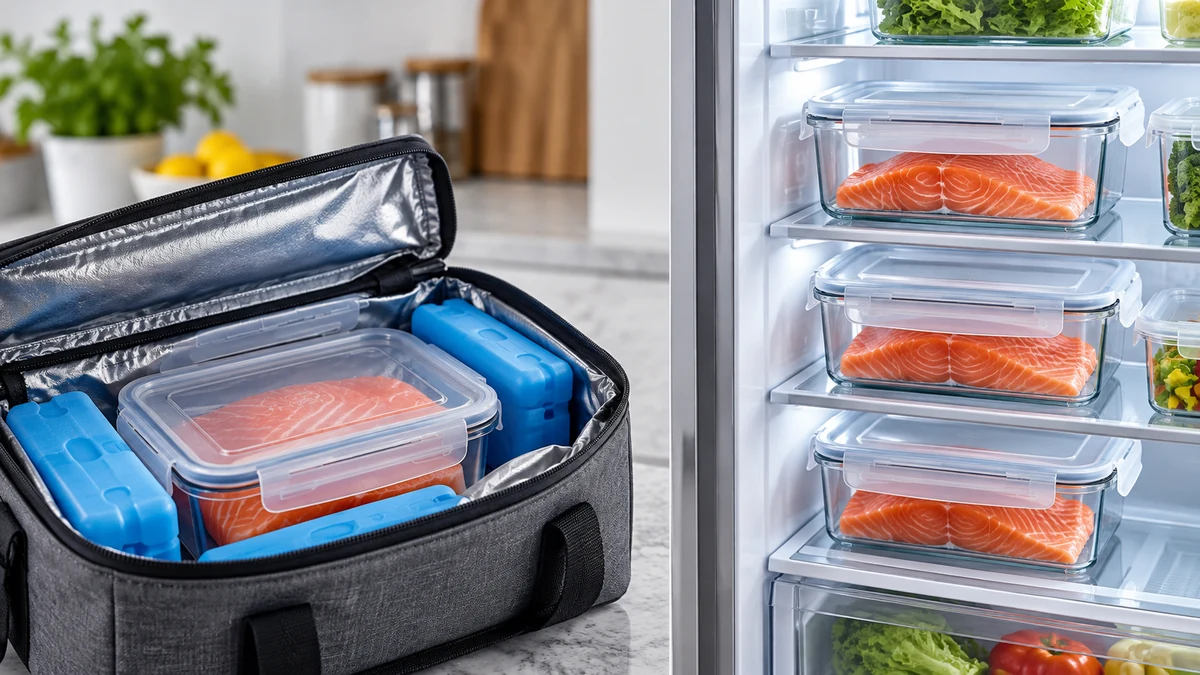
Fresh appearance alone cannot establish that fish is suitable to eat raw. Start with the supplier’s advice and handling history, then keep it cold and follow the stated storage instructions.
Buying the fish
- Ask specifically about raw use — confirm the relevant parasite controls and storage requirements. A marketing description alone does not answer these questions.
- Appearance: reject fish with obvious deterioration, but remember that attractive colour is not proof of safety.
- Smell: do not use fish with an unpleasant or ammonia-like smell. A normal smell cannot detect every food-safety problem.
- Condition: look for well-kept fish without obvious damage or deterioration, avoiding unnecessary handling.
- Supplier information: buy from a reputable supplier who can answer questions about the intended raw preparation.
- Packaging: check that it is intact and within its use-by date, and follow its refrigeration instructions. Vacuum packaging does not make fish safe indefinitely.
Getting it home
- Use an insulated bag: transport the packaged fish with ice packs, keeping it separate from other food.
- Keep the journey short: refrigerate promptly when you arrive.
Refrigerated storage
- Temperature: keep at 5°C or below, following any colder storage temperature specified by the supplier or packaging.
- Timing: follow the supplier’s raw-use and opening instructions and the use-by date. Plan to buy near the serving day instead of assuming a general 24–48 hour allowance applies to every product.
- Placement: keep raw fish in a covered, leakproof container away from ready-to-eat food, following safe fridge organisation.
Freezing considerations
- Confirm treatment before buying: fish intended for raw consumption requires appropriate parasite controls or a valid exemption. Home freezing at an assumed temperature is not a way to repair uncertain sourcing, and freezing does not eliminate every foodborne hazard.
- Follow the product instructions: if buying suitable frozen fish, keep its packaging intact and observe the specified storage and thawing method.
- Thaw in the fridge: use a covered container and follow the packaging, including any instruction to open or remove vacuum packaging before thawing. Allow enough time for it to defrost fully while staying cold.
- After thawing: follow the supplier’s instructions and use within the stated time. Do not repeatedly freeze and thaw fish intended for this raw dish.
Clean preparation
- Clean equipment: wash boards, knives and utensils properly before and after handling fish.
- Separate tasks: keep raw-fish equipment away from cooked potato, salads and other ready-to-eat foods.
- Wash hands: wash before preparation and after handling raw fish. Gloves, if used, do not replace handwashing and must be changed appropriately.
Before serving
- Confirm suitability with the supplier for the intended raw use.
- Check the product for its use-by date, storage instructions and any deterioration.
- Keep it cold until assembly and service.
- Follow thawing instructions if using suitable frozen fish.
These steps help manage risk but cannot make raw fish risk-free. If there is uncertainty, serve thoroughly cooked salmon or the vegetable variation instead.
Other starters and accompaniments

- Small canapés: serve a little salmon on cooled sweet potato crisps or tasting spoons. Two or three small pieces can be a starting point when this is one of several starters.
- Crostini: use toasted bread with cream cheese, dill and the appropriate salmon variation. Fully cooked salmon offers an alternative to raw or cold-smoked fish.
- Fresh salad: combine prepared rocket or baby spinach with orange segments, thin fennel and optional pine nuts, dressed lightly with citrus.
- Cooked vegetables: grilled asparagus with citrus zest or glazed carrots make useful separate accompaniments. Keep warm food away from the chilled fish.
- More sweet potato: offer crisps or a small portion of sweet potato mash with nutmeg for another texture.
- Separate dressings: small bowls of citrus dressing, dill cream and soy-citrus sauce let guests choose.
- Chilled soups: small servings of cucumber and yoghurt soup or chilled pea soup can accompany the starter; keep them properly refrigerated until service.
- Vegetarian choices: offer roasted beetroot canapés, guacamole on toast or suitable vegetable sticks.
- Dessert ideas: citrus sorbet, baked fruit or small petits fours provide a different finish to the meal.
- Drinks: brut sparkling wine, Sauvignon Blanc or Vinho Verde can suit adult guests. Offer sparkling water and another alcohol-free choice too.
Practical service
- Serve in stages: bring out small portions close to eating time instead of leaving carpaccio exposed throughout the party.
- Keep cold dishes chilled: take the carpaccio and perishable sauces from the fridge only when ready to serve.
- Presentation: simple plates or individual tasting spoons make the colours easy to see.
- Offer variety: include cooked and vegetable options as well as the raw dish.
- Plan the portions: adjust the number of small canapés to the other courses. The main recipe provides four starter plates; the number of bite-sized pieces depends on their size.
Preparation and assembly
- Make dressings ahead and keep them covered and refrigerated in small containers.
- Assemble shortly before serving to preserve the texture of the fish and any crisp base.
- Use separate platters and utensils for raw fish, cooked fish and fish-free versions.
- Garnish last: add prepared leaves, citrus zest and toasted nuts near serving time.
Ready for your celebration
Salmon carpaccio with sweet potato combines contrasting colours, textures and fresh citrus flavour. Plan the fish purchase carefully and choose the cooked or vegetable version whenever it is more suitable for your guests.
Thank you for reading. Follow our social channels and visit the I Love Christmas blog for more seasonal recipes and ideas.
Tell us which variation you tried, and enjoy your New Year’s Eve celebration.
Salmon carpaccio with sweet potato: frequently asked questions
Is raw salmon safe to use in carpaccio?
Raw fish is not risk-free. A sashimi-grade description alone is not enough: ask the supplier to confirm suitability and relevant controls for raw use, follow storage instructions and keep it chilled. Do not rely on home freezing to make uncertain fish suitable. Choose thoroughly cooked salmon if unsure or serving guests who should avoid raw fish.
Can I replace the sweet potato?
Yes. Try thin cooked potato slices, roasted beetroot or cooled sweet potato crisps. Adjust cooking to the chosen ingredient and cool the base completely before adding raw fish.
How should I assemble it for a celebration?
Use chilled plates and cold sweet potato rounds, arrange the suitable salmon loosely on top and add prepared leaves, dressing and nuts shortly before serving. Small individual plates help with prompt service.
Which dressings work well?
Try citrus vinaigrette, soy and citrus dressing, yoghurt with dill or honey mustard. Offer sauces separately and account for allergens such as milk, mustard, sesame and soy where present.
Can I prepare it in advance?
Roast the sweet potato and make suitable dressings the day before, cooling and refrigerating them promptly. Keep components separate. Slice the chilled salmon and assemble close to serving time, following the supplier’s raw-use instructions rather than a general make-ahead allowance.
Sources and Further Reading
- Food Standards Scotland — freezing fish and fishery products
- Food Standards Agency — cold-smoked and cured fish for higher-risk consumers
- Food Standards Agency — chilling, freezing and defrosting food
- NHS — foods to avoid in pregnancy