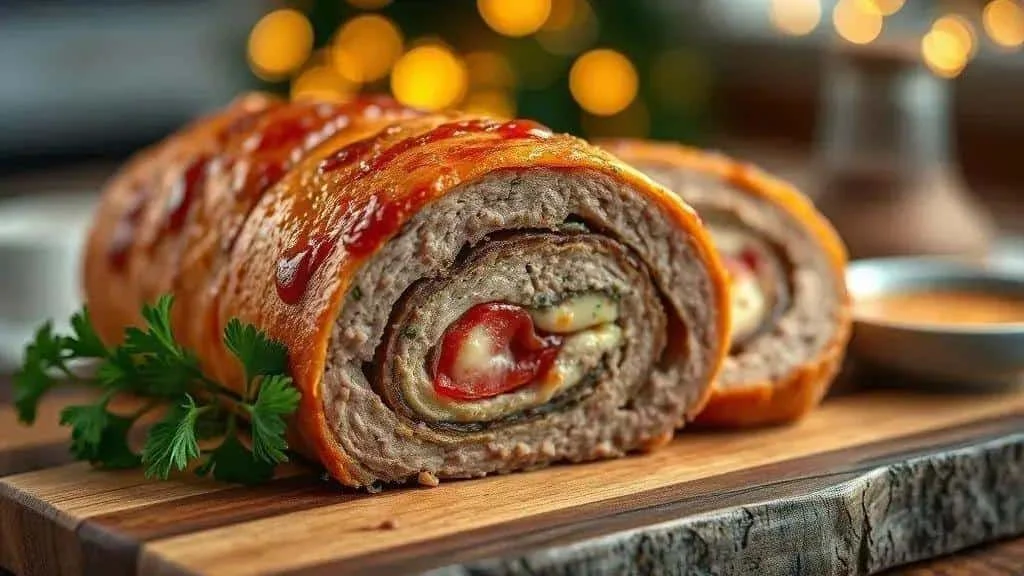
Seven Christmas fritter ideas, including detailed recipes for salt cod and cheese fritters, ingredient outlines for other flavours, Brazilian cassava variations and practical frying and serving advice. Plan around your guests’ dietary needs and prepare small batches for the table.
These Christmas fritter ideas bring crisp coatings, soft centres and varied flavours to a festive buffet. Start with the two detailed recipes, then explore the other ingredient combinations and serving suggestions.
Why fritters suit a Christmas buffet

Golden fritters are easy to share and can evoke family celebrations. Their contrasting textures — crisp outside and soft inside — make them a tempting addition to a party platter.
What makes them appealing
- Familiar flavours: many people associate savoury fritters with childhood treats and family gatherings.
- Preparation in stages: some mixtures can be made ahead and refrigerated safely, leaving frying until close to serving.
- Variety: savoury and sweet combinations offer different choices. Vegetarian or gluten-free adaptations require checking the whole recipe and preparation method.
- Sharing: small pieces let guests try several flavours while chatting.
- Flexible budgeting: simple ingredients can make a useful number of small portions, though costs and yield depend on the recipe.
- Presentation: golden coatings and colourful garnishes make an inviting platter.
Regional seasonings and different dips offer further variety. Choose a manageable selection and check each guest’s requirements before adapting mixtures or fillings.
Practical tips
- Even frying: use controlled oil temperature and small, even portions so the centre cooks before the outside becomes too dark.
- Serving: arrange fritters with herbs, lemon wedges and separate little bowls of dip.
- Make ahead: refrigerate shaped fritters promptly. If freezing, follow the storage and thawing guidance below; do not assume every homemade fritter can be fried safely straight from frozen.
Choosing a balanced selection of seven fritter ideas

When choosing from these seven fritter ideas, consider flavour, texture, portion size and your guests’ needs rather than making every variety automatically.
Selection criteria
- Flavour: combine savoury, gently spicy and perhaps one sweet option.
- Texture: vary crisp coatings and soft or creamy centres.
- Different fillings: fish, meat, prawns and vegetarian options can provide variety; choose the mix that suits the people attending.
- Dietary needs: ask about allergies and intolerances. Gluten-free, lactose-free, milk-free and vegan are different requirements.
- Colour and shape: vary presentation while keeping portions within each batch a similar size for even cooking.
Seven ideas to consider
- Salt cod fritters: savoury fish and potato bites, served with lemon and garlic mayonnaise.
- Cheese and herb fritters: soft-centred bites with chilli jam or an herb dip.
- Cassava and Brazilian dried beef fritters: a hearty combination that suits chilli sauce or onion chutney.
- Prawn fritters: a seafood option with citrus aioli or a lightly spiced tomato dip.
- Sweetcorn fritters: soft, gently sweet bites with herb butter or a suitable alternative.
- Ricotta and spinach fritters: a vegetarian idea served with yoghurt and herbs. Ricotta and eggs are animal products, so this is not a vegan option as written.
- Sweet banana fritters: a dessert-style finish with dulce de leche, treacle or fruit compote.
Portions and service
- Per person: around four to six small fritters can be a starting point for the main pre-dinner snack, or two to three alongside several other starters. This is not a full-meal allowance.
- Tasting portions: one small piece of each chosen flavour lets guests compare them; adjust the total to appetites and the rest of the menu.
- Crispness: fry at 170–180°C in suitable equipment, cook the centres thoroughly and drain on a rack. Serve freshly fried. For later reheating, follow the specific guidance below rather than relying on a brief oven warm-up.
Presentation tips
- Separate varieties: group each type on its own platter so guests can identify the fillings.
- Dips: place small bowls near the relevant fritters with readable names and allergen information.
- Fresh batches: fry varieties that soften quickly closest to serving. Hold hot reserves at 63°C or above, checking the food temperature rather than relying on a warm platter.
Dietary adaptations
- Gluten-free: suitable rice flour, tapioca starch or chickpea flour may work in particular mixtures, but are not interchangeable in every recipe. Check other ingredients and use separate uncontaminated oil and utensils.
- Lactose and milk: plant-based cheese may help adapt a recipe, but check milk, butter and dips too. Lactose-free dairy still contains milk proteins and is unsuitable for a milk allergy.
- Allergens: check ingredients with guests, prevent cross-contact during preparation and frying, and use separate labelled platters and utensils. Keeping dishes apart on the table alone is not enough.
Seven fritter ideas: flavours and key ingredients

The following overview introduces the seven fritter ideas and their main ingredients. These are starting combinations rather than seven fully specified methods; the detailed salt cod and cheese recipes follow below.
Salt cod fritters
Salt cod and potato give a savoury, soft-centred fritter with a crisp outside. Follow the full recipe below for binding ingredients and cooking instructions.
- 500 g desalted, flaked salt cod – skin and bones removed; cook thoroughly before mixing as described below.
- 500 g potatoes – peeled, cooked and mashed for the base.
- 1 small chopped onion – for flavour in this overview; the full recipe uses a medium onion.
- Parsley to taste – for freshness.
Alternative: ready-desalted cod or thoroughly cooked flaked white fish can replace traditional salt cod. Serve with lemon and garlic mayonnaise, checking its ingredients.
Cheese and herb fritters
These combine a crisp coating with a soft cheese centre. The outline below differs slightly from the fuller milk-and-breadcrumb recipe later in the article.
- 300 g grated Brazilian queijo prato – a mild melting cheese; low-moisture mozzarella is an accessible alternative.
- 150 g plain flour – for structure in this outline.
- 2 tablespoons chopped fresh herbs – such as oregano, thyme or chives.
- 1 egg – to bind.
Alternatives: mozzarella gives a different cheese texture. Plant-based cheese may work, but does not by itself make the egg-containing mixture vegan. Check the whole recipe and serve with a suitable chilli jam or herb dip.
Cassava and Brazilian dried beef fritters
Mashed cassava and seasoned shredded beef give a substantial filling. Carne seca is Brazilian salted dried beef and needs preparation according to its packaging; it is not ready-to-eat jerky.
- 400 g cooked, mashed cassava – use commercially supplied edible cassava, peel and cook fully according to supplier instructions, discard the cooking water and remove the fibrous core. Never use raw cassava.
- 250 g desalted, fully cooked shredded carne seca – seasoned and drained; cool promptly if preparing ahead.
- 1 medium onion – for the cooked filling, with a little suitable cooking oil if needed.
- Parsley and spring onion to taste – the Brazilian herb combination known as cheiro-verde.
Alternatives: properly prepared charque, another Brazilian cured beef, or fully cooked shredded chicken gives a different filling. Use ingredients that have not already been reheated, and follow the reheating guidance below when frying the assembled fritters.
Prawn fritters
Prawns give a delicate seafood flavour. This is an ingredient outline; use a complete prawn-fritter method to establish the batter consistency and cooking process.
- 300 g peeled, cleaned prawns – chopped or roughly processed; any raw prawns must be thoroughly cooked in the finished fritter.
- 150 g plain flour – a suitable gluten-free blend may need different liquid and binding quantities.
- 1 chopped garlic clove – for flavour.
- Juice of ½ lemon – for seasoning, not as a substitute for cooking.
Alternative: chopped, drained hearts of palm can provide a vegetarian texture in an appropriately adapted recipe; they do not have the same flavour or nutrition as prawns. Serve with suitable citrus aioli or tomato dip.
Sweetcorn fritters
Sweetcorn brings a soft texture and gentle sweetness. Adjust the batter and cooking method for the corn being used rather than treating this outline as a tested formula.
- 2 cups drained sweetcorn kernels – fresh or tinned.
- ½ cup plain flour – for the batter.
- 1 egg – to bind.
- ¼ cup milk – or a suitable plant-based drink; changing the milk does not remove the egg.
Variations: grated cheese adds savouriness. Fine maize flour gives a different texture but is not the same as British cornflour, which is starch; trial substitutions rather than swapping blindly. Herb butter is one serving option.
Vegetarian ricotta and spinach fritters
Ricotta and spinach provide a creamy, herbal combination. Check the cheese is suitable for vegetarians; this dairy-based idea is not vegan as written.
- 300 g mashed ricotta – for the creamy base.
- 150 g cooked, chopped spinach – squeezed dry and cooled promptly.
- ½ cup breadcrumbs – for structure.
- 1 egg – as a binder. Omitting it may change how the mixture holds together and does not make ricotta vegan.
Vegan adaptation: use a separately tested tofu-and-spinach fritter recipe with a suitable binder and breadcrumbs, replacing both ricotta and egg. Any yoghurt dip or pesto must also be vegan.
Sweet banana fritters
Ripe banana and brown sugar suggest a soft dessert-style fritter. This ingredient combination is an outline; banana size and moisture affect the batter and require adjustment in a full method.
- 3 ripe bananas, mashed – for fruit flavour and sweetness.
- ½ cup soft brown sugar – for sweetness and browning.
- 1 cup plain flour – for structure.
- 1 teaspoon cinnamon – for a warm spice flavour.
Serving ideas: offer treacle, dulce de leche or fruit compote alongside. Dulce de leche contains milk, so choose a suitable alternative where needed.
Service notes
- Timing: prepare suitable mixtures and fillings ahead, cool cooked components promptly and refrigerate, then fry near serving time.
- Technique: even simple mixtures need care when deep-frying. A thermostatically controlled fryer is safer than an open pan; follow its instructions.
- Presentation: cut a fully cooked fritter in half to show the filling, using clean utensils.
Salt cod fritters: ingredients

For these salt cod fritters, prepare the following ingredients:
- 500 g desalted, flaked salt cod – skin and bones removed. Desalt in the fridge following the supplier’s instructions for the cut and thickness, rather than a universal soaking time. Fully cooked flaked white fish is an alternative.
- 500 g potatoes – weighed peeled before cooking, then cooked and mashed. Alternatively use 400 g fully cooked, drained and mashed commercially supplied edible cassava, prepared according to its instructions; texture will differ.
- 1 medium onion, chopped – red onion is another option.
- 2 garlic cloves, chopped – reduce to taste.
- 2 eggs – to bind. Reducing the egg and adding flour changes the recipe and should not be presented as a proven cholesterol benefit.
- ¼ cup chopped parsley – or spring onion.
- ⅓ cup plain flour – add gradually until the mixture can be shaped. A gluten-free adaptation needs suitable ingredients and a small cooked trial portion.
- Salt to taste – test a thoroughly cooked sample, never raw fish or an egg-and-flour mixture.
- Freshly ground black pepper – or a little chilli for a hotter version.
- A pinch of nutmeg, optional – for seasoning.
- Vegetable oil for frying, plus 1 tablespoon for the onion – use oil suitable for deep-frying. The quantity depends on the equipment: follow a fryer’s fill lines, or never fill an open pan more than one-third full. Do not pour in a fixed 1.5–2 litres regardless of pan size.
- Lemon wedges – to serve.
Ingredient tips
- Salt: taste only a cooked piece of desalted cod before deciding whether the mixture needs further seasoning.
- Consistency: the mixture should hold its shape. Drain cooked potatoes and fish well, then add flour gradually rather than making the mixture unnecessarily stiff.
- Freezing: freeze freshly shaped, chilled fritters on a tray, then transfer to a labelled airtight container. Thaw in the fridge before cooking unless following a validated cook-from-frozen method for that size and recipe; an arbitrary extra minute is not enough assurance.
Salt cod fritters: step-by-step method
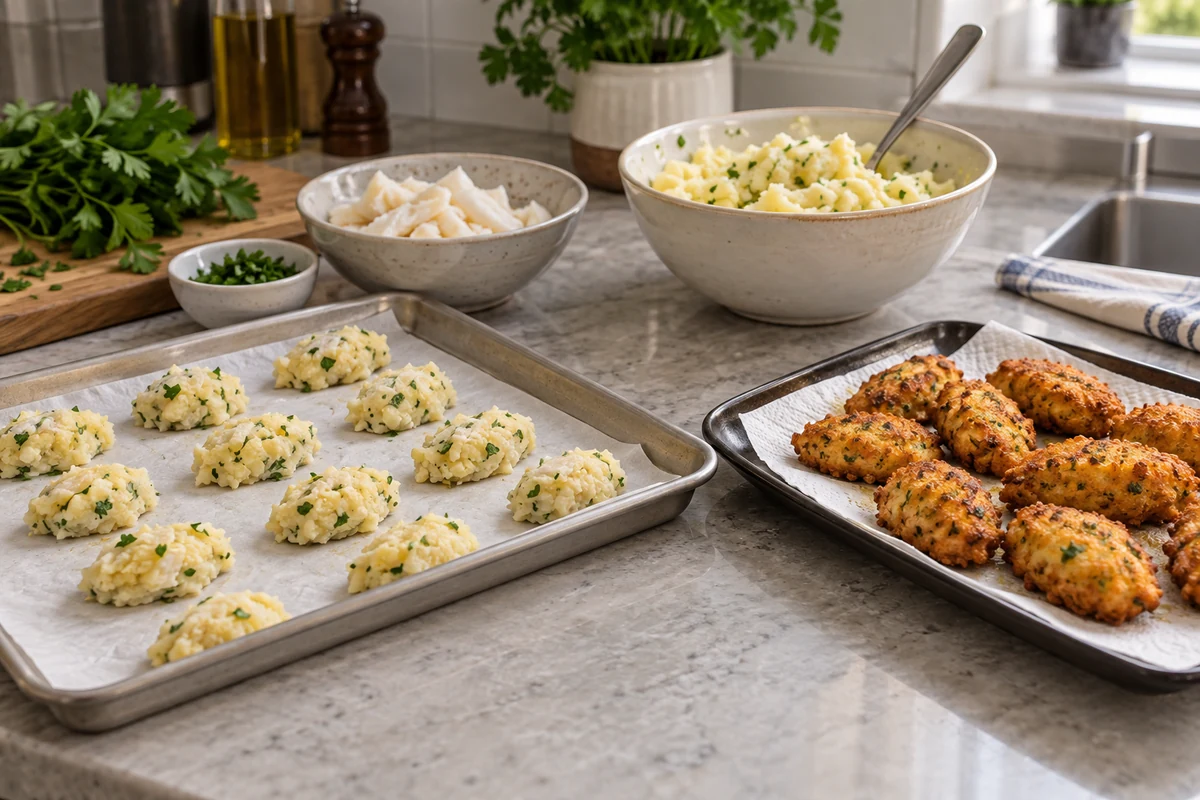
To prepare the salt cod fritters, follow these steps:
- Desalt safely: soak in cold water in the fridge at 5°C or below, changing water according to the supplier’s instructions. Flakes and thick loins need different soaking schedules. Boiling briefly and then soaking for a couple of hours is not a reliable universal shortcut.
- Cook potatoes: peel and cut into even pieces, then boil until tender, starting to check at 15–20 minutes. Drain thoroughly, mash while hot and spread in a shallow dish to cool promptly.
- Cook fish and aromatics: heat the tablespoon of oil and soften the onion and garlic. Add desalted flaked cod and cook thoroughly, not merely until fragrant: aim for 70°C for two minutes or 75°C for 30 seconds. Drain excess liquid and cool promptly in a shallow dish. If using already cooked white fish, cool the aromatics separately and fold in the chilled fish later to avoid an extra reheating cycle.
- Mix: once the components are cool enough not to cook the eggs, combine potato, fish, onion, garlic, eggs, parsley, optional nutmeg and pepper. Gradually add the flour to make a shapeable mixture. Do not taste it raw; cook a small trial portion thoroughly to check seasoning and texture. Keep preparation brief and refrigerate promptly.
- Shape: with clean, lightly oiled hands, make even 20–30 g oval or round pieces. Close any cracks without overworking the mixture.
- Chill: refrigerate for about 20–30 minutes to firm up. If freezing, follow the storage guidance above and thaw safely before frying; keep thawed fritters chilled and use within 24 hours.
- Heat oil: use a suitable fryer or deep, stable pan and a thermometer to reach 170–180°C. Browning a scrap of dough in 30 seconds is not an accurate temperature measurement. Keep the fill level safe and leave room for bubbling when food is added.
- Fry small batches: lower in a few fritters carefully and turn as needed. About 3–5 minutes is only a guide: the egg-and-fish centres must reach 70°C for two minutes or 75°C for 30 seconds. Check a representative fritter with a clean probe; colour alone is not enough.
- Drain and hold: lift out with a slotted spoon and drain on a rack over a tray. Serve promptly, or hold at a measured food temperature of at least 63°C. An oven dial reading of 90–100°C does not itself confirm the fritters’ temperature.
- Serve: offer lemon, garlic mayonnaise, aioli or chilli sauce. Here the previously cooked and cooled fish is reheated during frying, so do not cool these fritters and reheat them again. Make manageable batches and follow safe chilling guidance for any food retained for cold consumption.
Practical tips
- Season safely: taste only cooked cod or a fully cooked trial fritter, never raw mixture.
- Lighter texture: mix just until combined and add only enough flour to shape; excessive mixing and flour make dense fritters.
- Gluten-free adaptation: suitable rice flour or tapioca starch changes the texture. Add gradually, cook a small test portion and check all ingredients, equipment and frying oil for cross-contact.
- Flavour variations: try a little grated cheese, coriander, spring onion or chilli, checking allergens and adjusting the mixture if needed.
Salt cod fritter variations

These variations offer different flavours for the salt cod fritter. Ingredient changes affect binding and cooking, so cook a small trial portion before committing a whole batch.
With a cheese centre
Cheese adds a soft centre. This variation changes the fish, potato and egg balance from the full recipe, so check the mixture holds together before frying a batch.
- 500 g desalted, fully cooked and flaked cod
- 400 g cooked, mashed potato
- 100 g queijo prato or low-moisture mozzarella – cut into small pieces for the centres.
- 1 egg – to bind; use the main recipe’s seasoning and safe frying approach.
Tip: enclose a small piece of cheese completely and chill until firm. A brief spell in the freezer cannot guarantee against leaks and must not leave a frozen centre that cooks unevenly.
Gluten-free variation
Replace wheat flour with a suitable alternative, adjusting gradually to a shapeable mixture and testing a cooked portion.
- Up to ⅓ cup rice flour – add gradually as needed.
- Up to ¼ cup sweet tapioca starch, polvilho doce – an optional alternative or part of a blend, not an instruction to add both full amounts automatically.
- Potato and cooked salt cod – in the main recipe’s proportions, with its eggs and seasonings.
Practical note: using tapioca starch alone changes the texture and may need a different quantity. Check the whole recipe and use uncontaminated equipment and oil.
Plant-based variation
This is a different chickpea-and-cassava fritter idea, rather than salt cod with a one-for-one replacement. Its binder and moisture need a cooked trial portion.
- 300 g cooked, drained and mashed chickpeas – for the base.
- 200 g fully cooked, drained and mashed cassava – prepared according to supplier instructions, never raw.
- 1 tablespoon ground flaxseed mixed with 3 tablespoons water – leave to thicken as a possible binder; this does not guarantee the same result as egg.
- Chopped herbs to taste – with suitable seasoning and frying oil.
Serving: choose a suitable vegan yoghurt dip or mango chutney, checking the label and any allergens.
Spicy variation with Brazilian calabresa sausage
Calabresa is a Brazilian seasoned sausage. Adding it changes both the saltiness and richness of the fritter; prepare it fully according to its packaging before using.
- 150 g finely chopped, fully cooked and drained calabresa – cooled promptly before mixing.
- A pinch of chilli flakes – to taste.
- Potato and cooked salt cod in the main recipe’s proportions – with its binder and seasonings, adjusted after cooking a trial portion.
Note: drain sausage fat before adding it. Frying reheats the cooked fish and sausage, so do not plan another reheating afterwards.
Citrus and herb variation
Lemon zest and herbs add a fresh flavour to the main fritter mixture without changing it into a lower-fat recipe.
- Finely grated zest of 1 lemon
- 2 tablespoons chopped parsley and spring onion
- A pinch of black pepper
Serving idea: offer lemon mayonnaise or a suitable aioli alongside.
Baked variation
Baking uses less added oil than deep-frying, although the final nutritional difference depends on the ingredients and portion size. The texture will be different.
- Use the main fritter mixture – shape evenly and brush lightly with suitable oil.
- Preheat to 200°C and begin checking after 15–20 minutes. Continue until the centres are fully cooked to the temperature and holding time given above; browning is not proof of doneness.
Technique: turn halfway for more even colouring. Baking previously cooked and cooled fish still counts as reheating it.
Adaptation tips
- Check seasoning safely with a fully cooked sample, especially when using salty cheese, fish or sausage. Never taste raw egg-and-flour mixture.
- Texture: add flour gradually so the mixture stays shapeable without becoming dense.
- Identification: label different varieties and prevent allergen cross-contact throughout preparation, frying and serving, not just by using separate platters.
Cheese and herb fritters: ingredients
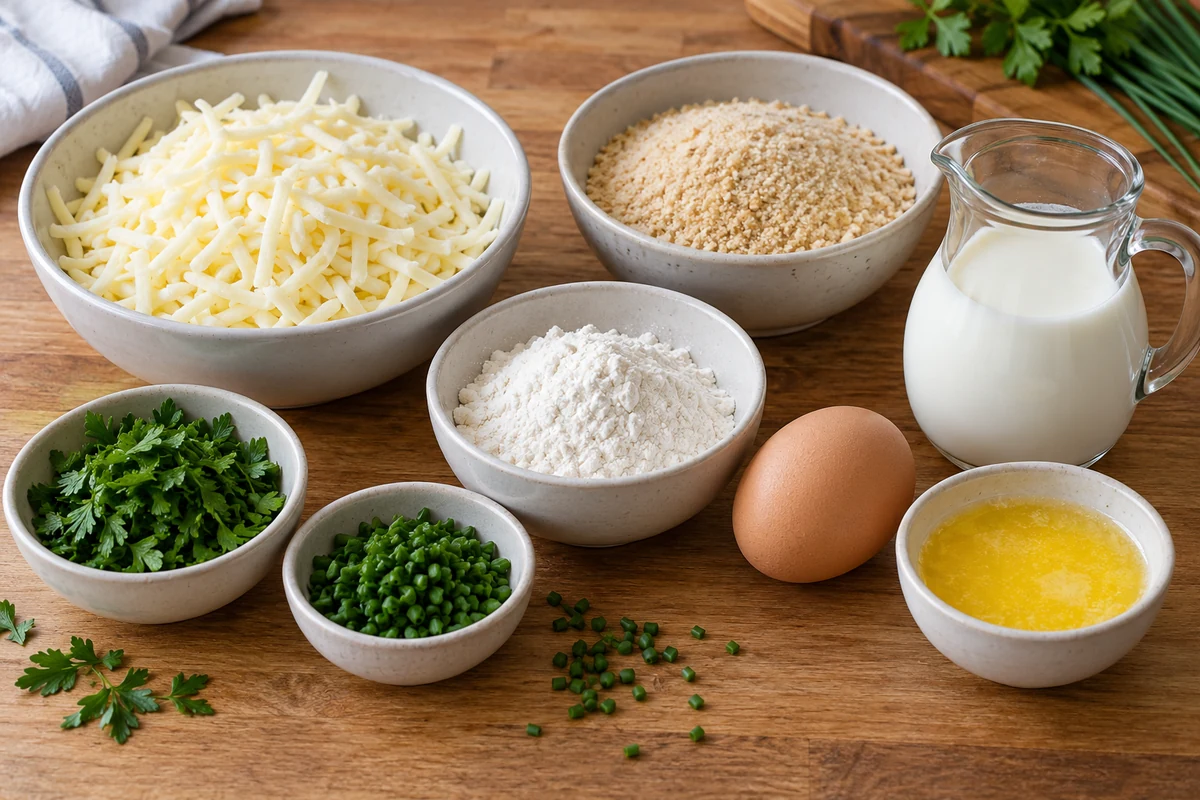
For these cheese and herb fritters, gather the following ingredients:
- 300 g grated queijo prato or low-moisture mozzarella – use vegetarian cheese where required. Plant-based cheese may behave differently and needs a trial batch, with the other ingredients adapted too.
- 140 g plain flour – use the weight rather than an approximate cup conversion. Gluten-free flour blends vary and may need different liquid quantities.
- ½ cup breadcrumbs or ⅓ cup sweet tapioca starch – for the mixture; these give different textures. Allow additional suitable breadcrumbs for the optional coating.
- 1 egg – to bind. A mixture of one tablespoon ground flaxseed and three tablespoons water, left to thicken, is a possible binder in an adapted recipe, not a guaranteed equivalent; vegan versions also need all dairy replaced.
- 60 ml milk – add gradually. A suitable plant-based drink is an alternative, but check its allergens and replace any other unsuitable dairy ingredients.
- 2 tablespoons melted butter or vegetable oil – for the mixture; use oil for a suitable plant-based adaptation.
- 2 tablespoons chopped fresh herbs – parsley and chives, or thyme, oregano or basil to taste.
- 1 teaspoon baking powder, optional – for a slightly more open texture; check suitability if gluten-free food is needed.
- Salt and freshly ground black pepper – to taste, allowing for the cheese’s saltiness.
- Vegetable oil for deep-frying – enough for your equipment within its safe fill limits, not a fixed volume for every pan. Use a controlled temperature of 170–180°C.
Tips and substitutions
- Softer centre: up to 50 g cream cheese or Brazilian requeijão can change the texture, but also adds moisture. Reduce the milk initially and trial a fully cooked portion before shaping the batch.
- Extra coating: roll in a little additional suitable breadcrumb before frying.
- Seasoning: fry a small trial piece thoroughly before tasting. Never taste the raw egg-and-flour mixture.
- Freezing: freeze freshly shaped, chilled fritters on a tray and transfer to a labelled airtight container. Thaw in the fridge and cook within 24 hours unless following validated cook-from-frozen instructions for the particular recipe.
Cheese fritters: method and texture tips
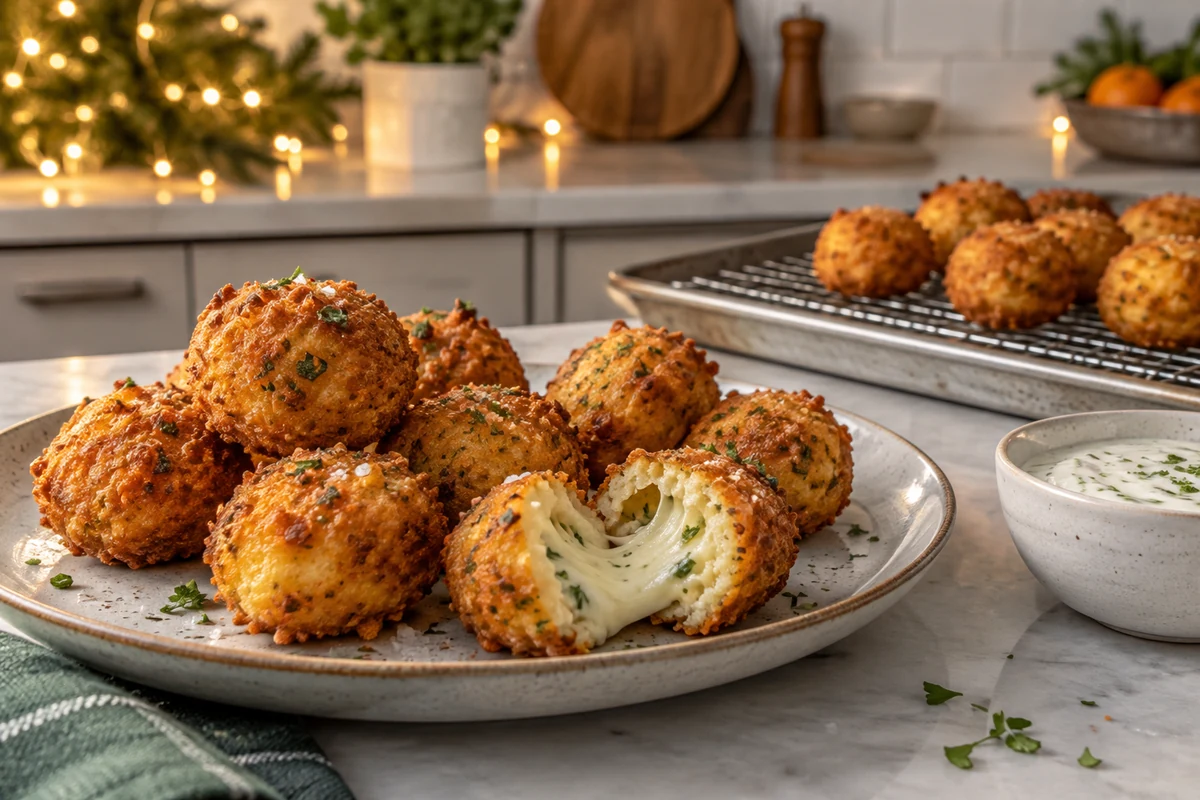
- Gather everything: prepare the 300 g cheese, 140 g flour, breadcrumbs or tapioca starch, egg, up to 60 ml milk, two tablespoons melted butter or oil, herbs, optional baking powder, seasoning and frying oil. If adapting for milk-free or vegan diets, check every relevant ingredient, not just the milk.
- Combine dry ingredients: mix the grated cheese, flour, breadcrumbs or starch, herbs, optional baking powder and pepper in a bowl.
- Add wet ingredients: beat the egg with the melted butter or oil and a little of the milk, then mix into the dry ingredients. Add the remaining milk gradually, stopping when the mixture is cohesive and shapeable rather than loose.
- Check texture and seasoning: if too soft, add a little flour, starting with one tablespoon; if too dry, add milk a little at a time. Fully cook a small test piece before tasting and adjusting seasoning. Do not taste raw dough: raw flour as well as egg can carry harmful bacteria.
- Shape: with clean, lightly oiled hands, make even 20–30 g balls or small discs, closing cracks without compressing them excessively.
- Optional coating: roll each fritter in the extra suitable breadcrumbs. For a gluten-free version, use a coating suited to that recipe and check all other ingredients too.
- Chill: refrigerate for around 15–20 minutes to firm up. If freezing, follow the storage and thawing instructions above rather than assuming the same frying time will work.
- Heat the oil: use a suitable fryer or deep, stable pan with a thermometer to reach 170–180°C. Stay within the safe fill level and do not use a dough-browning test as a substitute for measuring temperature.
- Fry small batches: lower in carefully, turning as needed. Roughly 3–4 minutes is a starting guide, not proof of safety: cook the centres thoroughly to 70°C for two minutes or 75°C for 30 seconds. Check a representative fritter with a clean probe, then drain on a rack over a tray.
- Serve promptly: enjoy while the cheese is soft. If holding briefly, check the food stays at 63°C or above; an oven set to 90–100°C does not guarantee the food temperature. Keep holding time short for the best texture.
Texture tips
- Avoid dense mixtures: mix only until combined rather than kneading heavily.
- Cheese texture: queijo prato or low-moisture mozzarella melts readily. Adding 30–50 g cream cheese changes moisture as well as creaminess, so reduce milk initially and test a cooked portion.
- Crisp coating: breadcrumbs give a different crust from a starch-based mixture. A thicker coating is not automatically better; check that it adheres and that the centre cooks fully.
- Oil temperature: oil that is too cool can produce greasy fritters, while excessive heat darkens the surface before the centre cooks. Monitor 170–180°C and adjust the heat between batches.
- Reheating: cool any cheese fritters you intend to keep promptly, ideally within one to two hours, and refrigerate at 5°C or below. Use within 48 hours or freeze. Reheat once until steaming hot throughout, checking the core temperature; an oven at 180°C can help crisp the outside, but a fixed 5–8 minutes is not a safety guarantee.
Cassava and Brazilian dried beef fritter variations
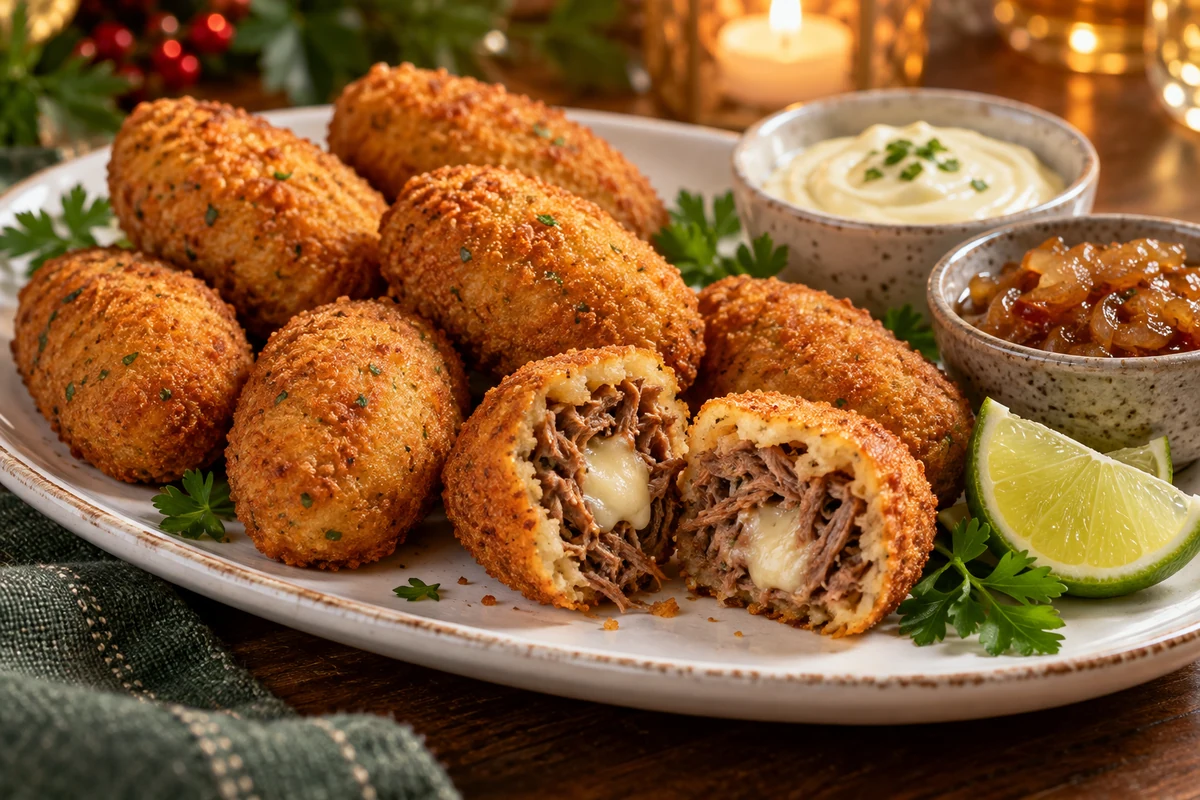
These ingredient combinations offer different takes on cassava and dried beef fritters. They are variation outlines rather than fully tested recipes: use fully cooked cassava and meat, control moisture and cook a trial portion before scaling up.
With queijo coalho and herbs
- 400 g fully cooked, drained and mashed cassava
- 200 g desalted, thoroughly cooked and shredded carne seca – cooled promptly if preparing ahead.
- 100 g queijo coalho, cubed – a firm Brazilian cheese that softens while tending to hold its shape.
- Parsley and spring onion to taste
Enclose a small cheese cube fully in each fritter and chill until firm. A brief freeze does not guarantee against leaks. Because frying reheats the cooked meat, do not plan another reheating afterwards.
With Catupiry-style cheese and crisp bacon
- 300 g fully cooked, drained and mashed cassava
- 150 g desalted, thoroughly cooked and shredded carne seca
- 50 g finely chopped bacon, fully cooked until crisp – drained and cooled promptly.
- A small amount of Catupiry-style creamy cheese for each centre – use only what can be completely enclosed; a full tablespoon will overfill a small party-sized fritter.
Mix some bacon into the filling and reserve a little for serving. Keep the filling contained, and treat the final frying as the reheating of the cooked meat and bacon.
Spicy calabresa variation
- 200 g fully cooked, drained and mashed cassava
- 150 g desalted, fully cooked and shredded carne seca
- 100 g finely chopped calabresa sausage – fully cooked according to its pack, drained and promptly cooled.
- Chilli flakes to taste
This is a meat-heavy filling outline: ensure there is enough cassava mixture to enclose it rather than forcing a fixed yield. Offer a suitable yoghurt dip or garlic mayonnaise alongside, and do not reheat again after frying.
Vegetarian hearts of palm or jackfruit variation
- 400 g fully cooked, drained and mashed cassava
- 250 g prepared chopped hearts of palm or shredded young jackfruit – seasoned, cooked and well drained.
- Fresh herbs and garlic – with suitable cooking fat and seasoning as needed.
Replace dried beef with the prepared vegetable filling, adjusting salt and optionally adding a little suitable liquid smoke. Check all binders, fats and dips for a vegan version; neither alternative is nutritionally equivalent to beef.
Baked variation
- Use a suitable cassava fritter mixture – shape evenly and brush lightly with oil.
- Bake at 200°C, checking from 15–20 minutes – turn halfway and continue until the centre is thoroughly heated to 70°C for two minutes or 75°C for 30 seconds.
Baking uses less added oil than deep-frying but gives a different texture. A light suitable breadcrumb coating may help browning. Baking previously cooked and cooled fillings counts as reheating them.
Farofa-style coating
- Prepared seasoned farofa – made with toasted cassava meal, cooked onion and butter or a suitable plant-based fat. Cassava meal is not tapioca starch or raw cassava.
- Coating: try pressing a little dry, fine farofa onto a trial fritter before frying, checking that it adheres without shedding excessively into the oil.
Farofa adds a Brazilian flavour and a different crust, though a loose or coarse mixture may not work as a coating. Cook a test portion rather than assuming every farofa will behave like breadcrumbs.
Mini party fritters
- Smaller portions: shape even 10–15 g pieces and check the centre is fully cooked; do not rely solely on their smaller size.
- Offer small forks – or suitable serving picks for adults, keeping sharp sticks away from young children.
Small portions let guests sample several flavours without filling up before the main meal.
Dips and pairings
- Garlic mayonnaise: a familiar accompaniment; check egg and other allergens.
- Onion chutney: adds sweetness and acidity.
- Citrus chilli sauce: offers a contrast to seafood or spiced fillings.
- Herb yoghurt: a fresh-tasting option; choose a suitable plant-based version if required.
Preparation tips
- Moisture: drain fillings such as hearts of palm or jackfruit well to avoid a loose mixture.
- Freezing: freeze freshly prepared, chilled shaped fritters, pack airtight and label. Thaw in the fridge and use within 24 hours unless following a validated cook-from-frozen method; remember that freezing does not reset previous reheating history.
- Handling: avoid overworking the cassava and shape with clean, lightly oiled hands.
- Identification: use clear dish and allergen labels, dedicated serving utensils and preparation arrangements that prevent cross-contact.
Practical frying and Christmas buffet serving tips
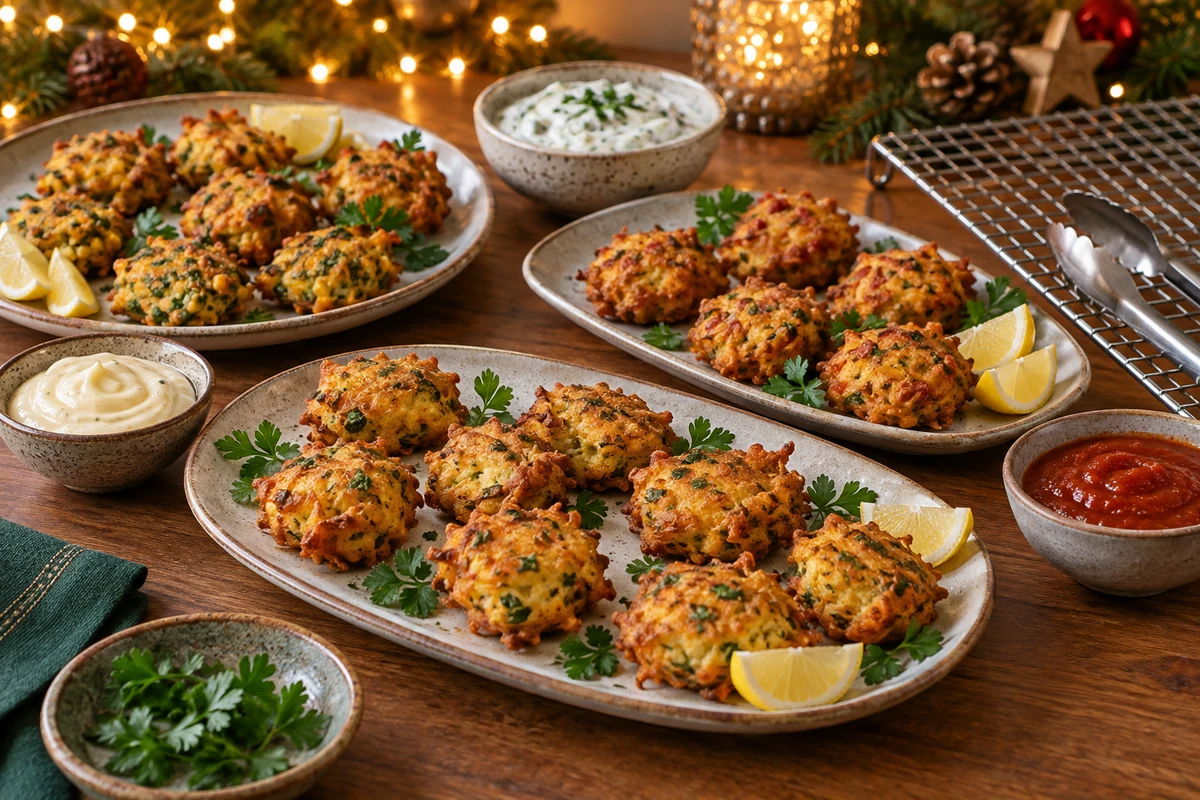
Even portions, controlled heat and a clear serving plan help keep the fritters appetising. Safe cooking and storage matter as much as the crisp coating.
A quick frying checklist
- Heat carefully: use suitable vegetable oil at 170–180°C, measured with a thermometer or controlled fryer. A scrap of dough browning quickly does not accurately measure oil temperature.
- Small batches: add only a few pieces at a time so the oil temperature does not drop sharply or bubble over.
- Turn carefully: let the coating set before turning with suitable utensils. Check the centres cook thoroughly; a golden shell does not prove doneness.
- Drain: remove with a slotted spoon and place on a rack over a tray, or briefly on absorbent paper. Avoid piling them up and trapping steam.
- Monitor heat: allow the oil to return to the target range between batches, without overheating it.
- Oil condition: follow the oil and fryer’s instructions, and replace degraded oil after allowing it to cool safely. Do not keep cooking with smoking oil or assume visual appearance alone proves it is suitable.
Texture and storage
- Coating: suitable breadcrumbs give a crisp crust, while starch changes the mixture differently. Chill soft mixtures before shaping and test them before frying a large batch.
- Keeping fillings enclosed: avoid overfilling, seal cracks and chill thoroughly. Brief freezing does not guarantee against leaks and can leave cold centres that need longer to cook.
- Reheating: an oven at 180°C can help crisp suitable leftovers, but heat them thoroughly to the core temperature given above, not merely for a fixed 5–8 minutes. Reheat only once: fritters whose cooked fillings were cooled and then reheated during frying should not be reheated again.
Inviting presentation
- Colour and height: use clean boards, white plates and stable little dip bowls, grouping the different fritters clearly.
- Simple garnishes: washed herbs, lemon zest and wedges, or a few chilli slices add colour.
- Dips: offer two to four choices in small bowls, such as aioli, chutney, chilli jam or herb yoghurt. Label them and keep chilled reserves refrigerated.
- Flavour groups: separate seafood, cheese and meat varieties so guests can choose easily, with clear allergen information and suitable utensils.
Serving without a last-minute rush
- Frying order: fry near serving time where possible, leaving varieties that soften quickly until last.
- Quantities: start with four to six small fritters per person as the main pre-dinner snack, or two to three alongside other starters. Adjust for size and appetite; this is not a full meal.
- Buffet station: arrange separate platters, dips, napkins and small forks so guests do not crowd around the cooking area.
- Dietary requirements: label foods accurately and keep suitable equipment, frying oil and serving utensils separate. Gluten-free, lactose-free and vegetarian labels do not cover every allergy.
- Replenishing: keep hot reserves at a measured 63°C or above and put out small batches. For cooked foods being saved, cool promptly, ideally within one to two hours, refrigerate at 5°C or below and use within 48 hours or freeze, respecting any shorter ingredient limit and previous reheating.
Festive finishing touches
- Decorations: use subtle lights and ribbons around the display, keeping decorative foliage, electrical items and flammable decorations away from food and the frying area.
- Individual portions: small dishes make standing and chatting easier; keep sharp picks away from young children.
- Photos: show a fully cooked fritter cut in half on the serving platter, using clean utensils and keeping food service prompt.
Choosing your festive fritters
Fritters offer a varied addition to Christmas entertaining. Pick a manageable selection of flavours and use recipes and preparation arrangements that genuinely suit the guests attending.
Control temperature, drain well and assemble serving platters in small batches. Trial changes to the mixture rather than assuming every substitution will give the same result.
Thank you for reading! Follow us on social media for more recipes and inspiration, and visit the I Love Christmas blog for more festive ideas. Share your photos and tell us which fritter you enjoyed most!
Christmas fritter FAQ
How do I keep fritters crisp after frying?
Drain on a rack without stacking, then serve promptly. If holding hot, keep the food itself at 63°C or above and check it rather than relying on an oven setting. Avoid covering tightly and trapping steam.
Can I freeze fritters before or after frying?
Freshly prepared shaped fritters can be frozen on a tray and packed airtight. Cooked fritters must be cooled promptly before freezing. Thaw in the fridge and use within 24 hours; cook from frozen only with a validated method for that recipe. Do not reheat more than once, including a cooked filling’s reheating during the final frying.
Which gluten-free ingredients can replace wheat flour?
Rice flour, suitable gluten-free blends or tapioca starch may work in particular recipes, but they have different properties and are not universal one-for-one replacements. Trial the mixture, check all ingredients and prevent cross-contact from equipment and shared frying oil.
How many fritters should I allow per person?
Around four to six small pieces as a main pre-dinner snack, or two to three when there are other starters, is a starting point. Adjust for size, appetite and the rest of the menu.
How can I reheat fritters and keep the coating crisp?
For suitable promptly chilled leftovers that have not already been reheated, use an oven or air fryer and heat until steaming hot throughout, such as 70°C for two minutes or 75°C for 30 seconds at the centre. Time depends on size and starting temperature. Do not reheat again if frying already reheated a cooked-and-cooled filling.
What safety precautions matter when deep-frying?
Prefer a thermostatically controlled fryer and follow its fill limits. If using a pan, never fill it more than one-third full of oil, monitor temperature, keep water and ice away, and do not leave it unattended. Keep children clear and use suitable utensils. If oil catches fire, do not add water or move the pan: leave the area, close the door if safe and call 999.
Sources and Further Reading
- UK Government: cooking and reheating food
- UK Government: chilling and defrosting food safely
- NHS: foods to avoid for babies and young children
- Norwegian Seafood Council: desalting salt cod
- UK Government: handling raw flour safely
- London Fire Brigade: deep-fat fryer safety
- Food Standards Australia New Zealand: safe cassava preparation